Common Mistakes of New Hazelnut Growers and How to Avoid Them
Content generated by artificial intelligence — verify before application
This article was automatically compiled from a collection of hazelnut literature using artificial intelligence and may contain errors or outdated information. It serves as a starting point for further research, not as professional advice. Dosages, products, and timing are informative and depend on the cultivar, location, and current regulations — always consult with an advisory service and official sources before application.
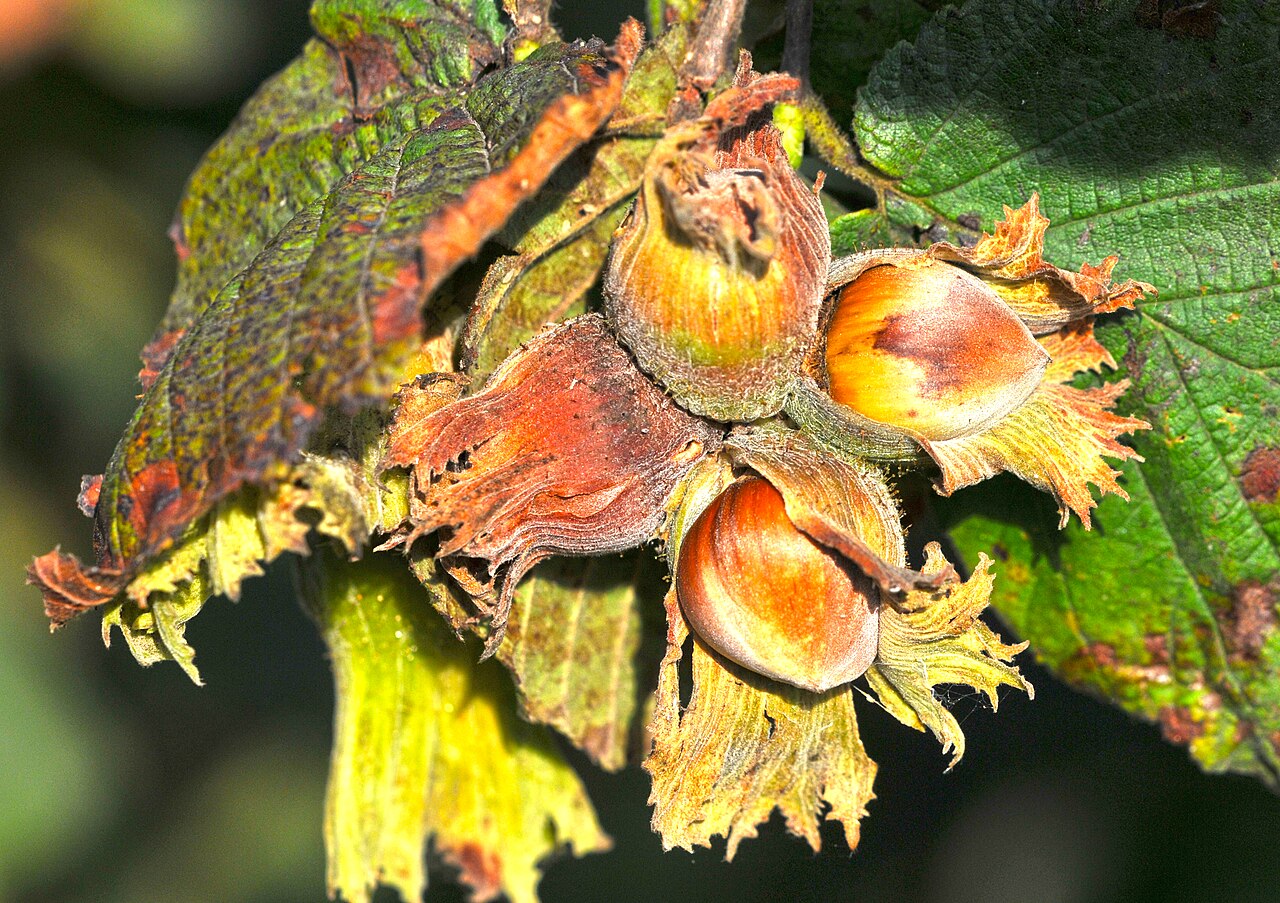
Hazelnut (Corylus avellana) is considered one of the "simplest" fruit crops, and this reputation is behind most of the costly mistakes made by new growers. The entrenched belief that hazelnuts are less susceptible to diseases and pests and that their cultivation is less demanding than other crops is one of the main reasons why hazelnut areas in Croatia are expanding rapidly, but also why many orchards are disappointing. A few bushes in the homestead indeed require almost no care — but plantation cultivation on larger areas is a completely different story. This article compiles typical beginner mistakes in site selection, cultivar choice, planting, and maintenance, and offers practical ways to avoid them, so that the time and money invested in a long-term investment (an orchard lives for over 20 years) are protected from painful, often irreversible errors.
The Scale of "Hazelnut Fever" in Croatia
To understand why the topic of mistakes is so important, it is worth looking at the numbers. The area under hazelnuts in Croatia exploded in just over a decade: according to data citing Eurostat, it grew from just 2,776 ha (2012) to 8,230 ha (2022), while the latest data from the Agency for Payments in Agriculture and Rural Development (APPRR, 2023) indicate approximately 7,933 ha with an annual production of about 2,500 tons. Hazelnut has thus become one of the leading fruit species by planted area in the country, approaching the areas under olive trees and vineyards.
| Year | Area under hazelnut (ha) | Source |
|---|---|---|
| 2012 | ~2,776 | Eurostat |
| 2018 | ~4,810 | Eurostat |
| 2020 | ~6,540 / 5,264 (Orchard Register APPRRR) | Eurostat / APPRRR |
| 2022 | ~8,230 | Eurostat / DZS |
| 2023 | ~7,933 | APPRRR |
Different sources provide slightly different figures because Eurostat, DZS, and the APPRRR Orchard Register measure somewhat different sets (planted vs. registered). The figures are indicative and change over time.
A key background fact: a large part of these orchards are younger than ten years, meaning they have not yet shown what yield they will give at maturity. Professional literature openly warns that a portion of newly established orchards will likely never enter full production due to a lack of professional preparation and improper planning. In other words, the mistakes in this article are not hypothetical — they are already happening on thousands of hectares.
Why Mistakes Are Made: The Illusion of a "Carefree Crop"
The most dangerous mistake is mental, not technical. Many producers, attracted by subsidies, simply plant seedlings and let them grow. However, for a young plant to enter production as soon as possible and start returning invested funds, fertilization, weed control, irrigation, mandatory pruning, and timely protection are required. Hazelnut is relatively tolerant, but not indestructible: even in the first year, immediately after bud break, young plants can be threatened by harmful caterpillars, and in later years, a range of organisms becomes an increasing problem.
The second systemic mistake is postponement: many decisions made during orchard establishment (soil, spacing, cultivar choice, rootstock) are almost impossible to correct after planting. A mistake in soil or cultivar choice will only show itself after 5–8 years, when it is too late to correct, and the orchard is already at an age when it should be entering full production. For more details on the realistic volume of work and investment, read the article Is hazelnut cultivation profitable? and How to start hazelnut cultivation.
Mistakes in Site and Soil Selection
Site and soil are the foundation of everything; if they are wrong, no subsequent agrotechnics can fully compensate for it.
Most Common Errors
- Planting without soil analysis. This is a critical error. Before establishing an orchard, a soil analysis must be performed to prepare the soil and plan fertilization accordingly. If the soil is too acidic or alkaline, low yield will only show itself after 5–6 years, when it is too late to correct. See Soil analysis before orchard establishment and Reading soil analysis results (AL-method).
- Planting on wet, compacted, or heavy soils. Hazelnut prefers moderately moist, humus-rich soils with favorable, well-draining structure. On heavy, poorly permeable soils, the root suffers, and the risk of root diseases (Phytophthora, Armillaria) increases. See Ideal soil for hazelnut and Drainage and water regime.
- Planting near forest edges. The classic recommendation is not to plant hazelnuts at forest edges or in wet areas — aphids, caterpillars, and other pests come from forest edges and orchards.
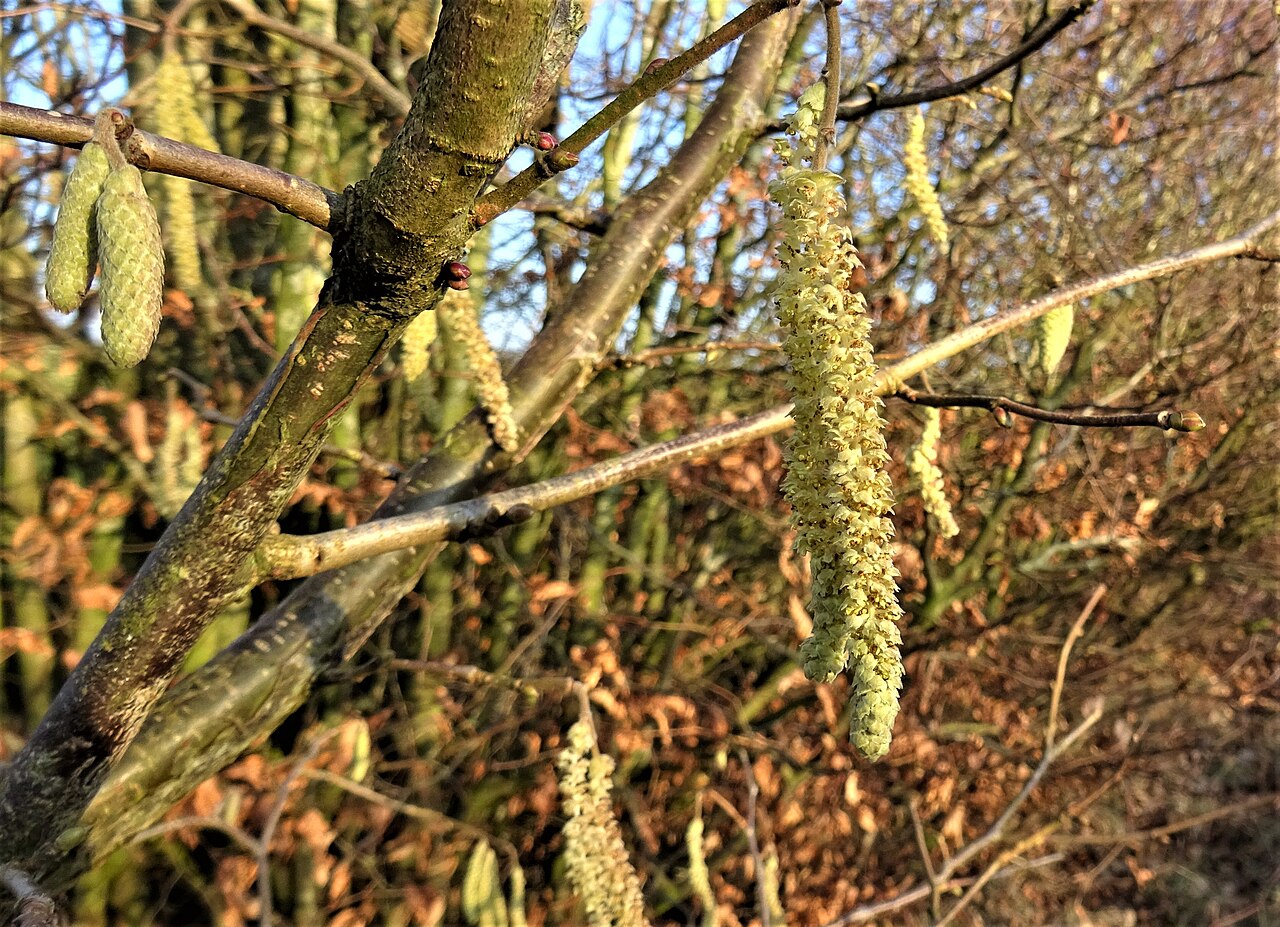
- Neglecting frost and climate. In Croatia, the main limitation is low temperatures because hazelnut blooms in winter; frost during flowering and freezing of catkins and female flowers directly reduce yield. Frost pockets (closed depressions where cold air accumulates) should be avoided. See Frost, frost pockets, and avoidance.
- Insufficient light. Hazelnut is a typical heliophile (light-loving) plant and predominantly fruits on well-lit parts of the canopy. Shaded locations and excessive thickening reduce fruitfulness.
- Forgotten irrigation. Hazelnut is relatively sensitive to drought, so irrigation should be ensured, especially in organic cultivation and in increasingly dry summers. See Does hazelnut need irrigation?.
How to Avoid Them
Plan soil preparation in advance — ideally one year before planting — so you can correct pH and fertility and control perennial weeds. The soil should be thoroughly prepared before planting: deep tillage, addition of organic matter, reaction correction, and control of perennial weeds such as couch grass and bindweed, which are difficult to control later. See Agromelioration preparation and deep tillage.
pH Alignment: How Acidic Is Too Acidic?
There is confusion in the literature regarding the optimal pH for hazelnut because "tolerable" and "optimal" ranges are often confused. Croatian sources (Ministry of Agriculture, Krpina) state that hazelnut tolerates a wide range, pH (KCl) approximately 5.0–8.0, but the optimum is narrower — around pH 6.0–6.5 (with the note that this is often difficult to achieve in practice). Therefore, as a working recommendation, aim for a pH of around 6.0–6.5; 5.5–7.5 is acceptable, and consider liming when pH drops below approximately 5.5.
| Measured pH (KCl) | Orientational Lime Dosage | Note |
|---|---|---|
| < 5.2 | ~4–5 t/ha CaCO₃ | strongly acidic, calcification mandatory |
| 5.2–5.6 | ~3–4 t/ha CaCO₃ | acidic, correction before planting |
| 5.6–6.0 | ~2–3 t/ha CaCO₃ | mild correction as needed |
| 6.0–6.5 | maintenance | optimum, no major intervention |
| > 7.5 | no liming | monitor availability of Fe, B, Zn (chlorosis) |
Dosages are informative and depend on analysis results, soil type, and regulations. The detailed procedure is described in the article pH Correction (Liming).
| Site Factor | Preferred | Avoid |
|---|---|---|
| Soil | moderately moist, humus-rich, well-draining, loamy | heavy, compacted, waterlogged |
| pH (KCl) | optimum ~6.0–6.5; acceptable 5.5–7.5 | strongly acidic (<5.5) or strongly alkaline (>8.0) |
| Light | open, sunny positions | shaded plots, forest edges |
| Relief | gentle slopes with cold air drainage | frost pockets, closed depressions |
| Water | possibility of irrigation | no water source in dry summers |
| Precipitation | ~700 mm with supplemental irrigation | extremely dry areas without irrigation |
Values are informative and depend on cultivar, rootstock, and location. Complete criteria can be found in the article Terrain Suitability Criteria.
Mistakes in Cultivar and Pollinizer Selection
Mistakes in the assortment are among the most expensive because they can only be detected at fruiting, at which point they require grafting or replanting.
Pollination Is Underestimated
Hazelnut is monoecious but strongly cross-pollinating (self-incompatible) and is pollinated by wind; one cultivar generally cannot fertilize itself. This means the main (market) cultivar necessarily needs pollinizers — and not just any. Additionally, fertilization is limited by sporophytic incompatibility (S-alleles): cultivars sharing the same S-alleles will not fertilize each other, even if their flowering overlaps. The flowering of male catkins of the pollinizer must align temporally with the receptivity of the female flowers of the main cultivar. Since hazelnut blooms in mid-winter, and flowering phases differ among cultivars, it is recommended to plant several (at least three) mutually compatible cultivars in the orchard to ensure fertilization throughout the winter, even if frost "eats" part of the catkins.
Practical steps — how to compose a scheme of main cultivar and pollinizers and in what ratio to plant them — are covered in the article Practical Guide: How to Compose an Orchards Pollinizer Scheme, while the theory of incompatibility is covered in S-Allele Incompatibility and Pollinizers and Pollination Biology (Anemophily).
Wrong Market Choice
The second mistake is planting cultivars that are not in demand on the market or that bear irregularly. In Croatian orchards, autochthonous/domesticated cultivars dominate — according to the APPRRR Orchard Register, 'Istarski duguljasti' accounts for about 58%, and 'Rimski' (Römische Zellernuss) about 28% of the total area. Some of these are prone to alternate bearing (biennial bearing) — bearing well every other year. Tonda-type cultivars (e.g., Tonda Gentile delle Langhe, Tonda di Giffoni, Tonda Romana) are often highlighted for kernel quality, more stable bearing, and market demand, but the choice should always be adapted to the local climate and purpose (industry vs. consumption). Assistance in decision-making is offered by How to Choose a Hazelnut Cultivar.
Wrong Rootstock and Training System Choice
If you want to grow hazelnut in tree form (easier access to mechanization), grafting on Turkish hazel (Corylus colurna) is recommended, as it produces far fewer root suckers. However, this rootstock does not tolerate heavy soils common in continental Croatia — it prefers well-draining, loamy soils, while tolerating drought and extremes well. Planting grafted seedlings on Turkish hazel in heavy soil is a typical mismatch that leads to disappointment. See Bush or Tree: Training System.
Neglecting Quarantine Risk (EFB and Seedling Health)
A special, increasingly current mistake is purchasing seedlings of unknown origin. Eastern Filbert Blight (EFB) (Anisogramma anomala) is subject to quarantine surveillance in the EU, and European cultivars (C. avellana) are highly sensitive to it. Import and movement of planting material are subject to phytosanitary regulations. See Status and Quarantine Framework of EFB in Croatia and the EU and EFB / Anisogramma.
How to Avoid Them
- Choose a market-demanded main cultivar and 2–3 compatible pollinizers; check flowering overlap and S-alleles with the nursery or advisory service.
- Purchase certified, healthy planting material — controlling the health status of seedlings is key to preventing dangerous diseases (see below).
- Align the rootstock and training system with your soil and harvest plan (manual vs. mechanical).
Planting Mistakes
Overplanting — the most common beginner’s error
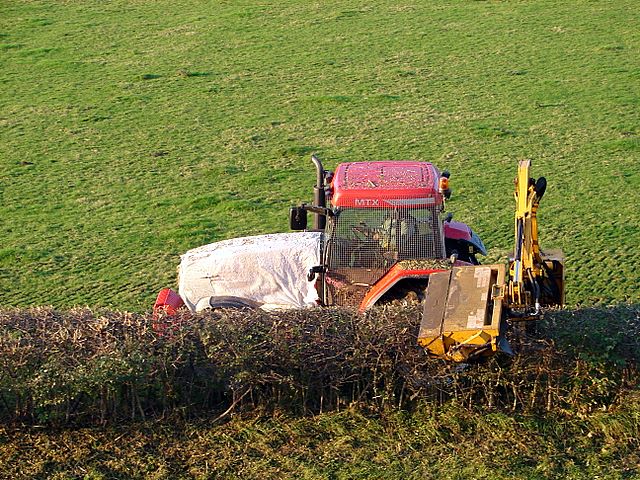
The most frequent practical error is an overly dense spacing. When planting a plot, it often looks "empty," tempting the producer to maximize land use by planting as many trees as possible. Spacings denser than approximately 5 × 4 m may seem profitable initially, but after 7–8 years, the canopies close in, light is lost, and yields begin to decline—precisely when the orchard enters full production. Spacing must also leave sufficient room for machinery passage and turning, especially for harvest equipment.
| Spacing Element | Orientative Recommendation | Note |
|---|---|---|
| Row-to-row × In-row spacing | approx. 5 × 4 m (or wider) | Denser spacing leads to shading after 7–8 years |
| Canopy density | ~400–600 seedlings/ha (moderate) to ~800/ha (dense) | Denser canopy = higher seedling cost and earlier canopy closure |
| Planting time | Autumn (preferred) or early spring | Autumn planting favors root establishment |
| Machinery adaptation | Row width for harvester passage | Narrower for manual harvest, wider for mechanical harvest |
Spacing values are indicative; they depend on cultivar, vigor, rootstock, training system, and equipment. For details on canopy density, see Spacing and Canopy Density, and for the procedure itself, see Practical Hazelnut Planting.
Other planting and first-year mistakes
- Incorrect planting depth and unprepared planting hole. Dry or uncompacted soil around the roots, excessively dry planting, and lack of watering after planting are common causes of poor establishment.
- Poor storage of seedlings until planting. Seedlings waiting to be planted must be stored correctly (heeling-in, protecting roots from drying out). See Storage and Preparation of Seedlings from Pickup to Planting.
- Lack of protection for young seedlings from sun and desiccation. Initially, it is beneficial to shade young seedlings from strong spring sun and mulch the soil (e.g., by sowing lupine, mustard, or oats in a circle around the plant, which are then used as mulch after mowing).
- Neglecting irrigation in the first two years. Newly planted trees require supplementary irrigation for at least two years. It is better to water less frequently but deeply (profusely) with moderate soil drying between irrigations, rather than daily shallow watering.
- Omission of formative pruning after planting. Foreign recommendations suggest topping the trunk (to about 75–90 cm / 30–36 inches) and reducing lateral shoots to compensate for root damage during digging and transplanting. See First-Year Care After Planting and Training System Formation.
Orchard Maintenance Mistakes
Maintenance is where "culture without effort" is repaid most quickly. There are four key groups: fertilization, pruning and shoot management, weed control, and disease and pest protection.
Fertilization: Too much or random
- Nitrogen over-fertilization. One of the basic rules is: hazelnuts must not be over-fertilized, especially with nitrogen. Excess nitrogen promotes vigorous vegetative growth at the expense of productivity and increases susceptibility to diseases.
- Fertilization without analysis. Dosages and types of fertilizers should be determined based on soil chemical analysis. Young orchards are fertilized orientatively 2–3 times a year (base fertilization in spring and autumn), and under stressful, extreme conditions, foliar feeding and amino acids can help the plant withstand stress. All dosages are indicative and depend on soil analysis, cultivar, and regulations. See Hazelnut NPK Fertilization and Fertilization Plan Based on Soil Analysis.
Pruning and Shoots: A Neglected Duty
- Lack of pruning. Pruning young orchards is an essential operation that ensures better growth and reduces the likelihood of diseases and pests. Pruning is performed during dormancy (winter), before vegetation begins.
- Neglecting thinning. Both bush and tree forms must be regularly thinned and renewed by pruning to allow light to penetrate the canopy. As the bush ages, productivity declines; after 10–12 years, bushes should be rejuvenated or heavily pruned. See Rejuvenation and Renewal by Pruning.
- Neglecting root suckers. Hazelnut on its own roots produces abundant suckers that deplete the plant. Suckers should be systematically removed while they are weak—digging them out and cutting them off at the point of separation from the root. See Removal of Root Suckers.
Weeds and Soil
Young hazelnut tolerates weed competition poorly. Mowing alone is often insufficient because it cannot be done close enough to the plant, and the most problematic are perennial rhizomatous weeds (couch grass, thistle). Combine mechanical weed destruction, mulching, and (where permitted and justified) targeted protection, while maintaining favorable soil structure and organic matter content. See Soil Surface Maintenance (Clean Row) and Cover Crops, Mowing, Mulching.
Disease and Pest Protection: The Most Underestimated Risk
Practical grower experience shows that pests can cause greater damage than diseases, and this can happen suddenly. There are recorded cases where a severe attack by the hazelnut leafroller (Craesus septentrionalis) destroyed up to 50% of the leaf mass on young seedlings in just one or two days. The most important pests and diseases are:
| Organism | Type | Damage / Note |
|---|---|---|
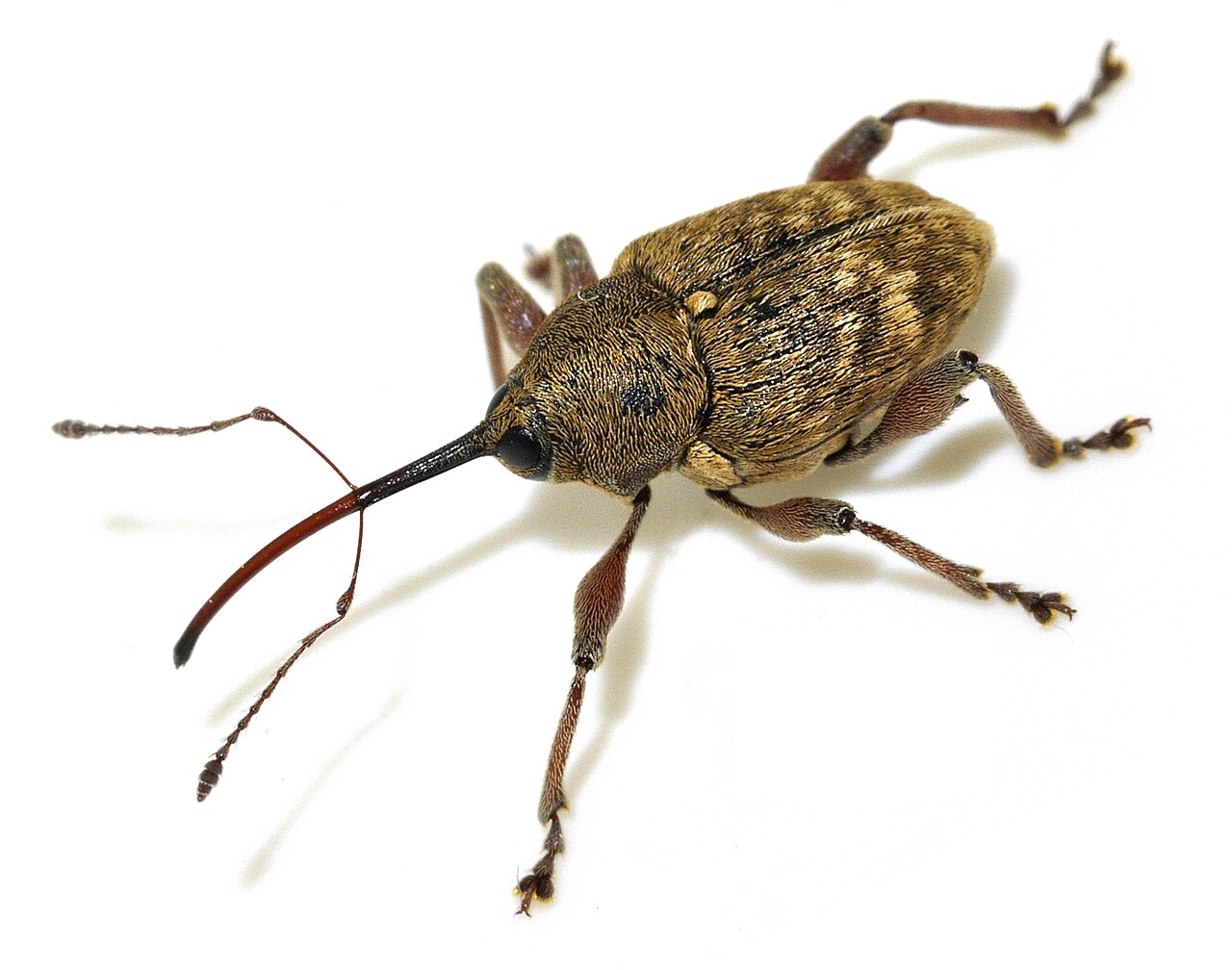
| Hazelnut weevil (Curculio nucum L., syn. Balaninus nucum) | Pest | Most dangerous pest; in Europe, up to ~40% yield loss; female bores into the fruit and lays an egg, larva eats the kernel |
| Hazelnut bud mite (Phytoptus avellanae) | Pest | In older orchards, attacks up to 30% of buds; data from Georgia indicate losses up to 90% |
| Phytophagous bugs (Gonocerus, Palomena, Nezara, Halyomorpha halys…) | Pest | Damage and brown the kernel (blind and empty nuts) |
| Hazelnut leafroller (Craesus septentrionalis) | Pest | Sudden attacks on young leaf mass |
| Bacterial blight / canker (Xanthomonas arboricola pv. corylina) | Disease | Bacterial disease of leaves, twigs, and branches |
| Tree dieback (Pseudomonas avellanae) | Disease | Sudden decline, a "new" dangerous disease; key is healthy planting material |
| Fruit/kernel rot (Monilinia, Botryosphaeria, Nematospora coryli) | Disease | Associated with rainy summers and insect damage |
| Powdery mildew (Phyllactinia spp.) | Disease | Stronger in hot, dry summers |
| Eastern filbert blight (Anisogramma anomala, EFB) | Disease | Quarantine; European cultivars very susceptible; report suspicion |
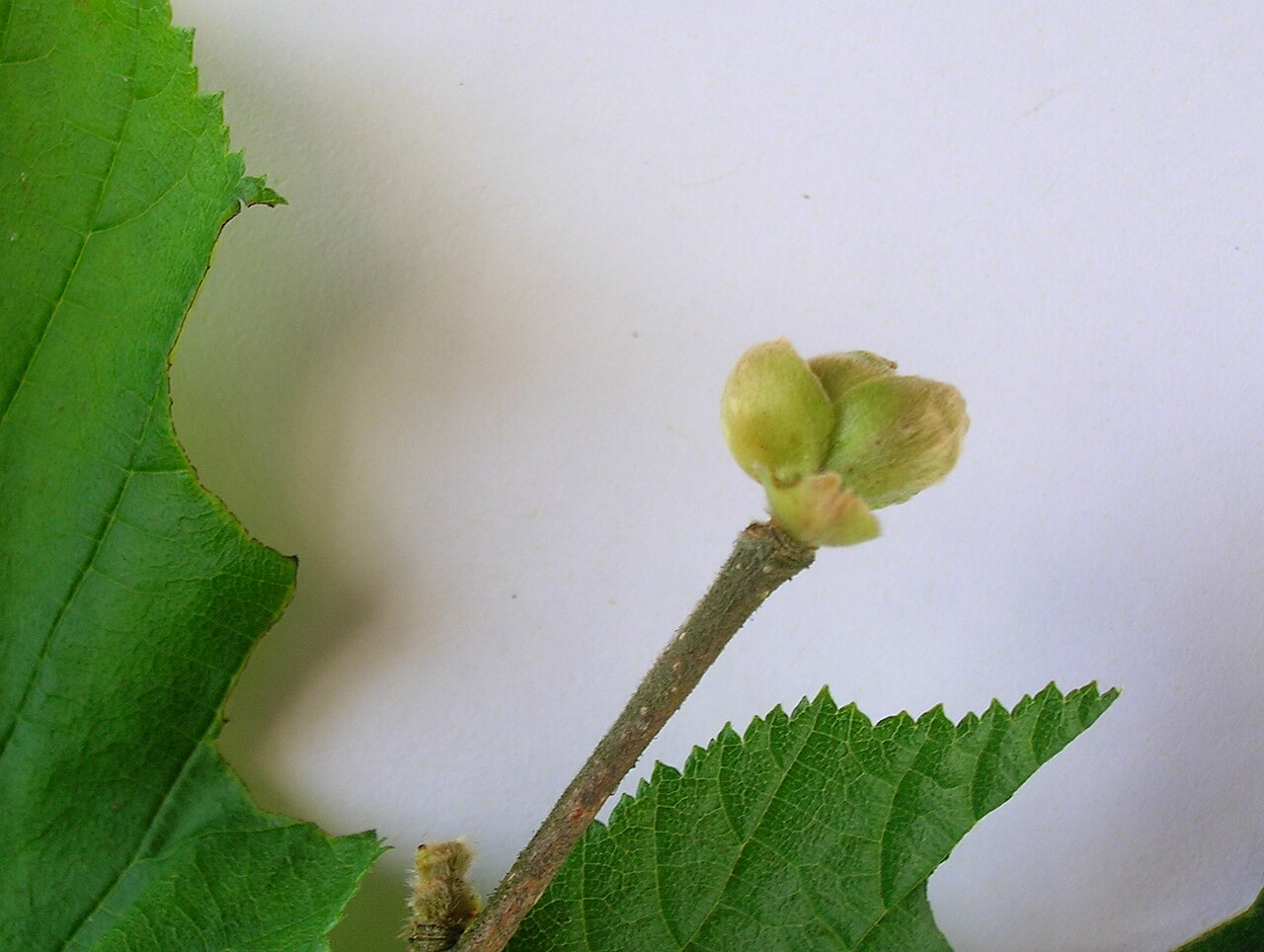
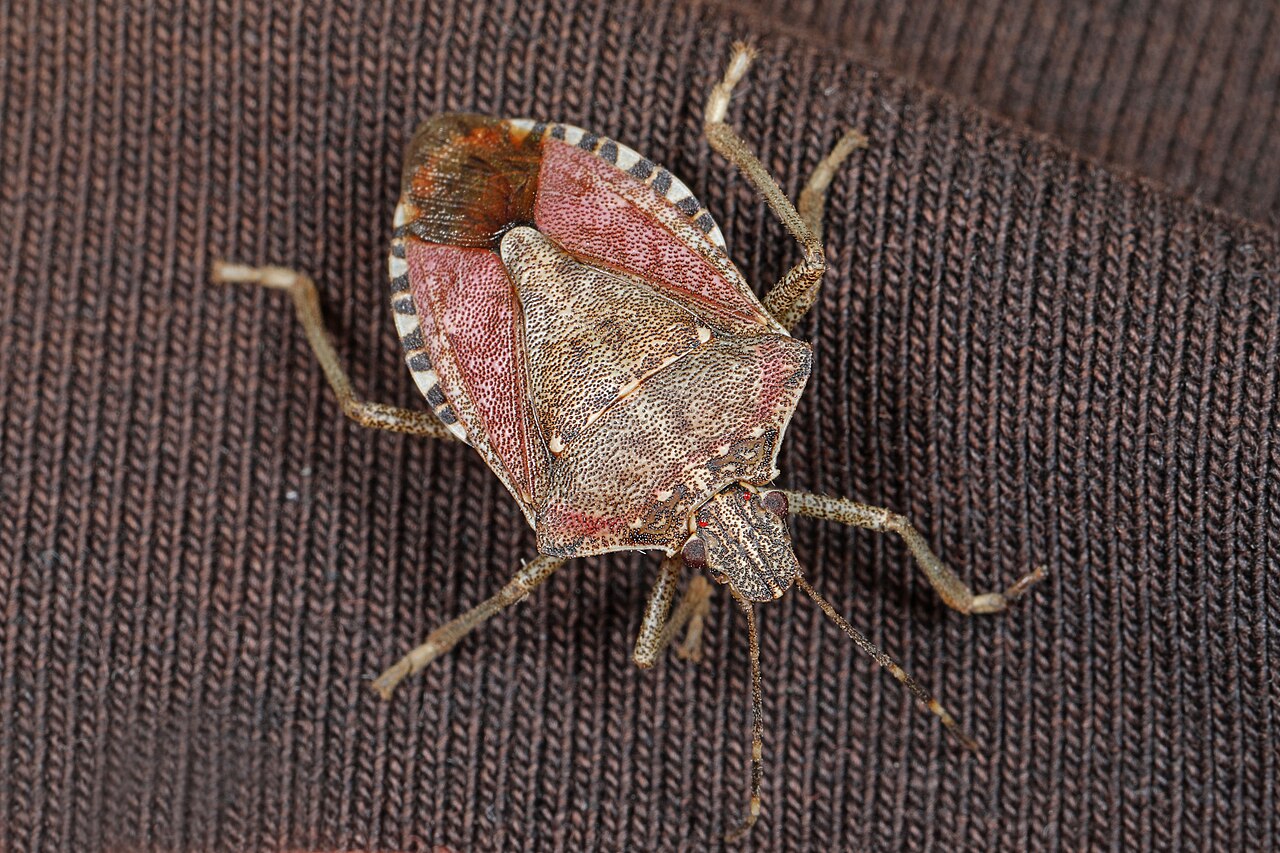
Detailed profiles are available in the compendiums: Curculio nucum, Phytoptus avellanae, bugs/Halyomorpha, hazelnut leafroller, bacterial blight/canker, and monilinia/botrytis/rot.
Typical protection mistakes:
- Not monitoring the orchard. Pests appear suddenly; without regular visits and trap placement, an attack is noticed too late. See Traps, Attractants, and Monitoring Techniques.
- Poor timing of treatments. E.g., against hazelnut bud mite, sulfur preparations are applied after flowering, during bud swelling and opening, when 2–3 stable, dry, and warm days follow (highest daily temperature ~15–24 °C); two treatments with a shortened interval (~7–8 days) are recommended. Against the hazelnut weevil, it is crucial to act on adult beetles before oviposition, as the larva is hidden inside the fruit and inaccessible to chemical control. Products, concentrations, and waiting periods are indicative—always check current registration and label.
- Orchard hygiene. In smaller orchards, fallen leaves and infected fruits should be collected or buried, as they are the source of primary infections for the next season. Against the hazelnut weevil, soil tillage also helps by disturbing larvae and pupae.
- Use of unregistered products. Approved products, dosages, and pre-harvest intervals change; always check current approvals. Orientatively, for apple maggot, a threshold of 1–2 maggots/m² and ~5–10 g of granulated soil insecticides per planting hole is noted (indicative, based on older literature). Comprehensive principles are seen in Integrated Protection: IPM Principles and Seasonal Protection Calendar.
Summary: Common Mistakes and Their "Cure"
| Mistake | Consequence | How to Avoid | More Details |
|---|---|---|---|
| "Culture without effort" leading to neglect | Poor growth, late and low yield | Planned fertilization, pruning, protection, irrigation | Is Cultivation Profitable |
| Planting without soil analysis | Irreparable low yield after 5–6 years | Soil analysis and preparation one year before planting | Soil Analysis |
| Incorrect pH (too acidic/too alkaline) | Poor growth, chlorosis, nutrient blockage | Target pH ~6.0–6.5; liming if <5.5 | pH Correction |
| Wet/heavy soil, forest edge, frost pockets | Root diseases, frost, pests | Choose well-drained, sunny, airy location | Site Criteria |
| Single cultivar / poor pollinizers / S-alleles | Poor pollination, empty nuts | 3+ compatible cultivars, check flowering and S-alleles | Pollinization Scheme |
| Overplanting | Shading and yield drop after 7–8 years | Spacing around 5 × 4 m and space for machinery | Spacing and Density |
| Unprepared/excessively dry planting | Poor establishment | Good hole, watering, mulch, shading | Practical Planting |
| Nitrogen over-fertilization | Vigor, less yield, diseases | Fertilization based on analysis, no excess N | NPK Fertilization |
| Lack of pruning and sucker removal | Shading, depletion, diseases | Winter pruning, regular sucker removal | Sucker Removal |
| Poor/late protection | Losses from weevil, mites, rot | Monitoring, timely and registered treatments | Curculio nucum |
| Uncontrolled planting material | Introduction of diseases (Pseudomonas, EFB) | Certified, healthy seedlings | EFB Status |
| ## Orientative Figures for Planning (Informative) |
Based on producer experience, initial investments per hectare for establishing an orchard are roughly in the range of: soil analysis and fertilization ~200–1,000 EUR, seedlings up to ~1,000 EUR, fencing up to ~2,000 EUR, irrigation ~1,000 EUR — totaling orientatively from ~5,000 EUR upwards. Modern, intensive calculations with irrigation and full fencing reach approximately 30,000 EUR/ha at current prices, while the British enterprise budget shows a jump from ~£7,410/ha (basic) to ~£12,775/ha with mulch and drip lines. Annual maintenance in full production is in the range of ~600–1,000 EUR/ha (excluding harvest).
Many advisors recommend that small producers start with an area of up to about 3 ha and consider their own processing (drying, cracking, grading), as the kernel recovery rate for quality cultivars is often 43–50 %. All figures are informative, depend on location, cultivar, equipment, and market, and change over time. A full, item-by-item calculation with Croatian prices can be found in the article Cost of Establishing a Hazelnut Orchard per Hectare, and a comparative analysis of profitability and return on investment in Return on Investment and Profitability and Operational Maintenance Costs.
Sources
This article is an AI summary compiled from an internal collection of hazelnut literature (RAG corpus of professional and scientific papers, advisory notices, and producer experiences) supplemented by public web sources. Main sources used:
- Hazelnut areas in Croatia (~7,933 ha, APPRRR 2023; production ~2,500 t) — Master’s thesis on suppression of hazelnut root suckers, 2024 — RAG corpus.
- Economic analysis of hazelnut production (area growth 2,776 → 8,230 ha, 2012–2022, source Eurostat), 2023 — RAG corpus.
- Update of calculations for Measure 11 (Orchard Register APPRRR: 5,264.33 ha; prevalence of cultivars 'Istarski duguljasti' ~58 %, 'Rimski' ~28 %), 2022 — Ministry of Agriculture / RAG corpus.
- Hazelnut Cultivation: GUIDE FOR producers (areas by counties, pH (KCl) 5.5, ~700 mm precipitation), 2024 — Ministry of Agriculture / RAG corpus.
- Croatian Fruit Growing in Numbers — Agroklub — https://www.agroklub.com/vocarstvo/hrvatsko-vocarstvo-u-brojkama-gdje-smo-s-proizvodnjom/93575/
- Hazelnut areas (over 7,000 ha, 2,100 t) — VIROEXPO 2023, ICV — https://www.icv.hr/zupanije/viroviticko-podravska-zupanija/viroexpo-2023-prosle-godine-lijeskom-je-bilo-posadeno-preko-7000-hektara-povrsine-s-ukupnim-prihodom-od-oko-2-100-tona/
- Structure of Agricultural Holdings 2023 (preliminary data) — Croatian Bureau of Statistics — https://podaci.dzs.hr/2023/hr/75168
- Hazelnut weevil (Curculio nucum L., syn. Balaninus nucum; ~40 % loss, female lays eggs in fruit, larva hidden) — Bošnjak et al. 2011 / Gospodarski list — RAG corpus.
- pH correction and liming (CaCO₃ doses according to pH; optimum pH 6.0–6.5; tolerable 5.0–8.0) — Ministry of Agriculture / Krpina 2004 — RAG corpus.
- Technological and Economic Characteristics of Hazelnut Cultivation, 2018/2019. — https://doi.org/10.46584/lm.v36i2.1141
- Business Plan for Hazelnut Seedling Production (diseases and pests), 2019 — https://www.poljinos.hr/wp-content/uploads/2022/05/PP-za-proizvodnju-sadnica-lijeske1.pdf
- Annual Plan for Hazelnut Treatment; Critical Protection Periods (sulfur preparations, timing); Hazelnut mite — Gospodarski list.
- Hazelnut Diseases and Pests (tree drying, Pseudomonas avellanae; sudden wasp attack), 2020 — RAG corpus.
- Hazelnut Pruning; Bear’s hazelnut rootstock — AgroPortal.hr — https://www.agroportal.hr/
- Technology and Cost-Effectiveness of Organic Hazelnut Production, 2021 — RAG corpus.
- Hazelnuts 101 / Establishment — Midwest Hazelnut Development Initiative — https://www.midwesthazelnuts.org/
- Growing Hazelnuts in the Pacific Northwest: Orchard Design — OSU Extension (EM 9077) — https://extension.oregonstate.edu/catalog/em-9077-growing-hazelnuts-pacific-northwest-orchard-design
- Hazelnut Reference Guide, 2023 — IAFBC — https://iafbc.ca/wp-content/uploads/2023/05/HAZELNUT-REF-May-2023_.pdf
- Growing Hazelnuts from Personal Experience — eKapija — https://me.ekapija.com/where-to-invest/3177991/uzgoj-ljesnika-iz-licnog-iskustva-kako-izbjeci-greske-i-visestruko-zaraditi
- Does Hazelnut Cultivation Have a Future? — Agroklub — https://www.agroklub.com/vocarstvo/ima-li-uzgoj-lijeske-buducnost-i-kako-zaraditi-na-ljesnjaku/93885/
- From Planting to Harvest — Ministry of Agriculture (advisory) — https://savjetodavna.mps.hr/2017/10/24/od-sadnje-do-berbe-lijeske/