Non-parasitic fruit disorders and blank nuts
Content generated by artificial intelligence — verify before application
This article was automatically compiled from a collection of hazelnut literature using artificial intelligence and may contain errors or outdated information. It serves as a starting point for further research, not as professional advice. Dosages, products, and timing are informative and depend on the cultivar, location, and current regulations — always consult with an advisory service and official sources before application.
Among the most common, yet least understood, problems in hazelnut production are kernel defects and blank nuts (English: blank nuts, Italian: nocciole vuote, locally also known as "blind nuts"). These are fruits that appear normal externally but lack a healthy kernel inside the shell, or have a shriveled kernel. Unlike kernel rot, damage from bugs, or hazelnut scab — which are caused by parasites and pests — here we are discussing non-parasitic (abiotic and physiological) disorders: failures in fertilization and embryo development, water stress, nutrient deficiencies, heat stress, and genetic predisposition of certain cultivars. Distinguishing between these two sources of damage is crucial because they require completely different measures — against blank nuts, spraying insecticides or fungicides does not help; rather, good agronomy, irrigation, fertilization, and cultivar/pollinizer selection are key.
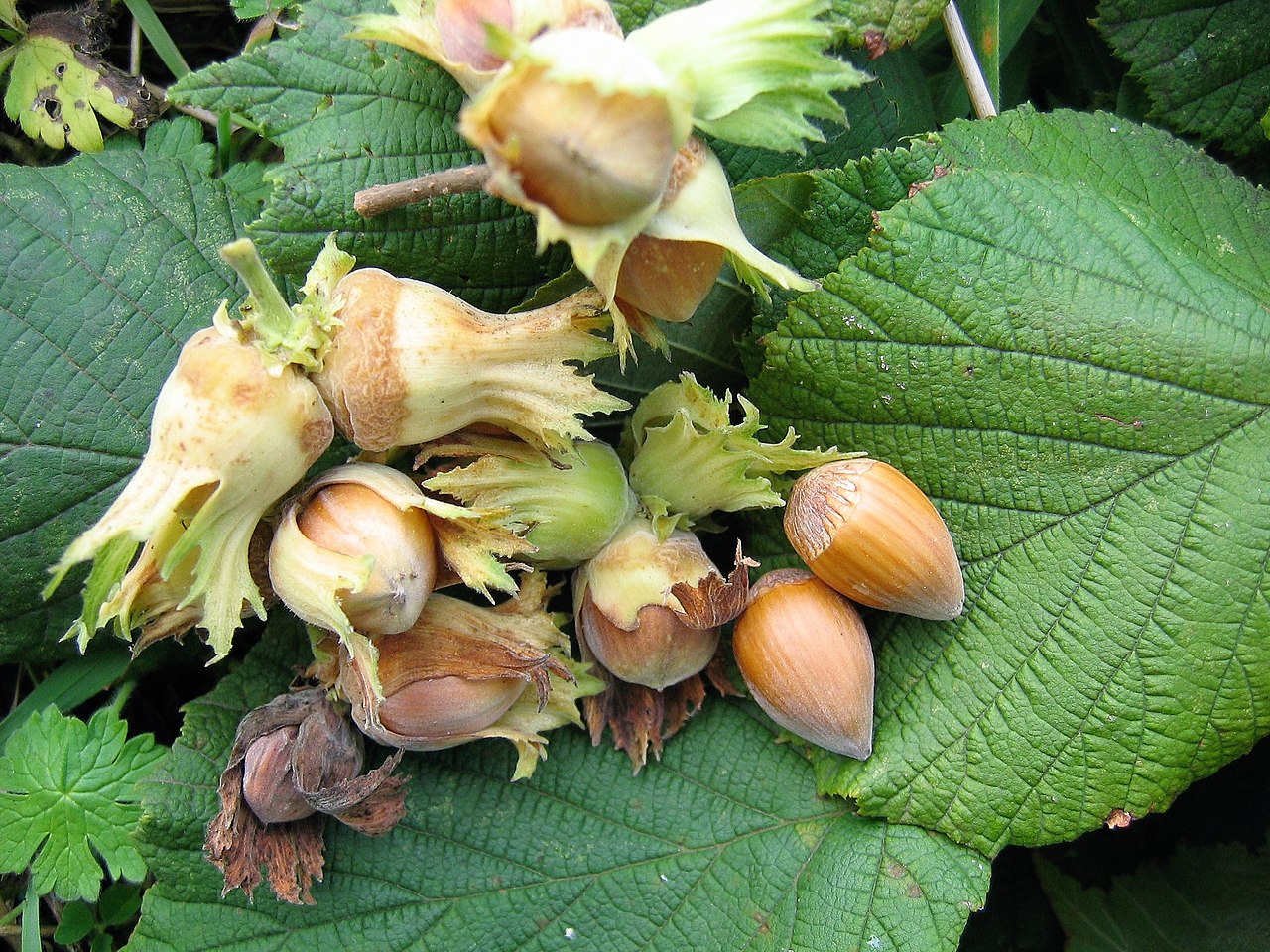
What is a blank nut?
A blank nut is a shell without a healthy kernel or with a kernel filling less than one-quarter (≈ 25%) of the shell volume. This is the standard definition used in professional literature in English (OSU Extension, PNW Handbook) and in local practice.
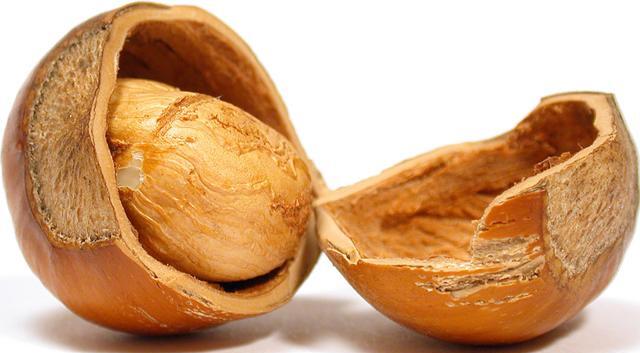
Inside such a fruit, there are usually two undeveloped ovules at the top of the vascular bundle or only a rudimentary kernel. Sometimes the kernel grows to half of the expected size before it dries out and shrivels ("shrivels up") — such fruits are also sorted out as blank nuts during processing.
Practical characteristics by which blank nuts are identified:
- They are lighter than full nuts and have a thinner, more brittle shell.
- They fall off earlier than full nuts, so some end up on the ground before harvest.
- Visually, they cannot be distinguished from full nuts until they are opened or checked via flotation/sieving by mass.
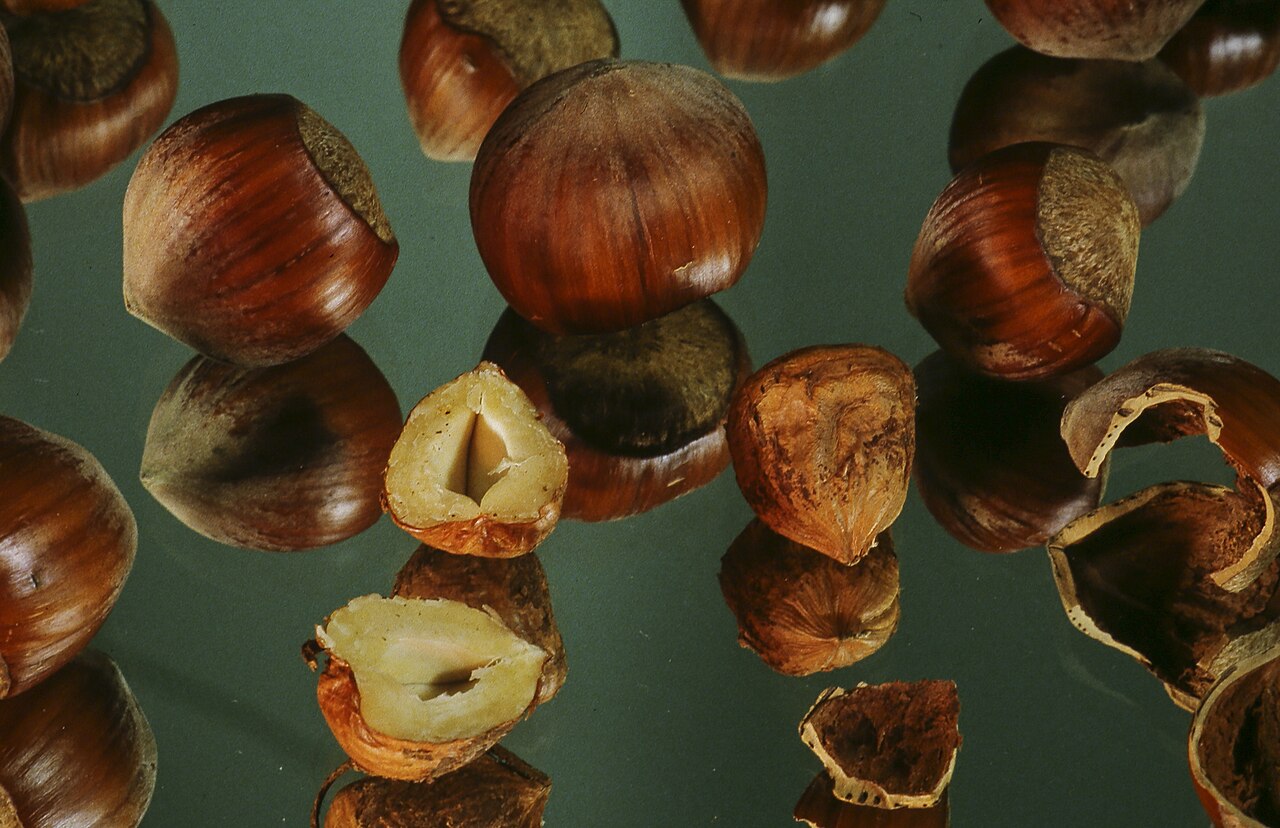
Key difference: blank nut ≠ unpollinated flower
Lack of pollination is not the cause of blank nuts. If pollination fails completely, the shell does not develop at all — the flower simply remains small and falls off. A blank nut occurs precisely because pollination stimulated shell development, but the kernel (embryo) later failed to develop normally or was aborted. This means the problem lies in the phases after pollination: fertilization, early cell division of the embryo, and kernel filling.
Why is this economically important?
Blank nuts and defective kernels directly reduce the yield (percentage of usable kernel) and market value of the crop:
- In shell-on sales, blank nuts are unacceptable because the customer pays for "air".
- In processing for kernels, blank nuts and shriveled kernels are sorted out as waste, reducing the mass of usable product.
- Some sources cite a typical share of about 10% blank nuts under uncorrected conditions, and significantly higher for susceptible cultivars.
Main non-parasitic causes
Professional literature agrees that the exact, single cause is not fully clarified — it is a matter of multiple factors that individually or in combination lead to a halt in kernel development. The following are most frequently cited:
1. Disorders of fertilization and early embryo development
For fruit development, growth of both the ovule and the embryo is necessary. Pollination and fertilization must occur for the embryo and seed to start growing at all; without fertilization, the embryo does not grow, and thus the seed does not either. However, even in successfully pollinated flowers, not all fruits develop — at any stage between fertilization and harvest, the growth of the ovule and embryo can stop.
In hazelnuts, fertilization is delayed: pollination occurs in winter (locally often January–February), while actual fertilization takes place in late spring, months later. This long interval makes development sensitive. Cold temperatures at the time of fertilization are also mentioned as a possible cause for an increased share of blank nuts. Some literature attributes the phenomenon to degenerative tendencies in some cultivars, which manifest as weak or irregular differentiation of the embryonic sac or pollen grains.
2. Water stress (drought in mid-summer)
The most common and strongly emphasized abiotic cause. Insufficient soil moisture in mid-summer — precisely during the kernel filling stage — leads to a higher share of blank nuts. When water is lacking in the soil:
- shoot growth is weaker,
- fertilization and fruit set are weaker,
- fruit growth is slowed, leading to premature shedding,
- flower buds for the following year are formed and differentiated less effectively.
Hazelnuts have the highest water requirements during the phase of intensive shoot and fruit growth (May–June). Although there is usually enough precipitation then, a dry July and August — when the kernel fills — are critical. As a guide for site suitability, a hydrothermal coefficient of around 1.25 is cited.
3. Nutrient deficiency or imbalance
Inadequate tree nutrition is regularly cited among the causes of blank nuts, especially:
- Nitrogen (N) — general vigor and filling;
- Boron (B) — crucial for fertilization, pollen germination, and seed development;
- Potassium (K) — water regime and filling;
- Calcium (Ca) and in some studies magnesium (Mg), iron (Fe), and copper (Cu) — associated with fruit retention.
Deficiencies of boron and calcium are explicitly linked to embryo abortion in early stages. Foreign research (e.g., on the cultivar Tonda di Giffoni) has shown that combined foliar spraying of boron and zinc at the time of fertilization/set can significantly reduce the share of blank nuts and increase yield (see section on prevention).
4. Heat stress and climate during kernel formation
There is a physiological kernel disorder associated with accumulated heat units during the final stages of kernel formation (approximately mid-July). For the Italian cultivar 'Negret', a strong influence of climate on the disorder was recorded, with accumulated heat units being the main factor, while mean relative humidity had an alternating effect. The disorder is more common in warmer regions and rarer in cooler ones.
5. Lack of light in a dense canopy
Low light levels in an overgrown, dense, or neglected canopy are associated with a higher share of blank nuts. Experiments in which leaves were removed from branches (reduced photosynthesis/shading) yielded more blank nuts, pointing to the role of carbohydrate supply — in hybrids of Corylus heterophylla × C. avellana, fruit abortion was closely linked to limited availability of carbohydrates.
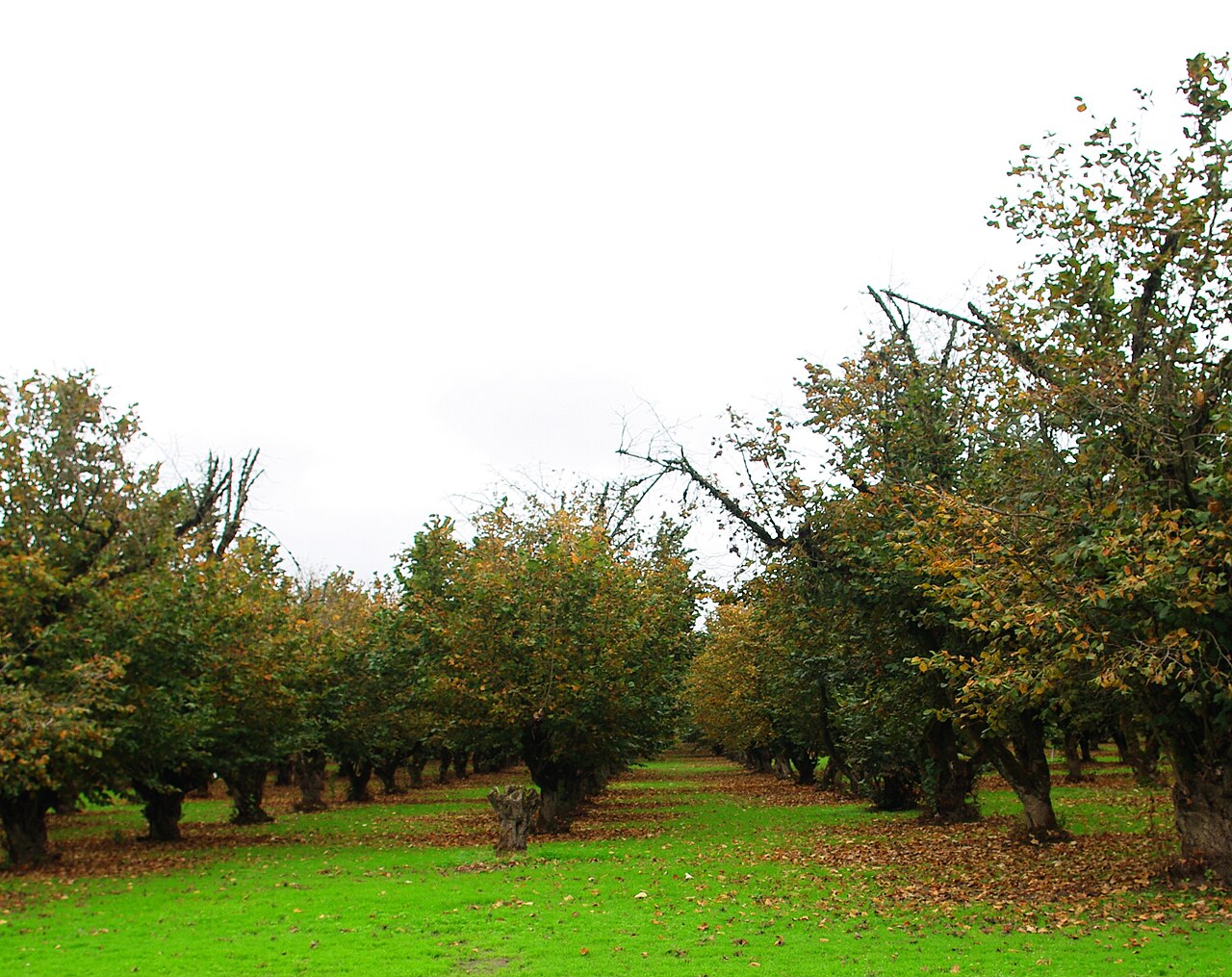
6. Excessive crop load (overbearing)
High crop load puts the tree under stress and increases competition for water and nutrients, contributing to the abortion of some kernels. Early fruit drop is attributed mainly to poor fertilization, while later drop is increasingly due to competition for resources.
7. Genetic predisposition of the cultivar and twin kernels
The tendency to produce blank nuts depends heavily on the cultivar. Cultivars such as 'Barcelona' and 'Tonda Romana' are known for having a higher share of blank nuts than others. Additionally, some cultivars produce twin kernels (two kernels in one shell) — this is undesirable because individual kernels then fall below the minimum size for most requested grades, and mold can develop in the space between them.
Overview of causes and mechanisms
| Cause | Mechanism | Critical Phase | Direction of Measure |
|---|---|---|---|
| Water stress / drought | slowed growth and filling, premature shedding | mid-summer (July–August) | irrigation, mulching |
| Boron/Calcium deficiency | poor fertilization, early embryo abortion | flowering → set | foliar B (±Zn), soil/leaf analysis |
| Nitrogen/Potassium deficiency | poor filling, general weakness | vegetation | fertilization based on analysis |
| Heat stress | disorder in kernel formation | mid-July | cultivar/site selection, water regime |
| Lack of light | carbohydrate deficit | entire season | pruning, canopy ventilation |
| Overbearing | competition for resources | filling | pruning, crop thinning |
| Cultivar genetics | irregular embryo differentiation | — | cultivar and pollinizer selection |
| Cold during fertilization | fertilization arrest | late spring | site/cultivar selection |
Distinguishing from parasitic causes
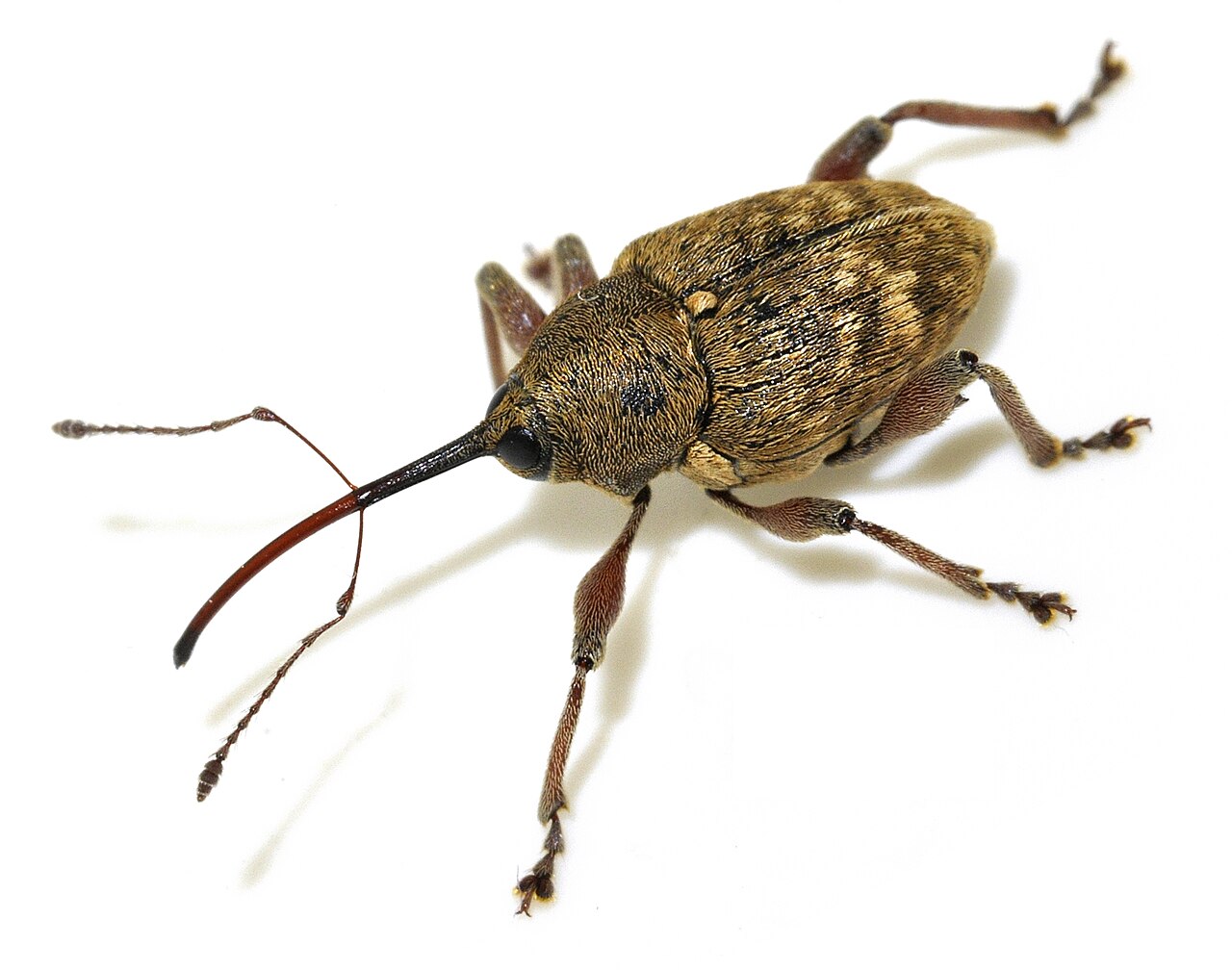
A very similar picture (empty shell, shriveled or blackened kernel) is also given by pests and diseases: hazelnut weevil (Curculio/Balaninus nucum) whose larva eats the kernel and fills the fruit with frass; bugs (incl. brown marmorated stink bug) which cause "traumatic abortion" of the kernel by piercing during the filling phase; and kernel rot (Nematospora coryli and complex of fungi — Cladosporium, Fusarium/Diaporthe, Alternaria, Botrytis, etc.). Diagnostic clue: in parasitic rot (bug sting), brown droplets are often visible on the inside of the shell; if there is no droplet, a non-parasitic cause is likely. If you suspect pests/diseases, see the relevant chapter on protection.
Diagnosis in the orchard
The goal of diagnosis is to answer the question: is the problem abiotic (blank nuts) or biotic (pest/disease)? A practical procedure:
- Sampling. Collect a representative sample of fruits (e.g., 100–200) from several bushes and different parts of the canopy, including fallen fruits under the tree.
- Flotation/weighing. Blank nuts are lighter — submerging in water causes most to float. This quickly gives a rough estimate of the share of blanks.
- Opening and kernel inspection. Sort into: full kernel · shriveled/shriveled (< 25%) · empty shell with rudiment · kernel with frass · kernel with necrosis/dark spots.
- Pest traces. Round exit hole and frass → hazelnut weevil; brown droplets on the inside of the shell + yellow/brown, bitter kernel → bugs/Nematospora.
- Abiotic traces. Empty shells without holes and without droplets, with shriveled or absent ovule → non-parasitic disorder; correlate with season history (drought in July? heat wave? poor fertilization? dense canopy?).
- Soil and leaf analysis. To confirm nutrient deficiencies (especially B, K, N, Ca), perform a soil analysis before planting and a leaf analysis during vegetation.
Prevention and Measures
Since the cause is most often a combination of abiotic factors, there is no single "cure" — the greatest impact comes from good agronomy throughout the entire season.
Water and Irrigation
- Ensure sufficient water during the critical kernel filling period (mid-summer); drought here increases the proportion of blank nuts the most.
- In areas with insufficient rainfall, 2–3 irrigations during the growing season are recommended; experience from Bulgaria shows that one irrigation increased yields to 10–15 kg/tree for some cultivars.
- Avoid stagnant water and flooding — hazelnuts tolerate pseudogley and micro-depressions poorly; excess water is almost as damaging as a deficit.
- Mulch the rows to preserve soil moisture.
Fertilization (informative, indicative values)
Fertilize based on soil and leaf analysis, not with blanket applications. The following table provides approximate quantities of pure nutrients from domestic literature (Brzica, 2002.) and is indicative — actual doses depend on the cultivar, soil fertility, orchard age, and regulations:
| Time / Phase | Intensive Orchard (N – P₂O₅ – K₂O) | Semi-intensive Orchard (N – P₂O₅ – K₂O) |
|---|---|---|
| 1st year (per tree) | 0.10 – 0.02 – 0.05 kg | 0.15 – 0.05 – 0.10 kg |
| 2nd year (per tree) | 0.20 – 0.05 – 0.30 kg | 0.30 – 0.10 – 0.20 kg |
| 3rd year onwards (per ha) | 100–500 – 30–80 – 100–150 kg | 100–120 – 20–60 – 60–150 kg |
| Bearing period (per ha) | 150–200 – 35–80 – 100–200 kg | 100–120 – 20–60 – 60–150 kg |
Doses are indicative
The values above, as well as all foliar doses below, are indicative and depend on the cultivar, location, soil/leaf analysis, and current regulations and product label instructions. Before application, consult advisory services and official sources (e.g., FIS database for registered products).
Micronutrients (boron and zinc): Foliar application of B + Zn at flowering/fruit set has proven effective in reducing blank nuts and increasing yield. In a trial on the Tonda di Giffoni cultivar, a combination of B 800 + Zn 400 mg/L, applied twice in late spring, reduced the proportion of blank nuts from ~10% to nearly 0% and increased stabilized yield by up to 2.5 times, with a kernel recovery rate increase of 10–14%. Caution: Boron has a narrow margin between deficiency and toxicity — never apply "blindly," but only after analysis and according to recommendations.
Pollination and Cultivar Selection
- Choose cultivars less prone to blank nuts; for susceptible ones (e.g., 'Barcelona', 'Tonda Romana'), expect higher waste.
- Ensure sufficient and temporally synchronized pollinizers so that fertilization is not weak — although fertilization itself is not the cause of blankness, a good pollen load reduces early developmental arrest.
- When establishing the orchard, plan the pollinizer layout according to the flowering dynamics of the main cultivar.
Canopy, Light, and Crop Load
- Pruning should maintain an airy, well-lit canopy; lack of light in a dense canopy increases the proportion of blank nuts.
- It is also noted that pruning off about one-third of the shoot in Tonda Gentile delle Langhe was associated with fewer blank nuts.
- Avoid extreme crop overloading, which creates competition for resources.
Mycorrhiza and Soil Condition
Hazelnut is a mycorrhizal species — mycorrhiza improves water and mineral uptake (more N, P, K), makes plants more vigorous and productive, and causes nuts to drop less. Mycorrhiza development is favored by favorable soil reaction, temperature, aeration, and sufficient humus.
Common Practical Mistakes
- "I'll spray something against blank nuts." Against abiotic blank nuts, neither insecticide nor fungicide helps — water, fertilization, pruning, and cultivar choice help.
- Confusing with nut weevil/stink bugs. Before any protection, open the nuts and look for frass, holes, or brown droplets; misdiagnosis means wasted cost and missing the real cause.
- Ignoring summer drought. The strongest "lever" is irrigation and mulching in July–August.
- Fertilizing without analysis. Especially boron — overdosing is toxic. Always analyze soil/leaves before correction.
- Incorrectly attributing to poor pollination. A developed shell means pollination succeeded; the cause lies further in kernel development.
Summary
Blank nuts and non-parasitic kernel defects in hazelnuts result from arrest in kernel development after successful pollination, most often due to summer drought, nutrient deficiency (especially boron, potassium, nitrogen, calcium), heat stress, lack of light in the canopy, crop overloading, and genetic susceptibility of the cultivar. The correct response is preventive and agronomic: irrigation during the critical kernel filling phase, targeted fertilization based on analysis (with foliar B/Zn as needed), an airy canopy, and correct cultivar/pollinizer choice — along with careful diagnostics that distinguish blank nuts from pest and disease damage.
Gallery
Sources
This article is an AI summary compiled from an internal collection of hazelnut literature (RAG corpus) and public sources. Main sources used:
From RAG corpus (hazelnut literature collection):
- Nut Development and Quality / Good Agricultural Practice Bulletin 4 — definition of blank nuts (< 25% kernel), stress causes, susceptible cultivars (Barcelona, Tonda Romana). (en, 2016.)
- Growing Hazelnuts in Oregon (Baron et al., 1985.) and OSU Extension EM9074 — mechanism of blank nuts, role of summer drought, light, nutrition (N, B, K); pollination is not the cause. (en)
- Get It Growing — Ask a Master Gardener — practical description of blank nuts and their environmental/cultural causes. (en, OSU/Sequim Gazette)
- Hazelnut Growers' Handbook (2024.) — defective nuts, boron/calcium deficiency, embryo abortion.
- Pannico A. et al. (2014.) — undeveloped ovules/rudimentary kernel, necessity of ovule and embryo growth.
- Poremećaji plodova lijeske (Gospodarski list, 2019.) — heat stress and kernel formation ('Negret' cultivar), twin kernels. (hr)
- PDF Uzgoj lijeske (pdfcoffee, 2009.) — "blind nuts", degenerative tendencies of cultivars, mycorrhiza. (hr)
- Utjecaj niskih temperatura na izmrzavanje lijeske (2021.) — water needs, irrigation, hydrothermal coefficient 1.25. (hr)
- Ekonomija i podizanje nasada lijeske (Balog, 2021.) — fruit and seed growth phases after fertilization. (hr)
- Tablica čistih hraniva za gnojidbu lijeske (Brzica, 2002.; source 0578854e). (hr)
- Bolesti i štetnici lijeske (Repozitorij, 2020.), Godišnji plan tretiranja lijeske (Gospodarski list) — differentiation from Nematospora coryli and stink bugs (brown droplets as diagnostic trace). (hr)
Public sources (web):
- Pacific Northwest Pest Management Handbooks — Hazelnut (Corylus avellana) — Blanks: https://pnwhandbooks.org/plantdisease/host-disease/hazelnut-corylus-avellana-blanks
- Combined Spraying of Boron and Zinc During Fruit Set… cv. Tonda di Giffoni (PMC8201987): https://pmc.ncbi.nlm.nih.gov/articles/PMC8201987/
- Frontiers in Plant Science — Whole-Genome Re-Sequencing of Corylus heterophylla Blank-Nut Mutants… Embryo Abortion: https://www.frontiersin.org/articles/10.3389/fpls.2019.01465/full
- Hands-On Gardening — Why are my hazelnuts empty? All about blank filberts: https://handsongardening.com/hazelnuts-empty-blank-filberts/
- Physiological and Yield Productivity Responses of Hazelnut to Exogenous Cytokinin and Girdling (Agronomy): https://doi.org/10.3390/agronomy16040467