Soil Assessment and Analysis Before Orchard Establishment
Content generated by artificial intelligence — verify before application
This article was automatically compiled from a collection of hazelnut literature using artificial intelligence and may contain errors or outdated data. It serves as a starting point for further research, not as professional advice. Dosages, products, and timing are informative and depend on the cultivar, location, and applicable regulations — always consult with an advisory service and official sources before application.
Establishing a hazelnut orchard is a long-term investment lasting 30 years or more, and the soil on which the orchard grows remains an almost unchanging foundation throughout this period. Unlike annual crops, in a permanent orchard it is not possible to later deeply mix or "fix" the entire soil profile without uprooting the trees. Therefore, pedological and chemical soil assessment before planting is one of the most important steps in site selection and evaluation: it tells us whether the soil is suitable for hazelnuts at all, what remediation measures (ameliorative fertilization, liming, drainage, subsoiling) need to be carried out while it is still technically feasible, and what level of yield we can realistically expect. This article explains what soil assessment entails — texture, depth, drainage, pH, and organic matter — and how to properly sample soil and interpret the analysis results as the basis for the decision to establish an orchard.
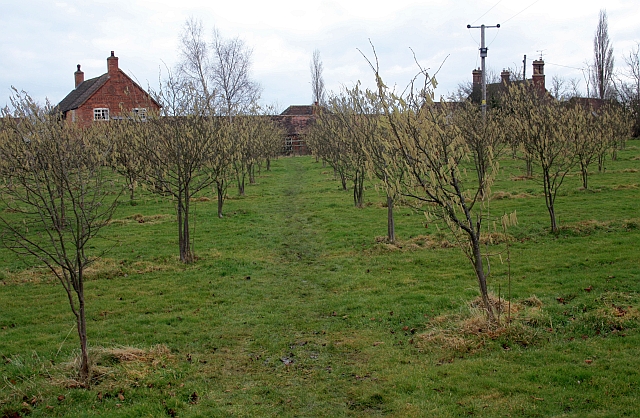
Why assess the soil, rather than just "the soil looks good"
Hazelnut (Corylus avellana) is a relatively tolerant fruit species — it can survive on soils with poorer physical and chemical properties. However, in intensive cultivation, where regularity, quantity, and quality of yield are important, high-quality soil is required: well-drained, permeable, rich in humus and nutrients. In other words, hazelnut will survive on mediocre soil, but economically profitable and regular yields are produced only on soil that meets its requirements.
Soil assessment serves three key decisions:
- Yes/No decision — is the site fundamentally suitable (no permanent obstacles such as salinization, excessively high groundwater, shallow soil over an impermeable substrate).
- Remediation plan — fertilization and soil fertility improvement for perennial orchards are carried out before orchard establishment (ameliorative fertilization) because they cannot be incorporated deeply as effectively later on.
- Management plan — the initial state of nutrients and organic matter sets a reference point for future fertilization throughout the orchard's lifespan.
Pedological assessment: physical soil properties
Before any chemical analysis from a laboratory, the site is assessed "pedologically" — by observing the physical characteristics of the soil profile (by digging a soil pit or using a probe) and by reviewing the pedological map of the location.
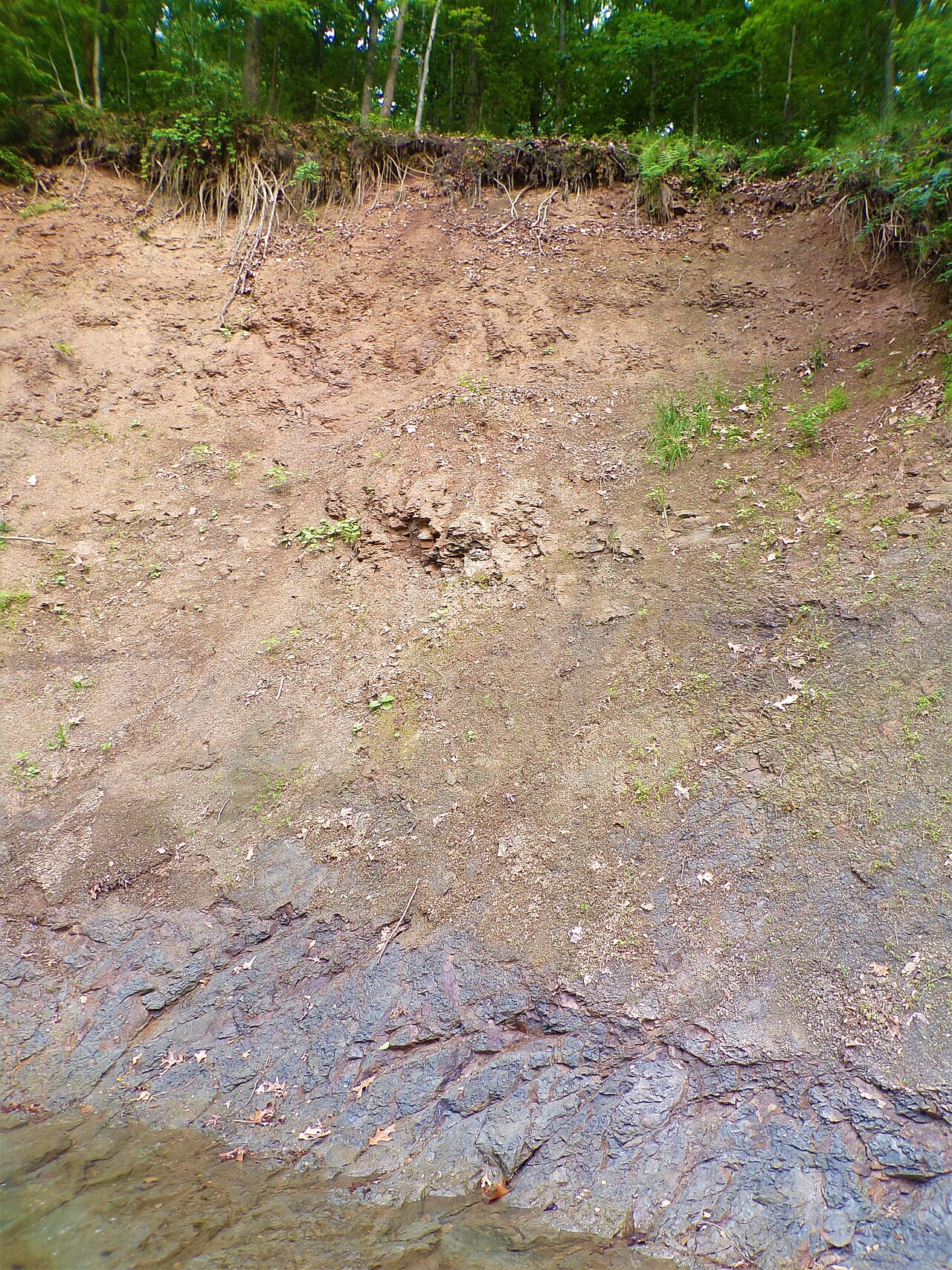
Texture (mechanical composition)
Texture describes the ratio of sand, silt, and clay. It determines how the soil retains water and air and how permeable it is.
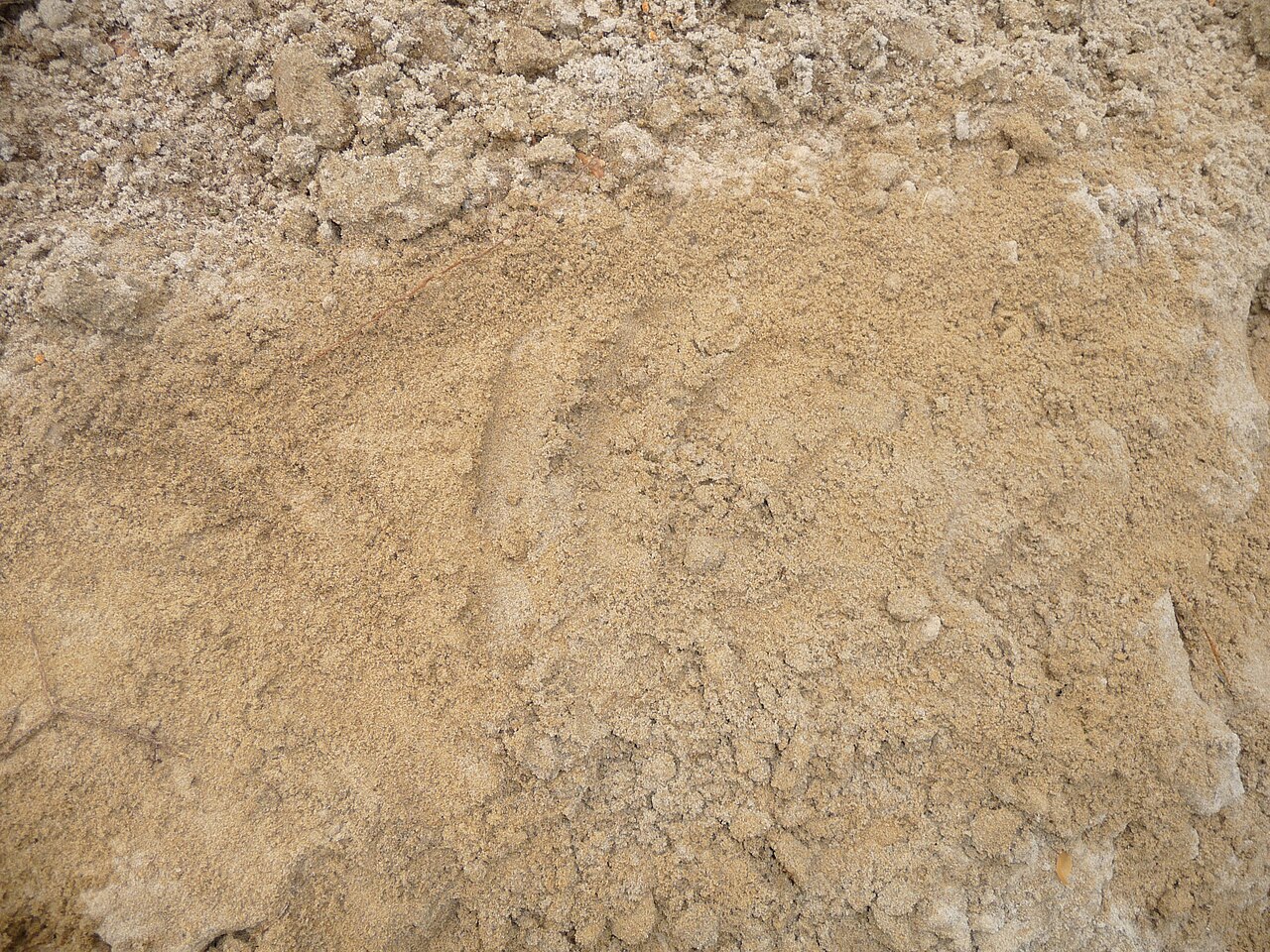
- The most favorable soils are of medium, favorable structure — humic loams and sandy loams that balance moisture retention and root aeration.
- Hazelnut tolerates calcareous loams and stony (gravelly) soils well, making it suitable even for somewhat heavier sites.
- Heavy, clayey, and compacted soils should be avoided, especially when establishing larger orchards, as they drain poorly and retain water.
- Very light, excessively sandy soils lose water and nutrients quickly and require more intensive irrigation and fertilization.
One documented example from practice (leached soil on loess) shows a typical challenge: due to the significant silt content and increased compaction in the subsoil horizon, there is a need for subsoiling or loosening, and moisture deficits often occur in summer — which directly points to the need for irrigation and mechanical soil structure improvement.
Soil depth
Hazelnut requires medium-deep soils with enough space for root system development. Shallow soils over hard, impermeable substrates (e.g., compacted marl, consolidated rock) limit rooting and drought resistance. Depth is assessed via profile; if a compacted subsoil layer is identified, deep plowing and subsoiling are planned before planting.
Drainage (water-air relations)
This is one of the most important criteria for hazelnut. Hazelnut prefers well-drained and permeable soils, and soils with high groundwater levels are extremely unfavorable. Water retention (waterlogging, prolonged surface wetting) leads to root suffocation, poor growth, and root diseases.
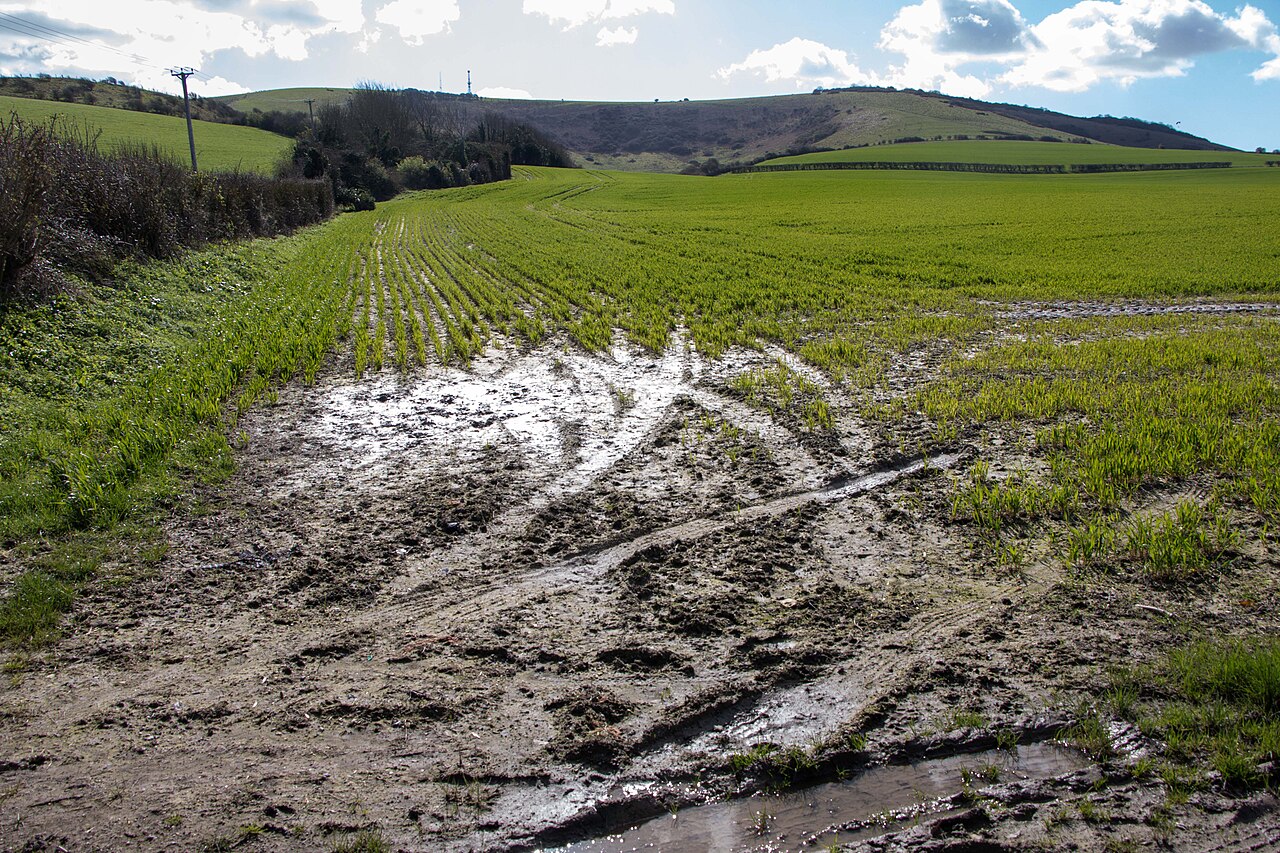
Practical guidelines for assessing and ensuring drainage:
- Avoid depressions and sites where water remains long after rain.
- Check groundwater levels (seasonal fluctuations, not just current conditions).
- On soils with poor natural drainage, consider subsoiling, land leveling, and drainage systems before planting.
- On gentle slopes, drainage is usually better, but erosion must be monitored.
| Physical Property | Favorable for Hazelnut | Unfavorable / Requires Measures |
|---|---|---|
| Texture | Humic loam, sandy loam, calcareous loam | Heavy clay, compacted soils; very light sand |
| Depth | Medium to deep | Shallow over impermeable substrate |
| Drainage | Well-drained, permeable | High groundwater, waterlogging |
| Relief | Gentle slope, plain without depressions | Depressions, terrain hollows with standing water |
Chemical assessment: pH, organic matter, and nutrients
Physical assessment tells us "can" the soil support the orchard; chemical analysis tells us "in what condition" it is and what needs to be fixed. A chemical soil analysis is mandatory before planting, providing data on soil pH (reaction), humus percentage (organic matter), and nitrogen (N), phosphorus (P), and potassium (K) content.
pH (soil reaction)
pH determines nutrient availability to the root. On too acidic soils, uptake of macronutrients (N, P, K) is reduced, while too alkaline soils with high active lime content hinder the uptake of certain elements (e.g., iron) and can cause chlorosis.
- Optimal range according to Croatian guidelines: pH (KCl) 5.5 – 6.5, with a broader acceptable range of 5.0 – 8.0.
- International recommendations are similar: hazelnut is widely adaptable and grows in a pH range of approximately 4.5 – 7.5, with 5.5 – 7.5 often cited as optimal for rhizosphere microorganism development and nutrient availability.
- On alkaline soils, avoid heavy soils with higher amounts of active lime (recommended active lime content below ~8%).
- On acidic soils, perform liming (calcification) — based on analysis results, not "by eye."
Organic Matter (Humus)
Organic matter significantly affects the chemical, physical, and biological properties of soil: it regulates water-air relations, improves structure, increases soil water-holding capacity, is the main source of energy and food for microorganisms, contains important nutrients (N, P, S, B, Mo), and serves as a nitrogen reservoir that is gradually mineralized.
- Optimal humus content for hazelnut: 3 – 5 %.
- For woody crops in general, a minimum of 2.5 – 3.0 % humus is recommended.
- Most soils in Croatia have organic matter content in the range of 1 – 5 %; where it is low, the most practical remedy is the application of manure.
- Approximate manure dosage for raising organic matter: 20 – 40 t/ha (informative; depends on initial state, manure type, and regulations).
Nutrients — Approximate Optimal Values
The following values originate from the Croatian hazelnut cultivation guide and serve as a reference framework for interpreting results. All values are informative and should be interpreted with an advisory service, as they depend on the analysis method, cultivar, location, and target yield.
| Parameter | Optimal Range | Note |
|---|---|---|
| pH (KCl) | 5.5 – 6.5 (acceptable 5.0 – 8.0) | < 5.5 → liming; high active lime problematic |
| Humus | 3 – 5 % | < 3 % → addition of organic matter / manure |
| P₂O₅ | 10 – 20 mg / 100 g | Physiologically active phosphorus |
| K₂O | 15 – 25 mg / 100 g | Physiologically active potassium |
| Mg | 10 – 20 mg / 100 g | Magnesium |
If the soil lacks sufficient phosphorus and potassium or is too acidic, the required amounts of mineral fertilizers and liming materials are added via ameliorative fertilization before planting. Mineral fertilizer is evenly spread over the leveled surface and incorporated into the soil by deep plowing to a depth of about 40 cm — which is no longer possible later, as the orchard grows.
Soil Sampling: How to Properly Take a Sample
The analysis result is only as good as the sample. A ~1 kg soil sample "represents" millions of kilograms of soil in the field, so careful sampling is essential.
How Many Samples and From What Depth
- First, assess whether the plot is uniform. Differences are noticeable by soil color and texture and by vegetation; if multiple soil types occur on the plot, each type is sampled separately as a distinct composite sample.
- Two depths. At least two samples per unit are standard: one from the 0 – 30 cm layer and another from the 30 – 60 cm layer. For a deep-rooted woody crop like hazelnut, the deeper layer is also important.
- Composite (average) sample. Each composite sample should consist of a large number of individual subsamples — typically 15 – 25 cores evenly distributed across the zone, which are mixed into a homogeneous blend.
Procedure
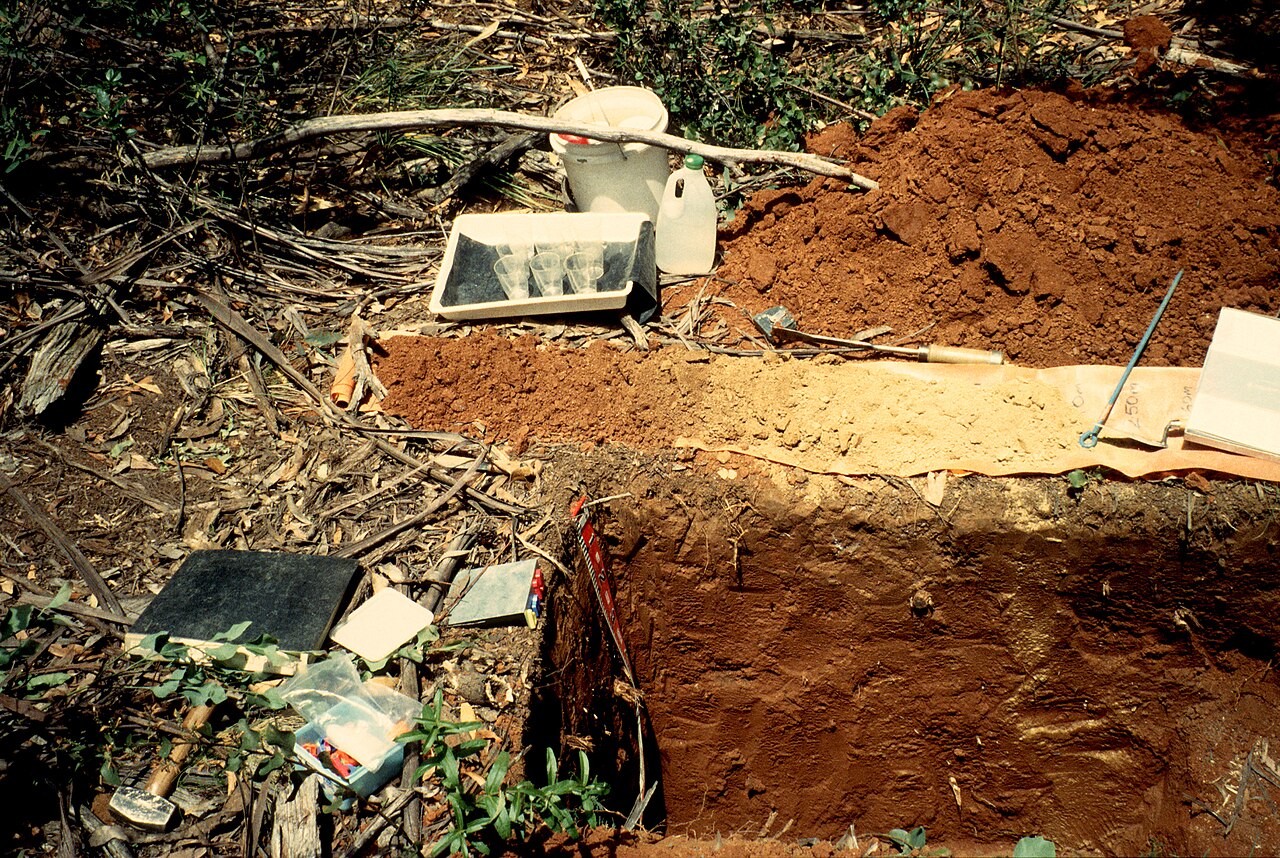
- Using a spade or probe, dig a pit/core to a depth of ~60 cm (e.g., a pit 60 cm deep, 30 – 40 cm wide).
- Take a portion of the sample from the 0 – 30 cm layer; separately from the 30 – 60 cm layer.
- Mix subsamples of the same depth and soil type into one composite sample; set aside ~1 kg.
- If micronutrients, mechanical composition (texture), or microbiological analyses are requested along with macronutrients, the composite sample should be larger — 1.5 – 5.0 kg.
- Clearly label each sample: owner (name, address, contact), plot ID and area, sample number, and sampling depth (0 – 30 / 30 – 60 cm).
When to Sample
The timing of sample collection affects the result:
- For soil reaction (pH), sampling in autumn is most favorable.
- For physiologically active phosphorus and potassium — in spring or autumn.
- For physical soil characteristics — during the growing season.
- Avoid "abnormal" conditions: excessive moisture, severe drought periods, time of precipitation, and frozen soil, as well as areas that deviate from the rest of the field (e.g., where manure was stored).
| Parameter | Most Favorable Sampling Time |
|---|---|
| pH (soil reaction) | Autumn |
| Phosphorus (P) and Potassium (K) | Spring or Autumn |
| Physical Characteristics (texture, structure) | During Vegetation |
| ## Interpreting Results as the Basis for Decision-Making |
After analysis, the laboratory or advisory service provides data on soil nutrient availability, organic matter content, and soil reaction. These values are compared with the optimal ranges from the table above, and specific decisions are derived from any deviations:
- pH below ~5.5 → Plan liming before planting, with dosage based on the test results and recommendations.
- High pH / high active lime content → Re-evaluate the choice of plot or cultivar; avoid heavy alkaline soils for large orchards.
- Humus below 3% → Apply ameliorative organic matter inputs (manure, compost, green manure), orienting at 20–40 t/ha of manure.
- Low P and/or K → Apply ameliorative mineral fertilization incorporated via deep plowing (~40 cm) before planting.
- Poor drainage / high groundwater table → Install drainage, subsoil, and level the terrain; if this cannot be resolved, seriously reconsider the suitability of the site.
The sequence of operations following a positive decision is typically: analysis → ameliorative fertilization and/or remediation measures (liming, drainage) → site planning and leveling → deep tillage (plowing to ~40 cm). For autumn planting, deep plowing is carried out during the summer (summer heat and occasional rains promote the breakdown of clods).
Practical Recommendations and Common Mistakes
Recommendations:
- Always perform a soil analysis before establishing the orchard — this is the cheapest step with the greatest impact on the entire orchard lifespan.
- Sample at two depths (0–30 cm and 30–60 cm) and separately by soil types.
- Utilize subsidized soil analyses where available through advisory services (e.g., programs that resulted in thousands of hazelnut soil samples analyzed in eastern Croatia).
- Carry out all ameliorative and deep interventions (liming, P and K application, organic matter, subsoiling) while the soil is open, before planting.
Common Mistakes:
- Estimating soil conditions "by eye" without laboratory results.
- Taking a single sample for a heterogeneous plot with multiple soil types.
- Sampling only the shallow layer (0–30 cm) and neglecting the deeper horizon.
- Sampling under unfavorable conditions (wet, frozen, or drought-stressed) or at atypical locations.
- Establishing an orchard on soil with a high groundwater table/poor drainage without prior drainage.
- Delaying liming and ameliorative fertilization "for later," when it is no longer possible to incorporate them deeply.
Gallery
Sources
This article is an AI summary compiled from an internal literature collection on hazelnuts (RAG corpus) and publicly available sources. Main sources used:
- Hazelnut Cultivation Guide — Ministry of Agriculture, Advisory Service (savjetodavna.mps.hr), 2024.
- Taking Soil Samples for Mandatory Soil Analysis — Ministry of Agriculture, Forestry and Fisheries — https://savjetodavna.mps.hr/2025/09/02/uzimanje-uzoraka-tla-za-provodenje-obvezne-analize-tla/
- Krpina, I. et al. (2004.) — Recommendations for soil preparation and hazelnut orchard establishment (cited in several Croatian studies)
- Huzjak, A. — Technology and Economic Efficiency of Organic Hazelnut Production at Hobolić Alen Family Farm (Polytechnic in Vukovar, repository vgu), 2021.
- Agrochemical Indicators of Soil Fertility and the Effect of Subsidized Soil Analysis in Eastern Croatia, 2019.
- Mechanization in Hazelnut Production and Processing at Minas-Zrno Company, 2021.
- Hazelnut Cultivation (pdfcoffee / manual), 2009 — chapters on sampling and organic matter
- Cascading Use of Hazelnut and Aronia By-products — Soil Analysis by the Institute of Pedology, Faculty of Agriculture, University of Zagreb, 2025.
- Environmental Protection Elaborates for Hazelnut Orchards (Grubišno Polje, Vojnić/Agro Utinja, Sunja, Glina) — data on pedological maps and drainage, 2020–2022.
- Soil Analysis — Gospodarski List — https://gospodarski.hr/rubrike/ratarstvo-rubrike/prilog-broja-analizom-tla-do-vecih-prinosa/
- Soil Analysis — gnojidba.info — https://gnojidba.info/strucni-kutak/kratki-savjeti/analiza-tla/
- Growing Hazelnuts in the Pacific Northwest: Orchard Nutrition — OSU Extension Service — https://extension.oregonstate.edu/catalog/em-9080-growing-hazelnuts-pacific-northwest-orchard-nutrition
- Hazelnuts 101 Fact-Sheet Series — Midwest Hazelnut Development Initiative — https://www.midwesthazelnuts.org/uploads/3/8/3/5/38359971/fact_sheet_series_2_establishment_final_jan_22.pdf
- Soil and nutrients for hazels — Hazelnut Growers' Association of New Zealand — https://hazelnut-growers.org.nz/2022/03/10/soil-and-nutrients-for-hazels/
- Hazelnut tree: the ILSA strategy for yield and quality — ILSA Group — https://www.ilsagroup.com/en/news/911/hazelnut-tree-the-ilsa-strategy-for-yield-and-quality.htm
Recommended equipment
🔎 soil ph test kit — Amazon →Affiliate links — we may earn a small commission at no extra cost to you.
Handheld Soil pH Meter
For rapid field checks, but always confirm with laboratory analysis.
| Use Case | Option Type | What to Check Before Purchase |
|---|---|---|
| Quick field screening | Portable digital meter | Calibration stability and probe durability |
| Routine monitoring | Analog or digital | Temperature compensation features |
| Verification needed | Professional lab test | Sample preparation and reporting standards |