Positioning, Branding, and Premium Prices
Research-grounded draft (sources cited) — adapt to local context
Article adapted to the United States (Oregon), based on Croatian/EU research literature (see Sources). Figures come from the cited studies and are indicative for the United States (Oregon): verify local equivalents with USDA, FSA, state Departments of Agriculture (e.g. Oregon), OSU Extension, Oregon Hazelnut Commission.
Most hazelnut producers today sell their fruit in-shell, uncleaned and unpacked, to buyers who reduce it to a "quality standard" and pay a price tied to global commodity markets. This is the commodity market: the product is undifferentiated, the buyer is anonymous, and the price is dictated by others. This article explains how to exit this position—how to turn your hazelnuts into a recognizable product with its own story and, consequently, a higher price through brand, origin, eco-status, and proven quality. Positioning is not a marketing decoration but an economic necessity for small and medium-sized orchards that can never compete on volume alone.
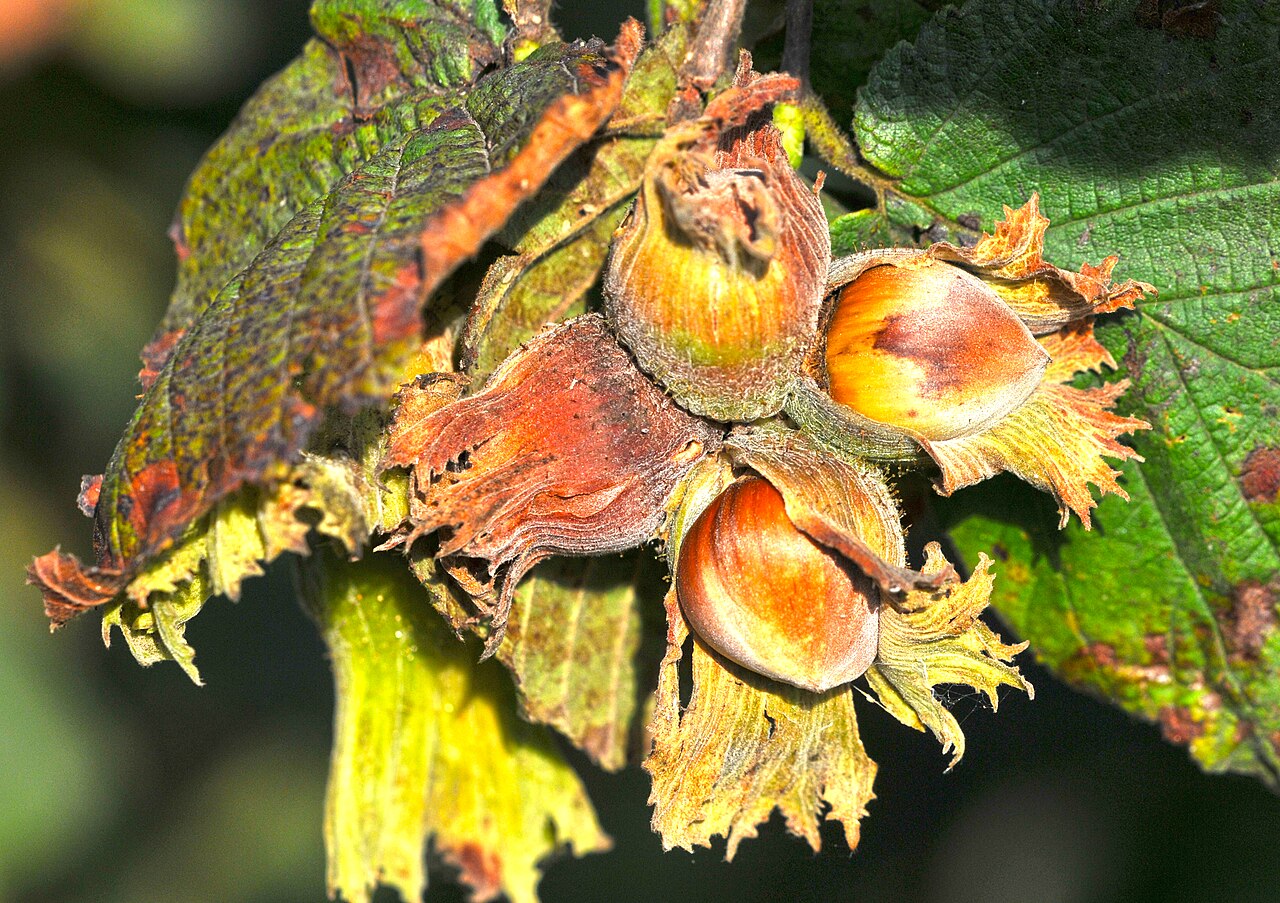
Why Escape the Commodity Market
In the European context, producers often sell "mixed hazelnuts in shell reduced to standard" and have no negotiating power—they receive whatever price is offered [1]. The experience of small nut processors elsewhere in the world is clear: success for a small producer means avoiding the commodity market and head-on competition with large players. A study of five tree nut business cases in the United States concludes that product differentiation is critical for success—producers had to clearly distinguish their nuts from imported and domestic commodities to fetch a higher price [4]. For example, chestnut growers differentiated their product from Italian and Asian imports, and black walnut producers distinguished their nuts from English walnuts grown extensively in California [4].
The message for the United States, particularly Oregon, is similar. While Oregon has tripled its hazelnut acreage since 2012, industry marketing efforts have not increased prices or grown the market despite millions spent in assessment and government dollars [5]. The current Hazelnut Marketing Board structure may not be properly structured to improve returns to growers, resembling the pistachio industry more than almonds or walnuts, where private organizations often drive marketing and lobbying [5].
Commodity vs. Differentiated Product — Summary
| Feature | Commodity Hazelnut | Differentiated / Branded Hazelnut |
|---|---|---|
| Who sets the price | Buyer / Global Market | Partially the Producer |
| Customer | Anonymous (Industry) | Known (Chef, Consumer) |
| Form of Sale | In-shell, bulk | Cleaned, packaged, processed |
| Story / Origin | None | Value Carrier |
| Margin | Low, unstable | Higher, more stable |
Four Levers of Differentiation
Differentiation can be built on four interconnected levers: brand, origin, eco-status, and proven quality. Each individually provides a small advantage; together they justify a premium price.
1. Brand and Story
A brand is a promise. Foreign examples of premium positioning show the mechanics: craft beer Samuel Adams differentiated itself from mass-market goods by developing a product based on a heritage recipe but with upgraded ingredients, becoming "premium." The key rule is: premiumization requires demonstrable technical and functional differences between the premium and commodity product that justify the higher price—differences in composition, added ingredients, or cultivation/harvesting/processing methods. If there are no differences, it is empty marketing that consumers quickly see through [4].
Practical brand components for farms:
- Name and logo consistent across all products and channels.
- Visual evidence — photos of orchards, harvesting, processing, and people. Consumers "see" the effort and value; visual elements showing the process and people directly raise perceived value.
- Farm story — how long you have existed, which variety, why your region.
- Consistent quality — every batch must keep the promise, otherwise the brand loses trust.
2. Origin (Geographical and Cultural)
Origin is perhaps the strongest, yet often underutilized, lever. Research shows that country-of-origin labels affect taste perception and purchase intention — consumers buy the origin along with the food. In Europe, top varieties like Tonda Gentile are sold with a clear link to the region, with prices ranging around €350–400 per quintal (100 kg) — far above the price of anonymous hazelnuts [6].
In the United States, varieties such as Tonda di Giffone and Tonda Romana are recognized for their specific qualities [1]. In Europe, local varieties like Istarski okrugli, Istarski duguljasti, and Rimski serve as carriers of origin stories [7]. The next step is institutional protection of geographical origin (such as EU’s PDO — Protected Designation of Origin, and PGI — Protected Geographical Indication), which legally and market-wise separates the product from commodities. This is a long-term but strong path because it protects all producers from a specific region.
Cultural authenticity further strengthens the story: just as some food brands build recognition on Italian or Mexican-American heritage, U.S. hazelnuts can build on local regional identities, tradition, and family farming.
3. Eco-Status
Organic production is a tangible, certified proof of cultivation quality and one of the few mechanisms that directly pulls a premium. However, caution is needed: one study showed that farms producing organic walnuts and hazelnuts do not always manage to price themselves apart from conventional products, and additional effort in marketing and market infrastructure development is required [6]. In other words, an eco-certification alone does not guarantee a premium — value is realized only if the eco-status is communicated to the buyer through a brand and channel that recognizes that value (specialty stores, direct sales, quality-aware buyers). Eco-status is necessary, but not sufficient.
Note on Data Sources
The following figures are derived from Croatian/EU research literature [6]. Producers in the United States and Oregon should verify local organic premium rates and labor productivity figures, as these vary significantly by region and market conditions.
- Organic cultivation can increase prices by approximately 20–25% for premium assortments in some European markets [6].
- In specific European purchase conditions, organic hazelnuts have been purchased at higher rates compared to commercial ones, though exact premiums vary by buyer and year [6].
4. Proven Quality
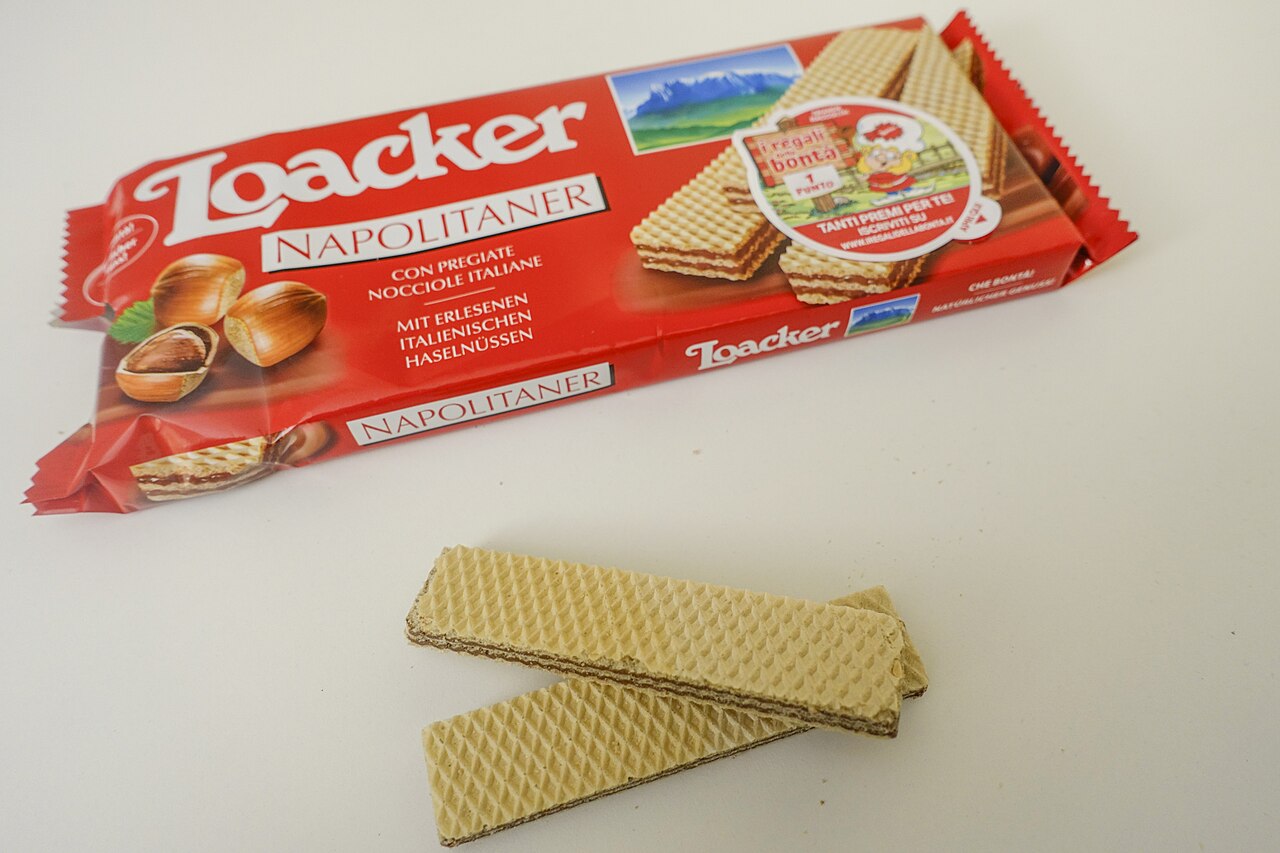
Quality must be measurable, as it is the "technical difference" that justifies the price. Purchase standards define the parameters by which the fruit is graded and which directly affect the price:
| Parameter | Typical Purchase Standard | Significance |
|---|---|---|
| Moisture | ≤ 6–7 % | Storage stability, mass |
| Impurities | 0–1 % | Batch cleanliness |
| Min. Yield (Kernel) | ≥ 40 % | Proportion of usable kernel |
| Rotten/Moldy | 1–3 % (by class) | Health safety |
| Insect Damage | 6–15 % (by class) | Kernel integrity |
Values are informative, taken from purchase conditions of specific buyers and depend on the buyer, variety, crop year, and region [1, 2].
The price difference by class is real: in one published price list, 1st class of the Rimski assortment was paid at approximately €1.99/kg, while 3rd class was approximately €1.79/kg; the Istarski/mixed assortment was slightly lower (€1.86 / €1.66 per kg for 1st and 3rd class) [2]. Variety also carries price — Rimski and Italian varieties (Tonda di Giffone, Tonda Romana) are traditionally paid more than mixed/Istarski assortments because they are sought after by the confectionery industry [1, 7].
Above purchase quality comes own quality as a brand argument: uniform kernel size, manual control, proper drying, and batch traceability. These are proofs that make the premium story credible.
From Commodity Price to Premium Price: What is the Stake Worth
To see why it pays to invest in brand and processing, it is sufficient to compare prices of the same fruit in different forms of sale. Note that the following figures are based on European data [1, 2, 6] and serve as illustrative examples of price structures. U.S. and Oregon producers must substitute current local market rates.
| Product Form | Indicative Price (European Data) | Comment |
|---|---|---|
| Hazelnut in shell, purchase | ~€1.86–1.99/kg (approx. 14–15 kn/kg) | Commodity market, low margin [2] |
| Hazelnut in shell, organic | Higher premium | Eco-premium + direct channel [6] |
| Cleaned dry hazelnut (industry) | Higher than in-shell | Added value of processing |
| Cleaned hazelnut, direct wholesale | Higher margin | Own channel |
| Processed goods (oil, flour, cream, roasted/salted) | Significantly higher per kg of raw material | Highest added value |
All prices are historical and informative; they change with the market, exchange rate, and year.
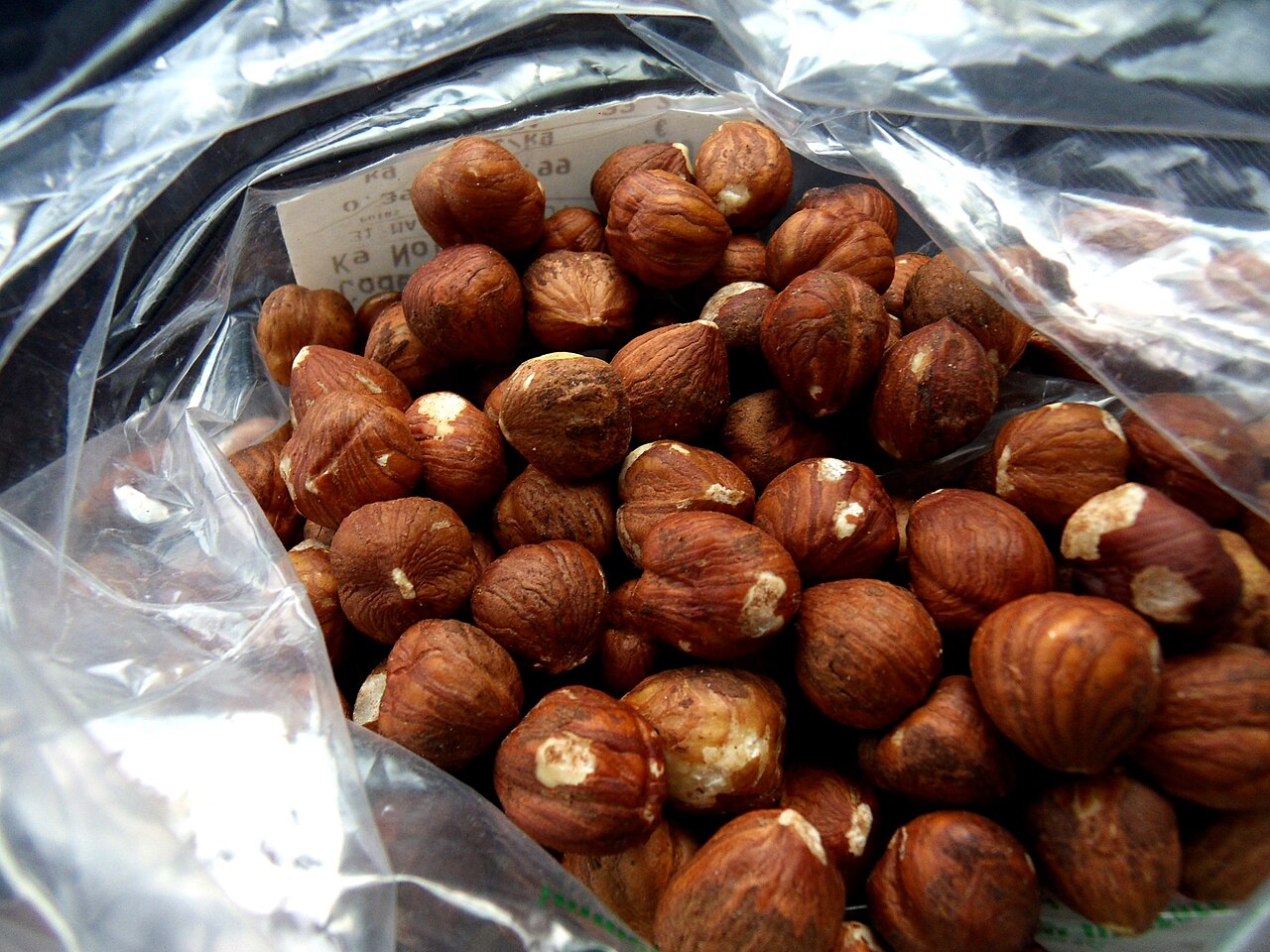
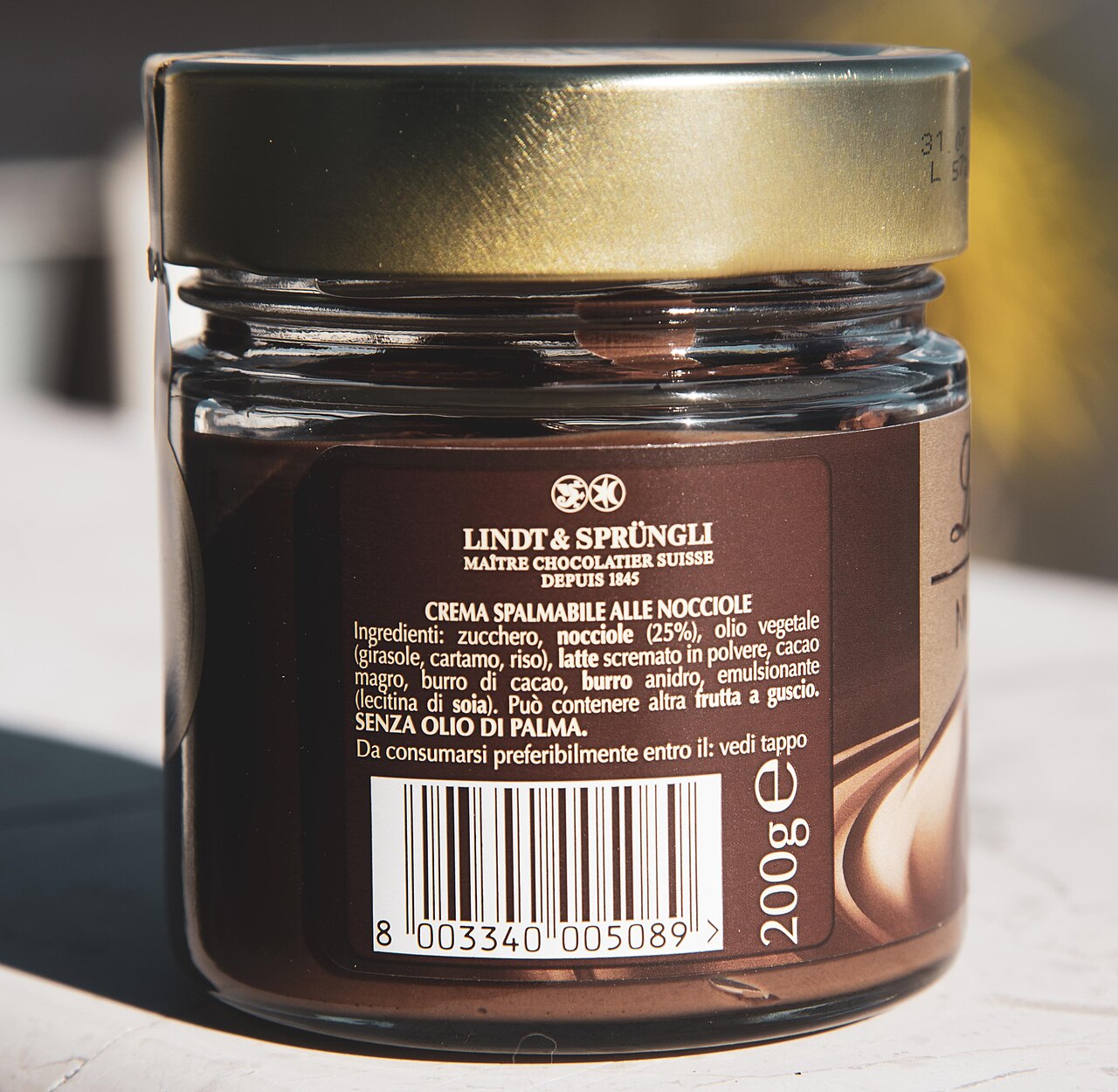
Key ratio: from 1 kg of hazelnuts in shell, approximately 0.6 kg of cleaned kernel is obtained (yield ~60%) [1, 2]. Even after the loss of mass, the transition from in-shell prices to cleaned kernel prices in direct sales multiplies the revenue per kilogram of raw material — this is the mathematics that justifies investment in processing, packaging, and branding.
The Marketing Mix (4P) for Hazelnuts
The classic marketing mix — product, price, place, promotion — is a useful framework for hazelnuts:
- Product: Decide whether you will offer fruit in shell, cleaned kernel, roasted/salted kernel, or processed goods (oil, flour, cream). The further from raw material, the higher the margin, but also the higher requirements (equipment, hygiene, labeling, shelf life).
- Price: Premium price works only when there are demonstrable differences and when the buyer is less price-sensitive because they value the benefit (quality, origin, eco). Do not compete on price with large commodity producers.
- Place: Direct channels (farm store, fairs, web/online sales, specialty delicatessens) give greater freedom of price and a larger share of the consumer’s dollar. Online sales are explicitly mentioned as an opportunity in various studies [4].
- Promotion: Social media, website, word of mouth, farm story, photos of orchards and harvest. Chefs and restaurateurs can be strategic partners — buyers with high requirements who recognize and spread the story of quality [4].
Association: Positioning That an Individual Cannot Do Alone
The biggest limitation of individual producers is disconnectedness and lack of volume. An individual farm hardly ensures the constant, uniform supply that larger buyers demand and which is a prerequisite for a serious joint brand or origin protection. Multiple sources call for association and connection of producers for better placement conditions and a joint market appearance.
A cooperative or producer association enables:
- joint brand and joint protection of geographical origin,
- joint processing, sorting, and packaging (added value that an individual hardly finances),
- larger and more uniform quantity and stronger negotiating position,
- sharing of marketing and certification costs.
Caution from the world: the Oregon hazelnut industry shows that a poorly structured joint marketing body can spend millions without raising prices or the market — so the structure and management of the association are as important as its existence [5].
Practical Recommendations
- Start with quality in the field and processing. Without low moisture, cleanliness, and high yield, there is no premium story — this is the foundation of everything else [1, 2].
- Choose and highlight the variety. Rimski and Italian varieties carry a higher price; autochthonous names carry the origin story [1, 7].
- Consider eco-status, but plan the channel that pays that premium — a certificate without a real buyer brings no difference [6].
- Move from shell to kernel and processed goods as much as equipment and regulations allow; this is where the greatest added value lies.
- Build a visible brand — name, logo, consistent packaging, photos of orchards and processes, farm story.
- Open direct channels (web, fairs, delicatessens, chefs) where you set the price.
- Associate. Joint brand, origin protection, and joint processing compensate for what the individual lacks — volume and negotiating power.
Common Mistakes
- Selling exclusively in shell to a buyer as the only channel — surrendering all negotiating power.
- Premium price without demonstrable difference — consumers quickly recognize empty marketing and the brand loses trust.
- Eco-certification "on paper" without placement that pays for it — cost without return.
- Inconsistent quality between batches — one bad batch ruins a brand built over years.
- Competing on price with large global producers instead of escaping to a differentiated market.
- Waiting "until volume grows" before any marketing investment — brands and channels are built over years, like the orchard.
Sources
- 8ed8c43aeec2c14a (2021)
- PDF UVJETI OTKUPA KONVENCIONALNOG LJE de6b91d9 (2022)
- Filip%20Brlekovi%C4%87 Doktorski%20rad (2024)
- Growing Midwestern Tree Nut Businesses: Five Case Studies (2016)
- A NEW APPROACH TO MARKETING OREGON HAZELNUTS (2025)
- PDF Ekonomska uspje nost ekolo ke proi b963fe58 (2019)
- PODIZANJE NASADA (n.d.)