Bud and Dormancy Break
Content generated by artificial intelligence — verify before application
This article was automatically compiled from a collection of hazelnut literature using artificial intelligence and may contain errors or outdated information. It serves as a starting point for further research, not as professional advice. Dosages, products, and timing are informative and depend on the cultivar, location, and current regulations — always consult with an advisory service and official sources before application.
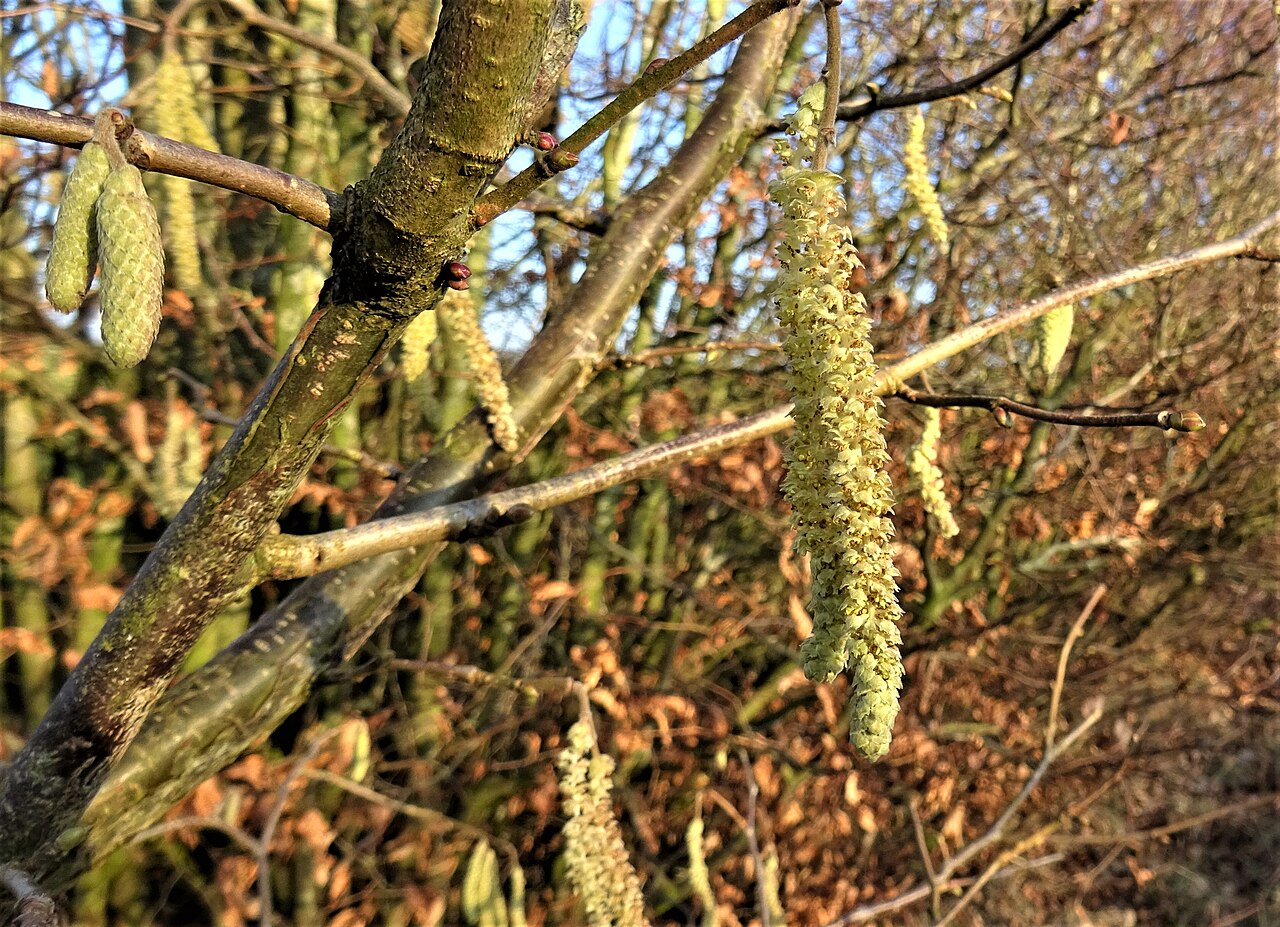
Dormancy is a period during which hazelnut (Corylus avellana) temporarily halts visible growth to survive the unfavorable winter period of cold and limited water availability. Dormancy is not passive "sleep" but an active, physiologically regulated state that protects the plant from premature vegetative growth before external conditions become favorable for development. For hazelnut growers, understanding dormancy is not an academic topic: it is the dynamics of dormancy and its break that determine when catkins and female flowers will bloom, how exposed the orchard is to the risk of late frosts, and how individual cultivars respond to increasingly warmer and unpredictable winters. In this article, we explain the three phases of dormancy (paradormancy, endodormancy, and ektodormancy), the hormonal background governing them, the role of cold and heat in breaking dormancy, and the practical implications for early flowering and orchard management.
What is dormancy and why does it exist
Plants in temperate climate zones must survive periods of cold and limited water through dormancy. Dormancy is defined as a temporary, endogenously (internally) regulated and environmentally modulated cessation of growth. In dormant cells, it is autonomously "written" and manifests as characteristic blocking of gene activity, so that growth does not start even when external conditions appear favorable.
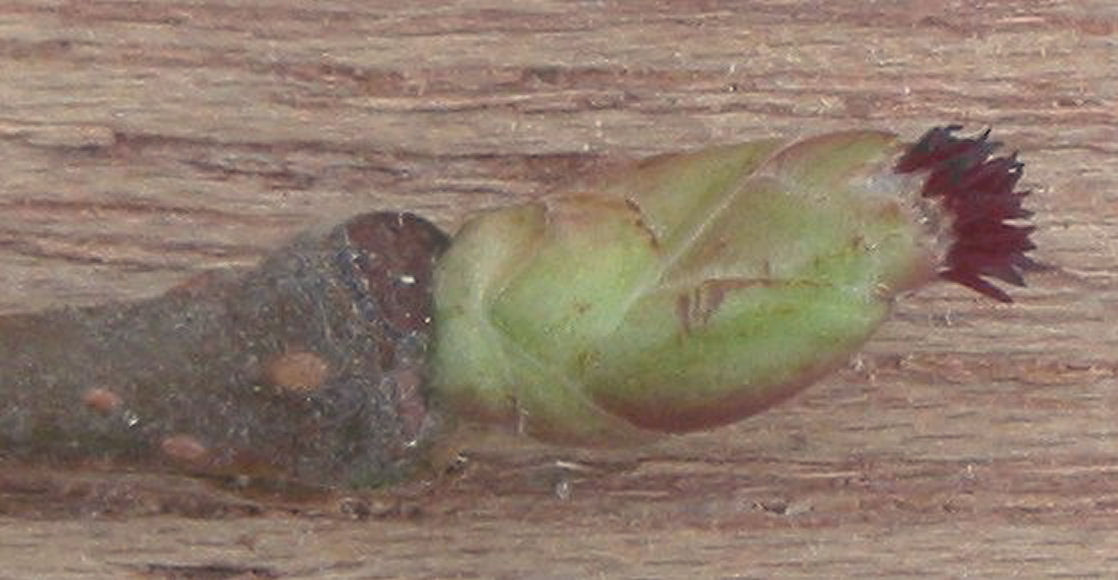
The purpose of this mechanism is protective. Hazelnut is a species with extremely early flowering — catkins (male flowers) often appear in autumn, and female flowers bloom in December, January, February, or March, depending on the cultivar and location. Without an internal "lock" keeping buds closed until the required amount of cold is accumulated, warm days in the middle of winter would trigger vegetative growth, and the next wave of frost would destroy the sensitive open flowers or merely force the buds. Dormancy is, therefore, an evolutionary safeguard against "false spring."
Three phases of dormancy: paradormancy, endodormancy, and ektodormancy
Modern literature (according to the classic classification by Lang et al., 1987) distinguishes three phases of dormancy in hazelnut flowers and buds. The difference among them lies in where the signal that inhibits growth comes from.
| Phase | Source of Growth Control | Will the bud break if moved to warmth? | How is it broken? |
|---|---|---|---|
| Paradormancy | Other plant organs (e.g., leaves, apical buds) via hormones | Yes — the flower/bud can still break in "forced" conditions | By removing the inhibitory signal from adjacent organs |
| Endodormancy | Within the bud itself (endogenous, self-regulated control) | No — the bud does not break even in ideal conditions | By accumulation of sufficient cold |
| Ektodormancy (Ekodormancy) | External (environmental) factors: low temperatures, lack of water/nutrients | Yes — it breaks as soon as conditions become favorable | By accumulation of heat (warmer days) |
Paradormancy
Paradormancy is the initial cessation of growth in response to day shortening and temperature drop in autumn. In this phase, the flower or bud can still bloom if placed in warm, "forced" conditions. Crucially, this dormancy is not self-regulated: the bud does not inhibit itself, but is regulated by hormones produced by other organs, such as leaves. This is a form of correlative inhibition (organ A inhibits organ B).
Endodormancy ("true" dormancy)
Endodormancy is considered the "true" state of dormancy: it is self-regulated and characterized by the inability to resume growth even under favorable conditions. Endodormancy is triggered by signals such as cold, photoperiod, or light spectrum, which initiate endogenous growth control within the bud. As long as endodormancy lasts, even a prolonged warm period will not "wake" the bud. To exit endodormancy, the accumulation of sufficient cold is required — the so-called chilling requirement.
In hazelnut phenology models, endodormancy of catkins begins roughly when the catkin length reaches a plateau (around stage 5) and lasts until the pollen grains mature (stage 7). During this period, each cultivar requires a certain minimum amount of cold.
Ektodormancy (Ekodormancy)
Once the chilling requirement is met, the bud transitions to ektodormancy. Growth is no longer inhibited from within, but is held back only by unfavorable external conditions (primarily low temperature). As soon as warmer days arrive and sufficient heat accumulates, growth resumes and the bud breaks into flowering or leafing. The transition from endo- to ektodormancy occurs the moment the threshold of time spent at low temperatures is reached (Mehlenbacher, 1991).
Practical lesson: two orchards on adjacent plots may look equally "dormant" in the middle of winter, but one may be in endodormancy (safe from warm spells), while the other is already in ektodormancy (ready to break at the first warm week and exposed to frost risk).
Hormonal regulation of bud dormancy
Bud dormancy is regulated by plant hormones, which applies to all types of dormancy: flower dormancy, vegetative buds, axillary buds, and seeds. Recent research on hazelnut catkin hormones during winter dormancy (2025) examined the role of five key ("canonical") plant hormones in regulating catkin dormancy:
- Abscisic acid (ABA) — classically associated with the establishment and maintenance of dormancy and the stress response. Elevated levels of ABA and associated signaling components (PYL receptors, PP2C, ABF transcription factors) are linked to entry into dormancy.
- Gibberellins (GA) — generally promote growth and bud break; reduced inhibition and increased GA activity are associated with dormancy break and growth resumption.
- Auxin — participates in correlative relationships among organs (relevant for paradormancy).
- Cytokinins (CTK) — associated with the activation of cell divisions and the initiation of growth.
- Ethylene — participates in signaling related to dormancy and senescence (via EIN3, ERF1/ERF2, and similar components).
Simplified, the balance between hormones that inhibit (especially ABA) and those that promote growth (especially GA and cytokinins) determines whether a bud remains dormant or breaks. Cold accumulation during winter gradually shifts this balance — inhibitory pressure decreases, and growth tendency increases. Changes during dormancy are visible in hormone and sugar concentrations, water content in buds, and the metabolism of nucleic acids and proteins. Classic works (e.g., Rodriguez and Sanchez-Tames, 1986, on seasonal changes in growth regulators in hazelnut buds) long ago described how the hormonal profile of the bud changes throughout the dormancy season.
Why this is important for practice: Since dormancy is managed hormonally, it can theoretically be modulated (e.g., with treatments that affect hormonal balance or heat accumulation). In intensive fruit production of other species, dormancy-breaking agents are used, but for hazelnut, such applications should be considered experimental and their permissibility and registration with the competent authority must be verified before any application.
Breaking dormancy: cold then heat
The breaking of hazelnut dormancy occurs in two steps that accumulate throughout winter and early spring:
- Cold accumulation (breaks endodormancy) — the bud must "accumulate" a certain number of hours at low temperatures.
- Heat accumulation (breaks ektodormancy) — after the chilling requirement is met, a certain sum of heat units (degree-hours or degree-days of growth) is required for growth to resume.
Temperature ranges
To meet the chilling requirement and break true dormancy in hazelnut buds, temperatures between 0 and 7 °C are needed (some sources cite a wider range, e.g., 5–15 °C, as effective). For heat requirements, hours at temperatures above approximately 4 °C are calculated. In other words, cold "unlocks" the bud, and subsequent heat "starts" it.
How much cold is needed? Differences among organs and cultivars
The chilling requirement is not equal for all organs of the same plant, and it depends heavily on the cultivar (genotype). Catkins (male flowers) have a low chilling requirement and a high heat requirement, while female flowers have a high chilling requirement and a low heat requirement. These differences in requirements explain dichogamy — the time lag between the flowering of male and female flowers on the same plant.
The following table shows approximate chilling requirement ranges according to literature (values are informative and vary with measurement method and cultivar):
| Organ | Approximate Chilling Requirement (hours) | Note |
|---|---|---|
| Catkins (male flowers) | < 100 to ~860 h | Lowest requirement — break earliest |
| Female flowers | ~290 to ~1550 h | Higher chilling requirement |
| Leaf / vegetative buds | ~365 to ~1690 h | Highest requirement — break latest |
Source of approximate values: Mehlenbacher (1991.), Chilling requirements of hazelnut cultivars. Values differ among cultivars and with the estimation method.
The lowest chilling requirements are recorded for leading C. avellana cultivars from Turkey and southern Italy, making them adapted to warmer climates but also more prone to premature growth in mild winters. The chilling requirement for vegetative buds of clones heterozygous for the "non-dormant" trait is lower than that of clones homozygous for the dormant allele — thus, dormancy is a heritable trait that can be selected in breeding.
How the end of dormancy is determined experimentally
The end of true dormancy is most often determined by an experiment: at different times during winter, shoots are cut and placed in a warm environment, and the time required for buds to break or the extent of growth after three weeks is observed. If buds break quickly, endodormancy is broken; if they do not break, the chilling requirement has not yet been met. Without such physiological measures, it is difficult, if not impossible, to reliably estimate the break of endodormancy solely from long-term field observations.
Consequences for Early Flowering and Frost Sensitivity
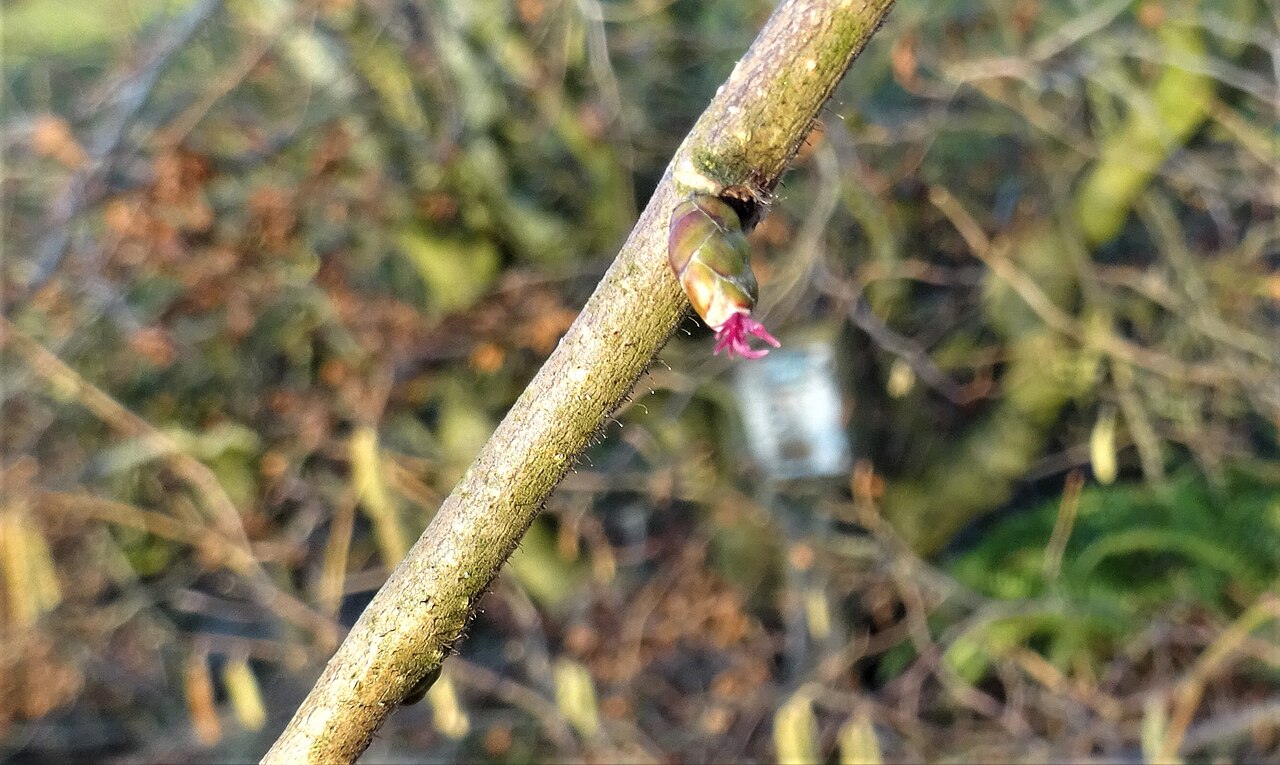
Hazelnut has one of the longest flowering periods among fruit species. Flowering begins very early (from December to February and March), but fertilization only occurs when temperatures rise, averaging around 9 °C, which can be up to six months after flowering begins (pollen remains dormant, and fertilization is delayed). This temporal "stretching" means that flowers are exposed to temperature extremes for a long time during winter.
Thermal Sensitivity in the Era of Climate Change
Hazelnut flowering time depends heavily on climate and is extremely sensitive to temperature, varying significantly from year to year. Research in Slovenia has shown that an increase in air temperature of 1 °C advances leafing by 2.5–3.9 days, with flowering being even more sensitive. This means that mild winters systematically advance hazelnut flowering.
The consequences for producers are twofold and opposing:
- Mild winters can lead to insufficient chilling. If the chilling requirement is not met, incomplete development of plant organs may occur (uneven and prolonged flowering, poor fertilization, reduced productivity). Cultivars with high chilling requirements planted in overly warm climates are particularly at risk.
- Warm winter "waves" can trigger premature flowering and bud break. Once endodormancy is broken, a short warm period is sufficient (the model for southern Ontario indicates that endodormancy ends after a period of 3–6 days with daily temperatures below zero in January and December, followed by the start of heat unit accumulation) for buds to break and become exposed to subsequent frost.
Freezing Thresholds
When dormancy breaks and tissues become more active, resistance to low temperatures drops sharply. Approximate freezing thresholds for hazelnut organs:
| Organ / Stage | Damage Temperature |
|---|---|
| One-year-old shoots | around −30 °C |
| Vegetative buds | around −25 °C |
| Unopened male and female catkins/flowers | −18 to −16 °C |
| Opened male and female flowers | −7 to −10 °C |
| Leaf buds at the start of vegetation | −3 to −5 °C |
Values are indicative and depend on cultivar, orchard condition, and duration of cold exposure.
It is clear why premature breaking of dormancy is dangerous: while a dormant bud can withstand even −25 °C, an open flower suffers at −7 to −10 °C, and a just-emerging leaf bud at only −3 to −5 °C. Each day of earlier flowering means longer exposure to potential late frosts.
Practical Recommendations and Common Mistakes
Recommendations
- Match the cultivar to the local climate. In warmer, milder areas, choose cultivars known for lower chilling requirements to ensure uniform flowering; in colder areas, avoid extremely early-flowering cultivars that will regularly suffer from frost.
- Monitor the winter progression, not just the calendar. Since dormancy break is a sum of cold and heat, "early" and "late" change from year to year. Monitor local meteorological data (hours in the 0–7 °C range, heat units) and advisory service notifications.
- Plan frost protection for risky plots (frost pockets, valleys where cold air drains), especially in years with an early warm wave followed by cooling.
- Perform pruning in accordance with dormancy. Winter pruning of hazelnut is best carried out at temperatures above 0 °C and, according to several sources, after the appearance of the first female flowers, to avoid damaging buds and to better assess productivity.
Common Mistakes
- Assuming a "dormant" plant is safe. Visual dormancy does not indicate whether the plant is in endodormancy (resistant) or ectodormancy (ready to break). Without monitoring cold accumulation, the risk is easily underestimated.
- Confusing dormancy with pest or disease problems. Swollen, deformed, or unopened buds are often not a result of dormancy, but rather an attack by the hazelnut eriophyid mite (Phytoptus avellanae) or a bacterial/fungal disease. If buds swell, turn red, and do not open, suspect mites rather than "disrupted dormancy." (For control, see articles on protection; sulfur-based products are effective at temperatures above ~15 °C, with mandatory adherence to registration and label instructions.)
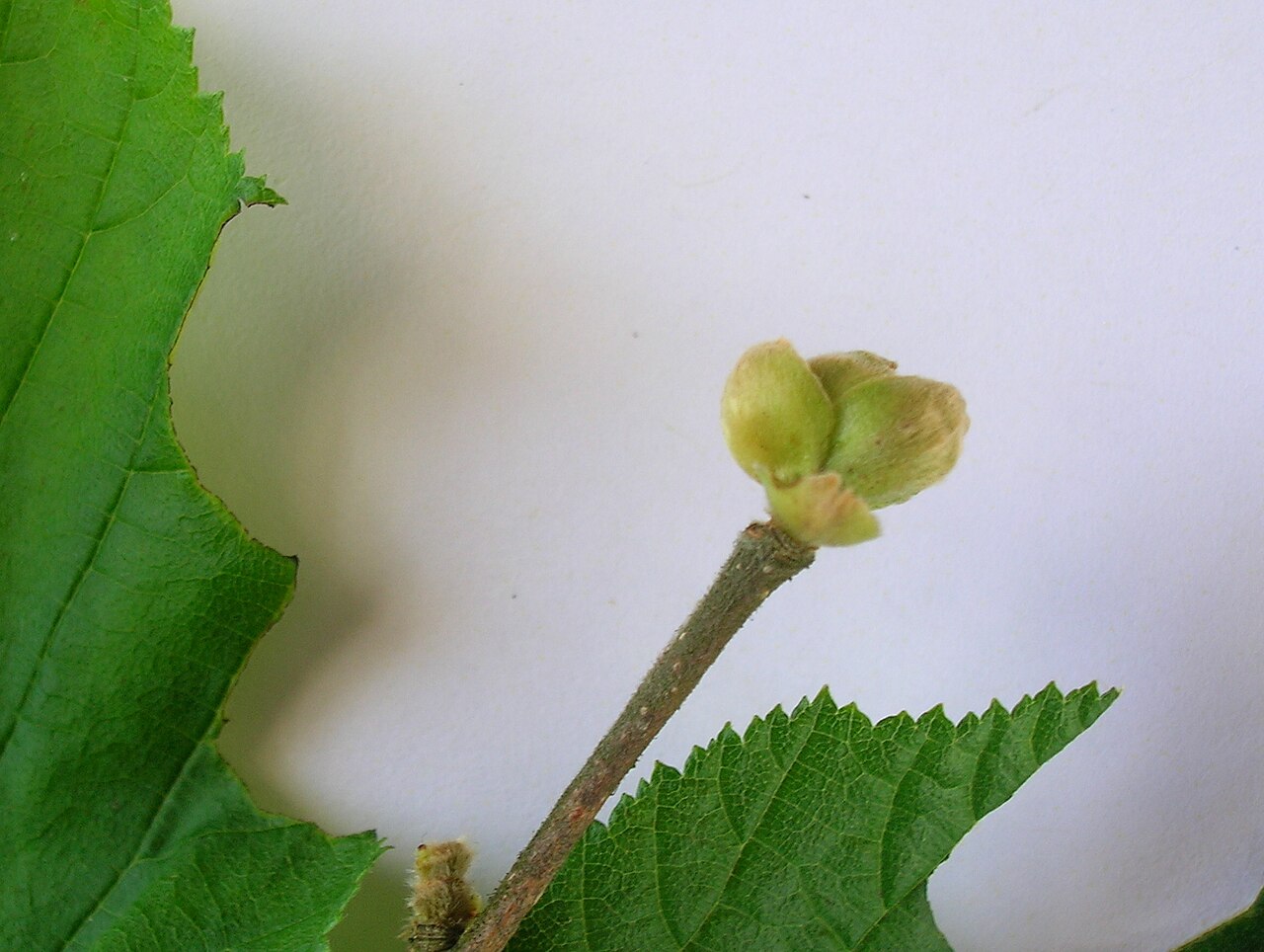
- Planting cultivars with high chilling requirements in overly warm climates, which leads to prolonged, uneven flowering and poor fertilization.
Sources
This article is an AI summary compiled from an internal collection of hazelnut literature (RAG corpus) supplemented with publicly available sources. The content is informative and subject to verification. Main sources used:
- Mehlenbacher, S. A. (1991). Chilling requirements of hazelnut cultivars. Scientia Horticulturae, 47:271–282. — https://doi.org/10.1016/0304-4238(91)90010-V (chilling requirements ranges for catkins, female flowers, and leaf buds; temperatures 0–7 °C)
- Surveying the Hormonome of Hazelnut Catkins During Winter Dormancy (2025, bioRxiv preprint). — https://doi.org/10.1101/2025.10.25.684543 (three phases of dormancy; role of ABA, GA, auxin, cytokinin, and ethylene)
- Lang, G. A. et al. (1987) — classification of para-, endo-, and ectodormancy (cited in the aforementioned works)
- Diploma thesis (German), 2009. — definition of dormancy and division into para-/endo-/ectodormancy and changes in hormones, sugars, and water content in buds (RAG corpus, source 11585953)
- Università degli Studi della Basilicata (2022) — dormancy physiology, accumulation of chilling hours (0–7 °C) and heat (>4 °C) (RAG corpus)
- "Hazelnut floral phenology in southern Ontario" (Canadian Journal of Plant Science, 2021). — https://cdnsciencepub.com/doi/10.1139/CJPS-2020-0333 (catkin vs. female flower requirements; duration of endodormancy)
- "Chilling requirements of hazelnut cultivars" — ScienceDirect. — https://www.sciencedirect.com/science/article/abs/pii/030442389190010V
- "The response of Corylus avellana L. phenology to rising temperature in north-eastern Slovenia". — https://www.researchgate.net/publication/51518294 (acceleration of leafing 2.5–3.9 days per °C)
- Final thesis, 2019 (RAG corpus, c4d48579) — freezing thresholds of hazelnut organs
- "Impact of low temperatures on freezing" (2021, RAG corpus, 9e960adf) — flowering and fertilization temperature (~9 °C)
- Notifications from the Ministry of Agriculture / advisory services to hazelnut producers (2021, 2022, 2025, RAG corpus) — bud swelling, phenophases, and differentiation from hazelnut mite symptoms
- Rodriguez, A. and Sanchez-Tames, R. (1986). Dormancy and seasonal changes of plant-growth regulators in hazel buds. Physiologia Plantarum, 66:288–292 (cited in corpus)