Does hazelnut need irrigation and water requirements?
Content generated by artificial intelligence — verify before application
This article was automatically compiled from a collection of hazelnut literature using artificial intelligence and may contain errors or outdated data. It serves as a starting point for further research, not as professional advice. Dosages, products, and timing are informative and depend on the cultivar, location, and applicable regulations — always consult an advisory service and official sources before application.
The question "does hazelnut need irrigation" is one of the most common and critical issues faced by every prospective and existing hazelnut grower. The short answer is: under most Croatian conditions — yes, at least during critical periods. Hazelnut (Corylus avellana L.) has a reputation as a low-maintenance crop, but this reputation refers to soil adaptability and hardiness, not water needs. The hazelnut root system is shallow and widespread, meaning the plant cannot effectively utilize moisture from deeper soil layers. Consequently, hazelnut is relatively sensitive to drought, and water deficits during the summer months directly reduce yield and kernel quality. This article explains how much water hazelnut needs, how to assess requirements based on climate and soil, what evapotranspiration is and how to calculate it, the impact of irrigation on yield and quality, and whether investing in an irrigation system is profitable.
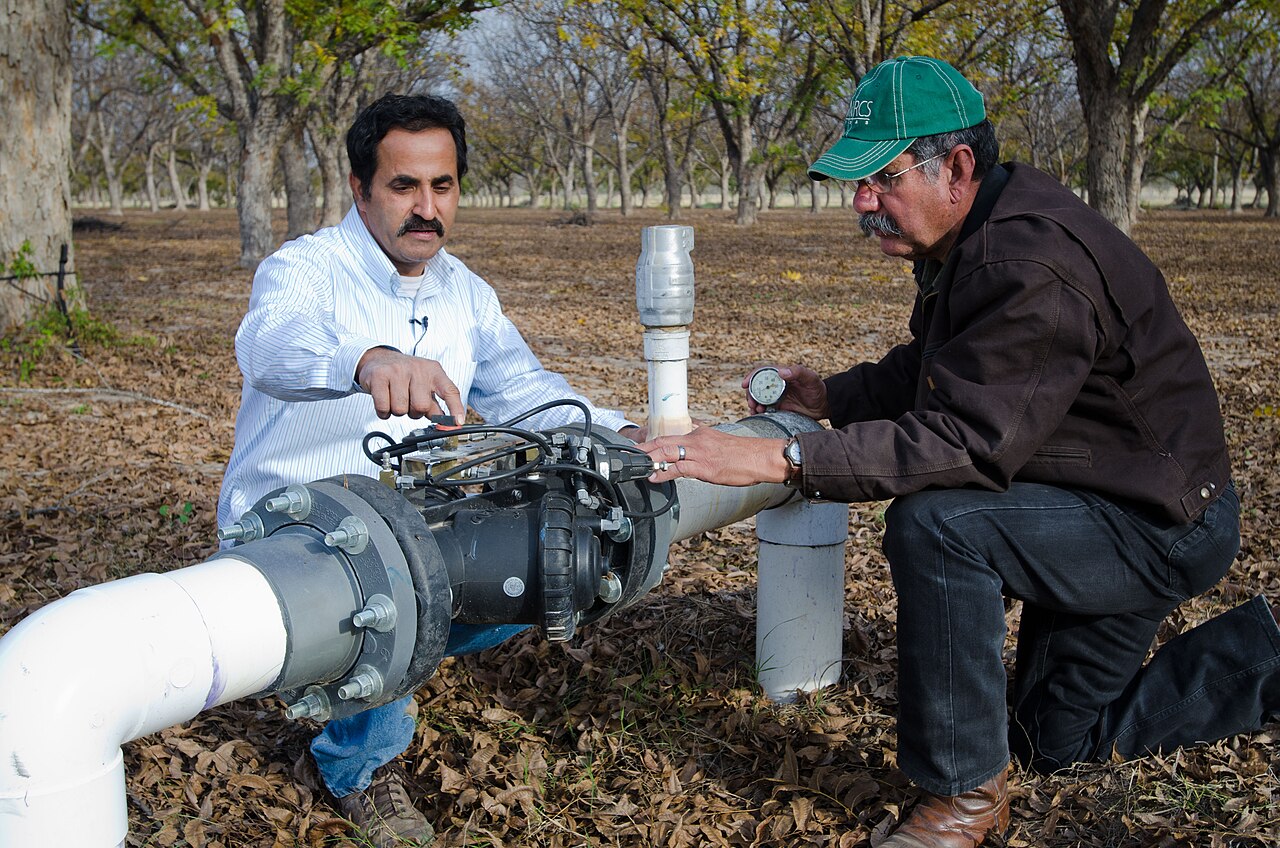
How much water does hazelnut really need?
Literature repeatedly states that hazelnut requires a moist environment throughout the year, with a total annual precipitation of 800 to 1,200 mm. The highest water demand occurs during the vegetation period, roughly from April to September, when approximately 350–500 mm is needed (many sources cite 350–400 mm). An additional 280 mm is noted for the period from April to July.
It is crucial to understand that it is not just the total amount of water that matters, but its distribution throughout the year. Croatia, like much of the northern Mediterranean and continental regions, often has sufficient annual precipitation, but with a distinct summer drought period (July and August) when evapotranspiration is highest and precipitation is insufficient. This is precisely when irrigation becomes necessary.
An illustrative example from the area around Sisak: although average precipitation during the vegetation period exceeds 400 mm, due to increased evapotranspiration in July and August and insufficient precipitation during that period, the actual need for supplementary irrigation was estimated at around 100 mm during the vegetation season. In other words, irrigation often does not need to cover the entire plant requirement, but only to "fill the gap" between what precipitation provides and what the plant consumes during the hottest part of the season.
Orientational water requirements
| Period | Water requirement (orientational) | Note |
|---|---|---|
| Entire year | 800–1,200 mm precipitation | Optimal climatic framework |
| Vegetation (April–September) | 350–500 mm | Period of highest consumption |
| April–July | approx. 280 mm | Phase of intensive growth |
| Critical summer supplementation | e.g., approx. 100 mm (depends on location) | Actual irrigation requirement |
Figures are informative
All stated quantities depend on the cultivar, orchard age, soil type, stand density, and local microclimate. Local assessment based on meteorological data and soil moisture measurements is always more reliable than general figures.
Assessing requirements based on climate and soil
The decision on irrigation and its dosing stems from the relationship between three factors: climate, soil, and plant. When selecting a site, it is advisable to consider three basic ecological factors — climate, soil, and position — as well as their interrelationships.
Climate
The main limitation for hazelnut cultivation in Croatia is not summer droughts, but low winter temperatures, because hazelnut blooms in winter. However, from a water perspective, summer heat and drought are decisive. Climate projections for Croatian conditions (e.g., modeling for the Sisak area until 2040) predict an increase in ground-level temperature of about 1.1–1.2 °C in all seasons and more frequent drought periods. This means that the need for irrigation will grow in the future, and irrigation is increasingly considered a measure of adaptation to climate change — without it, rising temperatures would threaten plants and reduce yields.
Soil
Soil type determines how much water can be retained in the root zone and how frequently irrigation is needed:
- Suitable soils: moderately moist, humus-rich, favorable structure, good water-air relations, optimal pH around 5.5–7.5 (some sources cite a wider range of 5.0–8.0). It also grows well on skeletal soils and carbonate loams.
- Unsuitable soils: dry, cold, and compacted soil yields small and irregular harvests. Pseudogley with a shallow impermeable layer and micro-depressions where water stagnates are particularly problematic — this leads to root asphyxiation (suffocation), trees become stunted, and die off.
Lighter, sandy soils have low water retention capacity and require more frequent, smaller irrigation doses, while heavier, loamy soils retain more water and are irrigated less frequently but more abundantly. Irrigation frequency depends on soil type and ranges approximately every 1–3 days at the peak of the season in intensive orchards.
Measuring soil moisture
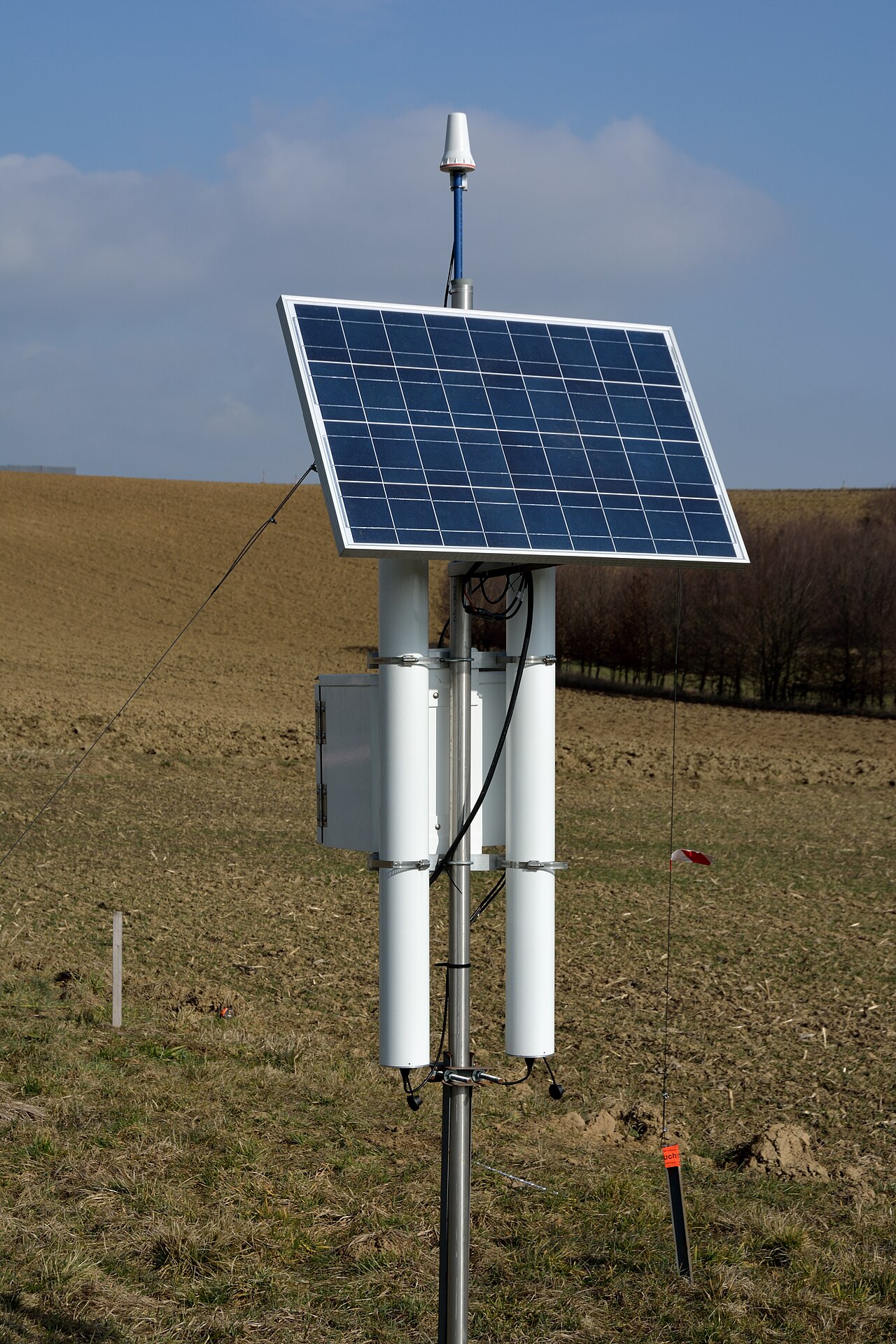
Instead of irrigation "by feel," professionals recommend measuring actual soil moisture. In Croatian practice (environmental protection elaborates), the following are cited:
- tensiometers (measure moisture/water tension in the soil),
- digital soil moisture meters (e.g., watermark devices).
The goal is for the plant to never experience a significant water deficit throughout the entire vegetation cycle, as hazelnut is very sensitive to this.
Evapotranspiration — the foundation of precise irrigation
Evapotranspiration (ET) is the total water loss consisting of evaporation from the soil surface (evaporation) and transpiration (water loss through plant leaves). This is a central concept in modern irrigation because it shows how much water the plant and soil together "consume" and how much needs to be replenished.
Reference evapotranspiration (ET₀)
Reference evapotranspiration (ET₀, sometimes ETo) is a standardized value describing evaporation from a hypothetical reference crop (short green grass, canopy height 0.12 m, canopy resistance 70 s/m, albedo 0.23) without water deficit. This allows comparison of water needs between different locations and crops. ET₀ is most commonly calculated using the FAO Penman–Monteith method, which is an internationally recognized standard, using air temperature, relative humidity, solar radiation, and wind speed as inputs. There are also simpler methods (e.g., Blaney–Criddle).
Crop coefficient (Kc) and actual evapotranspiration (ETc/ETa)
To get from the reference value to the actual consumption of hazelnut, we multiply ET₀ by the crop coefficient:
ETc (or ETa) = ET₀ × Kc × Kr
- Kc = crop coefficient, specific to hazelnut and changes throughout the season (hazelnut is deciduous, so Kc rises with canopy development and falls before autumn),
- Kr = soil cover coefficient by the canopy (takes into account how much of the stand is covered by the canopy; in dense orchards with coverage above ~70%, Kr ≈ 1 is used).
Orientational values of the crop coefficient (Kc)
| Source / approach | Kc | Note |
|---|---|---|
| Measurements in Spain (Mas de Bover, IRTA) | March 0.30; April 0.40; May 0.60; June 0.65; July 0.85; August 0.75; September 0.63 | Monthly values, mature orchard |
| Lysimeter measurements (newer literature) | ≈ 0.8 throughout the season (April–October) | Simplified average value |
| Young, grafted seedlings in dense stand | lower (0.57) to higher (1.09) depending on development | Large range depending on coverage |
Crop coefficients are not universal — they vary with cultivar and tree size, soil properties, canopy density, wind differences, and the ET₀ formula. Therefore, calibration of Kc is recommended by comparing predicted ETc with measured soil moisture: if the prediction overestimates or underestimates the irrigation need, the factor should be adjusted to local conditions.
From ET to irrigation doses
The net irrigation requirement is approximately the difference between ETc and effective precipitation. In practice, precipitation efficiency (e.g., ~80%) and irrigation system efficiency (e.g., ~0.90 for drip) are additionally taken into account. In experiments, irrigation is often programmed to replenish 100% of actual evapotranspiration (full replenishment), but there are also deficit irrigation strategies, where less water is intentionally applied (e.g., 75% of ETc has proven to be a valid level for the 'Tonda Gentile Romana' cultivar in areas with insufficient precipitation) to save water without significant yield loss.
Impact of irrigation on yield and quality
Irrigation is a "significant measure in improving overall growth and development, and thereby increasing yields." The effect is manifested at several levels:
- Young plants and orchard establishment: watering is most important at planting and in the first years of growth. Without water, young seedlings stunt. At planting, approximately 10 liters of water per seedling is recommended to ensure good soil-root contact. Regular watering in the first year after planting is the most cost-effective.
- Fruit growth and kernel filling phase: the main fruit growth season is summer; June, July, and August are critical phases. Water deficit then can affect yield and quality, as well as the crop of the following year (as future buds are set during this time).
- Fruit size and kernel mass: in practice, it is seen that irrigation in June positively affects fruit growth and size, and irrigation in August affects kernel mass — which is crucial for market value (kernel percentage, recovery rate).
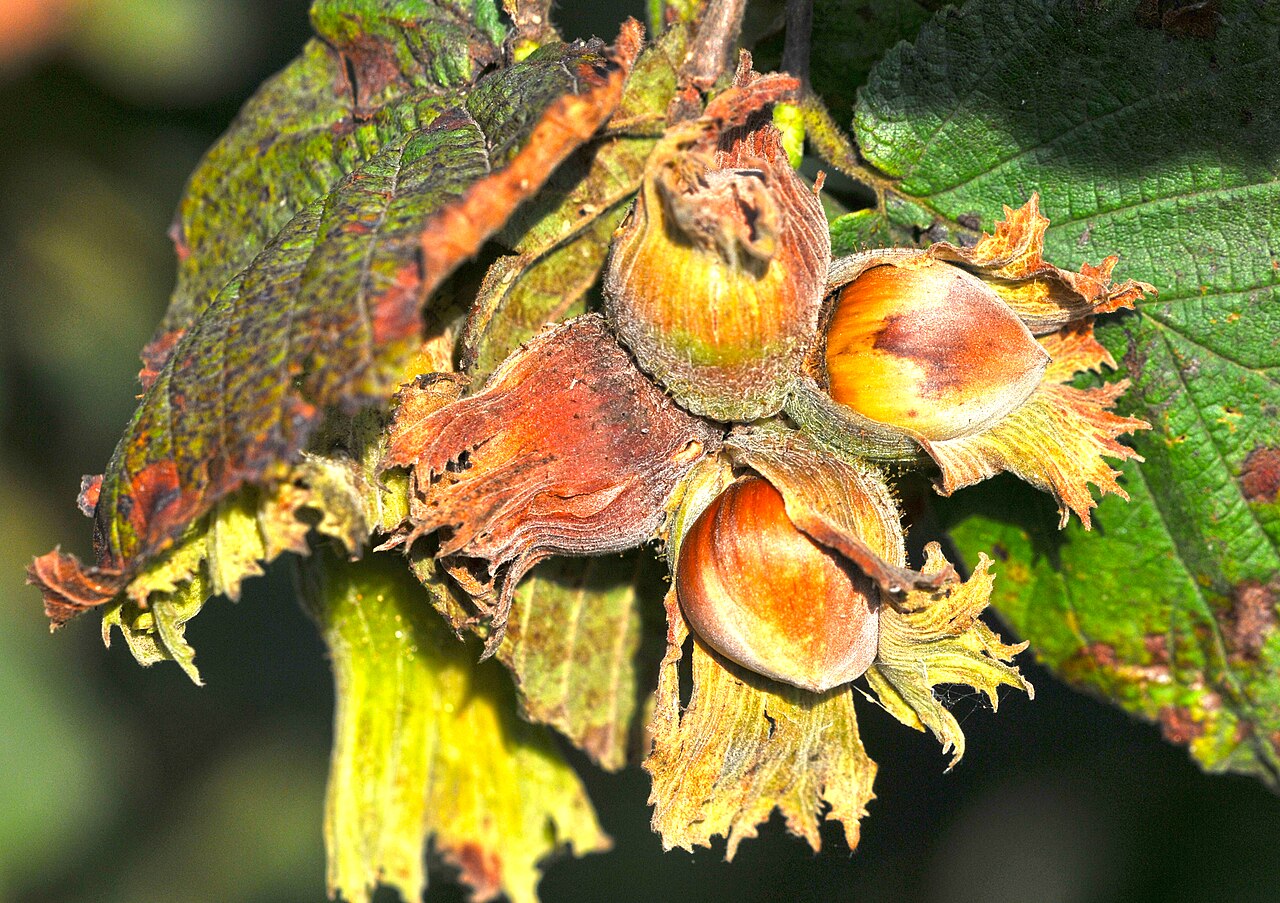
How much can yield increase?
Estimates of yield growth due to irrigation range up to 30% compared to plots without irrigation, with better uniformity and quality of fruits. On the other hand, water deficit can cause fruit drop in large percentages — Italian experiences mention losses up to 62% due to drought. In other words, irrigation is not just a tool for increasing yield, but primarily for ensuring stability of yield from year to year.
Practical guidelines for watering (orientational)
| Item | Orientational value | Source/Note |
|---|---|---|
| Water per seedling at planting | ~10 l | For soil-root contact |
| Number of waterings in season (traditional approach) | 5–6 times, very abundant | After flowering, at fruit set, at bud set, after leaf fall |
| Water per mature tree per watering | 40–50 l | Traditional recommendation |
| Frequency in intensive orchard (drip) | every 1–3 days | Depends on soil type |
| Irrigation period | April/May – August/September | Highest needs July–August |
Values are informative
The number of waterings, volume, and frequency depend on the cultivar, age and density of the orchard, soil type, irrigation system, and current weather conditions. An exact irrigation plan should be developed based on soil moisture measurements and local ET calculation.
Irrigation Systems and Water Management
For hazelnuts, drip irrigation ("drop by drop") is generally recommended today. In intensive cultivation, especially in dense plantings, irrigation plays a fundamental role because the shallow root system cannot reach deeper soil moisture.
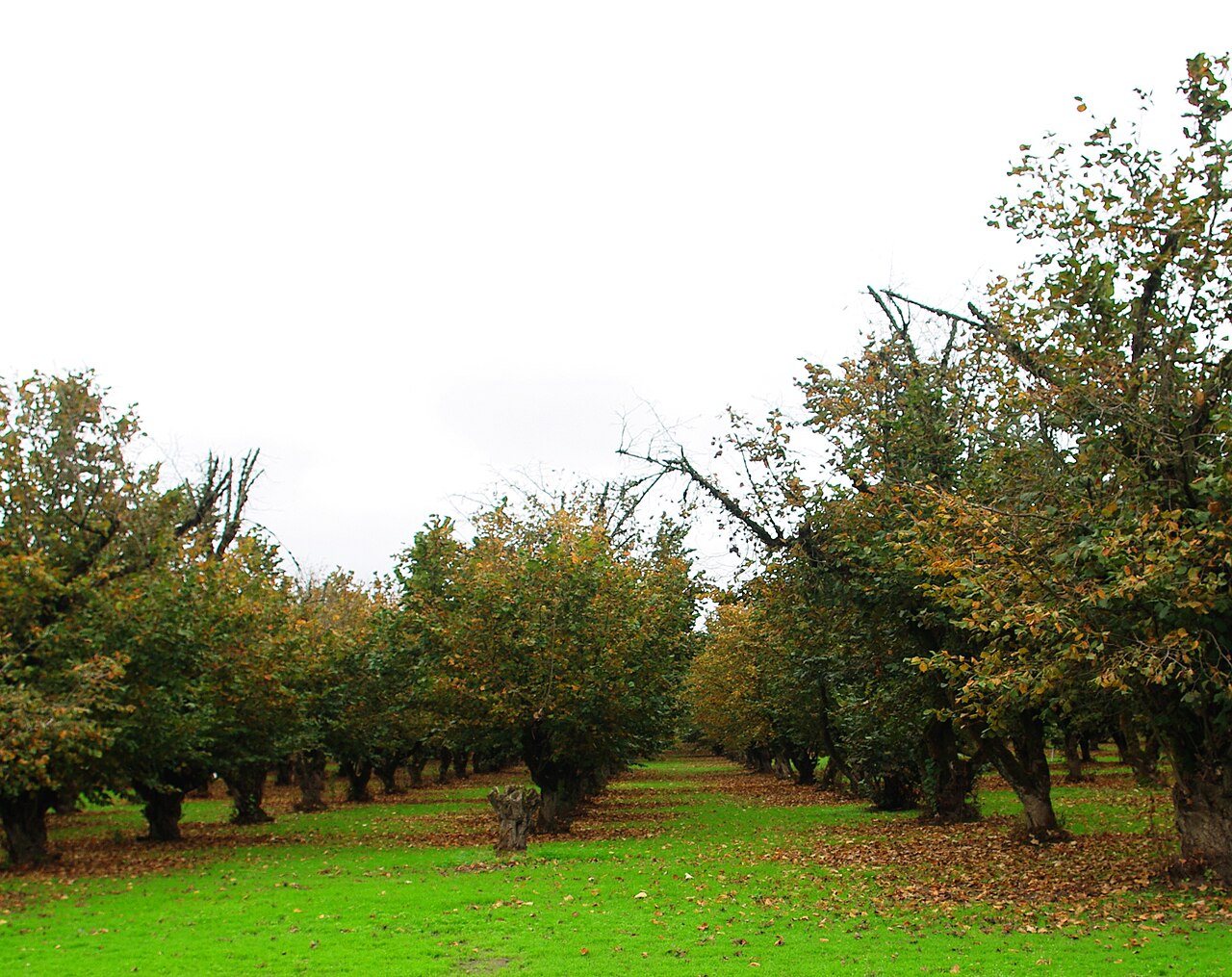
Advantages of drip irrigation systems:
- water is delivered locally, precisely, and efficiently to each plant,
- it can be applied on all soil types, topographies, and plot shapes,
- it saves water and fuel energy and allows for fine dosage regulation,
- it enables fertigation (adding nutrients through the water),
- it facilitates harvest by keeping the soil dry (avoiding "furrow irrigation"),
- it works best with an automated central unit and moisture sensors.
In Croatian orchards, a common water source is pumping groundwater from a well, which is an administrative action that usually requires appropriate permits and, depending on the case, an environmental protection assessment (evaluation of the need for an environmental impact assessment). In the analyzed examples, it was concluded that properly dimensioned drip irrigation from a well does not worsen the status of water bodies.
Estimated Water Consumption per Orchard
| Practical Example | Water Consumption | Note |
|---|---|---|
| Orchard ~40 ha, drip system (April–August) | up to 3,880 m³/year | Municipality of Vojnić |
| Orchard in full production, 5.2 ha (area of Sisak) | ~5,200 m³/year average (1,040 m³ for young orchard) | ~100 mm supplement; max 10,400 m³, min 1,560 m³ |
Cost-Effectiveness of Irrigation
The cost-effectiveness of hazelnut irrigation stems from the ratio of investment (system, well/water source, energy, maintenance) and returns (higher and, more importantly, more stable yield and better nut quality).
Arguments supporting cost-effectiveness:
- Higher and more uniform yield (estimates up to 30% higher), with better nut quality and kernel recovery rate, directly increasing revenue per hectare.
- Risk reduction: irrigation prevents significant losses in dry years (nut drop of up to 62% without water). In a permanent orchard that produces for decades, avoiding even one catastrophic season can justify the investment.
- Rapid protection of investment in young orchards: watering in the first few years prevents stunting and seedling decline — seedling loss is the most expensive possible cost.
- Climate adaptation: with rising temperatures and more frequent droughts, irrigation is becoming less of a "luxury" and more of a prerequisite for reliable production.
- Resource efficiency: drip irrigation saves water, energy, and labor hours, and enables fertigation (more efficient fertilization), further reducing costs.
Factors that reduce cost-effectiveness or require careful assessment:
- Locations with sufficient and well-distributed rainfall and soils with high water-holding capacity may yield satisfactory results without irrigation — only occasional supplementation is needed then.
- Initial investment in a well, pump, filtration, and pipe network, as well as permit costs, can be significant.
- Energy and maintenance (cleaning emitters, replacing parts) are ongoing costs.
Practical conclusion: in most Croatian commercial orchards, drip irrigation is considered an essential agrotechnical measure throughout the entire growing season, not an optional add-on. Cost-effectiveness should be calculated for a specific location, based on local climate (rainfall distribution and ET), soil type, cultivar, and expected kernel price.
Practical Recommendations and Common Mistakes
Recommendations:
- Irrigate based on soil moisture measurements (tensiometer / watermark) and ET calculations, not on a fixed schedule.
- Pay special attention to the young orchard and the critical period of June–August (fruit growth, kernel filling, setting of fruit buds for the following year).
- Choose localized irrigation (drip) and consider fertigation.
- Adjust frequency based on soil type: lighter soils — more frequent and smaller amounts; heavier soils — less frequent and larger amounts.
- Before building a well/pumping, check legal obligations (permits, potential environmental protection assessment) with the competent authorities.
Common Mistakes:
- Assuming that hazelnut is "modest" and does not need water — its shallow root system makes it sensitive to drought.
- Neglecting the summer dry period even if annual rainfall totals are sufficient.
- Overwatering and planting in micro-depressions or on pseudogley soils — stagnant water suffocates the roots (asphyxia) and causes as much damage as drought.
- Using generic Kc values without calibration for your own cultivar, planting density, and location.
- Delaying irrigation of young seedlings — the result is stunting and permanent yield loss.
Sources
This article is an AI summary generated from an internal literature collection on hazelnuts (RAG corpus) and publicly available sources. Figures and recommendations are informative and depend on the cultivar, location, and current regulations. Main sources used:
- Environmental Protection Assessment — Establishment of a hazelnut orchard and groundwater pumping, Donji Hrastovac, Municipality of Sunja (EcoMission d.o.o., 2021.)
- Environmental Protection Assessment — Permanent hazelnut orchard ~40 ha, Municipality of Vojnić / AGRO UTINJA (EcoMission d.o.o., 2021.)
- Environmental Protection Assessment — Groundwater pumping for irrigation, Donja Pištana, City of Orahovica (2023.)
- Environmental Protection Assessment — Water pumping for hazelnut orchard, City of Glina / Alfa-kolekt d.o.o. (Eko-monitoring d.o.o., 2022.)
- Hazelnut — Vrtlarica (manuals and online sources on cultivation)
- "Technological and Economic Characteristics of Hazelnut Cultivation" (2018.) — DOI 10.46584/lm.v36i2.1141
- "Economic Viability of Hazelnut Production" (2022.)
- Dito, M. — Techniques for the improvement of economic efficiency and environmental sustainability of hazelnut orchards (doctoral dissertation, 2025.)
- Fuente Sáiz et al. (2025) — Water Requirements and Energy Balance Components of a Drip Irrigated Hazelnut Orchard
- "Efecto del volumen de suelo húmedo en riego localizado para el cultivo del avellano" — ITEA 111-2 (2015.)
- Rallo et al. (2021) — Updated single and dual crop coefficients for tree and vine fruit crops
- Hazelnut response to water management (2024.) — DOI 10.13125/2532-0289/4598
- Allen et al. (1998) — FAO Penman–Monteith method for reference evapotranspiration
- MDPI Water — Assessment of the Midseason Crop Coefficient for Young, Grafted Hazelnut Trees
- ISHS — Effects of water availability on hazelnut yield and seed composition
- AgriNova — Drip Irrigation: Complete Guide
- Delta Agrar — Orchard Drip Irrigation
Recommended equipment
🔎 drip irrigation kit — Amazon →Affiliate links — we may earn a small commission at no extra cost to you.
Drip Irrigation Kit
Suitable for small to medium orchards or gardens.
| Use Case | Option Type | What to Check Before Purchase |
|---|---|---|
| Small plots | Basic drip lines | Emitter spacing and flow rate |
| Medium orchards | Complete kit with filters | Pressure regulation and filtration quality |
| Large scale systems | Professional installation | Hydraulic calculation and zoning |