Shelling, Cracking and Kernel Extraction
Content generated by artificial intelligence — verify before application
This article was automatically compiled from a collection of hazelnut literature with the help of artificial intelligence and may contain errors or outdated information. It serves as a starting point for further research, not as professional advice. Dosages, products, and timing are informative and depend on the cultivar, location, and applicable regulations — always check with an advisory service and official sources before application.
Hazelnut shelling — cracking the hard shell (husk) and extracting the kernel — is the final major processing step after which the fruit transitions from "in-shell" commodity to a significantly more valuable "kernel" commodity. This is also the step where money is most easily lost: incorrectly set machinery can break kernels that should remain whole, and broken or damaged kernels are worth less, go rancid faster, and are harder to store. In this article, we explain what happens during cracking, which machines (crackers / crushers / grinders) producers use, how to calculate the yield rate, and how to preserve the highest possible proportion of whole, undamaged kernels.
Why shell at all — and when it makes sense
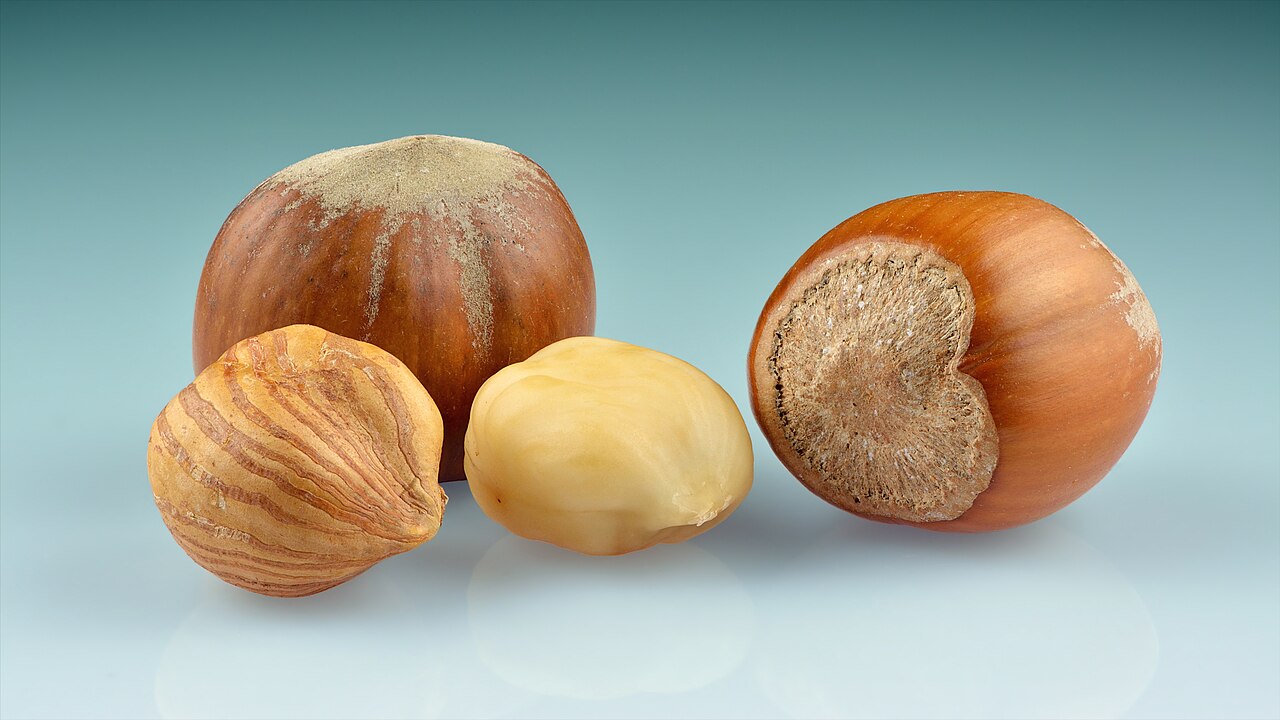
Hazelnuts are sold in two basic forms: in-shell and as kernels. When hazelnuts are commercialized as kernels or intended for further processing (roasting, blanching, oil extraction, creams), the hard shell must be removed. A large part of industrial demand, primarily from the confectionery industry, seeks kernels specifically, so shelling opens access to better prices — but only if the kernels remain whole and healthy.
The key rule of sequence: shell only after drying and grading. The fruit must be dry enough for the shell to crack "cleanly" while the kernel remains tougher; simultaneously, it must be sorted by size so the machine can apply balanced force to all fruits. Shelling wet or ungraded hazelnuts is the main cause of poor results.
What is yield rate (recovery) and what does it amount to
Yield rate is the ratio of the usable part (kernel) to the whole fruit, expressed as a percentage. The higher the yield rate, the more profitable the processing, because from the same mass of in-shell commodity, we obtain more sellable kernel.
Basic formulas:
- Yield rate (%) = (kernel mass / total fruit mass) × 100
- Waste proportion (shells) (%) = (waste mass / total fruit mass) × 100
In practice, hazelnut yield rate is typically around 40–47 %, depending on the cultivar and year. In domestic measurements, two Istrian/Roman cultivars yielded kernel proportions below 40 %: for the 'Rimski' cultivar, the kernel constituted about 32 %, and for 'Istarski' about 37.5 % of the fruit mass, while the shell proportion for both was close to 58–59 %. Cultivar tables list the yield rate for 'Rimski' at around 43 %, and for a cultivar known for its small kernel at around 45–47 %. One domestic producer reported ~900 kg of kernels from 2.3 tons of in-shell fruit, corresponding to a yield rate of around 40 %.
| Cultivar / Example | Kernel Yield Rate (%) | Note |
|---|---|---|
| 'Istarski' (measured) | ~37.5 | kernel <40 % of fruit mass |
| 'Rimski' (measured) | ~32 | high shell proportion (~58 %) |
| 'Rimski' (cultivar table) | ~43 | small kernel ~1.2 g |
| Small-kernel confectionery cultivar | ~45–47 | kernel easily separates from testa after roasting |
| Practical orchard example | ~40 | 900 kg kernels from 2.3 tons of commodity |
Figures are informative
Yield rate and kernel proportion strongly depend on cultivar, location, year, and moisture. The stated values serve as an orientation; for your own orchard, measure the yield rate on a representative sample of each cultivar and class separately.
Preparation before cracking: moisture and grading
Moisture
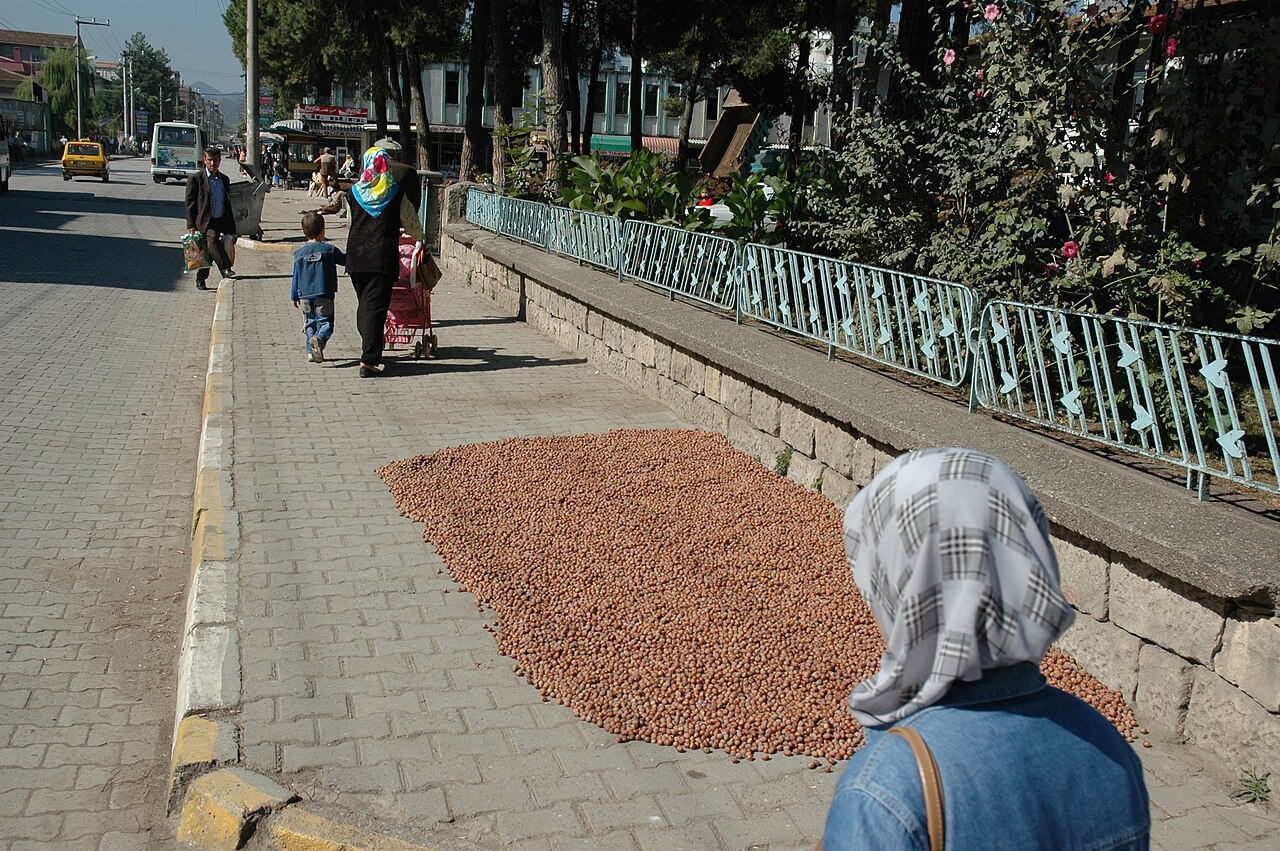
Cracking works best when the shell is dry and brittle, and the kernel is sufficiently dry for storage. Orientational target values from literature:
| Parameter | Orientational Value | Scope |
|---|---|---|
| Fruit moisture in shell | ~7 % (range ~7–10 %) | general recommendation |
| Kernel moisture | ~4–6 % | general recommendation |
| Drying temperature | up to ~50 °C | general recommendation |
An interesting nuance from industrial practice: while very low kernel moisture (~4–6 %) is sought for storage, some plants slightly moisten the fruit immediately before shelling (to about 10%) to make the kernel tougher and less prone to breaking under impact. This is a fine balance — too much moisture means softer cracking and mold problems, too little means a brittle kernel. The optimum depends on the cultivar and machine, so it should be determined experimentally.
Grading (size sorting)
Grading before cracking is crucial. If fruits are not sorted by diameter, three simultaneous poor outcomes will occur on the same machine setting:
- large fruits will be crushed (split / broken kernel),
- small fruits will pass uncracked (remain in shell),
- only the middle portion will be "cleanly" cracked.
Therefore, for each class of graded hazelnuts, cracking is performed separately, with adjusted spacing of working elements. Web sources indicate that fruit diameter directly affects damage: at a diameter greater than ~16 mm, about 3.3 % damaged fruits were recorded, and at a diameter less than 16 mm, even ~15.9 %. Larger, uniform fruits yield better kernel extraction ratings. Kernel grading after shelling is performed in the same way as grading in-shell fruit.
Working principle of crackers and machine types
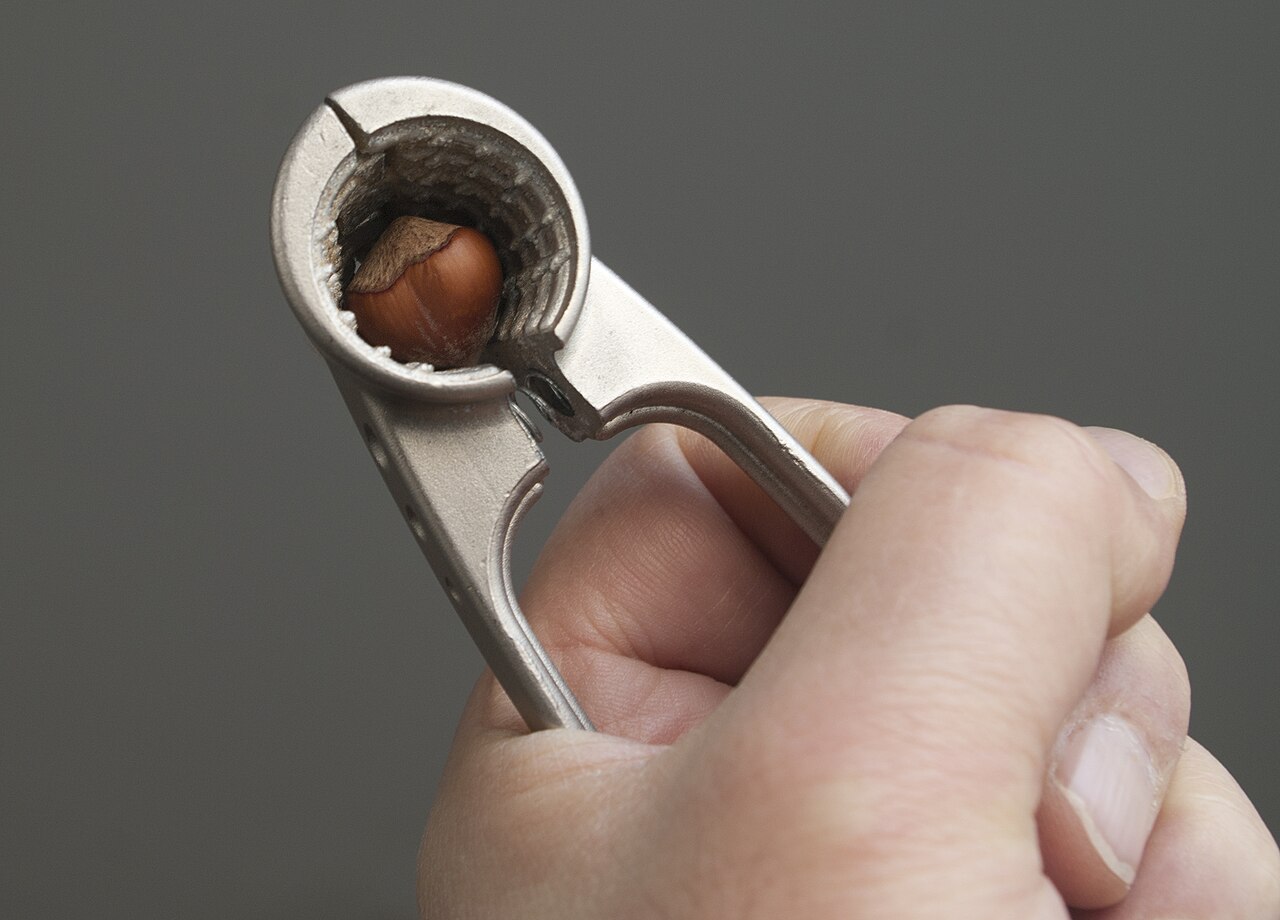
Mechanical shelling always has two phases: (1) breaking the shell and freeing the kernel and (2) separating the shell from the kernel. Machines differ in how they apply force to the shell.
1. Rotating toothed plates / rollers
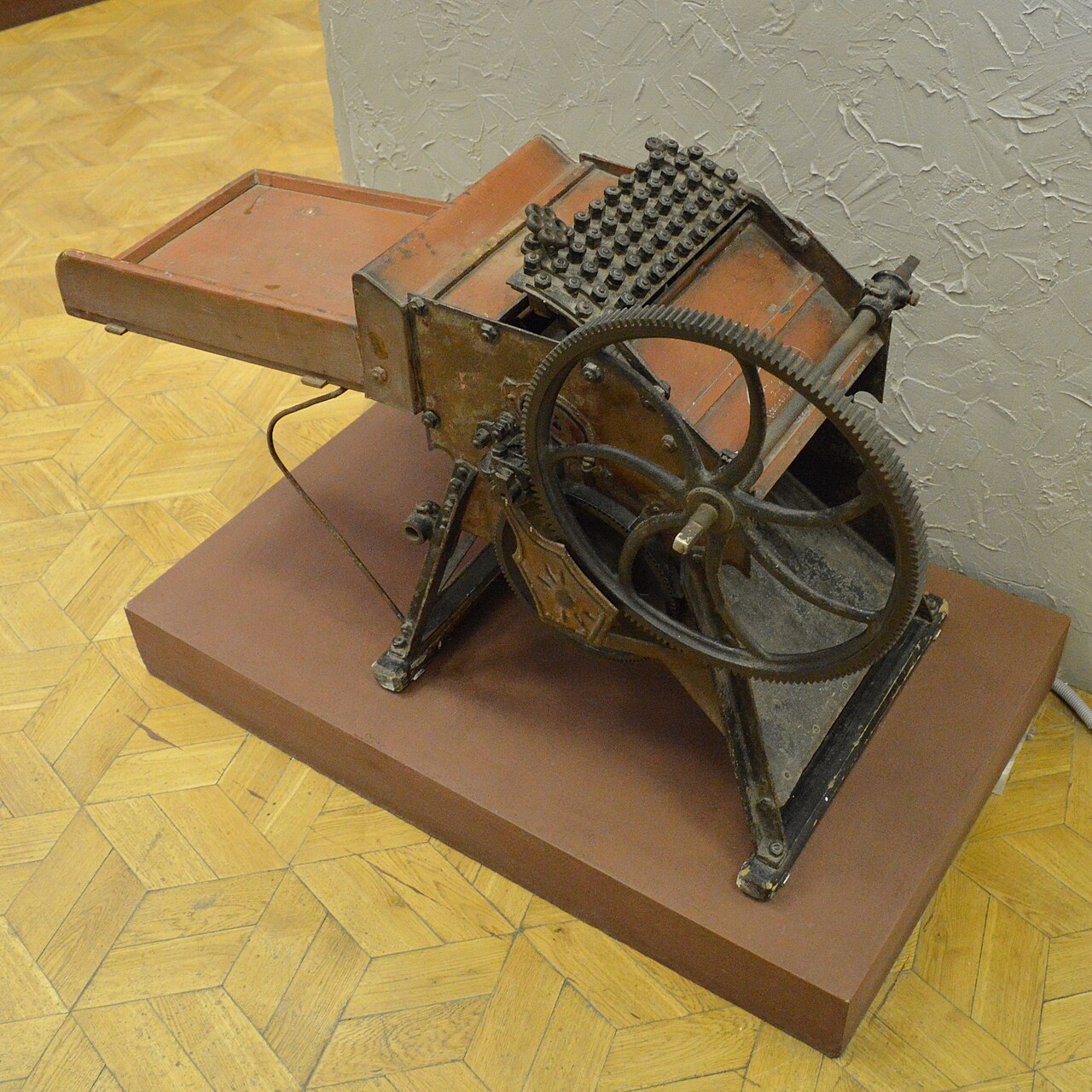
The most common design in domestic processing. Hazelnuts pass between toothed rotating elements (plates or a pair of rollers) placed vertically opposite each other, with adjustable spacing. The spacing is set according to the fruit size class, so each graded class is crushed separately. The cracking force (and thus the proportion of damage) depends on:
- mechanical force applied to the fruit,
- rotational speed of the crusher,
- shell thickness and fruit shape,
- number and precision of size classes and grading efficiency.
2. Conical compression chamber (cone cracker)
The fruit falls by gravity into a conically shaped chamber, where a conical compression plate on a rotating shaft cracks it. The conical shape allows a single machine to crack fruits of different sizes, and the spacing between plates can be changed via screws. This type (also known from patent solutions) is valued because it can yield a very high proportion of whole kernels — commercial manufacturers of cone crackers report up to ~90 % whole kernels with proper adjustment.
3. Drum with deformed (patterned) surface
The main parts are the drum, shaft, and compression plate. The drum has a cold-deformed, patterned surface that "grabs" the fruit and crushes the shell; the spacing between the plate and drum varies to crack both larger and smaller fruits. Some designs operate without prior sorting, but then uniformity of results suffers.
4. Industrial lines (example)
In larger plants, crushers (e.g., Torrengo Fratelli BREAK type) use interchangeable sieves selected according to the fraction size: kernels pass through sieve holes, while shells fall through separate openings. Kernels then travel via elevators to a gravity separator (capacity of the order of ~300–400 kg of pure kernel per hour per line), where rotation of the drum separates residual shell, and a fan blows away remaining impurities with air. Shells are conveyed out of the hall via screw conveyor into jumbo bags and often used as fuel (shell has high calorific value).
| Machine Type | Principle | Advantage | Risk |
|---|---|---|---|
| Toothed plates / rollers | Crushing between rotating toothed elements | Simple, adjustable spacing per class | Without grading, high breakage |
| Conical chamber | Compression in conical chamber | Adaptable to various sizes, high whole kernel proportion | Requires precise adjustment |
| Drum + compression plate | Patterned drum grabs and cracks shell | Can operate without sorting | Uneven results |
| Line crusher + sieve | Cracking + separation with interchangeable sieves | High capacity, integrated separation | Higher investment |
Separating shell from kernel
After cracking, the mixture of kernels, shell fragments, and broken parts must be separated. The following are used, most often in combination:
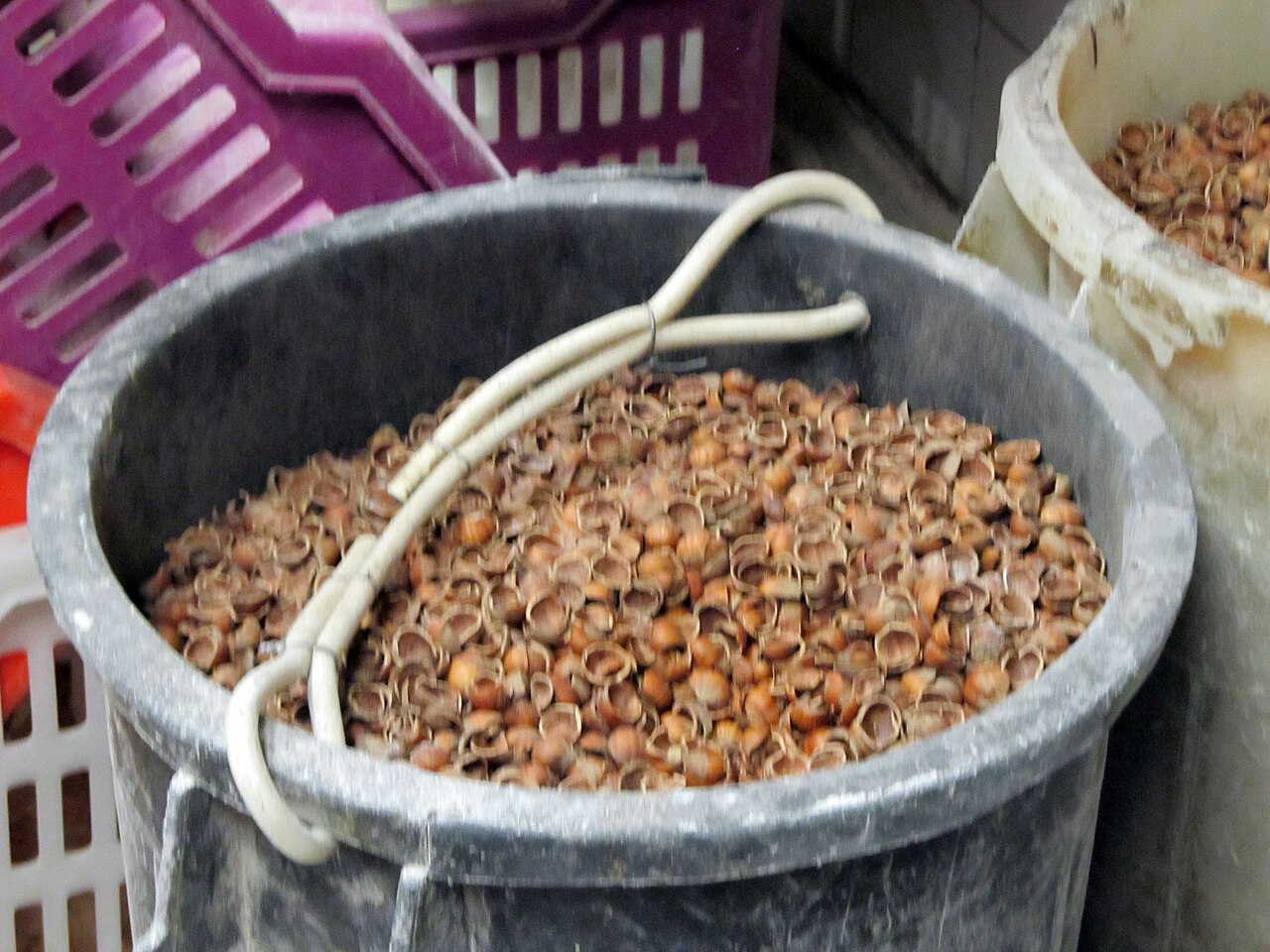
- Vibrating sieves — fruit under the influence of rotation and gravity falls onto a sieve where kernels (larger) separate from shells (finer or different size).
- Aspiration / pneumatic separation (air stream) — a fan blows away light shells and dust, while heavier kernels remain; pneumatically, the entire mixture can also be transported into separate compartments (kernel / shell).
- Gravity separator — finely refines separation of residual shell by rotating the drum and vibrating the receiving basket.
The goal is pure kernel without shell impurities, as shell residues lower the commodity grade, can damage equipment in further processing (e.g., press during oil production), and absorb oil, reducing utilization.
Preserving kernel integrity and quality
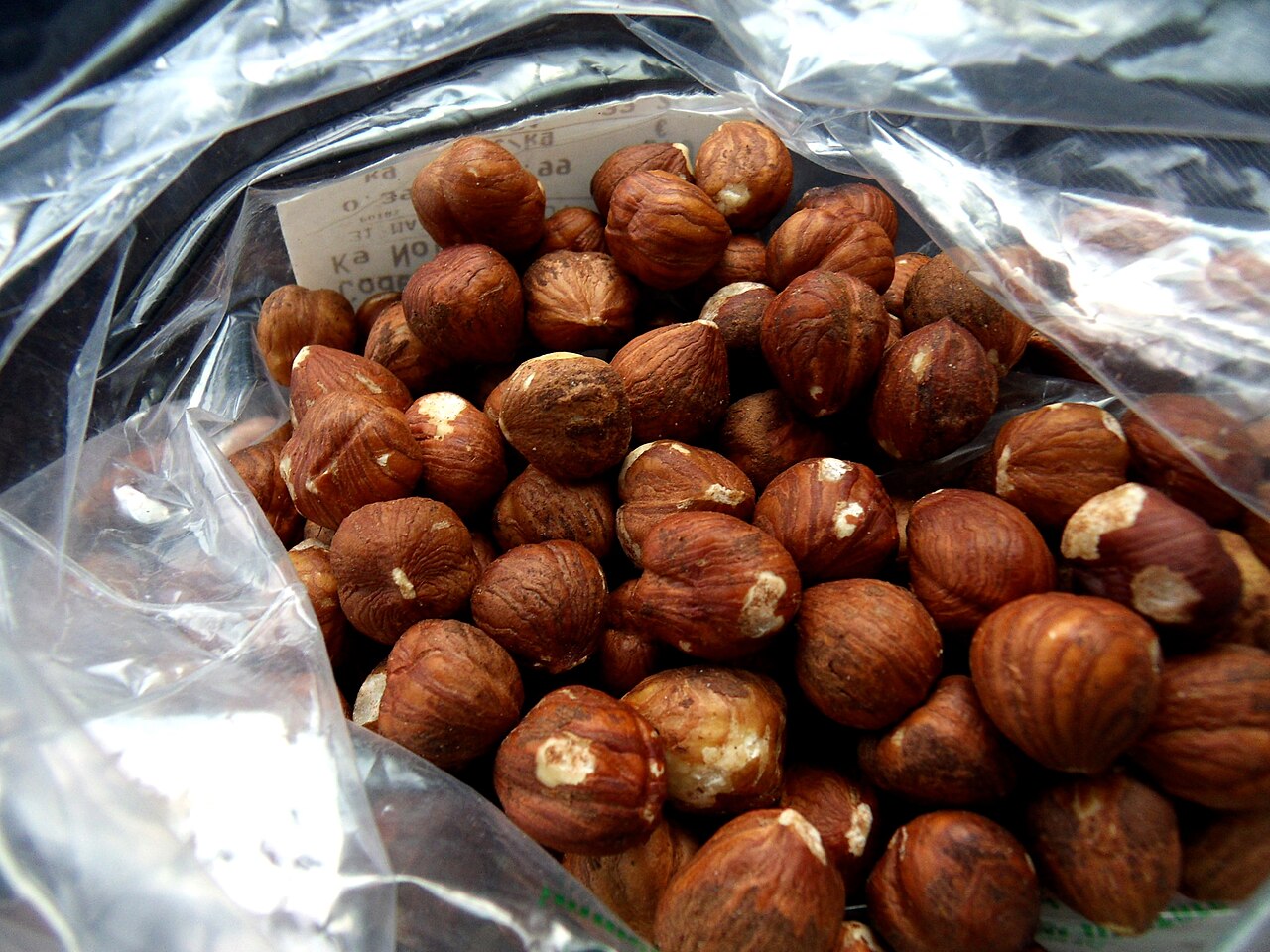
Whole, undamaged kernels are the most valuable. Cracking inevitably produces a portion of broken kernels and kernels with hidden damage (micro-cracks not immediately visible). The testa (skin) that envelops the kernel is particularly important: it protects fats from oxidation. Damage to the testa accelerates rancidity, lowers quality, and shortens storage life.
Factors that increase breakage and damage (and how to control them):
| Factor | Effect | Measure to preserve integrity |
|---|---|---|
| Ungraded fruit | Large fruits crushed, small not cracked | Grade and crack class by class |
| Excessive force / too narrow spacing | Broken kernels, split | Gradually reduce spacing to minimum breakage |
| Excessive rotational speed | Impact cracking of kernel | Reduce speed, test on sample |
| Excessive kernel dryness | Brittle kernel cracks | Slightly moisten fruit before cracking (optional) |
| Thin/variable shell thickness | Uneven cracking | Sort by cultivar; adjust setting |
| Poor aspiration | Residual shell in kernel | Optimize air stream and sieves |
Modern lines increasingly use optical sorting with machine learning elements to separate whole kernels from fragments and remove damaged ones, thereby reducing loss (up to ~20 % less waste is reported with better sorting).
Practical recommendations and common mistakes
Recommendations
- Dry and calibrate first, then shell. Without this, you will not achieve a good whole kernel recovery rate.
- Process each size class separately and optimize the gap between working elements for each class.
- Adjust the machine on a sample: start with a wider gap and gradually narrow it until you achieve the maximum whole kernel yield with an acceptable proportion of uncracked nuts.
- Protect the kernel skin — it is the natural barrier against rancidity.
- Measure the recovery rate and the proportion of whole/broken kernels for each cultivar and size class, then track profitability.
- Utilize the shell (fuel, biocomposites, source of polyphenols) — this is additional revenue, not just waste.
Common mistakes
- Shelling moist or uncalibrated nuts.
- Using a single machine setting "for all" sizes.
- Excessive speed or overly aggressive pressing for the sake of speed — at the cost of broken kernels.
- Neglecting aspiration, leaving the kernel "dirty" with shell fragments.
- Estimating the recovery rate "by eye" instead of weighing a representative sample.
Gallery
Sources
This text is an AI summary from a collection of hazelnut literature (RAG corpus) and public internet sources. Main sources used:
- Harvesting, drying, and storage technology of hazelnuts: Literature review (JCEA) — https://jcea.agr.hr/articles/772314_Tehnologija_berbe_su_enja_i_skladi_tenja_lje_njaka_Pregled_literature_hr.pdf
- Hazelnut postharvest technology: A review (RAG corpus, review paper)
- Potential of hazelnut shell as a rich source of polyphenols — measurement of recovery rates for 'Istarski' and 'Rimski' cultivars (RAG corpus, 2024)
- Device for cracking hazelnuts, Strahija A., Faculty of Mechanical Engineering and Naval Architecture (final thesis; analysis of cracker patents) (RAG corpus, 2022)
- Hazelnut processing at the company (description of the Torrengo Fratelli line, gravity cleaner) (RAG corpus, 2025)
- Mechanization in hazelnut production and processing at Minas-Zrno company (RAG corpus, 2021)
- Preparation of raw material for pressing / mechanical shelling of hazelnuts (RAG corpus, papers on oil, 2015/2018)
- Cultivar descriptions and recovery rates ('Rimski', small-kernel confectionery cultivar) — Zaštita leske (RAG corpus, 2012)
- doi.org/10.18485/bibliotekar.2025.67.2.6 — crackers and kernel calibration — https://doi.org/10.18485/bibliotekar.2025.67.2.6
- Cracking characteristics and kernel extraction quality of hazelnuts (Effects of compression speed and positions) — https://www.tandfonline.com/doi/full/10.1080/10942912.2017.1352600
- Hazelnut calibration and cracking — Feucht Obsttechnik — https://feucht-obsttechnik.de/en/nut-processing/hazelnut/calibrating-and-cracking-hazelnuts/
- Cracking hazelnuts at home and small orchards / Nutcracker "whole kernel" — Nuttechnology — https://nuttechnology.com/blog/cracking-hazelnuts-at-home-and-small-orchards/
- Efficient Hazelnut Shelling: Mastering the Cracking Shell Process — Loyal — https://loyal-machine.com/blog/hazelnut-shelling/
- Classification of hazelnut kernels with deep learning — ScienceDirect — https://www.sciencedirect.com/science/article/abs/pii/S0925521422003933
Recommended equipment
🔎 food dehydrator — Amazon →Affiliate links — we may earn a small commission at no extra cost to you.
Food Dehydrator
For controlled drying of small batches.
| Use Case | Option Type | What to Check Before Purchase |
|---|---|---|
| Small batch drying | Stackable tray model | Tray material and airflow design |
| Uniform drying | Fan-powered unit | Temperature control accuracy |
| Commercial volume | Industrial dehydrator | Professional capacity and energy use |