Integrated Pest Management (IPM) for Hazelnuts: Principles, Monitoring, and Thresholds
Content generated by artificial intelligence — verify before application
This article was automatically compiled from a collection of hazelnut literature with the aid of artificial intelligence and may contain errors or outdated information. It serves as a starting point for further research, not as professional advice. Dosages, products, and timing are informative and depend on the cultivar, location, and applicable regulations — always consult with advisory services and official sources before application.
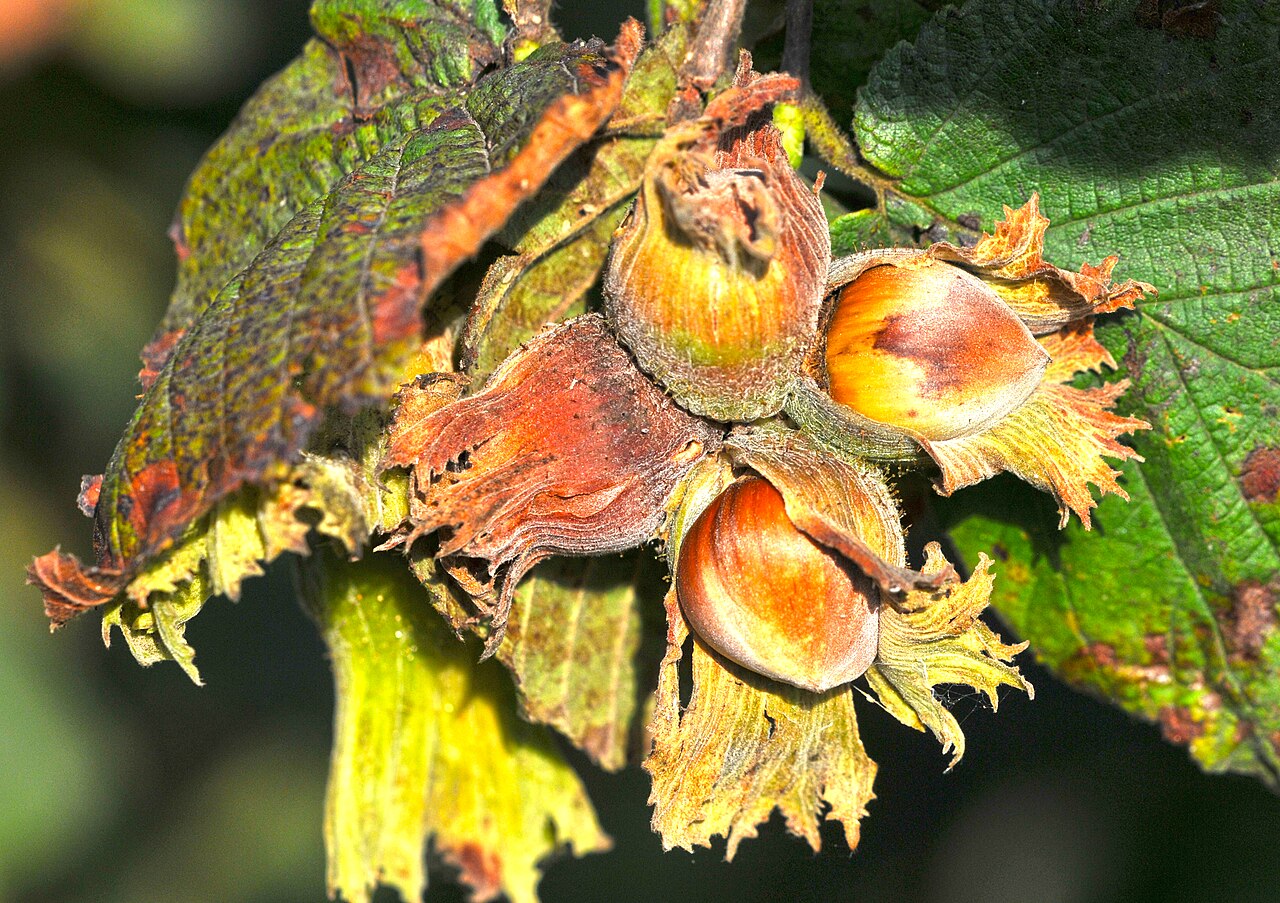
Integrated Pest Management (IPM) is not a single measure but a decision-making system. Instead of calendar-based spraying "just in case," IPM combines prevention, regular monitoring, and targeted intervention only when pest populations or disease intensity exceed a specific threshold. The goal is to keep populations of harmful organisms below the economic injury level with the minimal possible use of chemical products, while preserving beneficial organisms, soil, water, and — no less importantly — the producer’s wallet. In hazelnut orchards, which are attacked by a relatively small but increasingly relevant range of pests and diseases, IPM is today both a legal framework (integrated production) and the most economically rational path.
What is IPM and why it is a mandatory framework
In Croatian literature, IPM is often defined as a plant protection system that includes the application of biological, biotechnical, chemical, and physical measures as well as other agrotechnical measures, with the use of chemical plant protection products limited to the minimum necessary to maintain pest populations below the economic injury level (Miličević and Kaliterna, 2014).
The system emerged as a response to the problems of intensive spraying: the development of resistance, the "awakening" of secondary pests after the destruction of their natural enemies, and growing awareness of the costs to health and the environment. The FAO IPM considers it a "pillar" of sustainable production and pesticide risk reduction, summarizing the philosophy in one sentence: base your protection strategy on prevention and monitoring, and carry out direct protection targetedly.
Five Pillars of IPM
| Pillar | What it encompasses in a hazelnut orchard |
|---|---|
| 1. Prevention | Healthy planting material, resistant/tolerant cultivars, open canopy, balanced fertilization, orchard hygiene |
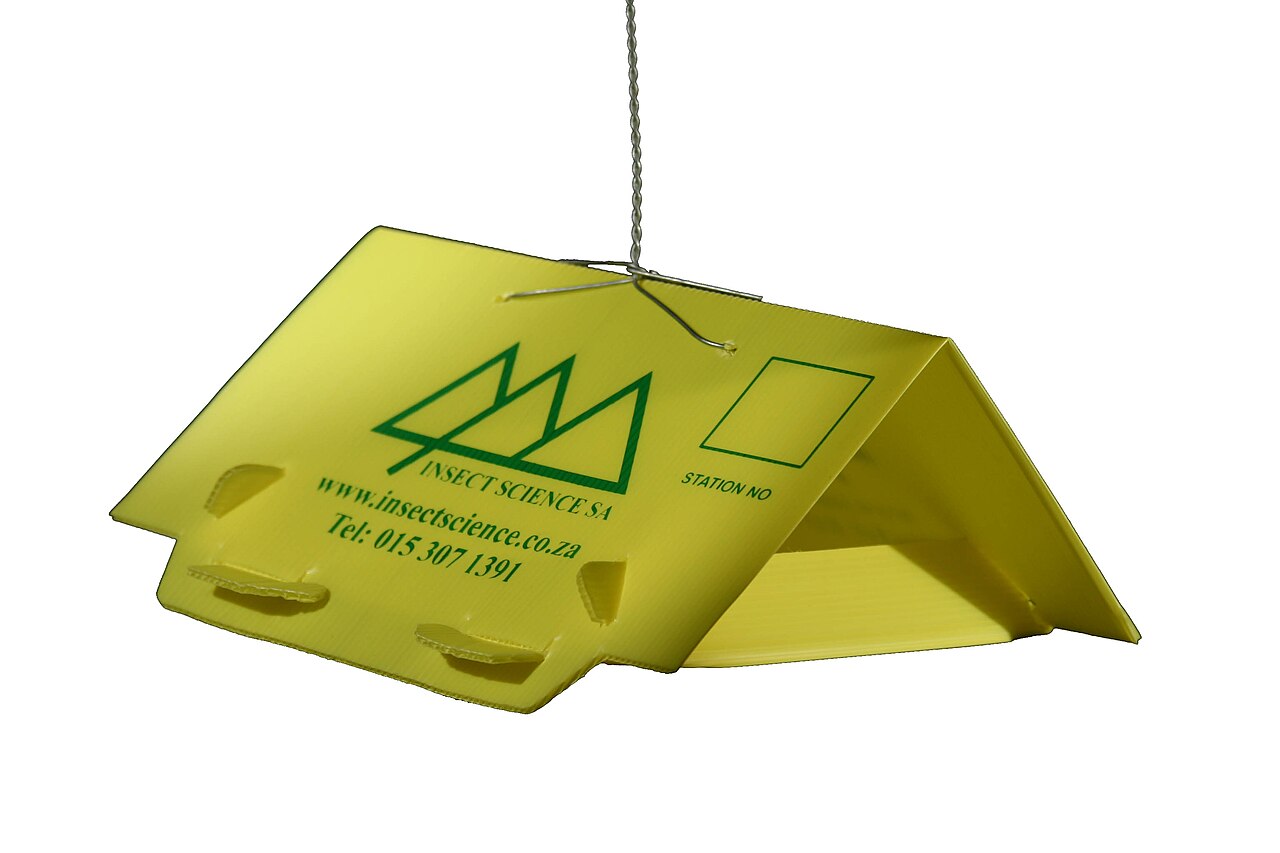
| 2. Monitoring | Regular inspections, traps (pheromone, pyramid), branch shaking, water-sensitive paper |
| 3. Decision Thresholds | Treatment only when abundance/damage exceeds a defined threshold, not on a calendar basis |
| 4. Non-chemical Measures | Agrotechnical, mechanical, physical, biological, and biotechnical measures before chemicals |
| 5. Targeted Chemistry | The most selective approved product, correct dose, correct timing, rotation of modes of action |
Within the framework of Croatian/EU integrated hazelnut production, measures are grouped into five prescribed requirements (Proceedings of the 13th Conference of Croatian Fruit Growers, 2018):
- At least 5 % of the area left and maintained as ecological infrastructure (dry stone walls, hedges, inter-row grassing);
- implementation of at least two measures for the conservation of natural enemies and their habitats (birdhouses, beneficial insects, etc.);
- ensuring safe distance from sensitive habitats (water protection belts, water sources, ponds, protected species);
- soil management through fertility maintenance measures (liming, green manuring);
- application of agrotechnical, mechanical, physical, biological, biotechnical, and other non-chemical protection measures.
Decision Principles: The Pyramid of Measures
IPM acts as a pyramid: the greatest effect and lowest risk come from measures at the base, while chemistry is the top, used as a "last resort."
- Prevention and avoidance — cultivar, spacing, ventilation, hygiene.
- Monitoring and identification — without accurate pest identification and population assessment, there is no rational decision.
- Comparison with threshold — has the economic injury threshold been exceeded?
- Non-chemical intervention — agrotechnics, mechanical, and biological measures.
- Targeted chemical intervention — selective, at label dose and timing, with rotation.
The range of strategies includes prevention, exclusion (fences, barriers), pheromone confusion, creation of habitats for beneficial organisms, and pesticides as a last option (Perennial Pathways, 2018).
Monitoring Hazelnut Pests
Monitoring is the heart of IPM: without field data, a threshold is just a number on paper. In hazelnuts, several simple, inexpensive methods are combined.
Monitoring Methods
| Method | Purpose | How it is performed |
|---|---|---|
| Visual inspection of fruiting branches | Leaf and scale aphids, mites, eggs | Regular walks, 10–20× magnifying glass for mites |
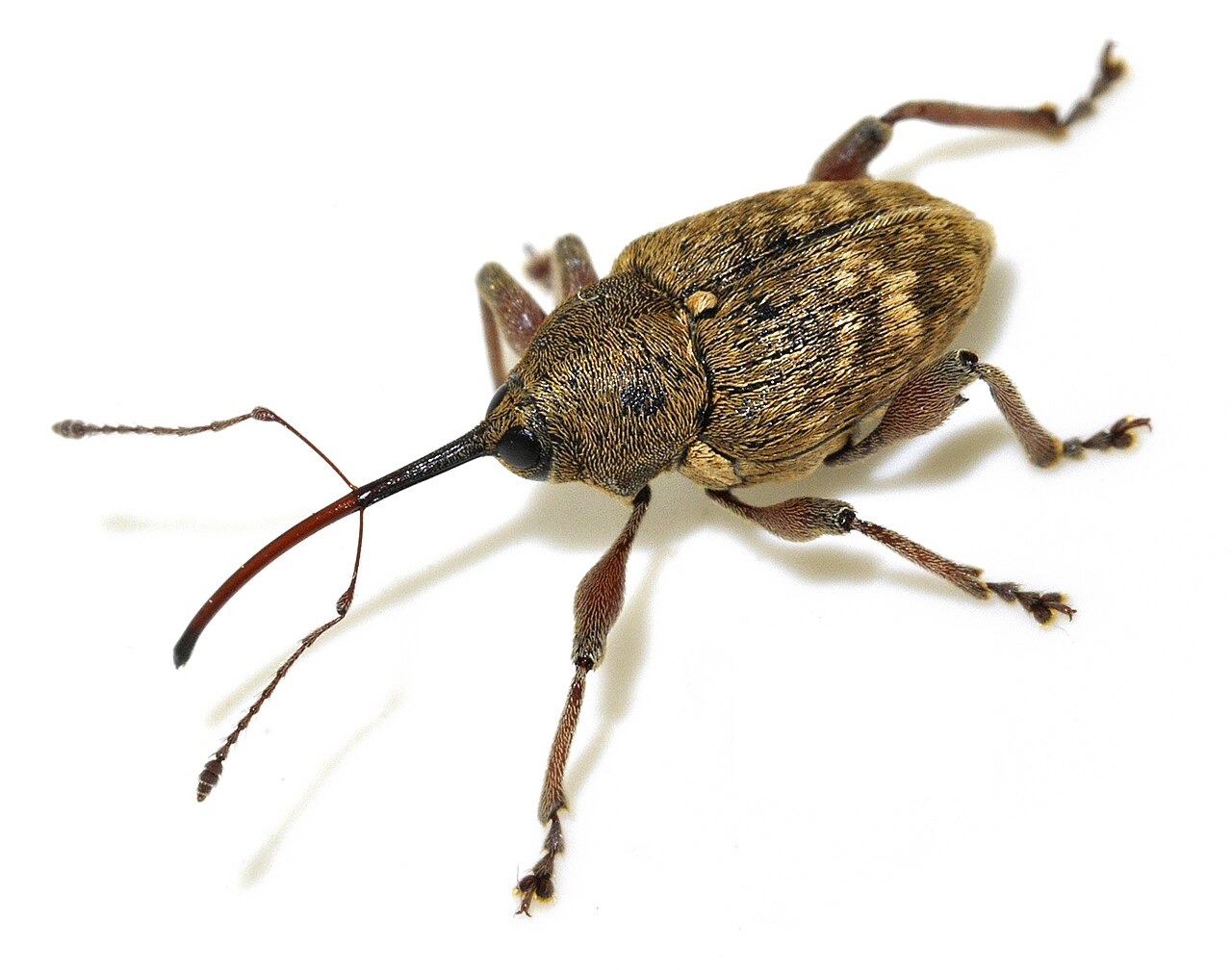
| Branch shaking onto a cover | Hazelnut weevil (Curculio nucum), stink bugs | PVC sheet under the tree, shaking branches, counting individuals |
| Black pyramid traps + pheromone | Brown marmorated stink bug (H. halys) | Commercially available in Croatia; mandatory pheromone attractant |
| Pheromone traps in canopy | Moth pests (e.g., filbertworm) | Traps in the upper third of the canopy, weekly inspection |
| Water-sensitive paper | Control of spray coverage | Checking droplet distribution in the canopy during spraying |
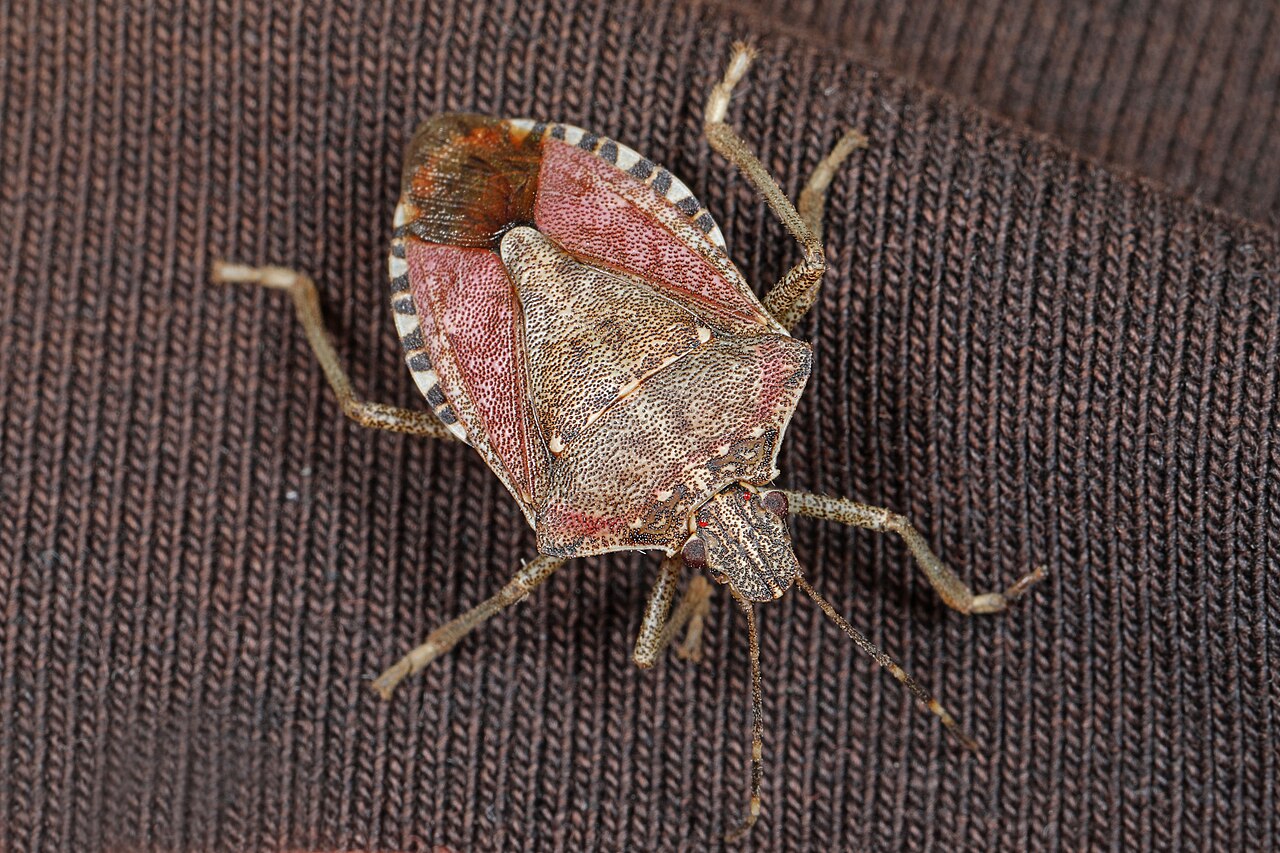
For the brown marmorated stink bug, monitoring of adjacent crops and weed flora is also emphasized — the species is highly polyphagous and quickly moves from one crop to another (Serbian study, 2020), so monitoring should be aligned with key biological stages of pest development and critical phenophases of hazelnut.
Injury Thresholds (Decision Thresholds)
The injury threshold (decision threshold) is the pest abundance or attack intensity at which the cost of damage justifies the cost of intervention. For some hazelnut pests, thresholds are well-defined, while for others we still rely on foreign data.
| Pest | Decision Threshold (informative) | Note / Source |
|---|---|---|
| Hazelnut weevil (Curculio nucum) | 3–4 tubes per tree/shrub (by shaking) | Advisory service notice, 2021 |
| Hazelnut weevil — alternative criterion | more than 1 adult per shrub | Environmental protection elaboration, Grubišno Polje, 2020 |
| Brown marmorated stink bug (H. halys) | 10 adults in pheromone trap per week | Literature data from the USA (NY, Utah); no official threshold exists in Croatia/EU |
| Filbertworm / Hazelnut moth | 2–3 moths in traps (or 5 in one trap) | OSU Extension, IPM for Hazelnut (PNW) |
| Small frost moth (analogous to fruit trees) | > 5 % of attacked shoots | Technological guidelines for integrated production, 2012 |
Caution with thresholds
For the brown marmorated stink bug in Croatia and the EU, there is no officially established decision threshold; the mentioned 10 individuals/week is an indicative data point from the USA. Always adapt thresholds to local conditions, cultivar, and recommendations from advisory services.
The timing of intervention is as important as abundance: female hazelnut weevils are active and lay eggs over 5–6 weeks, so protection, if needed, is carried out targetedly in several treatments, not as a single application.
Non-chemical Measures — The Foundation for Reducing Pesticides
Agrotechnical and Pomotechnical Measures
- Winter soil tillage destroys hazelnut weevil larvae overwintering in the soil — a preventive measure that reduces the need for insecticides.
- Pruning and canopy thinning improves ventilation and reduces pressure from fungal diseases (monilinia, botrytis, gray leaf spot).
- Removal of damaged shoots and orchard hygiene, regular inspections, protection from frost and excessive moisture.
- Avoid planting birch and alder nearby — their pests can migrate to hazelnut.
- Orchard floor management: inter-row grassing, mowing, and mulching, herbicide strip only in the row.
Biological and Biotechnical Measures
- Conservation and promotion of natural enemies (birdhouses and beneficial insect hotels, ecological infrastructure ≥ 5 %).
- For the brown marmorated stink bug, the parasitic wasp (Japanese samurai wasp, Trissolcus japonicus) is being researched as a natural enemy of eggs.
- In organic and integrated production, plant strengtheners are also used that enhance plant vigor and make it less susceptible to attack.
Spatial Strategies (IPM-CPR and Attract-and-kill)
For stink bugs, IPM recommends two strategies that reduce the total amount of insecticides:
- IPM-CPR (Crop Perimeter Restructuring) — control of the orchard edge as the first line of defense. Treatment is concentrated on the border and the first row (approximately the edge + first full row), with broader application only during periods of high colonization risk. This treats a smaller portion of the area while preserving beneficial organisms in the interior of the orchard.
- Attract-and-kill — combination of attractants and local application of insecticides on a limited area.
Chemical measures: when, with what, and how much
Chemicals in IPM are used only after the threshold has been crossed and non-chemical measures prove insufficient. In such cases, the following rules apply: use the most selective approved product, adhere to the dosage and pre-harvest interval (PHI) stated on the label, and implement rotation of modes of action to prevent resistance.
Approvals change
The table below is a historical/literature review from the corpus and does not represent the current list of registered products. Registrations of plant protection products in Croatia/EU change regularly (withdrawals, new restrictions). Before each application, verify the current status in the FIS database (Ministry of Agriculture) and on the product label.
| Pest/Disease | Active substance / product (historical) | Dosage (informational) | Note |
|---|---|---|---|
| Filbert weevil | thiacloprid (Calypso 480 SC) | 0.2 l/ha, max 2 applications, PHI=70 | Can be mixed with fungicide (Signum) and copper; many old registrations are now withdrawn |
| Filbert weevil | lambda-cyhalothrin (Judo 5 EC) | 50 ml/1000 m² | PHI 7 days; max 1 application/season |
| Aphids & scale insects | spirotetramat (Movento) | per label | — |
| Brown marmorated stink bug | No registered product for stink bugs in hazelnut in Croatia | — | Deltamethrin/acetamiprid are registered for other crops, not hazelnut |
| Bacterial diseases (preventive) | copper-based preparations | per label | Start of vegetation |
| Leaf spot / Monilia / Botrytis | fungicides according to phenological stage | per label | Well-aerated canopy reduces need |
Multiple hazelnut pests (aphids, scale insects, filbert weevil) are usually controlled simultaneously with filbert weevil treatment, thereby reducing the number of passes and the total amount of product used.
Approximate annual protection rhythm
| Period / Phenological stage | Typical focus (informational) |
|---|---|
| Dormancy / Pre-bud break | "Blue" copper spray, winter pest eggs, bacterial diseases |
| Bud swelling – pre-bloom (BBCH 50–59) | Monitoring of aphids and mites; aphid treatments based on threshold |
| Spring – early summer | Filbert weevil monitoring (shaking) and stink bug monitoring (traps); treatment based on threshold |
| Fruit development | Monitoring of stink bugs and leafrollers; fruit protection against kernel rot |
| Post-harvest / Autumn | Sanitation, soil cultivation against overwintering larvae, autumn copper spray |
Combining measures to reduce pesticides
The highest effectiveness in hazelnut protection is achieved by combining biological and chemical measures (at reduced doses), which underscores the importance of developing comprehensive IPM programs (Most significant hazelnut pests, Plant Protection Gazette, 2011). Practically, pesticide reduction is built by stacking measures:
- Proper cultivar and orchard layout selection — tolerant cultivars and well-spaced planting reduce initial pressure.
- Prevention and sanitation — fewer hotspots mean fewer treatments.
- Monitoring + thresholds — spray only when need is proven; skipping one "routine" treatment is direct savings.
- Spatially limited chemistry (IPM-CPR) — treating edges instead of the entire area.
- Rotation of modes of action — preserves the efficacy of existing products and delays resistance.
- Ecological infrastructure — natural enemies do part of the job for free.
Experience from integrated production shows that hazelnut, due to the relatively narrow circle of key pests and diseases, often requires only three to four targeted treatments per year, adhering to good agricultural practice principles — of course, depending on the year, location, and pest pressure.
Practical recommendations and common mistakes
Recommendations
- Keep a simple orchard diary: inspection date, number of captured individuals, phenological stage, weather conditions.
- Set traps on time and check them weekly — late-set traps do not measure the start of flight.
- Before each treatment, check the current registration of the product (FIS database) and the pre-harvest interval.
- Use water-sensitive papers to check canopy coverage — poor coverage means a wasted and ineffective treatment.
- Monitor surrounding crops and weeds for polyphagous stink bugs.
Common mistakes
- Calendar-based spraying without monitoring abundance — cost without proof of need.
- Repeating the same mode of action → resistance.
- Neglecting agrotechnical practices (winter soil cultivation, pruning) and compensating with additional chemicals.
- Spraying stink bugs in hazelnut with products not registered for that crop/pest.
- Destroying beneficial organisms with broad-spectrum insecticides, which triggers the "awakening" of secondary pests.
Sources
This article is an AI summary compiled from an internal literature collection on hazelnut (RAG corpus) and public sources. Main sources used:
- Integrated Pest Management for Hazelnut Crops: A Practical Handbook (Acción contra el Hambre) — https://accioncontraelhambre.org/sites/default/files/documents/ipm_guide_eng.pdf
- Phytophagous stink bugs — increasingly significant hazelnut pests — Gospodarski list (2021.)
- Notice to hazelnut agricultural producers — Directorate for Professional Support / Advisory Service (2021.)
- Recommendation for permanent hazelnut orchard owners — Ministry of Agriculture (advisory service) — https://savjetodavna.mps.hr/2026/05/06/preporuka-vlasnicima-trajnih-nasada-lijeske-17/
- Proceedings of abstracts, 13th scientific-professional conference of Croatian fruit growers (2018.) — integrated production measures for hazelnut
- DISEASES OF HAZELNUT (Corylus avellana L.) and their control — Plant Protection Bulletin 6/2020.
- Most significant hazelnut pests — Plant Protection Gazette 4/2011.
- Integrated pest management of major pests and diseases in eastern Europe and the Caucasus — FAO (2017.)
- Hazelnut IPM / Integrated Pest Management Strategic Plan for Hazelnuts in Oregon and Washington — OSU Extension — https://extension.oregonstate.edu/collection/hazelnut-ipm
- Hazelnut Pests — Pacific Northwest Pest Management Handbooks — https://pnwhandbooks.org/insect/nut/hazelnut
- Perennial Pathways: Planting Tree Crops (2018.) — IPM principles and economic thresholds
- Technological instructions for integrated production (2012.); Disciplinari Produzione Integrata (2020.) — anti-resistance strategies
- Environmental protection report — Establishment of a permanent hazelnut orchard, Grubišno Polje (2020.)
Note
Dosages, products, and timeframes mentioned in the article are informational and historical, and depend on the cultivar, location, and applicable regulations. Plant protection product registrations change regularly — before application, always verify the current status in the Ministry of Agriculture's FIS database, on the label, and with the advisory service.
Recommended equipment
🔎 backpack sprayer — Amazon →Affiliate links — we may earn a small commission at no extra cost to you.