Contract (Cooperative) Production: How to Structure and Read a Hazelnut Purchase Agreement
Research-grounded draft (sources cited) — adapt to local context
Article adapted to the United States (Oregon), based on Croatian/EU research literature (see Sources). Figures come from the cited studies and are indicative for the United States (Oregon): verify local equivalents with USDA, FSA, state Departments of Agriculture (e.g. Oregon), OSU Extension, Oregon Hazelnut Commission.
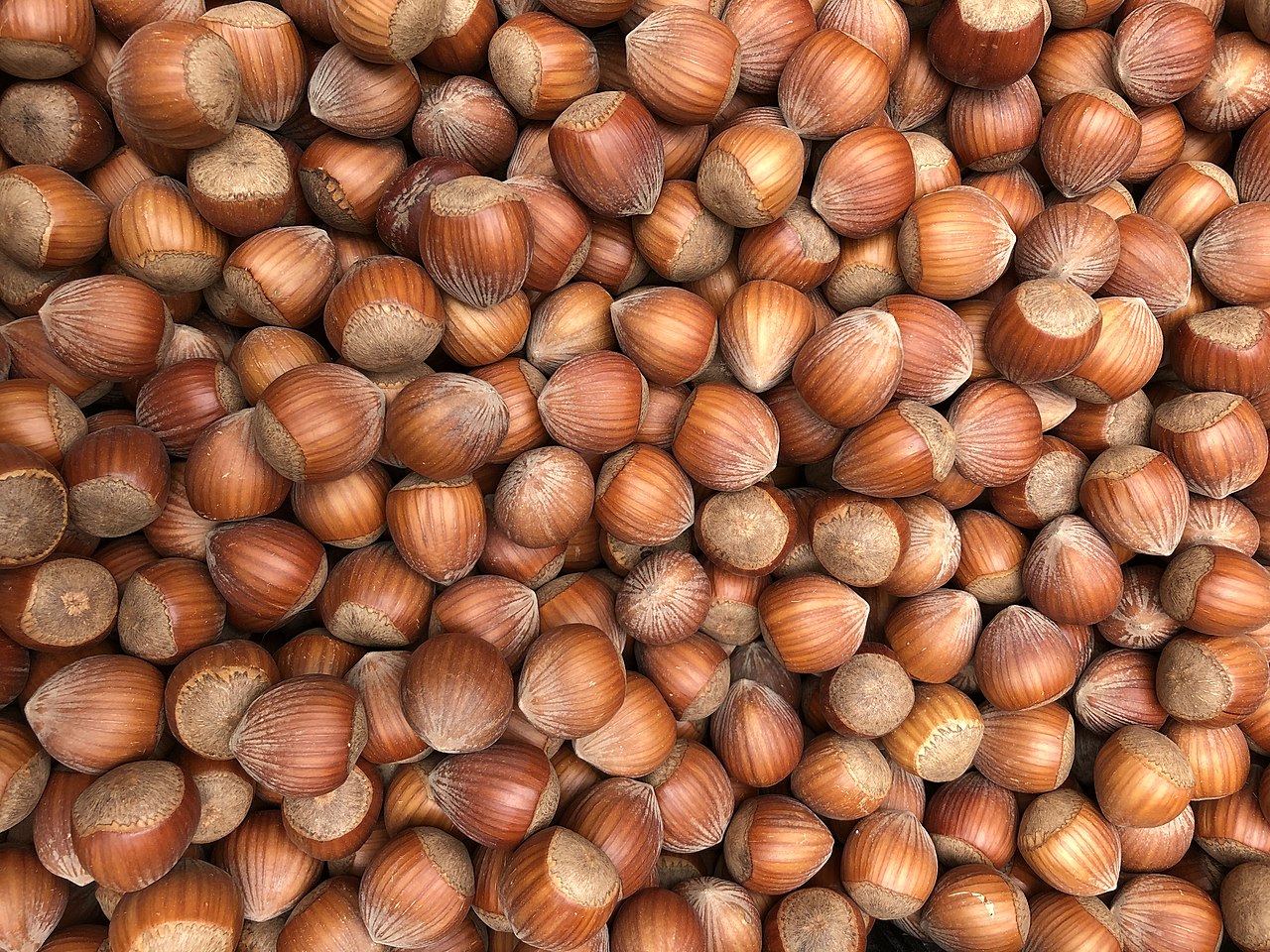
For a small hazelnut producer, a purchase agreement is not merely an administrative formality but the most critical business tool available. While large corporations handle drying, shelling, calibrating, and exporting internally, small family farms almost always sell hazelnuts in the shell to a single buyer—and that single document determines whether the season is profitable. This guide explains what a forward (cooperative) contract is, which clauses you must understand before signing, how prices are actually calculated (adjusting for quality standards, moisture, and kernel yield), and what to watch for during your first sale.
What is a Forward (Cooperative) Contract and Why You Need It
A forward contract is a legally binding agreement to deliver a specified quantity of hazelnuts of a certain quality at a specific location within a defined period, at a price (or pricing formula) agreed upon in advance. The alternative is "spot" sales, where the price is determined only at the scale on the day of delivery.
In practice, two related forms are used, with models from the EU and the United States offering distinct advantages:
- Purchase Conditions (Seasonal Price List) — The buyer publicly announces quality standards, grades, and prices for a specific crop year (e.g., the 2022 crop), with a validity period. This does not obligate you to deliver, but you know the conditions in advance [5].
- Cooperative Agreement — A longer-term relationship where the buyer commits to purchasing your crop and providing advisory support, while you commit to delivering. In this model, the cooperative partner often has a guaranteed purchase price and sometimes additional income through a share of the company’s profit; hazelnuts are bought in the shell, so the cooperative partner does not need their own dryer or sheller [2].
The most well-known "pro-grower" model globally is the contract from the Hazelnut Growers Bargaining Association (HGBA) in Oregon, USA: the company sets an advance (starting) price in the fall that processors must pay growers regardless of later market fluctuations, allowing growers to retain all upside from market growth throughout the year without downside risk [6]. This is a strong mental model for negotiations: guaranteed minimum + subsequent payment of surplus.
Why It Pays Off Specifically for Small Producers
| Benefit | What It Concretely Brings |
|---|---|
| Marketing Security | The crop is sold before harvest; you do not search for a buyer during peak season |
| Protection Against Price Drops | A guaranteed (minimum) price shields you from market declines |
| No Processing Equipment Needed | Sale in the shell—no need for dryers, shellers, or calibrators |
| Advisory Support | The cooperative model often includes agronomic assistance |
| Easier Financing | Banks and subsidy programs (such as IPARD in the EU) more readily accept projects with contracted purchases [2] |
Key Clauses You Must Read and Understand
Read the contract clause by clause. Below are those that directly affect the money you will receive.
1. Price and Pricing Formula
The price can be fixed (e.g., X €/kg adjusted to standard) or a formula (base market price + premium/discount for quality). Check:
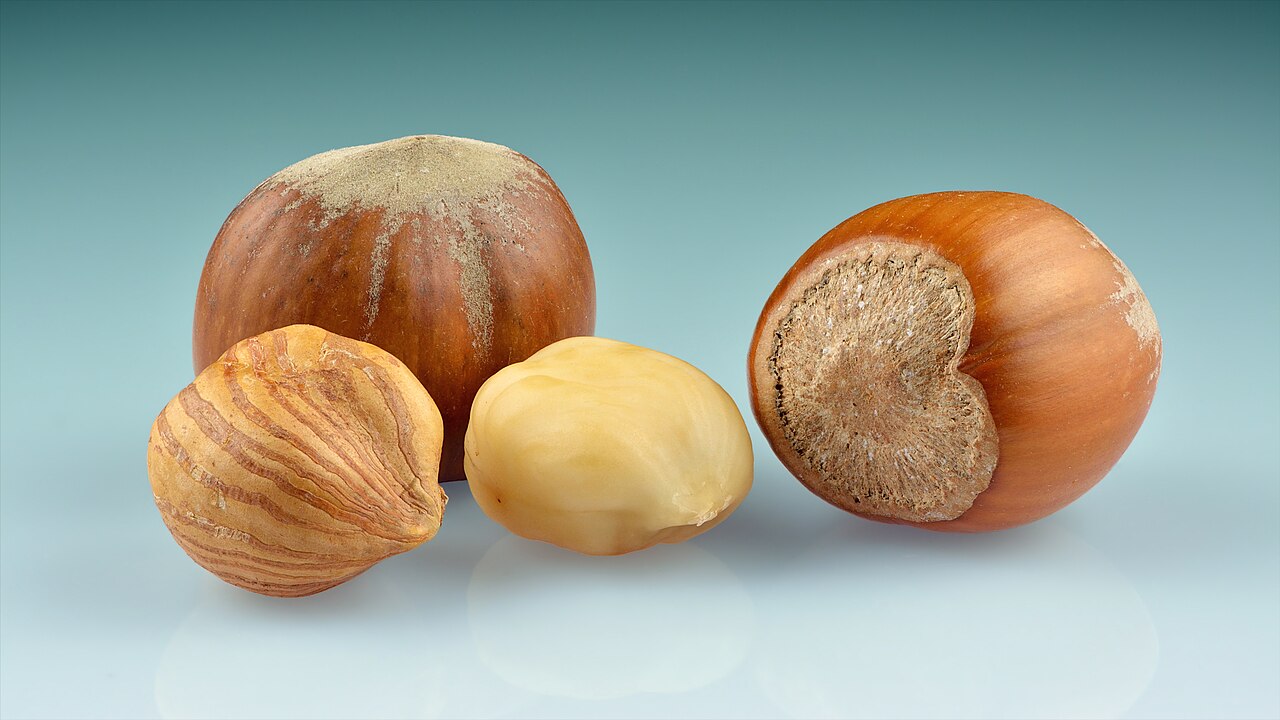
- Is the price expressed for hazelnuts in the shell or for kernels (a huge range—approximately 2.5–3 kg of in-shell hazelnuts are needed for 1 kg of kernels).
- Which grade/sortiment it applies to (e.g., mixed/Istrian elongated vs. Roman and Italian varieties).
- Whether the price is "adjusted to quality standard" (almost always yes—see below).
Illustrative figures from the sources (historical, informational numbers; prices change season to season):
| Source / Crop Year | Standard | Price (In-Shell) |
|---|---|---|
| PP Orahovica, Crop 2021 | Moisture 7%, Impurities 1%, Kernel Yield min. 40% | 18.50 kn/kg (Mixed/Istrian); 20.00 kn/kg (Roman/Italian) |
| Purchase Conditions, Crop 2022 | Moisture 6%, Impurities 0%, Kernel Yield 40% | 1.99 €/kg (Roman, Class 1); 1.86 €/kg (Istrian, Class 1) [5] |
| Forum (Historical, 2007) | — | ~10 kn/kg uncleaned |
Note: These figures are illustrative and outdated for current season negotiations. Always verify the current price with the buyer and advisory services. The figures above are from Croatian/EU data; verify the United States/Oregon equivalent.
2. Quality Premium
The premium rewards better goods, while the discount penalizes poorer ones. In practice, premiums are most often paid through grading and sortiment: higher grade = higher price, and Roman/Italian varieties (Tonda di Giffoni, TGL, Tonda Romana) achieve higher prices than mixed/Istrian ones. Example grade range from sources (Crop 2022, €/kg):
| Grade | Impurities (Max.) | Price (Roman) | Price (Istrian) |
|---|---|---|---|
| Class 1 | 1% | 1.99 | 1.86 |
| Class 2 | 2% | 1.92 | 1.79 |
| Class 3 | 3% | 1.79 | 1.66 |
Goods that do not meet even the minimum conditions for Class 3 in this example were not purchased. This is crucial: not every hazelnut is a sale.
3. Payment Terms
Check the exact deadline and when it starts. In the sources, the standard formulation is clear: the buyer pays for in-shell hazelnuts to the supplier within 60 days—upon receipt of invoice (for entities keeping business books), or 60 days from the date of confirmation of the sale confirmed by the supplier’s signature on the calculation (for those who are not tax payers). Watch out:
- Does the period start from delivery, calculation, or invoice issuance?
- Are there late payment interest charges?
- In EU trade, statutory payment periods in business transactions generally do not exceed 60 days—anything longer should be explicitly justified.
4. Quality Standard and Adjustment (Moisture, Impurities, Kernel Yield)
This is the heart of every purchase. The price is almost never paid on "gross" weight from the scale, but on weight adjusted to the quality standard. Three parameters dominate:
- Moisture — The standard is usually 6–7%. If your goods are wetter, the weight is reduced by a coefficient because the buyer pays for dry matter, not water.
- Impurities (Dirt) — Leaves, twigs, empty fruits, soil. The standard ranges from 0–1%; excess is deducted.
- Kernel Yield — The proportion of kernel in the fruit, standard is most often min. 40%. Lower yield = lower effective price.
The buyer performs quality calculation and price determination for each individual receipt (weighing ticket) [5]. Therefore, it is crucial for you to know who and how the goods are sampled.
How Adjustment to Standard Affects Payout (Simplified Example)
Suppose you delivered 1,000 kg of in-shell hazelnuts, and measured moisture was 9% against a standard of 6%, with impurities above the limit. Practical consequence:
| Step | Value |
|---|---|
| Gross Delivery | 1,000 kg |
| Reduction due to excess moisture (9% → 6%) | Approximately −30 to −40 kg |
| Reduction due to excess impurities | Additional reduction |
| Weight Adjusted to Standard | e.g., ~940 kg |
| Paid = Adjusted Weight × Class Price | Calculated per weighing ticket |
Amounts are illustrative; actual coefficients and formulas are prescribed by the specific buyer’s contract/price list. Request that the adjustment formula be stated in the contract or appendix, not "per the buyer’s internal calculation."
5. Sampling, Weighing, and Quality Control
Who determines the grade decides your income. Check:
- Where weighing and sampling are performed (at the buyer’s facility, at a neutral location?).
- Is an accredited control laboratory involved, or is the calculation exclusively "in-house."
- Do you have the right to a counter-sample and to object if you disagree with the grade.
- Who bears the cost of laboratory analysis for kernel yield.
6. Penalties, Breach, and Termination
A forward contract binds both parties. Typical provisions:
- Penalty for Non-Delivery — If you do not deliver the agreed quantity/quality, you may pay a contractual penalty or the price difference. If the crop fails due to reasons not covered by the contract, the buyer may treat the contract as void and not pay.
- Penalty for Late Payment — Late interest on the buyer’s side.
- Force Majeure — Hail, frost, drought, disease. Insist that hail/frost/elementary disaster be explicitly listed as grounds for reducing delivery obligations without penalty.
- Termination — Under what conditions and with what notice period each party can exit the contract.
7. Duration, Renewal, and Assignment
- Duration — Does it apply to one season (crop) or multiple years. Many contracts are signed for one crop and automatically extend if not canceled in writing by a certain date.
- Assignment of Rights and Obligations — In the sources, an example clause states that the contract may not be transferred to a third party without written consent of the other party. This protects you from becoming a cooperative partner of an unknown buyer.
- Governing Law and Dispute Resolution — Which court/arbitration and whose law applies.
What You Specifically Need for Your First Sale
The first season is the most vulnerable because you have no history of relations or experience with calculation. Practical checklist:
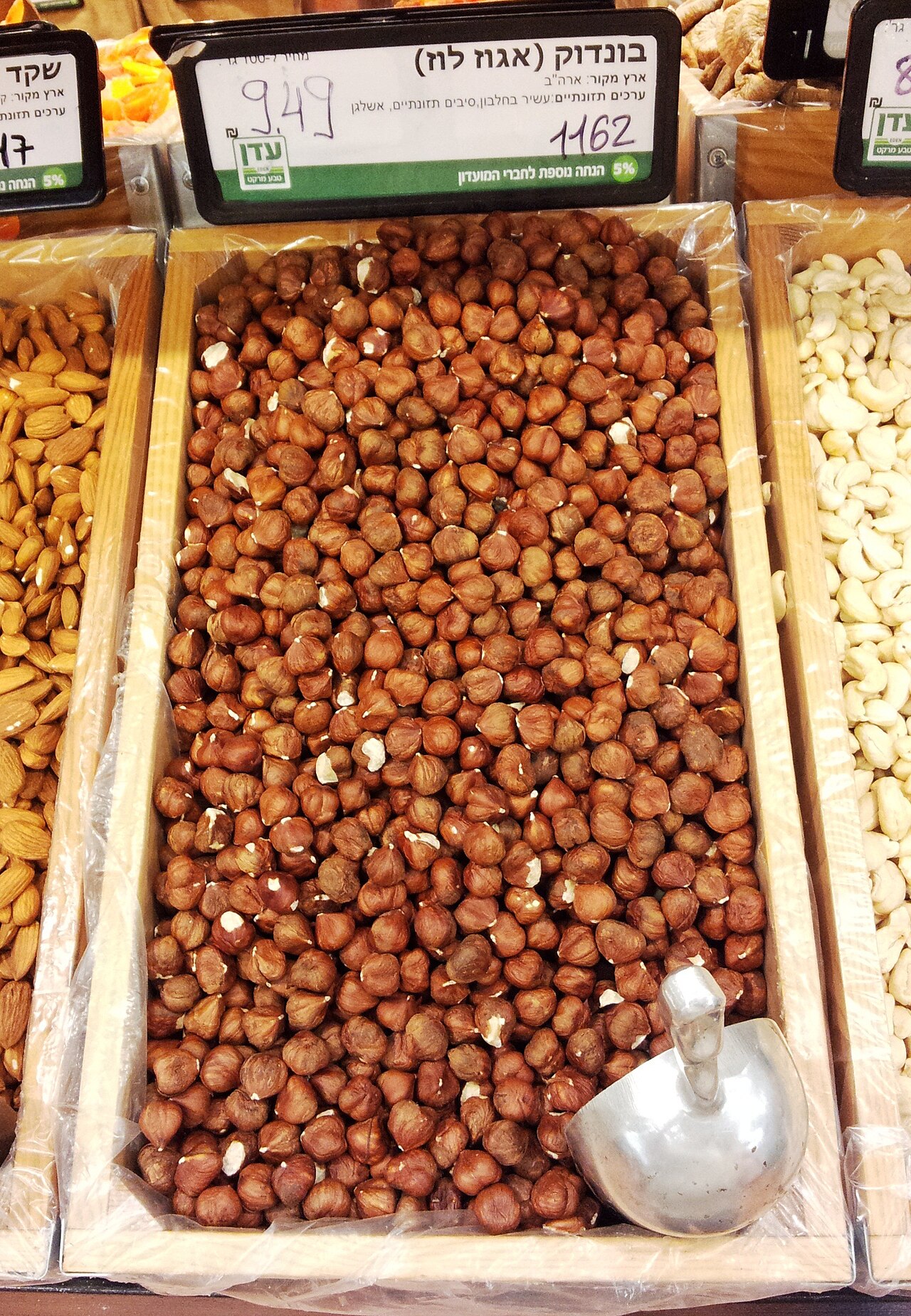
- Registration. Many buyers purchase exclusively from registered agricultural producers (OPG/trade). Resolve this before harvest.
- Three Offers. Request purchase conditions from at least three buyers and compare the price adjusted to standard, not the nominal price.
- Written Contract/Conditions. Never just an oral agreement. Request a price list with grades and adjustment formula in written form.
- Check Sortiment. Know which varieties you have (Istrian elongated, Roman, Italian) because this directly determines the price.
- Dry the Goods. Every percentage point of moisture above the standard reduces the paid weight. Proper drying is often the cheapest "price increase."
- Clean Impurities. Leaves, twigs, and empty fruits lower the grade.
- Keep Documentation. Weighing tickets, quality calculations, counter-samples—these are your evidence in case of dispute.
- Track Payment Deadline. Write down the date of business confirmation; after 60 days you have the right to payment (and interest if contracted).
Common Mistakes by Small Producers
- Looking only at the nominal price, not the price adjusted to quality standard—two offers of "20 kn/kg" can yield significantly different payouts due to differences in moisture and yield coefficients.
- Signing without an adjustment formula and accepting "internal calculation" without the ability to verify.
- Not drying or cleaning goods and losing on grade what they painstakingly grew.
- Ignoring Force Majeure / Penalties and ending up with a contractual penalty in a hail year.
- Not requesting a counter-sample and having nothing to challenge a lowered grade.
- Confusing kernel price and in-shell price when planning income.
- Binding themselves to one buyer without an exit clause—check duration and termination.
Quick Memory: What to Watch for in 30 Seconds
| Clause | Key Question |
|---|---|
| Price | In-shell or kernel? Which grade/sortiment? |
| Premium/Discount | How is quality rewarded, how penalized? |
| Payment Deadline | How many days (target ≤ 60) and when does it start? |
| Quality Standard | Moisture (6–7%), Impurities (0–1%), Kernel Yield (min. 40%)? |
| Adjustment | Is the formula written in the contract? |
| Sampling | Who measures, do I have a counter-sample? |
| Penalties / Force Majeure | Does it cover hail, frost, disease? |
| Duration / Termination | One season or more? How to exit? |
Gallery
Sources
- REPUBLIKA HRVATSKA Poljinos 27fd210a 2 (2019)
- MEHANIZACIJA U PROIZVODNJI I DORADI LJEŠNJAKA U TVRTKI MINAS-ZRNO 1 (2021)
- Poslovni plan za proizvodnju sadnica lijeske (2019)
- ODUN DIŞI ORMAN ÜRÜNLERİNİN ENVANTER VE PLANLAMASI İLE ÜRETİM VE SATIŞ ESASLARI (2016)
- UVJETI OTKUPA KONVENCIONALNOG LJEŠNJAKA U LJUSCI ROD 2022. GODINA (2022)
- YOUR ONE-STOP RESOURCE FOR HAZELNUT FARMING NEEDS GUIDE (2025)
- hunt establishment site suitability PDF Podizanje trajnog nasada lijeske i 22e62a30 (2020)