Energy Self-Sufficiency in Orchards: Solar, Agrivoltaics, and Renewable Sources for Drying and Irrigation
Content generated by artificial intelligence — verify before application
This article was automatically compiled from a collection of hazelnut literature with the aid of artificial intelligence and may contain errors or outdated data. It serves as a starting point for further research, not as professional advice. Dosages, products, and timelines are informative and depend on the cultivar, location, and applicable regulations — always consult with advisory services and official sources before implementation.
Two activities in hazelnut production consume incomparably more energy than all others: water pumping and distribution for irrigation and drying and cooling of nuts after harvest. Both rely on electricity or diesel, making them the largest portion of the orchard's energy cost and carbon footprint. The good news is that these are also the consumers easiest to switch to solar energy: pumps operate most in summer when there is also the most sunlight, and dryers operate during the day in autumn. This article explains where the footprint originates, what technical options exist (from solar pumps and rooftop photovoltaics to agrivoltaics over the orchard and energy utilization of shells), what the realistic savings are, and what support is available for Croatian producers.
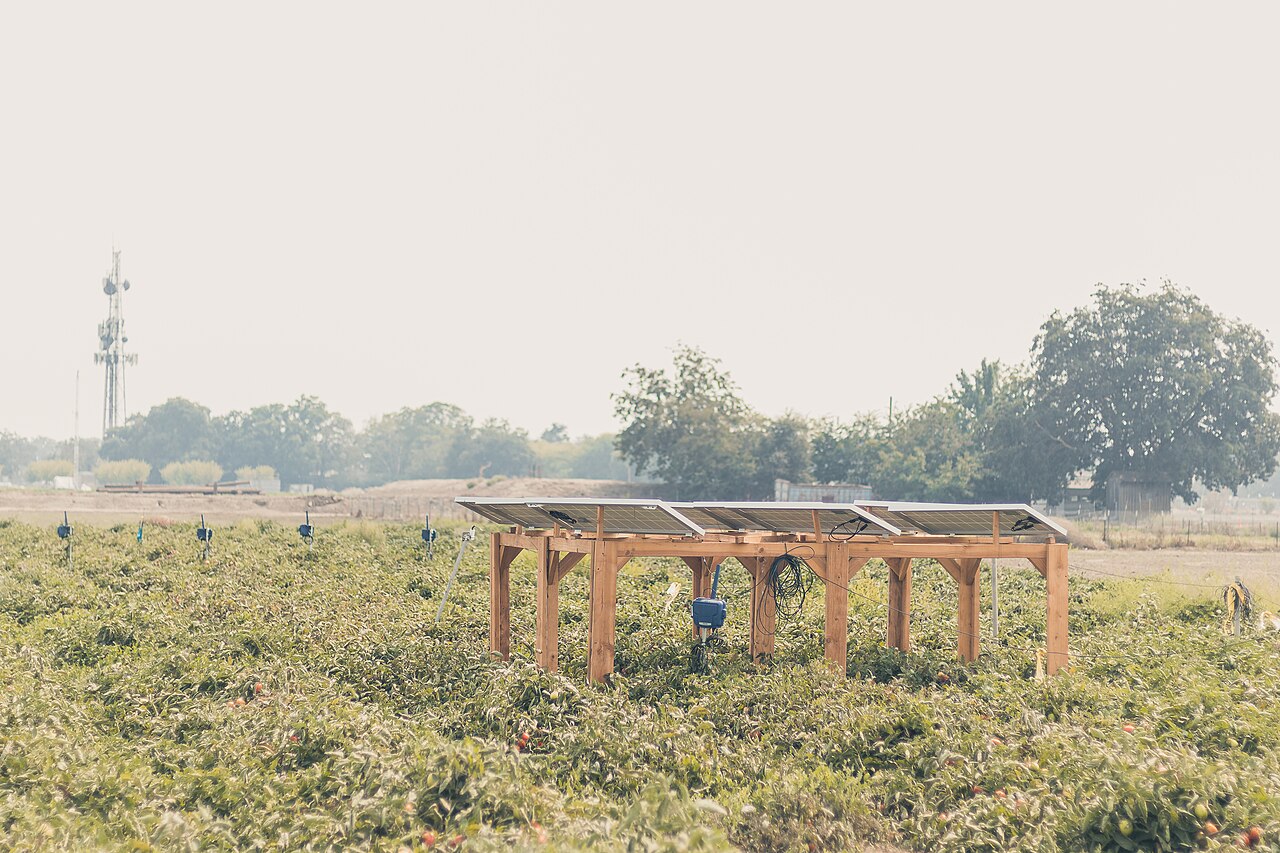
Where the Energy and Carbon Footprint of the Orchard Originates
Before investing anything, it is worth knowing what consumes energy. Croatian environmental impact assessments for hazelnut orchards provide concrete, measurable figures for a typical orchard with drying/cooling and mechanization:
| Consumer | Typical Annual Consumption | Energy Source | Note |
|---|---|---|---|
| Cold storage / Dryer (facility operation) | ~15,000 kWh/year | electricity | EZO Grubišno Polje |
| Tractor (≈500 hours of operation) | ~5,000 liters of fuel/year | diesel | mechanization, spraying, harvest |
| Water pumping (irrigation) | ~5,000 m³ of water/year per orchard | electricity / diesel pumps | EZO Donji Hrastovac |
From this, a simple conclusion follows: electric consumers (dryer/cold storage and pump) are ideal candidates for solarization, while the footprint of mechanization decreases more slowly (transition to more efficient machinery, and later to electric/hybrid mechanization). The figures are informative and heavily depend on orchard size, climate, soil type, and equipment.
It is also worth noting that irrigation is not a "cost for cost's sake": it increases hazelnut yield by up to 30% (Croatian assessments) and even up to nearly 89% in dry Turkish conditions, reducing flower drop and increasing flower bud differentiation. If this water is supplied by solar energy, you get both higher yield and a smaller footprint simultaneously.
Solar Power for Irrigation Pumps
The best-studied and most mature option is the photovoltaic (PV) pump for drip irrigation.
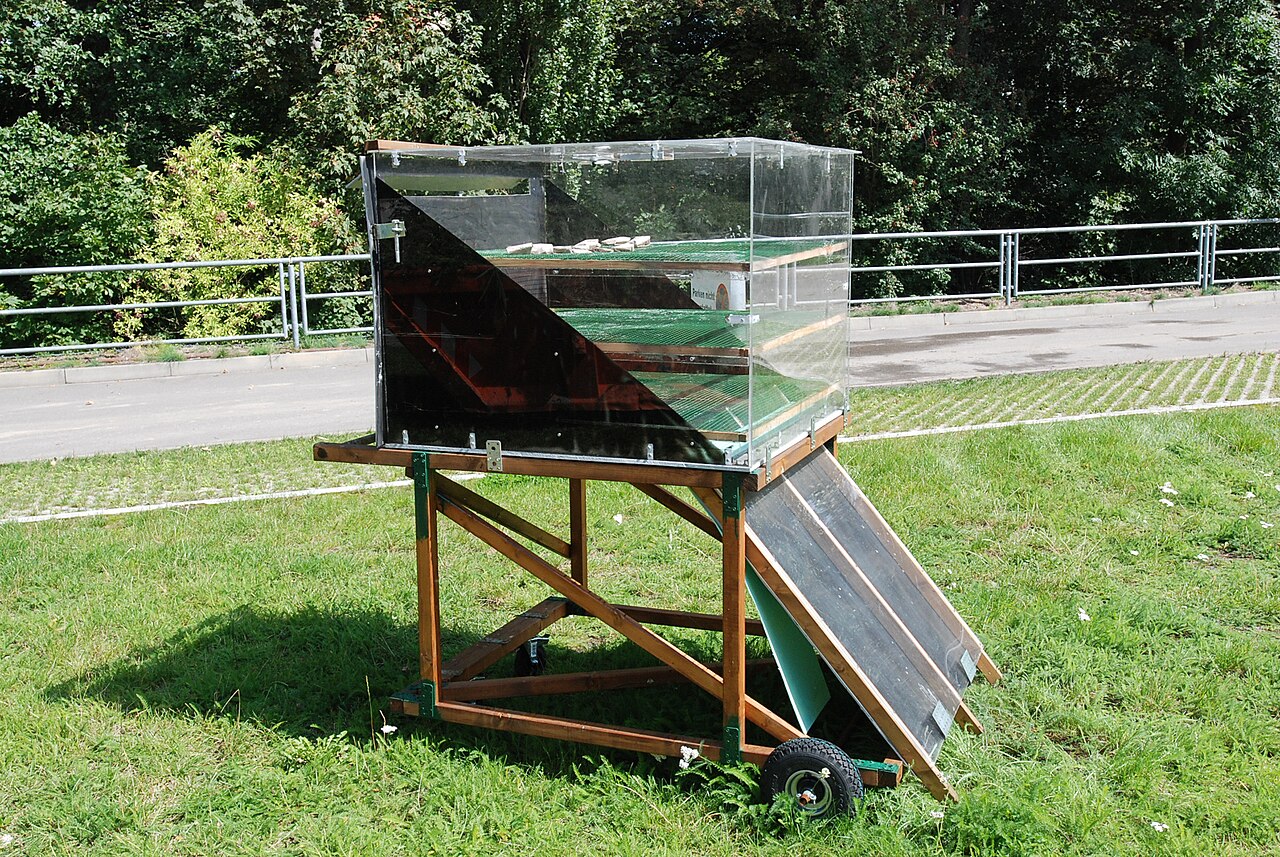
Why specifically for hazelnuts and specifically for pumps
- Matching production and consumption. Water demand is highest in hot, sunny months — precisely when the PV array produces the most energy. A large battery bank is often not necessary: water is "stored" by filling the aquifer or tank during the day, and irrigation is done gravitationally or as needed.
- Remote plots without grid connection. Turkish research (Yılmaz, 2019) highlights that on fields without electricity, solar pumps can be installed wherever there is enough sunlight, unlike diesel/kerosene pumps which require daily maintenance and can only be placed where sufficient water is available. The initial investment is higher, but operating and maintenance costs are very low.
- Synergy with "drip by drip". Drip systems deliver water locally, very precisely, and sparingly, saving both water and operating energy (Croatian EZO assessments). Lower pump power requirements mean a smaller PV array.
Technical Components
A typical PV pump system for drip irrigation in an orchard consists of:
- PV array (panels) sized according to the pump's power requirements;
- DC or AC pump (often a solar inverter/converter and pump with a frequency regulator that tracks available sunlight);
- Filter stations, main and distribution pipes, and pressure-compensating drippers at each plant;
- where necessary, accumulators/tanks (water "buffer") instead of expensive batteries;
- optionally, soil moisture sensors and controllers for irrigation based on actual need.
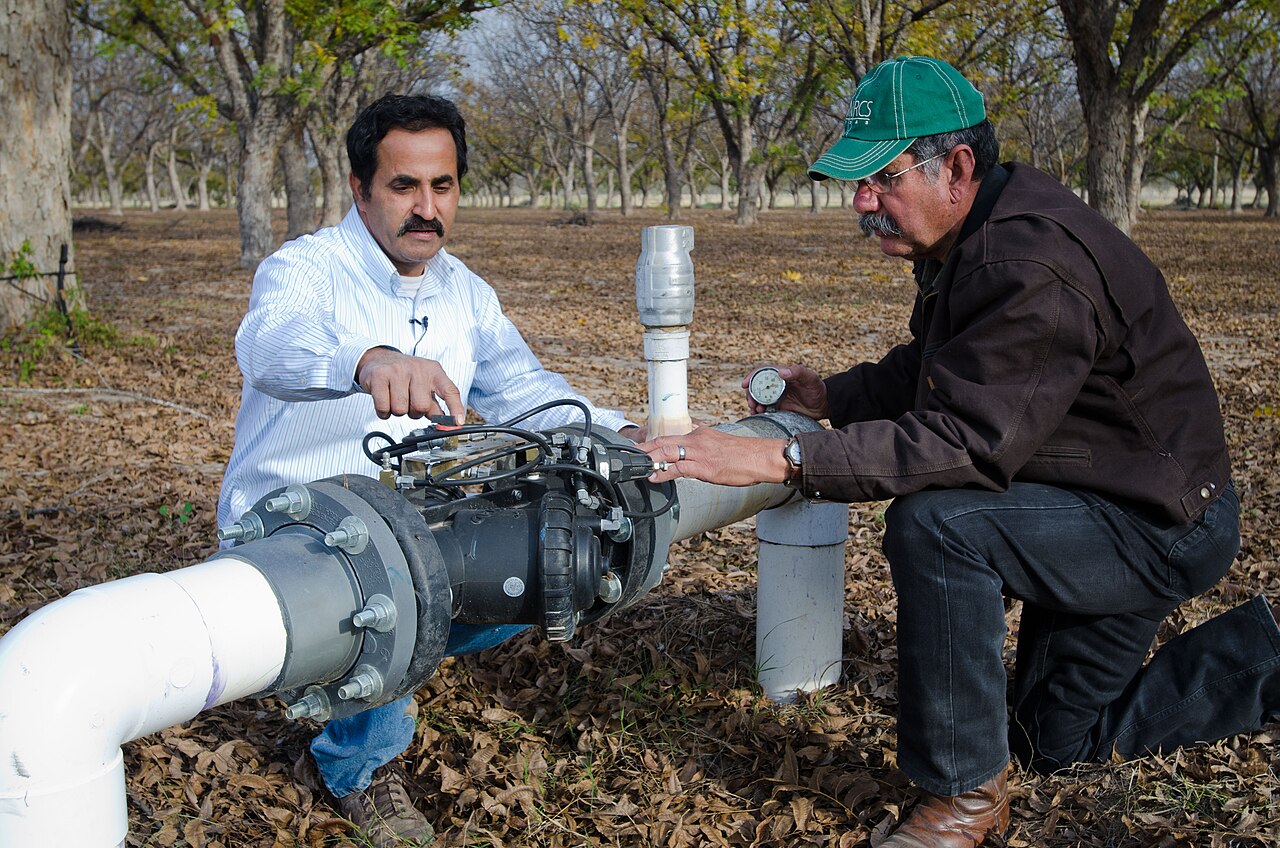
The RAG corpus also contains an example of a researched system: a 5 kWh photovoltaic system sized to cover energy needs for drip irrigation in a hazelnut orchard (Yılmaz, 2019.). Italian equipment catalogs (Toro) already offer components for irrigation management that can be powered directly by a solar panel (e.g., Tempus Air gateway), showing that solar-powered control and pump equipment is part of the standard offering.
Figures and Profitability
| Indicator | Value | Source / Note |
|---|---|---|
| PV system power for pump (example) | ~5 kWh (kWp) | Yılmaz, 2019. (covers drip irrigation for orchard) |
| Cost of drip system components (pipes, valves, drippers, filter) | 16,000–20,000 HRK/ha (≈2,100–2,650 €/ha) | Croatian technical-economic guidelines, 2006; excluding well/pump |
| Typical payback period for PV pump | 4–6 years | international reviews of PV pumps |
| Payback for high-value crops (fruit/nuts) | 3–5 years | including income from higher yield |
One must be realistic: the main barrier to expansion is the high initial cost and relatively long amortization period (4–5 years and more), which Turkish research explicitly warns about. Figures in kuna/euros from older guidelines are informative and should be updated today; they do not include well drilling, accumulation tanks, or the pump itself, which significantly raise the total investment.
Rooftop Photovoltaics for Dryer and Cold Storage
Drying and cooling are electric consumers that operate primarily during the day and in autumn, so they are well covered by a rooftop PV system on the facility (dryer, warehouse, cold storage, farm building).
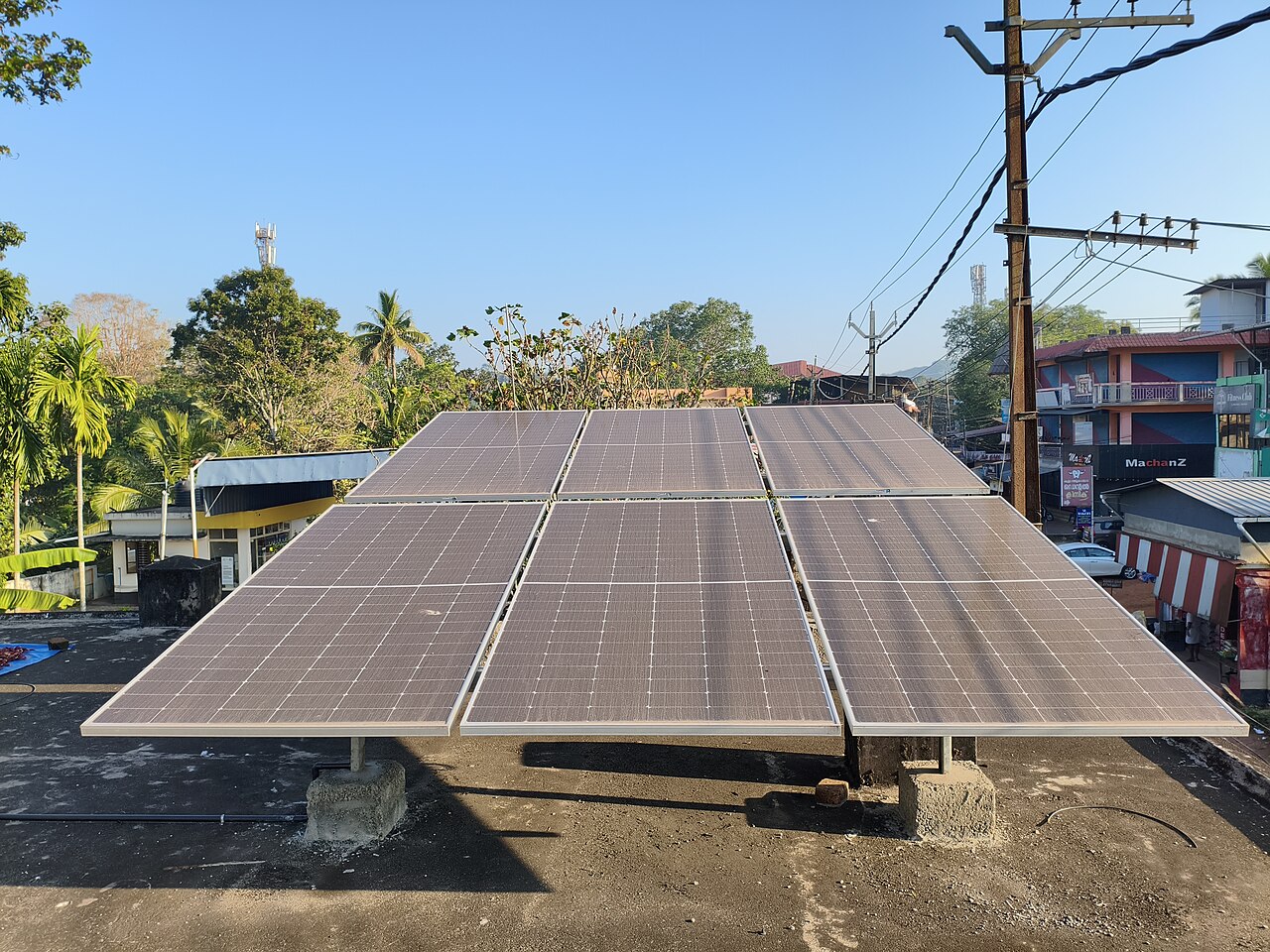
- Matching consumption. Convective drying (hot air) and ventilation/cooling in the dryer operate while the sun provides energy, reducing the need for batteries and increasing the share of "self-consumption."
- Reducing bills by ~15,000 kWh/year. The goal is for the rooftop PV to cover a significant portion of this consumption; surplus can be fed into the grid under a self-supply (prosumer) system and offset.
- Natural suitability of facilities. Turkish expert sources emphasize that agricultural facilities (warehouses, dryers, dwellings) are "naturally suitable" for integrated electricity and heat production from the sun, and covering consumption with renewable sources is key to farm sustainability.
Practically: first reduce consumption (more efficient dryer, good insulation, temperature and airflow control, pre-cooling), and only then size the PV — this avoids oversizing and shortens the payback period.
Agrivoltaics Over the Orchard
Agrivoltaics (AV) means installing photovoltaic panels above agricultural land so that both food and electricity are produced simultaneously on the same land. For permanent crops like hazelnuts, this is attractive because panels last for decades, as does the orchard itself.
What Practice Shows
Agrivoltaics can significantly increase the total productivity of the land: reviews cite an Land Equivalent Ratio (LER) of up to ~1.88, meaning total land productivity is nearly double compared to using the land solely for cultivation or solely for panels. An Italian agrivoltaic project (Pradamano, Friuli) illustrates the metrics of serious systems:
| Parameter (Italian AV project) | Value |
|---|---|
| Power | 40 MWp (bifacial panels on single-axis trackers) |
| Area | ~85 ha (of which ~78 ha under AV) |
| Maximum module height from ground | 6.29 m |
| Minimum module height | 2.1 m |
| Distance between rows | 13 m |
Great clear height (over 6 m) and wide row spacing are not accidental — they leave room for machinery passage and enough light for the crop below.
Caution: Shade Reduces Yield
A key warning for fruit and nut orchards comes from trials on fruit trees:
- In a pear orchard with semi-transparent modules (40% transmittance), a reduction in photosynthetically active radiation (PAR) of 28–35% led to a ~26% lower yield (fewer fruits per tree) — but without quality deterioration (sugars, color, firmness, storability).
- In an apple orchard with ~50% intercepted light, yield per tree dropped by 27–32%, again mostly due to poorer pollination, not quality.
Hazelnut is a light-loving species where good illumination favors fertility, so excessive shading directly over rows can reduce the crop. Therefore, for orchards, a "perimeter" or less dense agrivoltaic system is more reasonable: panels on high supports, wide spacing, bifacial modules on trackers that follow the sun, and orientation/tilt that minimize light loss to the crop. The most practical implementations for family farms often mean installing panels on windbreaks, plot edges, canopies, and machine lanes, rather than densely over every row.
When Agrivoltaics Makes Sense for Hazelnuts
- When there is a need for protection from extremes (too much sun, hail, heat stress) — partial shading can reduce water stress and evapotranspiration.
- When the goal is additional income from electricity sales/self-supply that stabilizes farm income.
- When the orchard is young or just planned, so the geometry (height, spacing, rows I–Z) can be designed together with the AV system.
Before investing, always check spatial planning and building permits as well as land status (agricultural land has restrictions), and rules for grid connection.
Energy from By-products: Shells and Pruning Waste
Hazelnut is a crop with high whole-plant utilization, and its by-products can close the energy loop — particularly for drying, which requires heat.
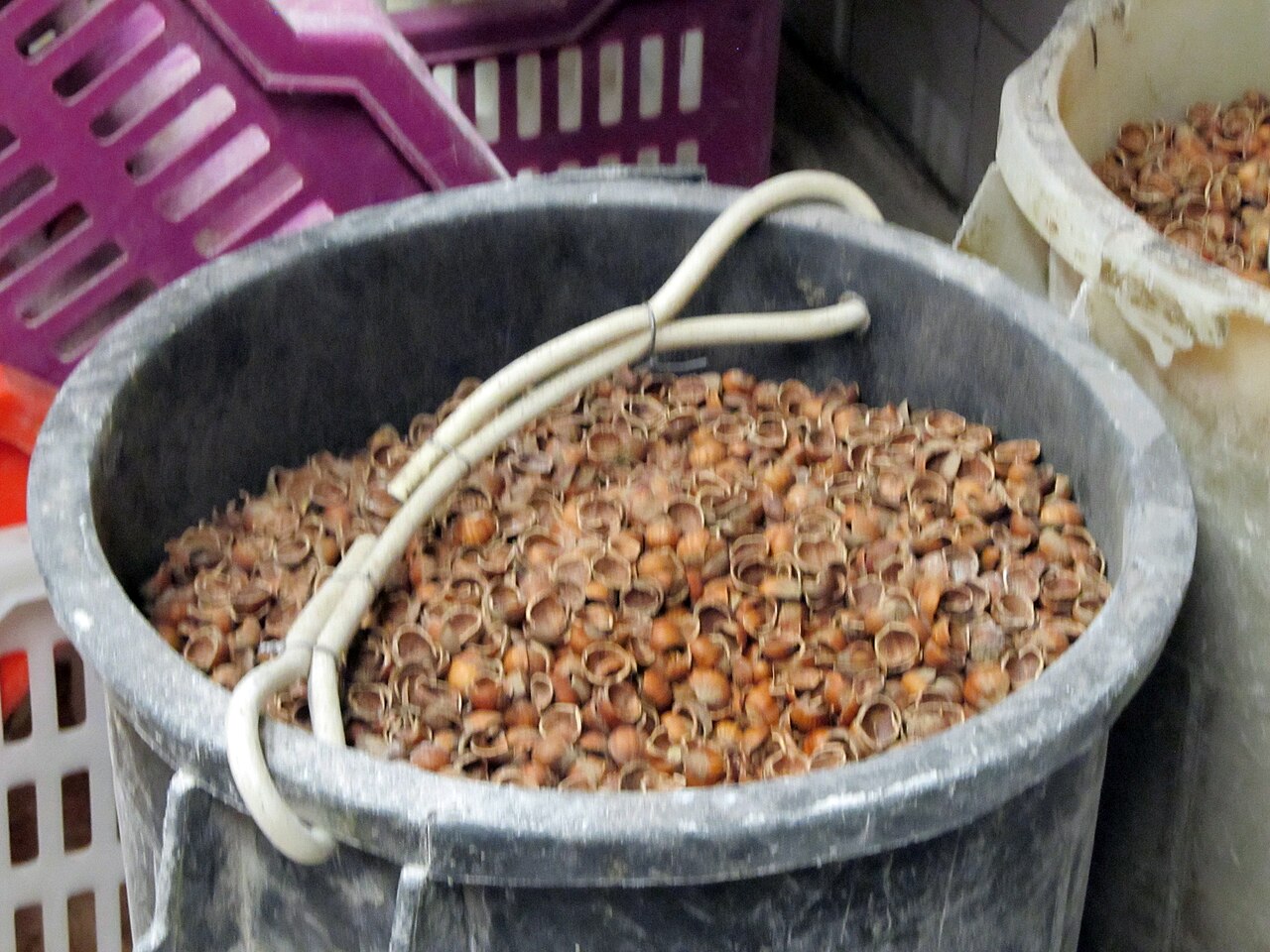
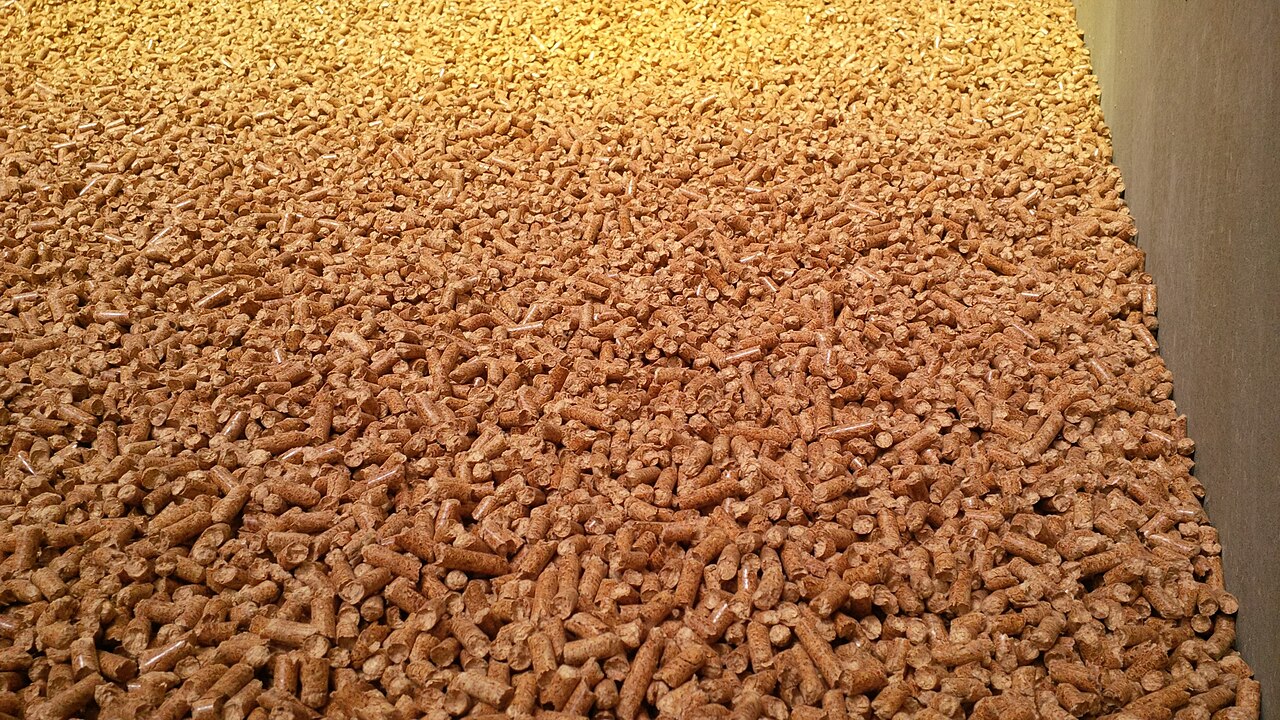
- Hazelnut shell is lignocellulosic biomass with high energy potential: estimated at around 5,372 MJ/ha from collected shell biomass (Bilandžija et al.), and over 65 % of the material (cellulose + hemicellulose) can be converted into biofuel. The shell can be burned directly for heat (pellets/briquettes) or processed thermochemically (pyrolysis, gasification) into bio-oil and gas.
- Pruning (pruned biomass) is an additional source: it is estimated that collecting pruned biomass from hazelnut, walnut, and almond orchards in Croatia would yield significant amounts of residues from ~1,043 ha.
- Broader context: Croatia has approximately 4 million tons of biomass annually available for energy, which could replace up to 25 % of total energy consumption (Krička et al.).
A practical idea for an orchard with a dryer: cover part of the heat for convection drying by burning your own shells/pellets instead of gas or electricity, and electrify electrical consumers with solar power. This simultaneously disposes of bio-waste and reduces the footprint.
| By-product | Energy Potential | Utilization |
|---|---|---|
| Hazelnut shell | ~5,372 MJ/ha; >65 % into biofuel | combustion (heat for drying), pellets, pyrolysis |
| Pruning | significant (lignocellulose) | chipping, pellets, mulch, or energy |
Combined and Advanced Systems
More complex concepts worth mentioning as development directions, but not as ready-made solutions for average family farms, appear in the literature:
- PV + electrolyzer + fuel cell + geothermal heat pump (University of Bari experiment): hydrogen production during the day and heat supply; the overall system efficiency was ~12.8 %. It shows that sunlight can be converted into stored energy for heating, but it is still expensive and complex.
- Hybrid systems sun + wind + storage for pumping and even desalination of water in dry areas (Turkish technical sources) — relevant for very dry locations without quality water.
Practical Recommendations and Common Mistakes
Recommended Order of Steps
- Measure consumption (kWh of dryer/refrigerator, hours and consumption of pumps, diesel machinery). Without data, proper sizing is impossible.
- Efficiency first, then production. Reduce losses (dryer insulation, regulation, "drip by drip" instead of spraying, pre-cooling) — lower consumption means a smaller and cheaper PV system.
- Solarize electrical consumers that operate during the day: pumps and dryers/refrigerators. Here, the payback is fastest (often 4–6 years).
- Utilize the "water buffer" (accumulation/well) instead of expensive batteries where possible.
- Plan agrivoltaics carefully — high supports, wide spacing, edges/shelters/windbreaks before dense panels over rows.
- Close the loop with by-products (shells/pruning) for dryer heat.
Common Mistakes
- Oversizing PV before reducing consumption → unnecessarily long payback period.
- Excessive shading of the orchard with agrivoltaics → drop in pollination and yield (pears/apples 26–32 %).
- Ignoring permits (building, water rights for well/pumping, grid connection, agricultural land status).
- Calculating only electricity savings, while ignoring the additional yield from irrigation (up to +30 %) which accelerates payback.
- Ignoring batteries/storage where they are necessary (nighttime consumption or outside the sunny season).
Subsidies and Regulations (Croatia / EU)
Investments in renewable energy sources and irrigation are generally eligible through rural development measures and national subsidies — the framework changes, so check current calls for proposals:
- Irrigation equipment (pumps, hoses, sprinklers, filtration, fertigation) is explicitly listed as eligible equipment in guidelines for applicants.
- Hazelnut is included in the state support system for fruit species (historically e.g., ~7,300 HRK/ha for planting); similarly, rural development measures co-finance investments in energy efficiency and RES.
- SWOT analyses of Croatian production highlight national policy measures, EU projects and funds, and modernization as main opportunities — alongside climate change as the main threat.
- EU legislation is gradually mandating a higher share of renewable energy sources, further motivating investments.
Amounts, percentages, and conditions of subsidies are informative and depend on the current call, region, and user status — always check with advisory services (e.g., ministry/agency for payments) and in the text of the current call before investing.
Gallery
Sources
This article is an AI summary from a collection of hazelnut literature (RAG corpus) and public sources. Main sources used:
- Yılmaz, A. (2019.) — research on a 5 kWh photovoltaic system for drip irrigation in a hazelnut orchard (RAG corpus, tr).
- Environmental Impact Assessment — hazelnut orchard, Donji Hrastovac, Municipality of Sunja (2021.) — water consumption and irrigation system (RAG corpus).
- Environmental Impact Assessment — hazelnut and plum orchard, Grubišno Polje (2020.) — electricity consumption of cold storage and fuel (RAG corpus). bbz.hr
- Environmental Impact Assessment — hazelnut orchard, Municipality of Vojnić (2021.) — impact of irrigation on yield (RAG corpus).
- Guidelines for Applicants (2023.) — eligible irrigation equipment (RAG corpus).
- Establishing New Orchards — Techno-economic Guidelines (2006.) — costs of drip irrigation systems (RAG corpus).
- Bilandžija et al. — energy potential of hazelnut shells and pruning; "Potential of Hazelnut Shell as a Rich Source of Polyphenols" (2024.) (RAG corpus).
- Krička et al. — biomass as an energy source in Croatia; "Qualitative and Energy Changes of Hazelnut Fruits in the Convection Drying Process" (2013.) (RAG corpus).
- "Mechanization and new technologies for the sustainability of agricultural systems" (2016.) — PV + electrolyzer + heat pump, University of Bari (RAG corpus).
- ARPA / Studio di impatto ambientale — agrivoltaic project Pradamano (2025.) — technical specifications of AV systems (RAG corpus).
- TARIMDA TEKNOLOJİ KULLANIMI report (2023.) — renewable energy sources for pumping/desalination (RAG corpus, tr).
- Toro Catalog — solar-powered irrigation management equipment (RAG corpus, it).
- Overview of PV pumps for irrigation and drinking water — ideas.repec.org
- "Design development and testing of a solar PV pump based drip system for orchards" — sciencedirect.com
- "Solar-powered drip irrigation enhances food security in the Sudano–Sahel", PNAS — pnas.org
- "Agrivoltaics Across Crops and Technologies: A Systematic Review", Energies (2026.) — doi.org
- "Shading apple trees with an agrivoltaic system…" — sciencedirect.com
- "Agrivoltaics, a promising new tool for electricity and food production: A systematic review" — sciencedirect.com