Biological control and beneficial organisms in the orchard
Content generated by artificial intelligence — verify before application
This article was automatically compiled from a collection of hazelnut literature with the aid of artificial intelligence and may contain errors or outdated information. It serves as a starting point for further research, not as professional advice. Dosages, products, and timing are informative and depend on the cultivar, location, and current regulations — always consult with an advisory service and official sources before application.
Biological control is not a last resort we turn to only when chemistry fails — it is the foundation of any serious integrated pest management (IPM) strategy for hazelnut. A well-managed orchard produces and sustains an army of natural enemies: parasitic wasps, ladybugs, green lacewings, syrphid flies, predatory mites, bugs, spiders, and birds. When we preserve and encourage this fauna, it keeps the majority of secondary pests (aphids, mites, scale insects, caterpillars) below the economic injury threshold for free and continuously, reducing chemical interventions to rare, targeted actions against key pests. This article explains who these beneficial organisms are, how to monitor them with pheromone and other traps, and what specific measures in and around the orchard promote and protect beneficial fauna.
Why biological control makes sense in hazelnut
Compared to other fruit species, hazelnut has a relatively small number of pests — literature indicates that only about ten species out of the two hundred identified in Europe cause significant damage, and only a few are economically significant (hazelnut weevil, hazelnut erineum mite, phytophagous bugs, aphids, scale insects, hazelnut leafroller, cockchafer). Precisely because of this, hazelnut is a crop well-suited for a biological approach: it is sufficient to control just one or two key pests, while the rest can be managed by natural fauna.
The most famous success of biological control in hazelnut is the suppression of the hazelnut aphid (Myzocallis coryli) through the introduction of the parasitic wasp Trioxys pallidus. Croatian literature explicitly states that "the problem of hazelnut aphids was successfully solved using the predator T. pallidus." Additionally, entomopathogenic nematodes and fungi (e.g., Beauveria bassiana) show potential as alternatives to chemicals. The highest efficacy in practice is achieved through a combination of biological and chemical measures (reduced dosages) — this is the core of hazelnut integrated pest management.
Key message
Any broad-spectrum insecticide that kills an aphid also kills its natural enemies. The consequence is often secondary pest resurgence — aphids or mites return in even larger numbers because there is no one left to keep them under control. Therefore, protecting beneficial fauna begins with the choice of selective, "softer" products.
Natural enemies in the hazelnut orchard
Beneficial fauna is commonly divided into parasitoids (develop within/on a single host individual and eventually kill it) and predators (hunt and consume multiple prey throughout their life). Alongside them, important roles are played by entomopathogenic microorganisms (fungi, bacteria, nematodes) and vertebrates such as birds.
| Group | Main representatives | Pest controlled |
|---|---|---|
| Parasitic wasps | Trioxys pallidus, Aphidius spp. (Braconidae), various Chalcidoidea | aphids, eggs/larvae of some pests |
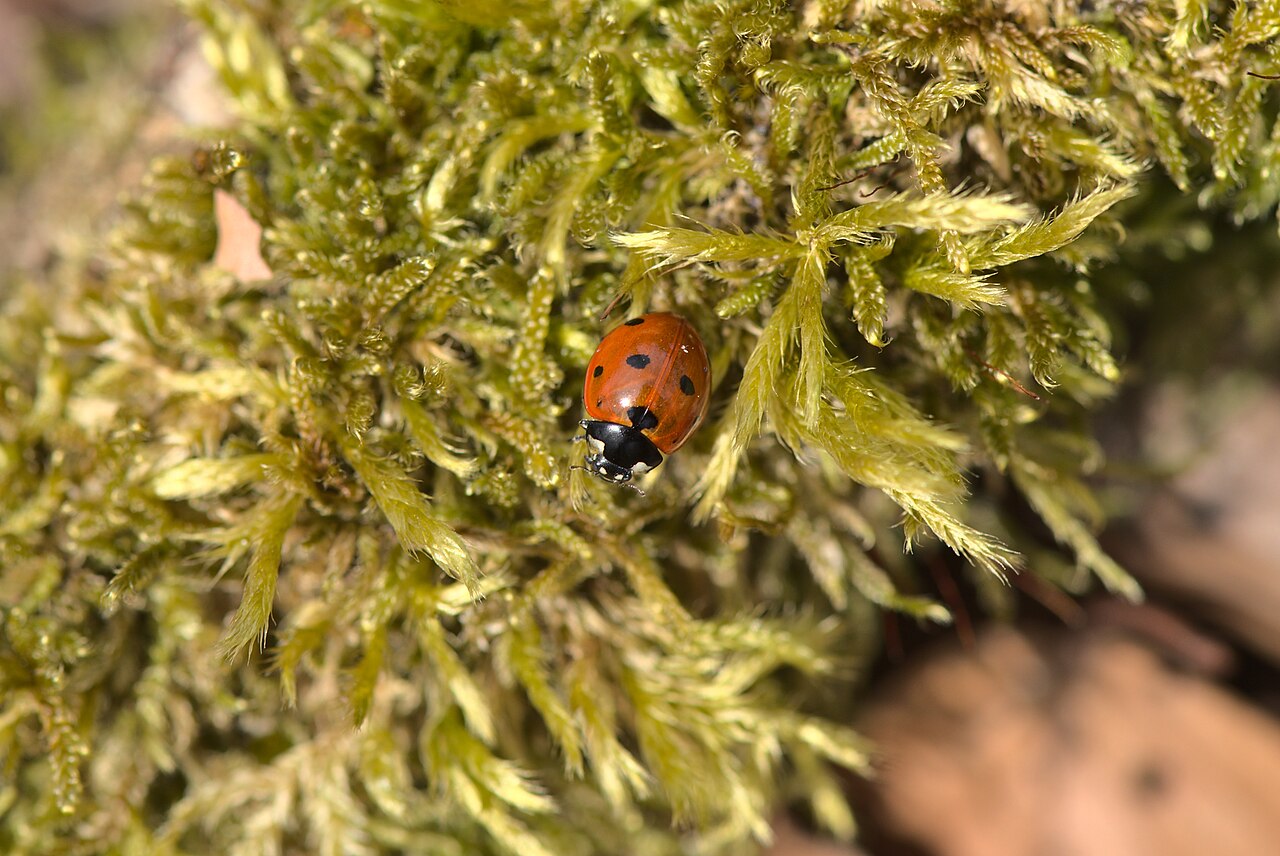
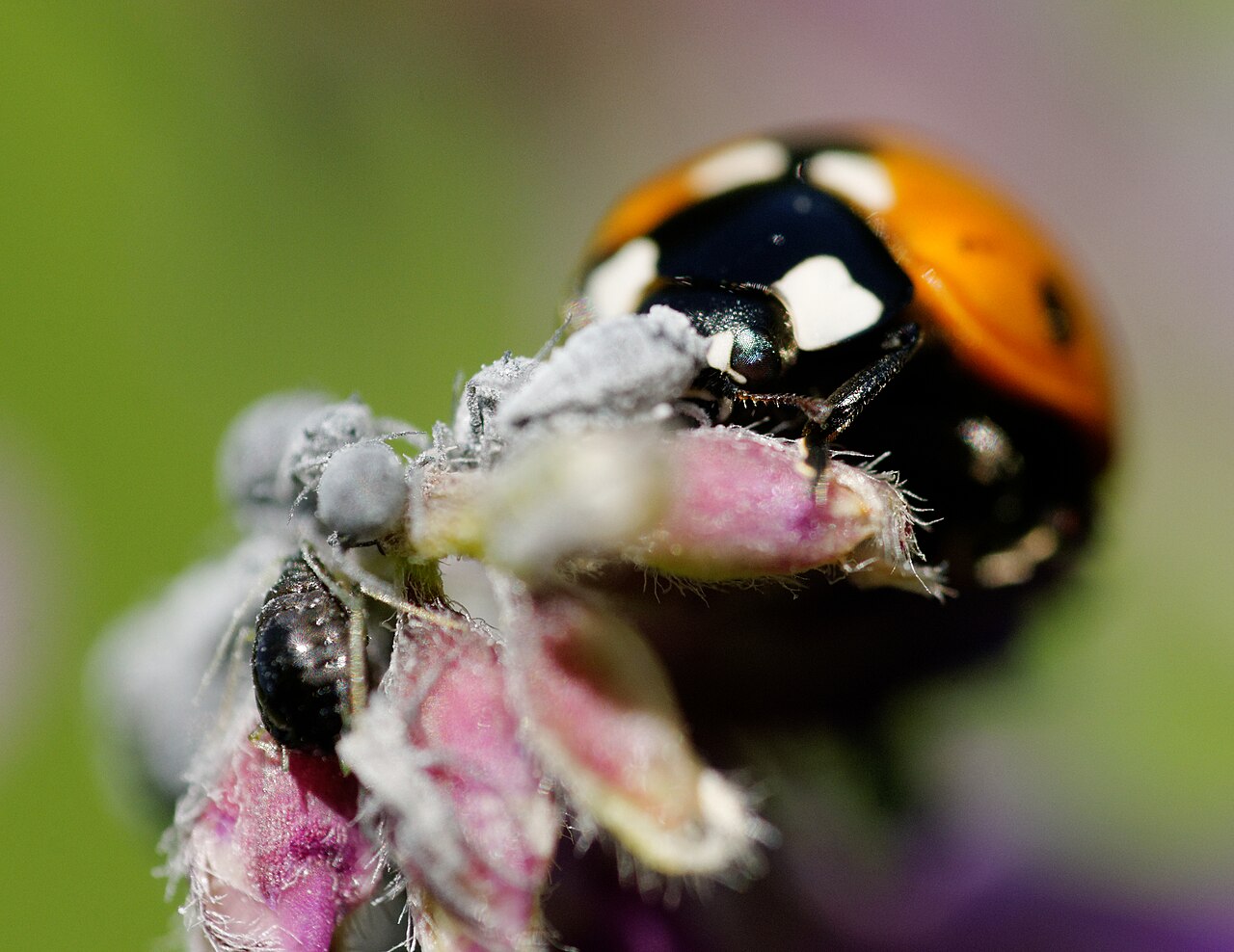
| Ladybugs (Coccinellidae) | Adalia bipunctata, Coccinella septempunctata, Harmonia axyridis | aphids, scale insects, mites |
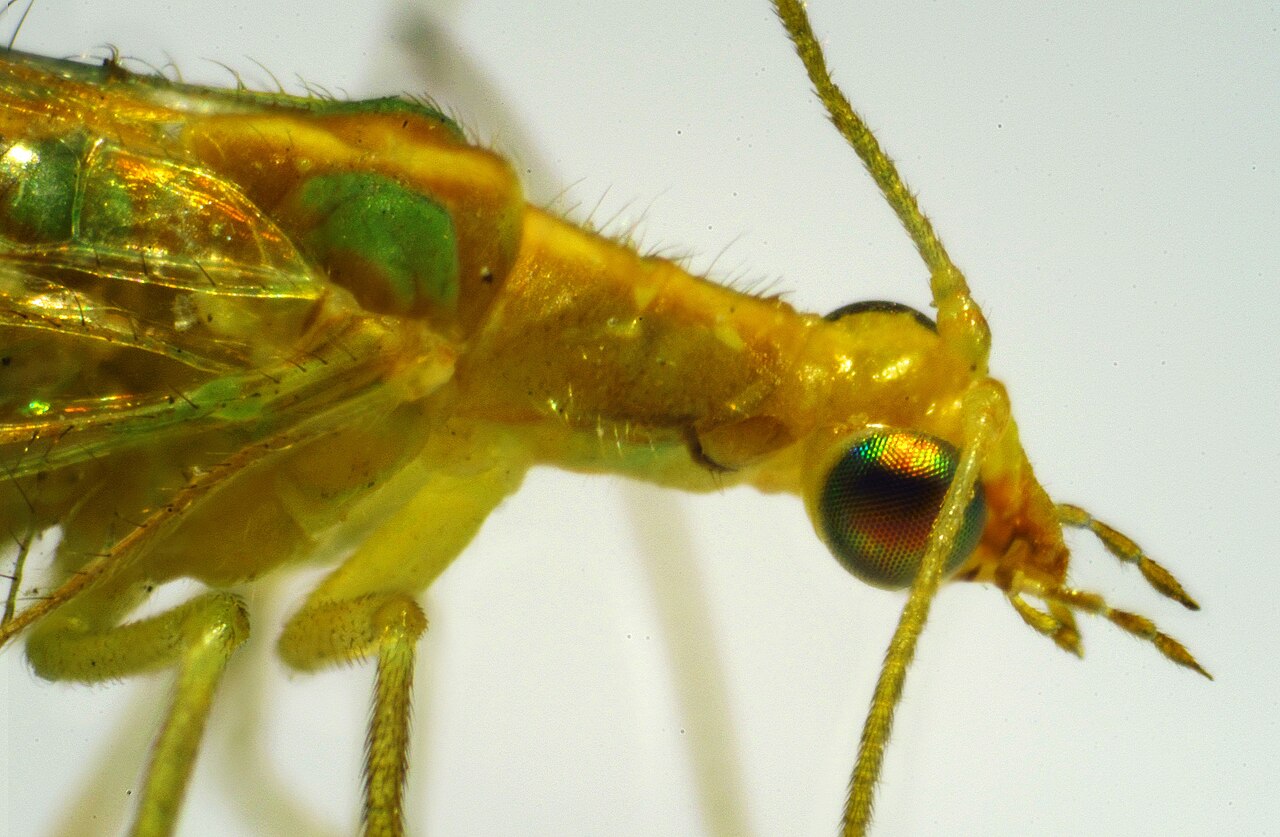
| Green lacewings (Chrysopidae) | Chrysoperla carnea | aphids, mites, insect eggs |
| Syrphid flies (Syrphidae) | various species (larvae are predators) | aphids |
| Predatory mites | Phytoseiidae (e.g., Typhlodromus, Amblyseius) | phytophagous mites, two-spotted spider mite |
| Predatory bugs | Anthocoridae (Orius), Miridae | mites, aphids, eggs, thrips |
| Spiders and harvestmen | various | wide range of insects |
| Entomopathogenic fungi/bacteria | Beauveria bassiana, Bacillus thuringiensis, Pseudomonas spp. | caterpillars, cockchafers |
| Entomopathogenic nematodes | Steinernema, Heterorhabditis | soil-dwelling larvae (cockchafer, hazelnut weevil) |
| Birds | tits, woodpeckers, raptors | caterpillars, insects, rodents |
Parasitoids: silent but crucial control
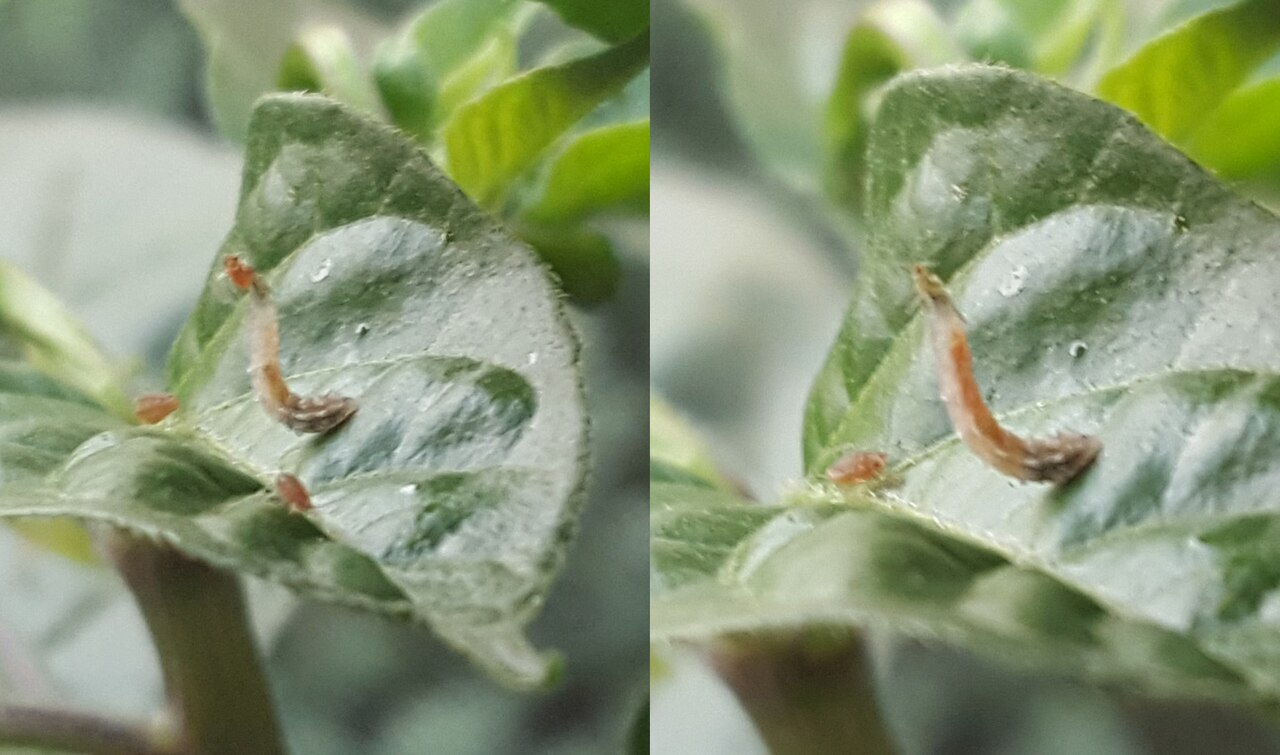
Parasitoids are the most effective "regulators" of aphids. Trioxys pallidus (family Braconidae) is a small wasp that lays an egg inside the body of an aphid; the larva consumes the host from the inside, leaving behind a characteristic "mummy" — a swollen, rounded, brownish husk, often with a round exit hole through which the adult wasp emerges. The presence of mummies is a sign that the parasitoid is working: if you see them, delay spraying and recheck the population in about a week.
Experiences from Oregon show the scale of benefits: after the introduction of T. pallidus in the mid-1980s, the wasp spread throughout the entire growing region and permanently keeps the aphid below the treatment threshold, with an estimated economic benefit of around $400,000 USD annually. Hosts for this wasp include the hazelnut aphid, oak aphid, linden aphid, and walnut aphid. Important warning: predation of mummies (e.g., by other insects) can reduce parasitoid survival by up to 80% under unfavorable conditions, further highlighting the need to preserve the entire habitat.
Predators: ladybugs, lacewings, syrphid flies, mites
- Ladybugs and lacewings are the main predators of aphid colonies; a single lacewing larva ("aphid lion") consumes hundreds of aphids during its development.
- Syrphid flies are attracted to floral nectar and pollen; their larvae are voracious aphid predators, directly linking floral diversity in the orchard to biological control.
- Predatory (phytoseiid) mites are key to keeping the hazelnut erineum mite and two-spotted spider mite under control. They are extremely sensitive to certain pesticides, so the choice of products directly determines whether mites will resurge.
Entomopathogens: fungi, bacteria, and nematodes
In a Croatian experiment (Dalj, 2021.), a commercial product Naturalis® based on the entomopathogenic fungus Beauveria bassiana was tested against the bronze birch borer: adults were treated with a water suspension at a concentration of 1×10⁸ conidia/mL (in the experiment, 1.5 mL per group of 10 adults), with mortality monitored over 10 days. Bacillus thuringiensis (Btk) is standardly used against caterpillars (e.g., preparations with 80 g/kg Btk, orientational ~1 kg/ha with about 1000 l/ha water — see catalog note below), and bacteria of the genera Bacillus and Pseudomonas showed insecticidal activity against cockchafers. Microbiological "boosters" for plants (e.g., FitoBacillus, Fruttifolia at ~4–5 l/ha) are registered in Croatia as microbiological fertilizers, but in trials they provide preventive protection and are suitable for organic production.
Dosages are informative
All quantities, concentrations, and timings mentioned are orientational, taken from literature and catalogs. The actual dosage, number of treatments, and pre-harvest interval depend on the cultivar, location, product registration, and label instructions. Check the current registration in the Phytosanitary Information System (FIS) and consult with an advisory service.
Pheromone traps and monitoring
Monitoring pest appearance is the foundation of sustainable protection that precedes any intervention. Only with traps do we know with certainty whether a pest is present and whether its abundance has exceeded the critical threshold (economic injury level) when it is justified to start biological or chemical control. Monitoring is also a prerequisite for protecting beneficial fauna: targeted, timely interventions save both product and natural enemies compared to routine spraying.
Types of traps
| Trap type | Principle | What it catches / purpose |
|---|---|---|
| Pheromone traps | synthetic sexual or aggregation pheromone attracts insects | monitoring moth flights (leafrollers), bugs; mating disruption method |
| Yellow sticky cards/tapes | yellow color attracts insects | aphids, various flying insects |
| Blue sticky cards/tapes | blue color attracts thrips | thrips |
| White sticky cards | white color | certain species |
| Pyramid traps | shape + aggregation pheromone | brown marmorated stink bug (Halyomorpha halys) |
| Bait traps | food-based attractant | various pests |

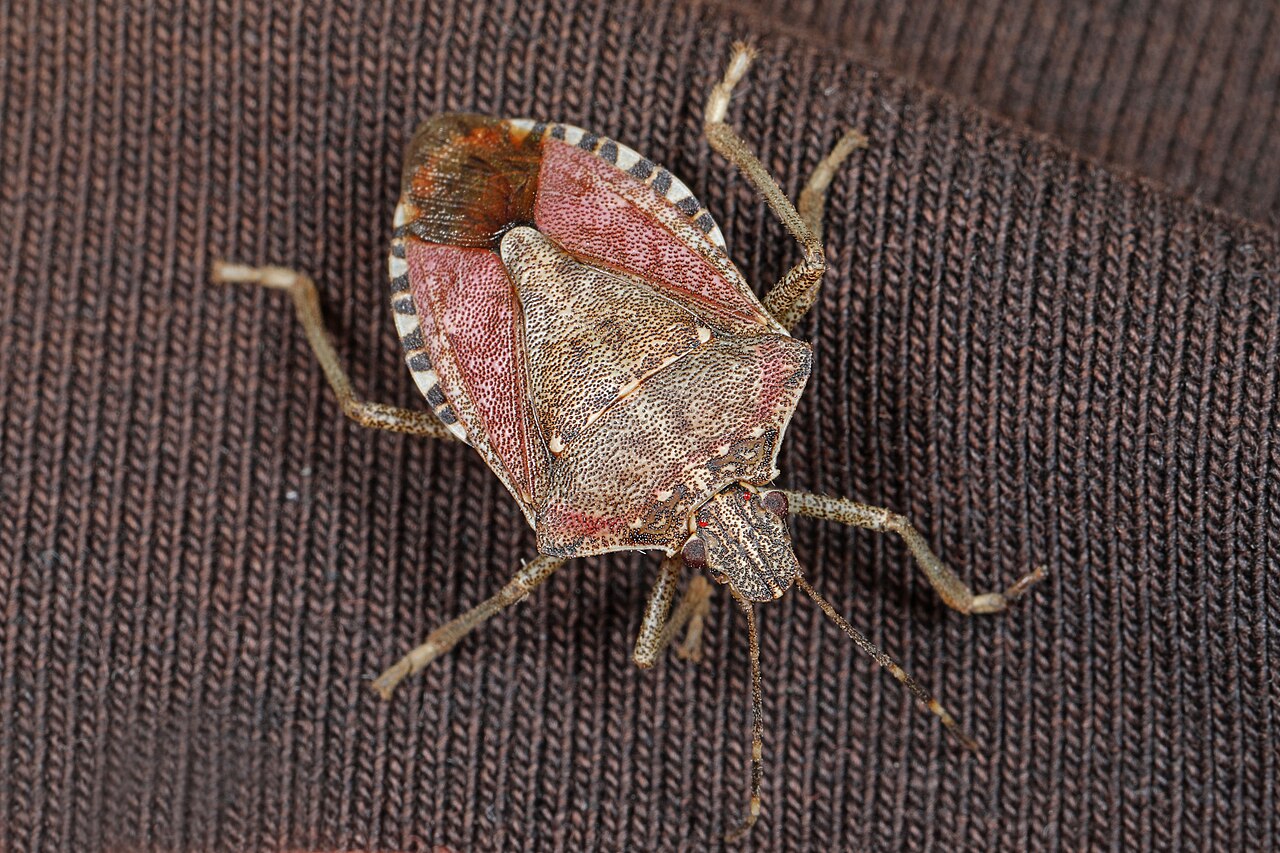
Different colors catch different species because insects perceive different wavelengths of light. Some cards also have a pheromone additive that attracts males of specific species. For the brown marmorated stink bug (H. halys), which is becoming an increasing problem in hazelnut orchards, pyramid traps with aggregation pheromones are used — unlike sexual pheromones, these attract all mobile stages of both sexes, making them an excellent tool for both monitoring and determining the timing of treatment.
In a Bosnian-Herzegovinian study on entomofauna, for example, 20 yellow and 20 blue sticky tapes and pheromone traps with Pheroprax ampoules were used.
How to set and read traps
- Position in the canopy: pheromone traps for moths (leafrollers) are placed in the upper third of the canopy, where flight is most intense.
- Timing: set traps before the expected start of flight and check them regularly (e.g., weekly), recording catches.
- Decision-making: compare catches with the economic injury threshold for each species; treat only when the threshold is exceeded.
- Dispensers: pheromone lures have limited shelf life — replace them according to the manufacturer's recommendations.
Mating disruption method
For pests where a sexual pheromone has been identified (e.g., some leafrollers, and research is ongoing for the hazelnut weevil), the mating disruption method is applied: the orchard is saturated with synthetic pheromone so that males cannot find females, thereby destroying the reproductive success of the pest without using any insecticide. This method is highly selective and completely spares beneficial fauna, and literature recommends increased use of mating disruption and cultural measures in hazelnut.
Measures to promote and preserve beneficial fauna
Beneficial fauna should not just be "left alone" — active conditions for their life must be created. Croatian guidelines for integrated/organic production specify concrete procedures by which producers create suitable living conditions for beneficial animals.
1. Habitat and biological diversity
- Hedgerows (live hedges), shrubs, and diverse vegetation around the orchard — provide shelter, alternative prey, and overwintering sites for beneficials. A French study showed that a border with a natural hedgerow helps the return of predators to the orchard between treatments.
- Flower strips and diverse understory crops (cover crops) in the inter-row space — floral resources (nectar and pollen) extend the lifespan and increase the fecundity of natural enemies, and improve the efficiency of parasitoids. Caution: not all plants attract beneficials equally, and poorly chosen plants can act as a "sink" that draws beneficials away from the orchard rather than attracting them into it.
- Shelters: rock piles, brush heaps, and dry stone walls as refuges for beneficial animals.
2. Assistance for vertebrates
- Birdhouses for beneficial birds (titmice and other insectivorous species that eat caterpillars and insects).
- Tall poles (perches) for raptors — help control rodents (voles, mice).
3. Management of beneficial fauna and "softer" protection
- Monitor, introduce, and control beneficial fauna — primarily predatory mites, parasitic wasps, syrphid flies, lacewings, bugs, and ladybugs. In some cases, beneficials can be intentionally introduced (augmentation).
- Selection of selective products: when treatment is necessary, prioritize formulations that are less toxic to beneficials. In hazelnut organic production, with consultation from the control body, products such as spinosad, pyrethrins, azadirachtin (NeemAzal-T/S), and products based on copper and sulfur are permitted; pyrethrins are listed for aphids, bugs, and the hazelnut psyllid, while azadirachtin is for bugs.
- Proper timing: avoid spraying during flowering and peak beneficial activity; treat targeted, based on traps and thresholds, not on a calendar schedule.
- Cultural measures: collecting and destroying infested (wormy) nuts and light soil cultivation around bushes reduce the population of nut weevils by destroying larvae — this is a direct, free measure that does not harm beneficials.
Quick reminder for preserving beneficials
- Monitoring first (traps), then decision. 2. Treat only above the pest threshold. 3. Choose selective products and reduced doses. 4. Avoid flowering and watch for bees. 5. Leave hedgerows and flower strips. 6. Install birdhouses and perches for raptors.
Practical recommendations and common mistakes
Recommendations
- Implement regular monitoring with pheromone and sticky traps as standard practice, not only when damage is noticed.
- Learn to recognize aphid mummies and other signs of parasitoid activity — this can save you at least one treatment per season.
- Plan hedgerows and flower strips already when establishing the orchard; beneficial fauna takes several seasons to establish.
- Keep a log: date, pest, trap catch, applied product, and effect. This builds your own decision threshold for your specific location.
Common mistakes
- Calendar-based spraying "just in case" — the most common cause of destroying beneficial fauna and secondary outbreaks of aphids and mites.
- Broad-spectrum insecticides against secondary pests that natural enemies would otherwise control.
- Ignoring pre-harvest intervals (PHI) and registration — always check the FIS (Register of Plant Protection Products) and the label; only persons with a passed exam on safe application are allowed to apply plant protection products.
- Bare, "clean" orchards without any hedgerows or flower strips — without habitat, there is no stable population of beneficials.
- Incorrectly placed or not timely replaced pheromone traps — give a false picture and lead to wrong decisions.
Gallery
Sources
This article is an AI summary from an internal literature collection on hazelnuts (RAG corpus) and publicly available sources. The content is synthesized from multiple documents in various languages and adapted to the Croatian cultivation context; figures and doses are informative and require verification.
Main sources used:
- Bošnjak et al. (2011): Most significant hazelnut pests — DOI: https://doi.org/10.31727/gzb (including control of T. pallidus, pear psylla, and decision thresholds)
- Hazelnut Diseases and Pests (Repository, 2020.) — microbiological products (FitoBacillus, Fruttifolia) and pest overview
- Technology and Economics of Organic Hazelnut Production (2021.) — permitted products in organic production (spinosad, pyrethrin, adjuvants)
- Trial with Beauveria bassiana (Naturalis®) on immature green fruit, Dalj (2021.) — EC2021-4
- Advisory service: Hazelnut Weevil and Bugs (2018.) — table of permitted insecticides on hazelnut
- Brown Marmorated Stink Bug and Bacterial Canker of Hazelnut (2023.) — methodology for setting traps with pheromone attractants
- Ivić et al. (2020): pheromone and pyramid traps for Halyomorpha halys — https://scindeks-clanci.ceon.rs/data/pdf/0354-6160/2020/0354-61602005488I.pdf
- Fitoeko catalog (2024) and Agroklub / Fitoeko catalog (2025.) — pheromone, visual, and feeding traps; Btk products
- Ministry of Agriculture: guidelines for creating conditions for beneficial fauna (hedgerows, understory crops, shelters, birdhouses, pheromone lures)
- Kepić et al. (2023): entomofauna research (yellow/blue sticky traps, Pheroprax ampoules)
- Means to Preserve Beneficial Arthropod Populations in French Hazelnut Orchards (2009.) — role of hedgerows and impact of pesticides on beneficials: https://www.researchgate.net (gap_harvest)
- Management of Brown Marmorated Stink Bug in US Specialty Crops (2020.) — floral resources and natural enemies
- OSU Extension — Biocontrol: Natural enemies of key pests of hazelnuts in Oregon: https://extension.oregonstate.edu/video/biocontrol-natural-enemies-key-pests-hazelnuts-oregon
- PNW Pest Management Handbooks — Hazelnut-Aphid / Biological Control: https://pnwhandbooks.org/insect/nut/hazelnut/hazelnut-aphid
- UC IPM — Walnut Aphid Trioxys Parasitoid: https://ipm.ucanr.edu/natural-enemies/walnut-aphid-trioxys-parasitoid/
- Integrated Pest Management for Hazelnut Crops — A Practical Handbook: https://accioncontraelhambre.org/sites/default/files/documents/ipm_guide_eng.pdf
- National Nut Grower — New guide details IPM for weevil pests in hazelnut: https://nationalnutgrower.com/news/new-guide-details-ipm-for-weevil-pests-in-hazelnut/
Recommended equipment
🔎 backpack sprayer — Amazon →Affiliate links — we may earn a small commission at no extra cost to you.