Ideal soil for hazelnuts: pH, structure, and organic matter
Content generated by artificial intelligence — verify before application
This article was automatically compiled from a collection of hazelnut literature using artificial intelligence and may contain errors or outdated data. It serves as a starting point for further research, not as professional advice. Dosages, products, and timing are informative and depend on the cultivar, location, and applicable regulations — always consult an advisory service and official sources before application.
Soil is the foundation of any permanent hazelnut orchard. Unlike annual crops, where mistakes in site selection can be corrected in the following season, a hazelnut orchard remains in the same location for 25 to 40 years. Therefore, the decision regarding soil is made once — and you live with it for the entire productive life of the orchard. This article explains three key soil characteristics that decisively influence root health, crop regularity, and orchard profitability: soil reaction (pH), texture and depth, and organic matter content. All three properties should be viewed together as they interact with each other, and the assessment must always be confirmed by a laboratory soil analysis before planting.
Why soil is crucial specifically for hazelnuts
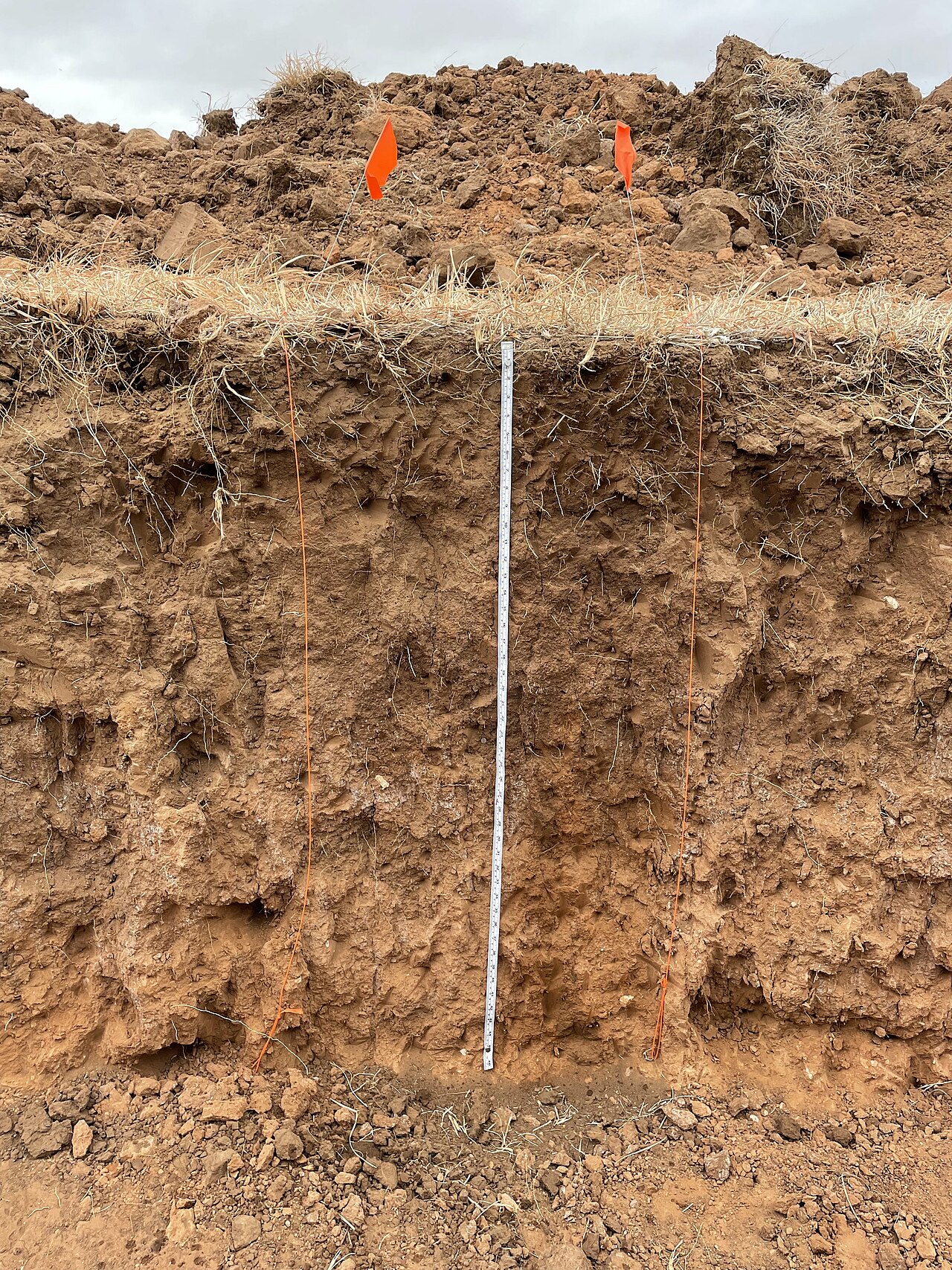
Hazelnuts have a shallow but widely spread root system. According to several sources in domestic literature, the main mass of roots (about 80%) is located at a depth of 10 to 40 cm, while the primary root mass reaches 40–50 cm; individual roots can penetrate deeper than 70 cm, anchoring the plant and providing water during dry periods. Precisely because the root "lives" in the upper soil layer, the quality of these first 40–50 cm determines everything — from water and oxygen supply to nutrient uptake.
Another characteristic is sensitivity to stagnant water. Hazelnuts cannot tolerate high groundwater levels or surface water retention; under such conditions, root asphyxiation (suffocation) occurs, roots rot, trees become stunted, and eventually die. Soils that retain water — pseudogleys, micro-depressions, and swampy areas — should be decisively avoided.
The top 50 cm rule
Everything important for hazelnuts happens in the first 40–50 cm of soil. This layer must be fertile, loose, and permeable, and there should be no compacted or impermeable horizon below it that retains water or hinders root penetration.
Soil reaction (pH): how acidic or alkaline it can be
Soil reaction (pH) directly affects nutrient availability and the occurrence of physiological disorders. Sources vary in their ranges, which is logical as they depend on the measurement method (pH in KCl vs. pH in water) and local conditions, but the vast majority agree on the following: hazelnuts thrive best on slightly acidic to neutral soils.
What sources say about optimal pH
| Source / literature | Optimal pH | Tolerable range | Note |
|---|---|---|---|
| Hazelnut cultivation guide (advisory service) | pH (KCl) 5.5–6.5 | 5.0–8.0 | with analysis and liming as needed |
| Elaborate / practice in BiH and HR | pH (KCl) 5.0–7.5 | — | neutral reaction soils, mycorrhiza develops |
| Techno-economic guidelines (2006) | pH 6.5–7.5 | up to 8.0 | above pH 8, iron chlorosis occurs |
| Technological and economic characteristics of cultivation | pH 5.5–7.5 | — | does not tolerate dry and compacted soil |
| Foreign sources (Hazelnut Hub, etc.) | pH 6.0–7.0 | 5.0–9.0 | classic rule from practice |
From this, a practical conclusion emerges: aim for a pH (KCl) between 5.5 and 7.0, ideally around 6.0–6.5. Hazelnuts are relatively tolerant and can withstand a wider range (approximately 5.0 to 8.0), but the optimum for yield and root health lies in the slightly acidic to neutral zone.
Boundaries to respect
- Too acidic soil (pH below ~5.0): hinders nutrient uptake and microbial activity. It is corrected by liming exclusively based on soil analysis — the dose of liming material depends on the measured pH, texture, and soil buffer capacity.
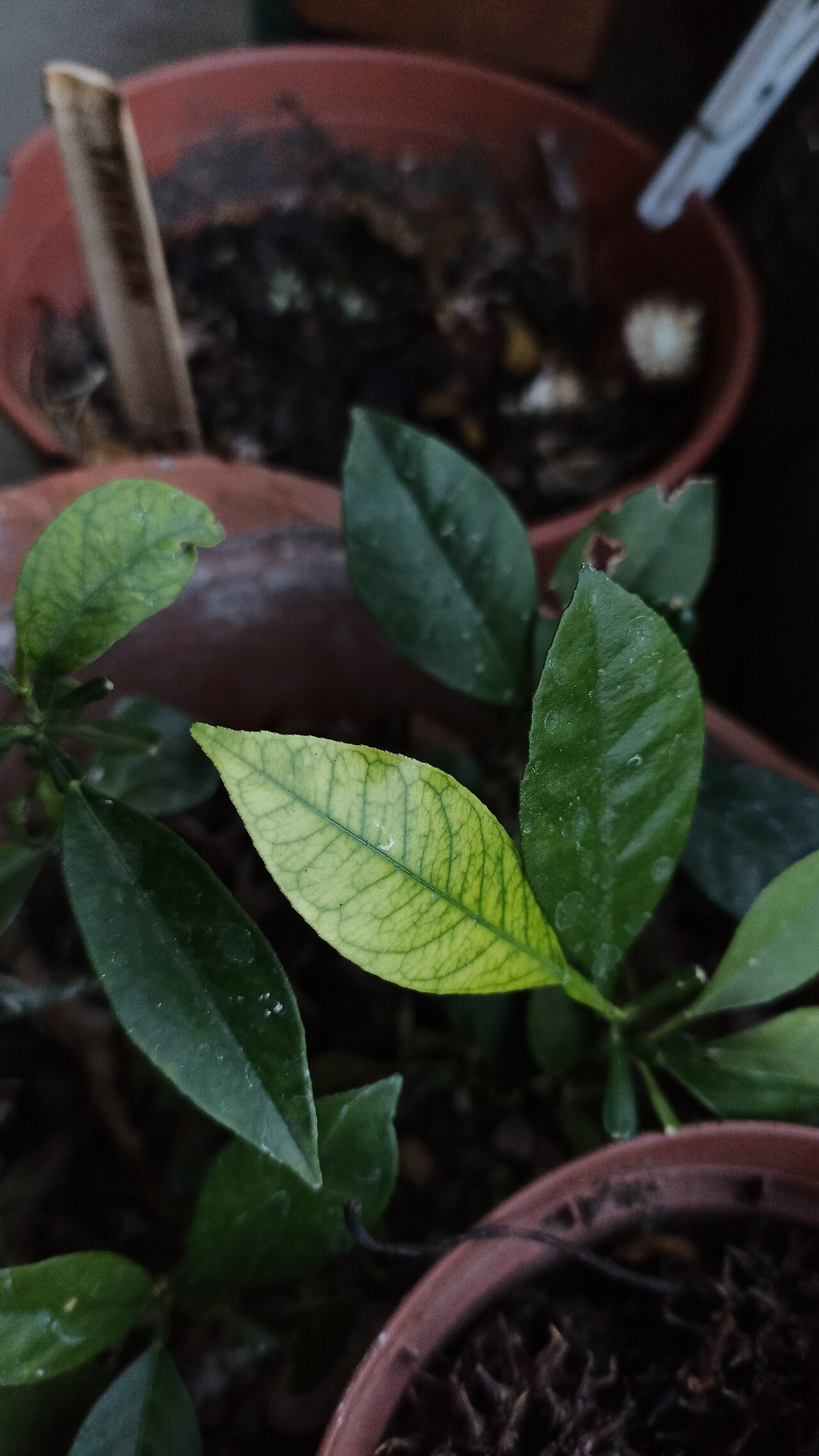
- Too alkaline / calcareous soil (pH above ~8.0): here the main danger is iron chlorosis ("yellowing"). Due to iron nutrition disorders, leaves turn yellow, photosynthesis weakens, and yield drops. Soils with higher amounts of active (free) lime should be avoided when establishing large orchards.
Active lime is more dangerous than pH itself
For alkaline soils, it is not just the number on the pH scale that matters, but the content of active (free) lime. High levels of active lime trigger iron chlorosis even on soils that appear acceptable on paper. Request the laboratory to determine active lime content if the soil is calcareous.
Other target agrochemical indicators
Domestic guides, along with pH, also list approximate target values for soil nutrients (informative, verify with analysis and recommendation for the specific location):
| Indicator | Approximate target value |
|---|---|
| pH (KCl) | 5.5–6.5 (tolerates 5.0–8.0) |
| Humus | 3–5 % |
| P₂O₅ | 10–20 mg / 100 g soil |
| K₂O | 15–25 mg / 100 g soil |
| Mg | 10–20 mg / 100 g soil |
Other literature also states that for hazelnut growth, sufficiently fertile soil containing over 3% humus, 250–300 ppm easily accessible potassium, and 120–140 ppm easily accessible phosphorus is sufficient. Numbers vary among sources — use them as a guide, and set specific fertilization targets according to soil analysis and advisory service recommendations.
Soil texture and depth: balance of water and air
Texture (mechanical composition) determines how much water the soil retains, how much it allows to pass through, and how much oxygen the root accesses. Hazelnuts seek a compromise: soil that holds enough moisture but never stagnates.
Ideal texture
Domestic and foreign sources agree on the following profile:
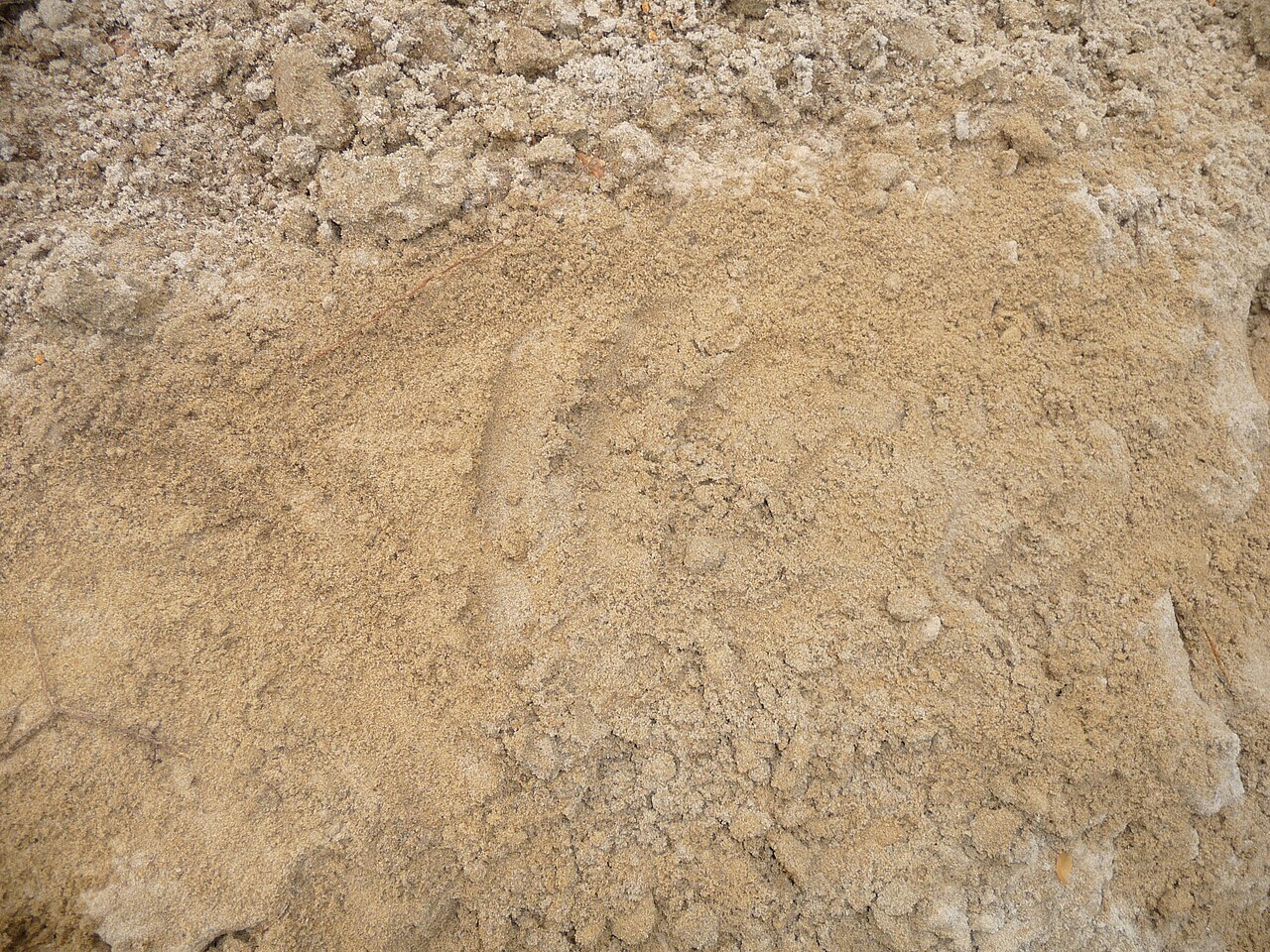
- The best are loose, sandy-loam soils with favorable structure (foreign sources mention clay-loam and sandy-clay textures).
- Hazelnuts tolerate calcareous loams and stony (gravelly) soils well — stones even help with permeability and water drainage.
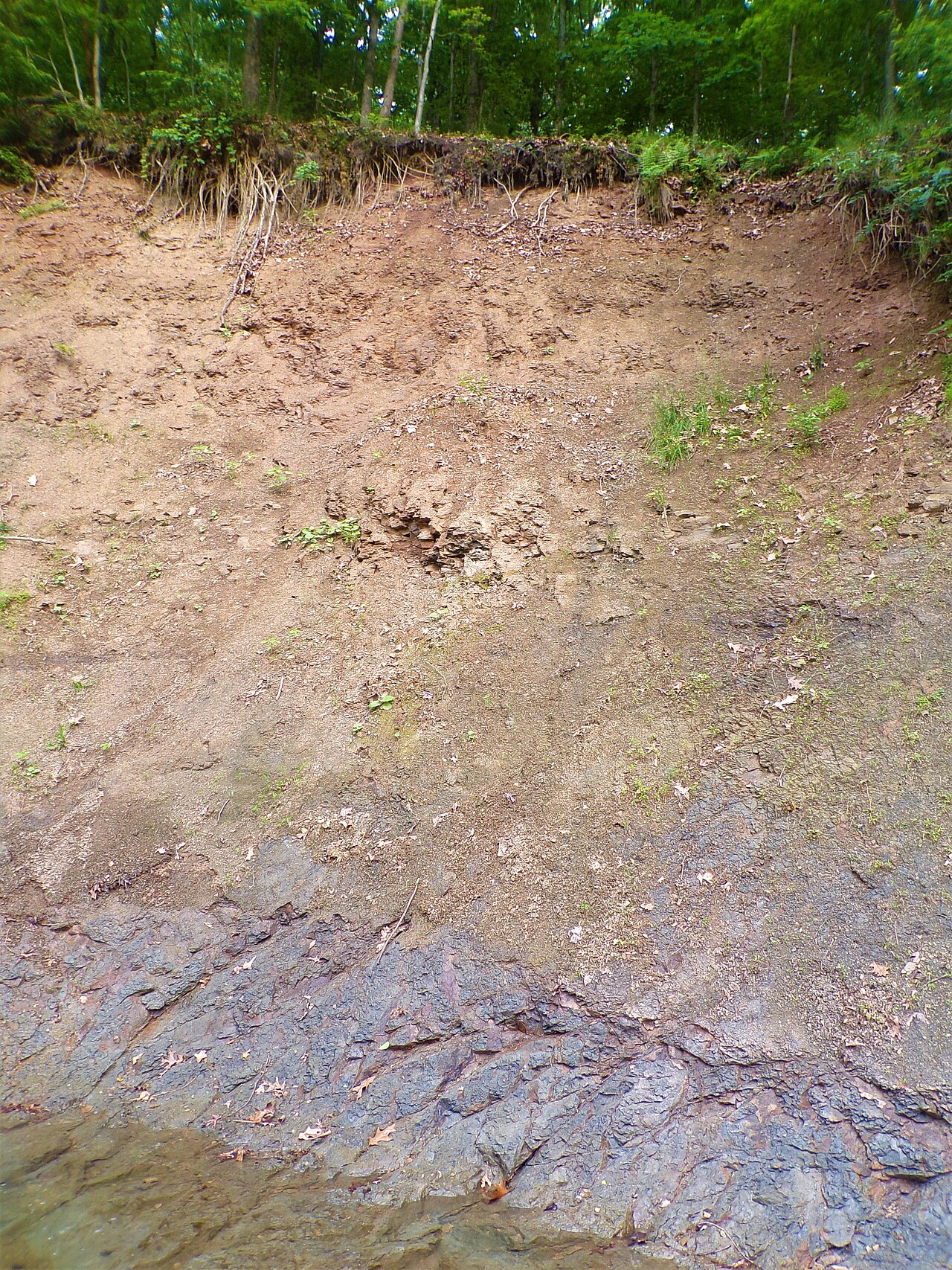
- Too clayey, heavy, and compacted soils as well as pseudogley areas with water retention should be avoided.
One source also provides an approximate target mechanical composition for commercial cultivation: about 15–20% clay, 15–20% colloids, 20–30% fine sand, and 30–50% coarse sand. This is an indicative picture of "ideal" permeable yet sufficiently moisture-retentive soil.
| Soil type / property | Rating for hazelnuts | Explanation |
|---|---|---|
| Sandy-loam, loose | Very good | balance of water and air, easy root penetration |
| Calcareous loam, stony soil | Good | good permeability, tolerates moderate lime |
| Chernozem, alluvium, luvisol (deep, fertile) | Very good | optimal water-air regime, abundant yield |
| Heavy, clayey, compacted | Poor | poor aeration, small and irregular yield |
| Pseudogley, micro-depressions, swamp | Unsuitable | water stagnation, root rot, decline |
| Soil with high groundwater | Unsuitable | root asphyxiation |
Soil depth
Given that the majority of roots live in the top 40–50 cm, hazelnuts can be grown even on shallower soils — especially if they contain sufficient moisture. However, for intensive cultivation, regular and abundant yield, deeper, well-drained soils are recommended that can accumulate larger amounts of physiologically active moisture within the profile. Irrigation is necessary on shallower soils.
Foreign and domestic practical sources offer a simple field test: dig 2–3 pits to a depth of 1 meter in different parts of the parcel and inspect the layers. The soil is suitable if it has:
- a tillable layer of at least 50 cm, fertile and loose (not too clayey),
- no water-impermeable or compacted layers below — neither hard horizons that roots cannot penetrate nor clayey ones that do not allow water passage.
Dig a pit before signing the purchase agreement
A laboratory soil analysis will give you the chemistry (pH, humus, nutrients), but a profile pit to 1 m reveals the physics — compacted layers, impermeable horizons, and groundwater levels that a sample analysis will not show. Both steps are mandatory.
Depth preparation: deep plowing and subsoiling
Since hazelnuts spread their roots shallowly but widely, deep plowing is carried out before planting. Domestic sources provide approximate depths:
| Operation | Approximate depth | When / on what |
|---|---|---|
| Deep plowing (lighter soils) | not deeper than ~60 cm | loose, permeable soils |
| Deep plowing (standard for hazelnuts) | 40–60 cm | due to shallower roots, this is sufficient |
| Deep plowing (heavier soils) | 50–100 cm and deeper | until the impermeable layer is broken |
| Subsoiling | below the tillage depth | mandatory when a compacted horizon exists |
Lighter soils should be loosened more shallowly, and heavier soils until the impermeable layer is broken. Plowing is usually done in late summer (e.g., August), and the soil is left in furrows to settle naturally until planting. Dosages and depths are informative and depend on soil type and equipment.
Organic matter: the engine of fertility and permeability
Organic matter (humus) is a property that ties everything else together — it influences the chemical, physical, and biological properties of the soil simultaneously. According to agrochemical literature, organic matter:
- improves soil structure and regulates water-air relationships,
- increases the soil’s water-holding capacity — more humus means more available moisture, which is one of the most critical factors for growth,
- serves as a nutrient reservoir (N, P, S, B, Mo) that is gradually released to plants through mineralization,
- feeds soil microorganisms and promotes biological activity.
In this way, organic matter directly supports two previously described hazelnut requirements: better permeability (less stagnation) and improved water supply on shallower soils.
How much humus and how to increase it
The target humus content according to domestic guidelines is 3–5 %. Most Croatian soils range from 1 to 5 % organic matter, so increasing humus is part of the ameliorative preparation for poorer soils.
The most practical way to increase organic matter is the application of farmyard manure before planting. Literature cites an approximate dose:
| Measure | Approximate Dose (informational) | Note |
|---|---|---|
| Farmyard manure (ameliorative, pre-planting) | 20–40 t/ha | depends on initial humus content |
| Target humus content | 3–5 % | confirm with soil analysis |
Doses are informational
The quantities listed (e.g., 20–40 t/ha of farmyard manure, as well as targets for P, K, Mg) are taken from literature and serve only as a guide. Actual doses depend on the measured soil status, cultivar, location, and applicable regulations and product labels. Develop your fertilization and liming plan exclusively based on soil analysis and recommendations from the advisory service.
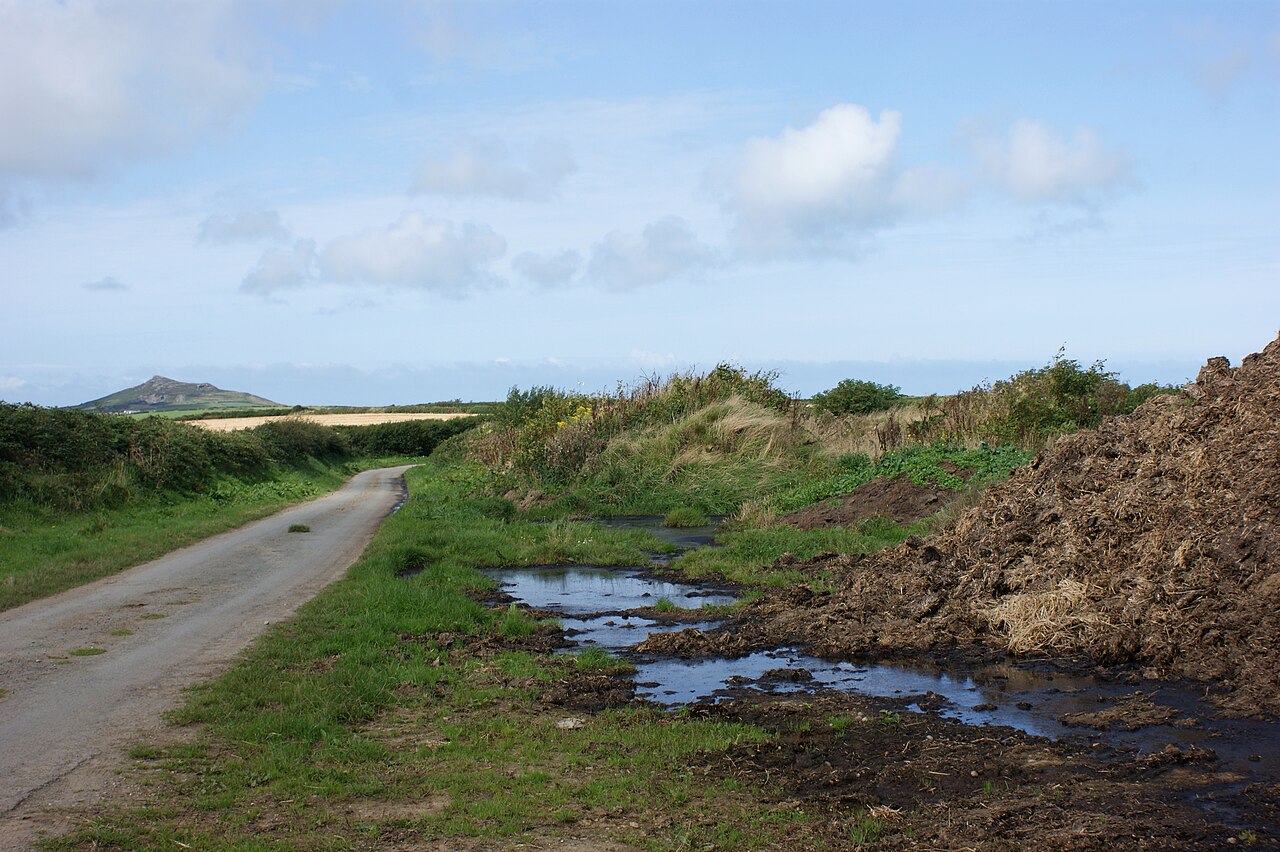
Mycorrhiza — the ally that comes with the right soil
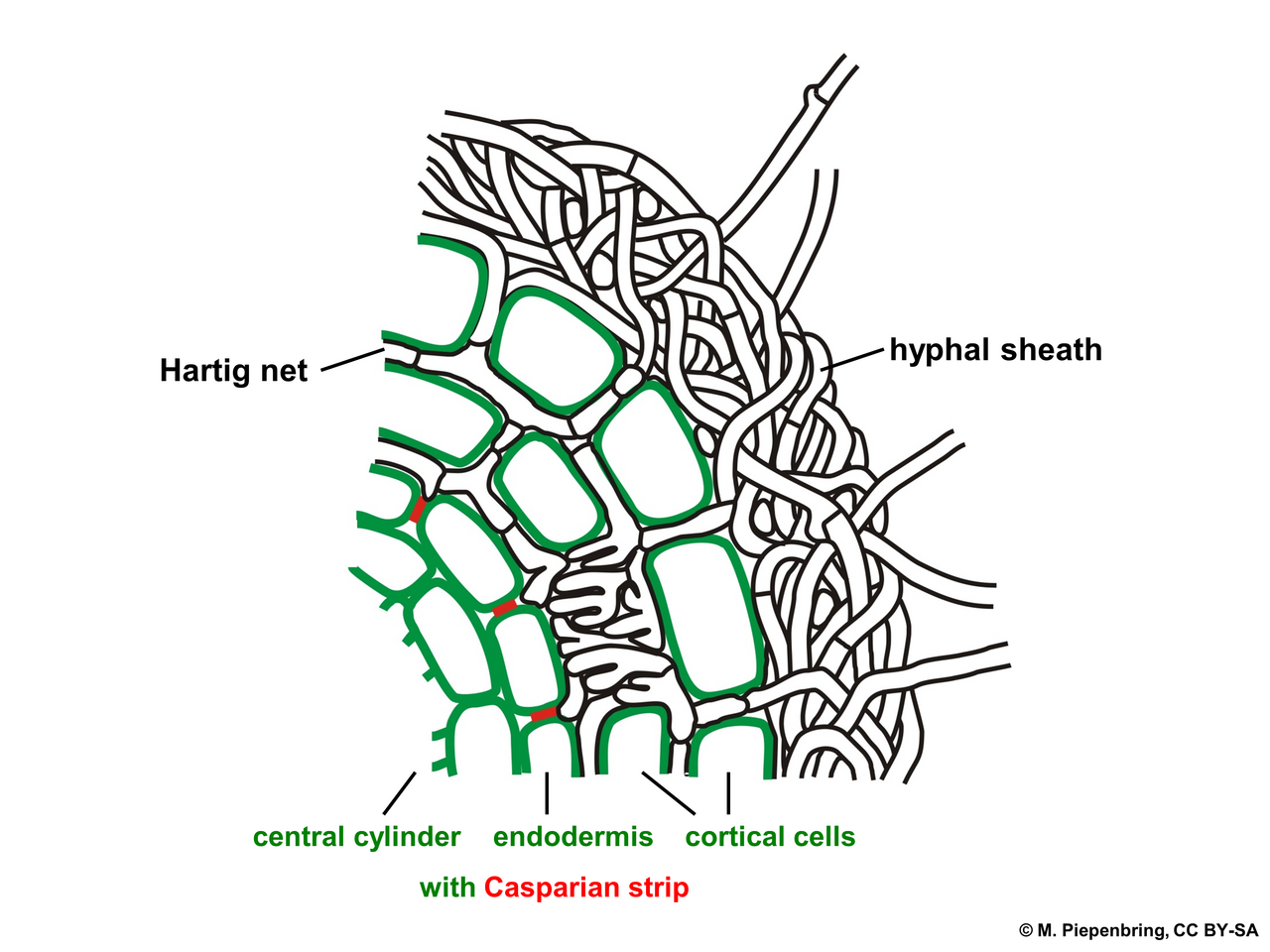
On soils with suitable reaction, sufficient humus, and favorable water-air relationships, ectotrophic mycorrhiza develops on hazelnut roots — a symbiotic fungus that contributes to better growth, productivity, and the overall health of the trees. Mycorrhiza is not something you buy as a first step; it establishes itself naturally when pH, structure, moisture, and organic matter are in balance. This is an additional reason to invest in soil quality, not just fertilization.
Practical recommendations and common mistakes
Recommended order for site assessment:
- Laboratory soil analysis — pH (KCl), humus, P, K, Mg; on calcareous soils, also active lime.
- Profile pit to 1 m at 2–3 locations — check for compacted layers, impermeable horizons, and groundwater.
- Assessment of drainage and micro-relief — avoid depressions and areas where water accumulates.
- Ameliorative preparation — liming or acidification based on analysis, application of farmyard manure, deep ripping/subsoiling.
- Re-check pH after liming, before planting.
Most common mistakes:
- Planting on pseudogley or in micro-depressions. Water stagnation = root rot and gradual orchard decline. Irreparable without expensive drainage.
- Ignoring active lime on calcareous soils. The result is chronic ferrochlorosis, which is difficult and costly to control permanently.
- Relying solely on pH in water (H₂O). Domestic standards often cite pH in KCl; mixing methods leads to incorrect assessment of liming needs.
- Skipping the profile pit. A sample analysis does not reveal a compacted impermeable layer at 40–60 cm that suffocates the shallow hazelnut root system.
- Planting on heavy, compacted soil without subsoiling. Results in low and irregular yields.
- Neglecting organic matter. Without sufficient humus, the soil holds less water and nutrients, and beneficial mycorrhiza is absent.
Summary of target values
| Property | Target for hazelnut |
|---|---|
| pH (KCl) | 5.5–7.0 (optimum ~6.0–6.5); tolerates 5.0–8.0 |
| Texture | Loose, sandy-loam; tolerates calcareous loams and stony soils |
| Avoid | Heavy/clayey/compacted soils, pseudogley, high groundwater |
| Cultivated/fertile layer | ≥ 50 cm, without an impermeable horizon below |
| Main root zone | 10–40 cm (primary mass up to 40–50 cm) |
| Humus | 3–5 % |
| Drainage | Essential good drainage; no water stagnation |
Gallery
Sources
This article is an AI-generated summary compiled from a collection of hazelnut literature (internal RAG corpus) and publicly available sources. Values, doses, and timelines are informational and require confirmation via soil analysis and consultation with the advisory service. Main sources used:
- Hazelnut Cultivation Guide — Ministry of Agriculture, Advisory Service (savjetodavna.mps.hr) — https://savjetodavna.mps.hr/wp-content/uploads/2025/03/Uzgoj-lijeske.pdf
- From Planting to Harvest of Hazelnuts — savjetodavna.mps.hr — https://savjetodavna.mps.hr/2017/10/24/od-sadnje-do-berbe-lijeske/
- Environmental Impact Assessment — Establishment of a permanent hazelnut and plum orchard (Grubišno Polje), bbz.hr — https://bbz.hr/doc/uprava/elaborat_zastite_okolisa_visegodisnji_nasadi_lijeske_i_sljive.pdf
- Mechanization in hazelnut production and processing (Minas-Zrno company), 2021. — RAG corpus
- Economic analysis of hazelnut production, 2023. — RAG corpus
- Hazelnut Cultivation (book, 2017.) — RAG corpus
- "Our Land and Italian Hazelnuts Together" (manual, BiH) — RAG corpus
- Establishment of new fruit orchards (techno-economic guidelines), 2006. — RAG corpus
- Agrochemical indicators of soil fertility and the impact of subsidized soil analysis in eastern Croatia, 2019. — RAG corpus
- Hazelnut Cultivation (pdfcoffee), 2009. — RAG corpus
- Hazelnut / Hazelnut — Vrtlarica.hr — https://www.vrtlarica.hr/sadnja-uzgoj-lijeske/ and https://www.vrtlarica.hr/ljesnjak-sadnja-uzgoj/
- The Best Soil Types for Growing Hazelnuts — Hazelnut Hub — https://hazelnuthub.com/the-best-soil-types-for-growing-hazelnuts-a-comprehensive-guide/
- Best Soil for Your Hazelnut Tree — Greg.app — https://greg.app/hazelnut-tree-soil/
- Planting Filbert/Hazelnut Trees — Stark Bro's — https://www.starkbros.com/growing-guide/how-to-grow/nut-trees/filbert-hazelnut-trees/planting
Recommended equipment
🔎 soil ph test kit — Amazon →Affiliate links — we may earn a small commission at no extra cost to you.
Handheld Soil pH Meter
For rapid field checks, but always confirm with laboratory analysis.
| Use Case | Option Type | What to Check Before Purchase |
|---|---|---|
| Quick field screening | Portable digital meter | Calibration stability and probe durability |
| Routine monitoring | Analog or digital | Temperature compensation features |
| Verification needed | Professional lab test | Sample preparation and reporting standards |