Hazelnut Kernel Rot (Nematospora coryli) and the Complex of Fungi in the Nut
Content generated by artificial intelligence — verify before application
This article was automatically compiled from a collection of hazelnut literature using artificial intelligence and may contain errors or outdated information. It serves as a starting point for further research, not as professional advice. Dosages, products, and timing are informative and depend on the cultivar, location, and current regulations — always consult with an advisory service and official sources before application.
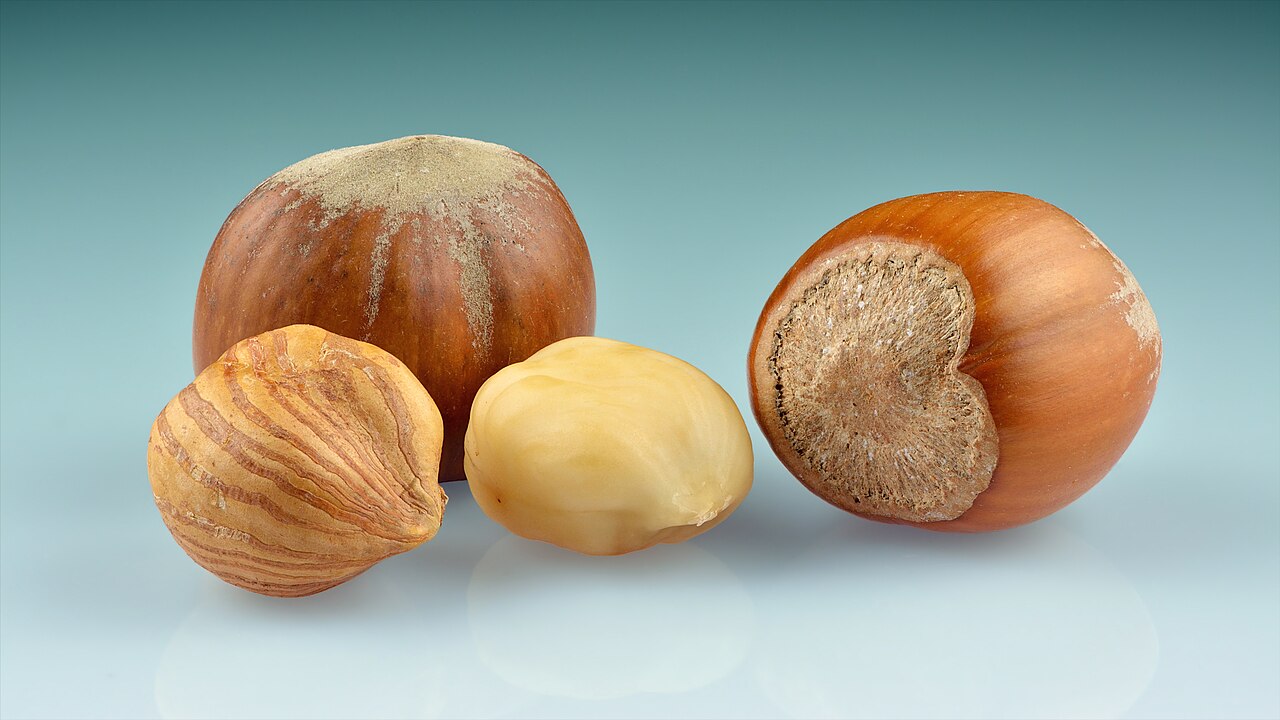
Hazelnut kernel rot is among the most insidious and economically costly quality issues in hazelnut production. Unlike diseases visible on the shell or leaves, this problem most often hides inside seemingly healthy nuts: the shell may look flawless, but the kernel is browned, shriveled, sour-bitter, and completely worthless. The causal agent is a yeast-like fungus Nematospora coryli (now under the accepted name Eremothecium coryli), but in practice, it rarely acts alone — it almost always occurs as part of a complex of phytopathogenic fungi (genera Diaporthe/Phomopsis, Alternaria, Colletotrichum, Rhizopus, and others). A key feature of this disease is that it is transmitted by true bugs: the fungus cannot penetrate a healthy nut on its own, but enters through puncture channels created by the bug's rostrum. Therefore, controlling kernel rot is primarily a matter of bug control, and only secondarily a matter of fungicide protection.
Causal Agent and Nomenclature
The disease is caused by a yeast-like (ascomycete) fungus known in older literature as Nematospora coryli Peglion, 1901. In newer taxonomy, the species has been moved to the genus Eremothecium, so it is also encountered under the name Eremothecium coryli — these are synonyms for the same organism. In English literature, the disease is called kernel spot, yeast spot, or kernel dry rot, and in Croatian sources, it is known as hazelnut kernel rot or „dry rot" of the kernel.
This is a polyphagous fungus with a wide host range: in addition to hazelnut, it attacks soybean, tomato, cotton, citrus, and a number of other crops, always in the same pattern — as a pathogen spread by piercing-sucking insect bites. This is precisely why, in Croatian plant protection literature (Cvjetković, Mycoses and Pseudomycoses of Fruit Trees and Grapevines, 2010.), it is included among fungi whose epidemiology is inseparable from pest vectors.
The disease is widespread and confirmed in Croatia. Laboratory analyses (morphological and molecular identification at the Plant Protection Center, Zagreb) confirmed the presence of Nematospore coryli on family farms, and monitoring of commercial orchards in Osijek-Baranja County (2023) identified, along with it, a complex of genera Alternaria spp., Phomopsis spp., Colletotrichum spp., and Rhizopus spp. in infected nuts after harvest.
How Infection Occurs: Bugs as Vectors
The central mechanism of the disease is the transmission of spores via bug bites. True bugs (Hemiptera, family Pentatomidae and related) feed by piercing and sucking — they pierce the shell and nut with their rostrum (stylet) and suck out the contents. In doing so, they transfer fungal spores from nut to nut with their mouthparts, and the puncture channel simultaneously serves as an entry point through which the fungus reaches the kernel. Without this injury, the fungus typically cannot infect a healthy, undamaged nut.
In Croatian orchards, numerous phytophagous true bugs appear as vectors and pests of the kernel:
| Bug Species | Latin Name | Note |
|---|---|---|
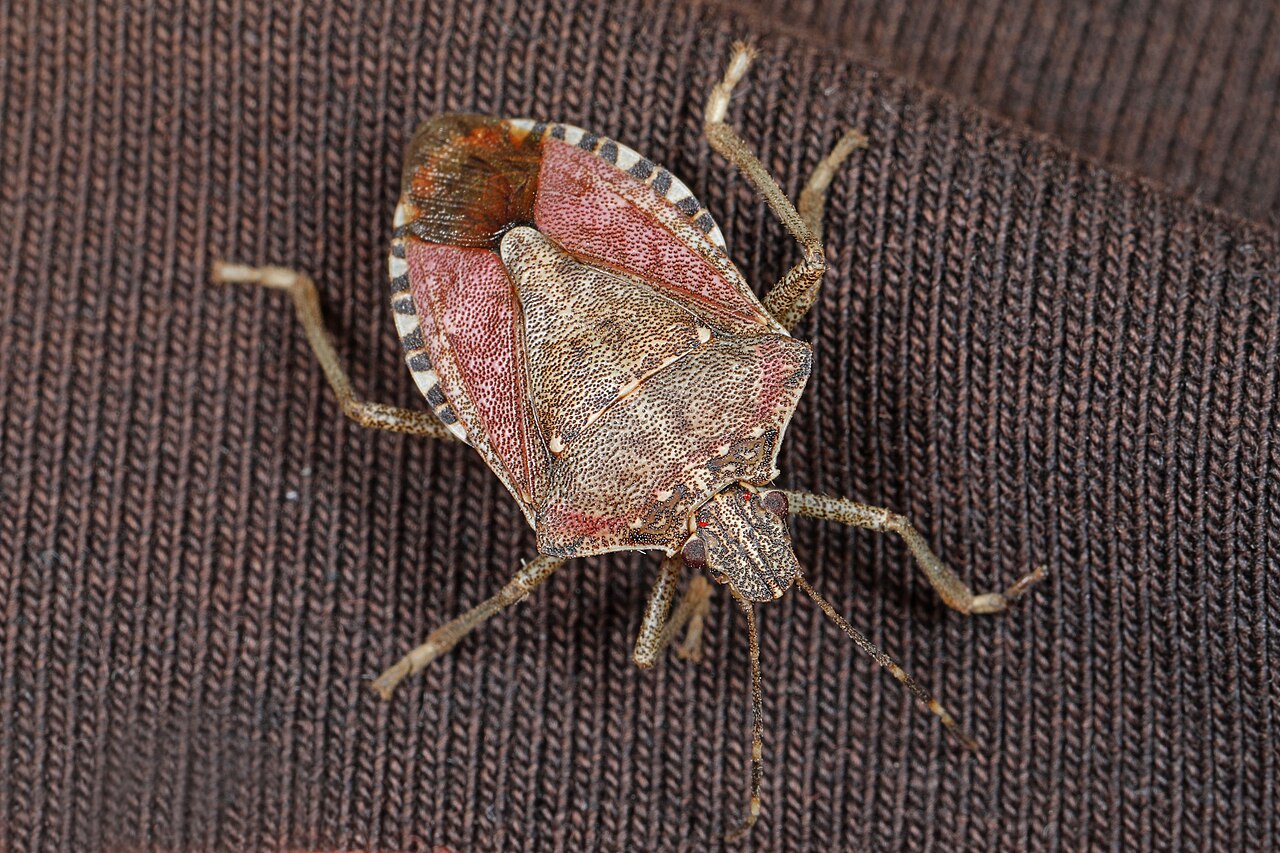
| Brown Marmorated Stink Bug | Halyomorpha halys | Invasive, in Italy since 2007; confirmed vector and most aggressive kernel pest |
| Green (Vegetable) Stink Bug | Nezara viridula | Associated with "white spot" of the kernel |
| Green Forest Bug | Palomena prasina | Common in hazelnut orchards |
| Border Bug | Gonocerus spp. | Population growth in recent years |
| Mottled Bug | Dolycoris spp. | Phytophagous, damages the nut |
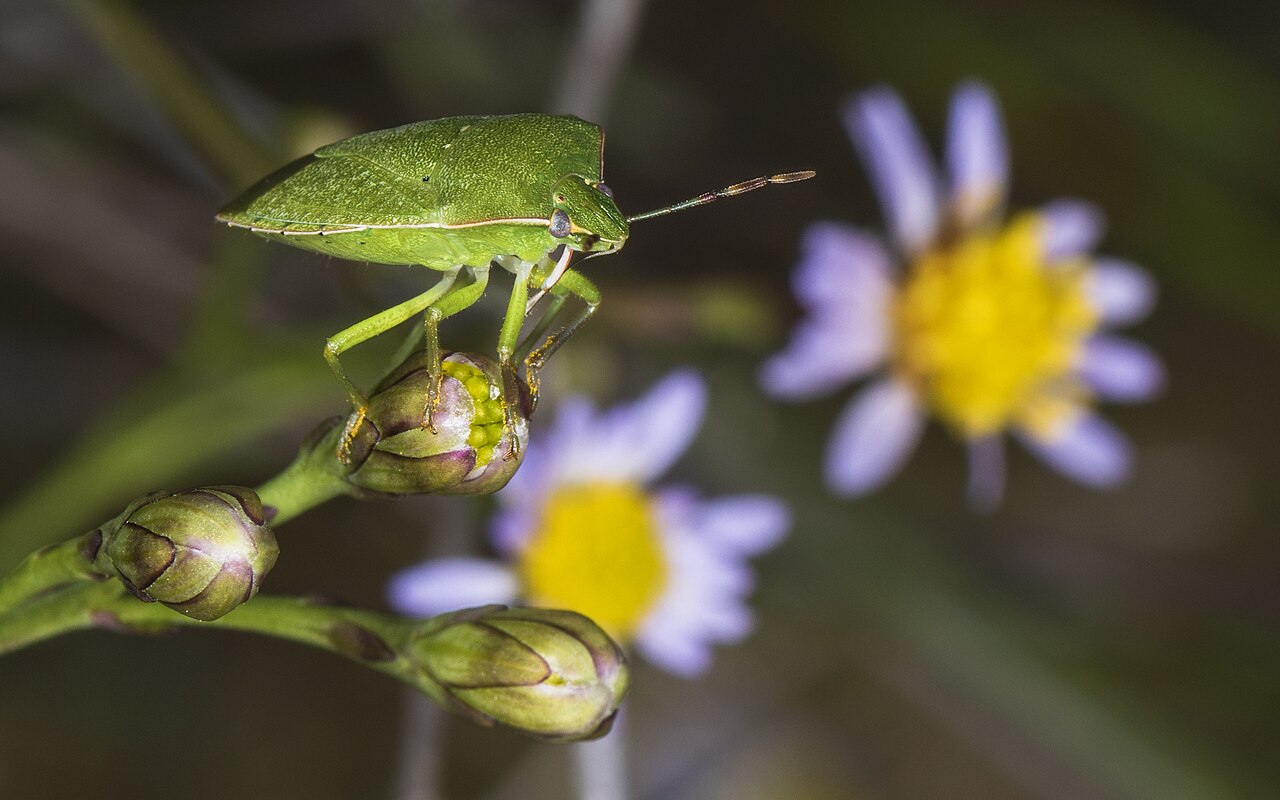
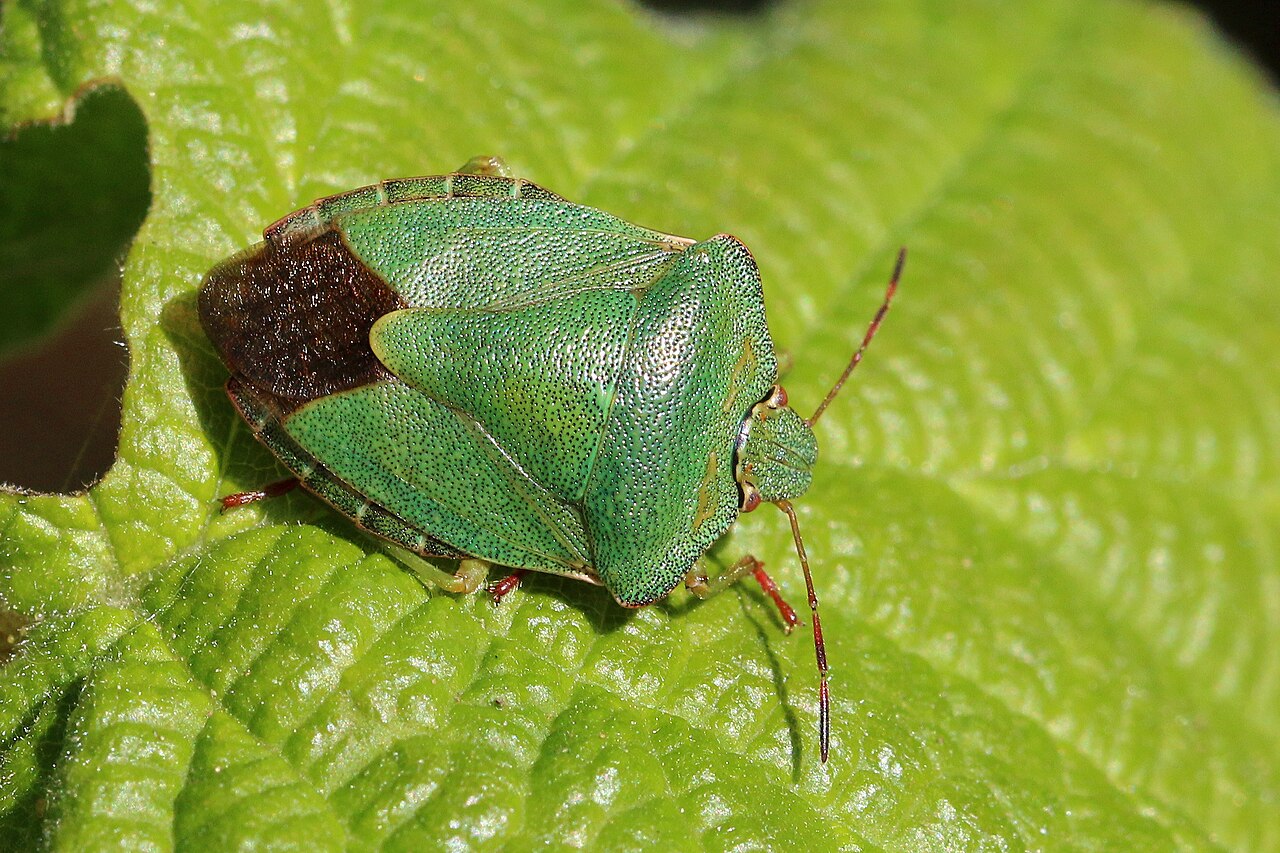
Special attention is deserved by the brown marmorated stink bug (Halyomorpha halys, BMSB). This is an invasive species that is spreading rapidly and causing increasing damage to hazelnuts in Italy and elsewhere. Necrotic (brown, "burnt") kernel is one of the most important types of damage from BMSB feeding, and the chemical composition of kernels damaged by this bug also changes (increase in certain phenols such as catechins and epicatechins, changes in fatty acids). In the literature, H. halys is cited as a vector in the transmission of Nematospore coryli which causes dry kernel rot.
Key to Understanding
Direct damage from bug feeding (sucked-out nuts) is often smaller than the indirect damage that occurs from the subsequent development of rot fungi in the puncture wounds. In other words, the bug is dangerous not only because it "eats" part of the kernel, but because it opens the door to fungi.
Two Types of Symptoms: Traumatic Abortion and Late Attack
The most important practical insight is that the timing of the bite determines the appearance of the damage. Symptoms differ significantly depending on whether the bug bit the nut while the kernel was just forming or when the kernel was already developed.
Type 1 — Early Attack / Traumatic Abortion (May–June)
When bites occur early, in May and June, during the time when the nut kernel is just forming, early damage known as traumatic abortion occurs:
- The kernel stops developing — growth ceases.
- The embryo turns black, necrosis occurs, the kernel rots and dries out.
- A hollow space remains inside the shell (the nut is "empty," almost weightless).
- Brown droplets are visible on the inside of the shell.
Brown droplets on the inner wall of the shell are an important diagnostic sign of a parasitic (fungal) cause. If the failure to form the seed is caused by a non-parasitic factor (poor pollination, lack of moisture, physiological shedding), droplets do not form. This is a simple field test for distinguishing "true" abortion from physiological empty shells.
Type 2 — Late Attack on Formed Kernel
When the bite occurs later, when the kernel is already formed, the kernel survives but becomes defective:
- The kernel takes on a yellow to brown color.
- The taste becomes sour, sometimes bitter — the kernel loses all nutritional attributes.
- The most common symptom is necrosis of the kernel tip, usually located a few millimeters inside the kernel; the tips become shriveled and dark.
- Symptoms first develop between nut ripening and during drying after harvest.
A very important warning detail: in some cases, the inside of the nut can be infected without any changes being visible on the shell surface. Therefore, the true extent of damage is often seen only after harvest and drying, when nuts are opened or when machines recognize "empty" nuts as waste.
| Feature | Early Attack (Traumatic Abortion) | Late Attack on Formed Kernel |
|---|---|---|
| Bite Time | May–June (kernel just forming) | After kernel formation, until ripening |
| Kernel Fate | Turns black, necrosis, dries out → empty shell | Yellow-brown, shriveled dark tip |
| Taste | — (no kernel) | Sour / bitter |
| Visibility | Empty, light nut; brown droplets inside shell | Often shell looks healthy outside; damage visible after opening |
| Main Consequence | Complete loss of nut | Inedible, non-marketable kernel |
Complex of Fungi in the Nut (Not Just Nematospora)
In practice, "kernel rot" is rarely the work of a single pathogen. Behind the symptoms lies a complex of fungi that colonize the nut through the same wounds (bug and filbert weevil bites) or in humid conditions:
- Nematospora / Eremothecium coryli — yeast-like, dry kernel rot; primary "specialist" for the kernel, associated with bugs.
- Diaporthe / Phomopsis spp. — regularly isolated from infected nuts; involved in kernel and mesocarp rot.
- Alternaria spp. — frequent companions, especially on damaged and humid nuts; contribute to kernel browning and mold.
- Colletotrichum spp. — associated with anthracnose/spots, isolated from the complex.
- Rhizopus spp. — typical mold of humid, damaged nuts and poor drying/storage conditions.
Italian long-term monitoring (2016–2019) documented that the isolation rate (percentage) of individual phytopathogenic fungi changes through four phenological phases of hazelnut development — meaning that different fungi "take over" the nut at different periods of the season. The practical message: there is no single "magic" treatment timing that covers all causal agents; protection must follow phenological phases and, above all, the population of vectors.
Distinguishing from Monilinia and Other Rots
Kernel rot (Nematospora) is regularly confused with monilinia in literature because both problems result in ruined nuts. Distinguishing them is important because the control strategy also differs (for Nematospora, the focus is on bugs; for monilinia, on moisture and fungicide protection of the mesocarp).
| Feature | Kernel Rot (Nematospora/Eremothecium coryli) | Brown Nut Rot (Monilinia/Monilia spp.) |
|---|---|---|
| Where the Damage Is | Primarily inside the nut — kernel | Primarily on the shell and mesocarp (outer part) |
| Typical Appearance | Yellow-brown, shriveled kernel; empty shell; brown droplets inside | Light brown to chestnut spots on the shell that spread; affects bracts as well |
| Entry Point | Almost exclusively through bug bites | Through wounds (filbert weevil, bugs, hail); does not penetrate undamaged tissue |
| Conditions | Associated with presence of bugs | Favored by moisture / heavy rains in May and June |
| Nut Behavior | Nut remains, but is ruined inside | Early attack causes nuts to fall off (some remain on branches until autumn) |
| Leading Measure | Bug control | Sanitation (removal of rotten nuts), control of wound-causing pests, fungicides |
Additionally, bacterial pathogens (Pseudomonas syringae pv. avellanae — causes canker lesions on branches and exudate) and gray spot of hazelnut should be distinguished, which can appear simultaneously. In case of suspicion of kernel rot, safe confirmation comes only through laboratory (morphological and molecular) analysis of kernel samples.
Quick Field Test
Open suspicious "empty" or light nuts. Brown droplets on the inner wall of the shell indicate a parasitic (fungal) cause — i.e., kernel rot associated with bites. The absence of droplets in an empty shell more often means poor pollination or physiological abortion, not Nematospora.
Approach to Control Through Stink Bug Management
Since the fungus enters through wounds, the most effective measure against kernel rot is to prevent stink bug and other fruit-damaging pest feeding. Chemical control targeted solely at fungi has limited efficacy if stink bug populations remain high.
1. Monitoring and Timing
- Regularly inspect the orchard and monitor stink bug populations (visually, by shaking branches, and where applicable, using pheromone/light traps for H. halys).
- Treatment in the literature is recommended when the first signs of insect feeding damage on nuts are observed, most commonly in late May and early June — this is also the period of the most dangerous early feeding injuries (traumatic abortion).
- Monitor hazelnut weevil (Curculio nucum): its economic injury level is roughly indicated at 3–4 adult beetles per bush (note that these figures are indicative and depend on cultivar, location, and monitoring method).
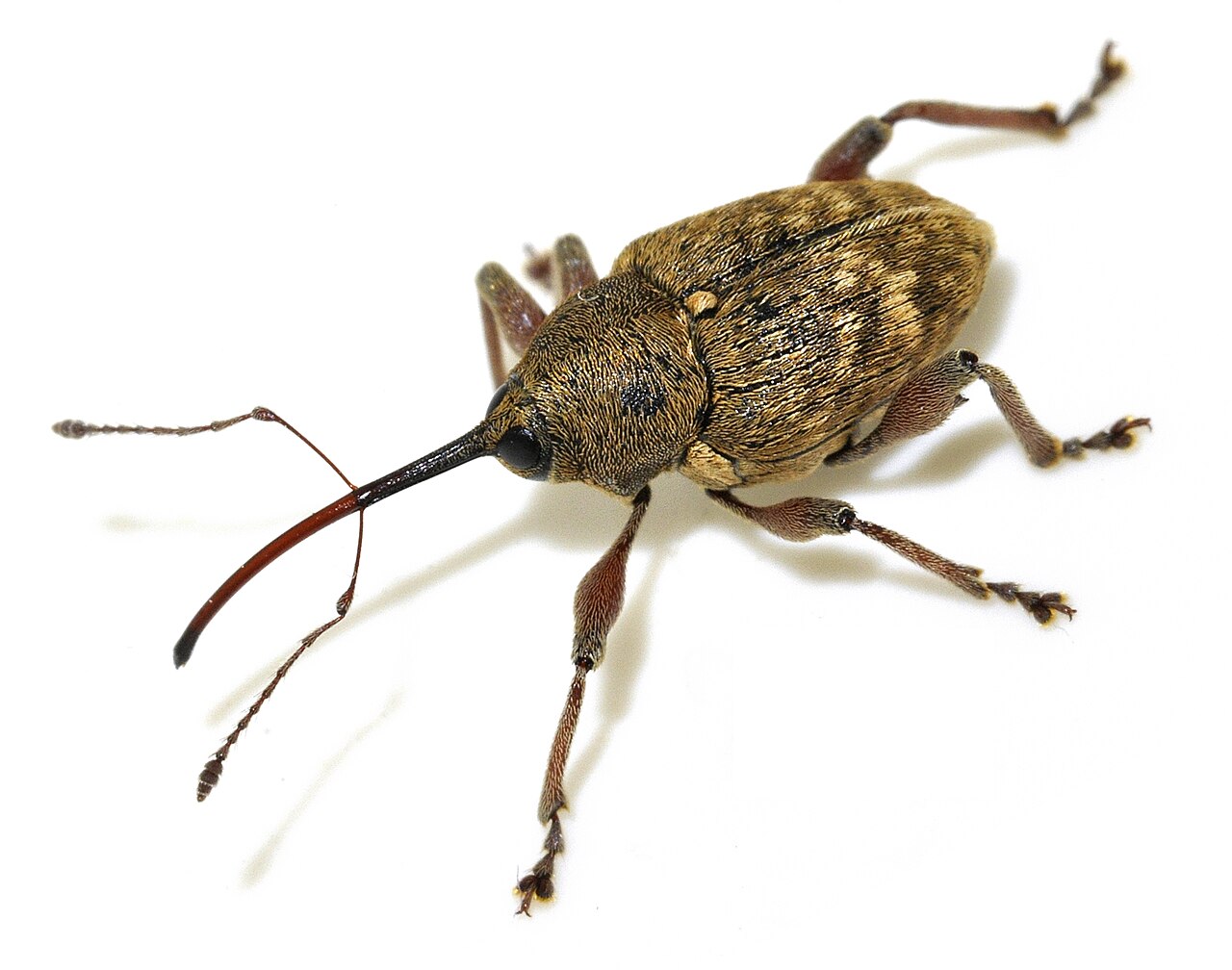
2. Vector Control (Stink Bugs and Hazelnut Weevil)
The status of registered products changes (withdrawals, new EU/HR regulations), so the following information should be considered strictly informative and current registration verified in the FIS database (Ministry of Agriculture) and on the product label:
| Pest | Preparations cited in literature | Status / Note |
|---|---|---|
| Hazelnut weevil (Curculio nucum) | Calypso SC 480 (thiacloprid) | Thiacloprid is withdrawn in the EU — check for current alternatives! |
| Stink bugs | Asset, NeemAzal-T/S (azadirachtin) | For phytophagous stink bugs, there is often no specifically registered preparation; some control is achieved with the hazelnut weevil product |
| Gray leaf spot / brown nut rot | Signum (boscalid + pyraclostrobin) | Fungicide; also acts on agents of brown nut rot |
| Nut rot / bacterial canker | Bordeaux mixture WP, 0.5% (2×), pre-harvest interval (PHI) 15 days | Copper; informative according to Šubić (2019.) |
Doses and products are informative
The listed doses (e.g., Bordeaux mixture 0.5%, 2 treatments, 15-day PHI) and products are taken from literature and may be outdated or withdrawn. Thiacloprid (Calypso) and many other substances have since lost their authorization in the EU. Before any application, always verify the current registration, approved crop, dose, number of treatments, and PHI on the label and with the advisory service.
3. Orchard Agronomy and Hygiene
- Sanitation: Remove and dispose of rotten and dropped nuts; plowing infected nuts into the soil reduces the source of infection for the next season (also applies to monilinia).
- Tilling / soil cultivation under the canopy helps control hazelnut weevils (reduces the number of beetles damaging nuts).
- Irrigation and balanced moisture: Stress and poor pollination increase the proportion of defective nuts; simultaneously, avoid prolonged humidity that favors the fungal complex.
- Proper and rapid harvest and drying (see below) — shortens the period during which wet nuts can develop rot.
4. Harvest, Drying, and Storage
Part of the complex (especially Rhizopus, Alternaria) thrives in wet nuts after harvest, and Nematospore symptoms at the kernel tip are most clearly visible precisely during drying. Therefore, post-harvest management is as important as orchard protection:
- Pick up nuts quickly and do not leave them on wet soil for long.
- Dry as soon as possible to a safe kernel moisture content and store in a dry, ventilated place at lower temperatures.
- During processing/sorting, separate light and "empty" nuts (by blowing, gravity tables) — these are typically nuts with traumatic abortion.
Practical Recommendations and Common Mistakes
Recommendations:
- Treat the vectors, not just the fungus — without controlling stink bugs and hazelnut weevils, fungicides have little effect against kernel rot.
- The most dangerous window is May–June (early feeding = traumatic abortion). Invest the most attention in monitoring during this period.
- If in doubt, send samples for analysis (morphological + molecular identification) rather than guessing whether it is Nematospora, monilinia, or physiology.
- Keep records by season and phenophase — the proportion of different fungi changes throughout the season, so protection must be dynamic.
- Monitor the spread of the brown marmorated stink bug (H. halys) as an emerging threat and adjust measures to its biology.
Common Mistakes:
- Confusing with monilinia and incorrectly directing protection toward the shell rather than the vectors.
- Relying solely on fungicides while stink bug populations remain high.
- Delaying the first treatment — waiting until damage becomes visible, even though early feeding injuries (which result in empty nuts) have already occurred.
- Assuming a healthy shell = healthy kernel — infection can be internal without external signs.
- Poor drying and storage, giving the fungal complex additional time to develop rot after harvest.
- Using withdrawn products based on old recommendations — always check current registration.
Gallery
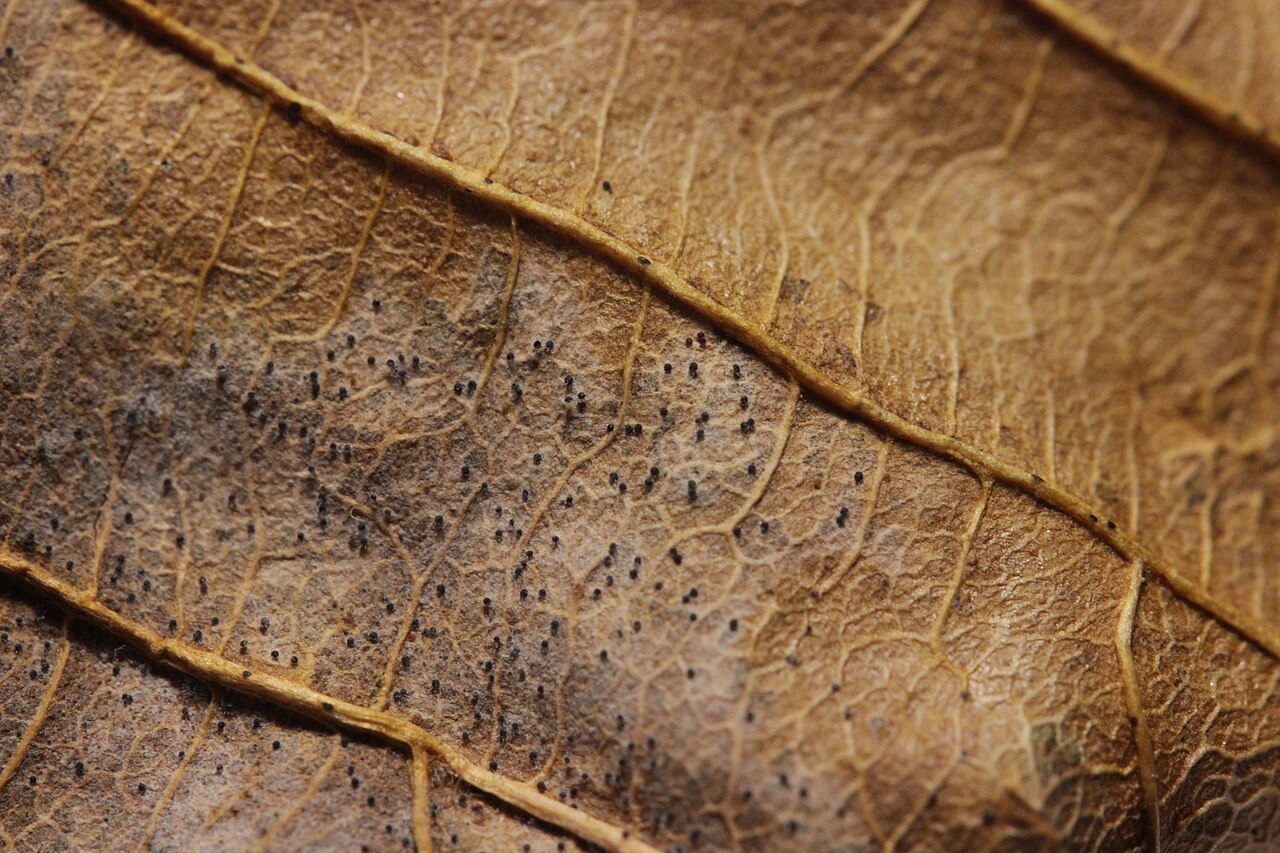
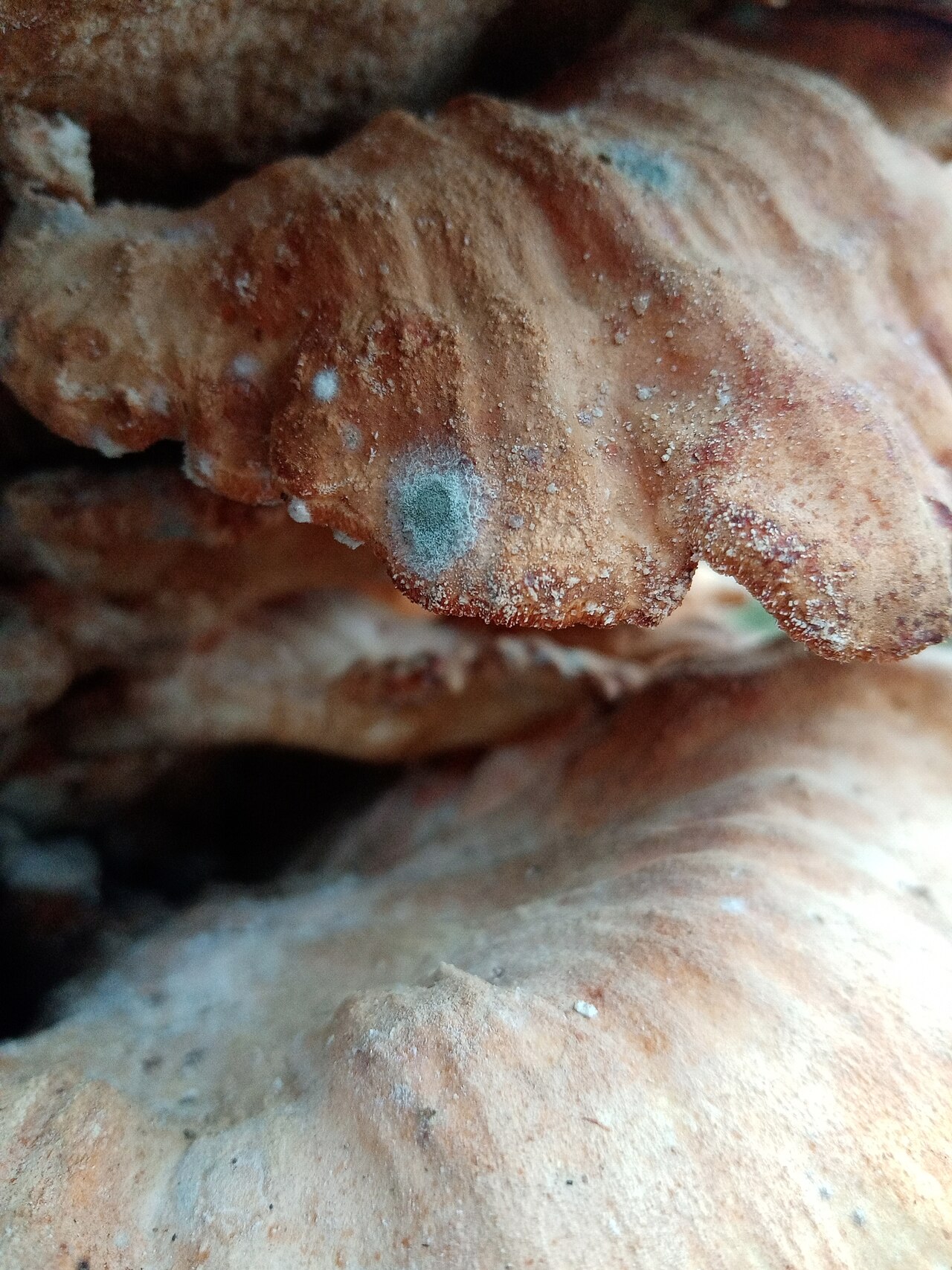
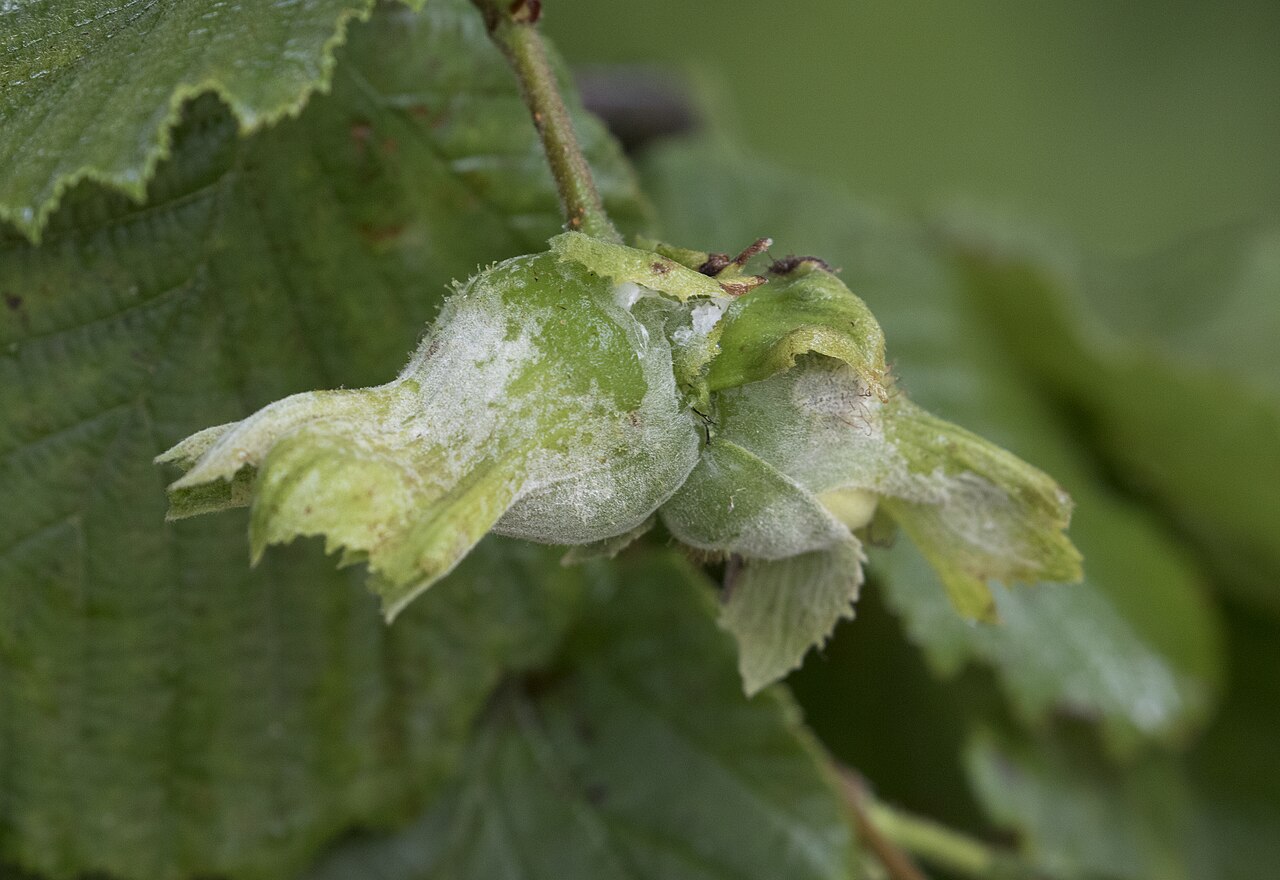
Sources
This article is an AI-generated summary compiled from an internal hazelnut literature collection (RAG corpus) and supplemented with public web sources. The content is informative and does not replace professional advice or current regulations. Main sources used:
From RAG corpus (hazelnut literature collection):
- Hazelnut Diseases and Pests — diploma/repository paper (2020.); Chapter 2.1.3. Hazelnut Kernel Rot, description of two symptom types (citing Cvjetković, 2010.).
- Hazelnut Diseases and Pests — overview of fungal, bacterial, and viral hazelnut diseases with a table of pathogens and approved fungicides (citing Šubić, 2019.).
- Hazelnut Cultivation and Protection on Family Farms (University of Josip Juraj Strossmayer, 2021.) — Nematospora coryli Peglion, necrosis of the kernel tip, symptom development during drying (citing Pscheidt et al., 2019.).
- Hazelnut Nut Rot Becomes a Very Serious Problem (2024.) — brown marmorated stink bug as a vector of Nematospore coryli; monitoring of the fungal complex (Alternaria, Phomopsis, Colletotrichum, Rhizopus) in Osijek-Baranja County.
- Notice to Hazelnut Producers (2017.) — gray leaf spot and kernel browning; registered preparations (Signum, Calypso SC 480, Asset, NeemAzal-T/S).
- Hazelnut Nut Rot Occurs at Sites of Pest Attack — Agroklub (2020.) — phytophagous stink bugs (Gonocerus, Palomena, Dolycoris), indirect damage from rot.
- Hazelnut Cultivation: Control Hazelnut Weevil by Tilling — Agroklub (2019.) — loss of >50% of crop due to rot on damaged nuts.
- Economic Analysis of Hazelnut Production (2023.) — laboratory confirmation of Nematospore coryli on family farms (citing Solina Međimurec et al., 2020.).
- Hazelnut Kernel Rot — Struna (Croatian Professional Terminology) — synonymy, Nematospora coryli Peglion 1901. (Cvjetković, Mycoses and Pseudomycoses of Fruit and Grapevine, 2010.).
Public Web Sources:
- PNW Plant Disease Management Handbook — Hazelnut (Corylus avellana) — Kernel Molds — https://pnwhandbooks.org/plantdisease/host-disease/hazelnut-corylus-avellana-kernel-molds
- CABI Compendium — Nematospora coryli (yeast spot) — https://www.cabi.org/isc/datasheet/36044
- First Report of Kernel Dry Rot Caused by Eremothecium coryli on Hazelnut in Northwestern Italy — https://www.researchgate.net/publication/326283677
- Fungi Associated with and Influence of Moisture on Development of Kernel Mold of Hazelnut — Plant Disease (APS) — https://apsjournals.apsnet.org/doi/10.1094/PDIS-09-18-1520-RE
- Characterization of hazelnut kernel responses to brown marmorated stink bug (Halyomorpha halys) infestations — ScienceDirect — https://www.sciencedirect.com/science/article/abs/pii/S0889157523005707
- Symbiont-Targeted Control of Halyomorpha halys ... in a Hazelnut Orchard — https://www.ncbi.nlm.nih.gov/pmc/articles/PMC12294827/
- Eremothecium ashbyi causes soybean yeast-spot and is associated with stink bug — Springer — https://link.springer.com/article/10.1007/s10327-008-0097-1
- Brown Marmorated Stink Bug — US EPA — https://www.epa.gov/safepestcontrol/brown-marmorated-stink-bug