Food Safety, HACCP, and Aflatoxin Control Under EU Regulations
Content generated by artificial intelligence — verify before application
This article was automatically compiled from a literature corpus on hazelnuts using artificial intelligence and may contain errors or outdated information. It serves as a starting point for further research, not as professional advice. Dosages, products, and timelines are informative and depend on the cultivar, location, and applicable regulations — always consult an advisory service and official sources before implementation.
Hazelnut (the nut of the hazel plant, Corylus avellana) is a food product where the greatest health risk is of a chemical nature — contamination with aflatoxins, secondary metabolites of molds from the genus Aspergillus (especially A. flavus and A. parasiticus). Therefore, it is essential for every hazelnut producer, buyer, and processor to understand how the food safety system based on HACCP principles works, what the EU limit values for aflatoxins are, how sampling is conducted, and what the hygiene obligations are for food business operators. This article connects these four pillars into a practical whole for the Croatian grower and processor.
Why aflatoxins are the primary hazard for hazelnuts
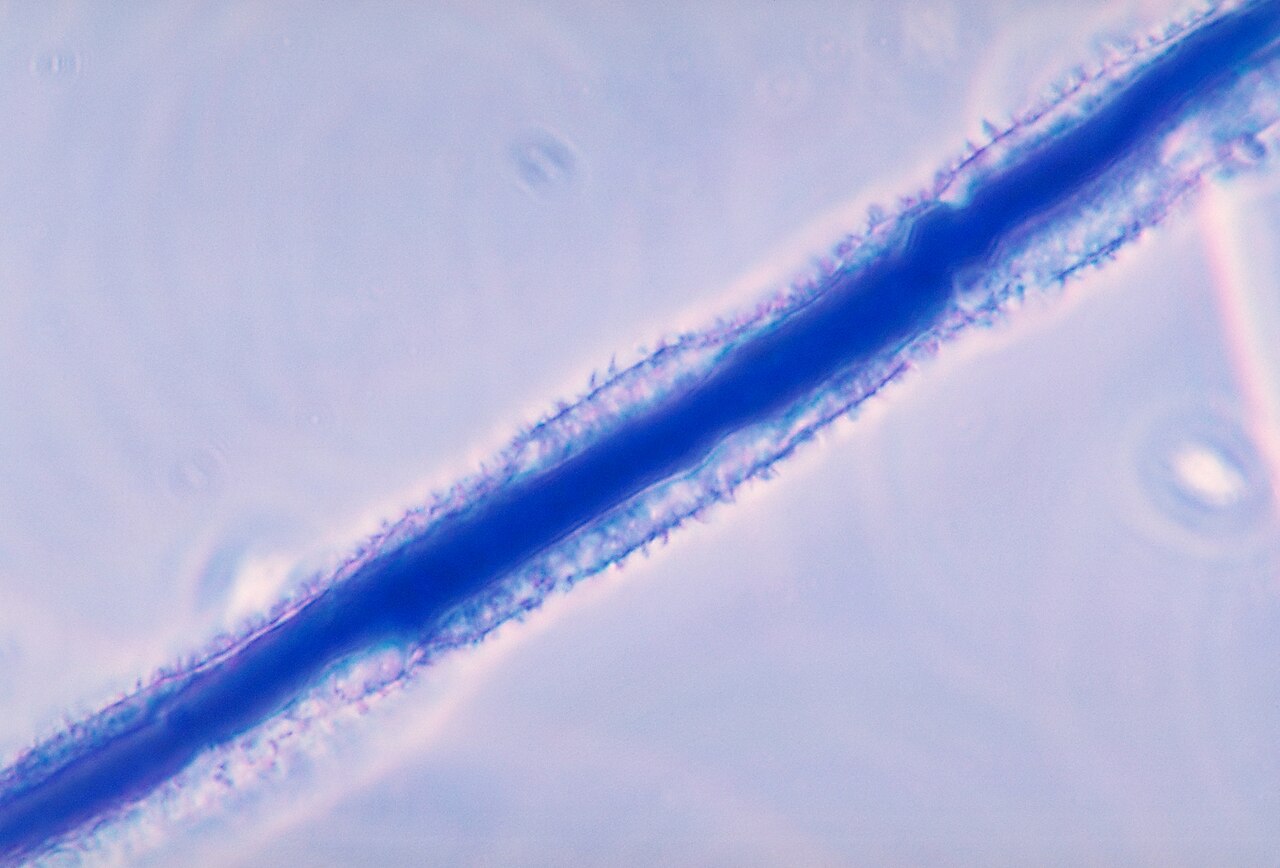
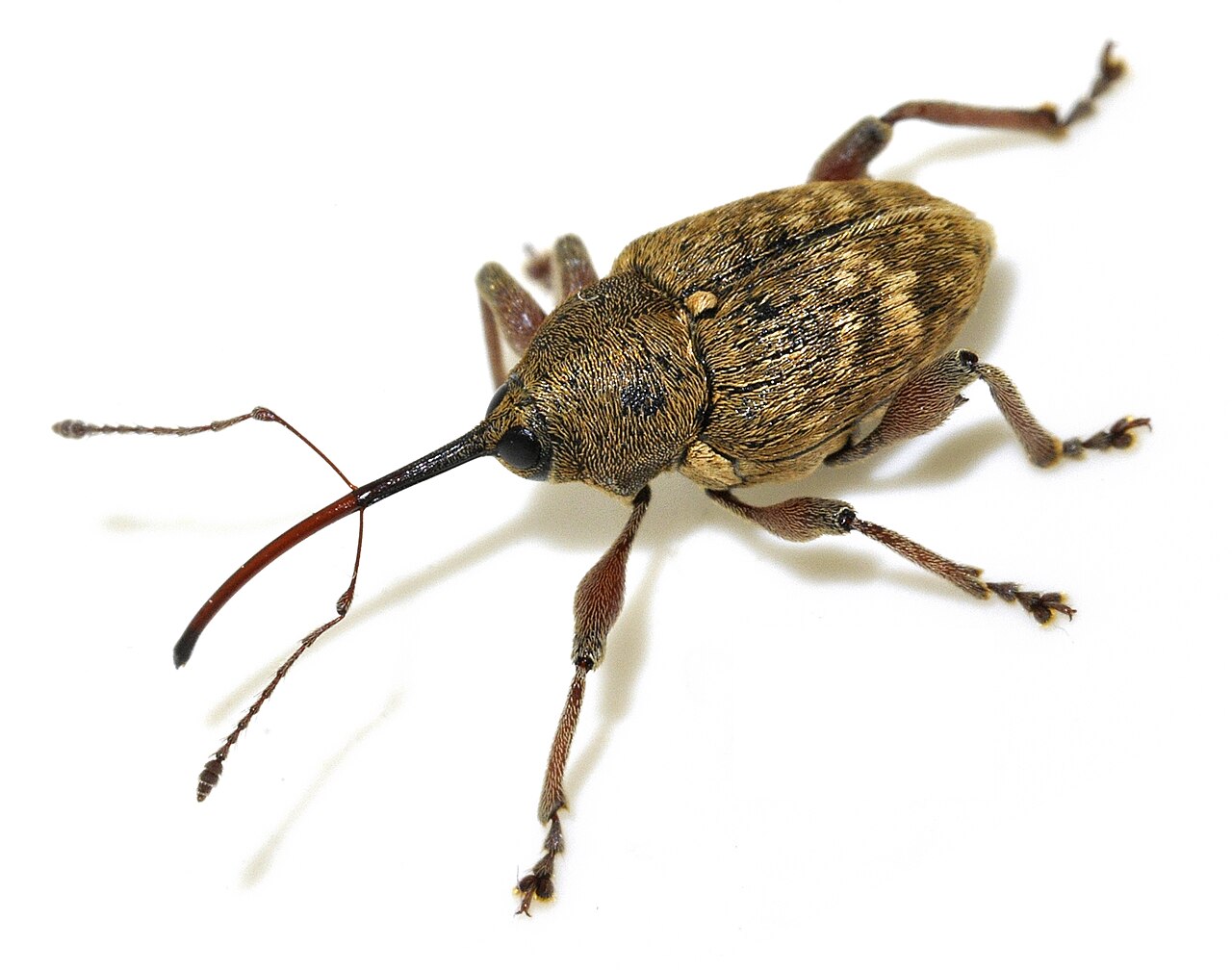
Aflatoxins are among the most potent known natural carcinogens; the International Agency for Research on Cancer classifies aflatoxin B1 (AFB1) in Group 1 (carcinogenic to humans). They are produced when molds from the genus Aspergillus infect the nut — most commonly under conditions of heat and humidity, during poor drying, inadequate storage, or shell damage (e.g., after attacks by pests such as the hazelnut weevil). Once aflatoxin is formed, it is highly thermostable and is not completely removed by standard processing (roasting, grinding). Therefore, the emphasis is on prevention and control throughout the entire chain, from field to finished product.
According to the literature in the corpus, biological, chemical, and physical hazards must be identified at all stages — from cultivation, through processing and distribution, to preparation — and this is precisely the role of the HACCP system.
HACCP — Seven Principles and Critical Control Points
HACCP (Hazard Analysis and Critical Control Points) is a systematic, preventive approach that prevents hazards before they occur, rather than relying on the control of finished products. Codex Alimentarius and EU legislation (Regulation (EC) No 852/2004 on the hygiene of foodstuffs) define it through seven principles:
| # | Principle | Practical meaning for hazelnuts |
|---|---|---|
| 1 | Hazard analysis | List all biological, chemical, and physical hazards (aflatoxins, pesticide residues, allergens, foreign bodies, molds) |
| 2 | Determination of Critical Control Points (CCP) | Stages where hazards can be prevented/eliminated — most commonly drying, sorting, and aflatoxin analysis |
| 3 | Establishment of critical limits | E.g., target kernel moisture, aflatoxin limit value, roasting temperature/time |
| 4 | Monitoring of CCPs | Moisture measurement, visual and optoelectronic inspection, laboratory analyses |
| 5 | Corrective actions | What to do when a limit is not met (re-drying, separating the batch, rejecting the lot) |
| 6 | Verification | Checking that the system actually works (calibration, audit, re-analyses) |
| 7 | Documentation and records | Records that demonstrate compliance and enable traceability |
Key idea: A critical control point (CCP) is a step at which control can be applied to eliminate or reduce a hazard to an acceptable level, and a critical limit is the maximum/minimum value of a parameter (biological, chemical, or physical) that must be controlled at that step. If preventive control proves ineffective, a re-analysis of the entire plan is required.
Typical Critical Control Points in the Hazelnut Chain
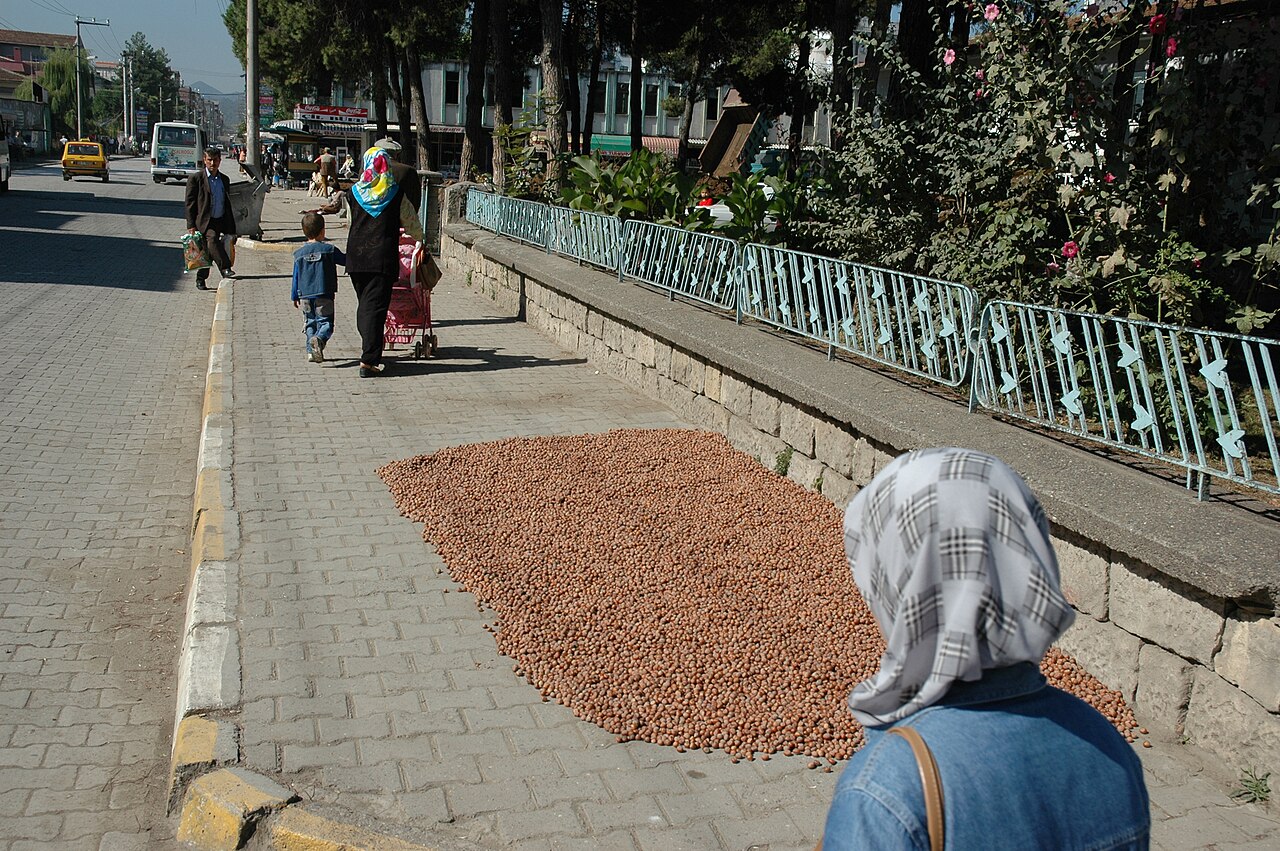
- Drying after harvest — reducing kernel moisture to a safe level stops mold development and aflatoxin formation. This is the most important CCP because the risk is most effectively interrupted here.
- Storage — control of temperature, air humidity, ventilation, and pest protection.
- Sorting and grading — removal of moldy, damaged, discolored, and small nuts; modern plants use optical/UV sorting because aflatoxin correlates with visible defects.
- Aflatoxin analysis — laboratory confirmation that a batch meets limit values before market placement.
- Roasting/processing — control of temperature and time (relevant for microbiological and organoleptic parameters, but DOES NOT remove already formed aflatoxin).
- Allergen management — hazelnut is itself one of the legally mandated allergens; in mixed products, it is critical to prevent cross-contamination and ensure correct labeling.
Note on figures
Specific critical limits (moisture, temperature, time) depend on the cultivar, equipment, capacity, and product purpose, and are determined in your own HACCP plan and validation. The values below are informative and should be confirmed against current regulations and with an advisory service.
EU Limit Values for Aflatoxins in Hazelnuts
Maximum levels of contaminants in food in the EU are currently prescribed by Commission Regulation (EU) 2023/915 (which replaced the earlier Regulation (EC) No 1881/2006). For hazelnuts and other tree nuts, a dual standard applies — stricter for nuts intended for direct human consumption, and more lenient for those that undergo sorting or further physical processing before consumption (because sorting and processing further reduce contamination):
| Hazelnut Category | Aflatoxin B1 (µg/kg) | Sum of Aflatoxins B1+B2+G1+G2 (µg/kg) |
|---|---|---|
| Hazelnuts for direct human consumption (ready-to-eat) | 5.0 | 10.0 |
| Hazelnuts for sorting / further physical processing before consumption | 8.0 | 15.0 |
For comparison, limits differ for other tree nuts (e.g., for peanuts for direct consumption, AFB1 is 2.0 and total is 4.0 µg/kg; almonds and pistachios have their own values). Limits are particularly strict for infant food and baby food (on the order of 0.1 µg/kg AFB1).
The term µg/kg (microgram per kilogram) is equivalent to ng/g (nanogram per gram) and is often expressed as ppb (parts per billion) — all three notations indicate the same level.
In addition to EU limits, aflatoxin contamination is subject to enhanced border controls on imports from certain third countries (historically regulated by implementing regulations such as Regulation (EU) No 884/2014), where shipments of hazelnuts in shell or shelled, pastes, flour, and oils are subject to mandatory sampling and analysis.
Sampling and Analysis — How Batches Are Evaluated
Since aflatoxin is distributed very unevenly within a batch (contamination is "clustered" — a few heavily contaminated nuts raise the average of the entire ton), proper sampling is decisive and legally prescribed. Official methods for sampling and analysis for aflatoxins in the EU are regulated by Commission Regulation (EC) No 401/2006 (with subsequent amendments).
Sampling principles:
- Each batch (lot) is sampled separately.
- A large number of individual (incremental) samples are taken from different locations within the batch and combined into a composite sample (for tree nuts, on the order of 20–30 kg for larger batches).
- The composite sample is homogenized by fine grinding, and a representative laboratory sample is taken from it.
- For tree nuts "ready-to-eat," the Codex/EU scheme provides for, e.g., 3 laboratory samples of 10 kg each, while for nuts intended for further processing, a single sample is used (e.g., ~30 kg).
Illustrative values from Codex/EU sampling plans:
| Purpose | Sample Size | Acceptance Limit (AFB1) | Acceptance Limit (Total) |
|---|---|---|---|
| Tree nuts for further processing | ~30 kg (single) | informative, by category | informative, by category |
| Tree nuts ready-to-eat | 3 × 10 kg | by category | by category |
Decision rule: If the analysis result (including measurement uncertainty) does not exceed the limit value, the batch is accepted; otherwise, it is rejected.
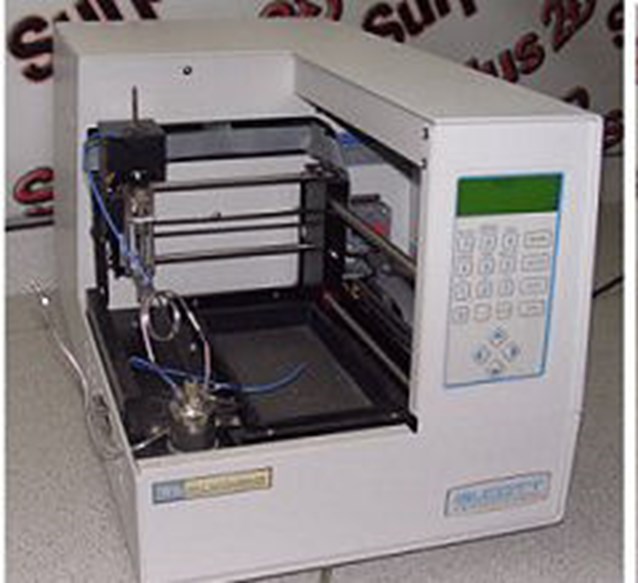
Analytical methods: In the laboratory, aflatoxins are most commonly determined using immunoaffinity purification coupled with liquid chromatography (HPLC with fluorescence detector or LC-MS/MS). For the hazelnut matrix, literature cites very low limits of detection (LOD) on the order of 0.25–0.49 ng/g and limits of quantification (LOQ) around 1–2 µg/kg, with recoveries above 89–98 %. It is important that the laboratory is accredited and that the method meets the prescribed performance criteria.
Hygiene and Obligations of Food Business Operators
According to the EU "hygiene package" (Regulation (EC) No 852/2004), all food business operators — except primary producers — must establish, implement, and maintain a permanent procedure (or procedures) based on HACCP principles. Primary production (cultivation, harvesting) is exempt from the obligation to have a formal HACCP plan, but must comply with good hygiene practice rules and maintain the required records.
Key features of the system:
- Responsibility lies with the operator. The European food control system has three layers, with primary control carried out by the business operator itself, who must verify and document its own compliance and take corrective actions when non-conformities are identified. HACCP "is not a self-regulation method" — official controls by competent authorities are conducted in addition to this.
- Traceability. It must be possible to trace the origin of food throughout the supply chain — "one step back and one step forward". Products must be appropriately labeled or identified with the prescribed data.
- Labeling and allergens. According to Regulation (EU) No 1169/2011, the operator is responsible for accurate food labeling, including the mandatory highlighting of allergens. Hazelnut is one of the legally listed allergens, making cross-contamination management crucial in production.
- Importer responsibility. An EU importer is responsible for ensuring that imported products (including hazelnuts, pastes, flour, oil) meet the requirements of EU regulations, thus requesting proof of compliance from suppliers in third countries.
Prerequisite Programs (PRP) — The Foundation Before HACCP
HACCP is built on prerequisite programs (engl. prerequisite programs) without which the plan cannot function:
- facility and equipment hygiene, cleaning and disinfection plan;
- pest control (rodents, insects, birds) in the dryer and warehouse;
- personal hygiene and staff training;
- supplier and incoming raw material control;
- waste and packaging management;
- allergen control and prevention of cross-contamination.
Literature notes that processors of raw materials from integrated production must ensure environmental hygiene in the plant and conduct an analysis of critical points in the facility and equipment — which is essentially PRP/HACCP logic.
Practical Recommendations and Common Mistakes
What to do:
- Dry hazelnuts immediately and thoroughly after harvest to safe moisture levels — this is the cheapest and most effective defense against aflatoxins.
- Store in a dry, cool, and ventilated place; prevent wetting and condensation.
- Implement sorting to remove moldy, damaged, and discolored nuts (visible shell defects correlate with aflatoxin).
- Sample correctly — many small samples from different locations in the batch, fine grinding, accredited laboratory.
- Maintain records (drying, storage, analyses, plant protection products — e.g., pesticide application records must be kept for three years according to NN 46/2022).
- Control pests that damage the shell, thereby opening the door to mold.
Common mistakes:
- Relying on the idea that roasting will "destroy" the aflatoxin — it will not; the toxin is thermostable.
- Taking a single small sample from the top of a sack — unrepresentative due to "nesting" of contamination.
- Mixing a batch with elevated aflatoxin levels with a clean batch to "dilute" it — contrary to regulations and dangerous.
- Neglecting the difference between limits for "direct consumption" and "for further processing".
- Lack of documentation — without records, there is no proof of compliance or traceability.
Sources
This text is an AI summary created from an internal collection of hazelnut literature (RAG corpus) and supplemented with public, official EU sources for the current status of limit values and regulations. Main sources used:
- Industry Handbook for Safe Processing of Nuts (2016) — handbook for safe nut processing (HACCP, CCP, preventive controls), RAG corpus.
- KASKADNO KORIŠTENJE NUSPROIZVODA LJEŠNJAKA I ARONIJE (2025) — description of HACCP principles and hazards, RAG corpus.
- Hazard Analysis and Risk-Based Preventive Controls for Human Food, Draft Guidance for Industry (FDA, 2016) — critical limits and CCP, RAG corpus.
- European Food Safety Regulation and the Developing Countries (2009) — HACCP obligation for all operators except primary producers, three-layer control system, RAG corpus.
- SMERNICE ZA IZVOZ PROIZVODA OD PRERAĐENOG VOĆA I POVRĆA IZ ZEMALJA ZAPADNOG BALKANA U EU (2018) — traceability and importer responsibility, RAG corpus.
- Codex Alimentarius, General Standard for Contaminants and Toxins (CXS 193) and Codex/EU sampling plans for aflatoxins in almonds, Brazil nuts, hazelnuts, and pistachios — RAG corpus.
- Determination of Aflatoxins and Ochratoxin A … UPLC-MS/MS (2021) and Italian/university analytics for the hazelnut matrix — EU maximum levels and method performance parameters, RAG corpus.
- Determination of hazelnut allergens in chocolate (2018, 2022) — allergen labeling obligations according to Regulation (EU) No 1169/2011, RAG corpus.
- Commission Implementing Regulation (EU) No 884/2014 — specific import conditions due to aflatoxin risk, RAG corpus.
- COMMISSION REGULATION (EU) 2023/915 — maximum levels for contaminants in food — https://eur-lex.europa.eu/legal-content/EN/TXT/PDF/?uri=CELEX:32023R0915
- COMMISSION REGULATION (EC) No 401/2006 — methods of sampling and analysis for mycotoxins — https://eur-lex.europa.eu/legal-content/EN/TXT/PDF/?uri=CELEX:32006R0401
- Aflatoxins — European Commission, Food Safety — https://food.ec.europa.eu/food-safety/chemical-safety/contaminants/catalogue/aflatoxins_en
- Aflatoxins in food — EFSA — https://www.efsa.europa.eu/en/topics/topic/aflatoxins-food
- New EU Maximum Levels for Contaminants in Foods — Food Safety Magazine — https://www.food-safety.com/articles/8573-new-eu-maximum-levels-for-contaminants-in-foods-aflatoxins-metals-and-more