Conversion and Interpretation of Soil Analysis Results in Croatia (AL-method, mg/100 g, ppm, pH KCl vs H₂O)
Content generated by artificial intelligence — verify before application
This article was automatically compiled from a collection of hazelnut literature with the assistance of artificial intelligence and may contain errors or outdated data. It serves as a starting point for further research, not as professional advice. Dosages, products, and timing are informative and depend on the cultivar, location, and applicable regulations — always consult an advisory service and official sources before application.
When you sit down with a soil analysis report to plan hazelnut fertilization, you will encounter numbers that appear straightforward at first glance: pH 5.7; phosphorus 12; potassium 18; humus 2.3%. However, behind each of these numbers lies a method, a unit of measurement, and a reference scale that you must understand to interpret them correctly. The same value can mean "poor soil" or "well-supplied" — depending on whether it is expressed in mg/100 g or ppm, whether pH was measured in water or a KCl solution, and which method was used to extract phosphorus in the first place. This article is a reference guide through these conversions and differences: it explains the AL-method used by Croatian laboratories, the conversion between mg/100 g and ppm, the difference between pH-KCl and pH-H₂O, and how to correctly read the basic findings. The goal is to prevent the most common mistake — comparing numbers that are not expressed in the same "language."
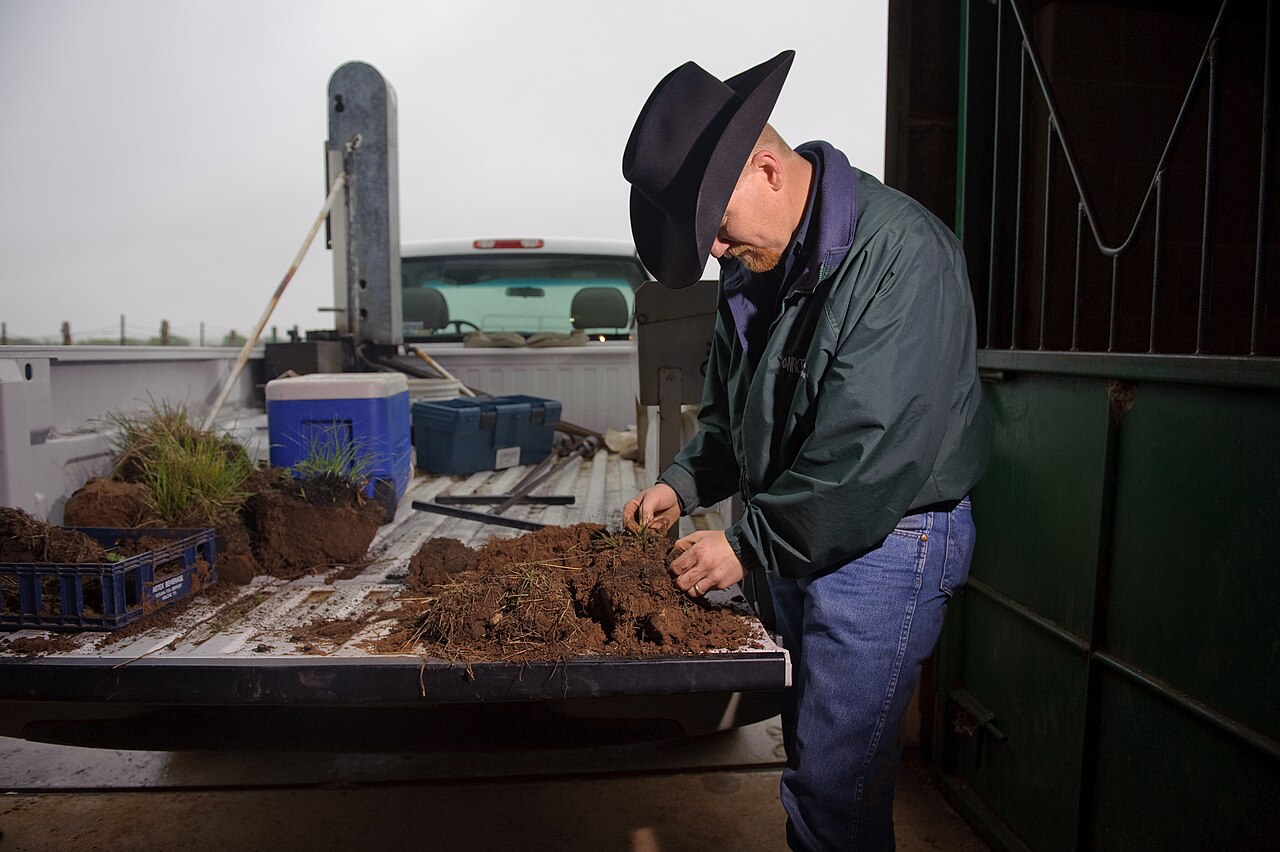
The AL-method: standard for phosphorus and potassium in Croatia
In Croatia (and much of Central Europe), available phosphorus and potassium in the soil are standardly determined using the AL-method — extraction with ammonium lactate (English: ammonium lactate, hence the abbreviation AL; originally Egner, Riehm, and Domingo, 1960.). This is crucial to understand because the number for phosphorus and potassium makes no sense without indicating the method: different methods (Olsen, Bray-Kurtz, Mehlich) extract different amounts of the same element from the same soil, so their results must not be directly compared or interpreted using the same reference scale.
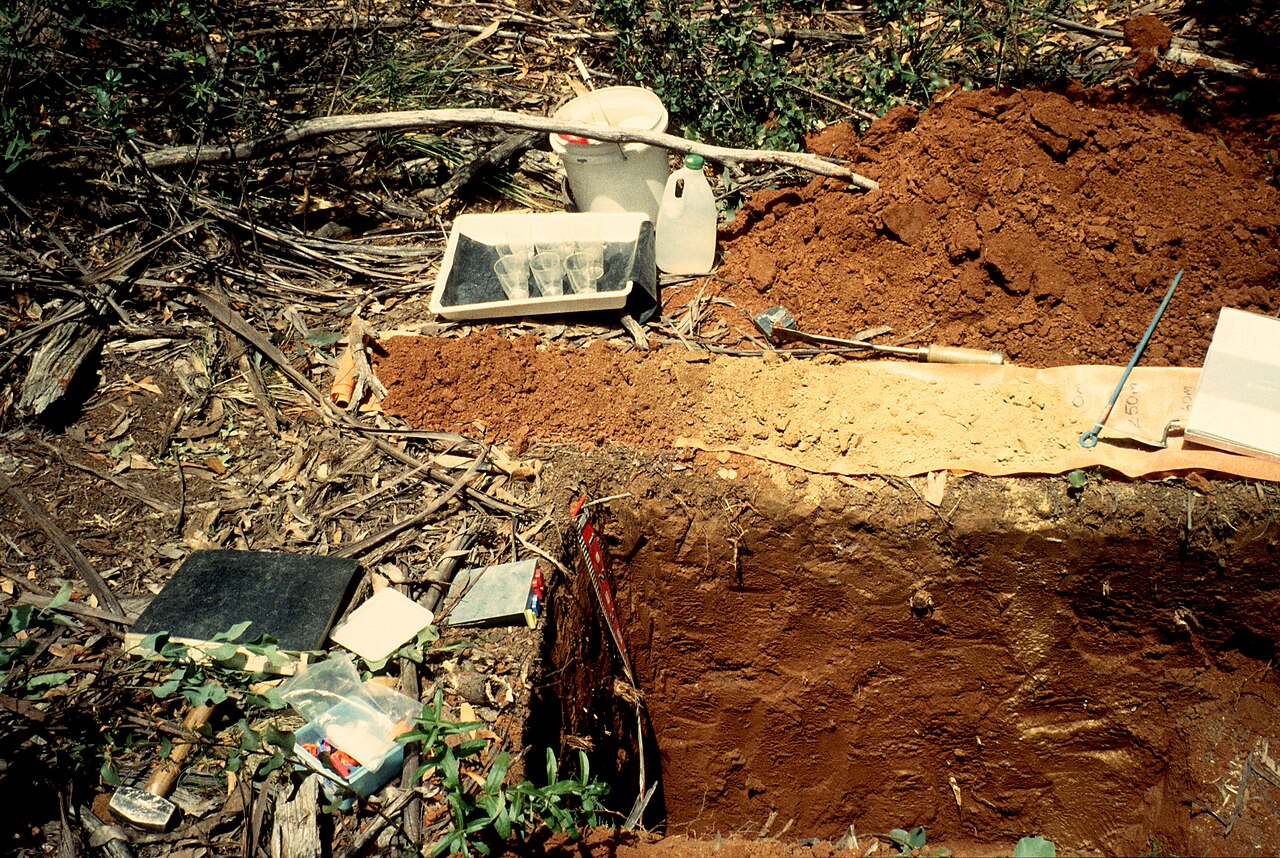
What the method actually measures
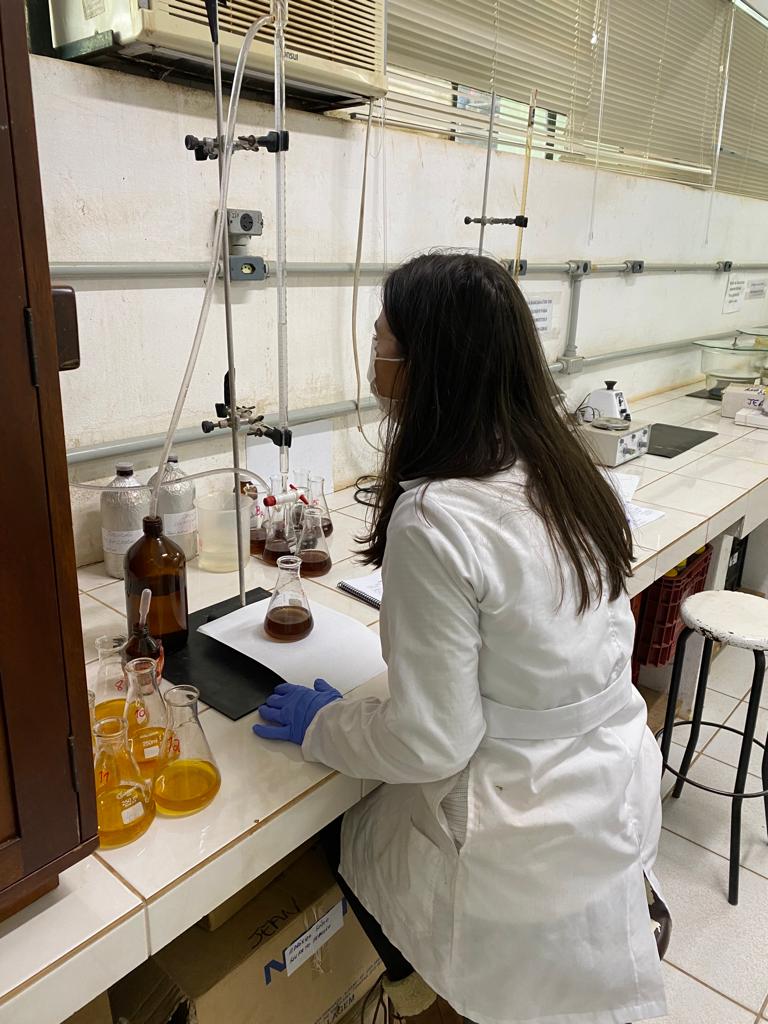
The AL-method does not measure total phosphorus and potassium in the soil, but rather the fraction that is available to plants. A simplified description of the laboratory procedure:
- 5 g of air-dried, sieved soil is poured over with 100 ml of AL extraction solution.
- The mixture is shaken for 2 hours, during which accessible forms of P and K are extracted into the solution.
- After filtration, phosphorus (as P₂O₅) and potassium (as K₂O) are determined in the clear filtrate.
- Phosphorus is determined colorimetrically ("blue method") on a spectrophotometer; the quantity in the soil is calculated from the reading via a calibration curve.
The result is expressed as mg AL-P₂O₅ per 100 g of soil or mg AL-K₂O per 100 g of soil. The solution is buffered to an acidic pH value (around 3.75), whereby the lactic acid complexes and releases phosphorus bound to aluminum and iron.
Why P₂O₅ and K₂O, and not P and K?
The result is most often expressed in terms of phosphorus and potassium in an oxidic form (P₂O₅, K₂O), although these compounds do not physically exist in the soil. The reason is historical-practical: fertilizers are labeled in the same form (e.g., NPK 7-20-30 means 20% P₂O₅ and 30% K₂O), making it easier to translate fertilization recommendations into kilograms of fertilizer. When comparing findings and scientific papers, always check whether the number is in elemental (P, K) or oxidic (P₂O₅, K₂O) form.
Conversion of units: mg/100 g, ppm, and mg/kg
This is where the most confusion arises. The same values appear in three units:
| Unit | Meaning | Typical for |
|---|---|---|
| mg/100 g | milligrams of element per 100 grams of soil | Croatian/Central European results (P₂O₅, K₂O by AL-method) |
| ppm (= mg/kg) | parts per million = milligrams per kilogram of soil | International (Anglo-American) results, micronutrients |
| mg/kg | milligrams per kilogram of soil | identical to ppm |
Main rule: ×10 and ÷10
Since 1 kg = 1000 g = 10 × 100 g, a simple conversion applies:
mg/100 g × 10 = ppm (mg/kg) ppm (mg/kg) ÷ 10 = mg/100 g
| Value in mg/100 g | Same value in ppm (mg/kg) |
|---|---|
| 1.0 | 10 |
| 6.4 | 64 |
| 12.0 | 120 |
| 20.0 | 200 |
| 25.0 | 250 |
Example: if a Croatian report states K₂O = 18 mg/100 g, this is 180 ppm K₂O. If, on the other hand, a foreign source cites a threshold of 80 mg/kg for "good" phosphorus supply, this corresponds to 8 mg/100 g — a value that appears "low" on a Croatian report, although in the research it signifies an adequate level.
Second rule: elemental vs. oxidic form
If you need to convert elemental P to P₂O₅ (or vice versa) because one source uses P and another P₂O₅:
| Conversion | Factor |
|---|---|
| P → P₂O₅ | × 2.29 |
| P₂O₅ → P | × 0.436 |
| K → K₂O | × 1.20 |
| K₂O → K | × 0.83 |
Thus, for example, 100 ppm P is equal to ≈ 229 ppm P₂O₅, or 22.9 mg/100 g P₂O₅. Micronutrients (B, Zn, Mn, Fe, Cu) are almost always expressed in mg/kg (ppm) and in elemental form, so for them, you only need to watch out for unit conversion, not form.
Most common mistake in practice
Comparing a number from a Croatian report (mg/100 g, P₂O₅) directly with a threshold from a foreign article (ppm, elemental P) can lead to an incorrect assessment by an order of magnitude or more. Before concluding that the soil is "poor" or "over-supplied," reduce both values to the same unit and same form and check that both cases refer to the same extraction method.
pH-KCl vs. pH-H₂O: which number is authoritative
The result usually lists two pH values, and these are not an error nor two measurements of the "same" thing:
- pH in water (pH-H₂O) — the so-called actual acidity. Measured in a suspension of soil and distilled water. It reflects the current concentration of hydrogen ions in the soil solution and is usually higher (less acidic).
- pH in KCl (pH-KCl) — the so-called substitution (exchangeable) acidity. Measured in a suspension of soil and a potassium chloride solution (1 M KCl). Potassium ions displace hydrogen and aluminum ions from the soil's adsorption complex, so this value is lower (more acidic) and shows the "hidden" reserve of acidity.
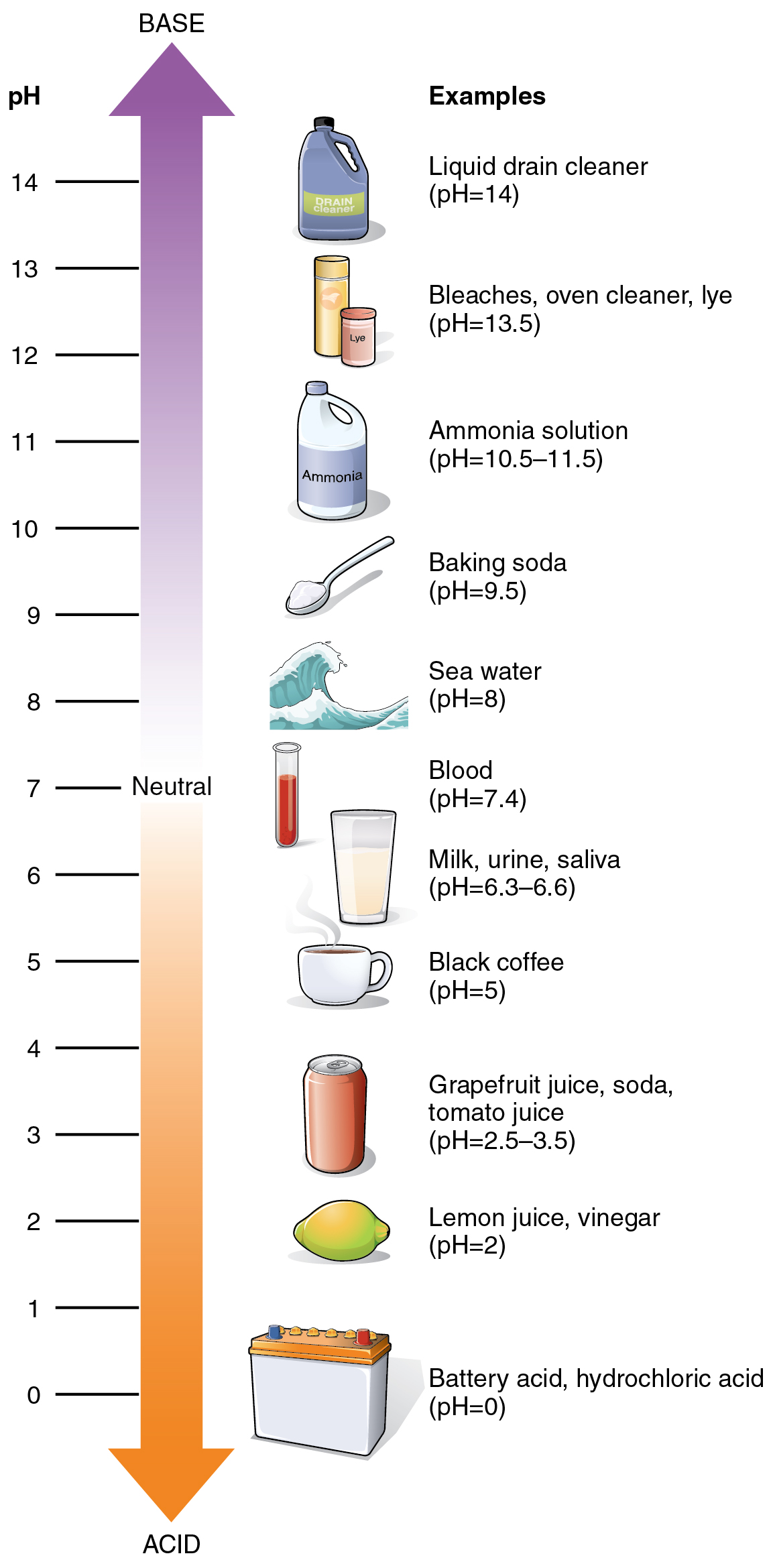
Typical difference and what it means
pH-KCl is almost always lower than pH-H₂O, usually by approximately 0.5 to 1.0 units, but the difference can be greater on acidic soils. A real example from a soil analysis in a hazelnut orchard illustrates this well:
| Depth | pH-H₂O | pH-KCl | Rating (by pH-KCl) |
|---|---|---|---|
| 0–30 cm | ≈ 5.68 | 4.26 | strongly acidic |
| 30–60 cm | ≈ 5.73 | 3.96 | strongly acidic |
The table shows why the difference is important: pH in water (≈ 5.7) would classify the soil as "moderately acidic," while pH-KCl (≈ 4.0–4.3) reveals it as strongly acidic with a serious need for liming. The second method gave a significantly different (and more serious) picture.
Which value to use for decisions
For assessing soil status and planning fertilization and liming, pH-KCl is authoritative. The reason: pH in water represents the current state of the solution and is more susceptible to short-term changes (moisture, season, recent fertilization), making it a less reliable indicator of long-term nutrient availability. Substitutional acidity (pH-KCl) is more stable and correlates better with what the plant actually "feels" during the growing season. Therefore, pH-KCl is discussed in more detail in the literature when assessing soil.
Practical rule
When someone says "my soil has a pH of 6," ask: in water or in KCl? Soil with pH-H₂O 6.0 may have a pH-KCl of around 5.0–5.3 — which is still acceptable for hazelnut, but closer to the lower limit than "6" suggests. Hazelnut grows best on slightly acidic to neutral soil (approx. pH 5.5–7.5); when comparing with recommendations, always check which pH scale they refer to.
And pH in CaCl₂?
Some (especially international) laboratories measure pH in 0.01 M CaCl₂ (ISO 10390 standard allows water, KCl, and CaCl₂). pH-CaCl₂ is usually about 0.5 units lower than pH in water and is considered very stable, with little seasonal variability. It is only important that you know in which medium the value was measured and that you do not mix scales.
How to read the basic result: parameter by parameter
The basic ("standard") soil analysis package for establishing a hazelnut orchard typically includes the following parameters. Here is what each means and what to watch out for when reading the results.
pH (soil reaction)
Stated as two values (see above). For hazelnuts, aim for slightly acidic to neutral soil. A very low pH-KCl (< 5.0) indicates a need for liming before planting, while high pH in the presence of free lime can cause iron and boron unavailability.
Humus (organic matter)
Expressed in %. It indicates the soil's supply of organic matter, which retains water, nutrients, and fuels microbial activity. It is often accompanied by a C:N ratio (carbon-to-nitrogen ratio), which indicates the rate of organic matter decomposition and nitrogen mineralization. Low humus is a signal to apply organic fertilizers/compost before planting.
Phosphorus (P₂O₅) — AL method, mg/100 g
Available phosphorus. It is typically classified into fertility classes (very low → very high). Check the unit and method before comparing with any threshold. Phosphorus is poorly mobile in soil, so it is incorporated deeply before planting as a meliorative measure.
Potassium (K₂O) — AL method, mg/100 g
Available potassium — particularly important for hazelnuts as it affects nut filling. In practice, hazelnut orchards often show low potassium supply; a literature example shows values of 6.4 mg/100 g (0–30 cm) and 4.0 mg/100 g (30–60 cm), rated as "very low supply." Keep in mind that potassium supply depends on soil type (heavier, clay soils bind more potassium), so the same mg/100 g value on different soils may be rated differently.
Magnesium (Mg)
Available magnesium (often mg/100 g or mg/kg, depending on the laboratory). It is important due to its role in photosynthesis (central atom of chlorophyll). Watch the K:Mg ratio — excessive potassium fertilization can inhibit magnesium uptake (antagonism).
Physiologically active lime (CaO) / carbonates (CaCO₃)
On carbonate soils, physiologically active lime or total carbonates (CaCO₃) are additionally determined. A high proportion of active lime warns of the risk of lime-induced (iron) chlorosis — the plant struggles to absorb iron even though it is present in the soil. On very acidic soils, mobile (exchangeable) aluminum (Al³⁺) may be determined instead; elevated levels indicate toxicity to roots and block phosphorus uptake.
Table: what to look for — basic package vs. micronutrients
| Package | Parameters | When to request |
|---|---|---|
| Basic | pH (H₂O and KCl), humus, P₂O₅ (AL), K₂O (AL), as needed CaCO₃ / active lime or Al³⁺ | Always — before establishing the orchard and as a check every ~4 years in an existing orchard |
| Extended (micronutrients) | Mg, B (boron), Zn (zinc), Mn, Fe, Cu | When suspecting specific deficiencies, on carbonate/very acidic soils, or as a supplement to leaf analysis |
| Physical / Pedological | Mechanical composition (texture), depth, drainage | When assessing site suitability and planning drainage/groundwater control |
Soil plus leaf
Soil analysis tells you what is available in the soil, but not what the plant has actually taken up. For a complete picture of hazelnut nutrition, it is combined with leaf analysis (foliar analysis), especially for micronutrients and nitrogen. Soil is sampled before planting and periodically; leaves are sampled at a specific phenophase during the growing season.
Practical recommendations and common mistakes
- Always ask for the method and unit indication. The number "12" for phosphorus is meaningless without "mg/100 g, P₂O₅, AL method." Without this, you cannot compare even two results from the same soil from two different laboratories.
- Do not compare AL results with Olsen/Bray/Mehlich results. Different methods yield different absolute numbers and have their own reference scales.
- Convert to the same unit before drawing conclusions. mg/100 g × 10 = ppm. This is reason #1 for misinterpretation when mixing domestic and foreign sources.
- For pH and liming decisions, use pH-KCl, not pH-H₂O. Soil that appears moderately acidic "in water" may be strongly acidic "in KCl."
- Sample correctly and by depth. A representative composite sample is created from multiple individual cores per plot (per homogeneous zone), taken in a zigzag pattern; for orchards, the 0–30 cm and 30–60 cm layers are sampled separately, as the deeper layer often has different pH and nutrient supply.
- Keep records. The initial result is the reference point for the entire orchard lifespan (30+ years); repeating the analysis every ~4 years shows trends (e.g., increase in potassium supply or change in acidity after liming).
- Numbers for doses and thresholds are informative. Specific recommendations for fertilization and liming depend on soil type, cultivar, location, and current regulations — check with the advisory service and official guidelines.
Quick reference card
| Question | Answer |
|---|---|
| mg/100 g → ppm | multiply by 10 |
| ppm → mg/100 g | divide by 10 |
| P → P₂O₅ | × 2.29 |
| K → K₂O | × 1.20 |
| pH-KCl vs pH-H₂O | KCl is lower (more acidic), usually by 0.5–1.0; KCl is decisive for decisions |
| Phosphorus/potassium in HR | AL method, expressed as P₂O₅ / K₂O in mg/100 g |
| Basic package | pH (H₂O+KCl), humus, P₂O₅, K₂O (+CaCO₃/CaO or Al³⁺ as needed) |
Gallery
Sources
This article is an AI summary compiled from an internal collection of professional and scientific literature on hazelnuts (RAG corpus) and public internet sources. Numerical examples (pH-KCl/H₂O values, potassium in mg/100 g, AL extraction procedure) are taken from the literature cited below; conversion factors and general guidelines for interpreting results are supplemented by international manuals for soil test interpretation. The numbers are informative — verify them before application.
Main sources used:
- Agrochemical indicators of soil fertility and the effect of subsidized soil analysis in eastern Croatia (2019.) — description of the AL method and explanation of why pH-KCl is more decisive than pH-H₂O. (RAG corpus)
- Cascading use of hazelnut and aronia by-products (2025.) — actual pH-KCl/H₂O findings and potassium supply (mg/100 g) by depth in a hazelnut orchard. (RAG corpus)
- Technological guidelines for orchards for 2023 — Fruit and Vegetable Center — soil analysis parameters before orchard establishment (N, P₂O₅, K₂O, CaCO₃, active lime, Al³⁺) and meliorative fertilization. (RAG corpus)
- Fındık bahçelerinde toprak ve ürünlerdeki mikroelement... (2010.) — extractants for pH according to ISO 10390 (water, KCl, CaCl₂) and differences among them. (RAG corpus)
- Libertas International University (2018.) — content of basic soil analysis (NPK, humus, C:N, pH) as good agricultural practice. (RAG corpus)
- UMass Amherst — Interpreting Your Soil Test Results — https://www.umass.edu/agriculture-food-environment/soil-plant-nutrient-testing-laboratory/fact-sheets/interpreting-your-soil-test-results
- Cropaia — Understanding the units on the soil test report — https://cropaia.com/blog/soil-test-units/
- UF/IFAS HS1229 — Conversions of Parts per Million on Soil Test Reports — https://ask.ifas.ufl.edu/publication/HS1229
- Soil Test Interpretation Guide (A&L) — https://www.norganics.com/applications/soiltestinterp.pdf
Recommended equipment
🔎 soil ph test kit — Amazon →Affiliate links — we may earn a small commission at no extra cost to you.
Handheld Soil pH Meter
For rapid field checks, but always confirm with laboratory analysis.
| Use Case | Option Type | What to Check Before Purchase |
|---|---|---|
| Quick field screening | Portable digital meter | Calibration stability and probe durability |
| Routine monitoring | Analog or digital | Temperature compensation features |
| Verification needed | Professional lab test | Sample preparation and reporting standards |