Grafting hazelnut and rootstock compatibility
Content generated by artificial intelligence — verify before application
This article was automatically compiled from a collection of hazelnut literature with the aid of artificial intelligence and may contain errors or outdated information. It serves as a starting point for further research, not as professional advice. Dosages, products, and timing are informative and depend on the cultivar, location, and current regulations — always consult with an advisory service and official sources before application.
Why graft hazelnut at all
Naturally, hazelnut grows as a shrub and propagates easily on its own roots — through layering, cuttings, or dividing the shrub. Such own-root seedlings are cheaper and simpler to produce, but they have one serious drawback: they continuously produce root suckers that must be removed two to three times a year, manually with shears in the first years, and later with herbicides.
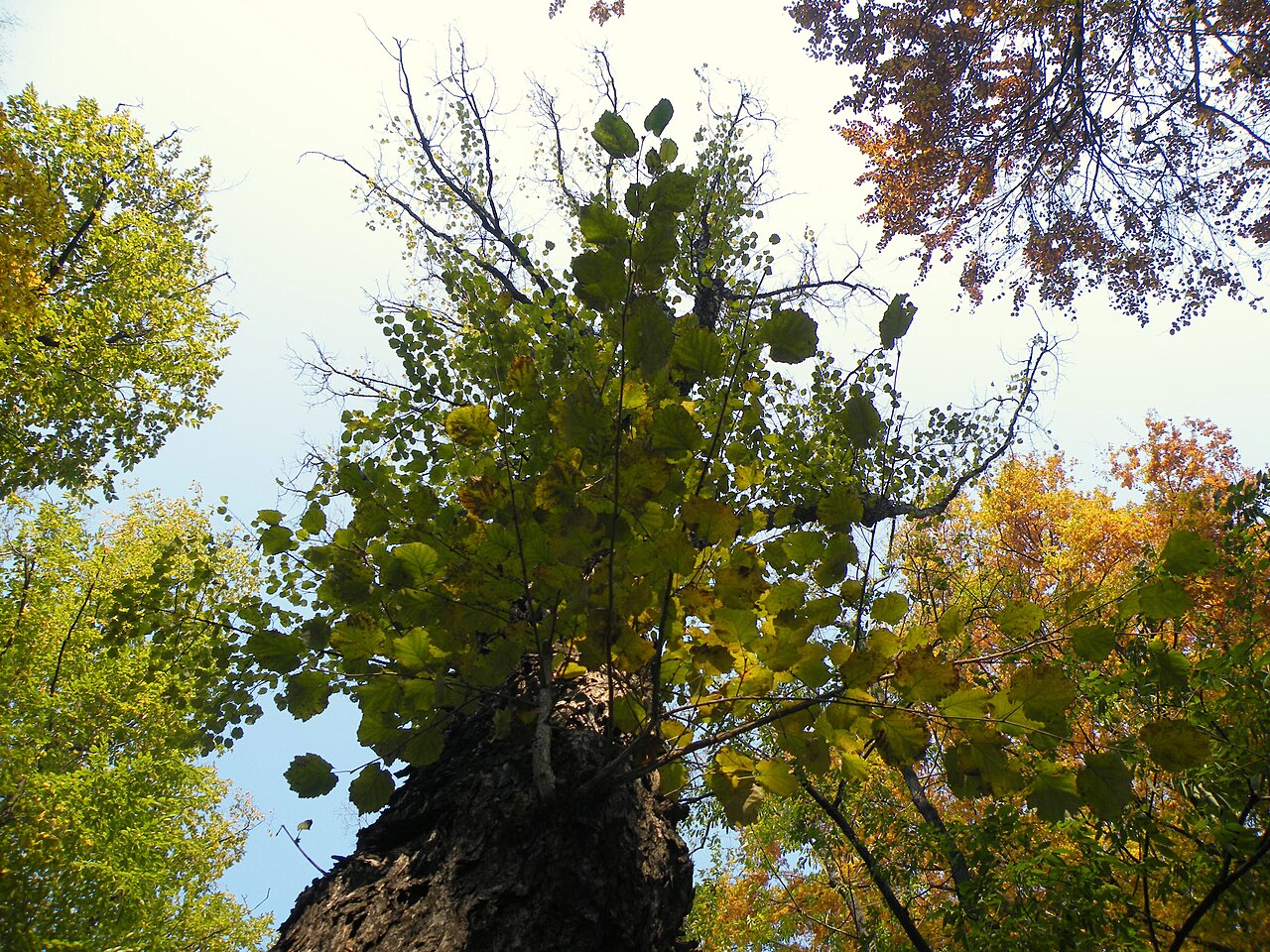
Grafting onto Corylus colurna largely solves this problem. C. colurna naturally does not produce root suckers, develops a strong, deep, and branched root system, and is well-adapted to poorer, skeletal, and drier soils. A seedling grafted onto C. colurna thus becomes the basis for growing a tree-form hazelnut — a training form with a clear trunk, which allows for denser planting, better canopy illumination, and easier mechanization.
According to our corpus, tens of thousands of grafted seedlings are produced annually in countries such as Serbia, Italy, and Spain. In Italy, where production from root suckers once dominated, there is now a growing shift toward grafted seedlings precisely due to economic and phytosanitary advantages.
Rootstocks for hazelnut
In hazelnut seedling production, two generative (seed-derived) rootstocks are used:
| Rootstock | Common name | Main characteristics | Note |
|---|---|---|---|
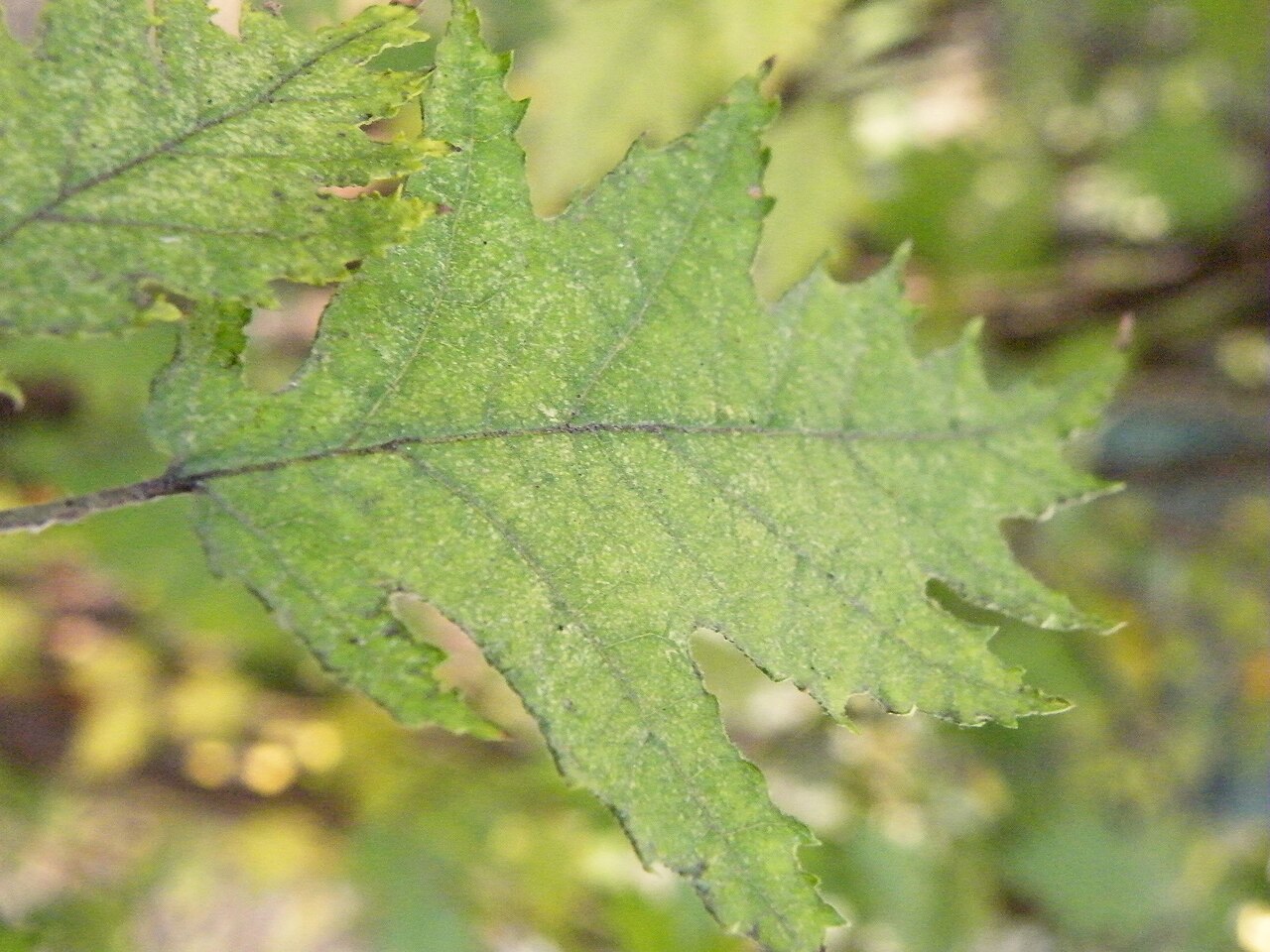
| Corylus avellana | common (ordinary) hazel | vigorous, grows as a shrub | produces root suckers; cheaper |
| Corylus colurna | Turkish hazel | deep roots, does not produce suckers, drought and alkaline soil tolerant | more expensive and slower production; preferred for tree forms |
Turkish hazel (C. colurna) is today the preferred rootstock for intensive orchards precisely due to the absence of suckers and its strong root system. Its main limitation is the production of the rootstock itself: vegetative propagation via cuttings, layering, and bench grafting has shown low efficiency, so rootstocks are mostly grown from seed, and micropropagation (tissue culture in vitro) is increasingly being researched. Seed quality varies significantly depending on the collection location, nut size and weight, and harvest year.
Soil and rootstock
Turkish hazel performs best in loamy, permeable soils; on heavy, compacted soils — common in continental Croatia — it may grow poorly. Therefore, rootstock selection should be aligned with the soil type on the plot.
Rootstock preparation and age
Nurseries mostly purchase one- or two-year-old seed-derived rootstocks from specialized fruit rootstock producers. Monitoring the growth of Turkish hazel rootstocks has shown that one-year-old plants are not suitable as rootstocks — their root collar and height are too small — while two-year-old seedlings with a developed root collar and sufficient height show potential for grafting. Hazelnut rootstock grows very slowly in height and width after transplanting, so rootstocks with a thickness of 5–7 mm planted in the nursery are often not ready for grafting in the same year, but only the following year.
Approximate figures for rootstock (informative, depending on nursery system):
- spacing of rootstocks in the nursery: about 20 cm within the row, 1 m between rows
- rootstock thickness suitable for grafting: approximately 6–12 mm
- grafting height: typically 10–15 cm above ground for simple unions, and higher for grafting onto thicker, older rootstocks (literature cites 20 up to 80 cm, depending on the goal and training form)
Grafting techniques
Several techniques are used in practice for hazelnut, and the choice depends on the thickness and age of the rootstock, time of year, and nursery equipment.
English grafting (whip graft / "English whip")
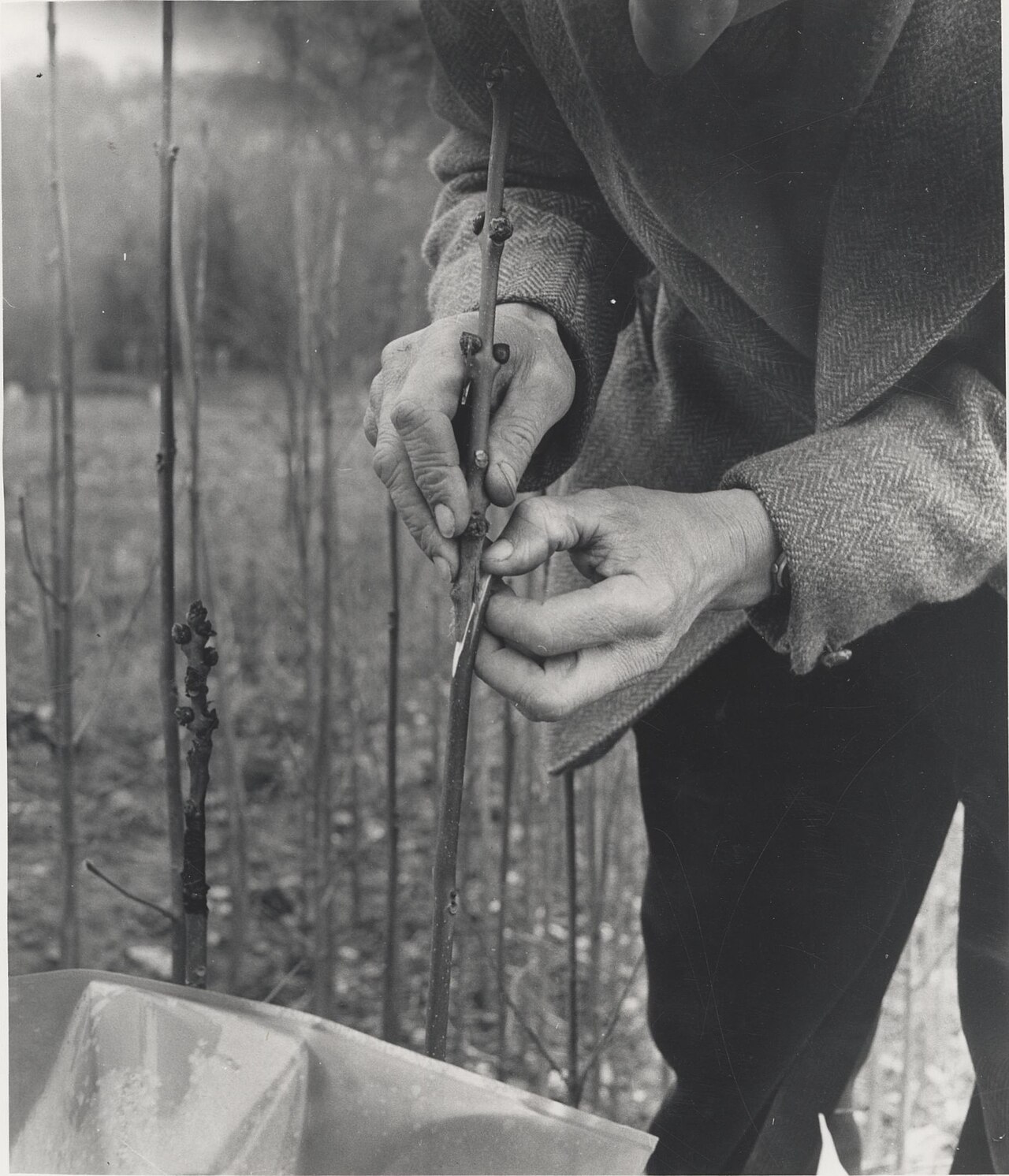
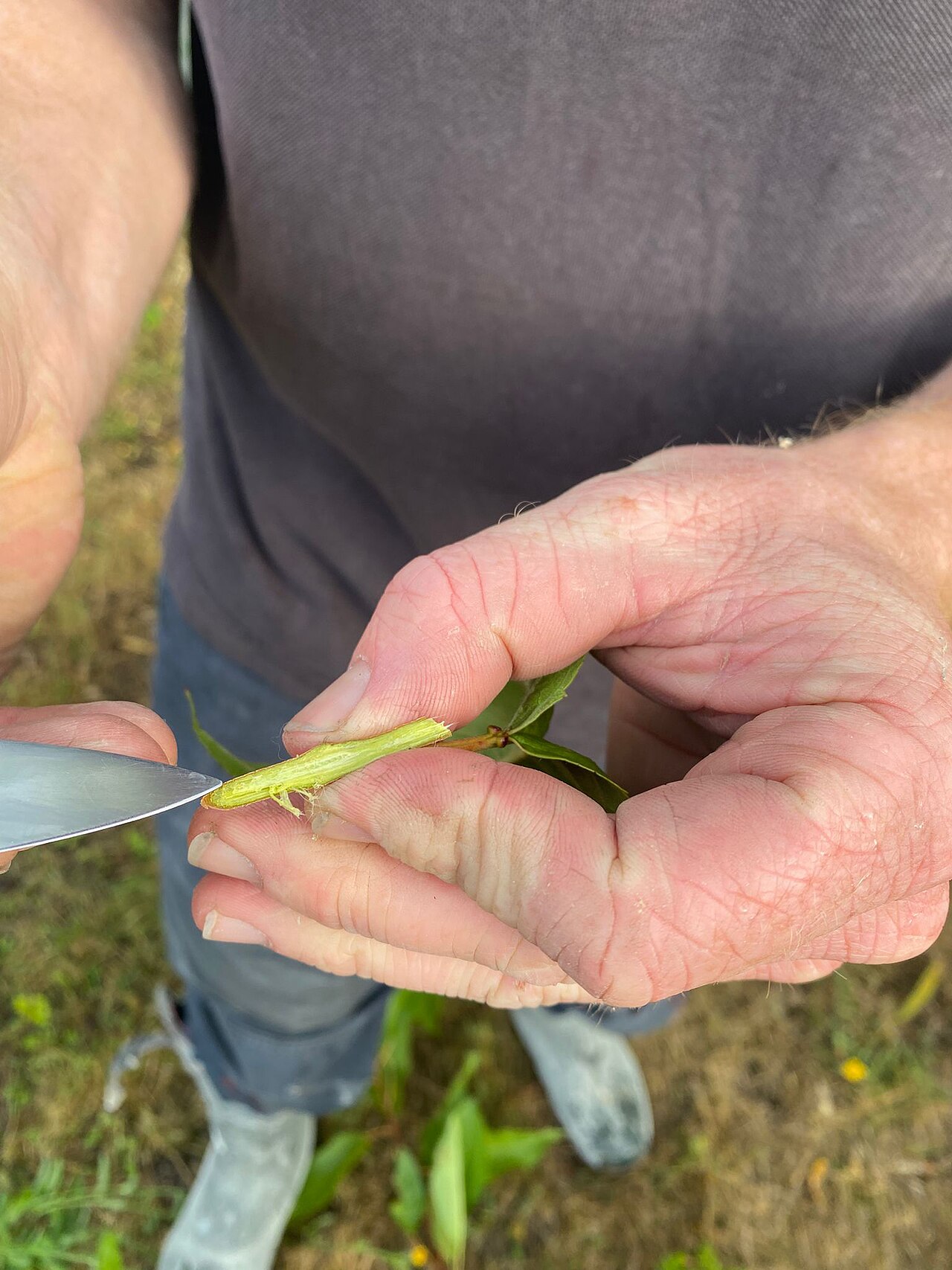
The most widespread method in nursery production of grafted hazelnut seedlings. The rootstock and scion should be of the same (or very similar) thickness. A diagonal cut approximately 3 cm long is made on both elements; the "whip" variant has an additional slit that increases the contact surface and mechanical stability of the union. Scions are cut to 1–2 buds — for hazelnut, almost invariably to two buds, because it has long internodes, so a scion with more buds would be too long, and the second bud serves as insurance if the first fails to grow or is damaged. The cut on the scion is made opposite the lowest bud.
Work sequence in the winter/spring variant (based on the corpus, informative):
- Autumn/winter: rootstocks are dug up and scions are cut from mother shrubs; they are stored in a pit or cold store at about 1–4 °C with high humidity and fungicide treatment.
- Grafting: performed during dormancy or early spring (literature cites February through the end of April, depending on work organization and technique).
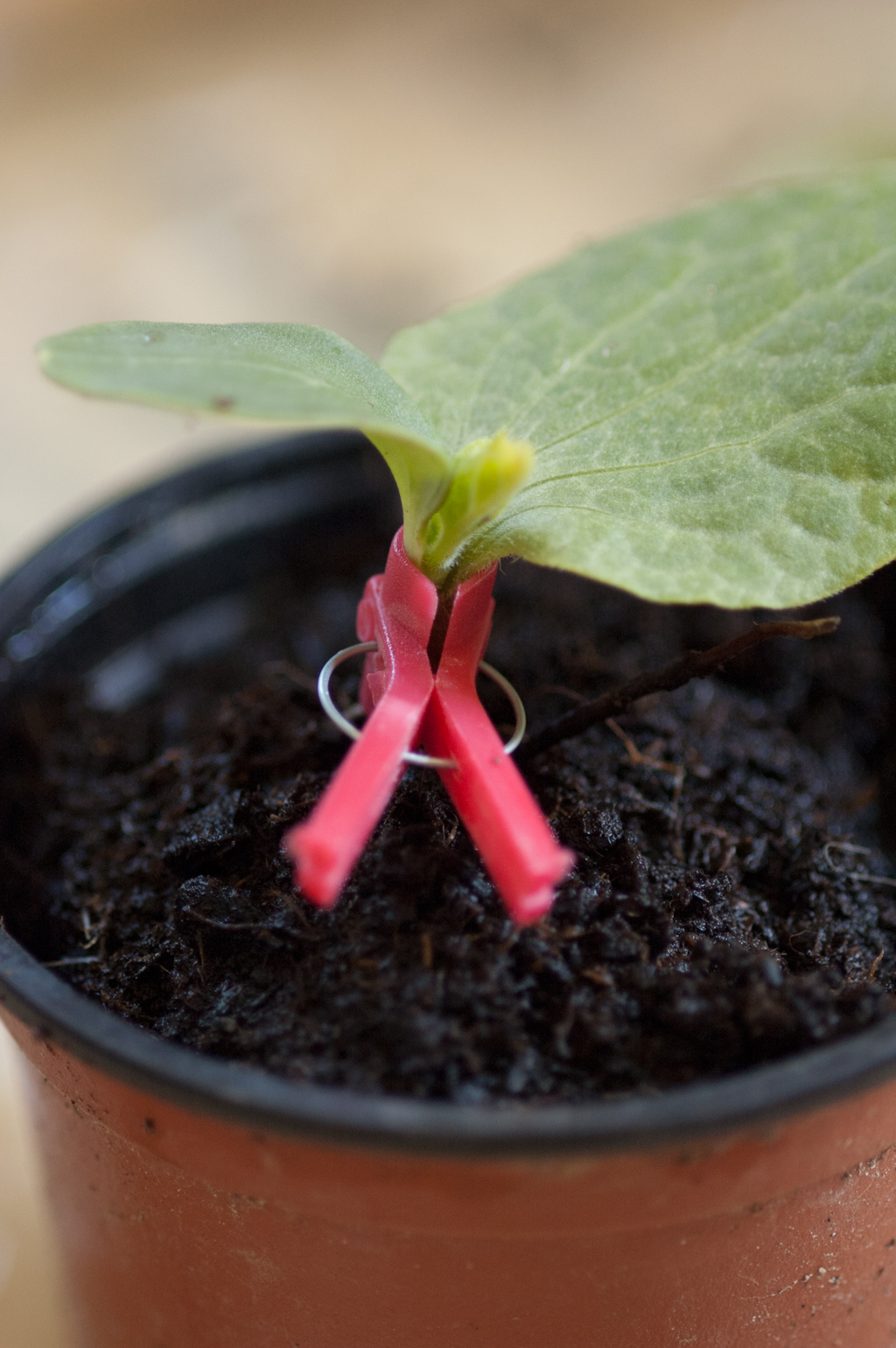
- Joining and binding: the rootstock and scion are joined so that the cambial layers align, then bound with elastic PVC tape.
- Sealing: the upper cut of the scion and the cut of the rootstock are sealed with horticultural wax to prevent drying and infection.
- Stratification / promoting healing: grafted seedlings are placed in boxes with moist sawdust or sand and kept in heated, humid rooms (stratification). The corpus cites a regime of about 25 °C with relative air humidity of ~80 % for about 3 weeks.
Temperature after grafting
Temperatures after the procedure are crucial. The corpus warns that they should not be too low (below ~4 °C), as cold slows down or stops callus formation and union healing.
Simple (plain) whip graft
Similar to the English whip, but without the tongue slit. In trials at the Agricultural Institute Osijek, grafting was performed using simple whip grafting on rootstocks with a thickness of 6–12 mm. It is faster to perform but provides slightly less contact surface than the tongue whip.
Grafting onto a chip (onto older rootstocks)
When older and thicker rootstocks (2–3 years) are grafted, chip grafting is used. The rootstock is cleared of side branches before the procedure, and the grafting height depends on thickness but is at least 10–15 cm above the ground. The best results are obtained on well-maintained two-year-old rootstocks.
Budding (grafting a bud)
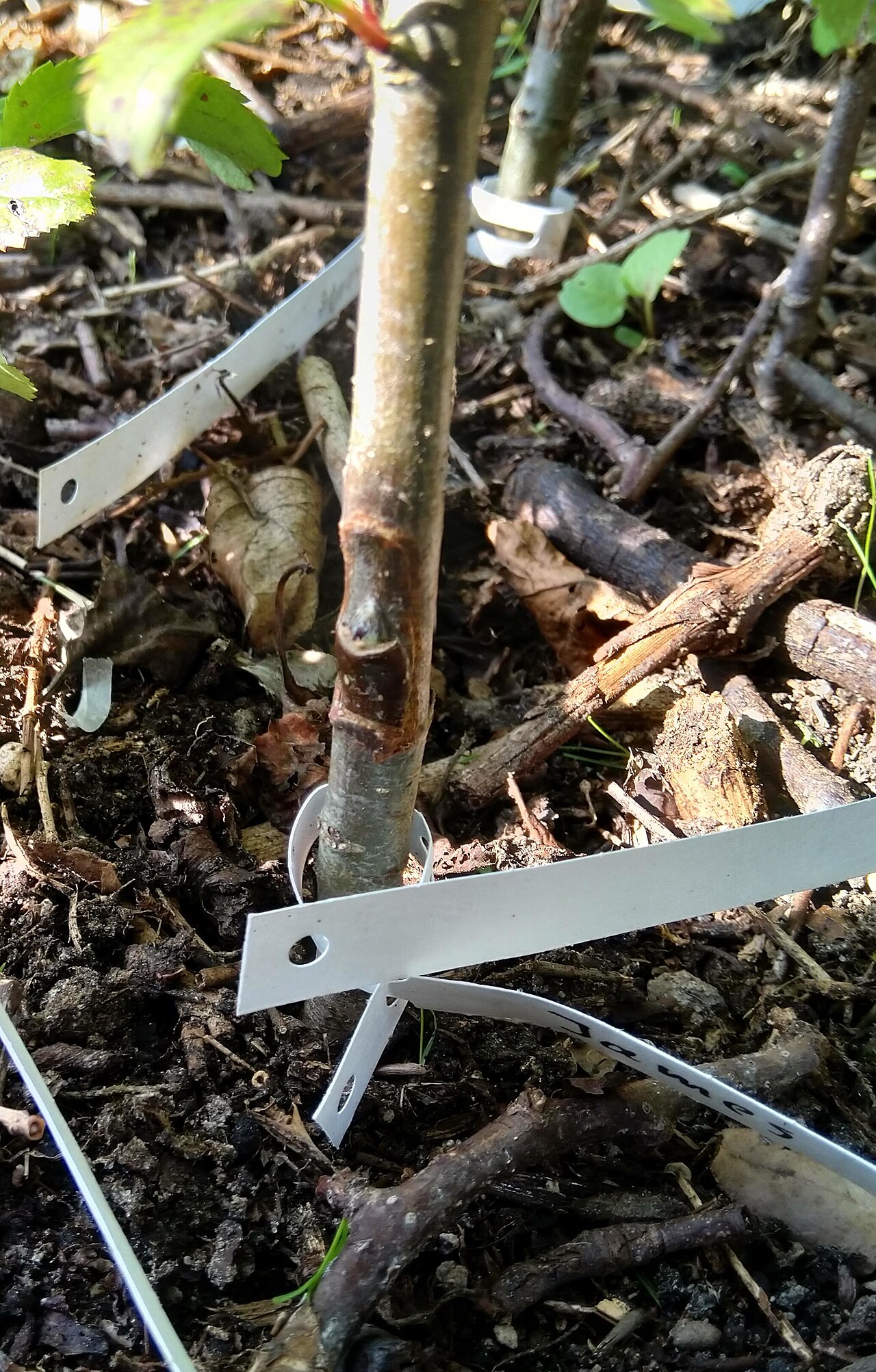
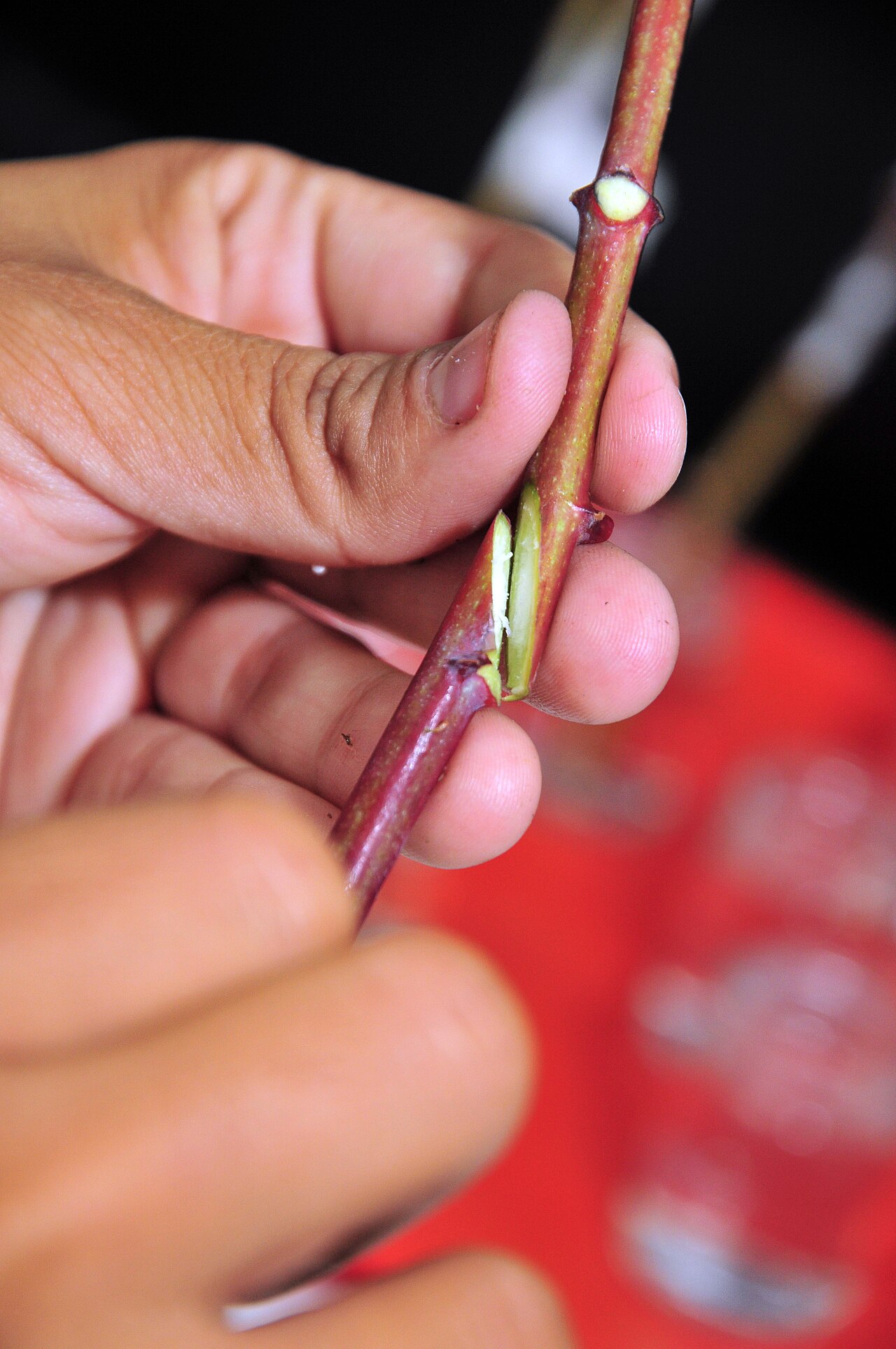
Grafting a dormant bud is performed when the bark on the rootstock separates easily from the wood — this cannot be precisely predicted by calendar date, but is assessed based on the condition of the rootstock. In some regions, especially in Spain, chip budding is also used, which can be performed in spring or summer with proper bud storage and active rootstock growth. Turkish sources also describe patch budding (yama göz) on C. colurna.
Callus heating (hot-callusing)
A modern technique that locally heats only the union of the scion and rootstock, while the rest of the plant remains at a lower temperature. This accelerates callus formation and union healing. Web sources state that satisfactory callus forms within 21–28 days at about 27 °C, achieving very high take rates (often over 90 %), and the method does not require a greenhouse after grafting. This makes it particularly suitable for mass production in nurseries.
Manual or machine
Grafting can be done manually or by machine. In manual work, the grafter can better match the thickness of the rootstock and scion and identify diseased tissues, while machines provide higher throughput and more uniform quality. An experienced grafter can graft approximately 600–900 rootstocks per day.
| Technique | Typical period | Suitable for | Note |
|---|---|---|---|
| English whip (tongue) | dormancy / early spring | rootstocks similar in thickness to scion | most common; requires stratification/heat |
| Simple (plain) whip | dormancy / spring | thinner, uniform rootstocks | fast; applied in Osijek |
| Chip grafting | spring | older/thicker rootstocks (2–3 yrs) | height ≥ 10–15 cm |
| Budding / chip budding | spring or summer | active growth, bark separates | requires bud storage |
| Callus heating (hot-callusing) | dormancy | mass production | ~27 °C, 21–28 days, take > 90 % |
| ## Compatibility of scion and rootstock |
The good news for growers is that Corylus colurna is graft-compatible with all tested cultivars and species of the genus Corylus. The graft unions produce abundant callus and heal well; in our corpus, grafting cultivars onto two-year-old seedlings of Turkish hazelnut using the whip and tongue method demonstrated "excellent compatibility and high success rates."
Web literature confirms high graft acceptance rates, with variations among cultivars and clones. Examples from published research (for informational purposes):
| Cultivar / Clone | Grafting Success | Source |
|---|---|---|
| 'Rimski' | ~92.8 % | Nursery research |
| C. avellana 'Atropurpurea' | ~82 % | Nursery research |
| Clone AD17 (from TGDL) | ~85.5 % | Serbia (whip & tongue) |
| Clone Tombesi (from TDG) | ~83.4 % | Serbia (whip & tongue) |
| 'Tonda di Giffoni' (TDG) | ~75.6 % | Serbia (whip & tongue) |
| 'Tonda Gentile della Langhe' (TGDL) | ~67.7 % | Serbia (whip & tongue) |
| 'Tonda Gentile Romana' (TGR) | ~64.5 % | Serbia (whip & tongue) |
These data show that clones consistently outperform the original cultivars in both grafting success and uniformity, supporting the use of selected scion material.
What to watch out for regarding (in)compatibility
Although the literature rarely records significant physiological incompatibility between C. avellana and C. colurna, there are practical phenomena to be aware of:
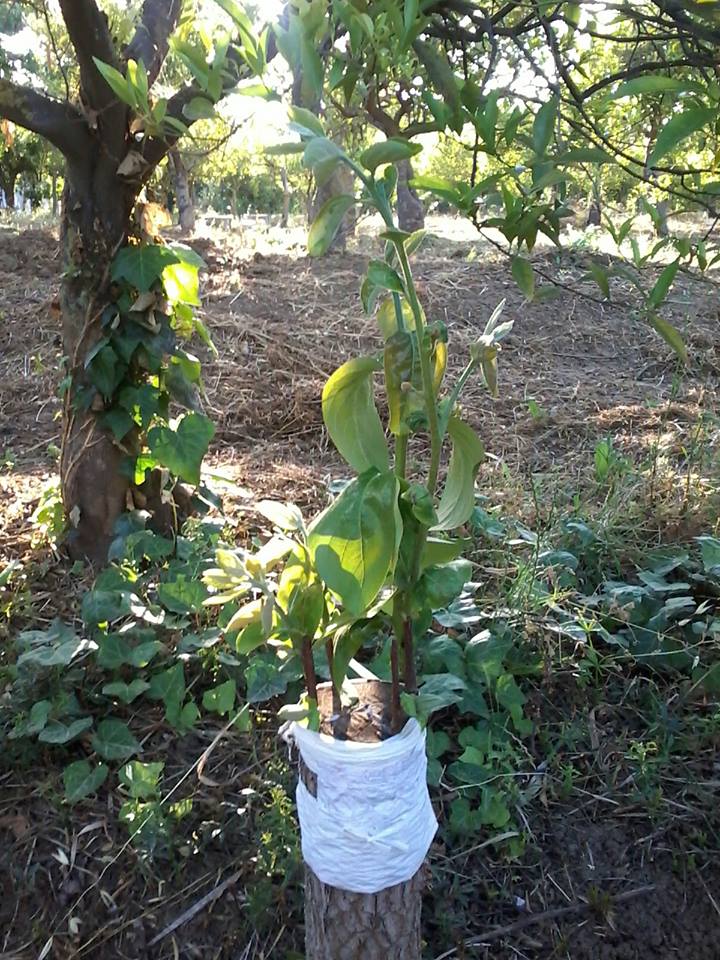
- Visible union due to bark differences: Due to differences in bark color and texture between Turkish hazelnut (C. colurna) and European hazelnut (C. avellana), the graft union remains clearly visible. This is not in itself a sign of incompatibility, but it facilitates identification of the graft site.
- Suckers above the graft union: In practice, it has been observed that grafted trees, although they do not produce suckers from the rootstock, may produce suckers above the graft union (from the scion portion), which also need to be removed.
- Factors influencing union formation: Graft success increases during dormancy (from autumn to spring) in parallel with the decline of phenolic compound levels in the partners and an increase in callus formation capacity. Key success factors remain a quality rootstock, precise and clean cuts, good cambial contact, and timely sealing of the cut surface.
Advantages and disadvantages of trees on rootstock
Advantages of grafted hazelnut (especially on C. colurna)
- Earlier bearing compared to own-rooted seedlings.
- Far fewer root suckers — less work required for their removal.
- Wider and deeper root system, more tolerant of drought and more wind-resistant. The corpus explicitly states that own-rooted cultivars suffer more from drought because they root more shallowly than those grafted onto C. colurna.
- Standard tree training: A trunk height of usually 50–80 cm occupies less space than a bush, allows for denser planting, better canopy illumination (resulting in larger and higher-quality nuts), and mechanization.
- Higher yield per unit area due to denser planting; trees reach full production after approximately 6 years, and the orchard can last 40 years or more.
- Phytosanitary advantages and easier orchard renewal.
Disadvantages
- Higher production costs and higher seedling price.
- Shorter lifespan than own-rooted seedlings (according to some sources).
- Root sensitivity to manipulation during digging, handling, and planting.
- Slower and more demanding production of C. colurna rootstock itself (seed propagation, difficult vegetative propagation).
- Soil limitations: Turkish hazelnut tolerates heavy, compacted soils poorly.
Standard tree vs. open vase bush
The ease of training a standard tree depends on the cultivar: vigorous, upright cultivars (e.g., 'Haleski div', 'Rimski') are easier to train as standard trees than more spreading cultivars (e.g., 'Istarski duguljasti'). Grafted seedlings can also be used for open vase bushes — planting 3–4 seedlings in the same spot results in a bush with 3–4 main branches and minimal suckering.
Practical recommendations and common mistakes
- Choose two-year-old rootstocks with sufficient root collar diameter and height; one-year-olds are generally too small for successful grafting.
- Match the diameters of scion and rootstock for whip and tongue/simple grafts — mismatched diameters reduce cambial contact and acceptance.
- Cut the scion to two buds as insurance against failed bud break or damage.
- Prepare scions in advance (autumn/winter) and store them at 1–4 °C with high humidity and fungicide treatment.
- Do not allow cold temperatures after grafting (below ~4 °C) — this slows union formation. If possible, use stratification or callus heating.
- Always seal the cut surface with wax and bind the union securely.
- Monitor and remove suckers above the graft union on standard trees.
- Match the rootstock to the soil: on heavy, compacted soils, carefully consider Turkish hazelnut.
- Use certified planting material and check current regulations regarding planting material before purchasing or selling seedlings.
Gallery
Sources
This article is an AI summary generated from an internal hazelnut literature collection (RAG corpus) and supplemented with public scientific and professional sources. Figures and timelines are informative and should be verified with advisory services and official sources. Main sources used:
From RAG corpus:
- GUIDE FOR HAZELNUT CULTIVATION (savjetodavna.mps.hr), 2024.
- Business Plan for Hazelnut Seedling Production, 2019.
- NURSERY PRODUCTION HANDBOOK (TREE project), 2020.
- Proceedings of the 13th Scientific-Professional Conference of Croatian Fruit Growers, 2018. (Agricultural Institute Osijek — simple grafting)
- Influence of nutrient medium and plant growth regulators on micropropagation of Corylus colurna L., 2025.
- D. Vuković et al., Rootstocks for hazelnut grafting, Agricultural Institute Osijek / HCPHS, Daruvar, 2018.
- Growth and bearing of hazelnut cultivars on Corylus colurna rootstock — doi.org/10.33128/pc.21.3-4.2
- Hazelnut — Vrtlarica — vrtlarica.com/ljesnjak
- Hazelnut Pruning — AgroPortal.hr
Public sources (web):
- Advances in Nursery Production of Hazelnut Plants in Serbia — Frontiers in Plant Science — frontiersin.org
- Advances in Hazelnut (Corylus avellana L.) Rootstocks Worldwide — MDPI Horticulturae — mdpi.com/2311-7524/7/9/267
- Grafting with non-suckering rootstock increases drought tolerance in Corylus avellana L. — PMC — pmc.ncbi.nlm.nih.gov/articles/PMC11632140
- Grafting Success of Çakıldak Hazelnut Cultivar on Corylus colurna L. Seedling Rootstock — dergipark.org.tr
- Rootstocks of Corylus colurna L. for nursery production — ISHS — ishs.org/ishs-article/845_39
- A Simple Method to Improve Hazelnut Grafting / A New Device for Hot-callusing Graft Unions — ResearchGate