Aspergillus and aflatoxin contamination in the field
Content generated by artificial intelligence — verify before application
This article was automatically compiled from a collection of hazelnut literature using artificial intelligence and may contain errors or outdated data. It serves as a starting point for further research, not as professional advice. Dosages, products, and timing are informative and depend on the cultivar, location, and applicable regulations — always consult with an advisory service and official sources before application.
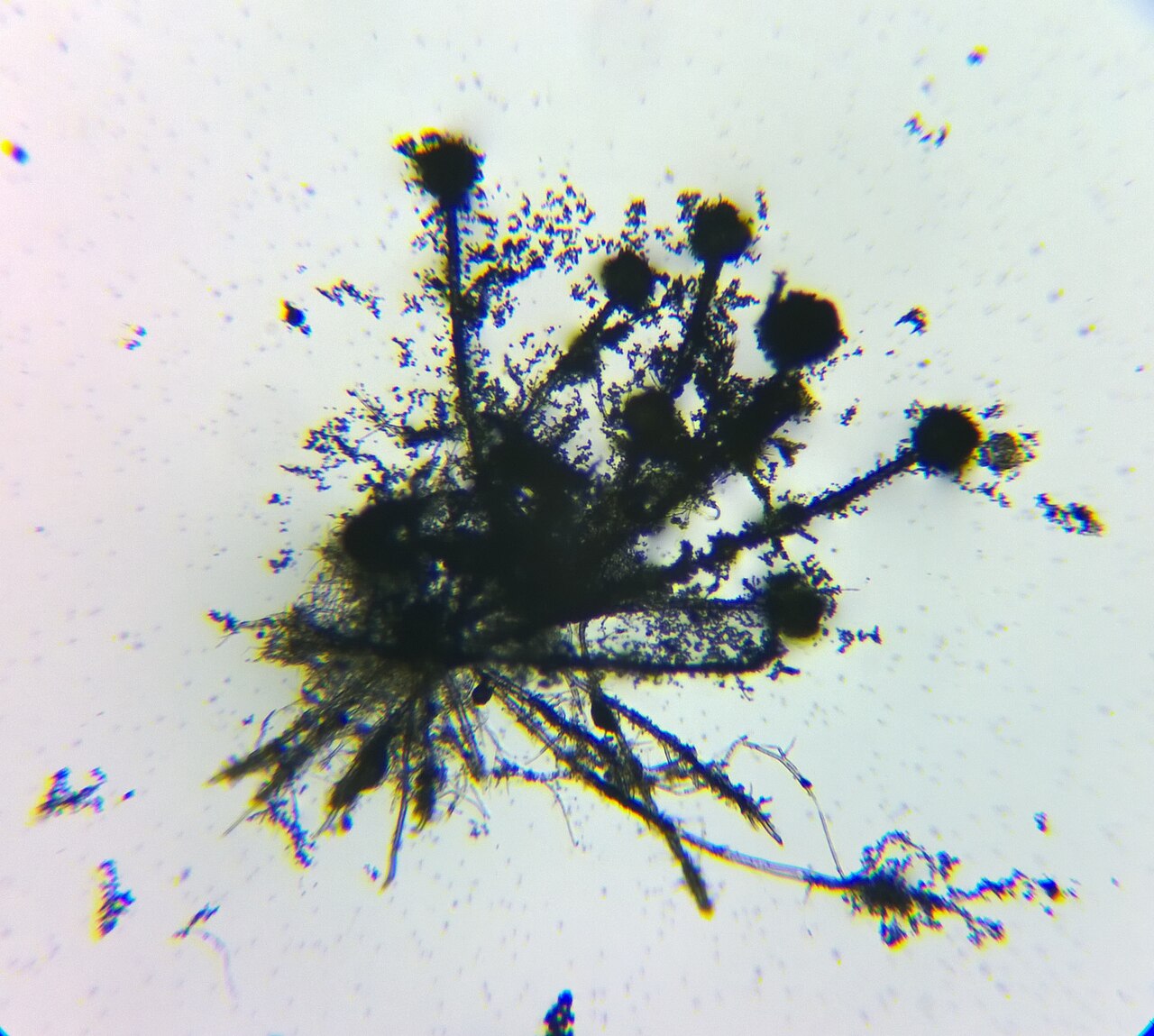
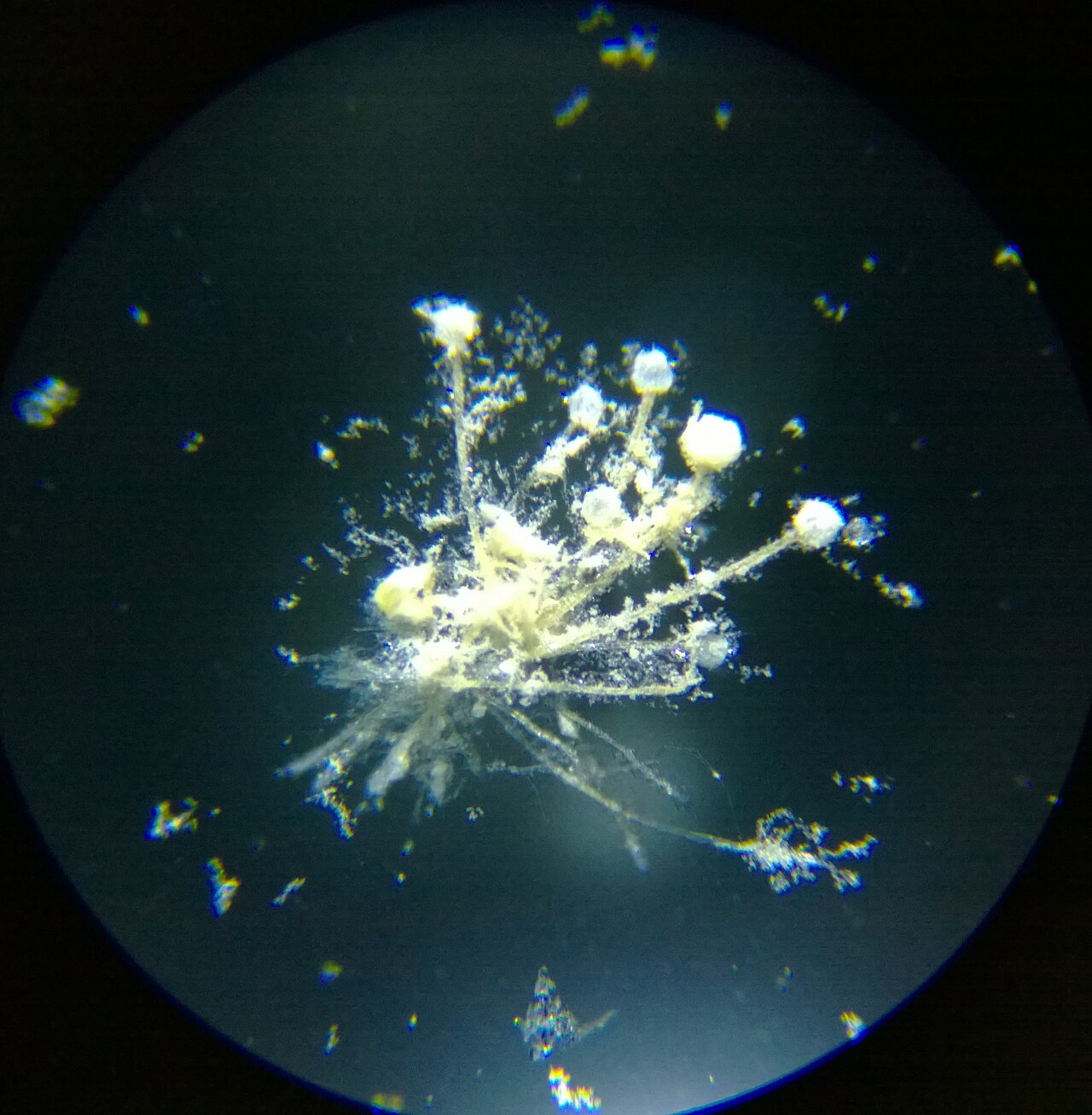
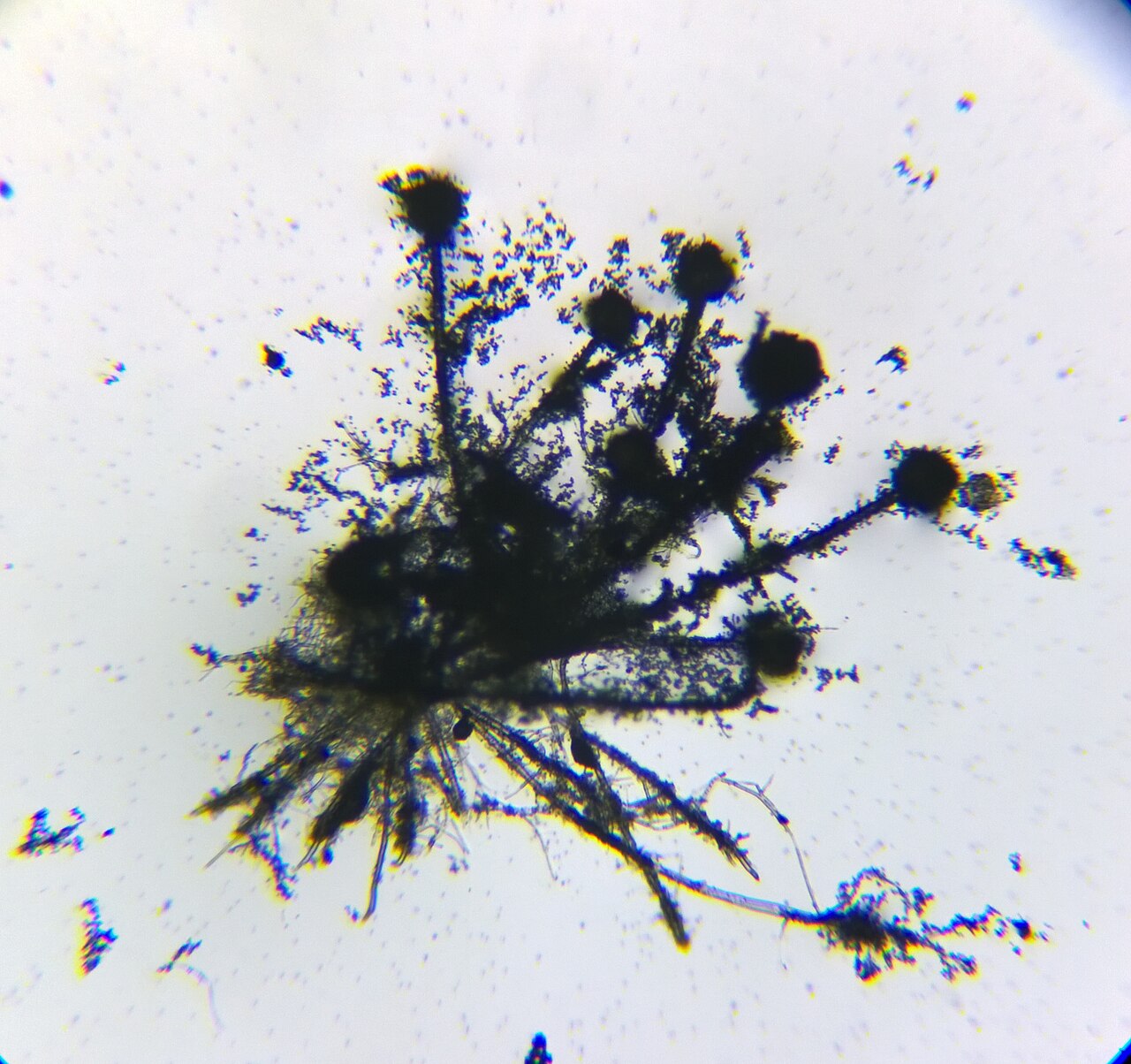
Aflatoxins are a group of mycotoxins produced by certain molds from the genus Aspergillus — primarily Aspergillus flavus and Aspergillus parasiticus. These are highly toxic and carcinogenic compounds, with aflatoxin B1 (AFB1) being one of the most potent known natural carcinogens. Hazelnut, along with corn, peanuts, pistachios, and other nuts, is one of the foods most commonly associated with this contamination. For the Croatian producer, the problem is twofold: health-related (food safety) and economic, as exceeding legal limits means rejection or destruction of the entire batch, and the EU market monitors aflatoxins very strictly. What is often misunderstood is that contamination begins in the field, long before drying and storage, and that agronomic practices during the growing season are the first and most cost-effective line of defense. This article explains who Aspergillus flavus is, how and when aflatoxins are formed in the orchard, why drought and pests are the main triggers, and which preventive measures have real merit.
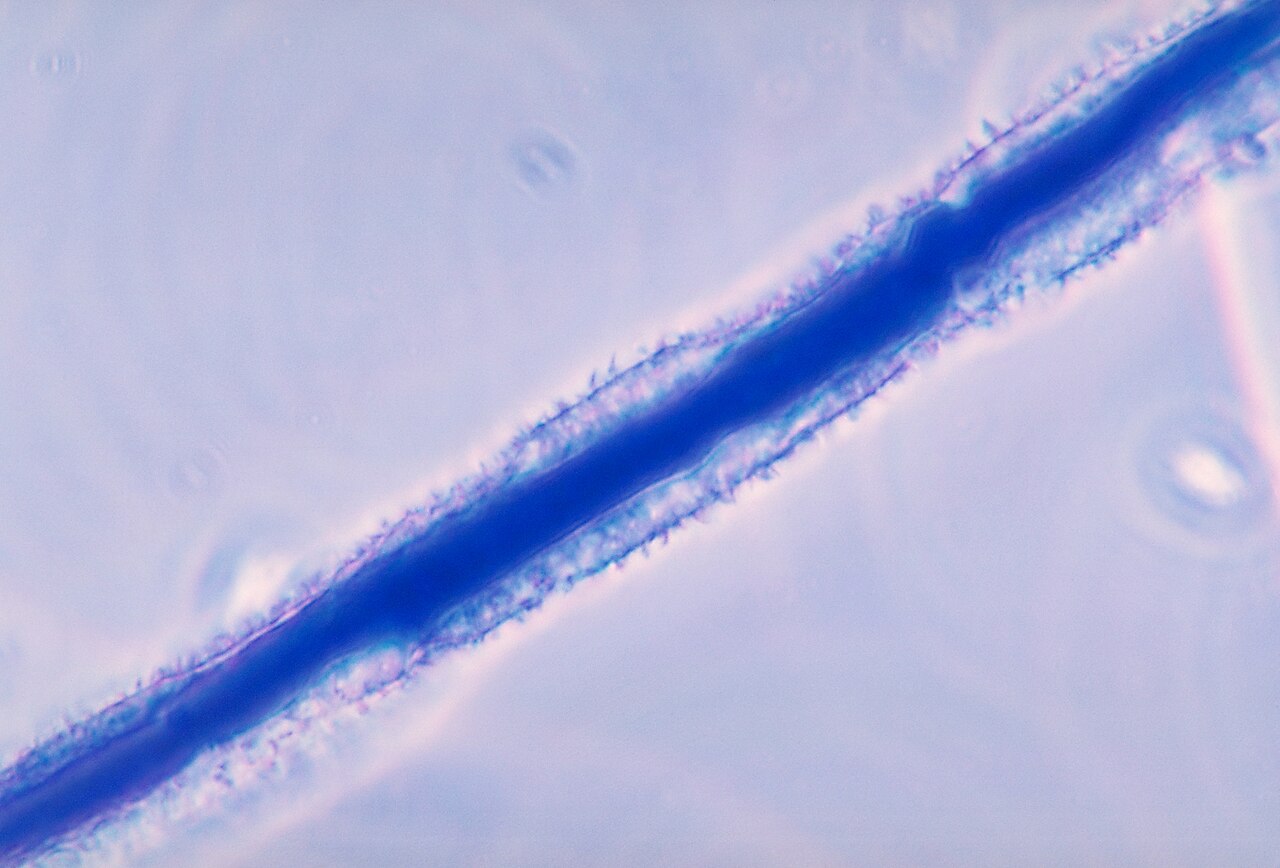
What are aflatoxins and why are they dangerous
Aflatoxins are secondary metabolites of molds — substances that the fungus does not need for basic growth but produces in response to stress (especially oxidative stress). The four most important types are B1, B2, G1, and G2. AFB1 is the most dangerous due to its high acute and chronic toxicity and strong carcinogenic effect on the liver of humans and animals; the International Agency for Research on Cancer (IARC) classifies aflatoxins in Group 1 (proven human carcinogens). Aflatoxin M1 (AFM1) is a metabolite of AFB1 that appears in the milk of animals fed contaminated feed.
Humans are exposed to aflatoxins primarily through ingestion (eating contaminated food), but Aspergillus conidia (spores) can also be inhalation allergens and cause lung infections in immunocompromised individuals. In developed countries, acute food poisoning is practically non-existent due to control measures, while chronic exposure and related diseases remain a problem in developing countries.
Key fact
The presence of Aspergillus on hazelnuts does not automatically mean that the product is contaminated with aflatoxins. Aflatoxins are not necessary for fungal growth — they are produced only under specific stressful conditions. Therefore, the goal of agronomy is not only to prevent mold growth but also to avoid conditions that promote toxin synthesis.
Quantitative scale of the problem
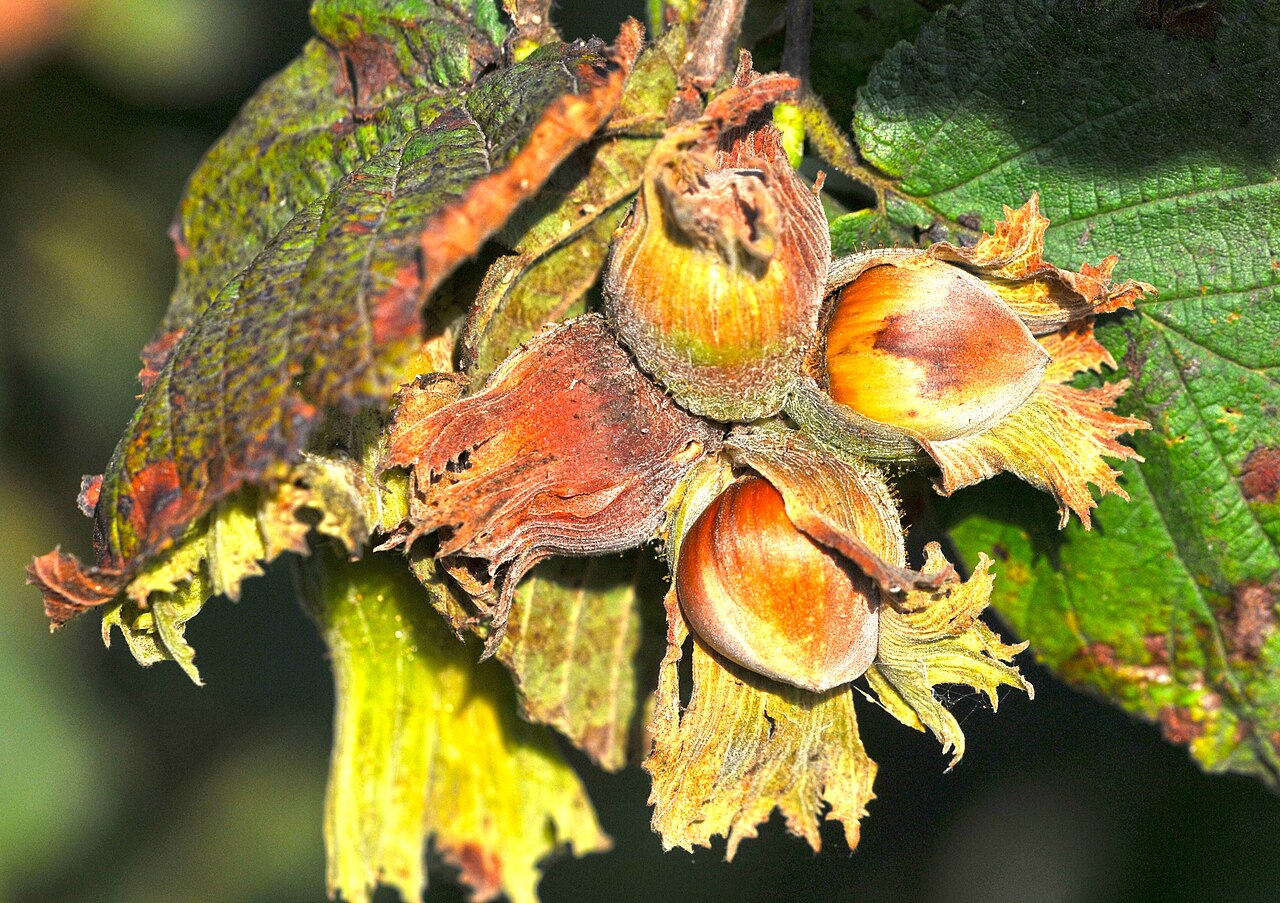
The difference between a healthy and a moldy nut is dramatic. In a study by Şen (2021), cited in a Croatian review on hazelnut harvesting, drying, and storage technology:
| Nut Condition | Aflatoxin Content |
|---|---|
| Whole, visually undamaged nuts | only in traces |
| "Moldy" nuts | up to 433 µg/kg |
For comparison, the legal limit for AFB1 for hazelnuts intended for direct human consumption is 5.0 µg/kg — meaning that just a few heavily moldy nuts can "pull" an entire batch above the permitted level. This clearly shows why preventing damage and mold on individual nuts is crucial.
Actual contamination findings in practice (including Croatia)
Aflatoxin production is extremely variable, as seen in published findings on hazelnut and hazelnut product samples from the market. The following table summarizes several studies reported in a Croatian review article (Vrtodušić et al., 2022); the figures are informative and depend on origin, year, cultivar, and processing method:
| Study (Year) | Sample | Frequency of Findings | Range of Measured Quantities |
|---|---|---|---|
| Prelle et al. (2012) | hazelnuts from Italian stores | 35 out of 93 samples positive | higher proportion in nuts from Turkey than from Italy |
| Kabak (2016) | raw hazelnuts | 12 % of samples | 0.09 – 11.3 µg/kg |
| Baltaci et al. (2012) | raw hazelnuts | — | 0.02 – 78.98 µg/kg |
| Gürses (2006) | raw hazelnuts | — | 1 – 113 µg/kg |
| Šapina et al. (2014) | hazelnuts from the Croatian market | 3 out of 19 samples above 4 µg/kg | significant variability |
The lesson is clear: in most samples, there is no aflatoxin or very little, but the "tails" of the distribution reach several tens or hundreds of µg/kg, far above the legal limit. Precisely because of this high variability, relying on luck is not a strategy — systematic prevention and sorting are. It is worth noting that aflatoxins are found in the kernel, not in the shell: a study from Iran (Isfahan) showed that no aflatoxins were found in shells, while 12% of raw kernel samples contained 0.09 – 11.3 µg/kg, with A. flavus dominating among isolated molds.
The pathogen: Aspergillus flavus and A. parasiticus
Aspergillus flavus and A. parasiticus are cosmopolitan saprophytic species — they naturally live in the soil and on plant residues, decomposing dead organic matter. It is important to understand their特殊性 (special nature) in relation to "classic" hazelnut diseases:
- They are not pathogenic to hazelnut in the usual sense. They do not cause necroses, lesions, cankers, or rot on healthy tissue and do not cause visible disease symptoms on the plant.
- They colonize the nut (especially the kernel) as opportunists, most often through damage or when the nut is physiologically weakened.
- Toxigenic activity on hazelnuts depends on a number of factors — fungal strains, microclimate, nut moisture, shell condition, and the presence of other molds.
It should also be emphasized that Aspergillus is not the only mold on hazelnuts. Research in Croatian orchards has shown mold infection levels of 20 to 50 %, with species of the genus Alternaria often dominating, along with Diaporthe, Colletotrichum, Fusarium, Penicillium, and Rhizopus. In practice, simultaneous infection with multiple species is common, which further complicates protection. However, only species of the section Flavi (A. flavus, A. parasiticus) produce aflatoxins, making them the focus of food safety concerns.
Field development conditions
Aflatoxin synthesis is closely linked to fungal development, which favors warm and humid conditions, but the toxins themselves accumulate in response to stress. From the literature, optimal conditions for the growth and toxigenesis of A. flavus can be identified:
| Factor | Value (informative) | Note |
|---|---|---|
| Optimal growth temperature | ~ 25 – 33 °C | warm summer favors; toxigenesis strongest around 28 – 33 °C |
| Optimal relative humidity | ~ 80 % (and up to 97 – 99 % for growth) | humidity within the cluster/canopy and around the nut |
| Kernel moisture (risk threshold) | above ~ 5 % | dry nuts are much safer |
| Relative air humidity (threshold) | above ~ 70 % | prolonged humid period = higher risk |
Factors affecting aflatoxin production, according to review articles (e.g., Pleadin et al., 2014; Viquez et al., 1994), include:
- Substrate type — hazelnut (oil seed) is a suitable substrate for growth and toxigenesis.
- Moisture content in the nut and surroundings.
- Presence of aflatoxigenic strains of mold in the soil and orchard.
- Mechanical damage to the protective envelope (shell) — entry points for the fungus.
- Mineral substances and physiological state of the nut.
Contamination begins in the field, not just in storage
Although aflatoxins are most often associated with storage, in corn it has been proven that A. flavus easily infects the crop in the field, especially under drought stress, and that aflatoxin production begins long before storage. The same principle applies to hazelnuts: poor field hygiene and stress during the growing season create the "foundation" for contamination that cannot be fully corrected by subsequent drying. Recent research on the pre-harvest dynamics of the section Flavi in hazelnut orchards in Azerbaijan confirms that Aspergillus inoculum is present in the orchard even before harvest.
Impact of Drought and Pests — Key Drivers
Two factors most significantly increase the risk of aflatoxins in the field: drought (water stress) and nut damage from pests.
Drought and Water Stress
Dry environments and drought stress strongly favor the accumulation of aflatoxins. The mechanism is twofold:
- Drought weakens the plant and the nut, making it more susceptible to colonization by saprophytic molds.
- Drought induces oxidative stress in the tissue and in the fungus itself — and it is precisely this oxidative stress that stimulates A. flavus to increase aflatoxin synthesis (toxins accumulate as a response to this stress).
Practical implication: In dry years and on non-irrigated, dry, permeable sites, the risk increases. Research indicates that irrigation — particularly when applied during the pollination and nut development stages — can reduce Aspergillus infection levels by eliminating the plant's water stress. Careful soil management (e.g., excessive plowing) can, however, increase the risk if it reduces soil moisture and enhances erosion in dry areas, so measures should be adapted to the specific location.
Climate Change Increases Risk in Europe
Recent literature warns that due to climate change (warmer and drier conditions), the risk of aflatoxins is rising even in European production areas where it was previously low. This means that preventive field measures are becoming increasingly important even in temperate climates, including Croatia.
Pests and Mechanical Damage
A healthy, undamaged shell acts as a physical barrier preventing the fungus from entering the kernel. Any damage to the shell — scar, puncture hole, or crack — becomes an entry point for Aspergillus and other molds. The most important "door openers" on hazelnuts are stink bugs (Heteroptera) and the hazelnut weevil.
Stink Bugs — Dominant Species on Hazelnut
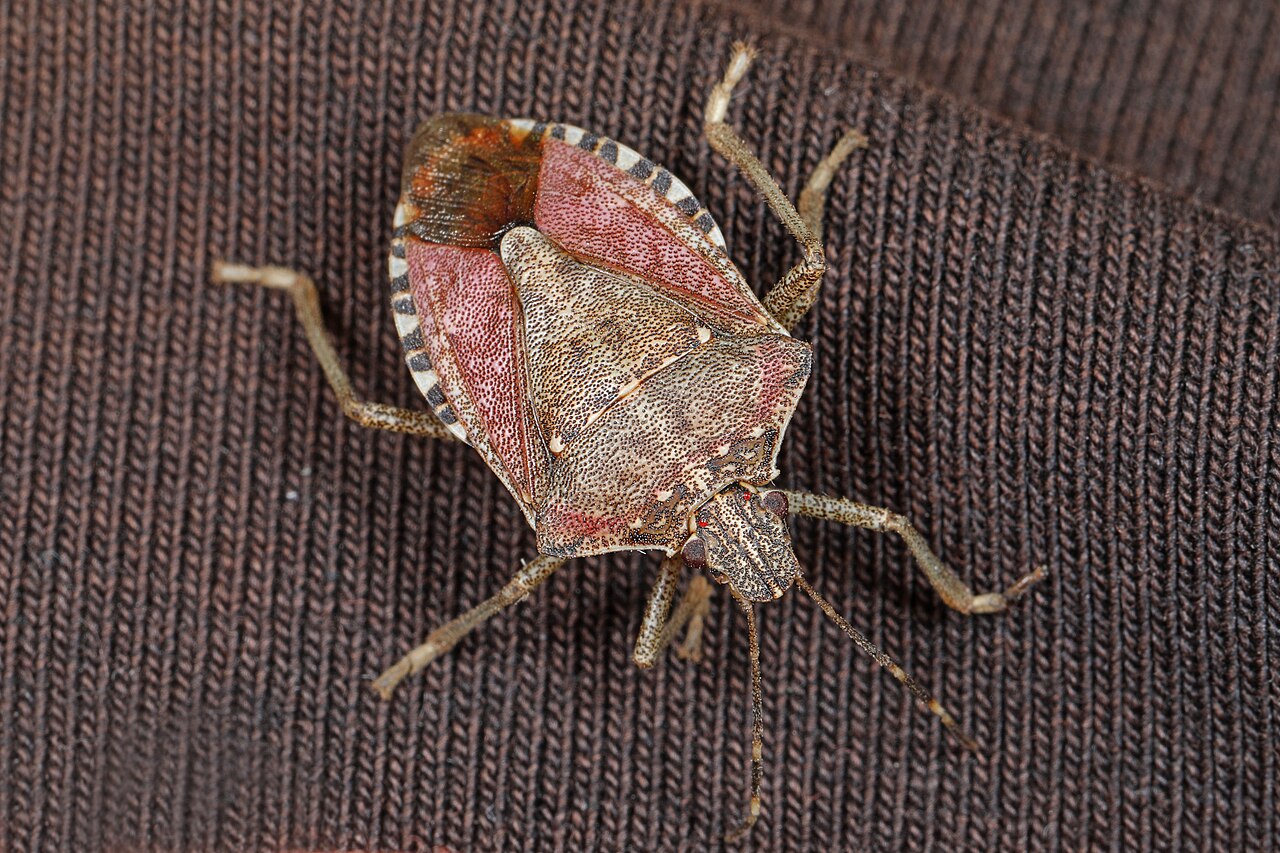
In European and Croatian hazelnut orchards, these stink bug species dominate, most often present together:
| Species | Family | Croatian Name | Note |
|---|---|---|---|
| Halyomorpha halys | Pentatomidae | Brown marmorated stink bug | invasive, lacks natural enemies; currently the greatest threat, also damages apple, pear, peach |
| Nezara viridula | Pentatomidae | Southern green stink bug | common pest of fruits |
| Palomena prasina | Pentatomidae | Green shield bug | classically present in orchards |
| Gonocerus acuteangulatus | Coreidae | — | traditionally significant on hazelnut |
Other species present include Piezodorus lituratus, Raphigaster nebulosa (syn. Rhaphigaster nebulosa), Dolycoris baccarum, and Carpocoris purpureipennis (Ciglar, 1998).
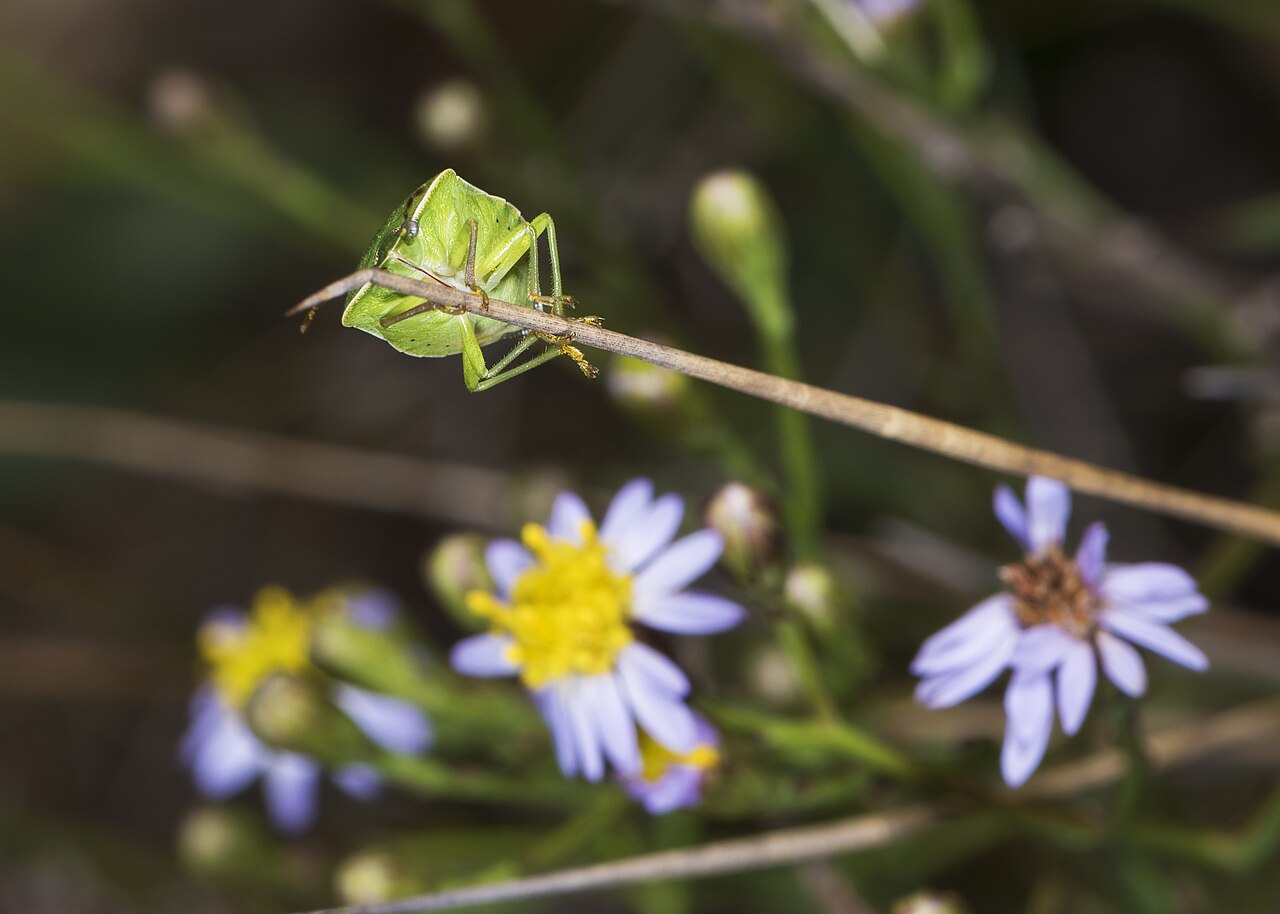
The species and extent of damage depend on the phenological stage at which the stink bug feeds on the nut:
- Early attack (May – early June), during shell growth and expansion: Seed development is halted, the nut remains "empty" (without a kernel) and drops prematurely in early summer.
- Later attack (mid-June – August), during kernel filling: White or brownish spots, spongy tissue, and depressions form on the kernel; saliva rich in enzymes is injected via the puncture, altering the kernel's composition. Damaged nuts have an unpleasant odor, are unfit for consumption or processing — and become entry points for mold.
Saruhan and Tuncer (2010) determined that as few as two individuals (adults or nymphs) per shoot cause ~10% damaged, prematurely dropped nuts; in field trials in Italy, H. halys at ~1.78 individuals per tree caused about 6.5% damaged kernels. Economic damage from H. halys on hazelnut has already been recorded in neighboring countries (Slovenia, Serbia, Hungary, Italy), and it is considered a new challenge in Croatia as well (Pajač Živković et al., 2024).
Hazelnut Weevil and Other Pests
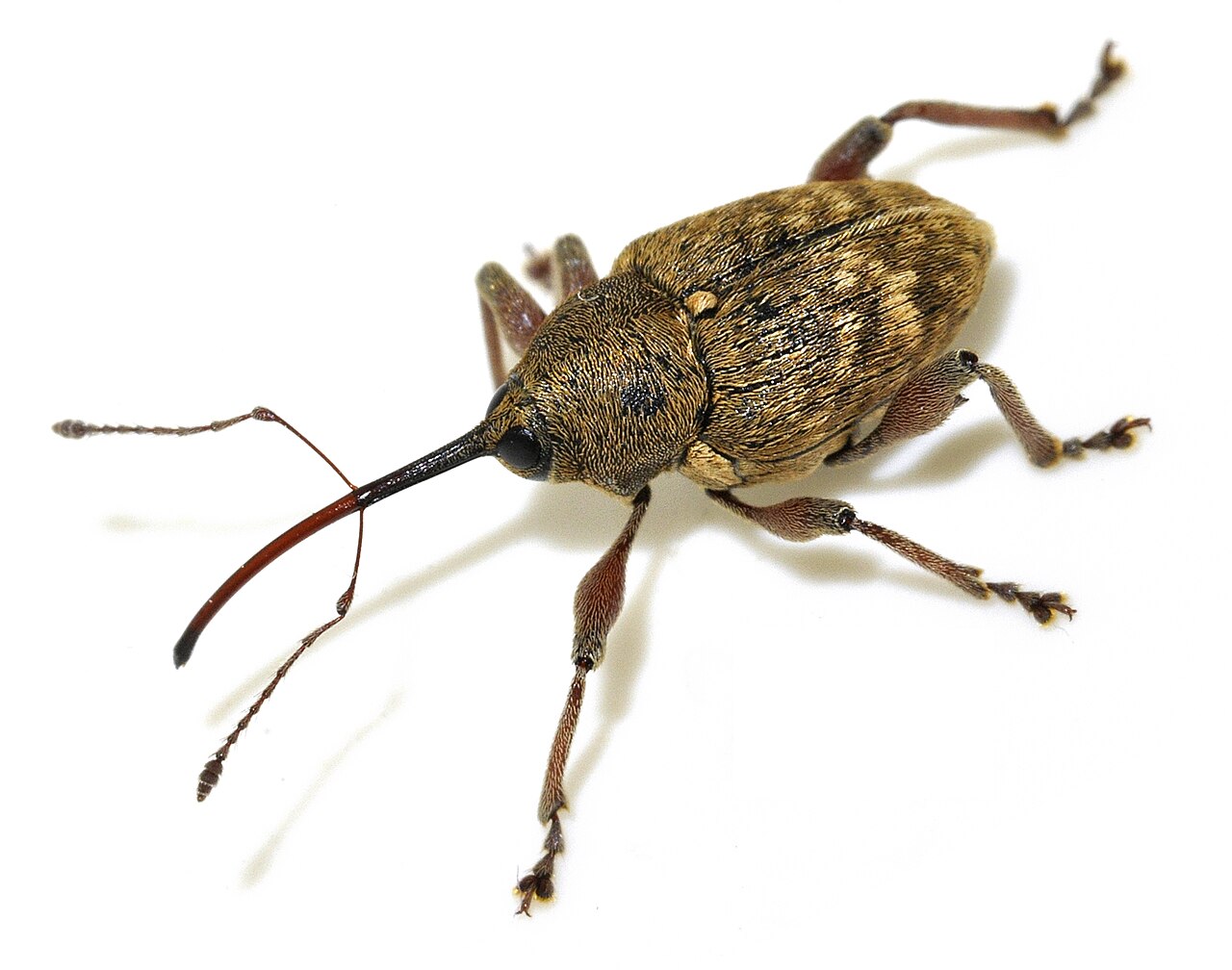
- Hazelnut weevil / hazelnut snout beetle (Curculio nucum, syn. Balaninus nucum) — The female bores into the nut and lays an egg; the larva bores into the kernel ("worminess"), and damaged nuts become highly susceptible to mold.
- Other insects that cause wounds on the nut.
Therefore, controlling pests that damage the nut is an indirect but highly effective measure against aflatoxins: all measures during the growing season that prevent nut damage (pest and disease control) also reduce aflatoxin contamination (Fontana et al., 2014). Literature explicitly states that infection by some fungi is prevented primarily through stink bug control.
Agronomic Preventive Measures in the Field
Aflatoxins cannot be "cured" — the strategy is strictly preventive: prevent fungal colonization and avoid stress that promotes toxin production, before, during, and after harvest. Measures for the field phase:
1. Orchard Hygiene and Reduction of Inoculum Sources
- Removal and destruction of fallen, moldy, wormy, and previous year's nuts from the soil — these are reservoirs of the fungus and toxins.
- Removal of plant residues and infected fallen leaves (for some diseases, burning of fallen leaves is recommended).
- Regular mowing/soil management under the canopy to promote faster drying and easier, cleaner nut collection.
2. Timely Harvest and Avoiding Long Ground Contact
- Nuts lying for a long time on moist soil after dropping are exposed to Aspergillus colonization; shorter ground contact is better.
- Rapid collection (manual or mechanized) and immediate drying are crucial for breaking the contamination chain.
3. Pest and Disease Control (Nut Protection)
- Monitoring and control of stink bugs (H. halys, N. viridula, P. prasina, G. acuteangulatus), hazelnut weevil, and other pests that bore into/damage the nut.
- For H. halys, monitoring with pheromone and light traps is recommended, along with timely treatments during nut development and filling; biological control measures (egg parasitoids) are also being explored.
- Although hazelnut is attacked by relatively few diseases, literature emphasizes that regular spraying protection is still necessary; integrated pest management (IPM) reduces the number of damaged nuts, and thus the entry points for mold.
4. Water Management (Irrigation)
- Irrigation at critical stages (pollination, nut development, and filling) eliminates water stress and has been shown to reduce Aspergillus infection.
- Avoid the opposite extreme — waterlogging and excessive humidity in the canopy and crotch, which favor mold growth.
5. Cultivar Selection and Healthy Planting Material
- Early-maturing cultivars are generally less susceptible to aflatoxin contamination (shorter nut exposure to risk), as demonstrated in other crops and cited as a guideline for nuts as well.
- Use of healthy, certified planting material and, where available, more tolerant cultivars.
- Development of more resistant cultivars is being researched as a long-term measure to reduce pre-harvest risk.
6. Biological and Other Perspective Controls
- In other crops, biocontrol with atoxigenic strains of A. flavus is used — harmless strains outcompete toxigenic ones on the nut and soil. For hazelnut, this is still largely a research subject, and application depends on registration and approvals.
- Application of antagonists (e.g., Trichoderma) and rotation/diversity strategies are being explored, but these are limited in applicability for permanent hazelnut orchards.
Bridge to Post-Harvest Phase
Good field practice reduces incoming risk, but final safety is determined by drying. Target moisture values from literature: kernel ~ 4–6%, shell ~ 7–10%; drying at temperatures around ~ 45–50 °C effectively prevents fungal development and further aflatoxin production. Moist, insufficiently dried nuts can develop aflatoxins in storage even after perfect field hygiene.
Legal Framework (EU/HR) — Why This Matters
Aflatoxins are strictly regulated in the EU. Maximum levels for hazelnuts are established by food contaminants regulations: historically by Regulation (EC) No 1881/2006, and currently consolidated in Commission Regulation (EU) 2023/915 of 25 April 2023 on maximum levels for certain contaminants in food (which repealed Regulation 1881/2006).
For hazelnuts (Corylus), the regulation distinguishes between nuts intended for direct human consumption and those that will be sorted or otherwise physically processed before being placed on the market (allowing visibly contaminated nuts to be removed). Current values from Regulation (EU) 2023/915, Annex I, points 1.1.10 and 1.1.11 (informative):
| Hazelnut Use | Code | AFB1 | Total Aflatoxins (B1+B2+G1+G2) |
|---|---|---|---|
| For sorting / further physical processing before market placement | 1.1.10 | 8.0 µg/kg | 15.0 µg/kg |
| For direct human consumption / as a food ingredient | 1.1.11 | 5.0 µg/kg | 10.0 µg/kg |
If hazelnuts are analyzed "in shell", it is assumed that all contamination is on the edible part (kernel), and the content is recalculated for that part.
Clarification: Which limit applies to what
The limits for hazelnuts for direct human consumption (5.0 µg/kg AFB1 and 10.0 µg/kg for the sum) are stricter than those for batches intended for sorting/processing (8.0 and 15.0 µg/kg, respectively). The logic is that for processing material, contaminated nuts still need to be removed, whereas consumer-ready goods must already be safe. Older regulations (1881/2006) cited limits around 2.0 µg/kg AFB1 for some tree nuts, but for hazelnuts and Brazil nuts, the specific items mentioned above (5.0 / 8.0 µg/kg) are decisive. Always check the current text of the Regulation and customer requirements before market placement.
For AFM1 in milk, the regulatory limit is around 0.05 µg/kg. Codex Alimentarius uses a limit of around ~15 µg/kg for total aflatoxins in tree nuts, but for market placement in the EU, the (stricter) European values are decisive. Sampling and analysis methods for official mycotoxin controls are established by Regulation (EC) No 401/2006 (samples of around 2×10 kg for "ready-to-eat" nuts). Exceedance means a ban on market placement — which is why investment in field prevention is economically viable, not just health-wise.
Enhanced Import Controls (Implementing Regulation (EU) 2019/1793)
Due to frequent findings of aflatoxin exceedances, the EU has mandated enhanced official controls at import for hazelnuts and hazelnut products from third countries. The legal framework is Commission Implementing Regulation (EU) 2019/1793 of 22 October 2019 on temporary increased official controls and emergency measures governing the entry of certain goods from certain third countries into the Union.
- Hazelnuts and hazelnut products from Turkey, Georgia, and Azerbaijan are subject to more frequent controls (identity checks and physical inspections with sampling and laboratory analysis for aflatoxins at border control posts), accompanied by mandatory health certificates and sampling results from the country of export.
- Inspection frequency is periodically revised depending on the non-compliance rate: for example, the frequency of aflatoxin controls for hazelnuts from Georgia was reduced from 50% to 20%, while for dried figs from Turkey, the frequency increased in one period (e.g., from 10% to 20%). Specific percentages change with amendments to Annex I of this Regulation, so they should be checked in the current version.
Practical lesson for Croatian producers: even if goods are not imported but sold on the single market, the same logic (strict thresholds, sampling, possibility of batch rejection) applies in trade and processing, so documented prevention and sorting are a competitive advantage.
Figures are informative
All limits, doses, and values mentioned are informative and may change. Before market placement, check current EU and national regulations and customer conditions; apply plant protection products exclusively according to registration and labeling, with advice from an advisory service.
Practical Recommendations and Common Mistakes
Do:
- Control stink bugs (especially the invasive H. halys) and hazelnut weevil — fewer damaged nuts mean fewer aflatoxins.
- Harvest nuts quickly and do not allow them to lie on wet soil for long.
- Dry nuts as soon as possible to target moisture content; it is better to "over-dry" than to leave them wet.
- Remove and destroy moldy and fallen nuts (do not leave them in the orchard).
- Consider irrigation during the nut development phase in dry periods.
- Sort to remove visibly moldy, damaged, and discolored nuts — they carry a disproportionately high toxin load; remember that the stricter limit (5.0 / 10.0 µg/kg) applies to direct consumption, while processing material (8.0 / 15.0 µg/kg) still needs additional cleaning.
Avoid:
- The assumption that "a little mold is not a problem" — a few heavily moldy nuts (up to 433 µg/kg per nut) can "sink" an entire batch above the legal limit.
- Delaying drying due to harvest organization — this is the most common point where risk explodes.
- Relying solely on storage measures — contamination begins in the field.
- Storing wet nuts "until there is time to dry them."
- Mechanical damage to nuts during harvest and transport (shell cracking).
Summary
Aspergillus flavus and A. parasiticus are saprophytic molds that do not cause classic disease symptoms on hazelnuts, but under warm, humid, and especially stressful conditions (drought, damage), they produce aflatoxins — highly toxic and carcinogenic compounds with very low legal limits (for direct human consumption 5.0 µg/kg AFB1 and 10.0 µg/kg for the sum according to Regulation (EU) 2023/915). Contamination begins in the field, and the main triggers are water stress and nut damage from stink bugs (H. halys, N. viridula, P. prasina, G. acuteangulatus) and the hazelnut weevil. The most effective defense is preventive and agrotechnical: controlling pests that damage nuts, good orchard hygiene, managing water stress, quick harvest, and timely drying. Aflatoxins cannot be reliably removed post-harvest, so every effort invested in field prevention is simultaneously a protection of health and a protection of the crop from rejection on the market and during enhanced import controls.
Gallery
Sources
This article is an AI-generated summary compiled from an internal hazelnut literature collection (RAG corpus) and publicly available sources. The corpus is multilingual (hr/en/it/es/tr/fr), and data were transferred and consolidated in Croatian. Main sources used:
- Vrtodušić et al. (2022). Hazelnut Harvest, Drying, and Storage Technology: Literature Review. Journal of Central European Agriculture. DOI: 10.5513/JCEA01/23.2.3493 — https://jcea.agr.hr/articles/772314_Tehnologija_berbe_su_enja_i_skladi_tenja_lje_njaka_Pregled_literature_hr.pdf
- Pleadin et al. (2014). Aflatoxins — Contamination, Effects, and Reduction Methods (RAG corpus).
- Most Significant Hazelnut Pests (2011) — Plant Protection Gazette, DOI: 10.31727/gzb (RAG corpus, hr).
- Pajač Živković, I. et al. (2024). Halyomorpha halys (Stål, 1855) — A New Challenge and Threat for Croatian Agricultural Production. Plant Protection Bulletin 4–5/2024 (RAG corpus, hr).
- Bosco, L. et al. (2018). Halyomorpha halys, a serious threat for hazelnut in newly invaded areas (RAG corpus, en).
- Hedstrom, C. et al. (2014). Effects of kernel feeding by Halyomorpha halys on commercial hazelnuts. Journal of Economic Entomology 107(5) (RAG corpus, en).
- Terahertz imaging for non-invasive detection of stink-bug damage in hazelnut (2023), Heliyon, DOI: 10.1016/j.heliyon.2023.e19891 (RAG corpus, en).
- Hazelnut Protection Manual (2020, RAG corpus, sr).
- Šapina et al. (2014); Prelle et al. (2012); Kabak (2016); Baltaci et al. (2012); Gürses (2006) — aflatoxin findings in hazelnuts (transferred in Vrtodušić et al., 2022).
- Detection of fungal and bacterial contamination of hazelnut and determination of aflatoxin B1 by HPLC (Isfahan, Iran) (2021, RAG corpus, en).
- Pre-harvest dynamics of Aspergillus section Flavi and aflatoxin risk in hazelnut orchards of Azerbaijan — https://pmc.ncbi.nlm.nih.gov/articles/PMC13001648/
- Effect of Post-Harvest Management on Aspergillus flavus Growth and Aflatoxin Contamination of Stored Hazelnuts (Toxins/MDPI, 2025) — https://www.mdpi.com/2072-6651/18/1/38
- Advanced mycotoxin control and decontamination techniques in view of an increased aflatoxin risk in Europe due to climate change (2023, RAG corpus, en).
- EFSA — Aflatoxins in food — https://www.efsa.europa.eu/en/topics/topic/aflatoxins-food
- European Commission — Aflatoxins, Food Safety — https://food.ec.europa.eu/food-safety/chemical-safety/contaminants/catalogue/aflatoxins_en
- Commission Regulation (EU) 2023/915 (maximum levels for contaminants; Annex I, pts. 1.1.10 and 1.1.11) — https://eur-lex.europa.eu/eli/reg/2023/915/oj/eng
- Commission Implementing Regulation (EU) 2019/1793 (enhanced import controls) — https://eur-lex.europa.eu/legal-content/HR/TXT/?uri=CELEX:32019R1793
- USDA FAS — European Union: Regulatory Levels for Aflatoxin in Tree Nuts and Peanuts — https://www.fas.usda.gov/data/european-union-regulatory-levels-aflatoxin-tree-nuts-and-peanuts