Laboratory Analysis and Quality Control for Small-Scale Hazelnut Processors
Content generated by artificial intelligence — verify before application
This article was automatically compiled from a collection of hazelnut literature using artificial intelligence and may contain errors or outdated data. It serves as a starting point for further research, not as professional advice. Dosages, products, and timelines are informative and depend on the cultivar, location, and applicable regulations — always verify with advisory services and official sources before application.
A small-scale hazelnut processor — one who roasts, grinds to obtain paste or flour, extracts oil, or packages kernels in retail packaging — will sooner or later reach a point where good production practices alone are no longer sufficient. A trader demands a nutrition label, an overseas customer requests an aflatoxin test result, and your own HACCP plan requires verification that the oil has not gone rancid. At that point, laboratory analysis is needed: objective, measurable proof of product composition and safety. This article is a practical guide — what analyses are available, where to order them in Croatia, what they roughly cost and take, how frequently to perform them, and how to interpret the report you receive. It is designed as an operational supplement to articles advising you to “order a batch analysis,” but which do not explain how.
Why Analyze at All — From Law to Market
The reasons for analysis fall into three categories, and it is good to know which category your need falls into, as this determines which tests you order.
- Legal obligation and safety. Aflatoxins have legally defined limit values in the EU (Regulation (EU) 2023/915, previously 1881/2006). A food business operator is obliged to place only safe food on the market, and within the framework of HACCP, aflatoxin is typically a critical control point verified by analysis. The same applies to microbiological criteria.
- Labeling and declaration. Regulation (EU) 1169/2011 requires a nutrition label on almost all prepackaged food (energy, fats, saturated fats, carbohydrates, sugars, proteins, salt). Values can be obtained through analysis or calculation — see below.
- Quality and market advantage. Fatty acid profile, peroxide value, kernel content, and similar parameters are not always mandatory, but they open doors to customers (confectionery industry, export) and protect you from complaints regarding rancidity.
Analysis is not always legally mandatory
For nutrition labeling, lab analysis is not legally required — values may also be averages, calculated from recognized food composition databases or from the recipe (Art. 31 of Regulation 1169/2011). Analysis is ordered when the product is complex, when a marketing claim is desired (“source of fiber”), or when calculation is unreliable. For aflatoxins and microbiology, however, analysis is practically unavoidable.
What Analyses Are Available — Overview
Below are groups of analyses relevant to a small-scale hazelnut processor, from the most important for safety to those for quality and marketing.
1. Aflatoxins (and other mycotoxins)
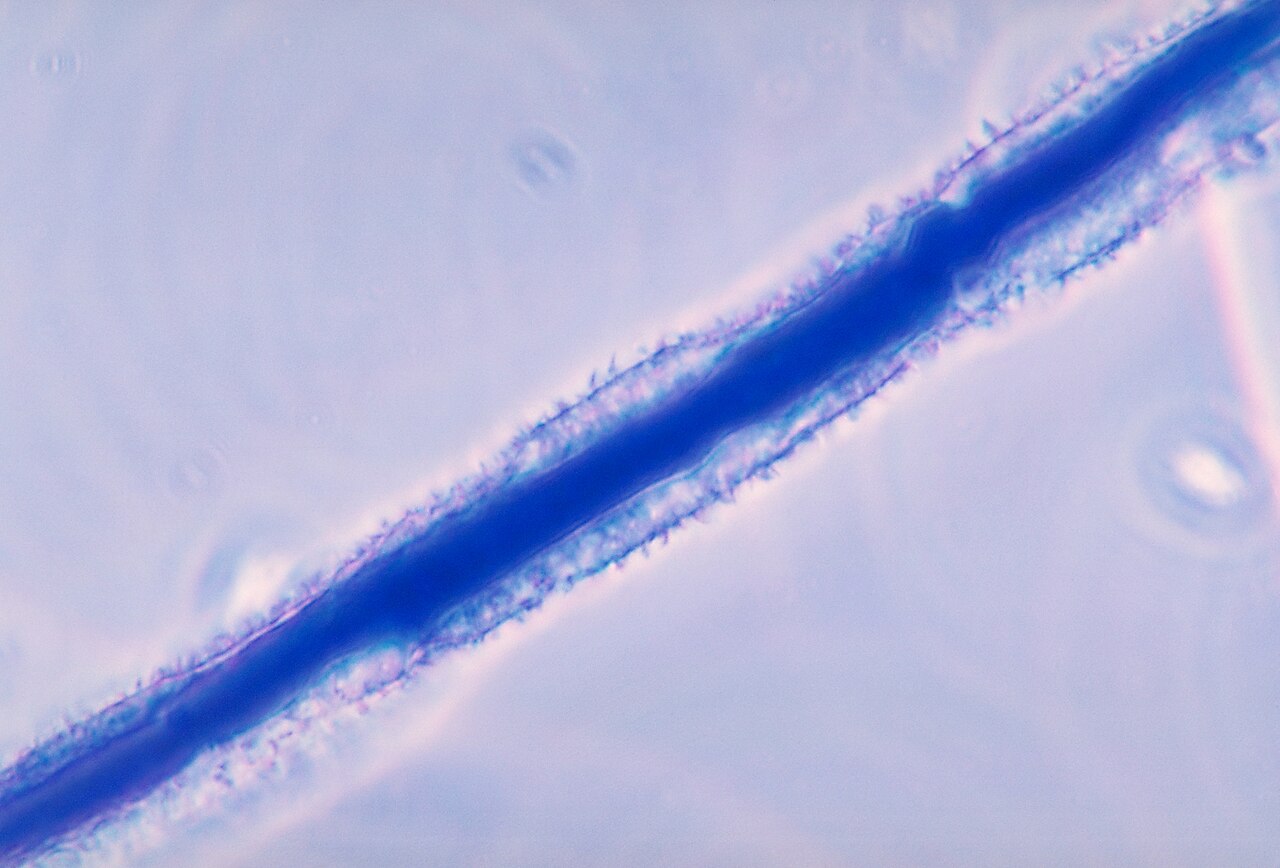
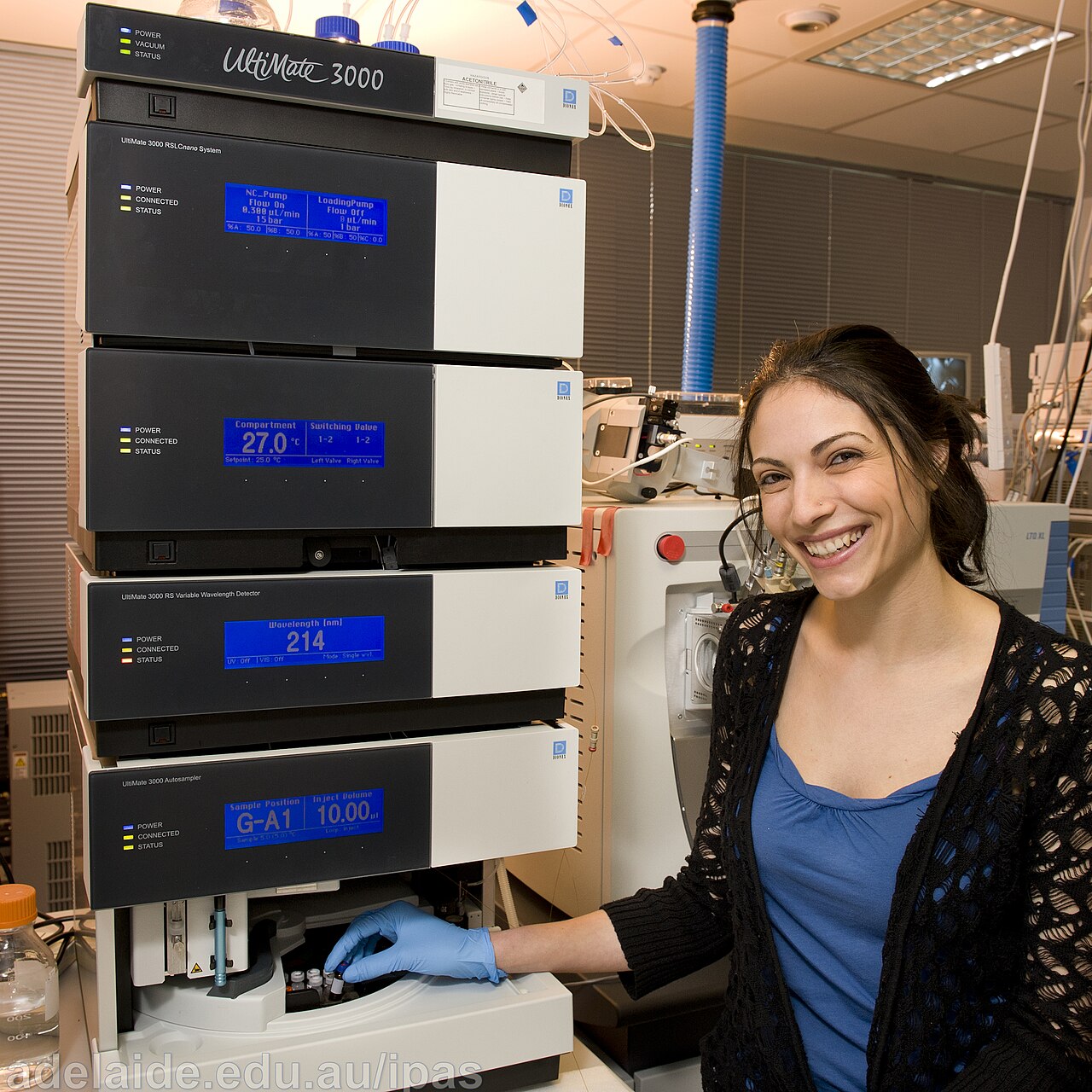
The most important analysis for hazelnuts. Aflatoxins (B1, B2, G1, G2) are secondary metabolites of molds from the genus Aspergillus; AFB1 is a proven carcinogen. They are usually determined by high-performance liquid chromatography (HPLC) with a fluorescence detector and sample purification through immunoaffinity columns, or by LC-MS/MS method. Laboratories in the report distinguish between AFB1 and sum of aflatoxins (B1+B2+G1+G2) because different limit values apply to them.
Ochratoxin A (OTA) is sometimes requested along with aflatoxins, especially for export.
2. Fatty Acid Profile
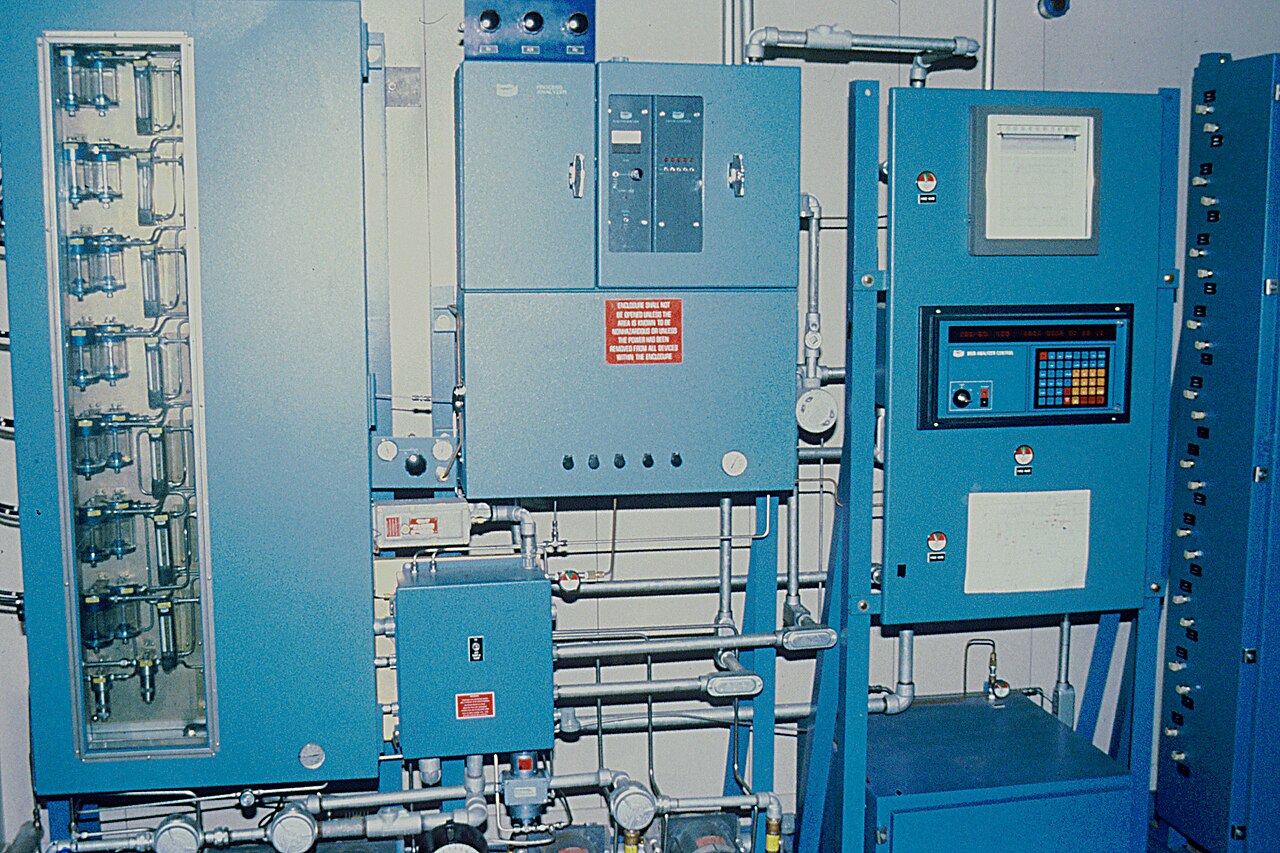
Hazelnut oil is rich in monounsaturated fatty acids (primarily oleic acid). The profile is determined by gas chromatography (GC) after converting fats to methyl esters. It is used for:
- nutrition labeling (saturated fat content),
- proof of oil authenticity (the ratio of oleic to linoleic acid is typical for the species and cultivar),
- detection of adulteration with cheaper oils.
3. Fat Freshness Indicators — Peroxide Value (PV) and Free Fatty Acids (FFA)
These are key analyses if you produce oil, paste, or roasted kernels with a longer shelf life, as they measure rancidity (oxidative and hydrolytic):
- Peroxide Value (PV) — amount of peroxides formed by oxidation, the first sign that oil is “turning”; determined titrimetrically.
- Free Fatty Acids / Acid Value (FFA / acid value) — measure of hydrolytic fat breakdown.
- (Optionally, Anisidine Value for secondary oxidation products.)
4. Nutritional (Proximate) Composition
Classical chemical analysis (“proximate analysis”) provides the basis for labeling:
| Parameter | Method (common) | Typical Value for Hazelnut Kernel* |
|---|---|---|
| Moisture | drying to constant mass | ~5–9 % |
| Total Fats | extraction (e.g., Soxhlet) | ~49–63 % |
| Proteins | Kjeldahl (N × factor) | ~12–15 % |
| Total Sugars / Carbohydrates | calculation or chromatography | carbohydrates by calculation |
| Fiber | enzymatic-gravimetric | varies |
| Ash (minerals) | incineration | ~2–3 % |
| Energy Value | calculated from above | ~2.600–2.900 kJ/100 g |
*Indicative values from literature (e.g., fat content ~49 % in one proximate series, ~12.9 % fat and 8.7 % protein in another whole fruit sample); actual values depend on cultivar, location, year, and degree of processing — hence the need for analysis of your own product.
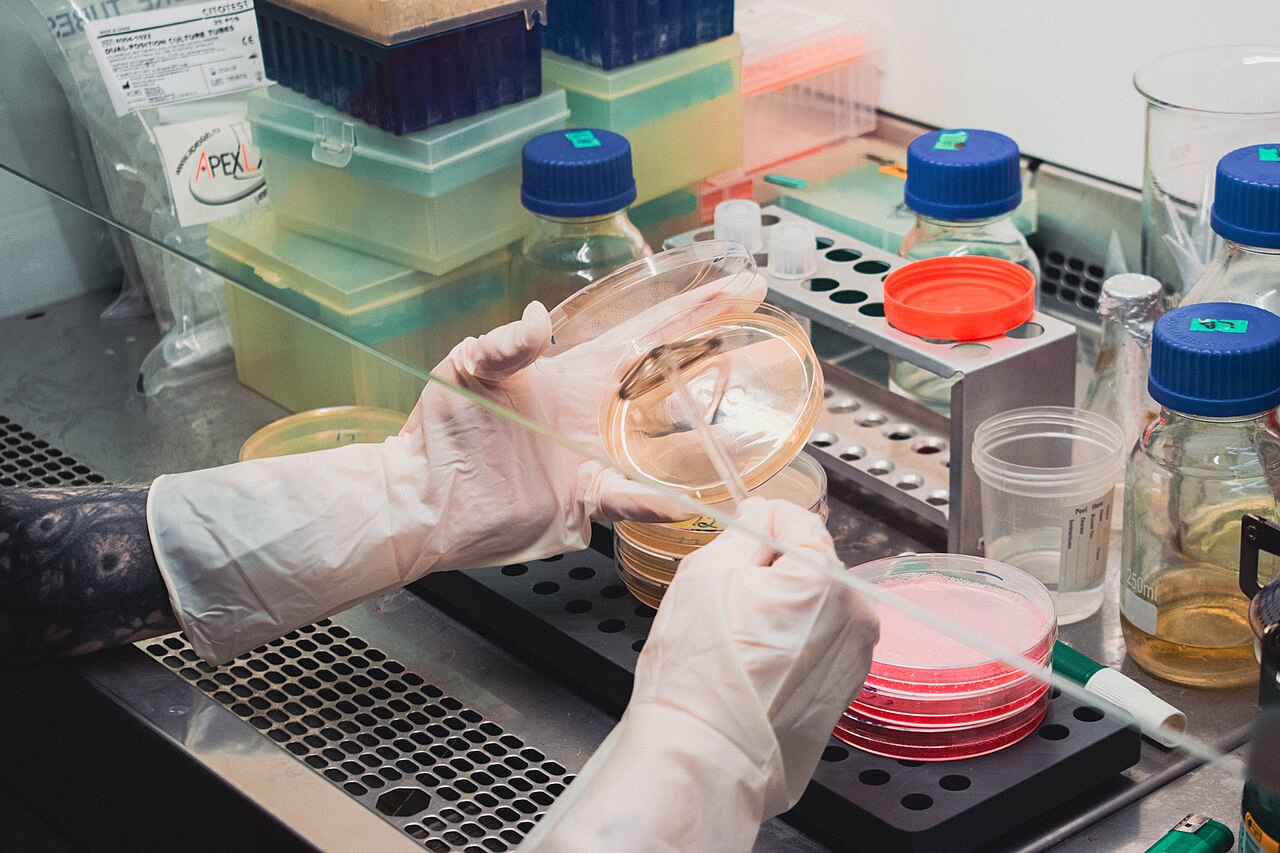
5. Microbiological Analyses
For processed products (especially if they involve moist phases, paste, or unroasted kernels), microbiological indicators are required according to the Guide for Microbiological Criteria for Food and Regulation (EC) 2073/2005: total count of aerobic mesophilic bacteria, yeasts and molds, Enterobacteriaceae, Salmonella (absence in 25 g), and E. coli if necessary. Microbiology is particularly important as verification of hygiene and drying.
6. Other as Needed
Pesticide residues (multimethod, “pesticide screen”), heavy metals, irradiation, GMO (rarer for hazelnuts), allergens (cross-contamination) — ordered specifically, usually at the customer’s request or for export.
Where to Order Analysis in Croatia
Look for an accredited laboratory — one that has accreditation from the Croatian Accreditation Agency (HAA) according to the HRN EN ISO/IEC 17025 standard for the specific method you are interested in. Accreditation means the laboratory has been independently assessed and regularly passes inter-laboratory proficiency tests, so the report “holds water” before inspection and customers. Always check that the specific method is within the scope of accreditation, not just that the laboratory is “accredited” in general.
| Laboratory | What they do (relevant for hazelnuts) | Note |
|---|---|---|
| Eurofins Croatiakontrola / Eurofins Euroinspekt (Zagreb) | physico-chemical, microbiological analyses, mycotoxins, fatty acids, nutritional packages | accredited according to HRN EN ISO/IEC 17025 since 2004; part of the global Eurofins network |
| Croatian Veterinary Institute (HVI), Zagreb | aflatoxins and other mycotoxins, contaminants, microbiology, residues | reference institution; HVI researchers lead in literature on aflatoxins |
| Croatian Institute of Public Health (HZJZ) | Mycotoxin Laboratory (aflatoxins, OTA, patulin, DON…), food health safety | national level |
| InspectoLab (Inspecto) | agroecology, food, general use items | accredited testing center |
| Faculty of Food Technology and Biotechnology (PBF), Zagreb | specialized laboratories (chromatography, spectrometry, food microbiology) | also used in scientific papers on hazelnut by-products |
The list of all authorized/accredited laboratories in Croatia is maintained by the Croatian Food Agency (now part of HAPIH) and the Ministry of Agriculture (Directorate for Veterinary Medicine). Before ordering, call and request a quote and confirmation that the method is within the scope of accreditation.
Buyer often analyzes for you — but it is not the same
When purchasing nuts in shell, sampling and quality control are performed by an accredited control house (e.g., Eurokontrola d.o.o. is mentioned in purchase conditions), and a sample of at least 2.00 kg is kept from the supplier for arbitration purposes. This is an analysis of raw material quality (moisture, impurities, kernel yield) for price calculation purposes — it does not replace the analysis of finished product safety and labeling that you, as a processor, need.
Approximate Prices and Turnaround Times
Prices vary among laboratories, depend on the number of samples, urgency, and whether the method is accredited; therefore, treat these as order-of-magnitude estimates, not as formal quotes. Always request a written quotation.
| Analysis | Approximate Price (per sample, excl. VAT) | Approximate Turnaround |
|---|---|---|
| Aflatoxins (B1 + Total), HPLC/LC-MS | ~50–120 € | 3–7 working days (urgent 24–48 h available for an additional fee) |
| Fatty Acid Profile (GC) | ~50–100 € | 5–10 working days |
| Peroxide Value (PV) | ~15–35 € | 2–5 working days |
| Free Fatty Acids / Acid Value | ~15–35 € | 2–5 working days |
| Proximate / Nutritional Panel for Labeling (1169/2011) | ~120–250 € | 7–14 working days |
| Microbiological Panel (Basic) | ~40–90 € | 3–7 working days (including incubation) |
| Salmonella (absence in 25 g) | ~15–30 € | 3–5 working days |
| Pesticide Residues (multiscreen) | ~150–300 € | 7–14 working days |
For comparison and sense of scale: under Croatian purchasing conditions, the incoming quality analysis of raw material (moisture, impurities, kernel ratio) is listed at approximately 87.50 HRK/sample (≈ 11.61 €) + VAT — this is a low-cost quality analysis, whereas safety and nutritional analyses of finished products are significantly more expensive due to the need for costly instrumentation (HPLC, GC, LC-MS/MS).
Lab Analysis vs. Calculation for Labeling
A full nutritional panel at ~120–250 € per batch is not sustainable for every small batch. The law recognizes this: it is permitted to base labeling on calculation from recognized databases (e.g., national/EU food composition tables) or recipe formulation. A reasonable approach: analyze a representative sample of your product once to calibrate values, then maintain them via calculation unless the recipe or cultivar changes significantly.
How Often to Analyze
Frequency stems from your HACCP plan and risk analysis, not from a fixed rule. A practical framework:
- Aflatoxins: Risk-managed frequency — at least per batch/lot of raw material from higher-risk origins or when the supplier changes; for finished products, per batch or periodically, depending on risk and customer requirements. Aflatoxin is typically a Critical Control Point (CCP), so treat it as an obligation, not an option.
- PV / FFA (rancidity): Periodically throughout shelf life (e.g., at the beginning, middle, and near the end of the declared shelf life) to confirm shelf-life validity; and before every major delivery of oil/paste.
- Microbiology: According to microbiological criteria and risk assessment; more frequently for moister/unroasted products.
- Nutritional Composition: One-time analysis to establish labeling, then again upon changes in cultivar, recipe, or technological process.
- Fatty Acids / Pesticides / Metals: Targeted — upon customer request, for export, or when suspicion arises.
Representative sampling is crucial: aflatoxins are distributed extremely unevenly (one infected nut can "pull down" an entire batch), so samples must be taken from multiple points in the batch, homogenized, and only then sent for analysis. Poor sampling invalidates even the most expensive analysis.
How to Read a Report
A report (Certificate of Analysis, COA) has a recognizable structure. Here is what to look for.
- Sample and Batch Identification (LOT): must match your traceability records. Without a correct LOT, the report is nearly worthless.
- Method: the standard/method is listed (e.g., ISO, AOAC, internal method) and whether it is accredited (often indicated by a mark next to the parameter). An accredited parameter carries greater evidentiary weight.
- Result + Unit of Measurement: e.g., aflatoxins in µg/kg (= ppb), fatty acids in % of total fatty acids, PV in mEq O₂/kg.
- Limit: for safety parameters, a column with the limit value and a "compliant / non-compliant" rating.
- LOD and LOQ: Limit of Detection and Limit of Quantification. A result of "< LOQ" means the substance was not measured above the quantifiable level — this is a good result for aflatoxins.
- Measurement Uncertainty (U): the range within which the "true" result lies; important when the value is close to the limit.
- Date, signature/authorized person, laboratory accreditation mark.
Example of reading aflatoxins: if the report states AFB1 = 1.2 µg/kg, and the regulatory limit is lower/higher depending on the product category and intended use — compare with the current limit value (Regulation (EU) 2023/915) for your category (kernels for direct consumption vs. for further processing have different limits). Consider measurement uncertainty if you are close to the limit. For details on limit values and HACCP, see the article Food Safety, HACCP and Aflatoxin Control.
Units Can Be Confusing
µg/kg = ppb (parts per billion); mg/kg = ppm (parts per million). 1 mg/kg = 1000 µg/kg. Aflatoxins are almost always expressed in µg/kg — ensure the limit and result are in the same unit before comparing.
Practical Recommendations and Common Mistakes
Recommendations
- Before ordering, define the purpose (safety / labeling / quality) — this determines the test panel and prevents paying for unnecessary analyses.
- Request a written quotation specifying the method, turnaround time, price, and whether the method is accredited.
- Invest in proper sampling (multiple sub-samples, homogenization) — for aflatoxins, this is the largest source of error.
- Keep an arbitration sample of the batch in case of disputes with the customer.
- Link every report to the LOT in your traceability records; see Traceability and Records.
- For labeling, analyze once and maintain via calculation — spend rationally.
Common Mistakes
- Assuming that "the laboratory is accredited" means "my specific method is accredited." Check the scope of accreditation for the specific parameter.
- Confusing raw material quality analysis at purchase (moisture/impurities/kernel ratio) with safety analysis of the finished product.
- Sending a non-representative sample (e.g., "a handful from the top of the sack") for aflatoxins.
- Comparing results with the wrong unit (ppb vs. ppm) or an outdated limit value (Regulation 1881/2006 has been replaced by 2023/915).
- Ignoring measurement uncertainty when the result is right at the limit.
- Performing a one-time nutritional analysis that is never revised after changes in cultivar or recipe.
Gallery
Sources
This article is an AI summary compiled from an internal hazelnut literature collection (RAG corpus) and publicly available sources; figures (prices, turnaround times) are indicative and should be confirmed by direct laboratory quotes and verification of current regulations.
Main sources used from the corpus:
- Terms for purchasing conventional shell hazelnut, crop 2022. (PP Orahovica) — incoming analysis costs (~87.50 HRK/sample), sampling, and accredited control house.
- Pleadin J., Frece J., Markov K. et al., Aflatoxins — Contamination, Effects, and Reduction Methods (Croatian Veterinary Institute / Faculty of Food Technology and Biotechnology, 2014).
- Manual of Methods of Analysis of Foods — Mycotoxins (FSSAI, 2015/2016) — HPLC methods and calibration for aflatoxins.
- Scientific papers on fatty acid profiles, aflatoxins, and proximate composition of hazelnut kernels (immunoaffinity columns, HPLC/LC-MS; fat/protein/aflatoxin contents).
- Cascade Utilization of Hazelnut By-products (2025) — analyses in accredited laboratories (chromatography, atomic spectrometry, food microbiology) and microbiological criteria.
- Etichettatura dei prodotti biologici — Linea Guida Operativa (2023) — nutritional values as averages obtained by analysis or calculation (Art. 31 of Regulation 1169/2011).
Main public sources:
- Croatian Food Agency / HAPIH — Laboratories in Croatia — https://www.hah.hr/en/sigurnost-hrane/laboratoriji-u-rh/
- Eurofins Croatia — Laboratory and Accreditations — https://www.eurofins.hr/laboratorij/
- Croatian Veterinary Institute — Food and Mycotoxin Analyses — https://veterina.com.hr/?p=212
- Croatian Institute of Public Health — Department for Food Health Inspection — https://www.hzjz.hr/sluzba-zdravstvena-ekologija/odjel-za-zdravstvenu-ispravnost-hrane/
- Eurofins — Aflatoxin Testing / Nutritional Testing — https://www.eurofins.com/food-and-feed-testing/food-testing-services/mycotoxin-testing/aflatoxin-testing/
- European Commission — Nutrition labelling — https://food.ec.europa.eu/food-safety/labelling-and-nutrition/food-information-consumers-legislation/nutrition-labelling_en
- Regulation (EU) 1169/2011 (EUR-Lex) — https://eur-lex.europa.eu/eli/reg/2011/1169/oj/eng
- Measurlabs — Food Labeling Requirements & Testing in the EU — https://measurlabs.com/blog/food-labeling-requirements-and-testing-in-europe/
Note: Aflatoxin limit values are set by Regulation (EU) 2023/915 (which replaced Regulation (EC) 1881/2006); hygiene and microbiological criteria are governed by Regulations (EC) 852/2004 and 2073/2005. Before application, verify the current version of regulations and consult with the competent authority or an accredited laboratory.