Frost and frost pockets: how to identify and avoid dangerous locations
Content generated by artificial intelligence — verify before application
This article was automatically compiled from a collection of hazelnut literature with the help of artificial intelligence and may contain errors or outdated information. It serves as a starting point for further research, not as professional advice. Dosages, products, and timing are informative and depend on the cultivar, location, and current regulations — always consult with an advisory service and official sources before application.
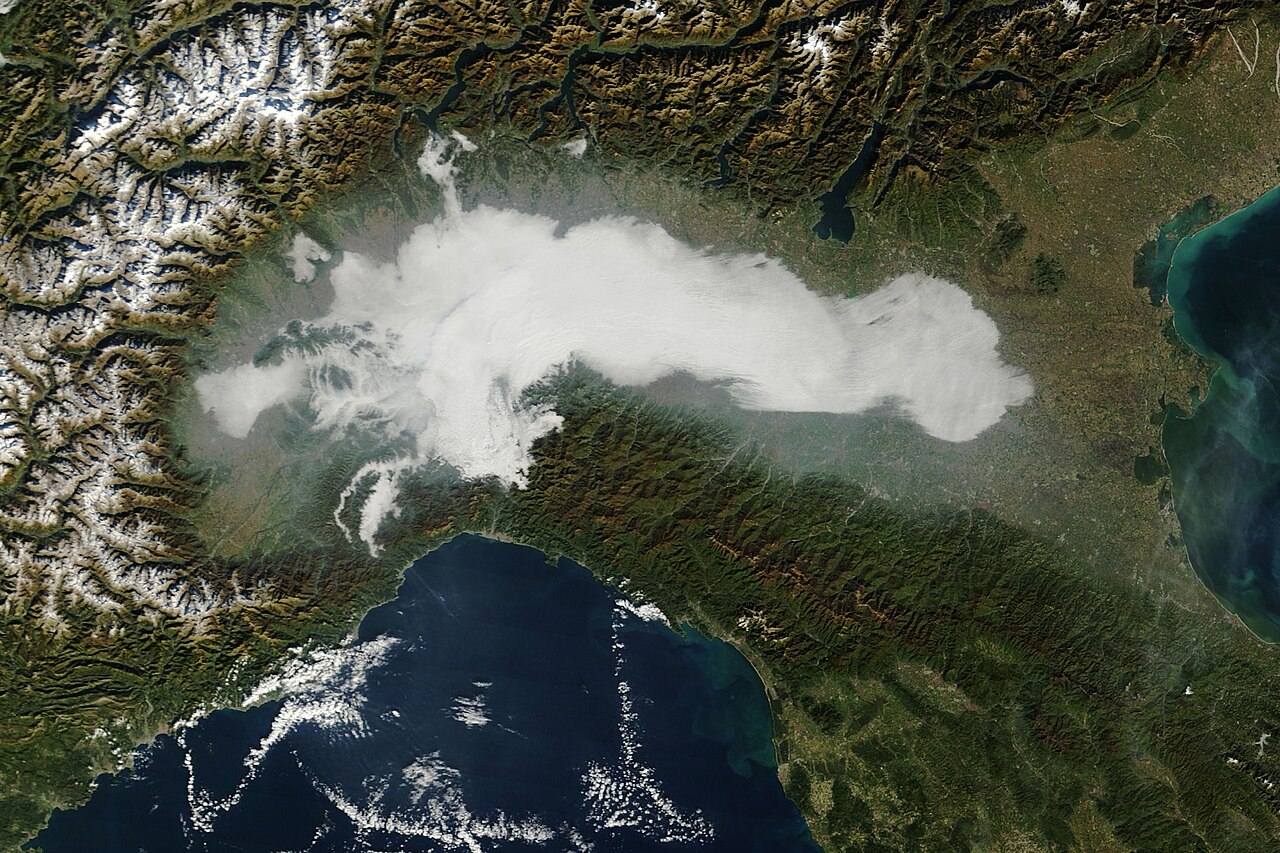
Hazelnut (Corylus avellana L.) is one of the few fruit species that blooms in the middle of winter — from December to March — and begins vegetation very early. Precisely because of this phenological characteristic, frost is one of its greatest and most insidious enemies, and a poorly chosen location can result in low or absent yields year after year, even when everything else — cultivar, soil, fertilization, protection — is done perfectly. In continental Croatia, the main limitation for hazelnut cultivation is indeed low temperatures, as it blooms during the coldest part of the year. Topography, as noted in Croatian studies and expert guides, is an "exceptionally important factor when it comes to production security." This article explains how to identify frost pockets and cold depressions, the risk of late spring and early autumn frost for hazelnut, and how air drainage determines whether your orchard will be safe or exposed.
What this article covers and what it does not
This is an article about frost pocket diagnostics (how to identify and avoid dangerous locations) and about the first line of defense at the terrain level (air drainage, microrelief). It builds upon, but does not overlap with, other chapters:
- Comprehensive site suitability assessment (climate, altitude, slope, aspect, wind shelter, accessibility as a unified rating) is covered in the article Terrain suitability criteria: climate, slope, and aspect. There, frost is treated as one of several factors; here, we break it down to the level of individual cold pockets on the plot.
- Active protection of an existing orchard (anti-frost fans, micro-sprinklers, smoke/thermal curtains, heaters) is described in detail in the article Active protection against late spring frost (chapter on abiotic stress). Here, we provide only a summary overview of these measures and refer to the details.
- Symptoms, sensitivity phenophases, and combination of passive and active measures are covered in the article Frost damage and protection of flowering and buds.
Why is hazelnut so sensitive to frost
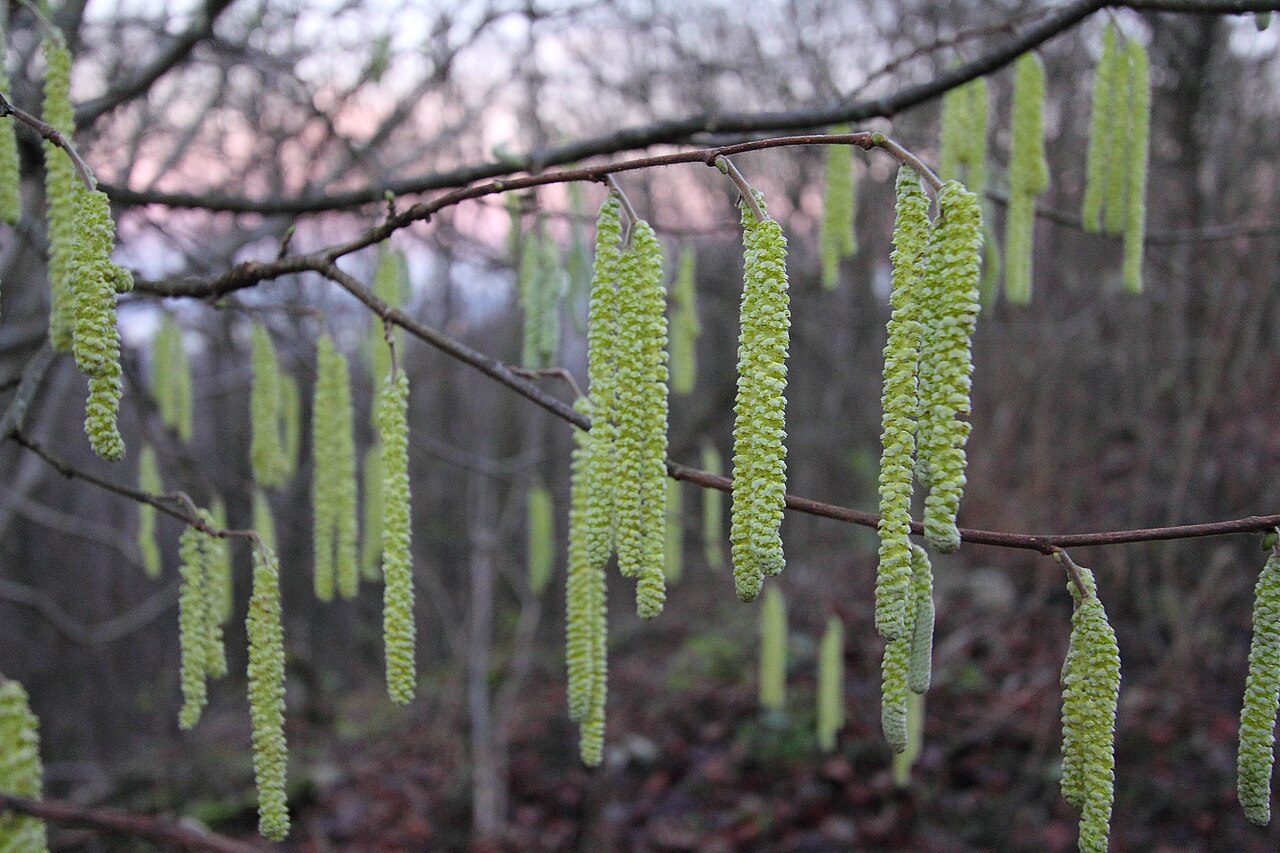
Hazelnut is not more sensitive to frost than most fruit trees in terms of absolute wood hardiness — on the contrary, it is somewhat more resistant to low temperatures than other nut-bearing species. The problem is timing: its flowers and buds are active precisely when other orchards are dormant.
This leads to two periods of risk:
- Winter and late spring frost — affects flowers (catkins and female flowers) and newly set fruits during flowering and fertilization.
- Early autumn frost — affects immature shoots and tissues that have not yet entered winter dormancy due to "extended vegetation."
Critical temperatures for hazelnut
Different literature cites slightly different thresholds, depending on the cultivar, phenophase, and duration of exposure. The following table consolidates values from the corpus — all are informative and vary by cultivar and location.
| Tissue / Phenophase | Critical Temperature | Effect |
|---|---|---|
| Flowers (closed, before opening) | −18 to −16 °C | freezing of flowers |
| Open male and female flowers | −10 to −7 °C | significant damage, poor fertilization |
| Flowers / fertilization during flowering | around −6 °C | destruction of set fruits, poor fertilization |
| Developing fruits (spring frost, March/April) | below −4 °C | damage to buds and young fruits |
| Vegetative (leaf) buds | around −25 °C | damage to vegetative buds |
| Absolute minimum in deep dormancy | −26 °C (shortly down to −30 °C) | hardiness limit for most cultivars |
| One-year-old shoots | around −30 °C | freezing of shoots |
The duration of low temperature is also key, not just its value. A Croatian study on freezing in Baranja showed that temperatures below −18 °C were recorded in February and lasted continuously for 96 hours (approximately Feb 8–12), which was sufficient to freeze the reproductive organs of hazelnut. The consequences were dramatic: damage up to 100 % in all lowland areas, while at higher altitudes and on southern slopes of the mountain, damage was moderate (around 20 %) or completely absent (0 %).
Remember
It is not only the lowest measured temperature that matters, but the combination of temperature, duration, and phenophase. The same night at −5 °C is harmless in December in full dormancy, but catastrophic in February/March during fertilization.
Tree condition changes the threshold — nutrition is not secondary
The critical temperature is not a fixed number tied only to the cultivar and phenophase — it shifts depending on the condition and nutrition of the individual shrub. The same tree might withstand a night one year that would damage it the next year in poorer condition. This is important for site assessment because it means that even a "borderline" frost pocket can become unviable if the orchard is allowed to enter winter weakened.
Several consistent rules stand out from the literature:
- Excessive and one-sided nitrogen fertilization prolongs growth, promotes vigorous, late-ripening shoots, and increases sensitivity to frost in the bud swelling and flowering stages. Soft, undifferentiated tissues freeze earlier than well-lignified ones.
- Vigorously growing and over-cropping (excessively bearing) trees typically enter the next vegetation poorly nourished and more sensitive to freeze damage. Exhaustion from previous over-cropping depletes reserves that would otherwise build resistance.
- Balanced nutrition (especially sufficient potassium, as well as boron, zinc, and magnesium) strengthens cell walls and improves the plant's water status, thereby reducing the risk of ice crystal formation in tissues and mitigating oxidative frost damage.
- Nutrient reserves stored in permanent organs (roots, trunk, buds) ensure a strong and uniform start to vegetation even when the soil is still cold in early spring — which indirectly helps the orchard to quickly overcome and compensate for minor damage.
Implication for site selection and orchard management
When assessing "borderline" locations, account for the fact that the freezing threshold is not constant: a well-managed, evenly fertilized orchard has several degrees of "reserve," while an exhausted or overly fertilized orchard lacks this reserve. This does not turn a frost pocket into a good location, but it explains why two adjacent orchards on similar terrain may react completely differently. For details on the link between fertilization and resistance, see the chapters on fertilization and frost damage.
What is a frost pocket and how a cold pocket forms
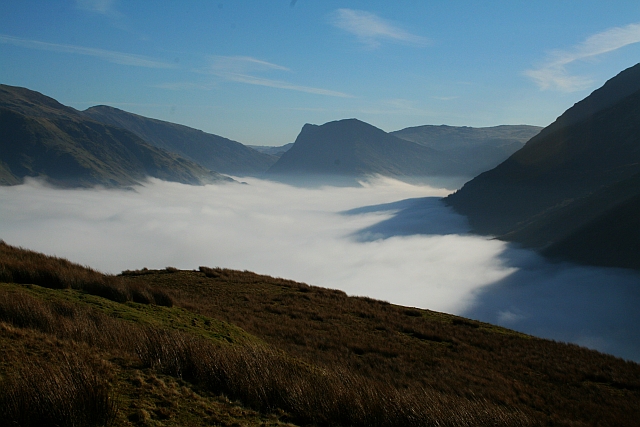
A frost pocket (frost hollow, "stationary cold air reservoir," engl. frost pocket) is a location where cold air accumulates at night and where temperatures are regularly lower than in the surroundings, sometimes by several degrees.
The mechanism is purely physical and is called radiation (air) frost:
- On clear nights without wind, the ground loses heat by radiation to the sky and cools down.
- The air near the ground becomes colder, denser and heavier than the air above it — a near-ground temperature inversion forms (colder at ground level, warmer above).
- This cold air behaves almost like water — flows down the slope towards the lowest points of the terrain.
- If there is no "exit" at the bottom, the cold air becomes trapped and accumulates, creating a lake of cold air.
Therefore, the most dangerous locations are precisely lowlands, depressions, hollows, and enclosed basins. The Croatian guide for hazelnut cultivation states unequivocally: "It is extremely important to avoid depressions and hollows where cold air, fog, and lower temperatures are retained."
Radiation vs. advection frost — why the difference matters even at site selection
There are two types of frost, and they are not controlled equally:
- Radiation frost occurs on clear, calm nights with inversion. This is the typical "night frost" of continental Croatia and is exactly what creates frost pockets. Against it, site selection (air drainage) and most active measures help.
- Advection frost occurs with the intrusion of a cold air mass with wind, without inversion, and affects the entire area uniformly. Against it, fans and smoke curtains are almost useless, and good terrain does not help much.
Good air drainage and avoiding frost pockets target specifically radiation frost, which is the most common in our region and the only one you can truly influence by choosing the location.
Typical "traps" — where cold air remains trapped
| Terrain Element | Why it is a problem |
|---|---|
| Valley bottom / hollow | cold air flows in from all sides and has nowhere else to go |
| Foot of a slope above an obstacle | embankment, dense hedge, forest, or wall stops flow and creates a "dam" |
| Behind a solid wall or dense fence downstream | artificial dam retains the cold "lake" |
| Plains next to streams and rivers with high groundwater | moist soil + air stagnation + fog |
| Enclosed plots surrounded by forest | forest edge blocks the runoff of cold air |
How to identify a frost pocket before planting
A frost pocket is often not obvious at first glance, but there are several indicators you can check before establishing the orchard:
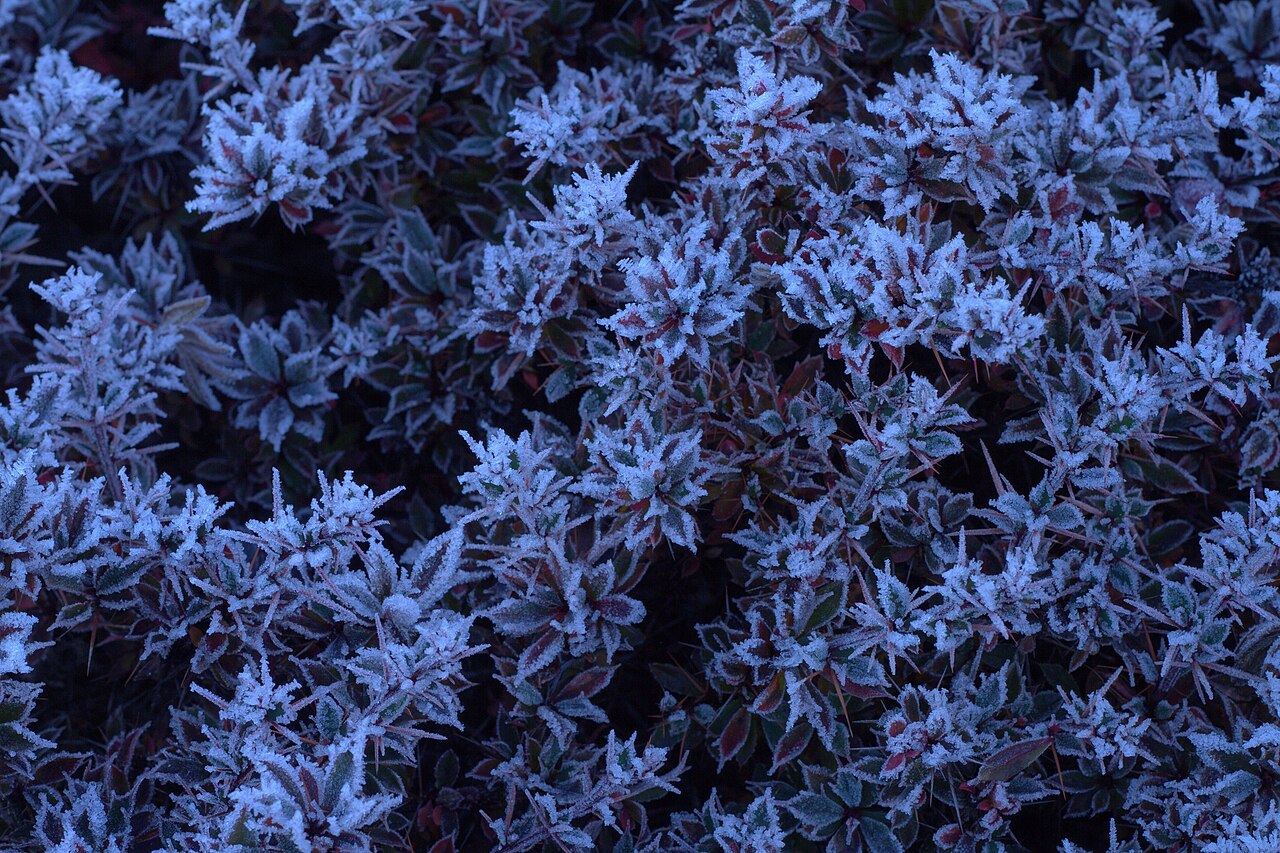
- Observe fog and frost early in the morning through multiple seasons — frost pockets "whiten" longer and more frequently than the surrounding terrain.
- Ask locals and neighboring growers — local knowledge about "cold" plots is invaluable.
- Monitor existing vegetation — if walnuts, grapevines, or other early-sprouting crops suffer in a hollow, hazelnut will too.
- Place multiple thermometers / mini weather stations at different elevation points on the plot and compare minimum night temperatures; a difference of 2–4 °C between the bottom and top of a slope is not uncommon.
- Analyze the relief on a map — look for enclosed depressions and downstream obstacles that could stop air flow.
Simple smoke test
On clear, calm evenings, burn a small amount of smoke (e.g., smoke box or wet straw) at several points on the plot and observe where the smoke descends and where it stops. The direction of smoke movement shows the runoff paths of cold air, and places where the smoke "stops and accumulates" reveal potential frost pockets.
Airflow (Drainage) — The Most Important Concept
"Air drainage" refers to the unimpeded flow of cold air away from the plot towards lower, more distant points. The Croatian Hazelnut Cultivation Guide emphasizes that, given a gentle slope, air drainage is a mandatory characteristic of a good site.
The goal is simple: the cold air generated on your plot at night must have somewhere to flow away, rather than accumulating among the bushes and trees.
What Enables Good Air Drainage
- Gentle slope. Guides recommend a slope of 3–10 % — sufficient for cold air to drain, but not so steep as to cause erosion or hinder mechanization.
- Open, gently undulating configuration of the plot with a regular shape.
- Absence of downstream obstacles (embankments, solid walls, dense windbreak belts placed across the slope) that would create a "dam" for the cold air.
- Proximity to water and forest — aquatic and forested areas moderate temperature fluctuations. (Note: Forests help only if they do not block the exit for cold air.)
Altitude and Aspect
For continental Croatia, the corpus provides very concrete recommendations (a more detailed integral assessment is in the article on terrain suitability criteria):
| Parameter | Recommendation | Note |
|---|---|---|
| Altitude | 100–400 m (ideal) | sites above 140 m mitigate damage from late frosts |
| Slope | 3–10 % | enables air drainage without erosion |
| Aspect | north–south / northern and eastern slopes | avoid strongly southern aspects |
| Groundwater level | deeper than 1.5 m | shallow water means colder, wetter soil and risk of root asphyxiation |
Why avoid southern aspects? Although it may intuitively seem that warmer is better, with hazelnuts it is the opposite. Southern aspects warm up faster during warm periods in winter, promoting even earlier bud break and flowering. This only extends the period of exposure to late frosts and increases the risk of freezing. Cultivars do not tolerate sudden temperature changes well, so eastern and northern slopes are the safer choice.
How Common is Frost in Croatia? (DHMZ Data)
To realistically assess the risk of late frost, it is useful to understand the frost climatology of your region. The Croatian Meteorological and Hydrological Service (DHMZ) maintains long-term series and publishes them, among other places, in the Climatic Atlas of Croatia and the Agroclimatic Atlas of Croatia (periods 1981.–2010. and 1991.–2020.). The figures below are indicative, summarized from publicly available DHMZ analyses and climatological displays, and serve for a rough estimate — for a specific plot, local measurements always apply.
| Indicator (DHMZ, climatological series) | Indicative Value |
|---|---|
| Duration of frost season (continental) | approximately from October to April |
| Average number of frost days per year (continental) | mostly 20–85 days (analysis of 74 stations, 1981.–2020.) |
| Eastern Slavonia | average around 42 days/year |
| Along the Sava River | average around 61 days/year |
| Western lowland parts | around 40–72 days/year |
| Adriatic (for comparison) | up to 40–50 days/year (less than continental) |
| Days with frost in April (late frost) | typically 3–6 days (based on multi-decadal series) |
Particularly well-known, climatologically confirmed frost pockets include: the Pazin station records up to about 95 frost days per year, and alongside it, Zalesina in Gorski Kotar and Zavižan are cited as extreme frost pockets. Interestingly, even the valleys of central Istria, despite proximity to the sea, show an increased frequency of frost — proof that microrelief (basin, valley) overrides the general climate of the region. In some places (e.g., Gospić, Ogulin), there are more frost days in November and March than in mid-winter, confirming that transitional periods (early autumn, late spring) are the most dangerous for early-flowering crops like hazelnut.
How to use DHMZ data
For a specific plot, request climatological series from the nearest DHMZ station (date of the last spring and first autumn frost, number of frost days) or consult the Agroclimatic Atlas. Compare the date of the last spring frost with the expected date of flowering and fertilization of the chosen cultivar: if these two periods overlap in an average year, the location is risky, and in an extreme year, almost certainly a loss. The methodology for assessing the probability of the last spring frost (e.g., FAO FriskS model based on mean and standard deviation of dates) allows you to express the risk as a percentage for a given critical temperature.
Risk by Period: Spring and Autumn
Late Spring Frost (and Winter Flowering)
This is the most classic and costly risk for hazelnut. Hazelnut breaks bud and flowers very early, so it often suffers from early spring frosts. In lowlands and frost pockets, significant damage can occur from late spring frosts that happen exactly during the fertilization period. The consequence is poor fertilization, manifested through increased fruit drop and significantly lower yield.
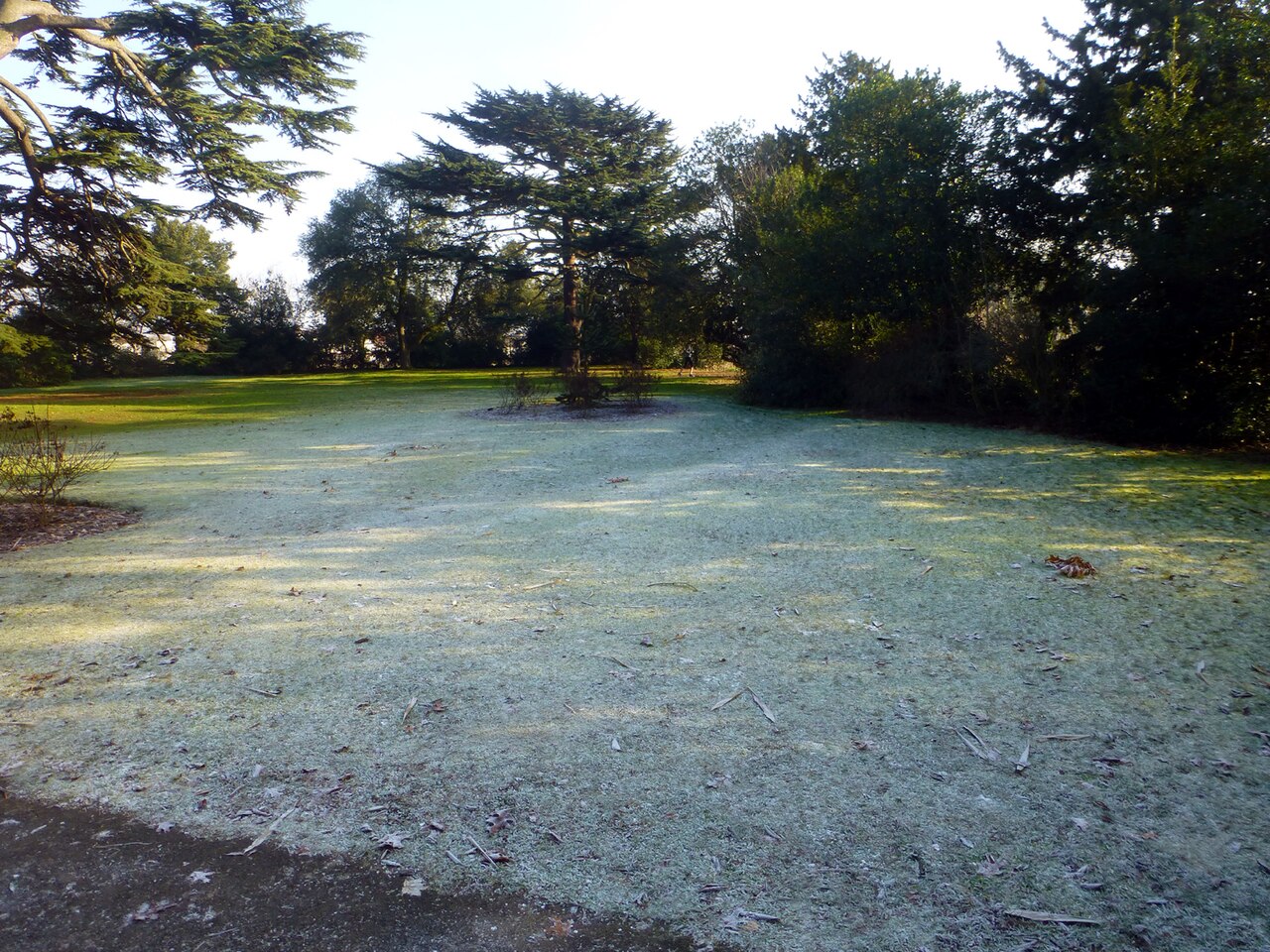
Specific figures from literature:
- Spring frosts (days in March/April with temperatures below −4 °C) damage buds and developing fruits.
- During flowering, temperatures around −6 °C can destroy set fruits.
- According to DHMZ series, in April, the continental part typically records 3–6 frost days — enough to cause serious damage to an early-flowering cultivar in a frost pocket.
Early Autumn Frost and "Extended Vegetation"
A second, often overlooked risk occurs in autumn. Due to very high average temperatures in late autumn, an effect of "extended vegetation" occurs — hazelnut orchards enter winter dormancy late and shed leaves late. In this state, immature shoots and still-active tissues are sensitive to sudden early frost. Surveys in Osijek-Baranja County showed orchards that had lost only about 50 % of their leaf mass by the end of autumn, while for winter measures (and frost safety), it is recommended to wait for at least 70 % leaf drop. Excessive late-summer nitrogen fertilization further extends growth and worsens this risk.
Double Danger of Frost Pockets
Frost pockets are equally dangerous in both periods: in spring, they trap cold air during flowering and fertilization, and in autumn, they are the first to "catch" early frost while the orchard is still in vegetation. A location that is bad for one is almost always bad for the other.
Active Protection: When Site Selection is Not Enough
The best and cheapest "protection" against frost is not to plant an orchard in a frost pocket. Only when the location is already marginal or when the economics justify it, do active measures come into play, which are applied during critical nights. Here we provide only a summary overview — technology, range, consumption, and profitability of each measure are detailed in the article Active Protection Against Late Spring Frost: Fans, Sprinklers, and Smoke Screens (chapter on abiotic stress).
| Measure | Principle of Action | Condition for Effectiveness | Note |
|---|---|---|---|
| Antifrost fans (windmills) | mix warm air from the inversion layer downwards into the canopy | required temperature inversion (stronger than ~2 °C between 1.5 and 10 m) | useless during advective frost and without inversion; indicative range of one unit is about 4–5 ha |
| Micro-sprinkling (canopy/orchard overhead irrigation) | water releases latent heat during freezing and keeps tissue around 0 °C | continuous sprinkling as long as frost lasts; sufficient water capacity and robust branches | stopping spraying is more dangerous than not spraying; risk of branch breakage under ice load and waterlogging |
| Heaters (cans, gas/diesel) | directly heat the air and radiate heat | even distribution across the plot; more units on colder and windward edges | indicative ~75–200 heaters/ha; high fuel and labor cost, emissions |
| Smoke / thermal screens | smoke slows heat loss by radiation | calm night with inversion; sufficient smoke density over the orchard | effect is limited and short-lived; ecological and legal restrictions on burning |
Rule of Defense Order
Frost is first fought by site selection (air drainage, avoiding frost pockets, higher elevation), then by cultivar selection (late-flowering, more resistant cultivars) and good orchard condition (balanced nutrition), and only finally by active measures during critical nights. Expensive equipment on a poor site rarely pays off; a good site often makes active measures unnecessary.
Practical Recommendations and Common Mistakes
Recommendations for Site Selection and Assessment
- Choose gently sloping terrain (3–10 %) with open air drainage instead of flatlands or valleys.
- Target altitudes above 140 m in continental conditions; higher sites regularly have less frost damage.
- Avoid valley bottoms, depressions, and enclosed basins — these are frost pockets by definition.
- Check what is downstream of the plot: an embankment, solid wall, or dense forest can turn even a good slope into a "dam" for cold air.
- Monitor the plot through multiple seasons (fog, frost, minimum temperatures) before making a final decision; one winter is not enough.
- Check DHMZ series for the nearest station (date of last spring frost, number of frost days) and compare them with the expected flowering date of the chosen cultivar.
- Prefer northern/eastern aspects over strongly southern ones to delay bud break.
- Combine site selection with cultivar choice — for colder and riskier areas, choose cultivars declared as more frost-resistant and with later flowering.
- Ensure groundwater level is deeper than 1.5 m to avoid cold, saturated soil and root asphyxiation.
- Plan orchard condition — balanced fertilization (without nitrogen "pushing" in late summer) raises the resistance threshold and provides a "reserve" in marginal nights.
Common Mistakes
- "As long as it is warm and sunny" → southern aspect. For winter-flowering hazelnut, this promotes premature bud break and increases freezing risk.
- Planting in a "protected" valley. What protects from wind is often a frost basin that traps cold air.
- Placing a solid wall or dense windbreak belt across the slope downstream — inadvertently, a dam for cold air is created, causing a frost pocket above the obstacle.
- Assessment based on one mild season. Frost damage occurs in extreme years; the site should be evaluated based on the worst, not average, conditions.
- Ignoring the autumn risk. An immature orchard in "extended vegetation" suffers from early autumn frost just as much as flowering does in spring.
- Excessive nitrogen fertilization that extends growth and lowers the resistance threshold — the limit becomes even a location that would otherwise be acceptable.
- Downgrading production to unfavorable locations due to lack of better plots (areas with high groundwater and alluvial water, stationary cold air pockets). This is a documented practical error that regularly leads to significant losses.
Rule of Good Location
The ideal position for hazelnut in continental Croatia coincides with vineyard areas — gently sloping slopes above the lowlands, with good air drainage and an altitude that "lifts" the orchard out of the lake of cold air. Where grapes thrive, hazelnut will usually be safe as well.
Summary
Frost is a critical risk for hazelnuts because this species blooms in winter and breaks dormancy early. The most severe losses (up to 100%) occur in frost pockets — lowlands, hollows, and enclosed depressions where cold air accumulates at night (radiation frost with inversion). The key to defense is not expensive equipment, but smart site selection: gently sloping terrain (3–10%), elevation above 140 m, north/east-facing aspects instead of south-facing, deeper groundwater, and, above all, free drainage of cold air (air drainage) with no obstructions downstream. DHMZ climatological datasets (frost season October–April, 20–85 frost days per year in continental areas, 3–6 frost days in April) help you assess the risk with numbers rather than impressions. Remember that tree condition alters the freezing threshold: a balanced-fertilized orchard has a reserve that an exhausted or over-fertilized one lacks. Active measures (fans, sprinklers, heaters, smoke curtains) come only as a last line of defense and are covered in detail in a separate chapter. Conduct terrain assessment over multiple seasons and combine it with the selection of more resistant cultivars.
Gallery
Sources
This article is an AI-generated summary compiled from an internal literature collection on hazelnuts (RAG corpus) and publicly available sources. Main sources used:
- Hazelnut Cultivation: A GUIDE TO hazelnut cultivation — Ministry of Agriculture / Advisory Service (savjetodavna.hr), 2024.
- Hazelnut — a fruit species increasingly cultivated, Poljoprivredni glasnik 4/2009 — Agroklub
- Impact of low temperatures on hazelnut frost damage (frost damage study in Baranja), 2021.
- Establishment of a permanent hazelnut and plum orchard — Environmental Impact Assessment — BBZ, 2020.
- Economic analysis of hazelnut production (Vrbetić, 2015, cited), 2023.
- Recommendations for permanent hazelnut orchard owners / Orchard protection in spring — Chromos Agro
- Italian soil and Italian hazelnut (EcoBegic brochure)
- Hazelnut — Vrtlarica.hr — vrtlarica.hr
- Protection systems against late spring frosts in permanent orchards — DABAR / Srce
- Technological guidelines for protection against spring frost in horticulture — Slovenian Institute of Agriculture, 2018 (impact of fertilization and vigor on frost sensitivity)
- Measures to be taken against meteorological changes in fruit growing (role of nutrition in reducing frost damage), 2025.
- Frost protection: fundamentals, practice, and economics — FAO
- The probability of frost and the risk of damage (FAO, FriskS model for the probability of the last spring frost) — FAO
- Climatic Atlas of Croatia and Agroclimatic Atlas of Croatia (1981–2010, 1991–2020) — DHMZ
- Frost in Croatia (number of frost days by region, known frost pockets) — meteo-info.hr
- Spring frost – will it happen again? — Gospodarski list
- Climate of Croatia / climatological data — DHMZ
- Frost Protection Guide (Senninger / FAO; sprayers and sprinkler systems) — reference material
- Hazelnut growing & cold-hardy varieties — Hazelnut Hub
- Managing Frost Pocket Microclimates — goodstuart.com
All temperatures, thresholds, spacing, and timing mentioned are indicative and depend on the cultivar, location, and current regulations and product labels — always consult the advisory service and official sources before application.
Recommended equipment
🔎 soil ph test kit — Amazon →Affiliate links — we may earn a small commission at no extra cost to you.
Handheld Soil pH Meter
For rapid field checks, but always confirm with laboratory analysis.
| Use Case | Option Type | What to Check Before Purchase |
|---|---|---|
| Quick field screening | Portable digital meter | Calibration stability and probe durability |
| Routine monitoring | Analog or digital | Temperature compensation features |
| Verification needed | Professional lab test | Sample preparation and reporting standards |