Financing Hazelnut Orchards: Credits, Leasing, and Own Capital
Research-grounded draft (sources cited) — adapt to local context
Article adapted to the United States (Oregon), based on Croatian/EU research literature (see Sources). Figures come from the cited studies and are indicative for the United States (Oregon): verify local equivalents with USDA, FSA, state Departments of Agriculture (e.g. Oregon), OSU Extension, Oregon Hazelnut Commission.
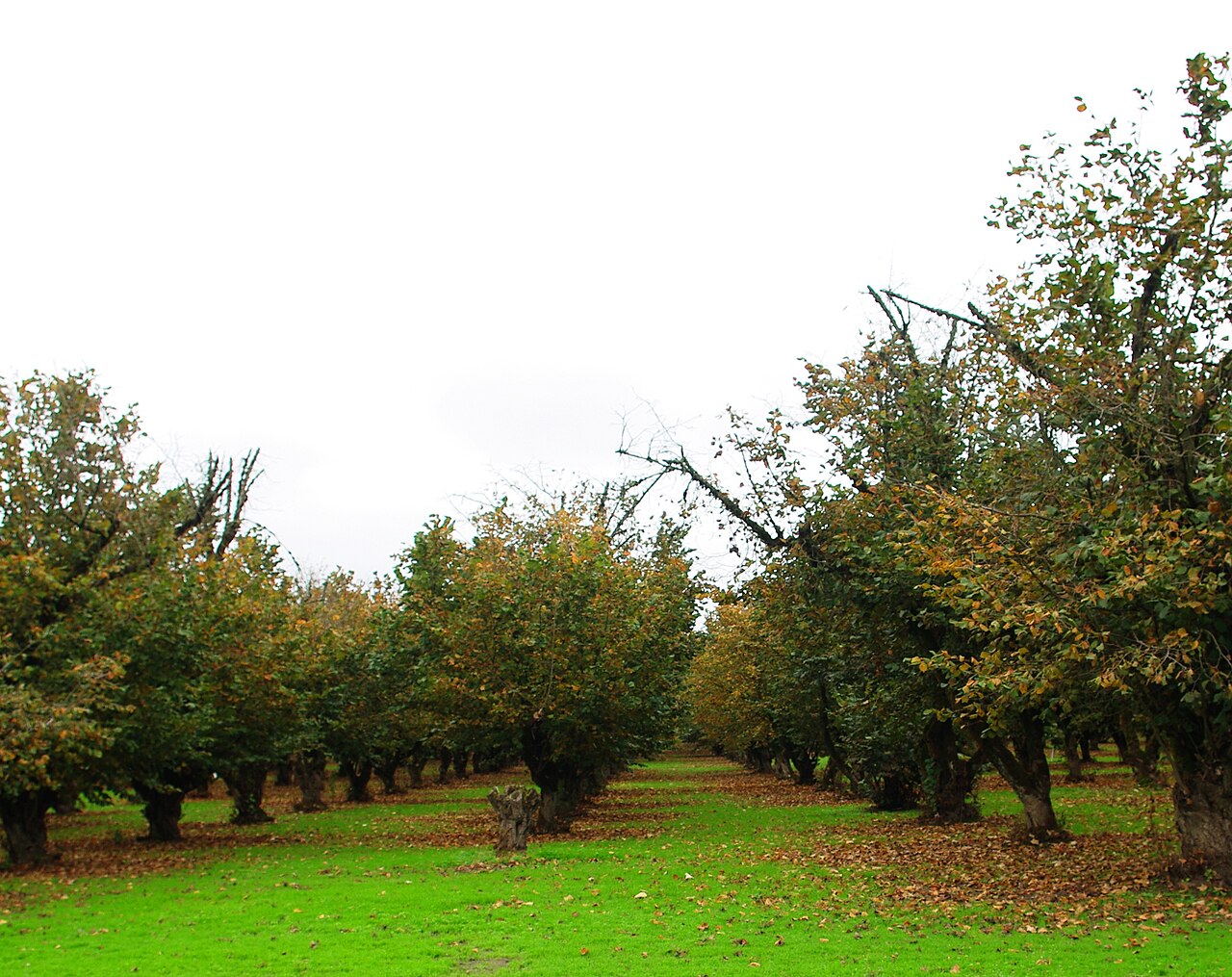
Establishing a hazelnut orchard is a capital-intensive investment with a long period before full productivity. Seedlings are planted once, and the first significant income arrives only after several years—typically between the fourth and sixth year, with full productivity occurring later. This means the producer must secure funds in advance for land (or lease), soil preparation, planting material, fencing, irrigation systems, and mechanization, and then cover maintenance costs for years before the orchard begins to repay the investment. Because of this time lag between investment and revenue, the financing structure—how much comes from own capital, how much from loans or leasing, and how these are combined with grants—determines whether the project is sustainable or whether it will overwhelm the producer before the first harvest. Below, we examine the main sources of financing and how to reasonably combine them into a whole.
How Much Does Establishing an Orchard Cost and Why Is Financing Key
Before discussing sources of money, one needs a rough picture of costs. From the literature on hazelnuts, it is evident that individual items vary depending on size, location, and level of mechanization:
| Investment Item | Approximate Amount (Informative) | Note |
|---|---|---|
| Land (5 ha) | ~80,000 HRK | Often bypassed by leasing state land |
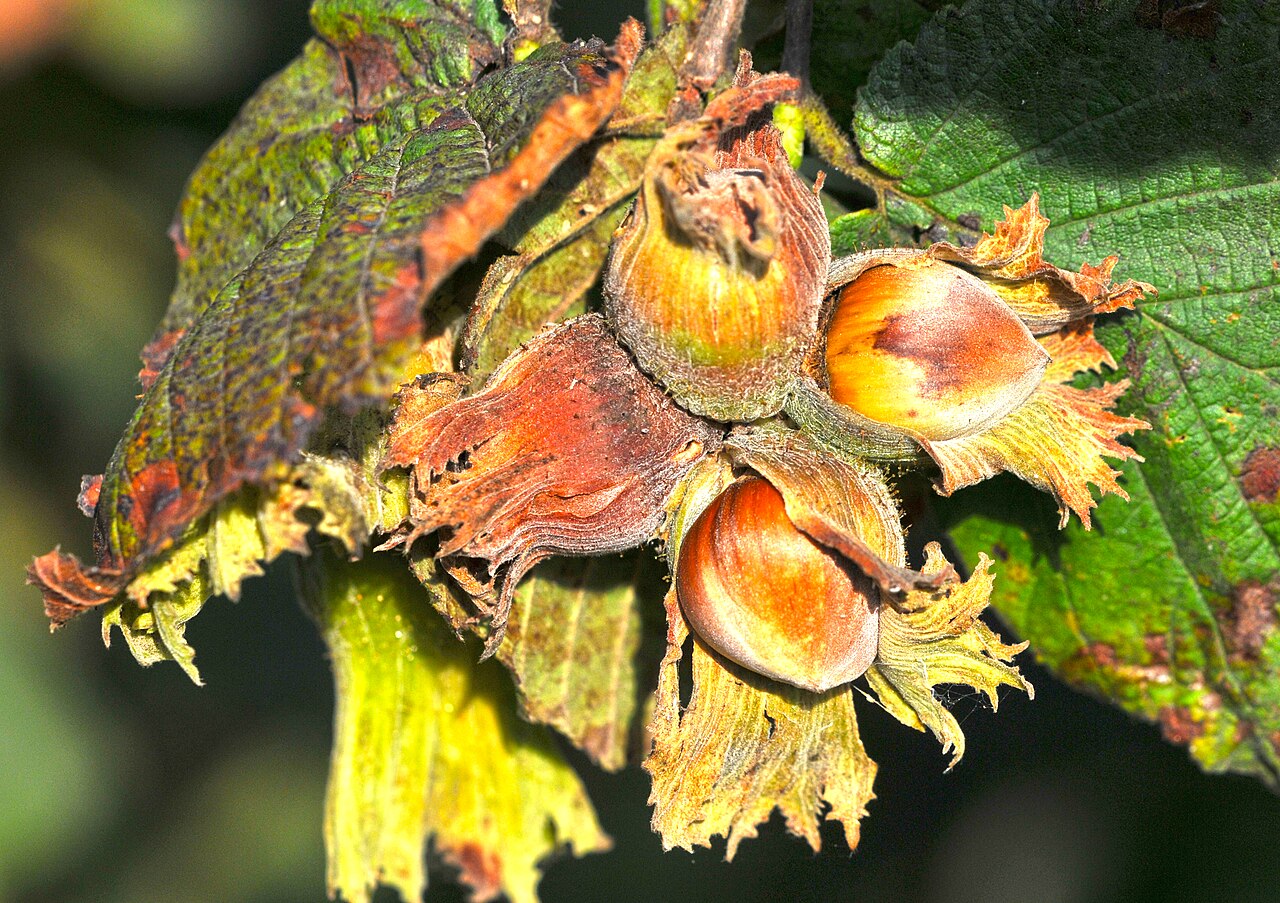
| Planting Material | ~10,200 HRK per orchard / ~10 HRK per seedling | Depends on number and varieties; min. 3 compatible pollinator varieties |
| Tractor (Used) | ~25,000 HRK | Orchard tractor with low center of gravity for narrower spacing |
| Other Machinery (Used) | ~20,000 HRK | Harrow, mulcher, disc harrow |
| Protective Fence | Part of own funds | In one example, ~55,500 HRK own funds for orchard + fence on 2 ha |
Figures are indicative
The amounts listed originate from student papers and investment studies from various years (2017–2021) and are expressed primarily in Croatian Kuna (HRK). Since the introduction of the euro in Croatia on January 1, 2023, accounting is in euros (fixed rate 7.53450 HRK = 1 EUR). Check current prices for seedlings, machinery, and land with suppliers and advisory services. Note: The figures below are derived from Croatian/EU sources [1, 3, 5]. Producers in the United States or Oregon must verify local equivalents for land costs, seedling prices, and machinery, as these vary significantly by region and scale.
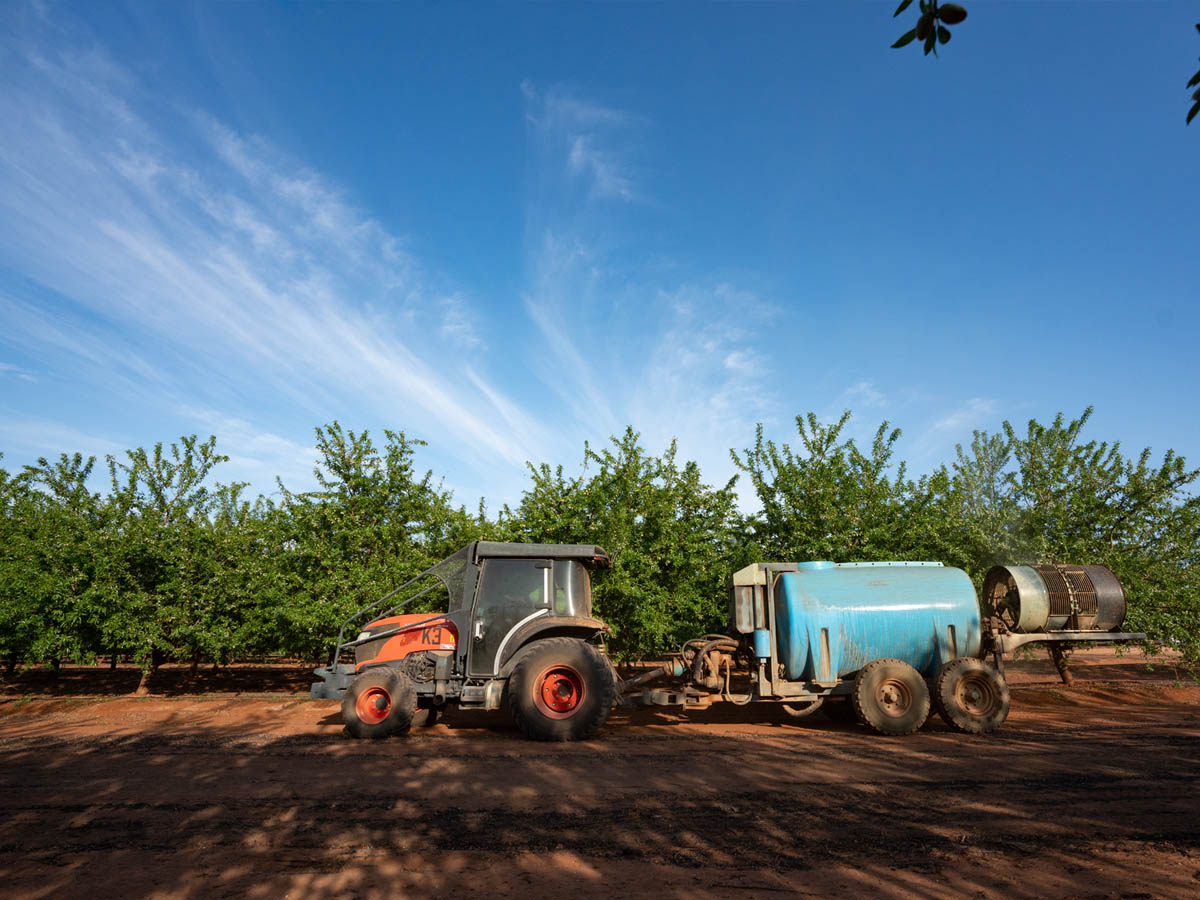
The lesson from the corpus is twofold. First, it is not necessary to immediately purchase expensive, new mechanization in the early years—multiple sources emphasize that until the orchard enters production (approximately the third-fourth year), the orchard can be maintained with used or smaller machines (tractor, harrow, mower, mulcher), and only with full production does an orchard tractor with a low center of gravity, a long-range atomizer (7–8 m), and, on areas larger than about 3 ha, a harvesting combine become necessary [2, 4]. Second, rarely does anyone cover the entire investment with their own money—a typical project combines own funds, loans, and support [1, 3, 6].
Own Capital: The Foundation of Every Structure
Own capital is the money (or assets) that the producer themselves puts into the project—savings, own land, existing equipment, or funds from family and friends. It has several roles:
- Covers part of the investment that is not financed by loan or support. Banks and leasing companies almost never finance 100% of the value; own contribution is customary, typically around 20% for leasing.
- Reduces debt and interest burden. The higher the own share, the lower the installments and the lower the total interest cost.
- Signals seriousness. Owning own land and part of the equipment is a significant advantage in project assessment, as confirmed by investment studies in the corpus [3].
In one investment study for 2 ha of hazelnuts, the structure looked like this: own funds of about 55,500 HRK (establishing the orchard + fence), a HAMAG-BICRO microloan of 80,000 HRK (equipment and machinery), and 30,000 HRK from family and friends [3]. This is a typical example of mixed financing, where own capital carries the core, and external sources fill the rest.
Rule of Caution
Do not invest all your own money in planting. Leave a liquidity reserve for unforeseen costs and for the years before productivity, when the orchard only "eats"—agrotechnics, irrigation, protection, and labor do not wait for the first income.
Agricultural Credits and HBOR
In Croatia, hazelnuts are included in the system for encouraging the establishment of permanent crops, and alongside direct supports, there is a special HBOR (Croatian Bank for Reconstruction and Development) credit line within the program for establishing permanent crops. This is confirmed by multiple sources in the corpus: owners who establish an orchard can combine investment support (at a high percentage of the total investment) with a favorable loan [1, 6].
How HBOR Lends Money
It is important to understand the model: HBOR mainly does not deal directly with the end user, but through commercial banks. The producer (e.g., holder of a Family Farm) submits a documented loan request to their commercial bank; the bank and HBOR conclude a contract, and then the bank concludes a loan contract with the user. In the example from the corpus, a Family Farm submitted a loan request for 499,014.00 HRK to a commercial bank within the HBOR loan program "Beginners / Start-up." Part of HBOR's funds are also placed directly, but the "through the bank" model is most common.
Approximate Conditions for Establishing Orchards (Informative)
Based on publicly available information from HBOR and intermediaries (check current conditions at hbor.hr):
| Parameter | Approximate Value | Note |
|---|---|---|
| Purpose | Establishing and/or renewing perennial crops | Material investment |
| Minimum Amount | From ~80,000 HRK (≈ 10,620 EUR) | Depends on program |
| Maximum Amount | Up to ~3,500,000 HRK (≈ 464,500 EUR) | Depends on program |
| Repayment Term | Up to 14 years | Aligned with the long period to productivity |
| Grace Period | Up to 5 years | No principal repayment until the orchard enters production |
| Interest Rate | From 0% to ~2% annually | With subsidy/EAFRD and special areas |
Particularly valuable is the long grace period of up to 5 years: during this period, the user does not repay the principal (sometimes not even interest), which is ideally aligned with hazelnut biology because the first installments coincide with the orchard entering production. Lower interest rates (e.g., reduced base rates of 1.7% for terms up to 10 years and 1.9% for longer, and subsidized rates around 2% for investments in areas of special state care or assisted areas) are linked to EU rural development programs (EAFRD) and national measures (NPOO).
Interest Subsidy
From April 2025, applications for interest rate subsidies for private sector loans within the National Recovery and Resilience Plan (NPOO) are accepted again. Availability and height of the subsidy depend on available fund resources, which can be exhausted—some previous lines closed before the deadline. Check if the program is open at the time of application.
Other Sources of Credit
Besides HBOR, the corpus and practice also show:
- HAMAG-BICRO microloans—smaller amounts (e.g., up to ~80,000 HRK) suitable for purchasing equipment and starting a Family Farm / workshop [3].
- Commercial bank loans for EU projects—finance land, buildings, equipment, and establishment of permanent crops, often with the benefit of early repayment from EU support without penalty.
- County, city, and municipal credit lines—alongside state incentives, local units often offer their own supports and favorable loans for orchards in their area [1, 6].
Leasing Mechanization
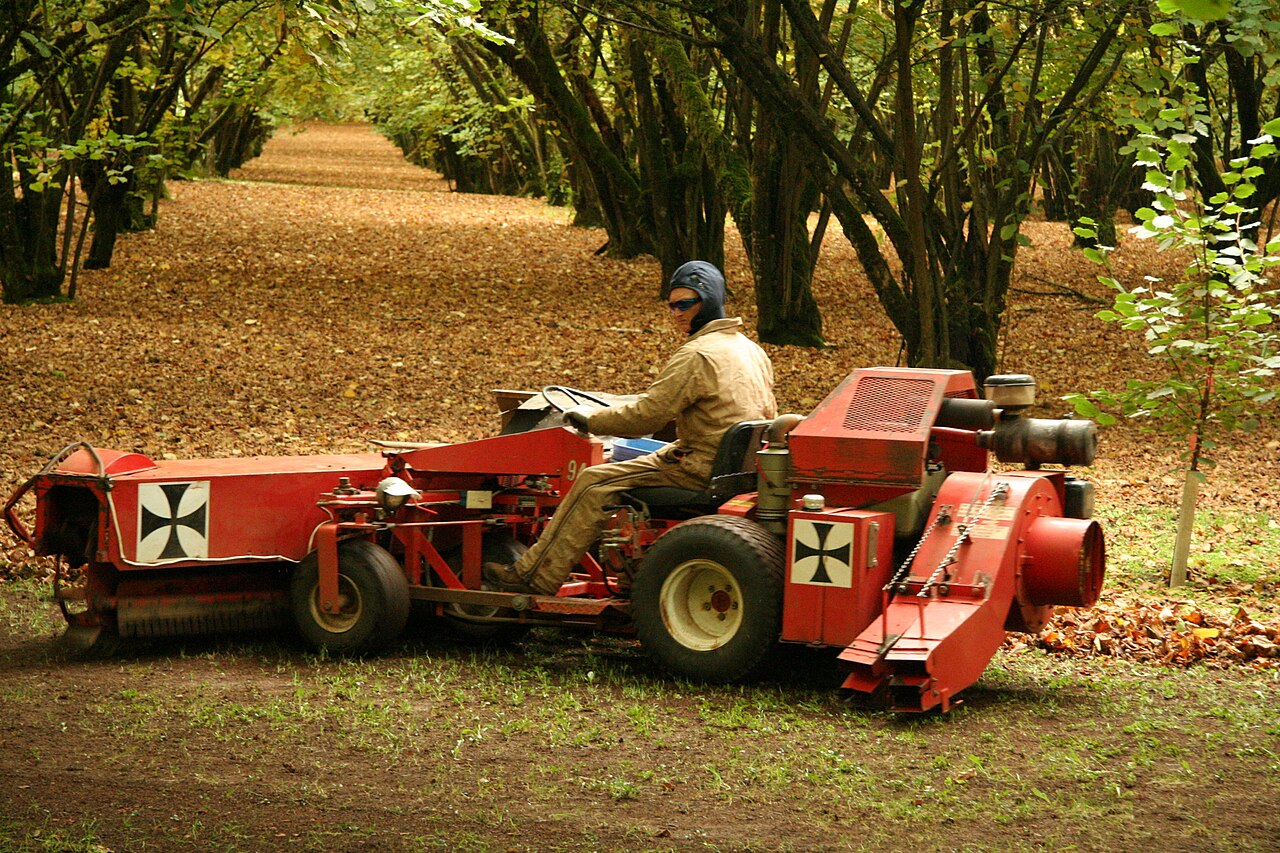
Mechanization is almost indispensable for hazelnuts—multiple sources explicitly state that without it, production is "economically not viable," especially for protection (atomizer) and harvesting (combine on areas larger than ~3 ha) [2, 4]. Machines are expensive, so leasing is a common way to access them without a large one-time expenditure.
Financial vs. Operational Leasing
| Feature | Financial Leasing | Operational Leasing |
|---|---|---|
| Ownership at end | Transfers to recipient (buyout at low price) | Remains with lessor (machine returned or bought out) |
| Payment covers | Entire value of object | Part of value (like rent) |
| Amortization borne by | Leasing recipient | Leasing lessor |
| Typical term | Up to 5–7 years depending on object | Shorter, flexible |
| Own contribution | Standard ~20% | Often lower |
Financial leasing is essentially installment buying: through installments, you pay for the entire machine and become the owner at the end. Operational leasing is closer to long-term rental: you pay for use, and return or buy out the machine at the end at its residual value—suitable for equipment that ages quickly or is rarely used.
Approximate Conditions (Informative)
- Financing term: Typically up to 5 or up to 7 years, depending on the leased object.
- Own contribution: Standard ~20%.
- Object: Tractors, utility vehicles, atomizers, harvesting combines, processing and drying machines.
- Historically, special HBOR-leasing lines existed (e.g., fixed rates of ~4.5% for tractors and 4.8% for agricultural equipment)—check current rates with leasing companies (PBZ Leasing, OTP Leasing, UniCredit Leasing, Raiffeisen Leasing, Impuls Leasing, etc.).
When to Lease, When to Credit?
For long-lived, slowly aging items tied to the land (the orchard itself, fence, irrigation), a long-term credit with a grace period is more natural. For mechanization that wears out and is renewed, leasing is often more flexible and tax-advantageous, and own capital remains free for the orchard. Many producers in the early years avoid new machines altogether and use used ones or processing services from neighboring producers (e.g., joint drying and cleaning), thereby delaying large investments in equipment [2, 4].
Combining Credits with Support
The smartest financial structure rarely relies on a single source. The Croatian agricultural strategy and CAP (Common Agricultural Policy) measures provide that investments are financed from the EU budget (EAFRD) with national co-financing, and investment support is combined with loans and own capital.
Three Layers of Financing
- Grant (Non-repayable Support)—Covers part of the eligible costs of the investment (e.g., through rural development / IPARD measures for purchasing machinery and equipment for hazelnut production and processing, for which the corpus notes very good experiences because mechanization is expensive) [2, 4]. There are also direct supports per hectare.
- Loan / Leasing—Bridges the gap between support and total investment and covers costs until the grant is paid out (supports are often paid in arrears).
- Own Capital—Covers the mandatory own share and ensures liquidity.
Direct Supports per Hectare (Informative)
According to the Regulation on the Implementation of Direct Support to Agriculture and IACS Measures for 2025, the maximum unit amounts for production-linked support are:
| Crop | Maximum Amount | Condition |
|---|---|---|
| Perennial Crops (incl. Hazelnut) | 92.91 EUR/ha | Proof of certified planting material |
| Vegetable Crops | 106.18 EUR/ha | — |
| Arable Crops | 66.36 EUR/ha | — |
To obtain support, land must be registered in the ARKOD system, and proof of certified planting material (delivery note/invoice and certificate) is attached to the request by the last day of the deadline for submitting the Single Application. Additionally, hazelnuts have historically been in the system of incentives for establishing permanent crops (older sources mention e.g., an incentive of ~7,300 HRK/ha for planting), and there are supports for annual orchard maintenance and local supports from counties, cities, and municipalities [1, 6].
Watch Out for Cumulation Rules and Obligations
Supports come with obligations: e.g., a five-year implementation period, registration in ARKOD, certified planting material. From the literature (Italian example), it is also evident that for the same type of investment, two active supports often cannot be run simultaneously until the first is concluded. Check the rules for cumulating grant funds and interest subsidies so you do not exceed the permitted support intensity.
Practical Recommendations and Common Mistakes
Recommendations:
- Make a business plan and soil analysis first. Banks and leasing companies require a convincing plan that proves profitability; without it, getting a loan is difficult. Soil analysis is a prerequisite for both planting and realistic yield projections.
- Use the grace period. Request a loan with a grace period aligned with the orchard entering production (up to 5 years with HBOR), so the first installments do not fall before the first income.
- Phase mechanization investments. Manage with used/smaller machines or services in the first 3–4 years; buy the orchard tractor, atomizer, and combine when the orchard enters production.
- Combine sources. Grant + loan/leasing + own capital almost always yields a cheaper cost of capital than a single source.
- Check local supports. Counties, cities, and municipalities often offer additional incentives that can be added to state supports [1, 6].
Common Mistakes:
- Underestimating the period without income. The orchard consumes for years and does not bring in revenue—lack of liquidity reserve is a common cause of problems.
- Over-investing in equipment too early. A new orchard tractor and combine in the first year tie up capital that would serve the orchard and liquidity better.
- Relying solely on support. Supports are paid in arrears and depend on available funds; a credit or own "bridge" is necessary.
- Missing deadlines and conditions. Closing of credit lines due to exhausted funds, missed deadlines for the Single Application, or missing planting material certificates can void support.
- Ignoring cumulation rules. Ignorance of maximum support intensity and the relationship between grant and interest subsidy can lead to repayment of funds.
Sources
- LIBERTAS MEĐUNARODNO SVEUČILIŠTE aba5bacb (2018)
- MEHANIZACIJA U PROIZVODNJI I DORADI LJEŠNJAKA U TVRTKI MINAS-ZRNO 1 (2021)
- INVESTICIJSKA STUDIJA ZA PROIZVODNJU INOVATIVNIH PROIZVODA NA BAZI LJEŠNJAKA (Corylus avellana L.) (2019)
- MEHANIZACIJA U PROIZVODNJI I DORADI LJEŠNJAKA U TVRTKI MINAS-ZRNO 1 (2021)
- PODIZANJE NOVIH NASADA VOĆNJAKA (TEHNOLOŠKO-EKONOMSKE SMJERNICE) (2006)
- smart scrape 1176666.Diplomski rad Andrej Odori 22583646 (2018)
- SUSTAV POLJOPRIVREDNIH KNJIGOVODSTVENIH PODATAKA (FADN – Farm Accountancy Data Network) PRIRUČNIK za popunjavanje računovodstvene 2023 (2023)