Monilinia, Botrytis, and Hazelnut Fruit Rot
Content generated by artificial intelligence — verify before application
This article was automatically compiled from a collection of hazelnut literature using artificial intelligence and may contain errors or outdated information. It serves as a starting point for further research, not as professional advice. Dosages, products, and timing are informative and depend on the cultivar, location, and current regulations — always consult with an advisory service and official sources before application.
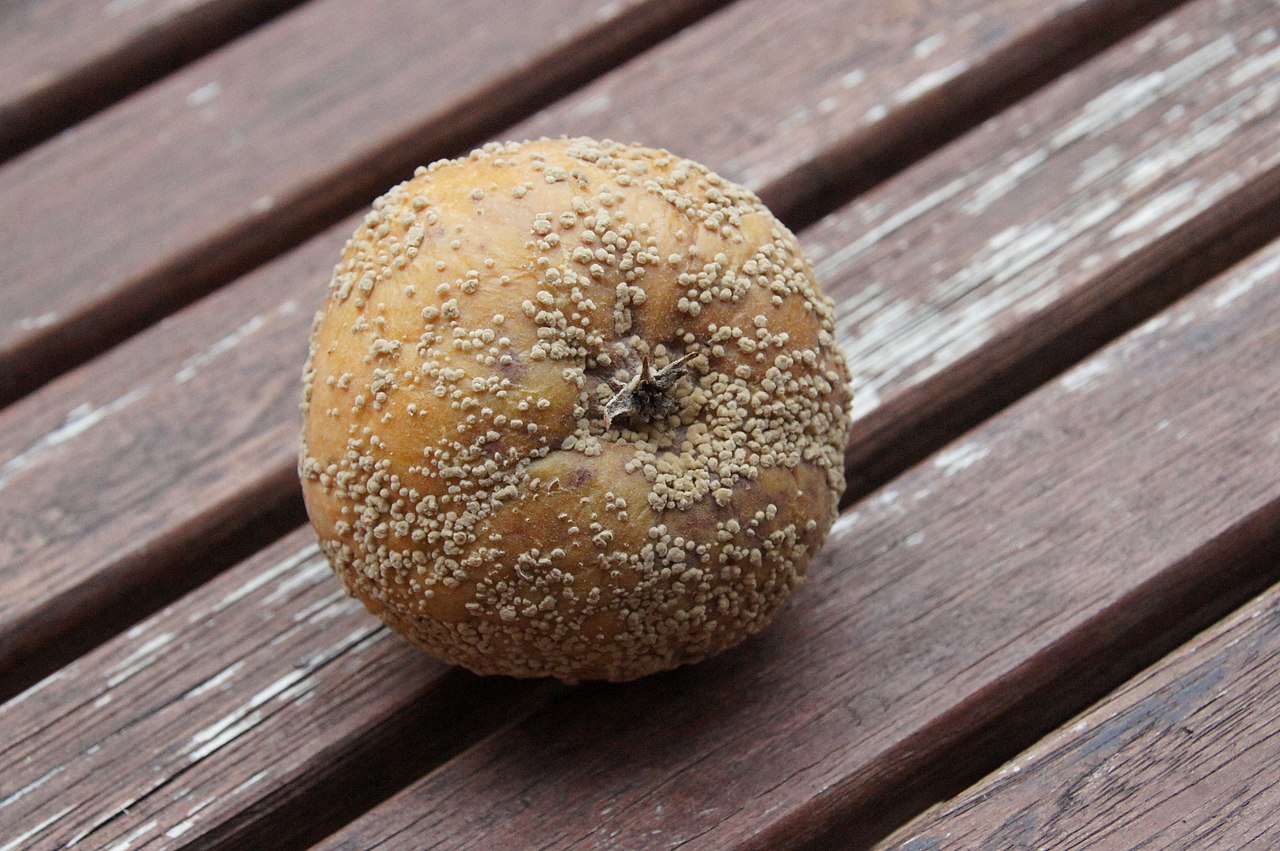
Fruit rot is one of the most common and economically significant problems in commercial hazelnut orchards. The term "fruit rot" does not refer to a single disease, but rather to a complex of fungal pathogens, among which Monilinia (genera Monilinia and Monilia) and gray mold or botrytis (Botrytis cinerea) are predominant, along with associated fungi such as Nematospora coryli, Fusarium, Botryosphaeria, Alternaria, Cladosporium, and Trichothecium roseum. They share the characteristic of thriving in moist conditions and typically infecting the fruit through wounds — punctures from nut weevils and bugs, hail or wind damage. Therefore, controlling fruit rot always involves a combination of agronomy, pest control, and targeted fungicide protection, not just spraying.
Pathogens of Fruit Rot
Monilinia (Brown Fruit Rot)
Brown fruit rot of hazelnut is caused by fungi from the genera Monilinia and Monilia. In literature and in Croatian orchards, three species are most frequently cited:
- Monilinia fructigena — described as the main cause of brown fruit rot; it is becoming an increasingly significant problem in hazelnut orchards.
- Monilinia laxa — in addition to fruit rot, it is associated with blossom blight and shoot dieback; it is becoming a "very big problem" in plantations.
- Monilinia (Monilia) coryli — a species specialized for hazelnut.
Monilinia species have a wide range of hosts, primarily stone and pome fruits (peach, nectarine, plum, apple), and under certain climatic and soil conditions, they also attack hazelnut. On hazelnut, the pathogen attacks immature fruits and soft, succulent herbaceous parts of the plant, primarily during the phenological phases before shell lignification.
Symptoms of Monilinia:
- A light to dark brown (chestnut-colored) spot appears on the husk, spreading over the entire fruit surface and affecting the bracts (husk leaves).
- The fruit flesh beneath the spot turns brown and rots; the kernel softens, browns, and decays.
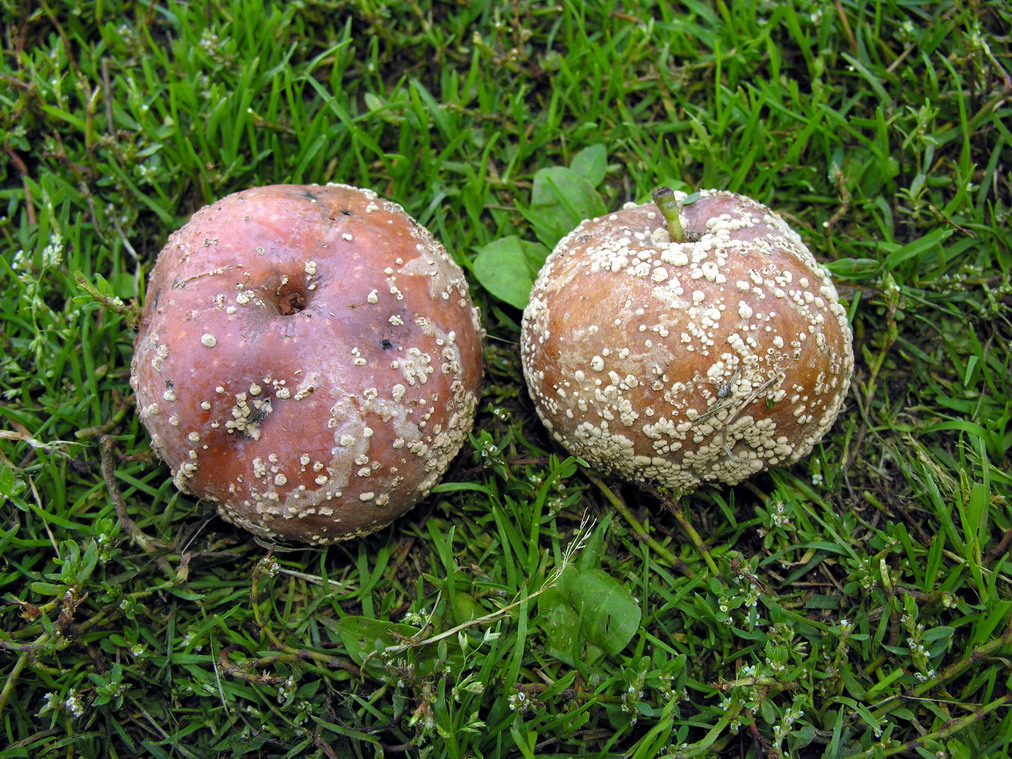
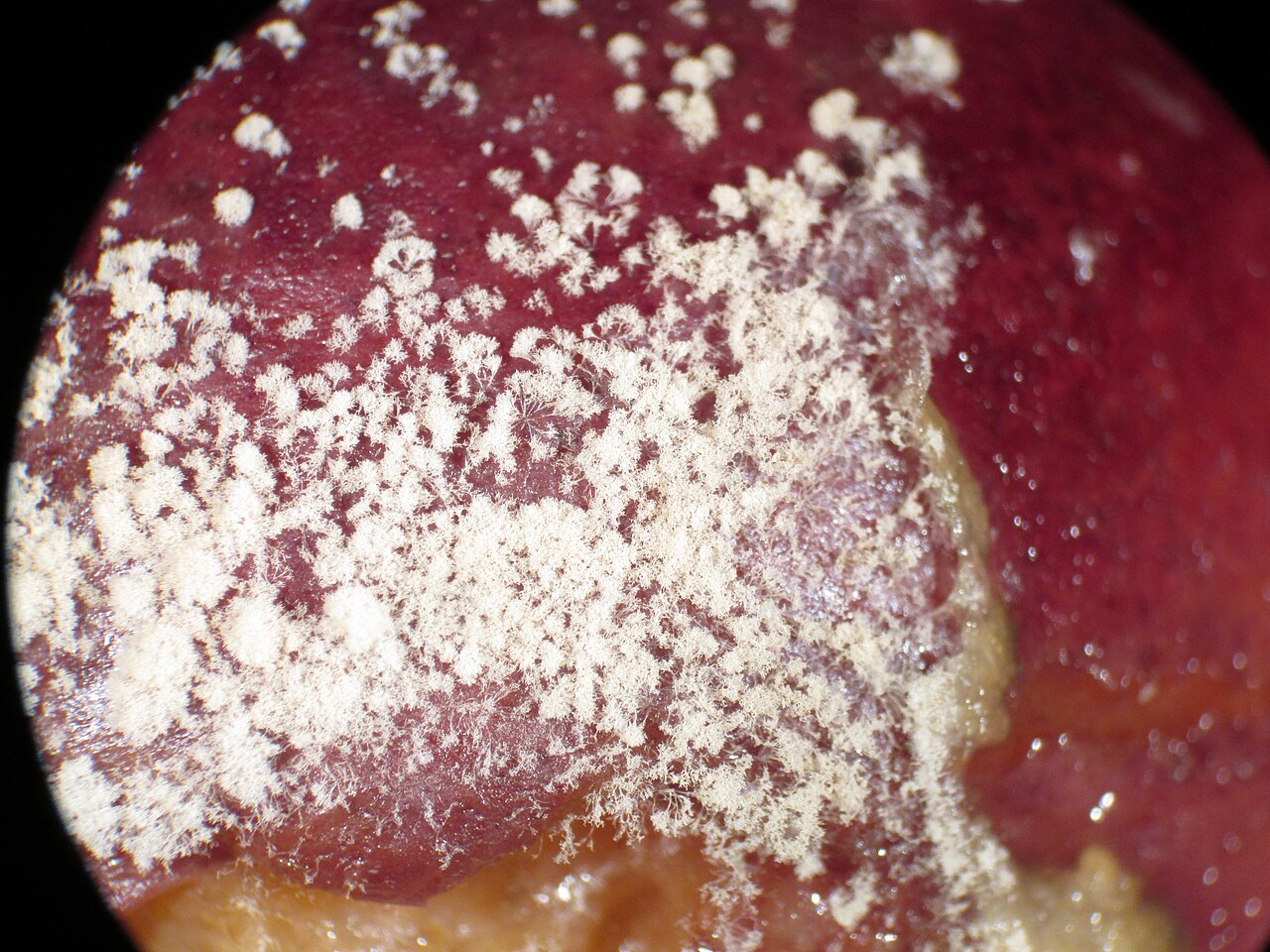
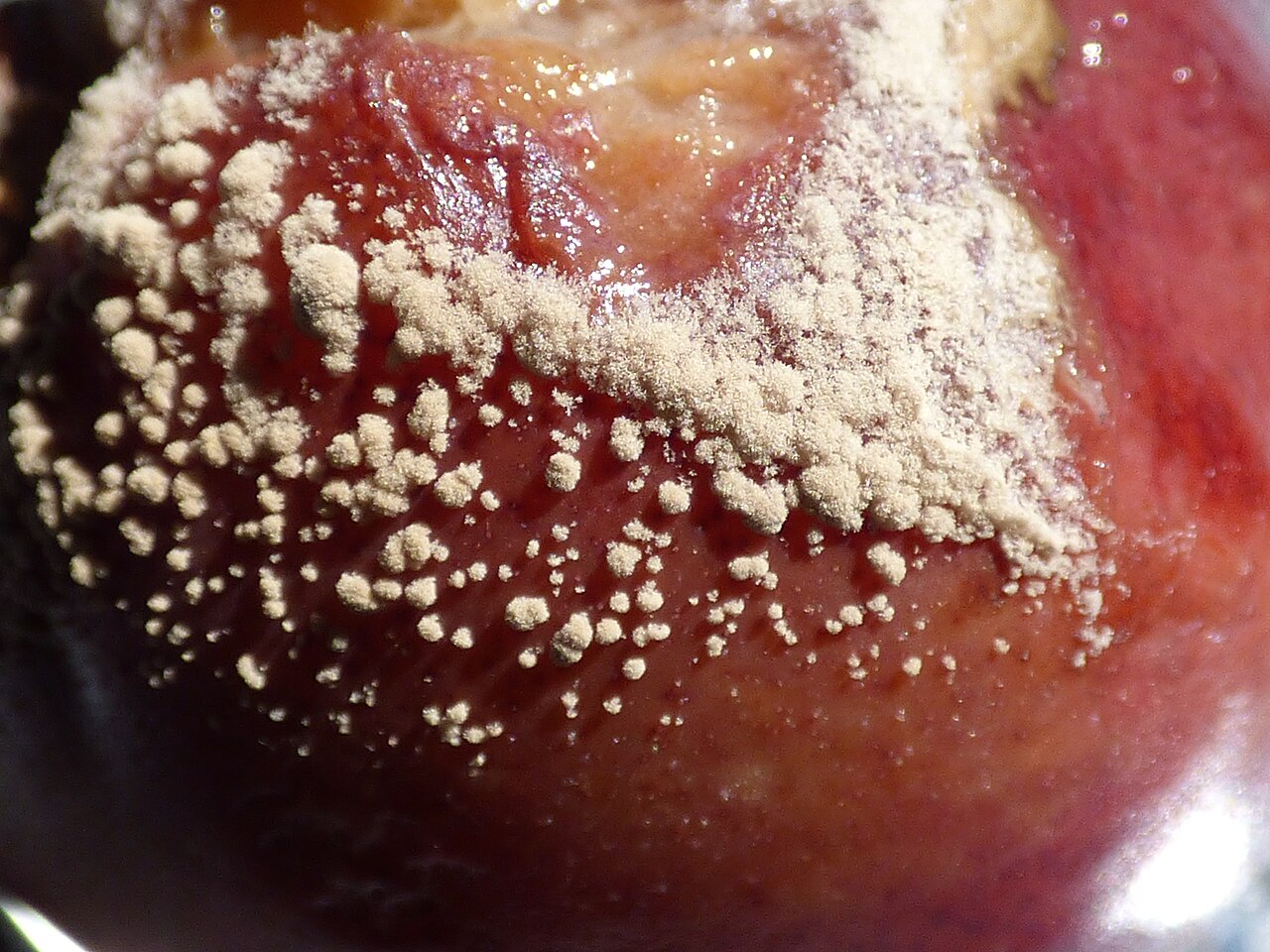
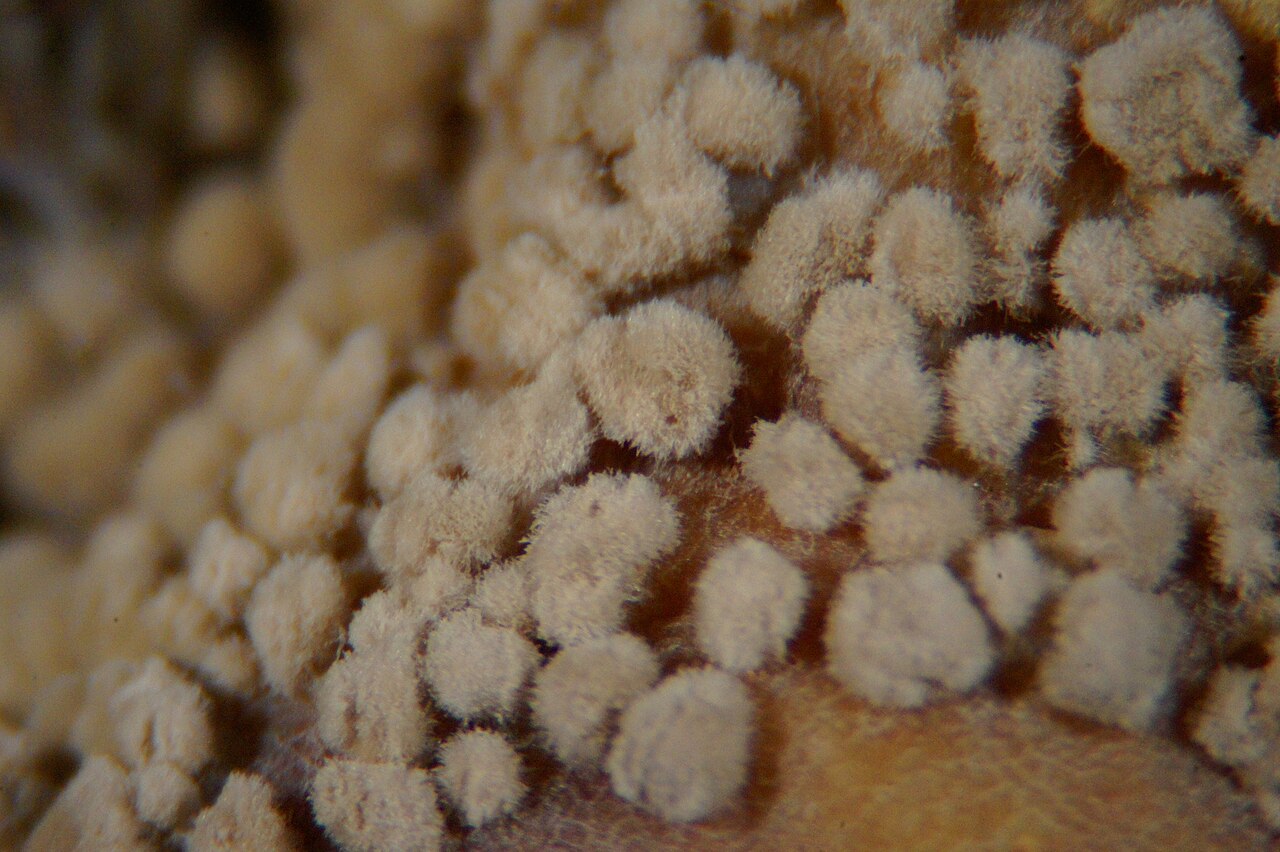
- With M. fructigena, yellowish sporodochia (spore cushions) develop on the fruit surface, arranged in concentric circles.
- If two fruits touch, rot easily transfers from one to the other.
- Early-infected fruits drop; some mummified fruits remain on the branches well into late autumn and serve as sources of infection.
- Initially, the rot is brown, but over time it turns black.
An important biological feature: Monilinia species generally cannot penetrate intact fruit tissue, but enter through wounds. Therefore, controlling pests that pierce the fruit (nut weevils, bugs) is a crucial condition for the success of fungicide protection.
Botrytis (Gray Mold, Botrytis cinerea)
Gray mold is caused by Botrytis cinerea (teleomorphic stage Botryotinia fuckeliana). This is a necrotrophic parasite that kills host cells and tissues during its feeding process and parasitizes more than two hundred plant species worldwide — fruits, vegetables, grapes, and ornamental plants. On hazelnut, it most commonly attacks fruits, specifically young fruits before they lignify.
Symptoms of Botrytis:
- Infection often occurs early — pre-bloom and during bloom — although the most obvious symptoms appear only at fruit maturity.
- Infected fruits become soft, watery, and rot.
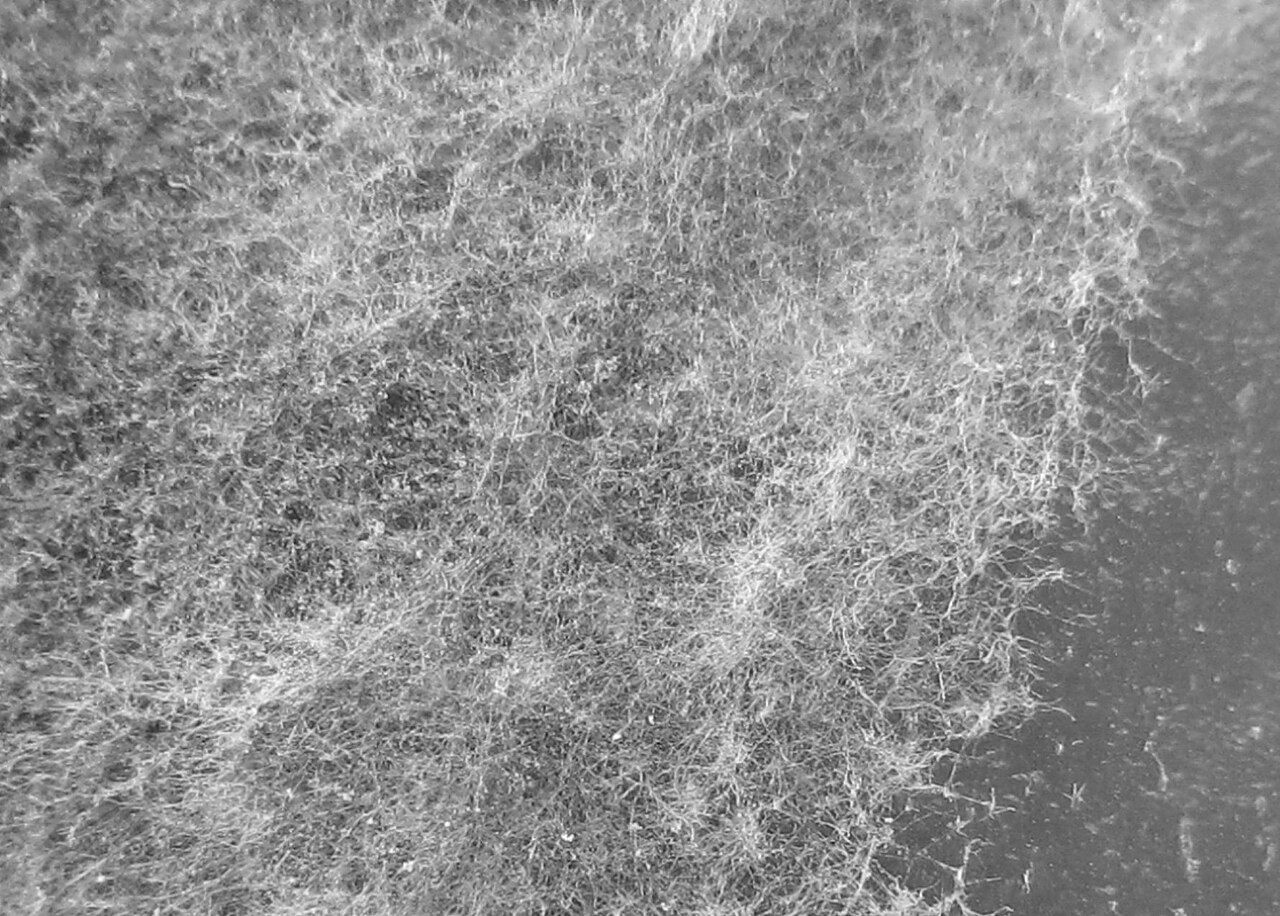
- Fruits are partially or completely covered by a gray, web-like coating (mycelium and fungal spores) — hence the name "gray mold."
- Male flowers (catkins) can also become diseased.
Unlike Monilinia, Botrytis can infect seemingly intact fruits, although wounds and weakened tissue significantly facilitate entry. It favors rainy, humid weather.
Associated and Similar Diseases
In infected fruits with similar symptoms, other fungi are often isolated simultaneously. In one Croatian example (Orahovica), Monilinia laxa, Monilinia fructigena, Botrytis cinerea, Alternaria spp., Cladosporium spp., and Trichothecium roseum were isolated from fruits. Therefore, the application of broad-spectrum fungicides is recommended, as Monilinia and Botrytis are not the only causes of rot.
It is particularly important to distinguish hazelnut kernel rot caused by Nematospora coryli. This disease is widespread in our region, but its symptoms are often confused with Monilinia. With Nematospora, the fruit begins to yellow from the tip, and then that part turns brown; bugs (e.g., Gonocerus acuteangulatus) play a major role in its appearance and spread.
| Disease | Pathogen(s) | Typical Symptom | Entry Point into Fruit |
|---|---|---|---|
| Brown Fruit Rot (Monilinia) | Monilinia fructigena, M. laxa, M. coryli | Brown spots on husk, yellow sporodochia in circles, mummification | Mostly through wounds |
| Gray Mold (Botrytis) | Botrytis cinerea | Soft, watery fruits with gray web-like coating | Wounds, but also intact tissue |
| Kernel Rot | Nematospora coryli | Yellowing/browning from fruit tip, softened kernel | Bug punctures |
Development Conditions: Why Moisture is Key
All the aforementioned rots share the same environmental requirement — water on the fruit surface and high air humidity. Practical implications:
- The highest risk is in May and June during rainy periods, when fungi (Monilinia fructigena, Monilinia laxa, Botrytis cinerea, etc.) spread most easily on young, non-lignified fruits.
- The spread of infection is significantly influenced by rain and temperature; the occurrence of rot depends on the cultivar, orchard location, and the amount of rain and number of rainy days.
- Changes on the fruits are visible from early June.
- Climate change and increasingly frequent rains at inconvenient times favor these diseases; in some orchards, fruit rot occurred with significantly higher intensity in 2020 than in previous years, with losses measured in kilograms of empty, light (rotted) nuts per row.
- Hail damage is particularly dangerous because it opens a mass of entry wounds simultaneously.
From this follows the key message: weather conditions and wounds determine the risk, so protection should be planned according to the weather forecast and the level of fruit damage, not according to a fixed calendar.
Agronomic and Preventive Protection
Agronomy is the first and often most effective line of defense, especially for Monilinia, which does not penetrate healthy tissue.
Sanitation (removal of infection sources):
- Collecting and destroying (burning) rotten and mummified fruits; this measure is particularly recommended for home gardens and small orchards.
- Plowing under infected fruits remaining on the soil.
- Removing infected branches and parts, as they can be sources of infection for healthy parts.
- The fungus survives precisely in infected fruits, so their removal reduces pressure in the following season.
Reducing Wounds — Pest Control:
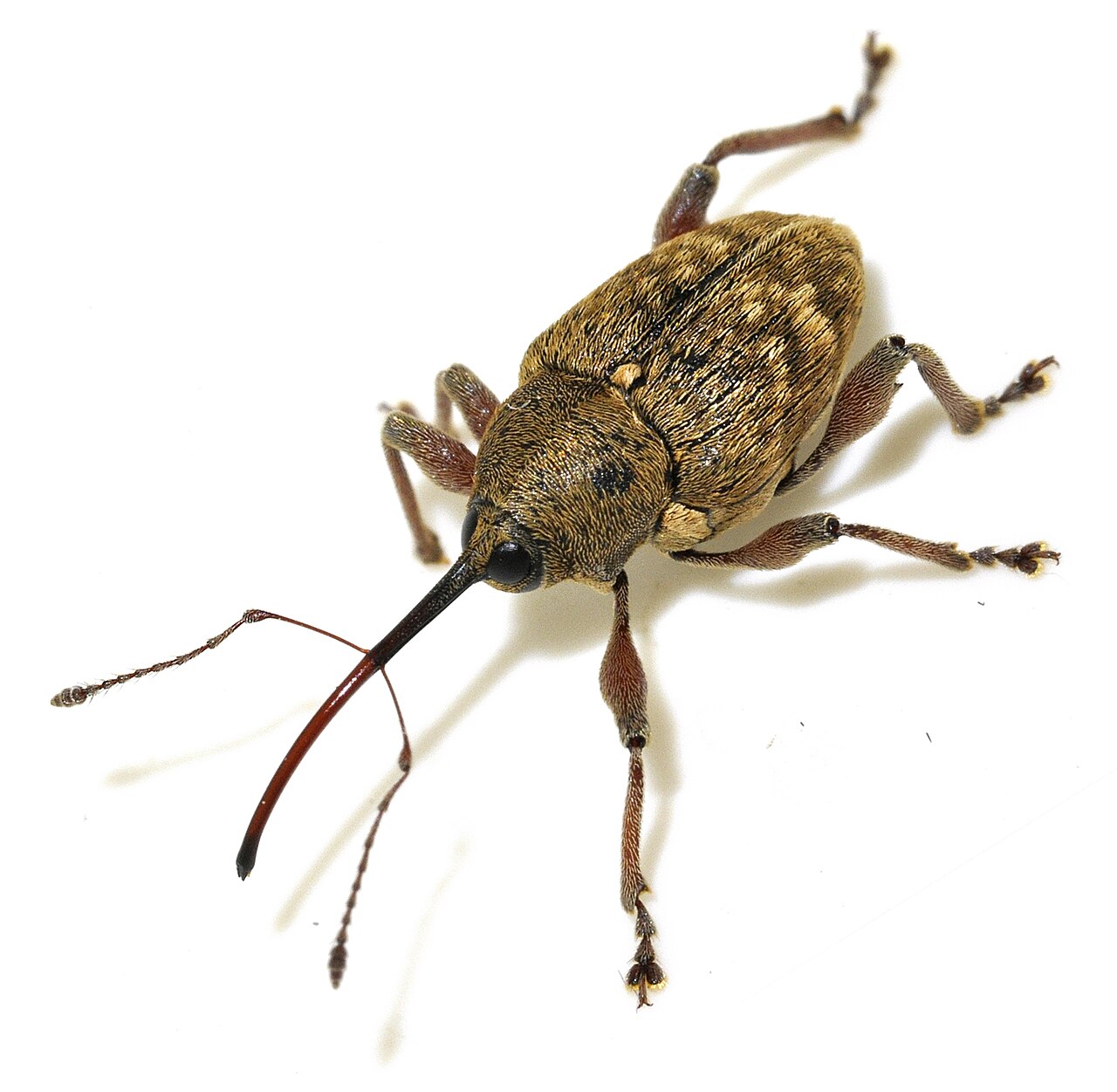
- Since Monilinia species and most associated fungi enter through punctures from the hazelnut weevil (Curculio nucum) and bugs, controlling these pests is a prerequisite for any fungicide protection. Only then can the effect of fungicides be expected.
- Control of adult hazelnut weevils is conducted during the supplementary feeding period (from early May to late June). Soil treatment around the tree (deep plowing) disrupts the development of larvae that pupate in the soil at a depth of only a few centimeters.
Creating unfavorable conditions for fungi (especially Botrytis):
- Planting more resistant cultivars.
- Balanced nitrogen fertilization (excessive nitrogen produces lush, soft tissue susceptible to Botrytis).
- Maintaining shrub aeration through pruning — faster drying of fruits and leaves reduces humidity conducive to infection.
Fungicide Protection
Fungicide protection should be viewed as a complement to agronomic practices and pest control, not as a replacement. In intensive orchards, fungicide application is recommended; however, without prior pest control, satisfactory results against brown rot (Monilinia) cannot be expected.
Timing
- Protection should be applied when the first fruit damage from secondary insect feeding is observed, which is typically late May and early June.
- Under sufficiently humid and not excessively hot conditions, a first (usually copper-based) treatment is recommended mid-to-late May.
- After hail, apply protection as soon as possible — no later than 40 hours after the hail event.
- Treatments are repeated in some schemes (e.g., early vegetation and ~20 days later, or repeated copper applications in autumn against leaf spot).
Active Ingredients and Products
The following groups are highlighted from corpus and public sources:
- Copper fungicides (e.g., Bordeaux mixture / Caffaro Bordeaux mixture 20 WP, Champion WG 50, Neoram WG, Cuprablau Z, Airone SC) — broad spectrum, also effective against bacterial diseases, and approved for organic production. They are often used as the first, preventive treatment under humid conditions.
- Pyraclostrobin + boscalid (Signum DF) — highly effective against various rot pathogens (Monilinia, Botrytis, Alternaria) and powdery mildew (Phyllactinia guttata). Note: In Croatia, it is registered (according to available literature) primarily against leaf spot, so application against rot should be aligned with the current registration and label. For hazelnut brown rot control in the region, preparations based on boscalid are also cited as registered.
- Pyraclostrobin (alone) — cited as effective against Monilia species; however, it is recommended to use broad-spectrum products.
- Microbiological/biological preparations and defense activators (e.g., Ekstrasol, BioLife, FitoBacillus, Fruttifolia, immunostimulator Boundary SW) — as a supplement to the protection program. In the world, biofungicides (e.g., based on Ulocladium oudemansii) are also being researched for botrytis and monilinia control.
All dosages and intervals are indicative
The table below conveys values from literature (primarily according to Šubić, 2019, and advisory notices). Registrations, dosages, number of sprays, and pre-harvest intervals (PHI) change — always check the current label and the database of approved products (FIS, fis.mps.hr) and consult with the advisory service.
| Product | Active substance / purpose | Application (approximate) | Pre-harvest interval (PHI) |
|---|---|---|---|
| Bordeaux mixture WP | Fruit rot and bacterial canker | 0.5 % (2×) | 15 days |
| Neoram WG | Copper; bark canker | 0.25–0.45 % | 20 days |
| Champion 50 WG | Fungal and bacterial diseases | 2–3 kg/ha (3×) | 21 days |
| Cuprablau-Z WP | Bacterial leaf spot | 2 kg/ha (2×) | OVP |
| Signum DF | pyraclostrobin + boscalid; rot, powdery mildew, leaf spot | ~1 kg/ha (2×) | 28 days |
| Cosavet DF | Sulfur; powdery mildew | 0.2 % (4×) | 5 days |
| Microthiol Special Disperss | Sulfur; powdery mildew | 3–5 kg/ha (8×) | 5 days |
| Systhane 20 EW | Leaf spot and fruit drying | 0.375 l/ha (3×) | 60 days |
| FitoBacillus / Fruttifolia | Defense activators against pathogens | 2–5 / 4–5 l/ha | None |
For comparison, in integrated stone fruit production in Europe, ciprodinil, boscalid, and tebuconazole are primarily used for monilinia control (e.g., Switch 62.5 WG = ciprodinil + fludioxonil; Chorus 50 WG = ciprodinil), with tebuconazole proving particularly effective against M. laxa. These data refer to fruit in general and do not automatically imply approval for hazelnuts — only use registered products on hazelnuts.
Organic Production
In organic production, approved inorganic and organic fungicides — primarily copper preparations — are used to control rot and fruit drying (Monilinia, Botrytis, Fusarium, Nematospora, Botryosphaeria), along with botanical insecticides for pest control. Check the list of approved products at fis.mps.hr.
Practical Recommendations and Common Mistakes
Recommended sequence of measures:
- During the season, monitor catches and damage from hazelnut weevils and bugs, as well as weather forecasts (rain!).
- Control pests on time — without this, fungicide against monilinia has little effect.
- Under humid conditions in mid-to-late May, apply a preventive (e.g., copper) treatment.
- If necessary, supplement with a broad-spectrum preparation (e.g., Signum DF) and/or microbiological products.
- React within ~40 hours after hail.
- Collect and destroy rotten and mummified fruits during and after the season.
Common mistakes:
- Spraying fungicide without pest control — monilinia enters through wounds, so the effect is weak.
- Relying on a fixed calendar instead of weather conditions and damage levels.
- Narrow-spectrum selection — rot is complex and involves multiple fungi, so choose a broader spectrum.
- Neglecting sanitation — mummified fruits on branches and soil are a source of infection for the next season.
- Excessive nitrogen fertilization and dense, unventilated bushes — favor botrytis.
- Late reaction after hail — missing the short protection window.
- Confusing monilinia and kernel rot (Nematospora) — different measures apply, so confirm the pathogen (laboratory testing if necessary).
Gallery
Sources
This article is an AI summary compiled from a collection of hazelnut literature (internal RAG corpus) and publicly available sources. Main sources used:
- Diseases and Pests of Hazelnut — repository/thesis works (HR, 2020.); includes a fungicide table according to Šubić (2019.).
- Hazelnut Diseases (Corylus avellana L.) — Plant Protection Gazette 6/2020. — https://hrcak.srce.hr/file/358595
- Bošnjak, D. — Hazelnut (Agro-cluster, presentation) — https://agro-klaster.hr/wp-content/uploads/2024/01/dr.sc_.-D.-Bo%C5%A1njak-Lijeska-2.pdf
- Agroklub — Hazelnut fruit rot occurs at sites of pest attack — https://www.agroklub.com/vocarstvo/trulez-plodova-lijeske-se-javlja-na-mjestima-napada-stetnika-vrijeme-je-za-zastitu/60175/
- Annual Hazelnut Treatment Plan — Gospodarski list.
- Advisory Service — Notice to owners of plantation hazelnut orchards regarding May protection measures (2018, 2020, 2024).
- Ministry of Agriculture — Notice to hazelnut and walnut producers (2025.) — https://savjetodavna.mps.hr/2025/07/14/obavijest-proizvodacima-lijeske-i-oraha-28/ ; approved products database: http://fis.mps.hr/trazilicaszb/
- GUIDE FOR HAZELNUT PROTECTION (SR, 2020.) and CABI datasheet Monilinia fructigena (2016.).
- Syngenta HR — Flower, twig, and fruit rot caused by Monilinia — https://www.syngenta.hr/savjeti/voce/palez-cvijeta-grancica-i-trulez-ploda-vocaka-uzrokovana-monilijom
- Variation in Growth, Morphology, and Fungicide Sensitivity Among Monilinia Species — https://www.ncbi.nlm.nih.gov/pmc/articles/PMC12565455/
- Metabolomics and WGCNA Analyses ... Resistance to Botrytis cinerea in Hazelnut — https://www.ncbi.nlm.nih.gov/pmc/articles/PMC11765503/