Measuring hazelnut moisture: Moisture meters, calibration, and water activity
Content generated by artificial intelligence — verify before application
This article was automatically compiled from a collection of hazelnut literature using artificial intelligence and may contain errors or outdated data. It serves as a starting point for further research, not as professional advice. Dosages, products, and timelines are informative and depend on the cultivar, location, and applicable regulations — always consult with an advisory service and official sources before application.
Moisture is the single most important quality parameter for hazelnuts after harvest. Whether the nuts will safely survive storage or begin to mold, oxidize, and lose market value in jumbo bags within a few weeks depends on it. Harvest brings nuts with excessively high water content; drying lowers it to a safe level; and a moisture meter is the tool we use to control this level — provided it is correctly calibrated and we know what it actually measures. This article explains the types of moisture meters, the calibration procedure for hazelnuts, the key difference between shell and kernel moisture, and the concept of water activity (a_w) which links moisture to the risk of mold, aflatoxins, and HACCP system requirements.
Why moisture is the "number one parameter"
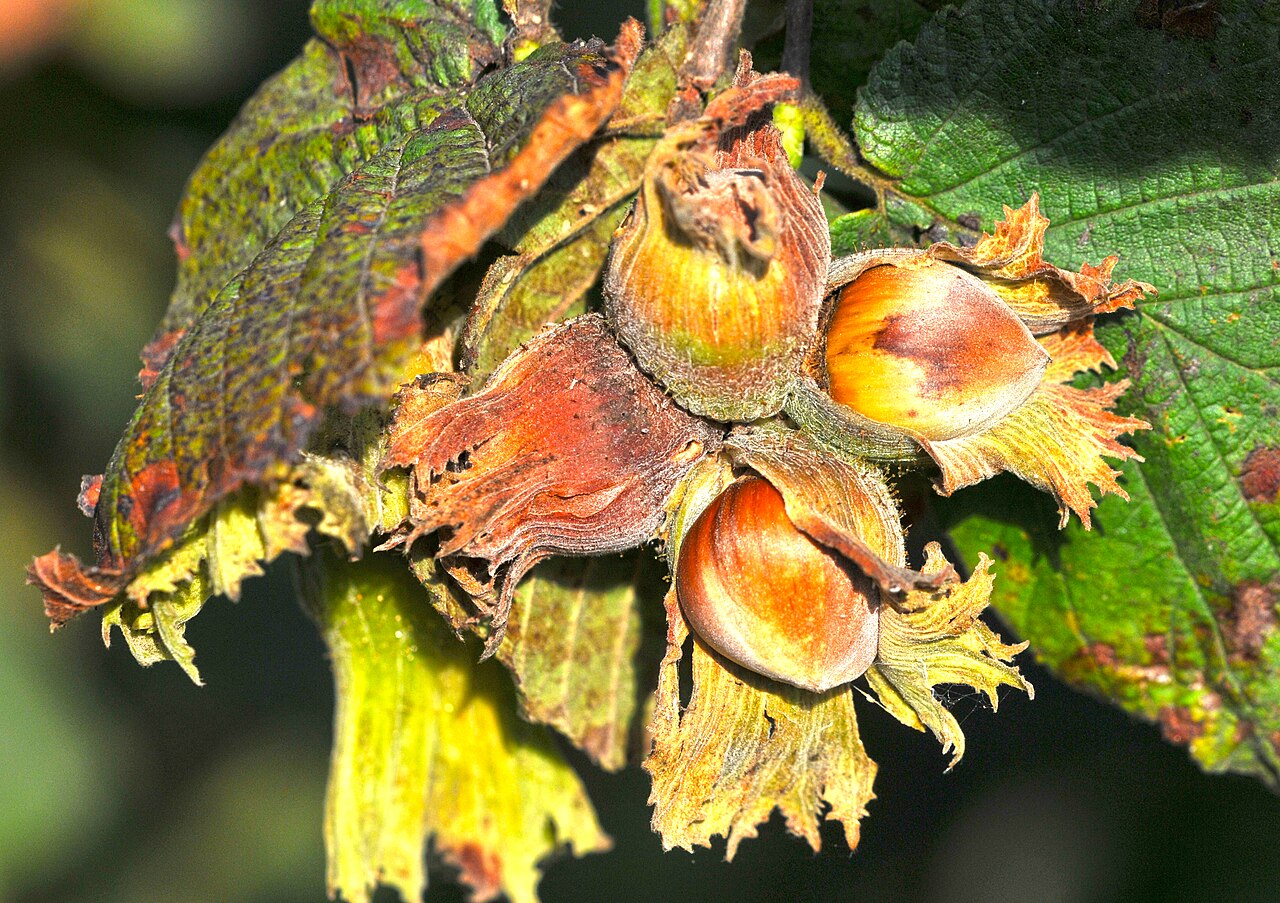
Freshly harvested hazelnuts in shell often contain 20–30 % water, and sometimes more if the harvest was rainy. At such values, the nut is unstable: both the nut and fungi respire, releasing heat, and humid nests form in the pile where mold development quickly begins. Literature from the corpus explicitly emphasizes this — "drying is a measure that must be applied because otherwise mold and nut deterioration may occur."
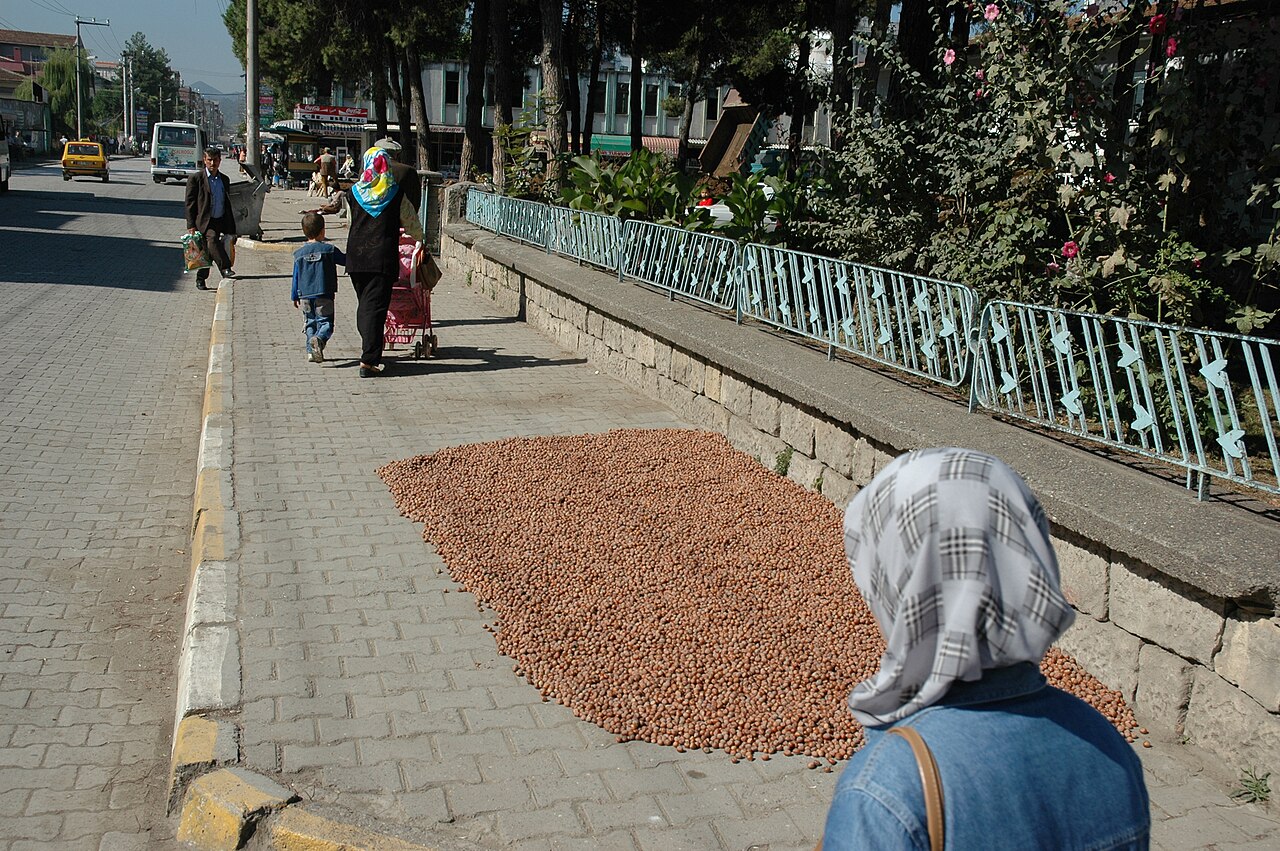
The goal of post-harvest processing is to reduce moisture to a level where water no longer behaves as "free" water available to microorganisms and chemical reactions. Only then does the hazelnut become stable for months, or even years, of storage. Therefore, measuring moisture is not a formality but the foundation of the entire storage logic: without a reliable number, we do not know when to stop drying, when it is safe to pack into bags, or when the goods are ready for purchase or processing.
What is moisture, and what is water activity
Two terms are often confused, yet they are physically distinct:
- Moisture content (MC) is the mass of water in a sample expressed as a percentage. It tells us how much water is present.
- Water activity (a_w) is the ratio of the partial vapor pressure of water above the sample to the vapor pressure of pure water at the same temperature. It is a dimensionless quantity ranging from 0 to 1 and tells us how much water is free — available to microorganisms, enzymes, and oxidation reactions.
Key insight from the corpus: two samples with the same moisture content can have different water activity values. A Turkish study on several cultivars showed that "cultivars with the same moisture value can have different a_w values," meaning that for assessing durability and safety, a_w is a more objective indicator than moisture percentage alone. Mold and aflatoxins do not "read" moisture percentage — they respond to free water, i.e., a_w.
Types of moisture meters
For hazelnuts, two groups of devices are practically relevant: reference laboratory methods and rapid field/processing moisture meters.
Reference method — drying to constant mass
The golden standard against which everything else is checked is gravimetric determination by oven drying. From the corpus (several Croatian sources, AOAC method 925.40):
| Parameter | Value |
|---|---|
| Sample mass | ~3 g (± 0.2 g) of ground hazelnut |
| Oven temperature | 103–105 °C (± 3 °C) |
| Duration | to constant mass (repeated weighing) |
| Principle | difference in mass before and after drying |
Procedure: a ground sample (the kernel is ground in a laboratory mill) is weighed in a pre-dried and tared dish, dried, cooled in a desiccator, and weighed again — until the mass stops decreasing. The mass difference is water. This method is "reliable and inexpensive, but impractical and time-consuming" because it requires cracking the shell, grinding, and hours of drying. Therefore, it serves as a reference for calibration, not for daily control at the purchase point.
Note: the masses and temperatures listed are informative and taken from laboratory protocols; for official analyses, follow the current standard (AOAC / ISO) and instructions from an accredited laboratory.
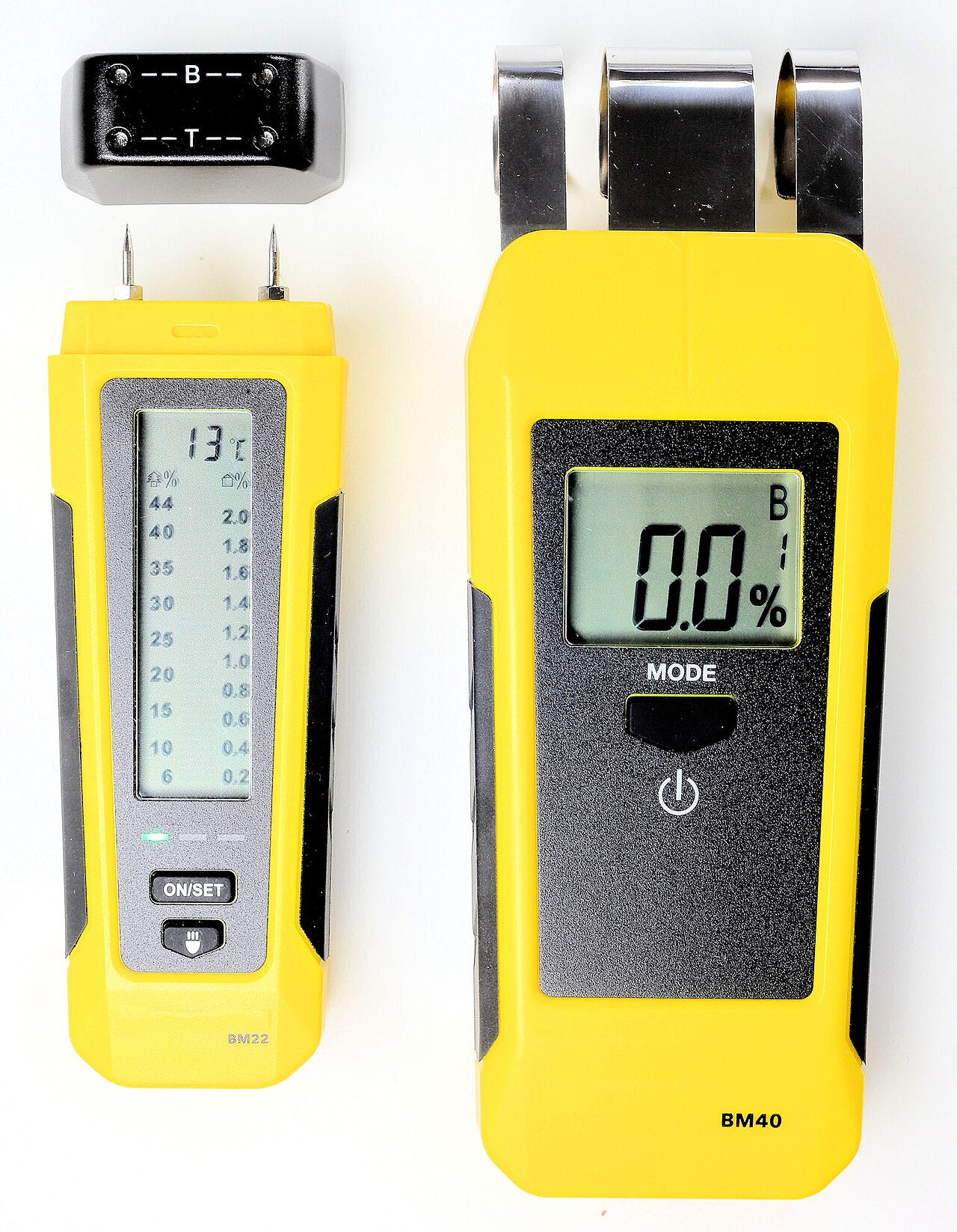
Capacitive (dielectric) moisture meters
The most common type of rapid device. They measure the dielectric constant of the sample, which depends heavily on water content (water has a high dielectric constant, dry matter has a low one). The nut is poured into a measuring cell, and the device converts the dielectric response into a moisture percentage according to the built-in calibration curve.
Advantages: fast, non-destructive (measures the nut in shell), easy to operate in the field and at the purchase point. Disadvantages: sensitivity to bulk density, temperature, and water distribution within the nut. Commercial processing units (e.g., humimeter FSG, DICKEY-john GAC) offer specific curves for nuts, with the option for additional calibration for a specific cultivar.
Conductive (resistive) moisture meters
They measure electrical conductivity / resistance between electrodes; moister material conducts electricity better. They are cheaper and simpler, but less reliable on whole nuts because the air pocket between the shell and kernel and the hard shell distort the measurement. They work better on ground material. Research on nuts shows that combining conductive and capacitive measurements in a frequency range (3–500 kHz) can effectively determine the moisture of hazelnuts in shell non-destructively.
Comparative overview
| Type | Principle | Speed | Destructive? | Typical Role |
|---|---|---|---|---|
| Oven (gravimetry) | mass loss | hours | yes (grinding) | reference/calibration |
| Capacitive | dielectric constant | seconds | no | purchase, processing, field control |
| Conductive | resistance/conductivity | seconds | mostly no | quick approximate estimate |
| a_w meter (dew point hygrometer) | water vapor pressure | minutes | yes (grinding) | food safety, HACCP |
Difference between shell and kernel moisture
This is one of the most common traps in practice. Hazelnut is not homogeneous: the shell and kernel dry and rehydrate at different rates, so at any given moment they can have very different moisture levels.
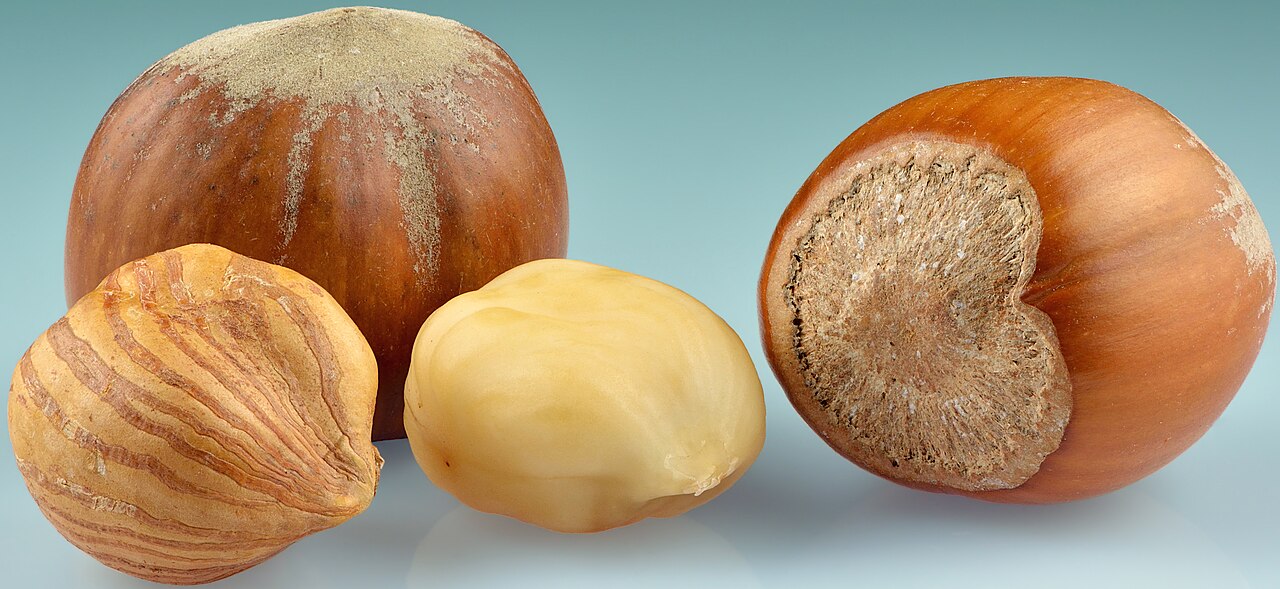
- Shell is the outer barrier; it reacts faster to ambient air humidity and dries first.
- Kernel is protected by the shell and thin skin (pellicle), releases water more slowly, but it is the part that is eaten and processed — and the part where aflatoxin develops.
This leads to a practical rule: a rapid moisture meter on a nut in shell mostly shows the state of the shell, while the kernel inside may be moister. Hazelnut may appear "dry" after rapid surface drying, while the kernel is not yet safe. Therefore, target values must clearly distinguish what they refer to.
Orientational target values from literature and industrial standards:
| Measurement location | Typical target moisture | Note |
|---|---|---|
| Hazelnut in shell (in-shell) | ≤ 12 % | common trade threshold for safe storage |
| Kernel (kernel) | ≤ 6 % | target kernel moisture for stability and low oxidation |
| Kernel — safety threshold | < 5 % | at lower MC, oil oxidation is slow (a_w 0.3–0.5) |
Figures are informative and depend on the cultivar, purpose (fresh consumption, processing, long-term storage), and buyer specifications. Always check contractual and regulatory requirements.
Practical consequence: a single measurement on the shell is not sufficient to decide on the end of drying. Periodic control checks of kernel moisture (by grinding a sample and using an oven or a calibrated kernel meter) are recommended, especially towards the end of drying and before closing bags.
Water activity (a_w) and the risk of mold and aflatoxins
Water activity is the bridge between moisture and microbiological safety. Molds grow only above a certain a_w, and only above a slightly higher threshold do they begin to produce mycotoxins.
Key values from the corpus and recent literature:
| a_w | What happens |
|---|---|
| 0.30–0.50 | very low oil oxidation; desirable state for dry kernel |
| < 0.70 | generally below the mold growth threshold — target for safe storage |
| ≥ 0.83 | critical threshold for aflatoxin — A. flavus can produce aflatoxin if a_w exceeds 0.83 for longer than ~2 days; kernel a_w must never reach 0.83 |
| 0.90–0.99 | optimal for mold growth and mycotoxin production, especially at 22–29 °C |
Hazelnut storage studies show that a_w during good storage remains in a safe range (e.g., dropping from 0.72 to 0.40 over months), with fluctuations due to temperature — as ambient temperature rises, so does a_w. a_w is measured using laboratory meters (dew point hygrometer, e.g., Aqualab; portable devices like Novasina), which must be calibrated with salt solutions of known equilibrium humidity (e.g., LiCl ≈ 11 %, NaBr ≈ 58 %, KCl ≈ 84 %) before use.
Link to aflatoxins and regulations
Aflatoxins are carcinogenic mycotoxins produced by molds of the genus Aspergillus (especially A. flavus).
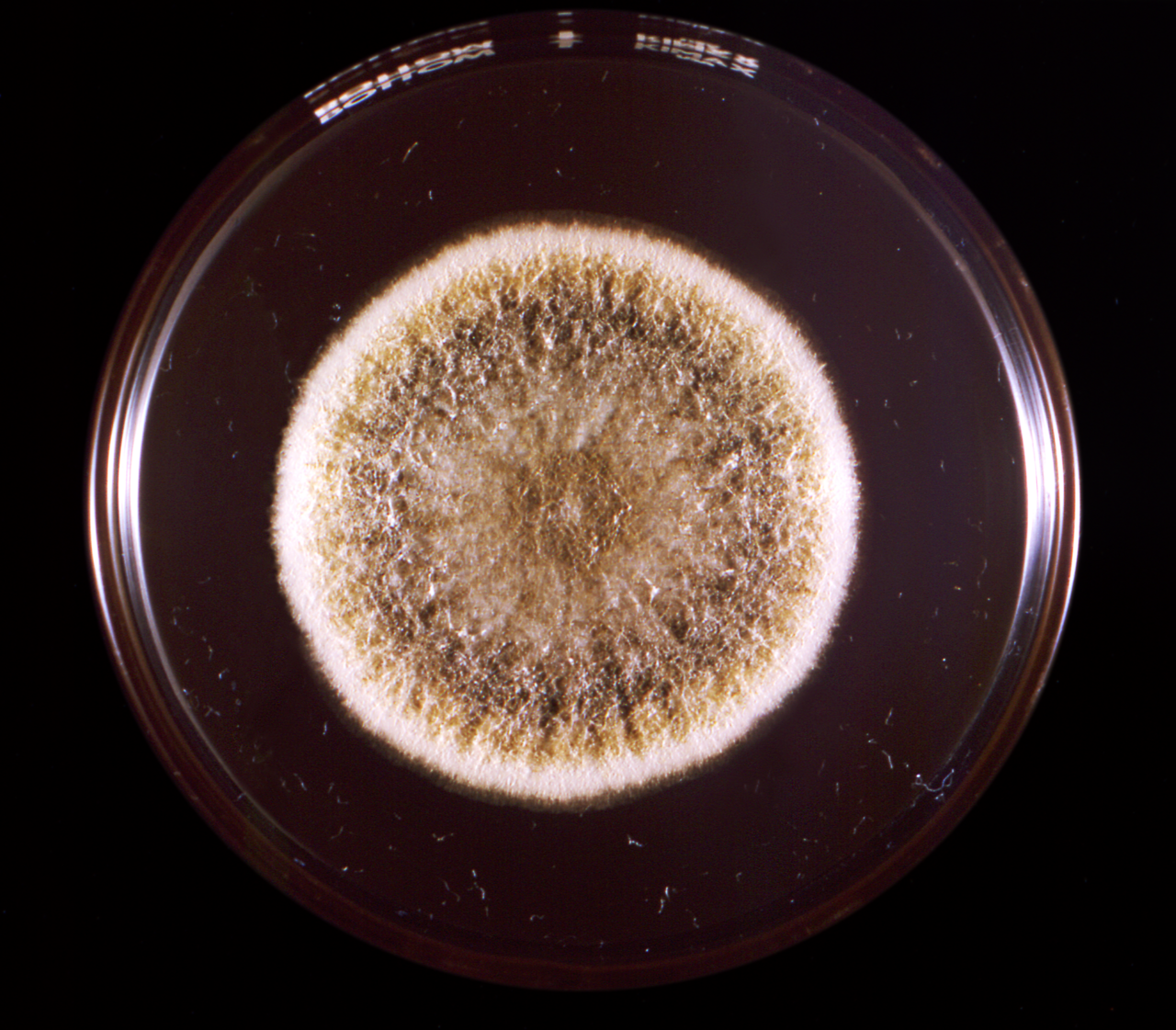
In the EU, legal limits for hazelnuts for direct consumption are 5 µg/kg for aflatoxin B₁ and 10 µg/kg for total aflatoxins. Once produced, aflatoxin practically cannot be removed from the goods — therefore, the only defense is prevention through moisture/a_w: rapid and thorough drying, keeping the kernel below critical thresholds, and cooler storage. Poor drying multiplies the number of Aspergillus section Flavi colonies; storage at room temperature (25 °C) and higher raises aflatoxin above permissible levels over 3–6 months, while storage at ~4 °C maintains safe levels for up to 6 months.
Moisture Meter Calibration for Hazelnuts
A quick moisture meter is only as good as its calibration. Factory curves are often developed for grains or "general nuts" and can deviate significantly for specific hazelnut cultivars and specific in-shell nuts.
Basic Calibration/Verification Procedure
- Take a representative sample from the same batch, well-mixed (moisture varies across the pile).
- Measure with the quick moisture meter according to instructions (correct cell, known bulk density, sample and device temperature equilibrated with the environment).
- Measure the same sample using the reference method (oven drying at 103–105 °C to constant mass).
- Compare and calculate the correction (offset) — the difference between the device reading and the reference value.
- Enter/record the correction or select/create a curve for the cultivar; repeat for several moisture levels if the device supports it.
- Repeat periodically (start of season, cultivar change, suspicion of deviation).
Common Sources of Error
- Temperature: cold nuts in the morning and warm nuts in the afternoon give different readings; equilibrate the temperature.
- Bulk density / cell filling: inconsistent filling changes the dielectric response.
- Shell moisture vs. kernel moisture: surface-dried nuts "lie" and appear dry; check the kernel.
- Impurities and chaff: husk residues distort the measurement (and interfere with subsequent size grading).
- Single sample: always use multiple replicates and average them; never rely on a single kernel or a single handful.
Note on the term "calibration": in Croatian processing practice, the word kalibracija/kalibriranje often also means sorting nuts by size (using a grader with rollers, e.g., gaps 12–18 mm, up to 11 fractions). This is a different process — separation by diameter to reduce breakage during cracking (~2 % breakage) — and should not be confused with the calibration of measuring devices discussed in this article.
Moisture, a_w, and HACCP
In the HACCP system, moisture/a_w is typically a control measure for the hazard of mycotoxins (aflatoxin). The logic is as follows:
- Hazard: growth of Aspergillus spp. and formation of aflatoxins.
- Critical Control Point (CCP) / Control Measure: drying to target kernel moisture and maintaining storage conditions.
- Critical Limits: e.g., kernel moisture and a_w below defined thresholds (a_w significantly < 0.70; kernel never approaching 0.83), along with storage conditions.
- Monitoring: regular measurement of moisture/a_w using calibrated devices, with record keeping.
- Corrective Actions: further drying, cooling, segregation of suspect batches, aflatoxin analysis.
- Verification: periodic reference (oven) and laboratory analysis (a_w, aflatoxins).
Typical storage conditions from the corpus: air relative humidity 60–65 % and temperature up to 20 °C (lower is safer for longer storage). Without calibrated measurement and records, this part of the HACCP plan is not verifiable — therefore, the device, calibration, and documentation are inseparable.
Practical Recommendations and Common Mistakes
- Do not dry "by eye". Set target figures (e.g., shell ≤ 12 %, kernel ≤ 6 %) and measure them.
- Calibrate at the start of each season and when changing cultivars; keep records.
- Measure the kernel, not just the shell, especially towards the end of drying and before bagging.
- Take representative samples from multiple locations in the pile and average multiple measurements.
- Equilibrate the temperature of the sample and device before measurement.
- Think in terms of a_w for long-term storage — the same % moisture does not guarantee the same safety.
- Do not wait for mold. Aflatoxin cannot be removed; prevention via moisture/a_w is the only reliable defense.
- Do not confuse device calibration with nut grading (sorting).
- Cooler and drier = longer. Lower storage temperature and relative humidity extend safe shelf life.
Gallery
Sources
This text is an AI summary created from an internal literature collection on hazelnuts (RAG corpus) and public sources; verify figures and claims against sources and advisory services before application.
Main sources used from the RAG corpus:
- Chemical composition of hazelnuts (water determination by drying, AOAC 925.40; 3 g, 105 °C) — internal corpus (PDF)
- Potential of hazelnut shell as a rich source of polyphenols (shell and kernel composition, yield) — internal corpus (PDF, 2024)
- Mechanization in hazelnut production and processing at Minas-Zrno company (drying, graders, breakage) — internal corpus (PDF, 2021)
- Hazelnut processing at Pant company (storage conditions: RH 60–65 %, up to 20 °C) — internal corpus (2025)
- Marzocchi et al., Effects of different roasting conditions… Polish hazelnuts (a_w measurement with dew point hygrometer, 20 °C) — https://doi.org/10.2307/j.ctvcb5d3q.5
- Turan & Karaosmanoğlu (2019), kernel moisture < 5 %, aflatoxin threshold a_w 0.83 — https://doi.org/10.1016/j.clcb.2023.100046
- Change in water activity of some Turkish hazelnuts (same moisture, different a_w) — RAG corpus (2022)
- Ecology of Diaporthe eres (a_w and fungal growth) — https://doi.org/10.1371/journal.pone.0247563
Main public (web) sources:
- Schaller Messtechnik — humimeter FSG moisture meter for nuts — https://www.humimeter.com/en/foods/humimeter-fsg/
- DICKEY-john GAC 2700-LF (calibrations for nuts) — https://dickey-john.com/specialty-agriculture/nut-industry/benchtop/gac-2700-lf/
- Non-destructive determination of moisture content in hazelnut — https://www.sciencedirect.com/science/article/abs/pii/S0168169916000077
- Effect of Post-Harvest Management on Aspergillus flavus Growth and Aflatoxin Contamination of Stored Hazelnuts — https://www.mdpi.com/2072-6651/18/1/38
- Mycotoxin contamination in hazelnuts: Food safety challenges in a changing climate — https://www.sciencedirect.com/science/article/abs/pii/S0889157525005149
Recommended equipment
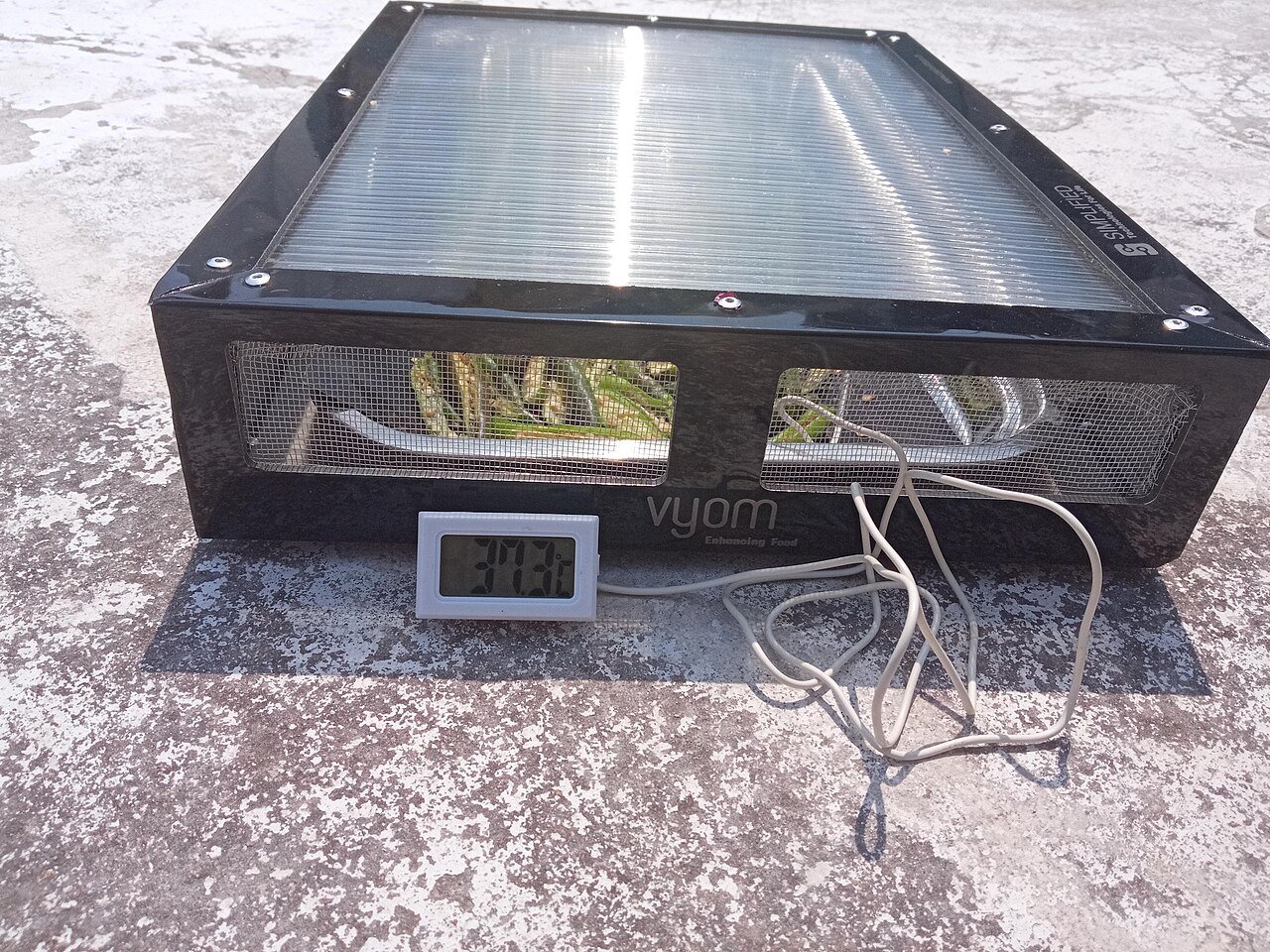
🔎 food dehydrator — Amazon →Affiliate links — we may earn a small commission at no extra cost to you.
Food Dehydrator
For controlled drying of small batches.
| Use Case | Option Type | What to Check Before Purchase |
|---|---|---|
| Small batch drying | Stackable tray model | Tray material and airflow design |
| Uniform drying | Fan-powered unit | Temperature control accuracy |
| Commercial volume | Industrial dehydrator | Professional capacity and energy use |