Transitioning to Organic Hazelnut Production
Content generated by artificial intelligence — verify before application
This article was automatically compiled from a collection of hazelnut literature using artificial intelligence and may contain errors or outdated information. It serves as a starting point for further research, not as professional advice. Dosages, products, and timing are informative and depend on the cultivar, location, and current regulations — always verify with an advisory service and official sources before implementation.
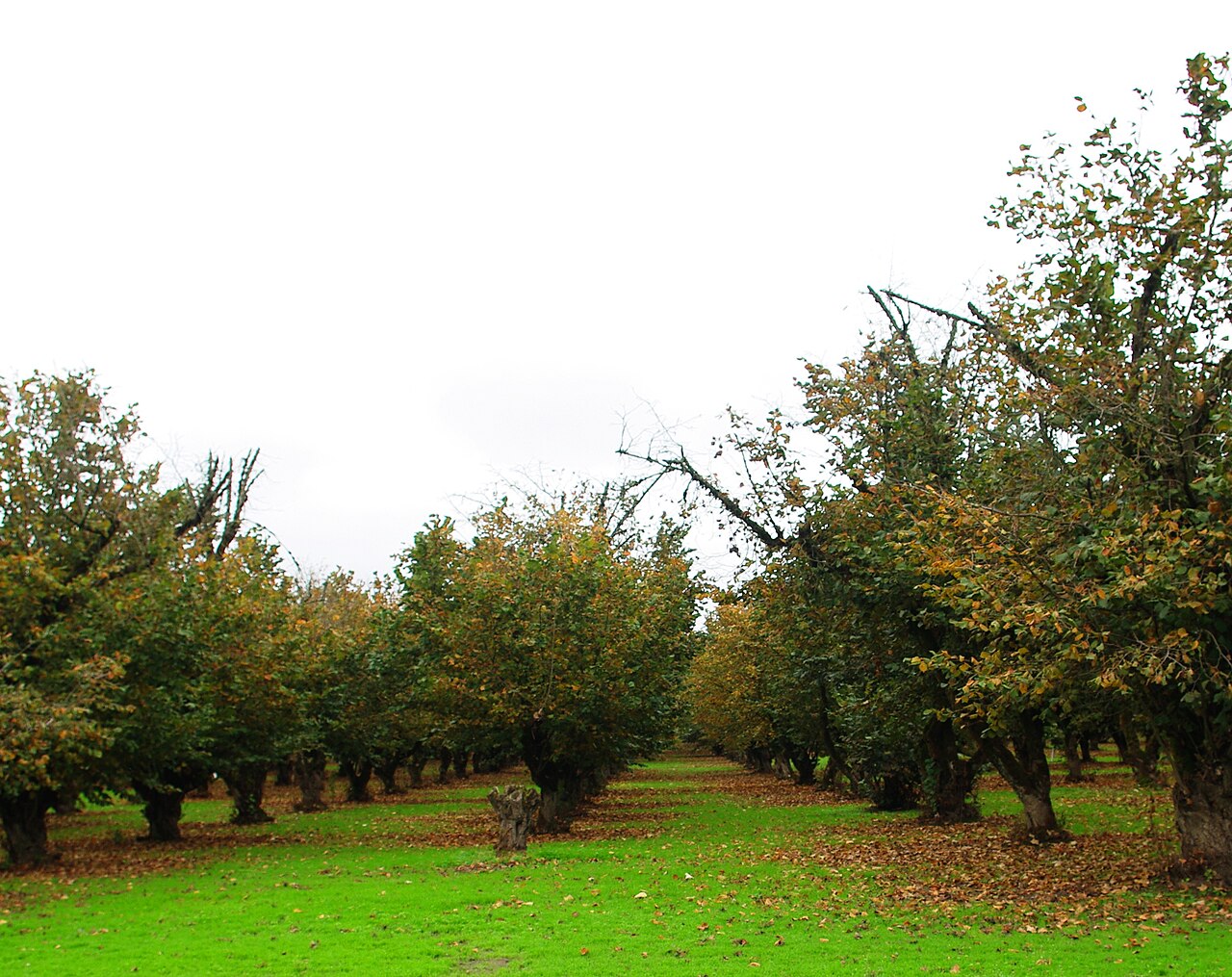
Hazelnut (Corylus avellana) is one of the crops that fits relatively well into an organic production system: it is a perennial orchard with relatively low pressure from diseases and pests under our conditions, does not require intensive chemical protection like many other fruit species, and can provide satisfactory yields with organic fertilization and careful soil management. However, transitioning from conventional to organic production is not just a matter of stopping the use of synthetic inputs — it is a formal, legally regulated process with a defined conversion period, mandatory certification, own costs, and specific market logic. This article explains how this transition proceeds, how long it takes, what it costs, how it affects yield, and what market premium you can realistically expect for organic hazelnuts.
What does "organic production" mean and why is there a conversion period?
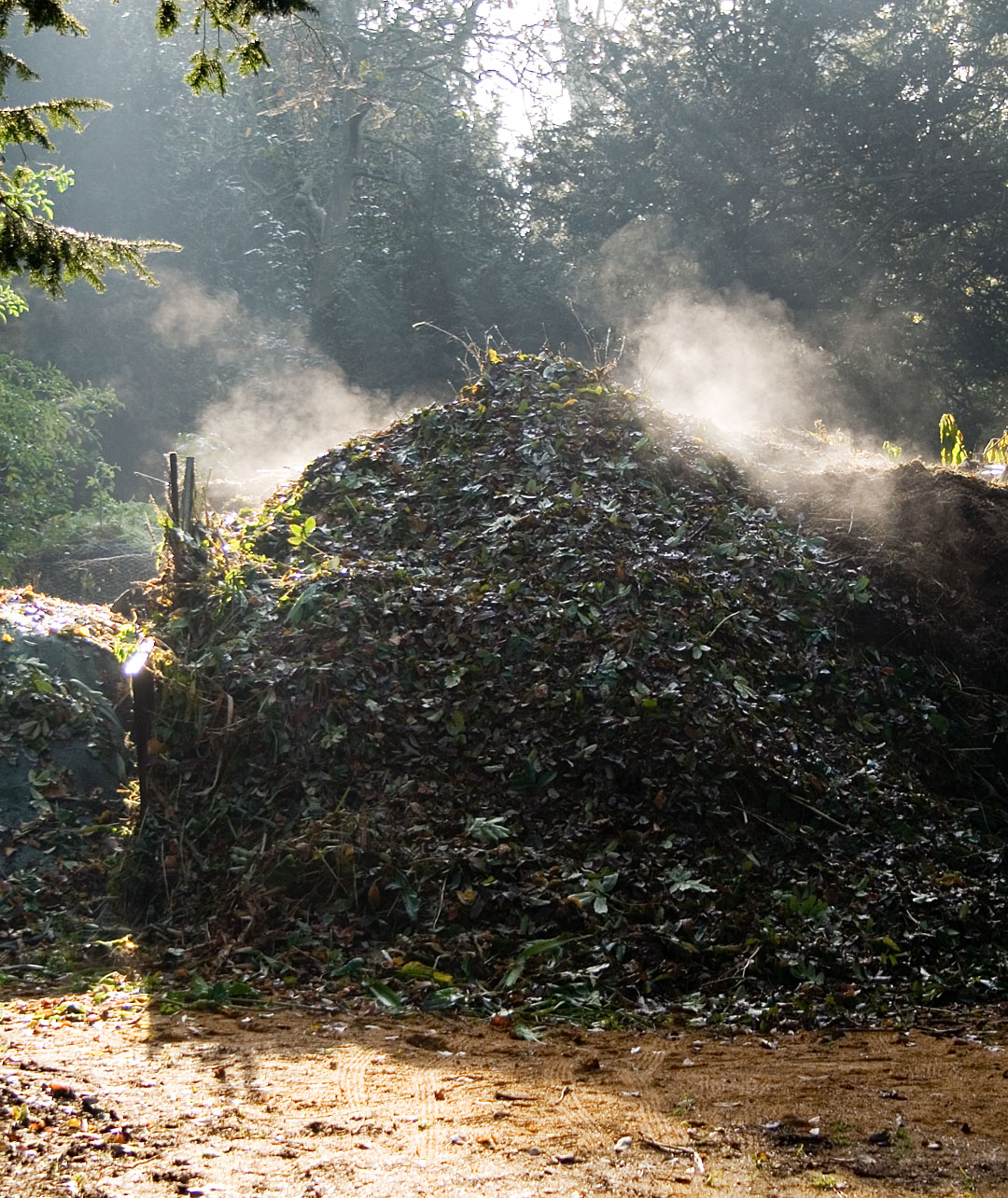
Organic production is a legally regulated cultivation system in which synthetic pesticides, water-soluble mineral fertilizers, herbicides, and genetically modified organisms are not used. Soil fertility is maintained with organic fertilizers, green manure, compost, and appropriate tillage.
- Selection and registration with an authorized control body. In Croatia, supervision and control are carried out by authorized monitoring/control stations. The literature cites BIOTER d.o.o. from Koprivnica as an example, which supervises production and, if it determines that the producer has met all legally prescribed standards, issues a Certificate (Certification) confirming that the hazelnuts are produced organically.
- Entry into the system and start of the conversion period. From this moment, the 3-year period for hazelnuts begins, and you start implementing organic practices.
- Annual expert control. The control body conducts regular (and, if necessary, unannounced) inspections of the orchard, records, input materials (seeds/seedlings, fertilizers, plant protection products), and storage facilities. Plant protection products used must be organic certified.
- Issuance of a certificate for the current year. After the end of production in the current year — whether it is the conversion period or maintenance of organic production — the control body confirms the status and issues a certificate. Without an issued certificate for the current year, support for organic cultivation cannot be obtained.
- Obtaining full "organic" status. Only after the expiration of the 3-year conversion period and a positive control can the crop be labeled, sold, and declared as organic.
Keep accurate records from day one
The most common reason for problems during control is not a lack of effort in the field, but inadequate documentation. Record every application of fertilizer and products (date, product, quantity, parcel), the origin of seedlings and seeds, yields, and sales. Documentation is what the inspector actually checks.
Important rules often overlooked
- "Parallel" production of the same crop is not possible: on the same ARKOD parcel, you cannot simultaneously have organic and conventional hazelnuts. The entire parcel must be in the system.
- Farm integrity. Guidelines require the farm to aim for a complete transition of production; conversion can be carried out parcel by parcel, but products from organic and non-organic systems must not be mixed indistinguishably.
- Five-year obligation for support. If you enter the support system (intervention 70.04), the measure must be carried out on the same parcels during the five-year mandatory period, and after the conversion period expires, organic production must continue on those surfaces.
Costs of Transition
Transition costs have two components: direct certification/control costs and increased operational costs and lost income during conversion (because the crop does not yet carry the organic premium, and inputs and labor are more expensive).
Support for Conversion (Croatia, Intervention 70.04)
The Croatian direct payment system provides support specifically for conversion and maintenance of organic cultivation. Amounts appearing in sources:
| Operation | Support Amount (Informative) |
|---|---|
| Conversion to organic cultivation — first 10 ha | 235 EUR/ha + 60 EUR/ha for certification costs |
| Conversion to organic cultivation — remaining area | 235 EUR/ha |
| (Older/Brochure) Conversion to organic cultivation — first 10 ha | 1,074 EUR/ha + 60 EUR/ha |
| (Older/Brochure) Maintenance of organic cultivation — first 5 ha | 1,074 EUR/ha + 60 EUR/ha |
Support amounts vary by year and crop groups
The corpus contains different figures (e.g., 235 EUR/ha from the Regulation on the implementation of direct support for 2025, and 1,074 EUR/ha from older brochures of intervention 70.04). The reason is that the amount depends on the crop group (permanent crops, arable land, vegetables, permanent grassland…), the year, and the version of the CAP Strategic Plan. The separately highlighted 60 EUR/ha for certification costs for the first 10 ha is a common element. Before calculating, always check the current Regulation for the year and advisory material for intervention 70.04, and classify hazelnut into the correct crop group.
Eligibility conditions to keep in mind: the eligible ARKOD parcel must generally be at least 0.05 ha, the farm must have a certain minimum eligible area, and the obligation lasts for five years with high support intensity.
Operational Costs of the Orchard
Although exact costs vary, calculations from the corpus give an order of magnitude for investment in establishing and managing a hazelnut orchard (conventional and organic). Examples (informative, older prices, partly in kuna):
| Item | Amount (Informative) |
|---|---|
| Total investment in "year zero" (preparation) | ~21,442 kn/ha |
| Total first year (preparation and planting) | ~29,155 kn/ha |
| Seedlings | ~9,000 kn/ha |
| Fencing (mesh + posts + installation) | ~12,300 kn/ha |
| Second year | ~6,000 kn/ha |
| Third year | ~3,930 kn/ha |
In the organic system, fertilizer costs (organic fertilizers, compost) and labor costs (mechanical weed control instead of herbicides, more manual labor) increase significantly. Italian calculations of full production costs cite approximately 16,989 EUR/ha full cost to the enterprise, or up to ~22,612 EUR/ha total production cost including calculated (figurative) labor and capital costs — showing how much labor and capital "weigh" in the total calculation.
Yields: What to Expect in an Organic System
There are two truths that need to be reconciled:
- Organic yields are on average lower than conventional ones. Studies and producer experience indicate that organic hazelnut yields are lower by approximately 15% compared to conventional ones. Producers transitioning to organic cultivation should realistically expect lower yields and, consequently, caution regarding income.
- Absolute yield largely depends on cultivar, location, and training system — so hazelnut yield ranges vary greatly anyway.
Orientational yield ranges for hazelnuts from the corpus:
| Indicator | Value (Informative) |
|---|---|
| Typical yield range per hectare | 2.2 – 3.6 t/ha |
| Highest yield (e.g., ZOI "Nocciola del Piemonte") | up to 3,500 kg/ha |
| Yield example from an organic farm (HR) | 1,000 kg/ha |
| Ratio in-shell nut : kernel | ~2.5 – 3 kg in-shell for 1 kg kernel |
| First fruits appear after | 2 – 3 years from planting (depending on cultivar) |
Cultivar is the first line of defense in organic cultivation
When growing hazelnuts organically, care must be taken to choose the correct cultivar that is naturally more resistant to diseases, so that protective products (which, moreover, must be organic certified) are used as little as possible during cultivation. Resistant cultivar = fewer interventions = lower cost and less stress during control.
Market Premium for Organic Hazelnuts
The entire economic logic of the transition rests on the fact that higher selling prices compensate for lower yields and higher costs. However, the picture is nuanced.
Arguments for a premium:
- Organic products generally achieve a higher price per kilogram, and the market values organic products more (premium price).
- Demand for organic hazelnuts often exceeds supply, which keeps the premium. In some markets, organic hazelnuts achieved 1.60 – 1.80 USD/lb, while conventional was at 0.50 – 1.00 USD/lb — the premium could be up to ~1 USD/lb.
- Support significantly helps income: in one Croatian example, support accounted for 34% of total income for the organic farm.
Caution — the premium is not guaranteed:
- In one Croatian analysis, an organic farm sold its hazelnuts at 14 HRK/kg, while average market prices were 19 – 28 HRK/kg — thus below the conventional level, because it did not have a developed premium sales channel. Nevertheless, indicators were positive (efficiency 1.66, profitability 46.27%, labor productivity 608.57 HRK/h) — largely thanks to support.
- In some markets (e.g., parts of the USA), the premium was too small to cover higher costs and lower yields, which slowed the spread of organic cultivation. Foreign producers with group certification have lower control costs, making it easier to maintain lower prices.
Conclusion on premium: A premium exists and can be significant, but it is not automatically achieved by certification alone — it is achieved by a producer who has a buyer (processor, specialized store, export, added value through shelled/processed product). Without a premium sales channel, organic production easily reduces to "lower yield at a similar price."
Practical Recommendations and Common Mistakes
Recommendations:
- Start with cultivar and location. More resistant cultivars and suitable soil are decisive for the success of organic cultivation; studies indicate that the decision to transition is influenced by experience, farm size, suitable land and equipment, and a positive attitude towards organic agriculture.
- Secure the market before certification. Arrange for purchase or a sales plan (processing, export, added value) so that the premium actually exists.
- Use support, but do not rely solely on it. Support covers part of the certification cost and income, but income must be sustainable without it.
- Plan cash flow for 3+ years. During the conversion period, you have organic costs without organic prices; prepare liquidity.
- Maintain impeccable records from day one (inputs, origin of seedlings, yields, sales).
Common Mistakes:
- Expecting an organic price immediately — crop from the conversion period cannot be sold as organic.
- Attempting parallel production (organic and conventional on the same parcel) — not allowed.
- Using non-certified products for protection or fertilizers — automatic problem during control.
- Entering the support system without awareness of the five-year obligation on the same parcels.
- Neglecting the soil management plan during conversion.
Summary of Key Figures
| Question | Orientative Answer (Informative) |
|---|---|
| Transition period (hazel, permanent orchard) | 3 years (36 months) |
| Who certifies (example in Croatia) | authorized control body (e.g., BIOTER d.o.o.) |
| Transition support (example 2025) | 235 EUR/ha + 60 EUR/ha (certification, first 10 ha) |
| Yield drop vs. conventional | ~ -15 % |
| Typical hazelnut yield | 2.2 – 3.6 t/ha (highly variable) |
| Market premium | exists, but depends on the sales channel (recorded up to ~1 USD/lb) |
Sources
This article is an AI-generated summary derived from a collection of hazelnut literature (internal RAG corpus) and supplemented with public sources for up-to-date information. Main sources used:
- Huzjak, A. — Technology and Economic Efficiency of Organic Hazelnut Production at OPG Hobolić Alen (2021), VGU Repository
- Advisory Material — Intervention 70.04. Organic Farming / ORGANIC PRODUCTION SYSTEM (2023, 2024, 2025), Ministry of Agriculture — Advisory Service — https://savjetodavna.mps.hr/wp-content/uploads/2025/06/Savjetnicki-materijal-za-2025.-Intervencija-70.04.-Ekoloski-uzgoj-NOVI-KORISNICI.pdf
- Regulation on the Implementation of Direct Agricultural Support and IAKS Rural Development Measures for 2025, Narodne Novine — https://narodne-novine.nn.hr/clanci/sluzbeni/full/2025_02_31_332.html
- Flyer — Organic Farming, Intervention 70.04. (2023), Ministry of Agriculture
- 70.04. AEC Organic Farming, Directorate for Agricultural Support and Rural Development — https://ruralnirazvoj.hr/intervencije/70-04-aec-ekoloska/
- Hazelnut Pest and Beneficial Insects / Hazelnut Resources (2009), NCAP — https://assets.nationbuilder.com/ncap/pages/459/attachments/original/1548287745/HazelnutResources.pdf
- Hazelnut Reference Guide (2023), Government of British Columbia
- Factors influencing conventional hazelnut growers' transition to organic (2023) — https://doi.org/10.1007/s10341-023-00922-8
- Očić, V. et al. — Economic Success of Organic Production (2019), Agroeconomia Croatica
- Economic Viability of Hazelnut Production (2022), Faculty of Agrobiotechnical Sciences Osijek
- Economic Comparison of Different Cultivation Systems for Hazelnuts (2015), Josip Juraj Strossmayer University of Osijek
- Catalogue of Agricultural Production Calculations 2019
- EPPO Standards — Hazel (2009)
- Manuale Cultivar (2024), Italy; National Strategy for Fruit and Vegetables 2018–2022 (2019), Italy
- "Organic hazelnuts face uphill battle" (2025), Capital Press / Bend Bulletin — https://capitalpress.com/2025/06/20/organic-hazelnuts-face-uphill-battle/
- "Going All In on Organic Hazelnuts" (2025), West Coast Nut — https://www.wcngg.com/2025/09/10/going-all-in-on-organic-hazelnuts/