Utilization of Shells and Processing By-products
Content generated by artificial intelligence — verify before application
This article was automatically compiled from a collection of hazelnut literature using artificial intelligence and may contain errors or outdated data. It serves as a starting point for further research, not as professional advice. Dosages, products, and timing are informative and depend on the cultivar, location, and applicable regulations — always consult with advisory services and official sources before application.
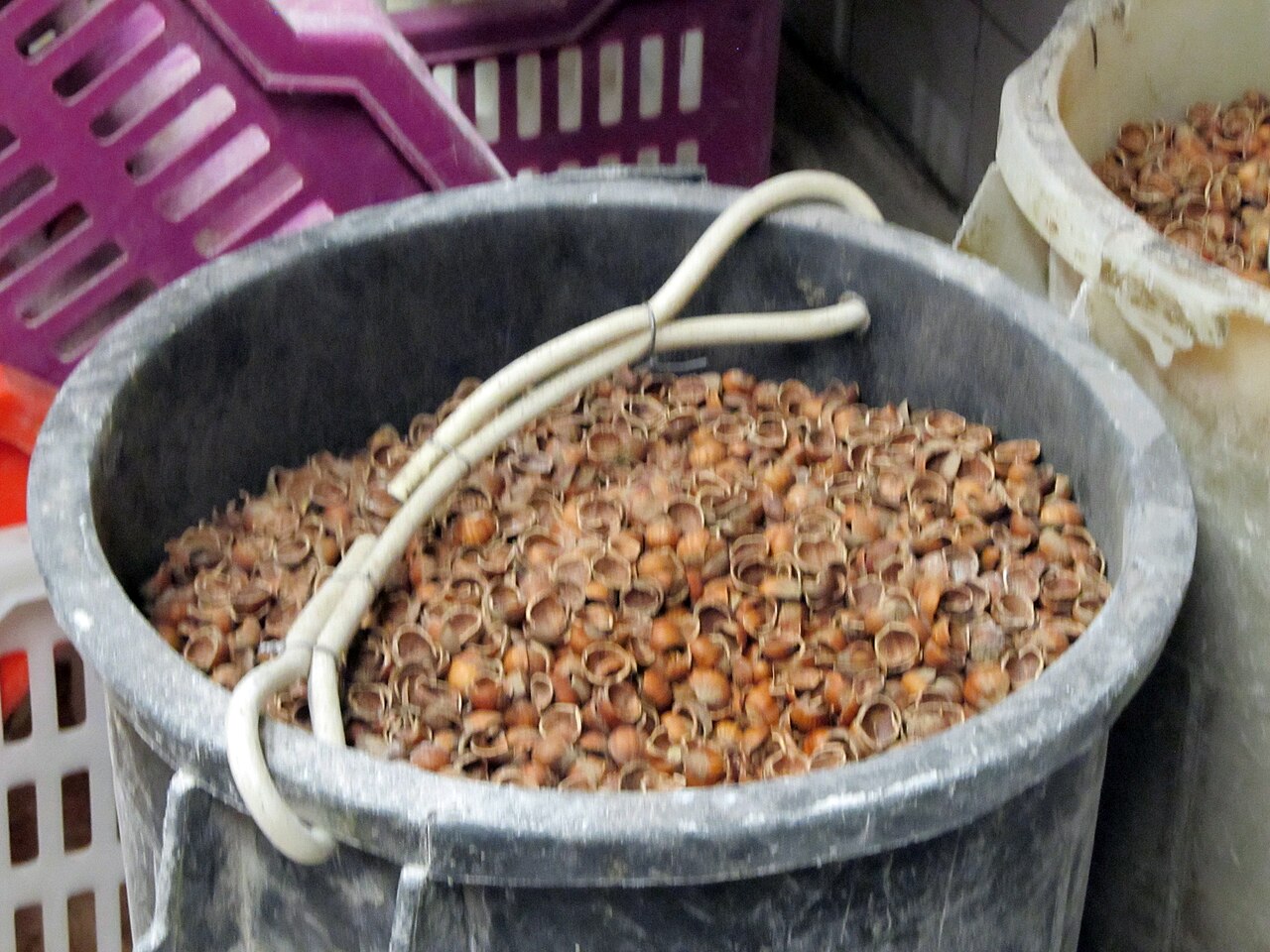
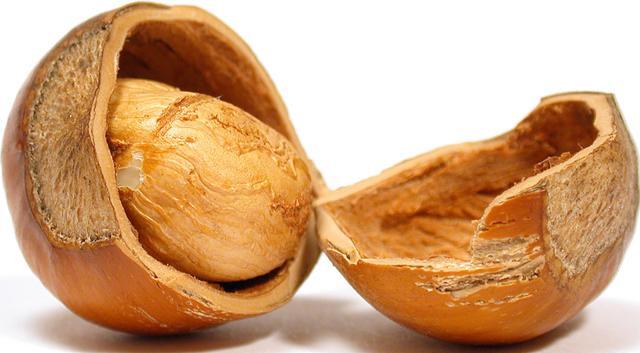
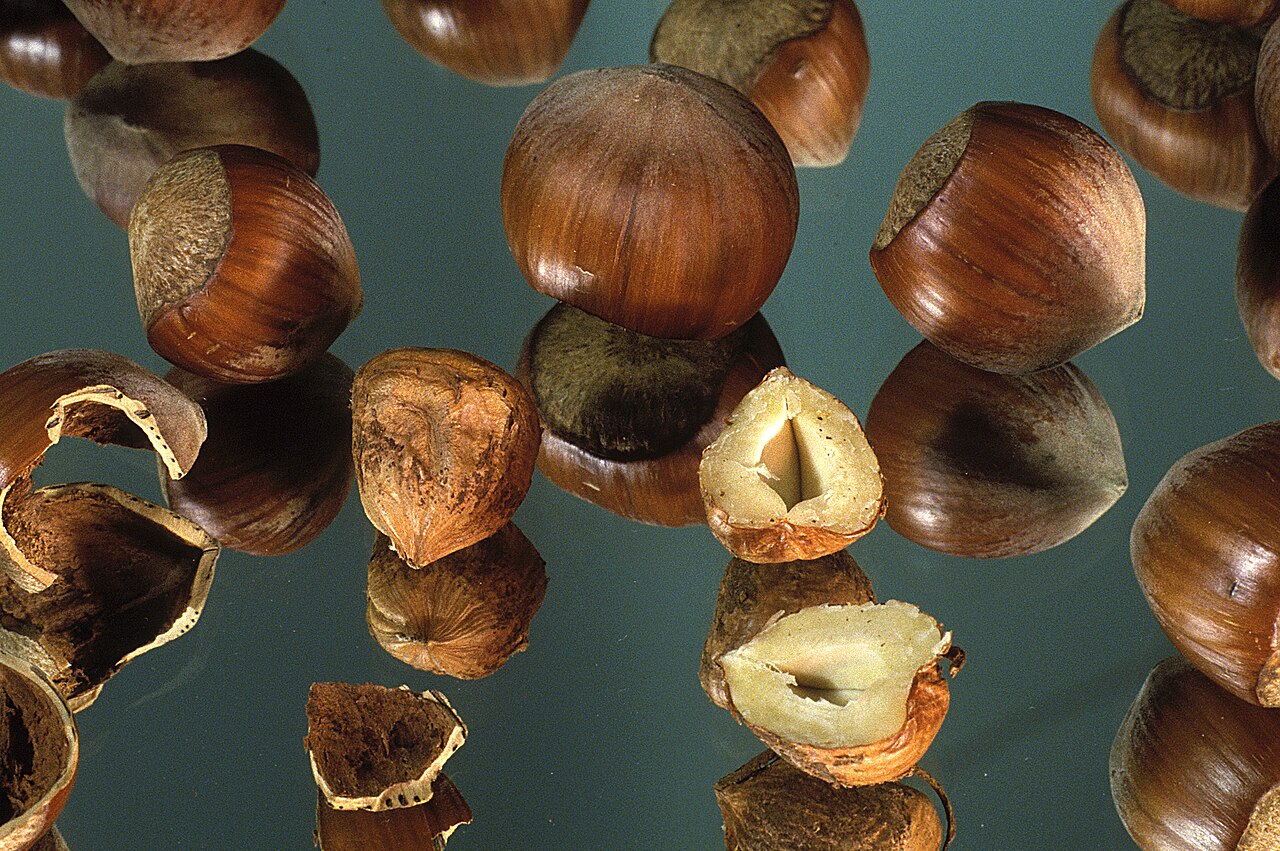
Hazelnut processing does not end with the kernel. For every kilogram of marketable nut, approximately an equal amount of shell is produced, and after cold pressing for oil, a protein-rich cake remains along with a thin brown skin (pellicle or testa) that separates during roasting and blanching. In a traditional approach, these were considered "waste" and a disposal cost. In the logic of the circular economy ("zero waste"), however, each of these streams is a raw material with its own value — from fuel and mulch to proteins, fibers, and polyphenolic extracts. This article provides an overview of the energy and material utilization of shells and the recovery of cake and pellicle, with an emphasis on what producers and small processors can realistically apply.
How much by-product is actually generated?
Before making any investment decisions, it is important to know what quantities to expect. The shell is by far the largest stream.
| Stream / By-product | Share of Nut Mass | Note |
|---|---|---|
| Shell (hard endocarp) | ~50–55 % of nut mass | Largest mass flow; lignocellulosic biomass |
| Kernel (market product) | ~45–50 % of nut mass | Goes into processing (oil, confectionery) |
| Cake after oil pressing | Varies with oil yield | From kernels intended for pressing |
| Pellicle / Skin (testa) | A few % of kernel weight | Separated during roasting and blanching |
Practical implication: if the farm sells nuts in the shell, the shell "goes" to the buyer and does not appear as a stream on the farm. Only cleaning (shelling) and processing on the farm itself unlock the shell as a resource. This is simultaneously an argument for shifting towards processing: selling cleaned nuts and hazelnut products adds value, and by-products become the property of the processor.
Figures are informative
Shell/kernel ratios and oil yields depend on the cultivar, year, quality, and press settings. Treat the values as a range for planning, not as guaranteed results.
Energy Utilization of Shells
Unlike the kernel, the shell is biomass with high energy (combustion) value. A key advantage repeatedly highlighted in the literature: the shell does not require additional collection costs or further thermal treatment — it is already generated concentrated at the processing site and is relatively dry, making it "low-hanging fruit" as a solid fuel for renewable energy. According to the EU definition of biomass (Biofuels Strategy), the shell as a biodegradable residue of agricultural processing undoubtedly falls under biomass.
Direct Combustion (Boiler)
The simplest application is burning the shell in a boiler to produce thermal energy. In practice, this is a common closed loop in processing plants: the cracking machine separates the shell from the kernel, the shell is stored and used as boiler fuel, and the generated heat goes back into the process — for example, in nut drying, which is otherwise the most energy-intensive step (convective drying typically targets ~6 % moisture at temperatures around 50 °C). This closes the energy loop: the by-product heats the raw material from which it originated.
Approximate energy values of shells from literature:
| Indicator | Approximate Value | Source / Note |
|---|---|---|
| Higher Heating Value (HHV) | ~18.4–19.2 MJ/kg | Turkish cultivars, MDPI Energies |
| Lower Heating Value (LHV) | ~17.0–17.9 MJ/kg | Depends on moisture |
| Cellulose + Hemicellulose Content | Over 65 % | Lignocellulosic material |
| Nitrogen / Sulfur | Low | Low NOx and SO₂ emissions |
Low nitrogen, sulfur, and chlorine content, as well as low heavy metal content, make the shell a favorable fuel with relatively clean combustion. Ash produced from combustion is not necessarily a loss — the possibility of its use as a substitute material in Portland cement production, or as a substitute for feldspar in the ceramic industry, has been described.
Pellets and Briquettes
The shell has a low bulk density, which complicates transport, storage, and efficient combustion. The solution is densification — pelleting or briquetting — which reduces losses and simplifies fuel logistics. Global pellet consumption is growing rapidly, and pellets are considered a desirable renewable fuel with low greenhouse gas emissions during combustion.
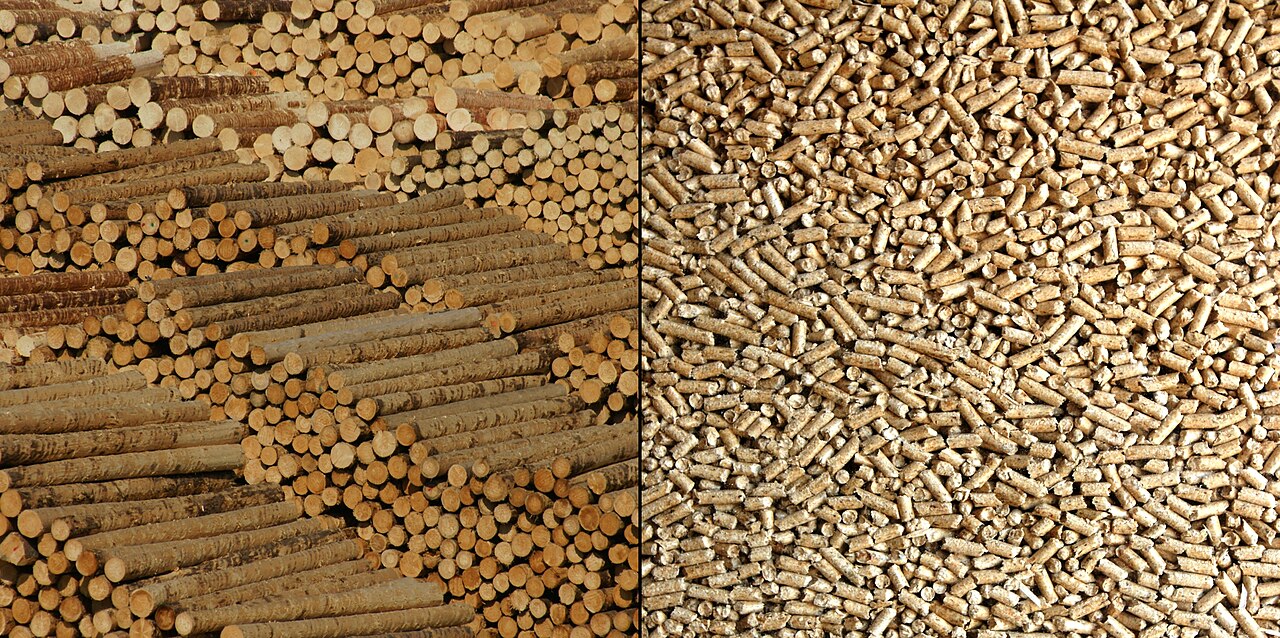
An important practical lesson from research: pure shell is difficult to pelletize on its own. High extractive and lignin content, along with a nearly spherical particle shape, hinder agglomeration. In semi-industrial conditions, the production of quality pellets proved feasible only at a shell content below ~30 % in the mixture. In other words, the shell is an excellent blending component: it is added to wood or other biomass to complement fuel characteristics, while the main mass ensures pellet binding. Many nut-residue samples thereby meet grades A1 or A2 according to ISO 17225-2 for solid biofuels.
| Process | Output | Practical Note |
|---|---|---|
| Direct Burning | Heat for drying/heating | Simplest; ideal for own plant |
| Pelletizing | Standardized fuel, easier logistics | Mix shell (e.g., <30 %) with other biomass |
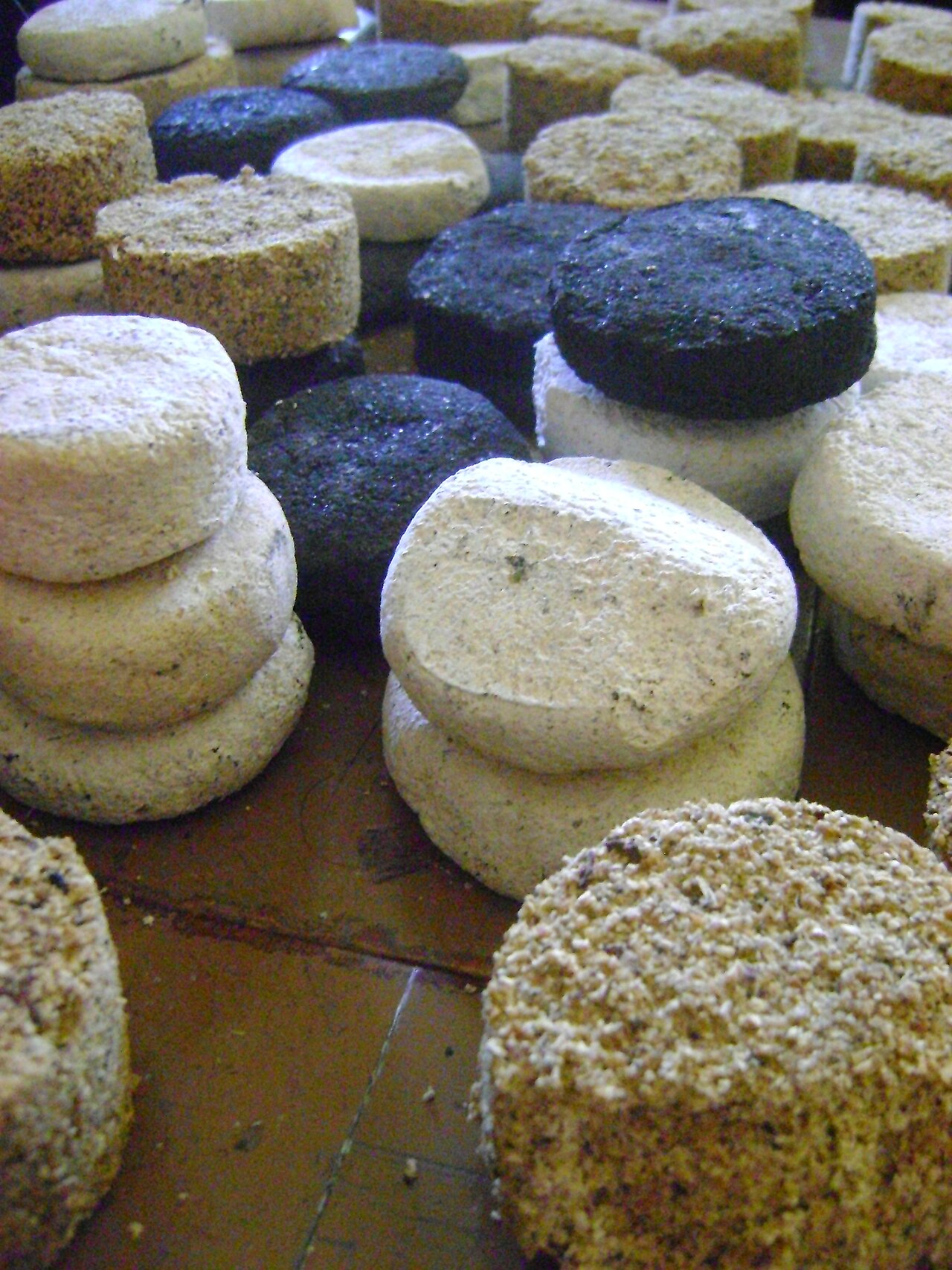
| Briquetting | Densified fuel with higher density | Similar to pelletizing, less demanding on grinding fineness |
| Pyrolysis / Gasification | Bio-oil, biochar, gas | Thermochemical recovery; higher level of valorization |
Advanced Thermochemical Recovery
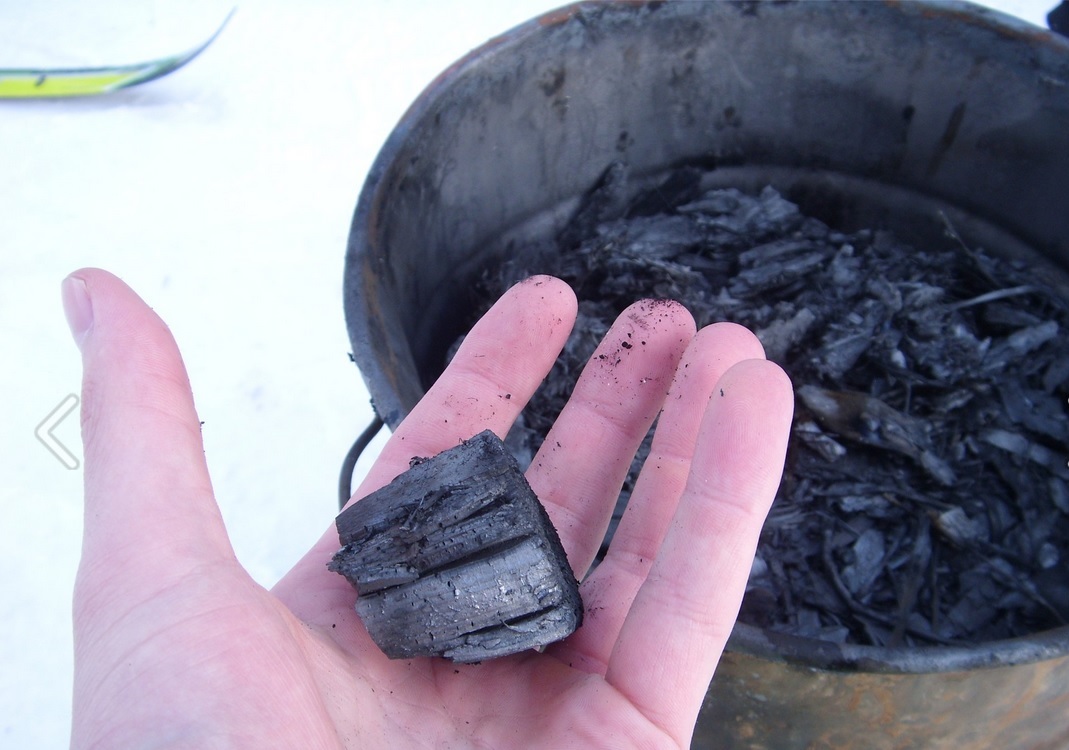
Beyond simple burning, the shell can be converted into higher-value products through thermochemical methods — pyrolysis, gasification, and liquefaction — producing bio-oil, biochar, and syngas. Over 65 % of lignocellulosic materials can be hydrolyzed into simple sugars and subsequently fermented into second-generation biofuels (e.g., bioethanol), without competing with food production. Literature warns that due to the high lignin content, intensive pretreatment is necessary (e.g., hot water pretreatment, which hydrolyzes cellulose without additional chemicals and separates hemicellulose and part of the lignin). These technologies are interesting primarily at the level of cooperatives, collectors, and industry, not individual small farms.
Material Utilization of Shells
Energy is not the only path. The shell is also a raw material for materials.
Mulch in Orchards
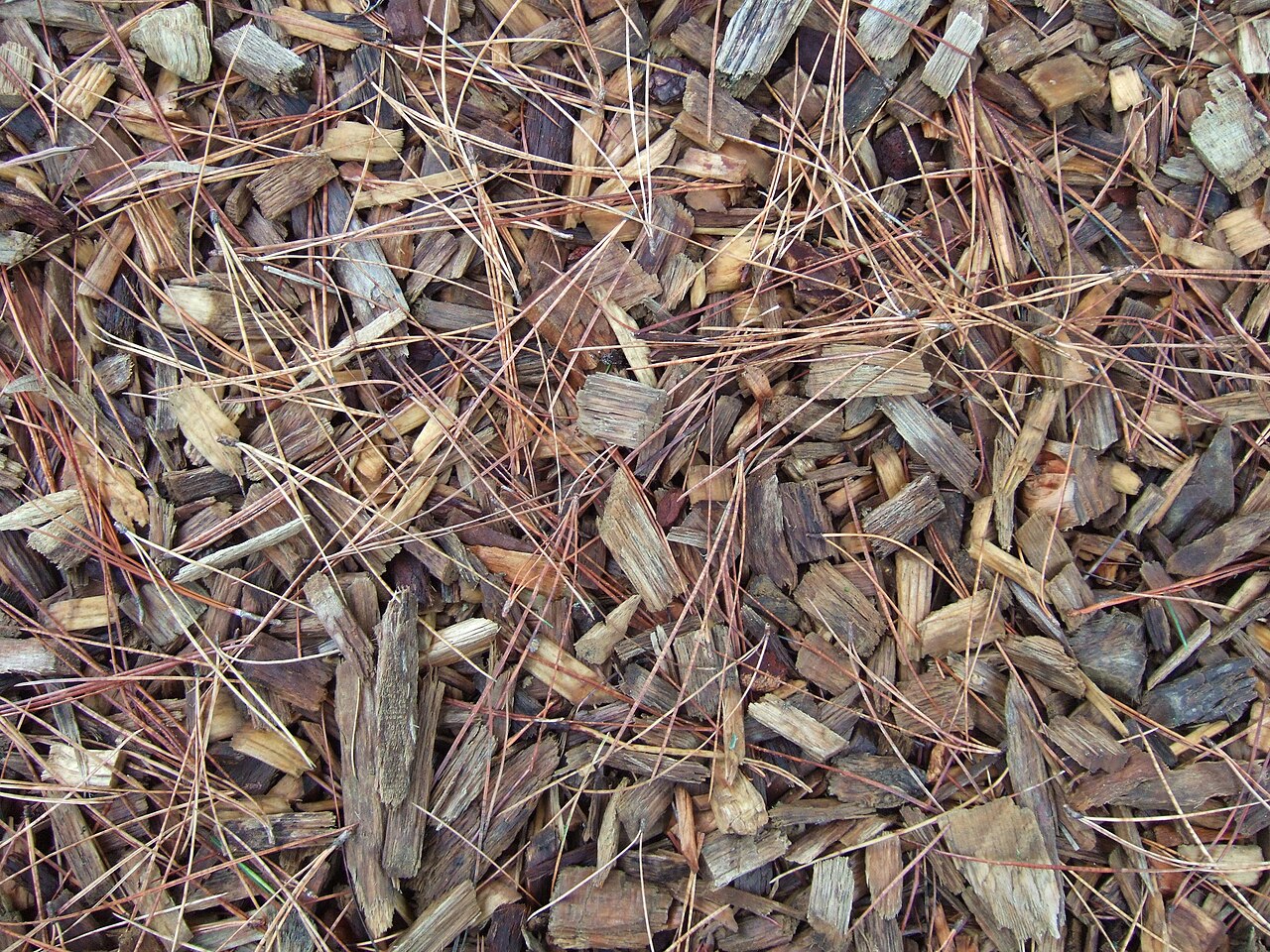
Finely ground shell is an excellent organic mulch. The Croatian project for cascading use of by-products applied hazelnut shell (from organic production) as mulch in an aronia orchard and reported a positive contribution to soil quality as well as plant growth and development — while establishing a circular economy on the farms themselves and reducing waste in food production. As mulch, the shell:
- slows down water evaporation and conserves soil moisture,
- suppresses weeds and moderates temperature fluctuations,
- degrades slowly (high lignin) so it lasts longer than many plant mulches,
- returns part of the organic matter and mineral elements to the soil.
Mulch works best in a closed loop
Shell from own processing returned to own (or neighboring) orchard is practically free input material. This is the simplest form of valorization and requires no special technology other than grinding.
Building and Composite Materials
The shell is traditionally used as a filler and fuel in the production of particleboard and lightweight bricks. In bricks, finely ground shell has a dual role: during firing, it burns and leaves voids (making the brick more porous and lighter), while simultaneously serving as additional fuel and reducing total energy consumption. With organic binders (resins), it yields composites, and it can be mixed with ordinary Portland cement as an aggregate for mortars and concretes.
Newer research is developing biocomposites of nut shells with geopolymers. Shell pretreatment (e.g., alkaline mercerization with NaOH solution at ~6–9 wt.%, or treatment with lime milk at ~12.5 wt.%) removes unwanted components (lignin, hemicellulose, extractives) and increases the crystallinity index, which improves adhesion to the inorganic matrix and reduces water absorption — thereby improving the mechanical properties of the composites. Mercerization has proven more effective than lime milk treatment.
Extraction of Valuable Compounds (Polyphenols, Fibers)
The shell is, somewhat unexpectedly, also a rich source of polyphenols, tannins, and fibers. Before it goes to energy recovery, bioactive compounds can be extracted from it (cascading approach: first valuable molecules, then energy). Lignocellulosic residues make up about 90 % of total plant biomass and are the most interesting for fiber reuse.
| Fraction from Shell | Approximate Value | Note |
|---|---|---|
| Soluble Fibers | ~32.7 g/kg dry matter | Fuso et al., 2023. |
| Insoluble Fibers | ~862.6 g/kg dry matter | Predominantly lignocellulosic |
| Polyphenols | High content | Antioxidant capacity |
For polyphenol extraction, "green," non-invasive methods such as high-intensity ultrasonic-assisted extraction (UAE) have been investigated, which in a short time yields high compound yields while preserving quality and lowering energy consumption. Typical laboratory parameters include ethanol as a solvent (~50–80 % v/v), amplitude ~40–60 %, and duration of about ten minutes. The obtained extracts are interesting for food, cosmetic, and pharmaceutical applications.
Press Cake After Oil Extraction
During cold pressing of hazelnut oil, oil press cake remains — a coarse sediment rich in proteins. The crude oil is allowed to settle and filtered, while the press cake is separated and pressed. The pressing process parameters directly affect how much oil remains in the cake: in one study, a cake outlet diameter of 8 mm yielded the highest oil extraction efficiency and the lowest residual oil content (better than 6, 9, and 10 mm), and efficiency increased with the screw motor frequency (optimal at ~35 Hz). For producers, this means: a well-adjusted press results in more oil and a drier press cake.
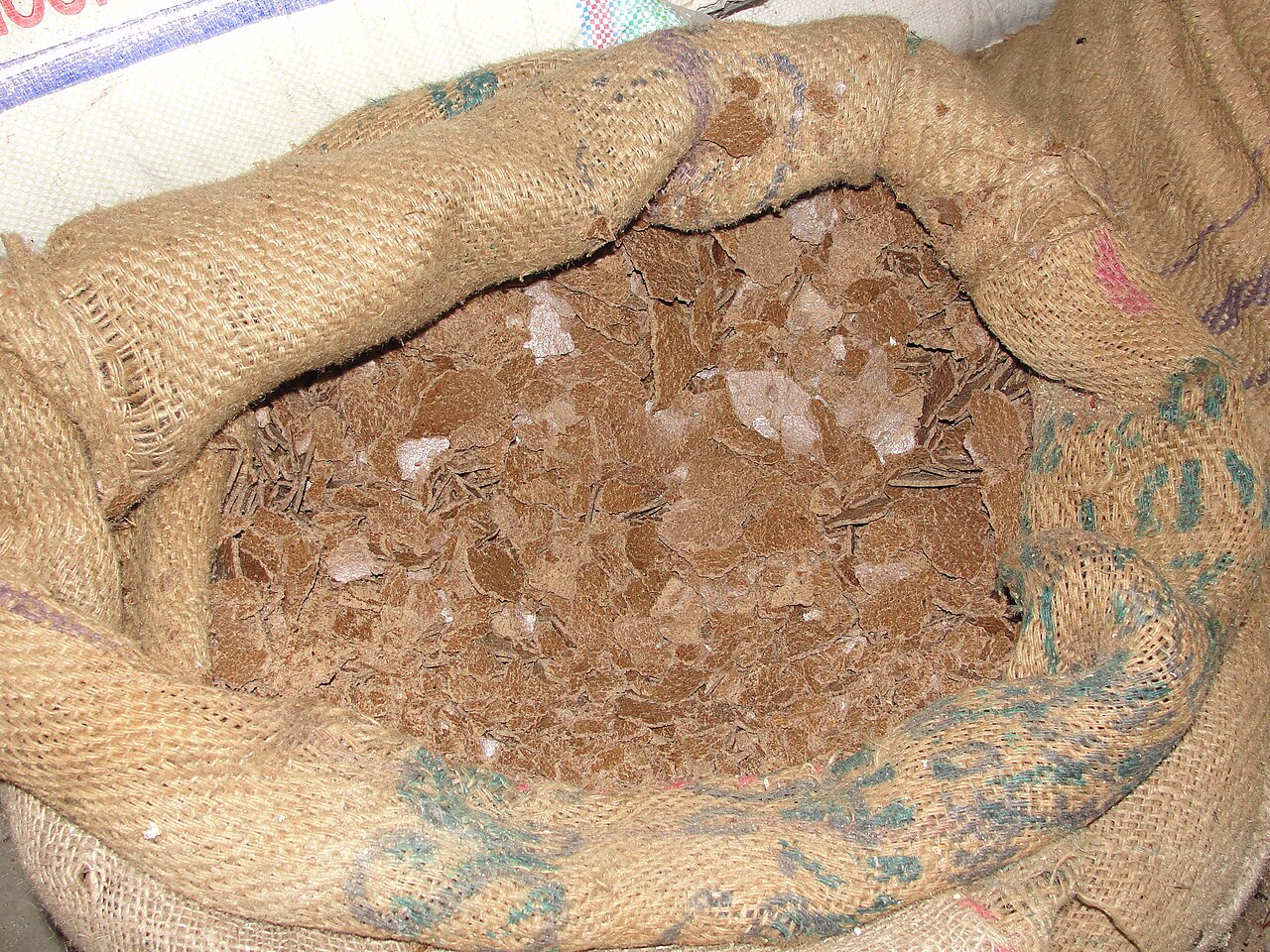
Crucially, the press cake contains no toxic substances and is a significant source of protein — analyses indicate approximately 37 % protein — giving it clear further applications:
- Bakery and confectionery: In Turkey, the press cake is ground into flour and used in the confectionery and bakery industries. Hazelnut oil press cake flour has been investigated as an additive (e.g., 20–60 %) in gluten-free tea cakes and corn extrudates (additives ~3–9 %), altering texture, reducing water content and activity, and enriching the product with proteins and fats.
- Animal feed: The press cake is a classic, high-value additive to feed mixes.
- Protein isolation: Modern research extracts protein isolates from the press cake; the drying method (e.g., spray drying vs. "refractance window") affects the color, solubility, foaming, and emulsifying properties of the isolates. These are ingredients for functional and nutraceutical applications.
- Polyphenols from defatted flour: Residual defatted flour can be further valorized via ultrasound- and enzyme-assisted extraction to isolate polyphenolic and protein fractions with antioxidant activity.
| Press Cake Application | Processing Level | Value |
|---|---|---|
| Animal feed additive | Minimal | Proteins for nutrition |
| Flour for bakery/confectionery | Grinding | Dough additive, especially gluten-free |
| Protein isolate | Extraction + drying | Functional ingredient |
| Polyphenolic / fibrous fractions | "Green" extraction | Nutraceuticals, antioxidants |
Pellicle (Skin / Hull)
The thin brown skin that separates from the kernel during roasting and shelling — the pellicle or hull — is treated as a separate by-product stream alongside the shell, leaves, and bark. Literature repeatedly emphasizes that phenolic compounds are highly prevalent in both the kernel and processing by-products, with the skin being a particularly concentrated source of antioxidants. In a "zero waste" approach, the pellicle is therefore a raw material for polyphenol extracts (food additives, cosmetics, nutraceuticals), while the remaining fibrous fraction can be directed toward feeding or composting. Quantitatively, this is a small stream, but its unit value is potentially high as it enters the category of bioactive ingredients.
Cascading Use and Circular Economy
The main message of modern literature is not to "burn everything," but to use each stream cascadingly — from highest to lowest value:
- First, bioactive compounds (polyphenols, proteins, fibers) from shells, press cake, and pellicle.
- Then, materials (mulch, biocomposites, fillers in construction).
- Finally, energy (combustion, pellets, pyrolysis) from what remains.
This maximizes value per ton of by-products, reduces waste in food production, and closes the loop at the economic level. Croatian examples (shell as mulch; valorization of 'Rimski' and 'Istarski' shells via ultrasound) show that this is not just theory but an applicable model — especially in organic production, where it aligns with sustainable development goals.
Practical Recommendations and Common Mistakes
- If you sell nuts in-shell, the shell is "lost" to you. Consider shelling and processing on-farm so that by-products become your resource and source of added value.
- Do not attempt to pelletize pure shell. Due to lignin, extractives, and particle shape, it binds poorly; use it as an admixture (orientatively <30 %) to other biomass or burn it directly/briquette it.
- Close the energy loop. Heat from burning shells logically returns to drying the nuts — the most energy-intensive step.
- Adjust the press before "discarding" the press cake. A fatty press cake means lost oil; check the outlet diameter and screw speed.
- Press cake is not waste. It is food (human and animal) and a raw material for proteins; keep it dry and cool to prevent rancidity.
- Do not burn the pellicle lightly. It is a small stream, but with a high concentration of antioxidants — it may be more valuable as an extract than as fuel.
- Check regulations. Placing press cake into food or feed, selling pellets (ISO 17225 standards), and operating boilers are subject to food safety, feed, and environmental protection rules. Consult advisory services and official sources before implementation.
Gallery
Sources
This article is an AI summary from an internal hazelnut literature collection (RAG corpus) and publicly available sources. Main sources used:
- Brleković, F. (2024.). Doctoral Thesis — utilization of shell (particle board, lightweight brick, cement, ash) — Faculty of Chemical Engineering and Technology.
- Potential of Hazelnut Shell as a Rich Source of Polyphenols (2024.) — shell content, fibers, polyphenols, ultrasound extraction, second-generation biofuel.
- Qualitative and Energetic Changes of Hazelnut Fruit in the Convective Drying Process (2013.) — shell as biomass, drying parameters.
- Krička et al., via: Comparison of Pyrolysis Products of Shells of Important Nut Crops (2018.) — lignocellulosic biomass, energy potential.
- Cascading Use of Hazelnut and Aronia By-Products (2025.) — shell as mulch, circular economy, list of by-products (pellicle, leaves, bark).
- Development of Nut Shell Biocomposites and Geopolymers (2025.) — pretreatment (NaOH, lime milk), crystallinity, composites.
- Influence of Antioxidants and Synergists on the Oxidative Stability of Cold-Pressed Hazelnut Oil (2015.) — pressing parameters and residual oil in press cake.
- core f457caa8 (2018), DOI: 10.46584/lm.v36i2.1141 — application of press cake in bakery and animal feed.
- Influence of Hazelnut Oil Press Cake Flour Addition on the Quality of Gluten-Free Tea Cakes (2024) and Influence of Hazelnut Press Cake Addition on the Properties of Corn Extrudates (2017) — press cake as ingredient.
- Environmental Protection Elaborate (Agro-Tok d.o.o., 2019.) — shell as boiler fuel, description of pressing.
- Energy Assessment of Hazelnut Shells (Corylus avellana L.), MDPI Energies (2025.) — https://www.mdpi.com/1996-1073/18/14/3612
- Preliminary assessment of hazelnut shell biomass as a raw material for pellet production, ScienceDirect/SSRN — https://www.sciencedirect.com/science/article/abs/pii/S0016236122033415
- Harnessing the Energy Potential of Nut Residues, MDPI Sustainability (2025.) — https://www.mdpi.com/2071-1050/17/12/5573
- European Hazelnut Shell as a Source of Extractives and Bio-products, CET Journal — https://www.cetjournal.it/cet/24/109/059.pdf
- Green Protein Extraction from Hazelnut Press Cake, MDPI Separations (2025.) — https://www.mdpi.com/2297-8739/12/3/63
- Compositional Analysis and Sustainable Valorization of the Calabrian Hazelnut and Its Processing Derivatives, NCBI PMC — https://www.ncbi.nlm.nih.gov/pmc/articles/PMC12470017/
- Potential Valorization of Hazelnut Shells (prebiotic compounds review), NCBI PMC — https://www.ncbi.nlm.nih.gov/pmc/articles/PMC8229101/
Recommended equipment
🔎 nut roaster — Amazon →Affiliate links — we may earn a small commission at no extra cost to you.
Handheld Nut Cracker
For processing small batches of nut kernels.
| Use Case | Option Type | What to Check Before Purchase |
|---|---|---|
| Small quantity processing | Manual lever cracker | Crushing mechanism and shell separation |
| Kernel preservation | Adjustable pressure tool | Ease of cleaning and durability |
| High volume needs | Electric cracking machine | Professional equipment for speed |