Allergens and labeling of hazelnut products
AI-generated content — verify before application
This article was automatically compiled from a collection of hazelnut literature using artificial intelligence and may contain errors or outdated information. It serves as a starting point for further research, not as professional advice. Dosages, products, and timeframes are informative and depend on the cultivar, location, and applicable regulations — always consult with advisory services and official sources before application.
Hazelnut (the fruit of the hazel, Corylus avellana) is one of the most common and potent food allergens in Europe. For producers and processors, this means two obligations that go hand in hand: correctly declare hazelnut when it is an ingredient of the product and prevent hazelnut from accidentally (undeclared) ending up in a product where it does not belong. An error in either direction is not just a regulatory offense — it can trigger a severe, even life-threatening reaction in an allergic person, product recalls, and lasting damage to brand reputation. This article explains the status of hazelnut as an allergen, what EU legislation on labeling requires, how cross-contamination occurs and how it is controlled, and how to establish an allergen management system in the facility — from a small family farm packaging kernels to a processor producing paste, flour, and roasted products.
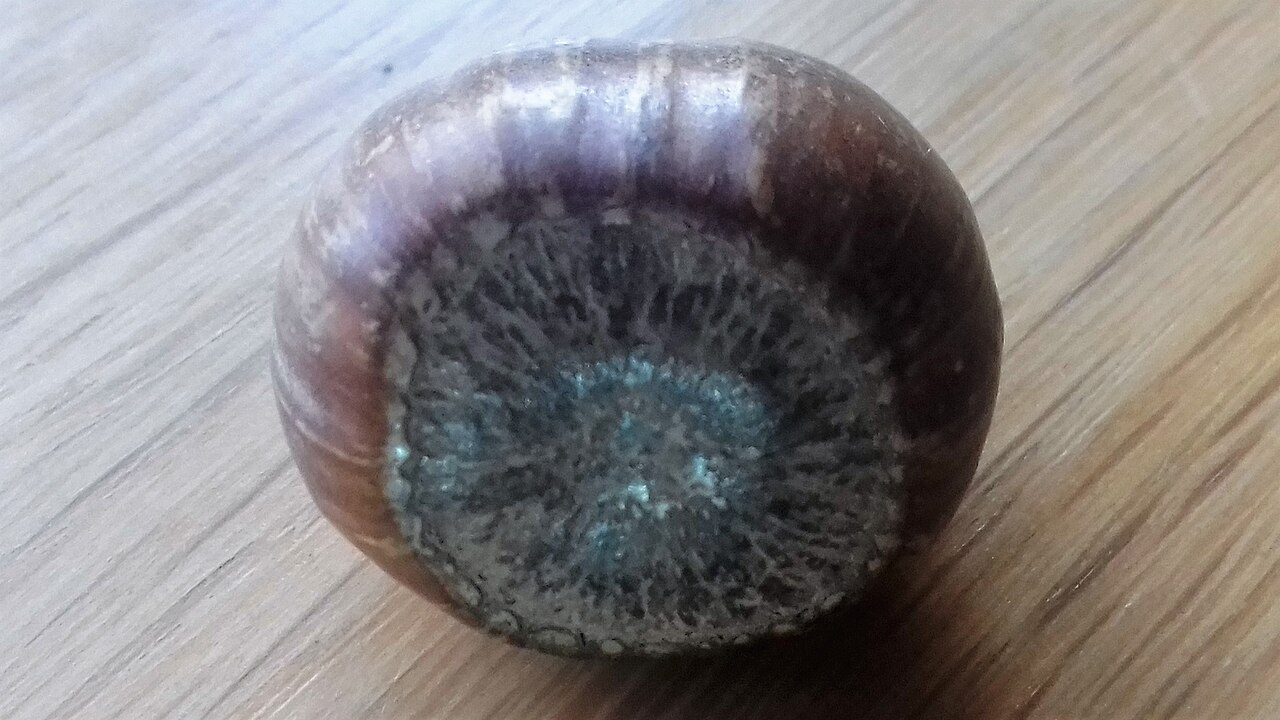
Hazelnut as an allergen
Hazelnut belongs to the group of tree nuts, which are legally recognized as one of the main sources of allergies. Hazelnut allergy is lifelong, and reactions range from mild (itching mouth, hives) to systemic and anaphylaxis. It is crucial to understand several facts that directly impact operations in the facility:
- The allergen is a protein. Reactions are triggered by hazelnut proteins (e.g., Cor a 9, Cor a 14), not by fat or aroma. Therefore, the presence of the allergen is measured by the quantity of hazelnut protein, not by the number of nuts.
- Extremely small amounts can trigger a reaction. Doses that cause symptoms vary from person to person, but for the most sensitive individuals, they are very low. The risk for the majority of the allergic population increases with the concentration of undeclared allergen in food.
- Thermal processing does not remove allergenic potential. Roasting, blanching, grinding into flour or paste changes the form of the proteins but does not make the product safe for allergic individuals. Hazelnut remains an allergen in all processed products.
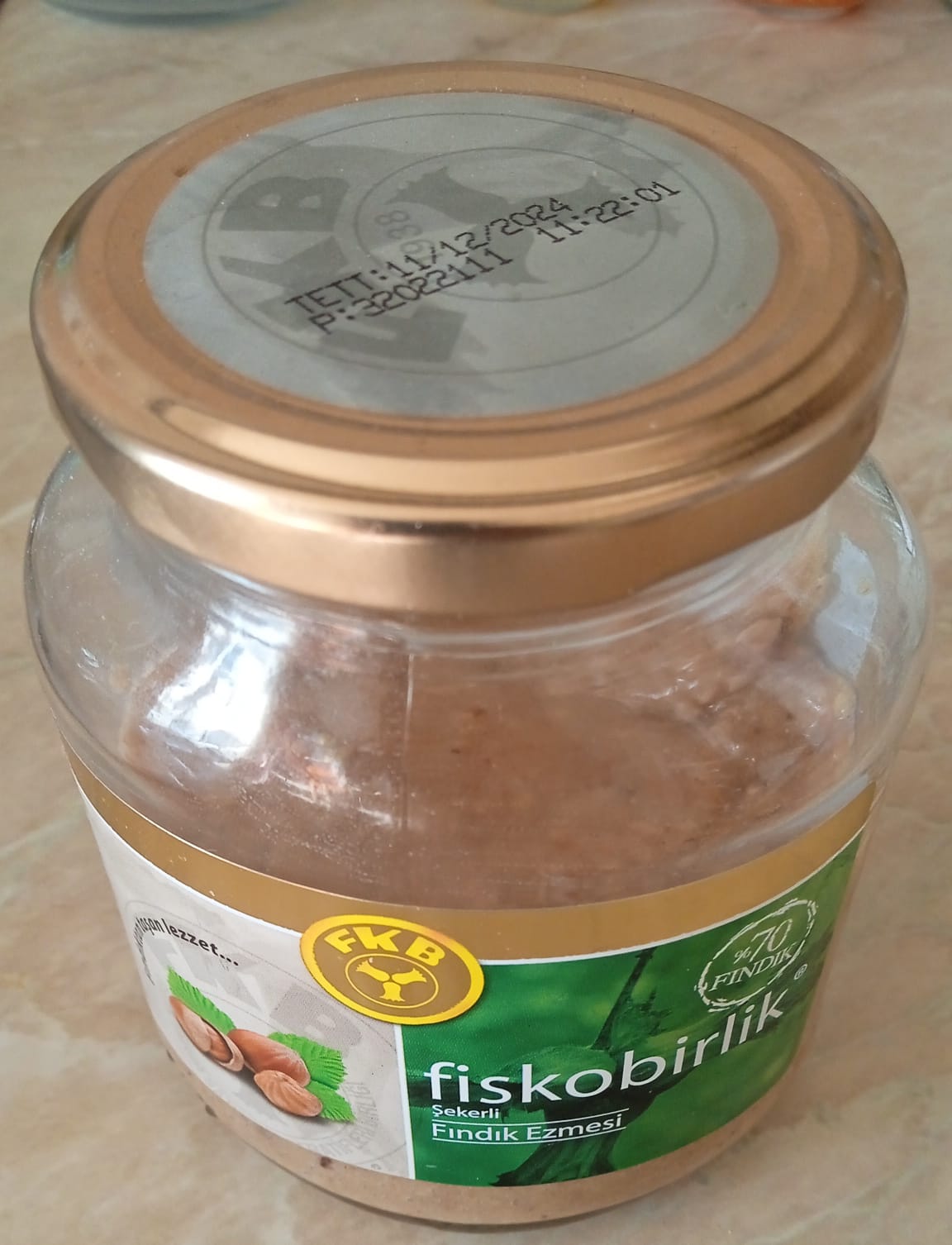
This is why analytics are sensitive: validated immunochemical methods (ELISA) and rapid field tests today detect hazelnut proteins at levels of 0.1–1 ppm (mg/kg), with specialized methods even detecting traces on work surfaces (order of magnitude 1 µg). These figures are informative and depend on the method and product matrix, but they show how low the thresholds are for ensuring safety.
Reference doses: how much is "too little to matter"?
To decide whether a product needs a warning, reference doses are used — the amount of allergenic protein that triggers an acceptably low risk of reaction. This is the basis of the VITAL system (Voluntary Incidental Trace Allergen Labelling), which uses the concept of ED05 (the dose that causes objective symptoms in 5% of the allergic population).
| Hazelnut Indicator | Value (hazelnut protein) | Note |
|---|---|---|
| VITAL reference dose (ED01) | ~0.1 mg | conservative approach, basis for action levels |
| ED05 (adults) | ~4.0 mg | estimate by VITAL expert panel |
| ED05 (children) | ~1.2 mg | children are more sensitive |
| FAO/WHO Codex recommendation (ED05) | ~3 mg | international reference framework |
| Detection limit (ELISA / rapid test) | 0.1–1 ppm | depends on method and matrix |
The figures are informative and vary among standards and sources — they serve to understand the logic, not as fixed thresholds for your own product. For actual risk assessment, an authorized methodology (e.g., VITAL) and an accredited laboratory are used.
EU labeling regulations
The backbone is Regulation (EU) No 1169/2011 on the provision of food information to consumers (abbreviated FIC — Food Information to Consumers). Hazelnut is listed in Annex II of this regulation, on the list of substances and products causing allergies or intolerances, within the group "tree nuts": almonds, hazelnuts, walnuts, cashews, pecans, Brazil nuts, pistachios, macadamia, and products derived from them.
Mandatory ingredient labeling
When hazelnut is intentionally part of the recipe (as an ingredient or processing aid), its presence must be declared — always, without a tolerance threshold. Key rules:
- Highlighting in the ingredient list. The name of the allergen must be visually emphasized so that it clearly stands out from the rest of the ingredient list — most commonly bold, but italics, ALL CAPS, different background colors, etc., are also permitted. Examples: hazelnut, hazelnut, HAZELNUT.
- New regime from 13.12.2014. The highlighting of allergens in the ingredient list has been applied since this date for prepackaged products.
- Unpackaged food. From the same date, the obligation to inform about allergens was extended to food that is not prepackaged, including that in catering, at markets, and in direct sales from farms. The information must be available to the customer (on the label, sign next to the product, or in another clear way).
- Minimum font size. For mandatory data on packaging, a minimum letter height of 1.2 mm is prescribed (measured by the height of the lowercase letter "x"), with exceptions for very small packages. This applies to consumer products.
In addition to allergens, the label of prepackaged food must also contain other mandatory data: name of the food, list of ingredients, net quantity, date of minimum durability or "use by", storage conditions, name and address of the food business operator, country/place of origin (where applicable), instructions for use, and nutrition declaration.
Zero tolerance policy for ingredients — but not for traces
The EU applies a zero tolerance policy for labeling allergens that are ingredients: if hazelnut is in the recipe, it must be written on the package, regardless of the quantity. Conversely, the EU currently has no obligation to label allergens that are not part of the recipe and have entered the product accidentally, through cross-contamination. In other words, the existing regulation governs ingredients, not the unintentional presence of traces.
Precautionary measures: "may contain" (PAL)
Warnings such as "may contain hazelnut" or "produced in a facility that processes tree nuts" fall under Precautionary Allergen Labelling (PAL). It is important to know:
- They are voluntary — the law does not currently prescribe them nor standardize their text.
- They should be used only after a thorough risk assessment, when cross-contamination cannot be effectively prevented and when the product truly poses a risk to an allergic person.
- They must not be a substitute for hygiene and control — automatically "sticking" the "may contain" warning to all products (so-called defensive labeling) is considered bad practice as it devalues the warning and unnecessarily restricts the choice for allergic consumers.
Article 36 of Regulation 1169/2011 empowers the European Commission to adopt implementing rules on the voluntary indication of possible and unintentional presence of allergens. Harmonization of rules on "may contain" labels at the EU level has been announced, with an expected adoption of the implementing regulation around the 4th quarter of 2027, following public consultation. This would introduce a standardized, risk-based approach (likely based on reference doses) into practice.
Export and eco-labels
- Export to the EU from third countries / region: The same Annex II rules apply (highlighting allergens, minimum font size, data for unpackaged food). Since PAL rules are not yet harmonized, it is recommended to agree with the importer on market expectations prior to delivery.
- Eco-label is not an "allergen-free" label. The EU eko-label and the Croatian eko-mark speak about the method of production, not the absence of allergens. An organic hazelnut product must still comply with all allergen declaration rules.
Cross-contamination
Cross-contact of allergens occurs when hazelnut unintentionally ends up in a product that should not contain it. Poor allergen management leads to different levels of undeclared or unintentional allergen in food, posing a real risk to allergic individuals. Typical sources in a hazelnut processing facility and mixed tree nut facilities:
- Shared equipment: graders, shellers, mills, paste presses, roasters, conveyor belts, and fillers used for multiple products.
- Residual dust and fine particles: grinding hazelnuts creates fine dust that settles throughout the facility, in ventilation, and on surfaces.
- Shared storage and transport: hazelnuts in shell and kernels with other raw materials; bulk loads; shared pallets and containers. Contamination can also occur during storage and dispatch.
- Human activity: gloves, work clothing, tools, and hands that move from the "allergenic" line to the "clean" one.
- Processing (rework): returning excess or leftovers from one product to another without controlling the allergenic status.
The result is the so-called undeclared allergen — precisely this, and not the ingredient listed on the label, poses the greatest risk to the consumer. To put it in perspective: the number of allergen alerts in the European rapid alert system for food and feed (RASFF) has risen significantly in recent years, and tree nuts (along with milk, gluten, and soy) are among the most common causes.
Allergen Management in the Facility
The goal is a system that prevents cross-contact where possible and manages risk where it is not. Everything starts with a risk assessment conducted by the food business operator: all raw materials, processing steps, and areas must be listed to determine where hazelnut might end up where it does not belong. Control measures are selected based on this assessment.
Pillars of the Allergen Management Program
| Area | Specific Measures |
|---|---|
| Suppliers and Raw Materials | Supplier risk assessment, raw material specifications, allergen statements, incoming inspection |
| Recipe and Design | Clear allergen status defined for every product; avoidance of unnecessary shared ingredients |
| Layout and Flow | Physical separation of "allergen" and "clean" lines; logical arrangement of rooms and equipment; dedicated tools |
| Production Scheduling | Grouping batches (first allergen-free products, hazelnut last); dedicated lines where feasible |
| Cleaning | Validated cleaning procedures between batches; verification of effectiveness using rapid tests for hazelnut protein |
| Rework | Return of leftovers only to products of the same or "higher" allergen status, with proper documentation |
| Storage and Transport | Segregated and labeled storage; protection from dust; clean containers and pallets |
| People | Staff training, changing clothes/gloves when switching lines, hand hygiene |
| Labeling | Verification that the label matches the actual recipe; label printing control; handling of recipe changes |
| Verification and Traceability | Periodic sampling (ELISA), record keeping, product withdrawal system |
Cleaning Validation and Trace Contamination Control
The weakest point is usually cleaning between batches. The procedure must be validated (proven to remove the allergen to an acceptable level), not just performed. In practice:
- after cleaning equipment and surfaces, swabs/samples are taken and tested using rapid tests or ELISA for hazelnut protein;
- attention is paid to "hidden" places where dust accumulates (joints, bearings, ventilation);
- results are recorded as proof for inspection and customers.
When it is determined that cross-contact cannot be reduced sufficiently, based on a risk assessment (e.g., using the VITAL methodology and action levels), a decision is made regarding the justification of a PAL (Precautionary Allergen Labeling) warning:
- Action Level 1 — low allergen concentration, low likelihood of reaction: PAL is not required.
- Action Level 2 — significant concentration, significant risk: PAL is required.
Specifics for Small Producers (OPG)
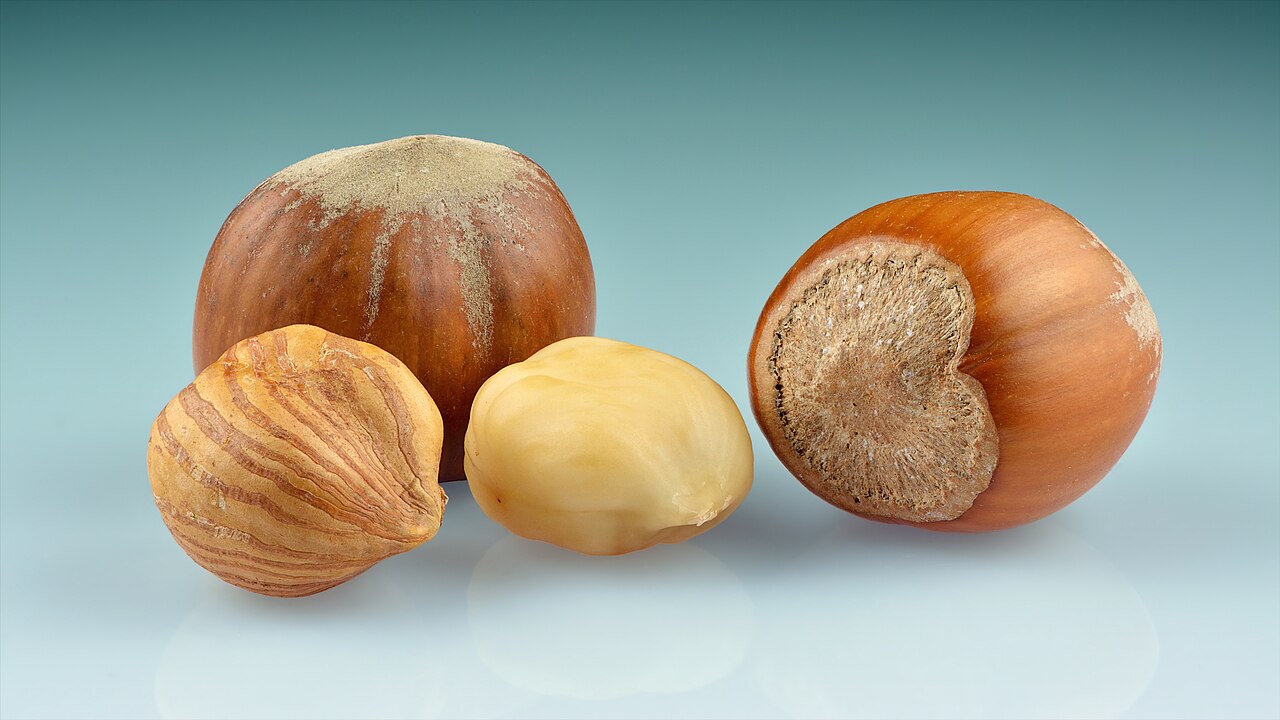
Small facilities and OPGs that only dry, shell, and package kernels have obligations: correct labeling, allergen information, and for unpackaged/direct sales, basic hygiene that prevents mixing with other tree nuts. It is worth remembering that for kernels intended for the market, manual sorting is a legal requirement — this step is also an opportunity for visual control of foreign nuts and foreign bodies. For mixing different types of tree nuts (e.g., hazelnut + walnut + almond), each must be declared separately.
Practical Recommendations and Common Mistakes
Recommendations:
- Create an allergen matrix for all products and raw materials; update it with every recipe or supplier change.
- Plan production so that hazelnut-containing products go at the end of the shift, before thorough cleaning.
- Validate cleaning with tests, not assumptions; document results.
- Treat the label as a critical control point: recipe and label compliance, control of old label stock, double-checking during packaging changes.
- Educate every staff member, including seasonal workers and cleaners.
Common Mistakes:
- Relying on "may contain" instead of control — defensive labeling does not replace hygiene and undermines the warning.
- Forgotten allergen during recipe change or new supplier, with the old label remaining in use.
- Underestimating grinding dust that spreads throughout the facility and settles on "clean" lines.
- Failure to declare allergens for unpackaged and direct sales (market, OPG).
- Assumption that roasting or blanching "destroys" the allergen — it does not.
- Lack of a product withdrawal plan in case of undeclared allergen discovery.
Sources
This article is an AI summary created from an internal collection of hazelnut literature (RAG corpus) and public sources. Figures and thresholds are informative and depend on the method, product matrix, cultivar, and applicable regulations — verify with official sources and advisory services or accredited laboratories before application.
Main sources used from the corpus:
- Determination of the presence of hazelnut allergen in chocolate and chocolate products (2018) — internal RAG corpus (EU Regulation 1169/2011, highlighting allergens on labels, application from 13. 12. 2014.)
- Determination of almond and hazelnut allergens in chocolate samples by ELISA method (2022) — internal RAG corpus
- Code of Practice on Food Allergen Management for Food Business Operators (2020) — internal RAG corpus (allergen management, cross-contact, risk assessment)
- Development and validation of sensitive and rapid immunoassays to detect minute amounts of hazelnut in processed food and working surfaces (Food Control, 2023) — internal RAG corpus (detection limits, RASFF notifications)
- Is food allergen analysis flawed? (Analyst, 2016) — internal RAG corpus (PAL, reference doses, "may contain")
- Consumer-friendly food allergen detection (Anal. Bioanal. Chem., 2018) — internal RAG corpus (zero tolerance, undeclared allergens)
- Guidelines for the export of processed fruit and vegetable products from Western Balkan countries to the EU (2018) — internal RAG corpus (minimum font size 1.2 mm, presentation of allergens)
- Product Brief — Dried Fruits and Nuts (2015) — internal RAG corpus (Art. 36 FIC, voluntary precautionary measure)
- Processing of hazelnuts at the "Pantera" company (2025) — internal RAG corpus (manual sorting as a legal requirement, processing flow)
Main public sources:
- Regulation (EU) No 1169/2011 on the provision of food information to consumers — food.ec.europa.eu
- EU legal requirements on food allergen labelling — University of Manchester — sites.manchester.ac.uk/foodallergens
- EU to harmonise "May Contain" allergen labels — new rules expected by Q4 2027 — Bird & Bird — twobirds.com
- What is the VITAL (Voluntary Incidental Trace Allergen Labelling) system? — hooleybrown.com
- Reference Doses per Allergen: NL ED05 and VITAL — eClarion — eclarion.com
- Allergen reference doses for precautionary labeling (VITAL 2.0) — JACI — jacionline.org
- Food allergen labelling and information requirements technical guidance — UK FSA — food.gov.uk