Economics of Investing in Your Own Processing Facility
Content generated by artificial intelligence — verify before application
This article was automatically compiled from a collection of hazelnut literature with the assistance of artificial intelligence and may contain errors or outdated data. It serves as a starting point for further research, not as professional advice. Dosages, inputs, and timelines are informative and depend on the cultivar, location, and current regulations — always consult with advisory services and official sources before application.
Many hazelnut producers reach the same turning point: the orchard is in production, the nuts are there, and the purchase price for raw in-shell hazelnuts barely covers production costs. At that moment, processing — drying, cracking, grading, roasting, milling into flour, paste, spreads, or oil pressing — appears to be an obvious solution. And indeed it is: processing regularly increases the value of the raw material by 50 to 60 percent, and for finished products like oil and flour, the increase is even multiple. However, processing is not a free lunch — it requires capital, knowledge, volume, and the assumption of risks that were previously borne by the buyer. This article helps answer the key question for every family farm and small business: is it profitable to invest in your own processing facility, or is it smarter to sell the raw material?
Note on currencies and source of figures
Croatia adopted the euro on January 1, 2023, at a fixed conversion rate of 1 EUR = 7.53450 HRK. Older domestic sources (business plans, theses, investment studies from the period 2014–2022) state figures in Croatian kuna (HRK), while some foreign blog sources regarding equipment prices are in US dollars (USD). In this article, all amounts have been converted to euros, retaining the original value in parentheses for traceability. Figures from foreign blogs (machine prices in USD, market shares) are indicative and serve to illustrate the order of magnitude, not as a reference for the Croatian market. For USD conversion, an approximate rate of 1 USD ≈ 0.92 EUR was used; the actual rate fluctuates, so please check the current value.
Why raw material alone often does not sustain the farm
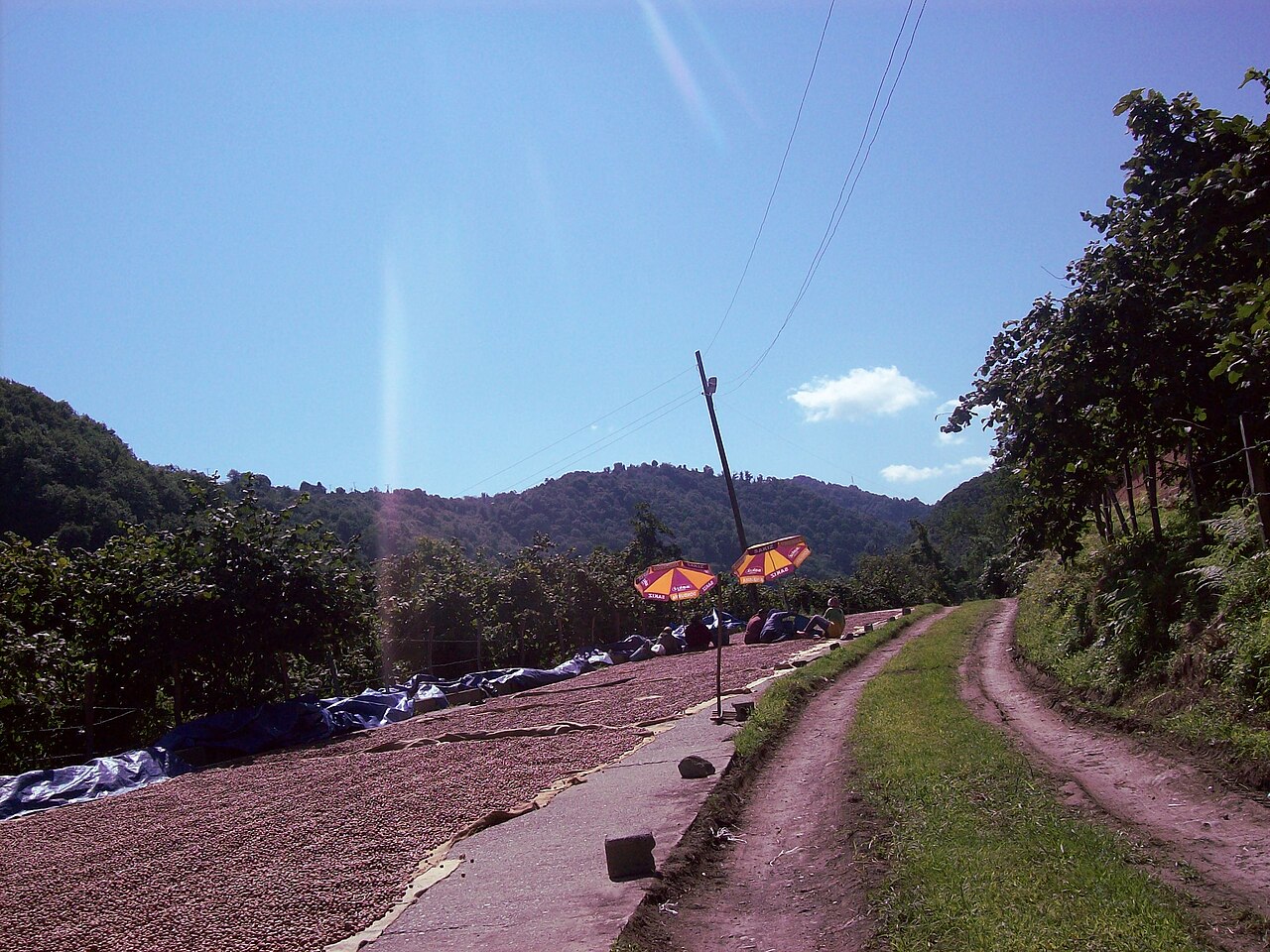
The starting fact is unpleasant but honest: at a price for raw in-shell hazelnuts of around 2 EUR/kg (and sometimes lower in certain years), revenue from primary production barely sustains the farm. An experienced Slavonian producer summarizes it simply: "From a price of around 2 euros per kg, you cannot make a living, but if you go into processing, you can gain at least 50 to 60 percent on this amount."
A domestic economic analysis for 2021 confirms this order of magnitude: the purchase price for in-shell hazelnuts was 2.39 EUR/kg gross, but after deducting transport and the cost of meeting quality standards, it effectively fell to 1.99 EUR/kg. At a yield of approximately 1,200 kg/ha, this results in sales revenue of only ~2,390 EUR/ha; only with the added support for organic production does total revenue reach ~3,452 EUR/ha, and profit remains modest at ~864 EUR/ha. Meanwhile, the unit production cost (cost price) was calculated at 2.15 EUR/kg — that is, above the effective purchase price of 1.99 EUR/kg. In other words, without subsidies, pure primary production operated at a loss per kilogram that year.
Reasons why raw material carries a low margin:
- Bargaining power lies with the processor. In hazelnut value chain analyses, unbalanced bargaining power in favor of industrial processors is repeatedly noted; rising quality standards push prices down and reduce farm profitability.
- Pricing systems do not reward quality. In major production regions (e.g., Turkey), purchasing often pays for yield rather than quality, so the value you invested in orchard care is not returned through the price.
- All added value leaves the farm. When all processing takes place elsewhere, the opportunity to create value is missed — which is simultaneously a strategy of weakening one's own market position.
- Market instability. The raw material price depends on inflation, the harvest in Turkey, and exchange rates; the producer is a "price taker."
In other words: whoever sells only raw material sells their margin and their control over the price.
What "processing" actually means — the value-added chain
Before analyzing the economics, it is necessary to distinguish between levels of processing, as each requires different capital and carries different margins.
| Level | Operations | Typical Equipment | Added Value (indicative) |
|---|---|---|---|
| 0 — Raw Material | Sale of in-shell hazelnuts | — | base price (≈ 2 EUR/kg) |
| 1 — Conditioning | Drying, cleaning, grading | dryer, vacuum/blower, grader | +10–25 % |
| 2 — Cracking | Shelling, kernel sorting | cracker/sheller, separator, sorter | +25–40 % |
| 3 — Roasting/Packaging | Roasting, blanching, vacuuming | roaster, blancher, scale, packager | +40–60 % |
| 4 — High Processing | Flour, paste, spread, oil | mill, press/pressing unit, homogenizer | +100–250 % and more |
The principle is consistent for all nuts: roasting, cutting, milling, or turning into paste extends shelf life, reduces preparation time for the customer, and ensures consistency — and all of this the customer pays for. According to indicative market data (foreign sources), processed hazelnuts now account for about 64 % of the market, confirming that demand is pulling towards finished products rather than raw material.
The biggest jump: oil and flour
The most convincing numerical argument comes from a Croatian investment study for the production of innovative hazelnut-based products (brand "Avellana BIO", family farm with 2 ha of own land): revenue from primary production was estimated at ~80,000 HRK (≈ 10,600 EUR), while processing into oil and flour rises to ~220,000 HRK (≈ 29,200 EUR) — more than 2.5 times higher income for the family farm, with the largest profit jump in the third year when the orchard enters full production. The study projects revenue of approximately 167,107 HRK (≈ 22,200 EUR) over the observed period and a growing profit curve year by year.
The technology is relatively simple: oil is obtained by cold pressing, and the residue (cake) after pressing is milled into flour for confectionery — one raw material yields two market products. In the study, the oil is packaged in 250 and 500 ml bottles, and the flour in 250 and 500 g bags, allowing direct sales to the end consumer with full margin.
It should be noted, however, that one must know the conversion coefficient: for one liter of oil, approximately 10 kg of hazelnuts are required. This is simultaneously an argument for the high price of oil and a warning that processing into oil "consumes" a lot of raw material per unit of product, so volume must match ambition.
Investment in a facility: what all needs to be purchased
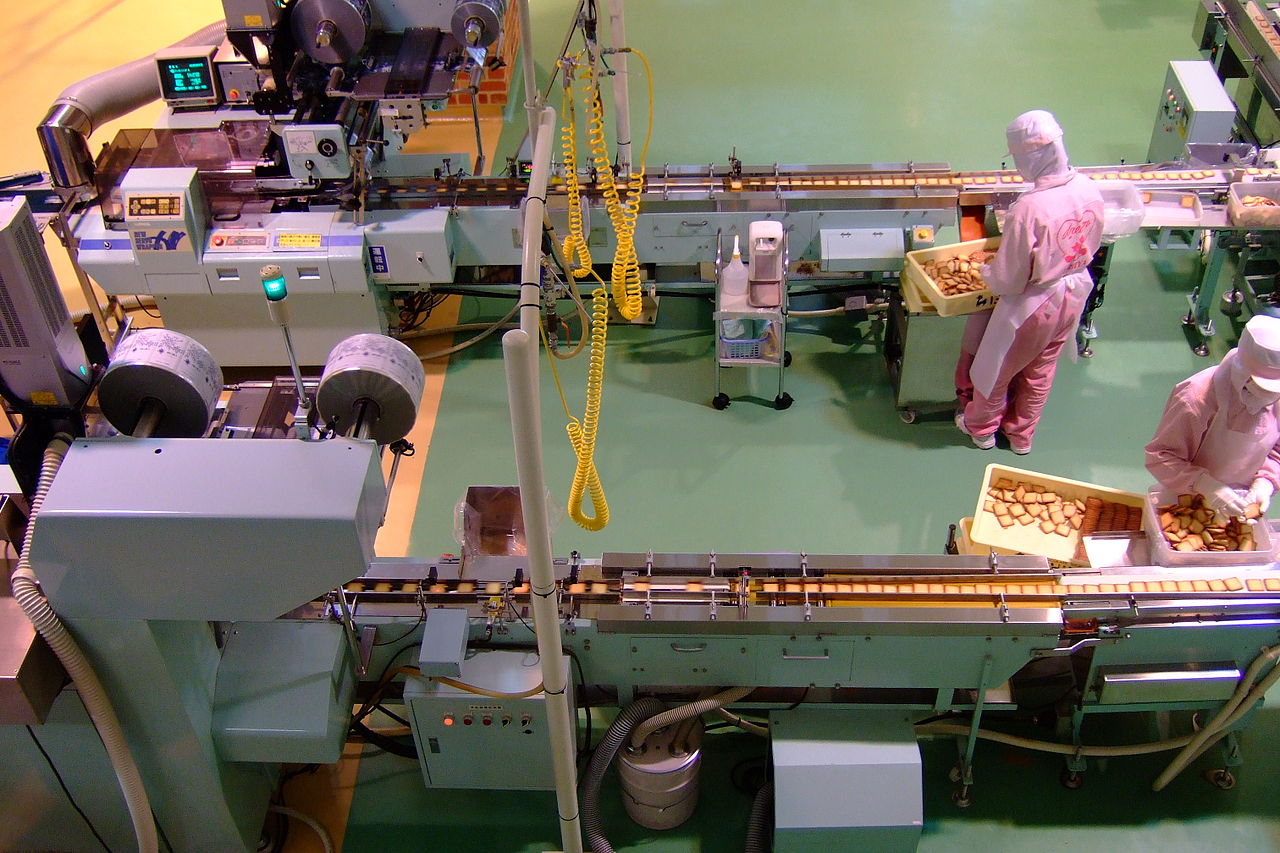
The size of the investment depends on how far up the value chain you go. It is crucial to distinguish between two logics:
- Conditioning for own harvest (drying + cracking + grading) — minimal entry package.
- Full line + finished products (roasting, milling, oil, packaging) — capital intensive.
Examples from the corpus and the market (all amounts are indicative, depend on capacity, supplier, and year; machine prices from foreign blogs converted from USD and serve only as an order of magnitude):
| Item | Function | Approximate Cost (EUR) | Original Amount |
|---|---|---|---|
| Dryer / drying unit | lowering kernel moisture (shelf life, quality) | ~13,800–36,800 EUR | 15,000–40,000 USD |
| Vacuum/blower + grader | cleaning and sorting by size | part of conditioning line | — |
| Cracker/sheller | separating kernel from shell | ~23,000–92,000 EUR (automatic) | 25,000–100,000 USD |
| Roaster/steamer | roasting / preparation for blanching | ~7,360–18,400 EUR | 8,000–20,000 USD |
| Mill / oil press | flour, paste, oil | variable | — |
| Homogenizer | fine, creamy texture for spreads | higher level | — |
| Scale, packager, vacuum | packaging finished product | variable | — |
For comparison of order of magnitude, one larger multifunctional nut processing center (hazelnut + almond, capacity of thousands of tons) was estimated at ~2,015,000 EUR total investment (including facility preparation, two new halls for drying and cracking, and certification). This is not a model for an average family farm, but it shows where the upper limit of scale lies.
Investment structure example of a Croatian business plan
A domestic economic study (2022) details a specific investment structure for an orchard with accompanying conditioning. Total investment amounts to 260,000 HRK (≈ 34,500 EUR), distributed as follows:
| Item | Amount (HRK) | Amount (EUR) | Share |
|---|---|---|---|
| Fixed Assets (equipment, machinery, orchard, fencing) | 220,000 | ~29,200 | 85 % |
| Working Capital (stocks, packaging, cash accumulation) | 40,000 | ~5,300 | 15 % |
| Total | 260,000 | ~34,500 | 100 % |
Financing in that plan is divided 50:50 — half from own savings (130,000 HRK / ≈ 17,300 EUR), half via loan at a more favorable interest rate for organic production. Projected total profit of the project amounts to 80,592 HRK (≈ 10,700 EUR). This figure shows how important it is that working capital be included from the start — without it, the line stands still, no matter how expensive the equipment is.
Two smart strategies to reduce initial capital
- Conditioning service. The company Minas-zrno (7.3 ha hazelnut) purchased expensive conditioning and drying machinery (dryer, cracker, elevators, grader, sorting belt, harvester) through IPARD / rural development program, and then with its own harvest provides conditioning and drying services for other producers — thus expensive equipment is amortized faster and opens an additional revenue source with added value.
- Rental/cooperation instead of purchase. Instead of a full line, it is possible to rent time in certified production or engage a co-packer; this turns a large capital expenditure into a variable cost (initial fees approx. ~4,600–18,400 EUR / 5,000–20,000 USD).
Working Capital — often the forgotten item
Investment is not just equipment. You also need money for stocks, raw material, packaging, and ongoing operations. A Croatian business plan for hazelnut seedling production, for example, foresees working capital of 130,000 HRK (≈ 17,300 EUR) (stocks + cash accumulation) with an interest rate of 2% per year. Analogously for a processor: without working capital, the line stands still.
Margin: Processing vs. Selling Raw Material
In summary, using the example of one kilogram of kernel going into different products (illustrative; figures are indicative and depend on prices in your market):
| Product Path | Value Relative to Raw Material | Comment |
|---|---|---|
| Raw in-shell | 1.0× (baseline) | No control over price |
| Dried + Sorted/Graded | ~1.1–1.25× | Minimal investment, fast return |
| Roasted kernel, packaged | ~1.4–1.6× | "+50–60 %" based on practice |
| Flour / Paste | ~2× and more | Requires mill, hygiene standards, labeling |
| Oil + Flour (combined) | ~2.5× | Study: 80,000 → 220,000 kn (≈ 10,600 → 29,200 EUR) |
| Spread (Nutella-type) | Highest | Capital-intensive and marketing-demanding |
Important warning from practice: higher processing does not automatically mean higher net margin. Edible oil sold in bulk is often a low-margin, standardized business where competition is based on price, not innovation. High hazelnut oil margin is sustainable only in premium, short supply chains (own brand, cold-pressed, culinary/cosmetic market), not in competition with industrial refineries.
Required Volume and Break-Even Threshold
This is the decisive variable. Expensive equipment only makes sense when enough kilograms pass through it to spread the fixed cost.
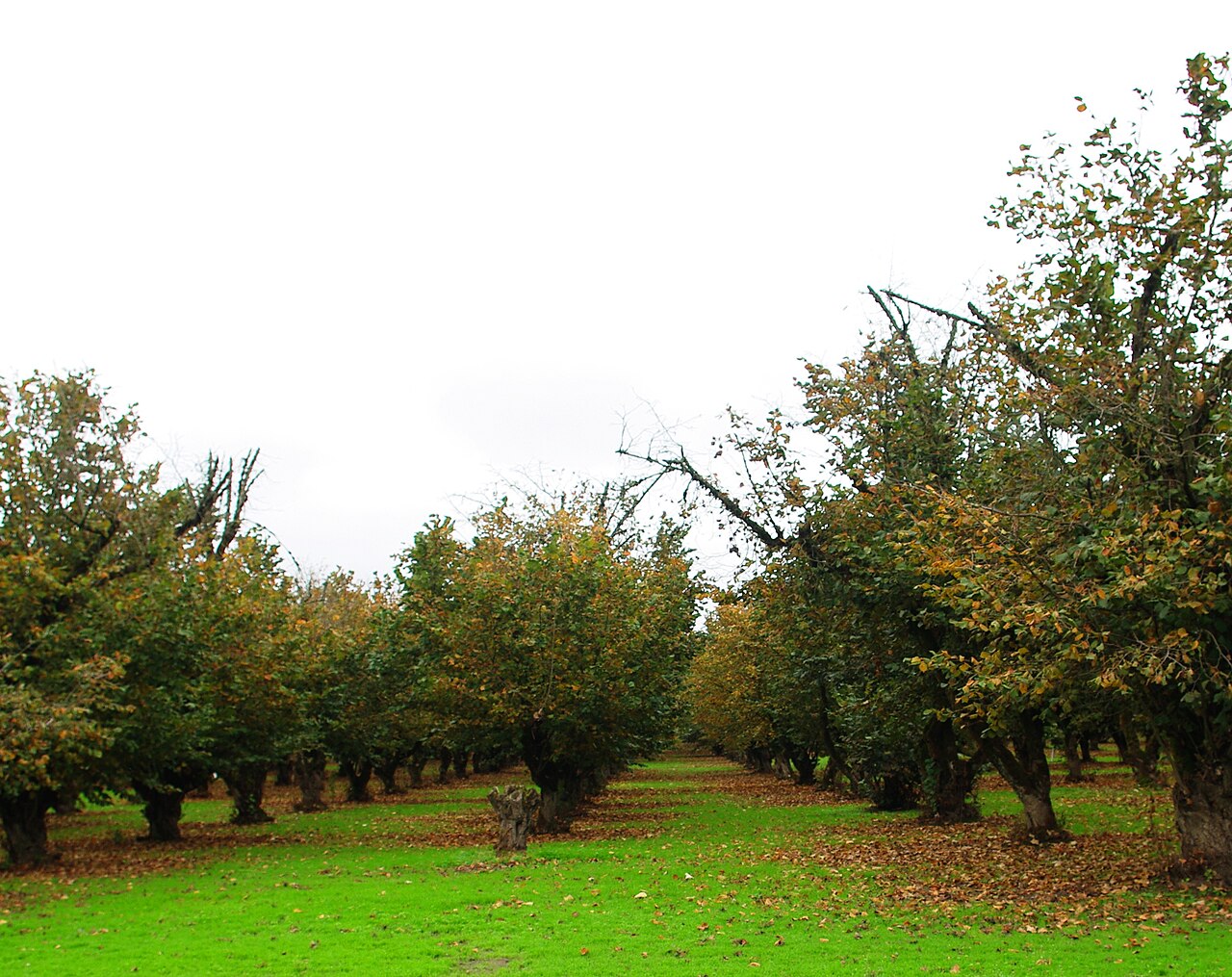
- Harvest and Mechanization: On areas larger than 3 ha in full production, a harvester becomes essential; below that, manual harvesting and processing are often financially unsustainable because labor hours are expensive.
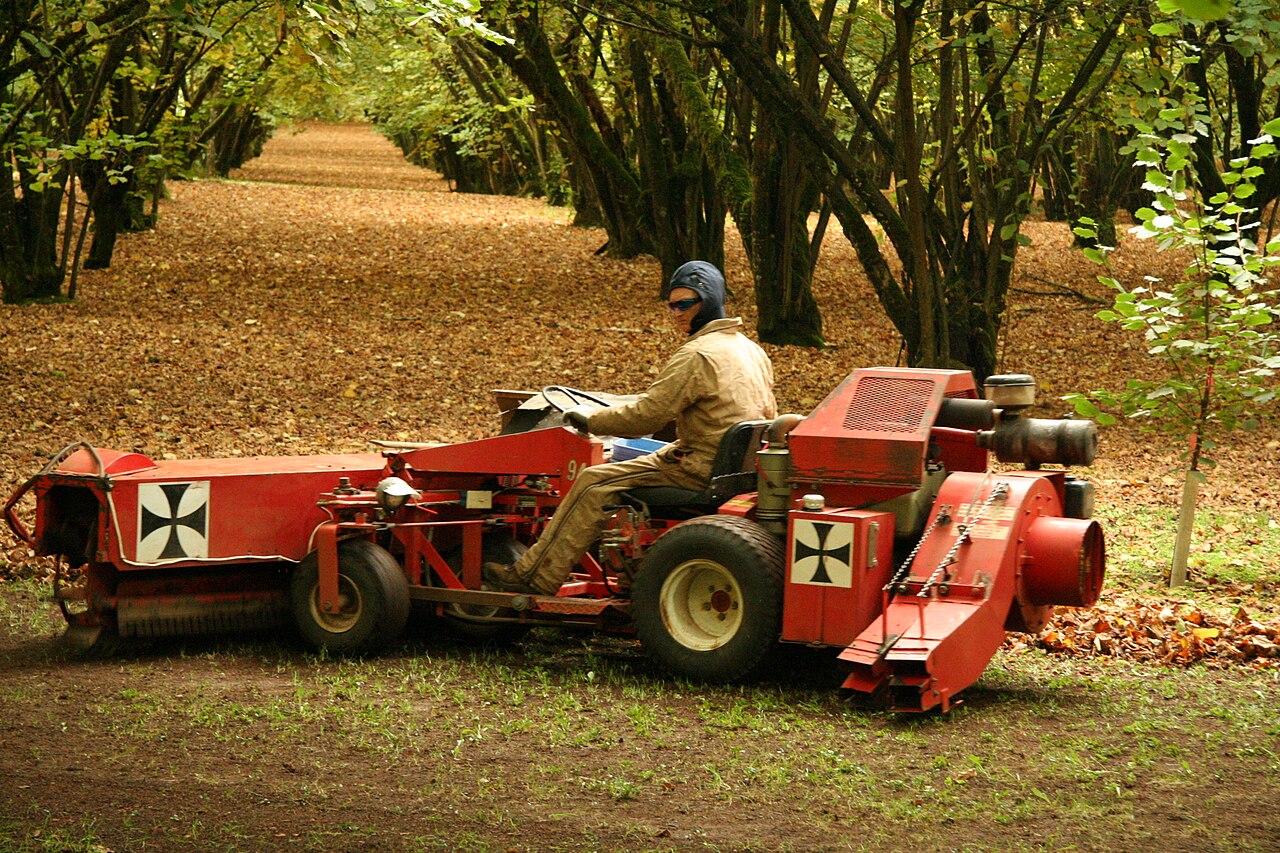
- Practical recommendation from practice: Small producers are advised to plant up to 3 ha with mandatory processing planning — because "selling raw hazelnuts alone is not enough to make a living."
- Industrial machines vs. semi-automatic: Industrial processing machines are worth buying only above ~135 kg/week (≈ 300 lbs/week) of processing; below that, semi-automatic models offer better return and take up less space (indicative, foreign source).
- Manual harvesting of processing crops is regularly not profitable — the production area must be large enough to justify mechanized harvesting and processing.
How to Calculate Economic Efficiency and Profitability
Domestic literature uses three standard indicators that are worth understanding before investing:
- Economic Efficiency (Ep) = Total Revenue ÷ Total Costs. If the result is 1, the business is at the break-even point; >1 means it is economically viable, and <1 means it is uneconomical. In the example of organic production on several hectares, the economic efficiency was calculated at 1.66 — meaning for every euro invested, the revenue is 1.66 EUR.
- Profitability (Rp) = Financial Result ÷ Total Investment (in %). In the same example, it amounts to 46 %; compare it with the bank interest rate: if it is higher than the interest rate, the capital is well invested.
- Cost Price = Total Costs ÷ Quantity of Product. If it is lower than the selling price, there is a margin; if it is higher (as 2.15 EUR/kg vs. 1.99 EUR/kg in 2021), production loses money without subsidies.
Complete Indicative Break-Even Calculation
The break-even threshold is the minimum annual processing volume at which the added value covers the fixed operating costs. Formula:
Threshold (kg/year) = Annual Fixed Cost ÷ Added Value per kg
Let's break this down with a concrete, illustrative line for drying and roasting (all amounts are indicative and depend on equipment, energy, and cultivar):
| Fixed Cost Item | Assumption | Annual Amount (EUR) |
|---|---|---|
| Equipment Depreciation | line ~30,000 EUR, 10-year life | 3,000 |
| Maintenance and Spare Parts | ~5 % of value | 1,500 |
| Energy (drying, roasting, grinding) | seasonal consumption | 2,000 |
| Permanent Labor / Partial Salary | part of seasonal engagement | 3,500 |
| Total Fixed Cost | ~10,000 EUR/year |
Assume that processing into roasted and packaged kernel creates an added value of ~1.0 EUR/kg of raw material (range from practice: 0.8–1.2 EUR/kg). Then the threshold is:
10,000 EUR ÷ 1.0 EUR/kg = 10,000 kg of raw material annually
What does this mean in hectares? At a realistic yield of 1,500–2,000 kg/ha in full production, for 10,000 kg you need approximately 5–6.5 ha of own orchard — or less with purchasing raw material from neighbors or contract processing for others. If you go into high processing (oil + flour) where added value exceeds 2.5 EUR/kg, the same fixed cost is covered with less raw material (~4,000 kg), but then capital expenditure and regulatory requirements increase, so the threshold "shifts" from volume to market and brand.
Quick Control Calculation
- Sum the annual fixed cost (depreciation + maintenance + energy + permanent labor).
- Estimate the actual added value per kg that your product carries in your market (not theoretical maximum).
- Divide (1) by (2) → minimum annual volume.
- Compare it with your own orchard. If the threshold is higher than your orchard's output, address it by (a) purchasing raw material, (b) contract processing, (c) cooperation/association, or (d) simpler, cheaper equipment.
Risks You Take by Entering Processing
By selling raw material, you transfer the risk to the buyer. By processing yourself, you buy that risk back — along with potential reward. Main risks:
- Market and Price Risk. The price of raw material and finished product fluctuates (inflation, harvest in Turkey, exchange rates). The processor must monitor market changes.
- Volume/Utilization Risk. An expensive line running at half capacity destroys the economics. Seasonality of harvest and demand creates uneven product availability; storage and processing mitigate this partially.
- Weather Events. Excessive humidity, or summer drought — therefore, investment in irrigation is recommended (e.g., in eastern Slavonia, ~100 mm of supplementary water is needed, for 5.2 ha in full production ~5,200 m³ annually; other sources cite up to 4,000 m³/ha/year). Poor harvest means less raw material for the expensive line.
- Technological Risk and Quality. Incorrect roasting, moisture, or oil oxidation destroy the product. Processing technology (e.g., temperatures) has optimal points outside of which yield and quality drop.
- Regulatory and Hygiene Risk. Food production requires a registered facility, HACCP, labeling, and certificates; organic certification is an additional cost but also a market advantage.
- Buyer Bargaining Power. Large buyers dictate standards; small processors survive through niche, brand, and direct sales.
Subsidies and Co-financing: How to Reduce Capital Risk
The largest part of the risk in processing is capital — expensive equipment purchased before the market is proven. This is exactly where the support system can be decisive, because it co-finances eligible investment costs and thus shortens the payback period. The Croatian framework today consists of the Strategic Plan of the Common Agricultural Policy (CAP) HR 2023–2027, which succeeded the earlier Rural Development Programme 2014–2020 and the pre-accession IPARD, through which many domestic orchards (e.g., Minas-zrno) acquired processing mechanization.
For the processor, these interventions are particularly important (detailed in the article on support for establishing orchards, mechanization, and processing):
- 73.10 — Investments in Primary Production: Establishing/restructuring orchards, mechanization (harvester, dryer), irrigation, warehouses.
- 73.11 — Investments in Processing: Exactly plants and machines for drying/processing (drying, cracking, sorting, packaging) — the core of this article.
- 73.12 — Support for Small Farmers and 75.01 — Establishment of Young Farmers: Lump-sum supports that help cover part of the investment.
All supports are approved and paid by APRRR (Agency for Payments in Agriculture, Fisheries and Rural Development) via the Upisnik–ARKOD–AGRONET system; the condition is the registration of the farm and correctly entered parcels. In addition to investment supports, stable annual income is provided by direct payments per hectare (Basic Income Support BISS and redistributed support CRISS) and production-linked payments — overview see in the article on APRRR support system and direct payments. Support figures and intensities (percentage of co-financing, upper limits) change by call — always check the current call text on the APPRRR and Ministry of Agriculture websites.
Subsidy is not a substitute for calculation
From practice: "the subsidy is a drop in the ocean compared to what you can get if you put in effort." Support reduces capital risk, but it does not make an unprofitable project profitable. Planting or buying equipment "for the subsidy" without a market and without orchard care regularly ends in an abandoned orchard and an underutilized line.
Practical Recommendations and Common Mistakes
Recommendations:
- Phased Entry. More experienced processors advise that you first sell raw/slightly processed nuts, and only with business growth develop products with added value. Do not buy the entire line before you have a market.
- Start with Drying (Drying + Cracking + Sorting). Smallest investment, fastest return, immediately increases value and opens doors to direct sales.
- Utilize Services and Supports. IPARD / Rural Development Measures and CAP Interventions (73.10, 73.11) for co-financing expensive mechanization and processing; processing services for others increase equipment utilization.
- Consider Cooperation/Association. A shared line of several small producers solves the volume threshold and capital threshold.
- Utilize By-products. Only a small part of the nut is the market kernel; shells, pellicle, and broken kernels can find a market (fuel/biochar, packaging, lower price tiers) and improve overall economics.
- Build Short Supply Chain and Brand. "We process everything and sell it, mostly at home" — direct sales retain the entire margin.
Common Mistakes:
- Buying an oversized/too expensive line for a small harvest → low utilization, slow return.
- Neglecting working capital (raw material, packaging, inventory).
- Entering low-margin high processing (e.g., bulk oil) without a premium brand.
- Planting "for the subsidy" and neglecting the orchard — "the subsidy is a drop in the ocean compared to what you can get if you put in effort" (fertilization, hoeing, pruning, irrigation).
- Underestimating hygiene and regulatory requirements for food production.
- Calculating only with theoretical maximum margin, not with actual cost price and the price your market pays.
Conclusion
Own processing is almost always more profitable than selling raw material — but only under three simultaneous conditions: sufficient volume (indicatively from ~3 ha upwards, or enough kilograms for the line to pass its break-even threshold — e.g., ~10,000 kg for a simple line with ~10,000 EUR fixed cost), controlled capital entry (phases, CAP/IPARD supports, processing services or cooperation instead of an overly expensive line), and a market willing to pay for added value (short supply chain, brand, niche). Under these frameworks, processing realistically yields +50–60 % on simpler products and 2–2.5× for oil and flour (example: 80,000 → 220,000 kn, or ≈ 10,600 → 29,200 EUR). Without these conditions, an expensive line becomes a burden, not an opportunity. The safest path for an average family farm: start with drying, prove the market, utilize supports, then scale to finished products.
Gallery
Sources
This text is an AI-generated summary compiled from an internal hazelnut literature collection (RAG corpus) and publicly available sources. Main sources used:
- "Economic analysis of hazelnut production" (price 2.39 → 1.99 EUR/kg, yield 1,200 kg/ha, profitability) — RAG corpus (HR, 2023)
- "Economic comparison of different hazelnut training systems" (1 ha calculation, profit) — RAG corpus (HR, 2015)
- "Foreign trade and profitability of hazelnut production" — RAG corpus (HR, 2014)
- "Investment study for the production of innovative hazelnut-based products (Corylus avellana L.)" — RAG corpus (HR, 2019); original paper: core.ac.uk
- "Economic viability of hazelnut production" (investment 260,000 HRK, 85/15 structure, profit 80,592 HRK) — RAG corpus (HR, 2022)
- "Does hazelnut cultivation have a future and how to make money" — RAG corpus (HR, 2024)
- "How to make money from hazelnuts" — uskoplje.info (HR, 2024)
- "Technology and profitability of organic hazelnut production (OPG Hobolić Alen)" (profitability/ROI formulas) — RAG corpus (HR, 2021)
- "Mechanization in hazelnut production and processing at Minas-zrno 1 company" (IPARD equipment, 7.3 ha, processing service) — RAG corpus (HR, 2021)
- Business plan for hazelnut seedling production / "Republic of Croatia — Poljinos" (working capital) — RAG corpus (HR, 2019)
- "Evaluation of Agricultural Policy Reforms in Turkey" / IPARD objectives and funds — RAG corpus (EN, 2011)
- "Growing Midwestern Tree Nut Businesses: Five Case Studies" — RAG corpus (EN, 2016)
- "Trends and Issues Relevant for the US Tree Nut Sector" (fixed/variable costs, depreciation) — RAG corpus (EN, 2020)
- "A Business Case for Integrating a Hazelnut Orchard into an Existing Arable Farm" (gross margin) — RAG corpus (EN, 2021)
- Feasibility study: multifunctional processing centre for nuts (~2.015 mil. EUR) — RAG corpus (EN, 2024)
- Elaborate on irrigation of hazelnut orchards (Glina/Sisak) — RAG corpus (HR, 2022)
- Strategic Plan of the CAP of Croatia 2023–2027 / APPRRR calls — Ministry of Agriculture and apprrr.hr (HR)
- "What are Startup Costs for Cashew/Nut Processing" / nut processing machines (equipment prices in USD, threshold ~300 lbs/week — indicative) — tondefoodmachine.com, financialmodelslab.com
- Hazelnut Market (share of processed products ~64% — indicative) — imarcgroup.com, persistencemarketresearch.com
- "Maximizing your profit margin in the edible oil industry" / low-margin oil refining — pmgrains.com
Related articles: Supports for establishing orchards, mechanization, and processing · APPRRR support system and direct payments
Recommended equipment
🔎 nut roaster — Amazon →Affiliate links — we may earn a small commission at no extra cost to you.
Handheld Nut Cracker
For processing small batches of nut kernels.
| Use Case | Option Type | What to Check Before Purchase |
|---|---|---|
| Small quantity processing | Manual lever cracker | Crushing mechanism and shell separation |
| Kernel preservation | Adjustable pressure tool | Ease of cleaning and durability |
| High volume needs | Electric cracking machine | Professional equipment for speed |