Resilient American Cultivars: Jefferson, Yamhill, Wepster, Dorris
Content generated by artificial intelligence — verify before application
This article was automatically compiled from a collection of hazelnut literature using artificial intelligence and may contain errors or outdated information. It serves as a starting point for further research, not as professional advice. Dosages, products, and timing are informative and depend on the cultivar, location, and current regulations — always consult with an advisory service and official sources before application.
The group of Oregon hazelnut cultivars — Jefferson, Yamhill, Wepster, and Dorris — represents the result of decades of breeding work by Oregon State University (OSU) focused on resistance to eastern filbert blight (EFB), a disease caused by the fungus Anisogramma anomala. These cultivars have replaced sensitive classics like Barcelona and Ennis in North America, and growing interest in them is emerging in Europe — including Croatia — due to their combination of genetic resistance, good kernel quality, and high marketable yield. In this article, we review their key traits, strengths, and limitations, as well as their realistic potential for European conditions.
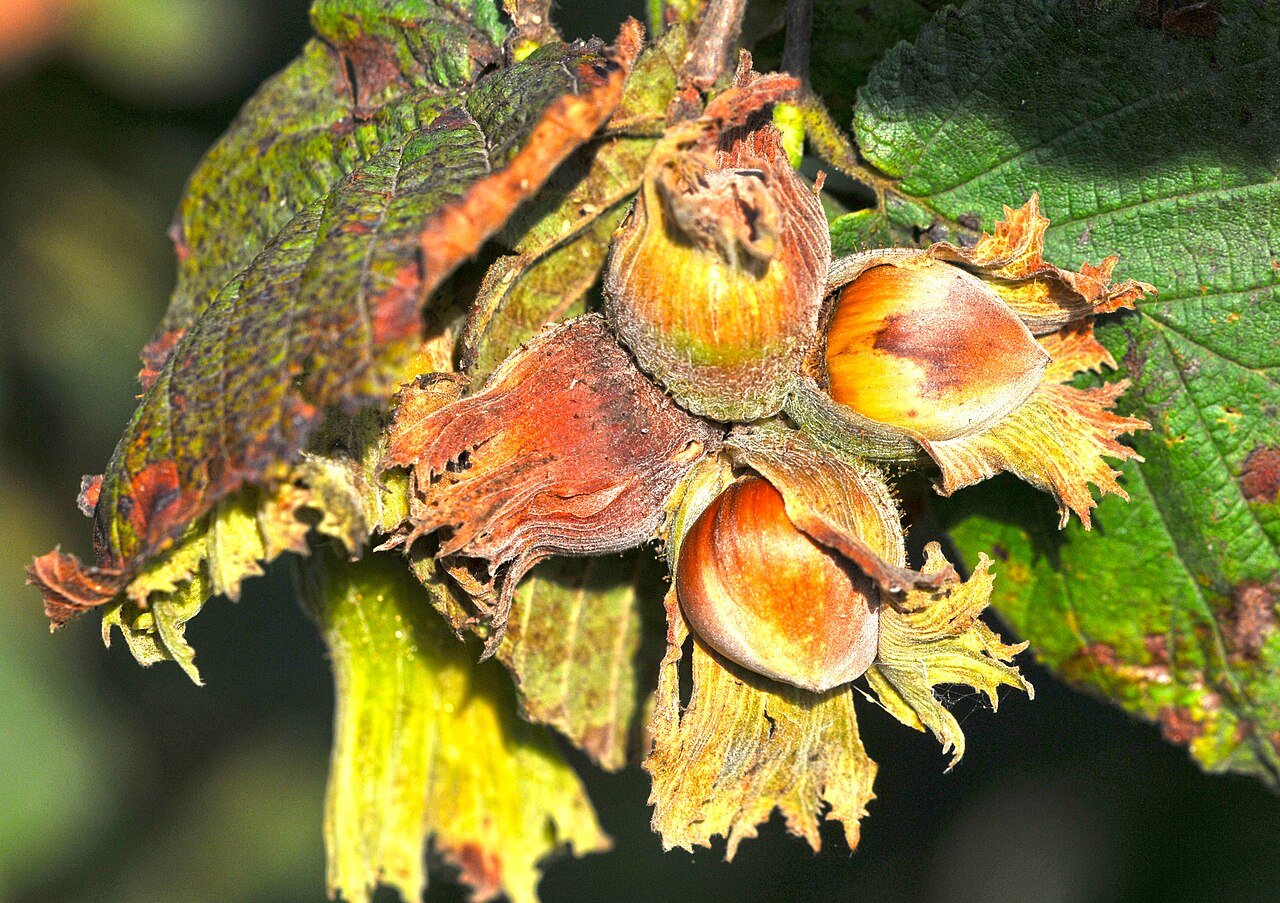
Why they were developed: EFB and the legacy of the 'Gasaway' cultivar
EFB was a less significant disease until the early 20th century, causing cankers on American hazelnut (Corylus americana). On European hazelnut (Corylus avellana), which forms the basis of commercial production, the fungus Anisogramma anomala acts much more destructively: trees develop cankers on branches, gradually drying out and collapsing. EFB is the primary reason why European hazelnut production in the USA is practically limited to the Willamette Valley in Oregon, where over 99% of American production takes place.
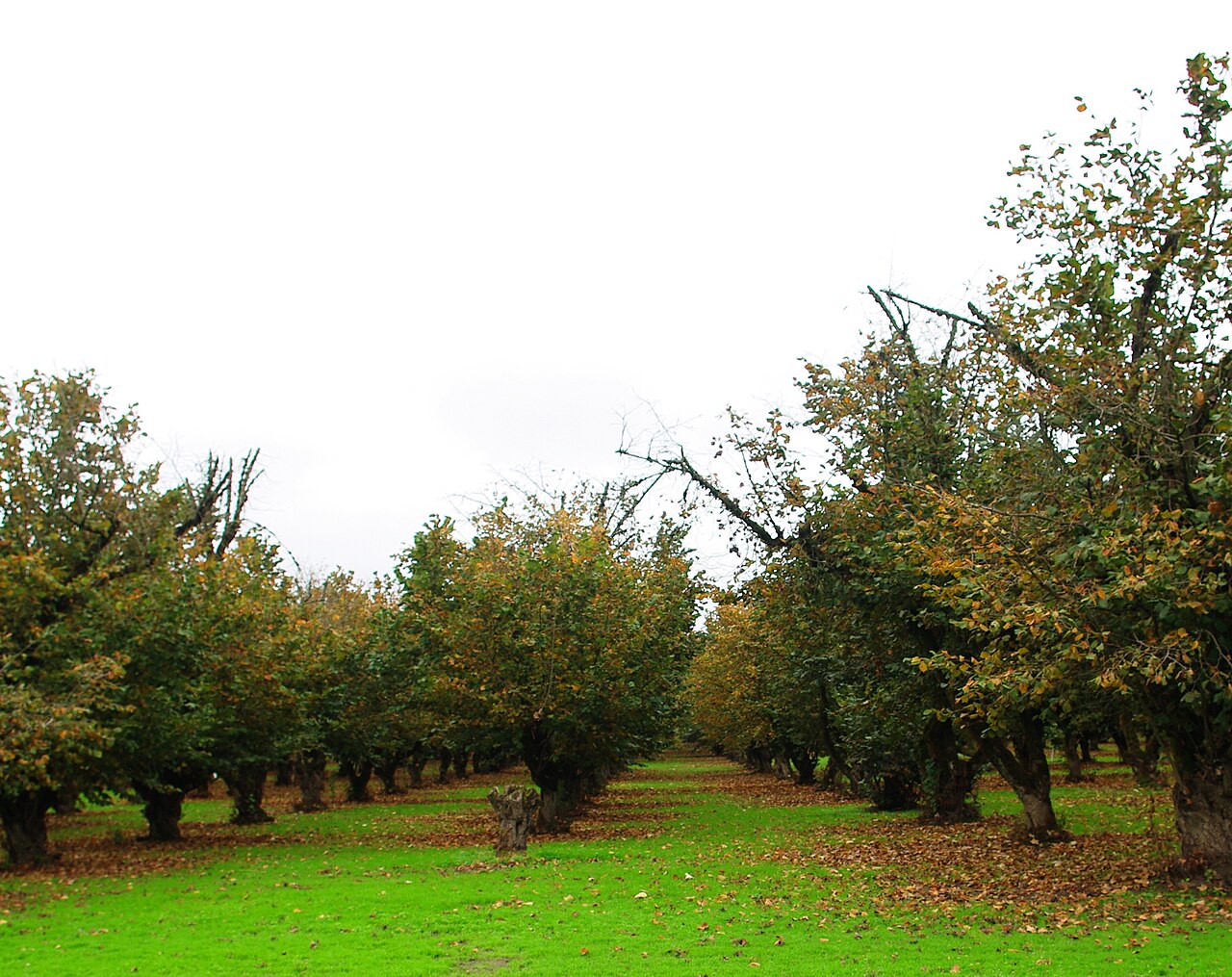
The turning point was the discovery of the cultivar (pollinizer) ‘Gasaway’ in the 1970s — the first European hazelnut found without disease symptoms. It was shown that Gasaway carries resistance controlled by a dominant allele at a single locus (so-called monogenic or qualitative, "R-gene" resistance). Although Gasaway itself had numerous horticultural flaws as a pollinizer, the OSU program crossed its resistance into a series of commercial cultivars:
Santiam, Yamhill, Jefferson, Dorris, Wepster, McDonald, and PollyO — all carry the same dominant resistance gene originating from the 'Gasaway' cultivar.
Thanks to advances in molecular genetics, the genome of the Jefferson cultivar has become the reference genome for the species Corylus avellana. A BAC genomic library with an estimated coverage of approximately 12× was created, and in 2023–2024, a nearly complete, haplotype-resolved chromosome-level genome assembly was published, directly aiding the development of molecular markers for further breeding.
Qualitative vs. Quantitative Resistance
When selecting a cultivar, it is useful to understand two types of resistance:
| Resistance Type | Mechanism | Practical Consequences |
|---|---|---|
| Qualitative (monogenic, R-gene) | Dominant allele at a single locus; near-complete immunity | Strong protection with minimal spraying, but "fragile" — a new pathogen strain can overcome it |
| Quantitative (horizontal) | Multiple alleles/genes; reduces but does not eliminate disease | More durable, but weaker; cultivars like Lewis and Clark required up to ~22 pruning/spraying cycles alongside it |
Jefferson, Yamhill, Wepster, and Dorris belong to the qualitative (monogenic) group. This means very high resistance under Oregon conditions, but also a need for caution (see the section on durability of resistance).
Overview of the four cultivars
| Cultivar | Release Year | Purpose (Market) | Vigor / Habit | Main Advantage |
|---|---|---|---|---|
| Jefferson | 2009 | In-shell, large nut | Medium; upright-spreading, open canopy | Large, uniform nut, few defects |
| Yamhill | 2008 (commercial 2008/2009) | Kernel | Low, "inverted tree" (low and wide) | Very high yield on a small tree |
| Wepster | 2013 | Blanched kernel | Medium | High early quality and yield, smaller kernel |
| Dorris | — (OSU series) | Kernel / in-shell | Medium | Good adaptability and general resistance |
Note: Years and classifications are informative and derived from literature; check the official cultivar list before planting.
Jefferson
Jefferson was released in 2009, primarily for the in-shell market. Its most distinctive features are:
- Large, attractive nut and good kernel flavor.
- Fewer defects than Barcelona: literature notes that in one season, only 17 % of nuts had defects compared to 28 % for Barcelona; defects include shriveled, poorly filled, or moldy kernels. The percentage of empty shells is significantly lower.
- Greater kernel uniformity and lower incidence of mold.
- Marketable yield equal to or better than Barcelona; nuts ripen simultaneously or up to 3 days later than Barcelona.
- Habit: medium vigor, upright-spreading, open canopy allowing good light penetration; easily maintained with occasional pruning; roots well.
- Weakness: less resistant to mites (Phytoptus avellanae) than Barcelona.
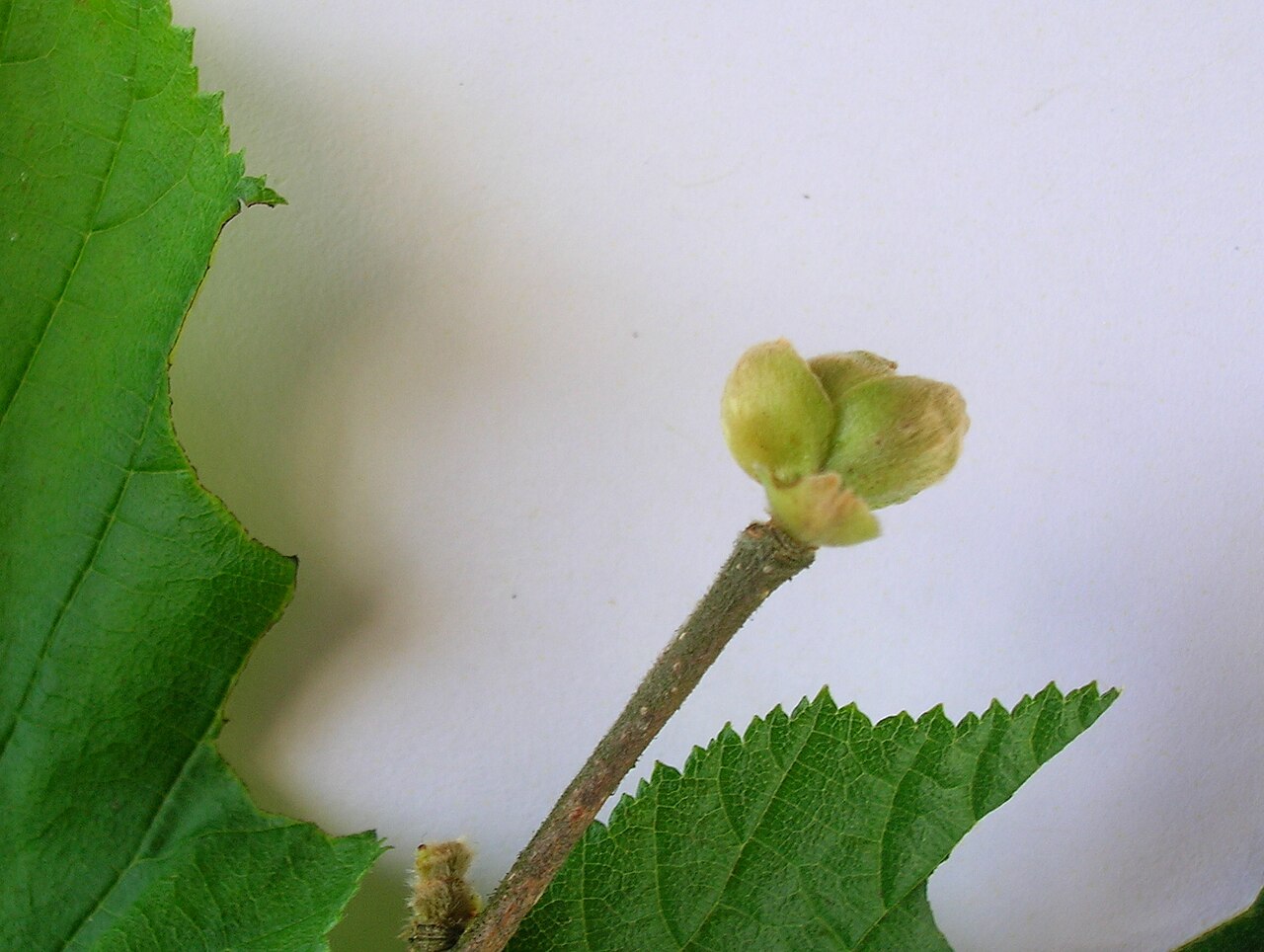
Recommended pollinizer combination for Jefferson (from literature): ‘Gamma’ (10 %), ‘Eta’ (30 %), ‘Theta’ (60 %). Jefferson itself is a good pollinizer for Dorris, Wepster, and Yamhill.
Yamhill
Yamhill is a kernel-type cultivar, known for its unusual habit:
- Low and wide tree ("inverted tree"), less vigorous than Barcelona — at a spacing of ~4.5 m in the row, it does not become overly dense after 10 years.
- Very high yield despite the small tree size; marketable yield better than Barcelona.
- Good kernel quality, texture, and flavor; blanches similarly to Lewis and Barcelona.
- Very rare defects, especially mold, although occasional poor shell filling occurs.
- Carries the resistance gene to Anisogramma anomala and high tolerance to mites (Phytoptus avellanae).
- Caution: in some years, it sets a very heavy crop, causing nuts to be so poorly filled that kernels are not marketable — important for planning pruning and thinning.
- Tolerance to bacterial blight (Xanthomonas arboricola / campestris pv. corylina) has not been fully established; in initial tests, no losses were recorded, but it is assumed to be non-tolerant.
Recommended pollinizer combination (from literature): Gamma, Santiam, and from the third group Jefferson, Delta, or Epsilon.
Wepster
Wepster was introduced in January 2013 as an alternative to Yamhill for the blanched kernel market:
- Complete resistance to EFB (monogenic, from Gasaway).
- High early quality and yield, smaller kernel, good kernel maturity and development.
- Recommended for the Willamette Valley and climatically similar regions.
- Genetically linked to related selections (in breeding, combinations with McDonald, York, and Felix are mentioned).
Dorris
Dorris belongs to the same OSU series of monogenically resistant cultivars:
- Shows good resistance to common hazelnut diseases, including bacterial blight and powdery mildew.
- Adapts well to different climatic conditions, making it interesting for various regions.
- As with others, regular protection measures and proper agronomy are required.
Pollination: Key to Success for Monogenic Cultivars
Hazelnut is monoecious but self-incompatible — a compatible pollinizer is necessary for fertilization, releasing pollen (male flowers) at the time of receptivity of female flowers.
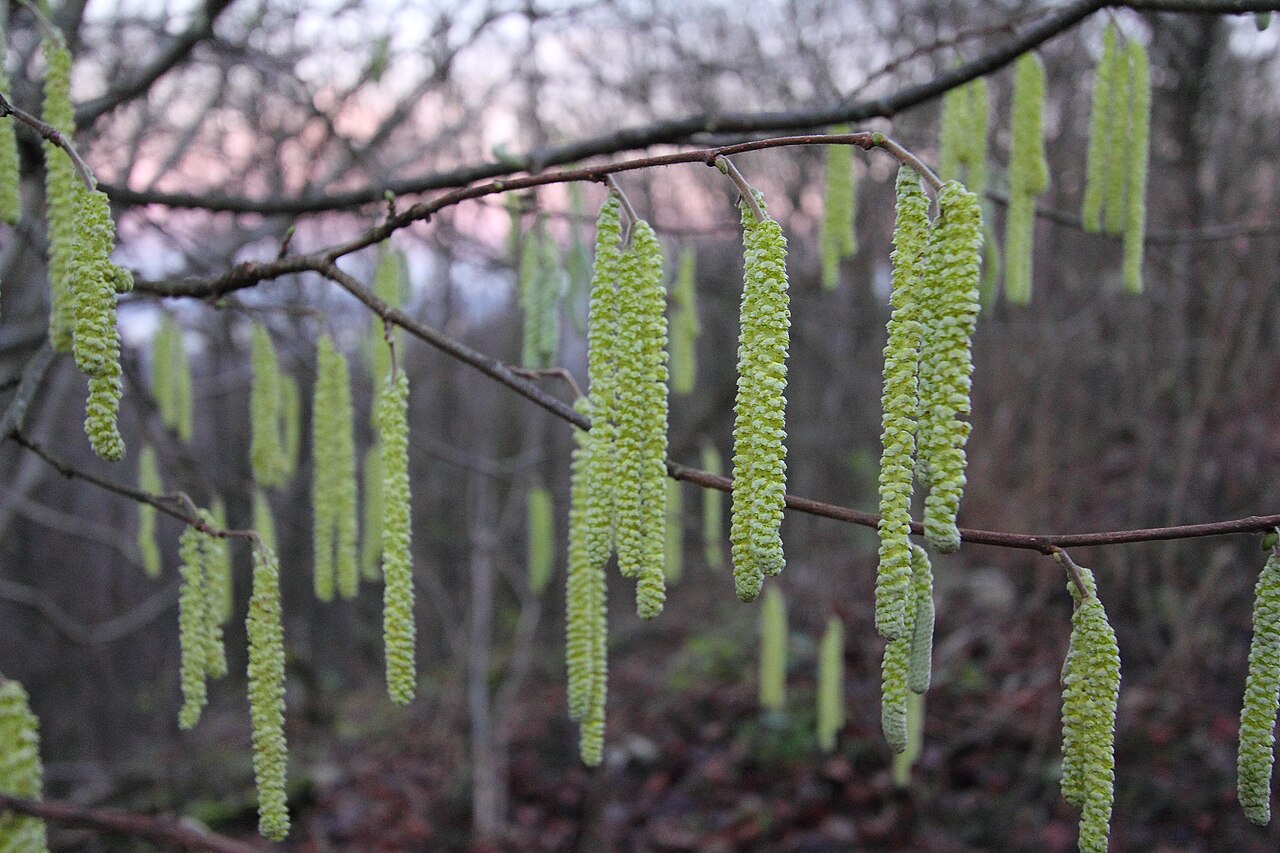
For Oregon cultivars, pollinizers are often designated by code Greek letters (Gamma, Delta, Epsilon, Eta, Theta) and names York and Felix (York sheds pollen in mid-season, Felix late).
| Cultivar | Recommended Pollinizers (from literature) |
|---|---|
| Jefferson | Gamma (10 %), Eta (30 %), Theta (60 %) |
| Yamhill | Gamma, Santiam + (Jefferson / Delta / Epsilon) |
| Wepster | McDonald, York, Felix |
| Dorris | York, Yamhill, McDonald |
Practical rule: plant at least 2–3 different pollinizers distributed throughout the orchard (often ~10 % of trees), with overlapping flowering of the target cultivar. Use only EFB-resistant pollinizers — a sensitive pollinizer becomes a reservoir of infection and an entry point for the disease.
Durability of Resistance — Most Important Warning
Monogenic resistance is strong but "fragile". Literature and recent sources clearly indicate several warnings:
- New strains/races of Anisogramma anomala can overcome resistance. Official Oregon sources note that "new strains of the fungus can infect many previously resistant trees." Recent analyses mention the appearance of a new pathogen race in western Oregon and infection on cultivars with the Gasaway gene, including Dorris, Jefferson, Wepster, and Yamhill.
- Geographical variability. The same cultivars behave differently depending on the pathogen population: in trials in New Jersey, almost all selections with R-genes mapped to the linked group LG6 (including Gasaway-allele carriers) showed severe infections (232 out of 266, ~87 %), unlike in Oregon. This means that resistance proven in Oregon may not hold elsewhere.
- Breeding direction. Due to this, research is increasingly turning towards new and additional sources of resistance (e.g., genes mapped to LG1, LG2, LG4, LG6, LG7 from C. americana hybrids) and combining multiple genes for more durable protection.
Conclusion for the grower: treat the resistance of these cultivars as valuable, but not absolute protection. Monitor the orchard, remove cankers, and do not rely solely on a single gene.
Potential for European and Croatian Conditions
For the European (and Croatian) context, several points should be highlighted:
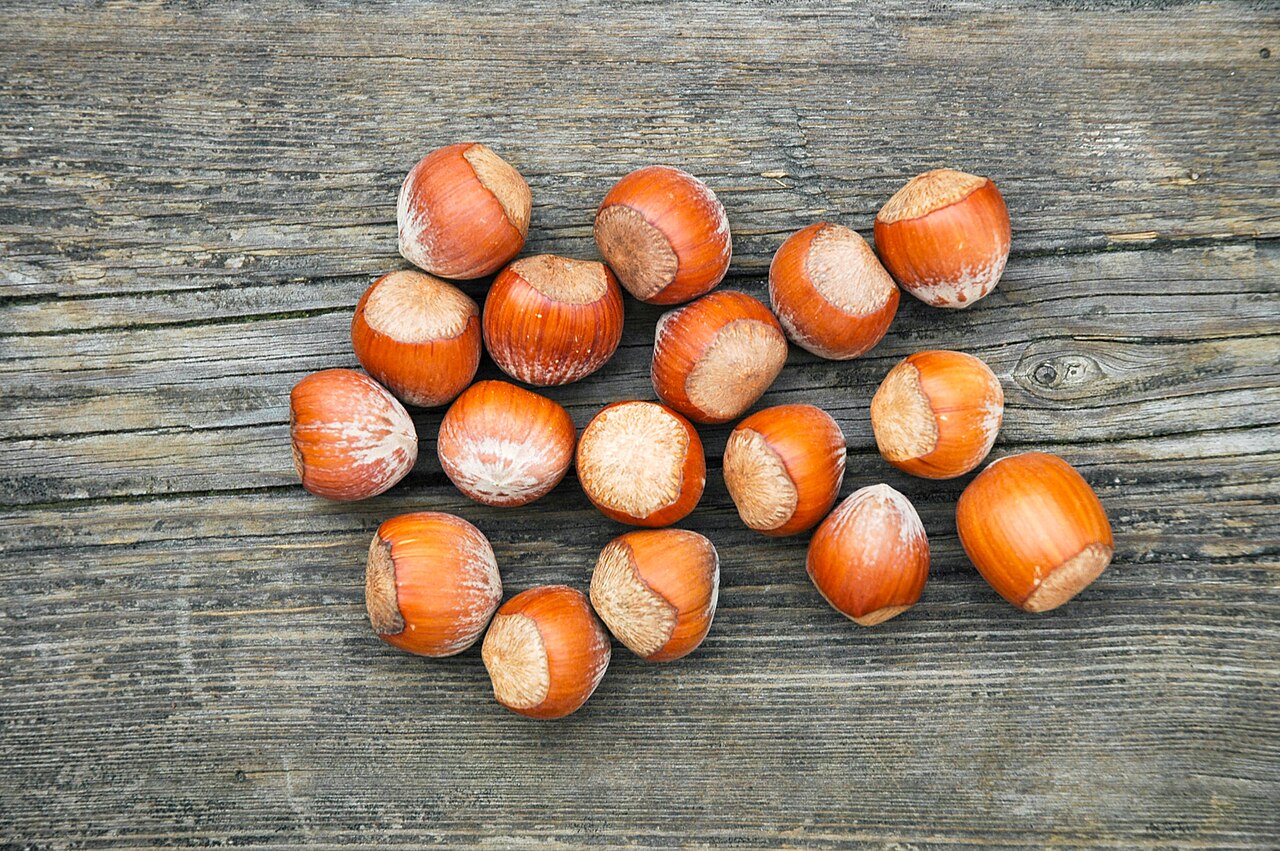
- EFB is currently not a limiting factor in Europe in the same way it is in North America; Anisogramma anomala is subject to phytosanitary surveillance in Europe (EPPO). Therefore, the main commercial advantage of these cultivars in the USA (EFB resistance) may be less decisive in Europe, while their agronomic traits come to the fore: high marketable yield, kernel quality and uniformity, and suitability for mechanical harvest (compact habitus of Yamhilla).
- Bacterial blight (Xanthomonas arboricola pv. corylina) is present and a significant disease in Southeast Europe (recorded, for example, in Montenegro on the cultivar Halski Džin). Resistance of these cultivars to bacterial blight has not been fully established — for Yamhilla and others, tolerance to bacterial blight is presumed to be low, so this should be taken into account.
- Cultivar list. Cultivars such as Yamhilla (and related ones) are explicitly stated in the literature as not yet included in the Cultivar List of the Republic of Croatia and formally untested under domestic growing conditions. Before planting and any import of planting material, you must verify the current Cultivar List, phytosanitary regulations, and material status with the competent authorities and advisory services.
- Climate adaptation. Oregon’s climatic conditions (moderate, humid, mild) differ from parts of Croatia; traits such as winter hardiness and performance in warmer/drier conditions should be verified locally, ideally through trial orchards.
Practical Recommendations and Common Mistakes
- Do not plant a monoculture of a single cultivar without pollinizers. Plan for 2–3 compatible, EFB-resistant pollinizers with overlapping flowering times.
- Do not assume that “resistant” equals “indestructible.” Monogenic resistance may break down against new pathogen strains; maintain monitoring and orchard hygiene.
- Watch for physiological crop load stress in Yamhilla — excessive yield can result in poorly filled, market-unusable kernels; appropriate pruning and, if necessary, thinning help.
- Match the cultivar to the market: Jefferson for in-shell nuts (large, attractive), Yamhill/Wepster/Dorris primarily for kernel/blanched markets.
- Check legal status before planting (Croatian Cultivar List, origin and health status of seedlings, phytosanitary permits).
- Pay attention to secondary pests/diseases: for example, Jefferson is more susceptible to mites than Barcelona, while Yamhilla shows good tolerance to mites.
Summary
Jefferson, Yamhill, Wepster, and Dorris are Oregon cultivars selected primarily for monogenic resistance to EFB derived from the “Gasaway” cultivar, along with high marketable yield and good kernel quality. Jefferson stands out with its large nut for the in-shell market and serves as the reference genome for the species; Yamhilla with its compact tree and high kernel yield; Wepster with its blanched kernel; and Dorris with its adaptability. For Europe, their agronomic traits may be attractive, but EFB resistance carries less weight than in the USA, resistance to bacterial blight is not sufficiently confirmed, resistance is “fragile” against new pathogen strains, and status on the Croatian Cultivar List should be verified before planting.
Gallery
Sources
This article is an AI-generated summary compiled from an internal literature collection on hazelnuts (RAG corpus) and publicly available sources. Main sources used:
- Mehlenbacher S. A. et al. — cultivar descriptions from the OSU program (Santiam, Yamhill, Jefferson, Dorris, Wepster, McDonald, PollyO), 2007–2019.
- Sathuvalli V. & Mehlenbacher S. A. — genomic and molecular work on the Jefferson cultivar resistance locus (BAC library, ~12× coverage).
- Snelling J. et al. — “A haplotype-resolved chromosome-level assembly and annotation of European hazelnut (C. avellana cv. Jefferson)…“ — https://doi.org/10.1101/2023.09.21.558899 and https://pmc.ncbi.nlm.nih.gov/articles/PMC11152071/
- “Eastern filbert blight resistance in American and hybrid hazelnut” — https://doi.org/10.21273/JASHS04732-19
- “Response of Resistant Hazelnut Cultivars to Eastern Filbert Blight in the Pacific Northwest”, Plant Health Progress — https://apsjournals.apsnet.org/doi/10.1094/PHP-11-21-0136-RS
- “Variable response of eastern filbert blight…” / “Emergence of a New Race of the Eastern Filbert Blight Pathogen…” (OSU theses and articles on new strains of A. anomala).
- Oregon State University, College of Agricultural Sciences — “Managing Eastern Filbert Blight” / “Plant Resistant Cultivars” — https://bpp.oregonstate.edu/efb/managing-eastern-filbert-blight and https://bpp.oregonstate.edu/efb/management/plant-resistant-cultivars
- “New Information for 2025/2026”, OSU — https://bpp.oregonstate.edu/efb/new-information-2025
- “Oregon Hazelnut Varieties in a Nutshell” and “A Look at Newer Hazelnut Varieties”, West Coast Nut — https://www.wcngg.com/2021/05/14/oregon-hazelnut-varieties-in-a-nutshell/ and https://wcngg.com/2020/09/17/a-look-at-newer-hazelnut-varieties/
- “Jefferson Hazelnut”, Let's Grow Together — https://letsgroworegon.wordpress.com/hazelnuts/jefferson-hazelnut-tree/
- “Nove sorte lijeske”, Gospodarski list (Croatian descriptions of Yamhill and Jefferson cultivars, pollinizers, habitus).
- “Sorte lijeske iz Amerike — kratki vodič” (Croatian overview of Jefferson, Yamhill, Dorris, McDonald, Lewis, Clark, Sacajawea).
- George Packing Company — “Grower's Guide” (2024/2025) — cultivar lists and pollinizer combinations.
- EPPO Bulletin, PM 7/90 (2) Anisogramma anomala, 2024. — https://onlinelibrary.wiley.com/doi/10.1111/epp.13001
- Proceedings of the XVII Symposium on Plant Protection (2023) — hazelnut bacterial blight (Xanthomonas arboricola pv. corylina).