Soil pH Correction and Liming (Calcification)
Content generated by artificial intelligence — verify before application
This article was automatically compiled from a collection of hazelnut literature using artificial intelligence and may contain errors or outdated information. It serves as a starting point for further research, not as professional advice. Dosages, materials, and timing are informative and depend on the cultivar, location, and current regulations — always consult with an advisory service and official sources before application.
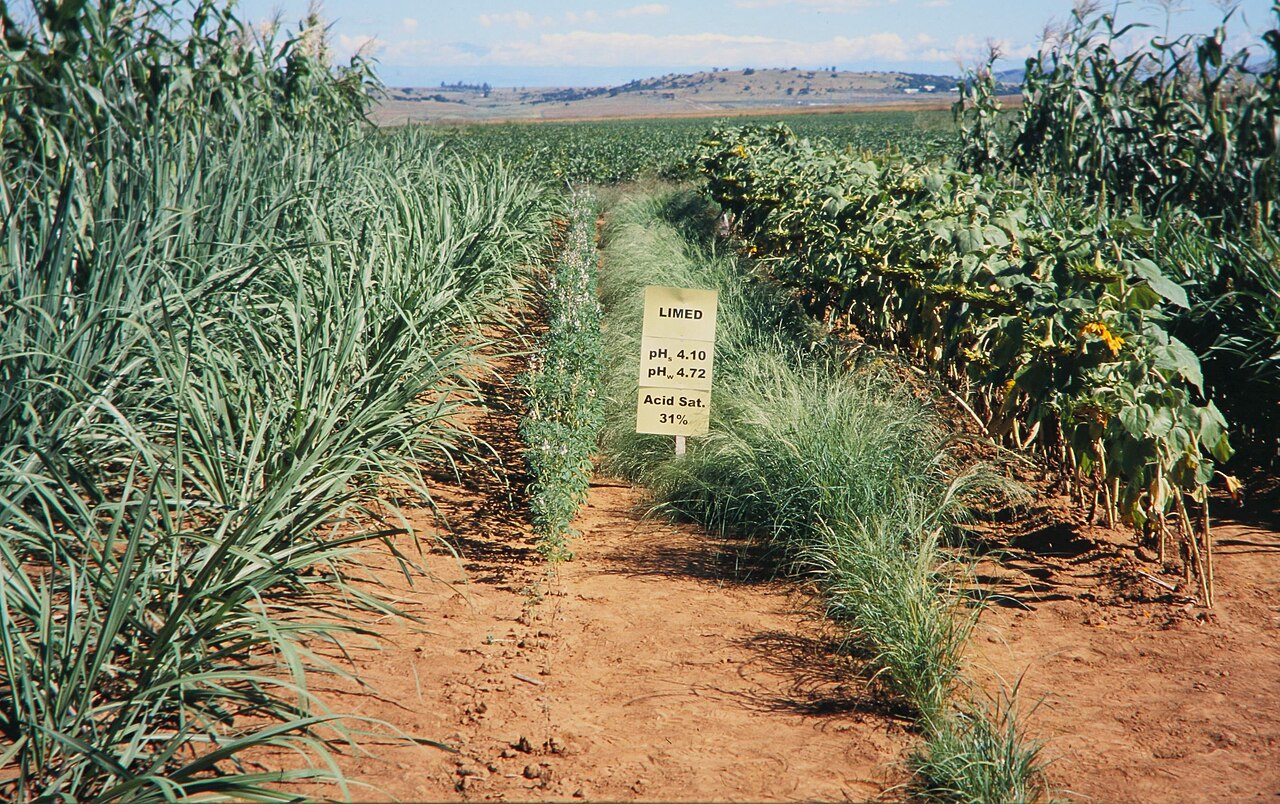
Soil reaction (pH) is one of the most important factors of fertility and one of the few that you can thoroughly correct in a permanent hazelnut orchard only before planting, while the soil is still open for deep tillage. pH directly controls nutrient availability, microbial activity, and root development, so an incorrect soil reaction can "hold back" the orchard for years regardless of how much you fertilize. This article explains what pH range is optimal for hazelnut, how to correct acidic soil by liming (calcification), how to approach alkaline (carbonate) soils where hazelnut suffers from chlorosis, and how to roughly dose lime materials based on soil analysis results.
Optimal pH range for hazelnut
Hazelnut (Corylus avellana) is relatively tolerant to soil reaction and can exist in a wide range, but regular and quality yields are achieved only in a narrower, targeted band.
- Optimal pH (measured in KCl): 5.5 – 6.5. This is the range that Croatian cultivation guides cite as the target value when selecting and preparing the site.
- Tolerant (extended) range: 5.0 – 8.0. Hazelnut "grows well" even outside the optimum, tolerating carbonate clays and stony soils, but at the edges of the range, risks increase (acidity or chlorosis).
- Practical note from literature: some guides recommend adjusting to pH 6.0 – 6.5, with the honest remark that this is "often a utopia in practice" — meaning the goal is to approach the optimum, not necessarily to hit the exact value.
For comparison, international (PNW/Oregon) practice for hazelnut cites an optimum of approximately pH 5.5 – 7.5, noting that orchards grow well from pH 5.0 to 7.0, and in Turkey, hazelnuts are grown on soils with a pH around 4.3 without apparent problems. This confirms that hazelnut is a tolerant species, but it does not change the fact that for intensive, profitable cultivation, the target is slightly acidic to neutral soil.
| pH (KCl) | Soil Reaction Rating | Approach for Hazelnut |
|---|---|---|
| < 4.5 | strongly acidic | mandatory calcification, higher doses, gradually over several years |
| 4.5 – 5.5 | acidic | calcification before planting, dose according to pH and soil type |
| 5.5 – 6.5 | optimal (target) | maintain; corrective only according to analysis |
| 6.5 – 7.2 | neutral to slightly alkaline | usually no liming; monitor micronutrients |
| > 7.2 (with active lime) | alkaline/carbonate | risk of ferro-chlorosis; do not lime, see section on alkaline soils |
pH-H₂O vs. pH-KCl
Croatian soil analyses most commonly report pH in KCl (pH-KCl), which is approximately 0.5 – 0.8 units lower than pH measured in water (pH-H₂O). When comparing domestic and foreign recommendations, always check which method is used to avoid unnecessary (or insufficient) liming. The values and doses below are informative and must be aligned with the specific laboratory finding.
Why pH is so important
pH does not act directly on the plant as much as indirectly, through soil chemistry:
- Nutrient availability. In overly acidic soil, part of the phosphorus is blocked and there is a risk of aluminum and manganese toxicity; in alkaline soil (high pH with active lime), iron becomes poorly available, causing chlorosis.
- Microbiological activity. Beneficial microorganisms (including those that decompose organic matter and mineralize nitrogen) are most active in slightly acidic to neutral soil.
- Structure and fertilization efficiency. Under unfavorable pH, part of the applied mineral fertilizers remains unused — you pay for nutrients the plant cannot uptake.
This is why pH correction is planned together with meliorative fertilization and organic matter input, not as an isolated measure.
Liming (Calcification) of Acidic Soils
Calcification (liming, calcification) is the input of materials containing calcium to neutralize excess acidity and raise pH. For hazelnut, this is a pre-planting operation: lime materials are most effectively incorporated into the soil at the depth of planting preparation (deep plowing / subsoiling), where they act long-term, for several years.
When to lime
- When soil analysis shows pH below the optimum (orientational pH-KCl < 5.5), and especially for strongly acidic soils (pH 4 – 5).
- The decision and exact dose must always be based on a chemical soil analysis (pH, % humus, P, K, Mg, and if possible, hydrolytic acidity / lime requirement).
- Documented example from practice: at a site with extremely acidic soil (pH 4 – 5), calcification is carried out by spreading lime material to neutralize harmful acidity, along with simultaneous input of organic matter.
How and when to apply
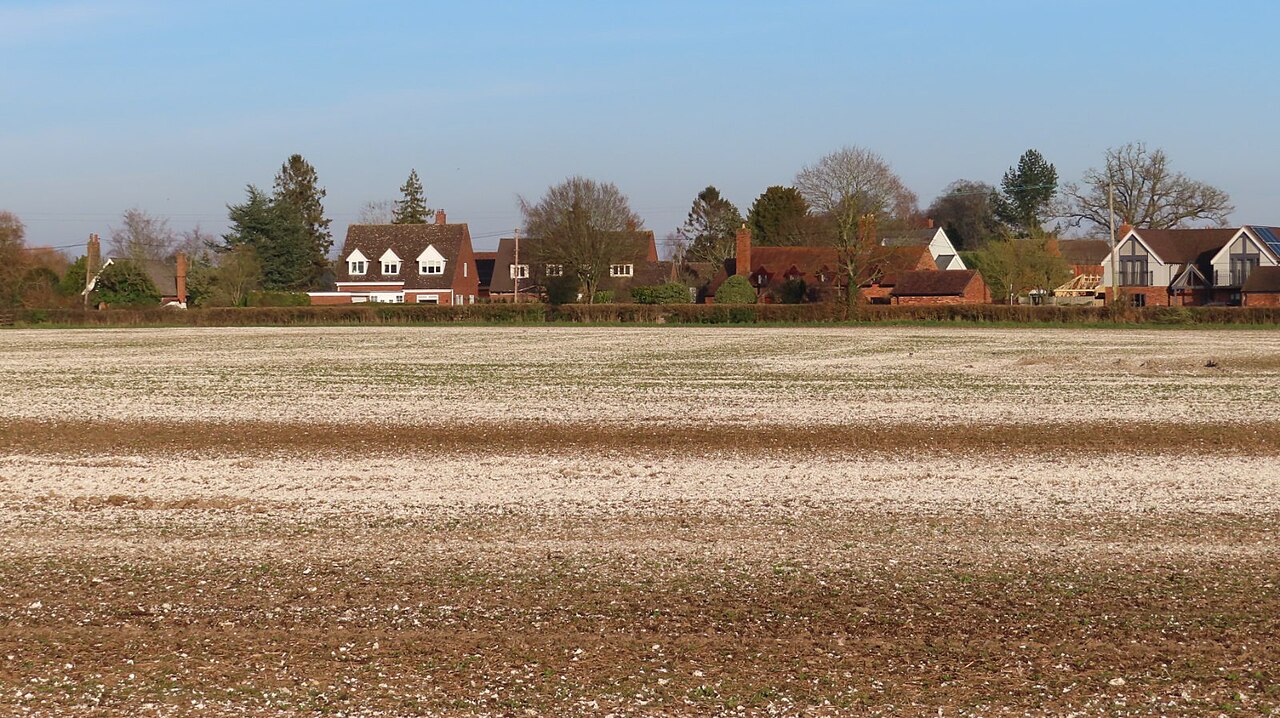
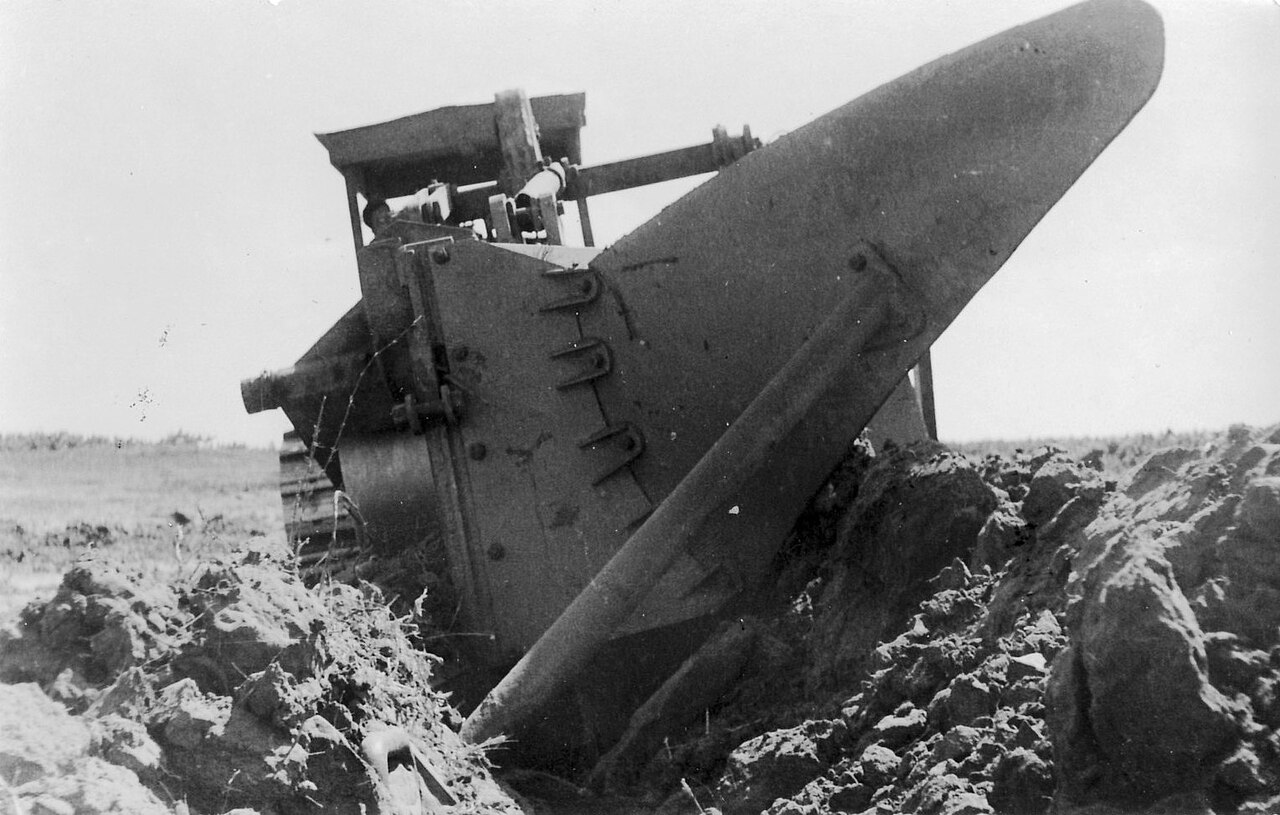
- Timing: calcification should be carried out at least 3 months before planting; some literature recommends even earlier — up to two years before planting for larger corrections, with meliorative fertilization one year later. A minimum of a few weeks before planting is considered the upper limit of "too late".
- Incorporation into soil: limestone is spread over the entire surface and plowed in at the preparation depth (deep plowing to about 40 – 50 cm). Lime left on the surface acts slowly and shallowly.
- Distribution through the profile (fruit growing practice): it is recommended, for example, to spread and deep-plow 2/3 of the dose (to ~50 cm) in the first year of preparation, and plow in 1/3 of the dose shallower (20 – 25 cm) in the year preceding planting.
- Gradualness: for strongly acidic soils, the entire large dose is not applied at once — a sudden change in reaction can block micronutrients and disrupt microbial activity. Therefore, pH correction is usually repeated over 3 – 4 years, not forced in one season.
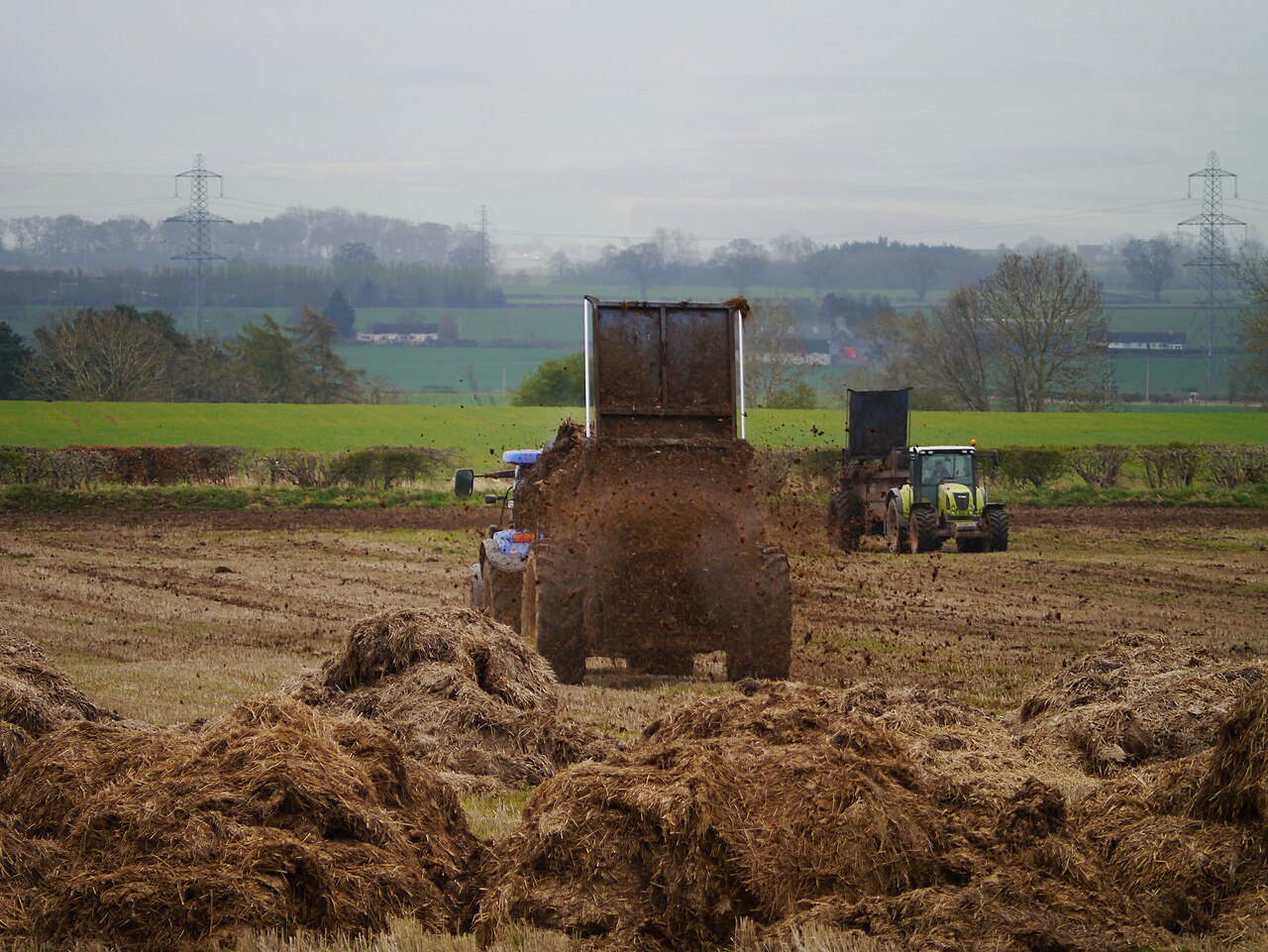
- Always with organic matter: calcification should not be carried out without simultaneous input of organic matter (farmyard manure, compost). For Croatian soils with 1 – 5% organic matter, an approximate input of 20 – 40 t/ha of farmyard manure is recommended.
Dosing lime materials
The amount of lime depends on the pH value, soil type, incorporation depth, and type and fineness (grind) of the material. Below are two consistent schemes from Croatian hazelnut literature — use them as an orientation, and determine the final dose based on the finding and recommendation of the advisory service.
Scheme A — dose according to measured pH (ground limestone, incorporated at preparation depth):
| Soil pH | Limestone Dose (t/ha) |
|---|---|
| < 5.2 | 4 – 5 |
| 5.2 – 5.6 | 3 – 4 |
| 5.6 – 5.9 | 2 – 3 |
| 5.9 – 6.2 | 1 – 2 |
Scheme B — range from the Ministry of Agriculture guide: for acidic soils, 4 – 12 t/ha CaCO₃ is applied, depending on the degree of acidity and soil type; the goal is to adjust the reaction to pH 6.0 – 6.5. Higher values in the range refer to strongly acidic and heavier (clayey) soils.
Annual "safety" maximum (when correction is spread over years): according to fruit growing guidelines, it is recommended to add at most about 3 t/ha of calcium carbonate, or 1.5 – 2 t/ha of slaked lime or 1 t/ha of quicklime (unslaked lime). For more acidic soils, the total dose can be increased 2 – 3 times, but it is still split over several seasons.
All doses are informative
The quantities mentioned depend on the purity and fineness of the material, incorporation depth, soil texture, and target pH. The recommendation based on your soil analysis (including lime requirement / hydrolytic acidity) is authoritative. Follow label instructions and current regulations.
Selection of lime material
| Material | Chemical Composition | Speed of Action | Note |
|---|---|---|---|
| Ground limestone | CaCO₃ | slow, long-lasting | most common, safest for incorporation in soil preparation; finer grind = faster action |
| Dolomite (dolomitic lime) | CaMg(CO₃)₂ | slow | adds magnesium — suitable for soils poor in Mg |
| Slaked lime | Ca(OH)₂ | fast | stronger and faster; dose approximately half that of CaCO₃; caution with overdosing |
| Quicklime (unslaked) | CaO | very fast | strongest; smallest dose; requires careful handling |
| Saturation sludge / industrial Ca materials | various (often CaCO₃) | slow–medium | use only with known composition and permission |
As rough rules: the finer the material is ground, the faster it acts; oxides and hydroxides (quicklime and slaked lime) act faster and stronger, so they are dosed in smaller quantities than carbonates.
Alkaline and carbonate soils: a different problem
On the opposite end of the spectrum are alkaline (basic) and carbonate soils with high pH and, crucially, high active lime content. In these cases, liming is not the solution — it would worsen the condition.
Why they are problematic
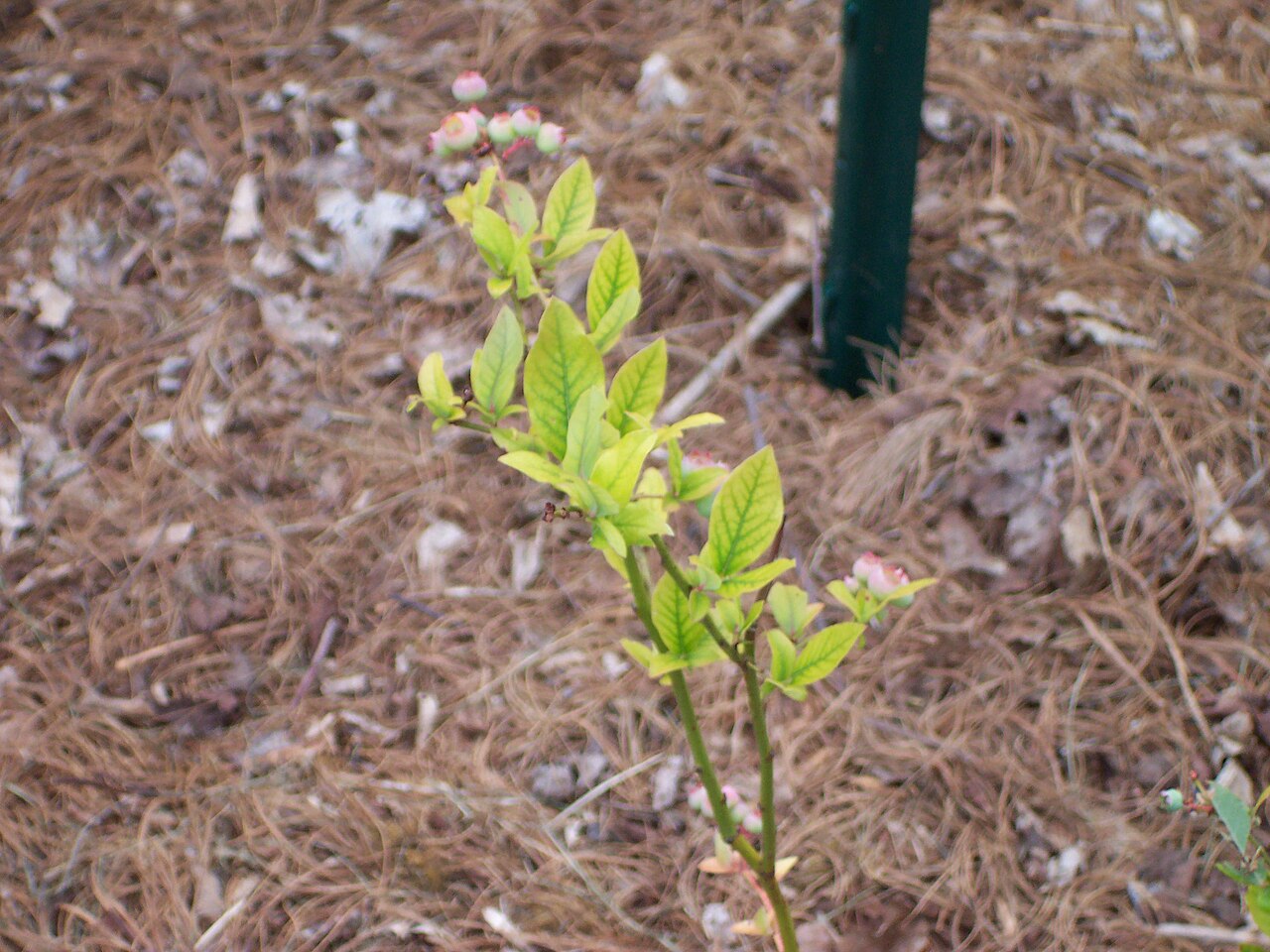
- Hazelnut grows poorly on more carbonate and alkaline soils with pH above 8.0 because, due to iron nutrition disturbances, it is susceptible to ferrous chlorosis (yellowing) — yellowing of leaves (first between the veins), reduced growth, and lower yield.
- When establishing larger orchards, it is advisable to avoid heavy soils with higher amounts of active lime already during the site selection phase. The best "correction" for alkaline soil is often — do not plant hazelnuts on it.
What can be done if planting anyway
Correcting pH downwards is much more difficult, expensive, and short-lived than liming acidic soils. Measures are mostly mitigating, not permanent:
- Selection of rootstock/cultivar and location more tolerant to lime, where possible.
- Increase organic matter (manure, compost, green manure) — improves structure and accessibility of micronutrients.
- Foliar application of iron (Fe-chelates) and other micronutrients as a symptomatic measure against chlorosis during the growing season.
- Rhizosphere acidification through the application of physiologically acidic fertilizers (e.g., ammonium forms of N) and, locally, elemental sulfur — with caution, as on carbonate soils with high active lime content, the effect may be weak and short-lived; sulfur acts only partially and slowly when large amounts of CaCO₃ are present.
- Correction of spray water/irrigation water pH for foliar fertilization and protection: on hard, carbonate water, an acidifier (e.g., products like "pH minus"/regulators) is used to neutralize carbonate ions; the optimal spray pH is around 6.3 – 6.5. This does not change soil pH but improves the efficacy of products.
Elemental sulfur and acidifying fertilizers
Lowering soil pH with sulfur or acidic fertilizers requires knowledge of the active lime content and buffer capacity of the soil. Overdosing and unprofessional application can harm the orchard and the environment. Dosages, products, and timing must be strictly aligned with soil analysis, product labels, and advisory services.
Practical recommendations and common mistakes
- Analysis first, then action. Without soil results (pH, humus, P, K, Mg, and if possible, active lime/lime requirement), any liming is a guess. In an established orchard, analysis should be repeated approximately every 5 years.
- Do not leave lime on the surface. The greatest benefit comes from incorporation into the depth during soil preparation; surface-applied lime acts slowly and only on the top layer.
- Do not apply the full dose at once. A sudden rise in pH blocks micronutrients; divide large corrections over 2 – 4 years.
- Always combine with organic matter. Calcification without the addition of organic matter depletes humus and reduces long-term fertility (in trials, liming raised pH, P, and K, but lowered humus).
- Limestone ≠ slaked/quicklime. Oxides and hydroxides require lower doses and act faster — do not apply a limestone powder dose as if it were slaked lime.
- Alkaline soil is not "fixed" by liming. On carbonate soils, the problem is iron chlorosis, not acidity; solutions are organic matter, micronutrients, and, above all, good site selection.
- Align with water and sprays. Hard carbonate water reduces the efficacy of foliar fertilization and protection — regulate spray pH.
- Expect repetition. Soil reaction tends to revert to its natural state over time; maintaining pH is a continuous, not a one-time, measure.
Sources
This article is an AI-generated summary compiled from an internal hazelnut literature collection (RAG corpus) and supplemented with public sources. Main sources used:
- Ministry of Agriculture / Croatian Agency for Agriculture and Food — Hazelnut Cultivation Guide (savjetodavna.hr), 2024.
- PDF Hazelnut Cultivation (pdfcoffee), 2009. — limestone doses according to pH.
- Establishing New Orchard Plantings — Technological-Economic Guidelines, 2006. — annual maximums and gradual calcification.
- Proceedings of the 13th Scientific-Professional Conference of Croatian Fruit Growers, 2018. — impact of calcification on pH, P, K, and humus.
- Mechanization in Hazelnut Production and Processing (Minas-Zrno), 2021. — soil preparation, meliorative fertilization, pH range 5.0–8.0.
- Technology and Economics of Organic Hazelnut Production (OPG Hobolić), 2021. — correction of acidic and poor soils.
- Impact of Low Temperatures on Hazelnut Frost Damage (diploma thesis), 2021. — ferrous chlorosis on alkaline soils (pH > 8.0).
- Technological Guide for Foliar Fertilization of Hazelnuts, 2021. — correction of spray/irrigation water pH.
- HAZELNUT EKO 2023 — Protection (presentation), 2023. — spray pH regulation (pH minus, optimum ~6.3).
- Agroklub — Agromelioration for Correcting Acidic or Alkaline Orchard Soil — agroklub.com
- OSU Extension — Growing Hazelnuts in the Pacific Northwest: Orchard Nutrition (EM 9080) — extension.oregonstate.edu
- OSU Extension — Applying Lime to Raise Soil pH for Crop Production (Western Oregon) (EM 9057) — extension.oregonstate.edu