Kernel Composition, Nutritional Profile, and Bioactive Compounds
AI-Generated Content — Verify Before Application
This article was automatically compiled from a collection of hazelnut literature using artificial intelligence and may contain errors or outdated data. It serves as a starting point for further research, not as professional advice. Dosages, products, and timing are informative and depend on the cultivar, location, and applicable regulations — always consult with an advisory service and official sources before application.
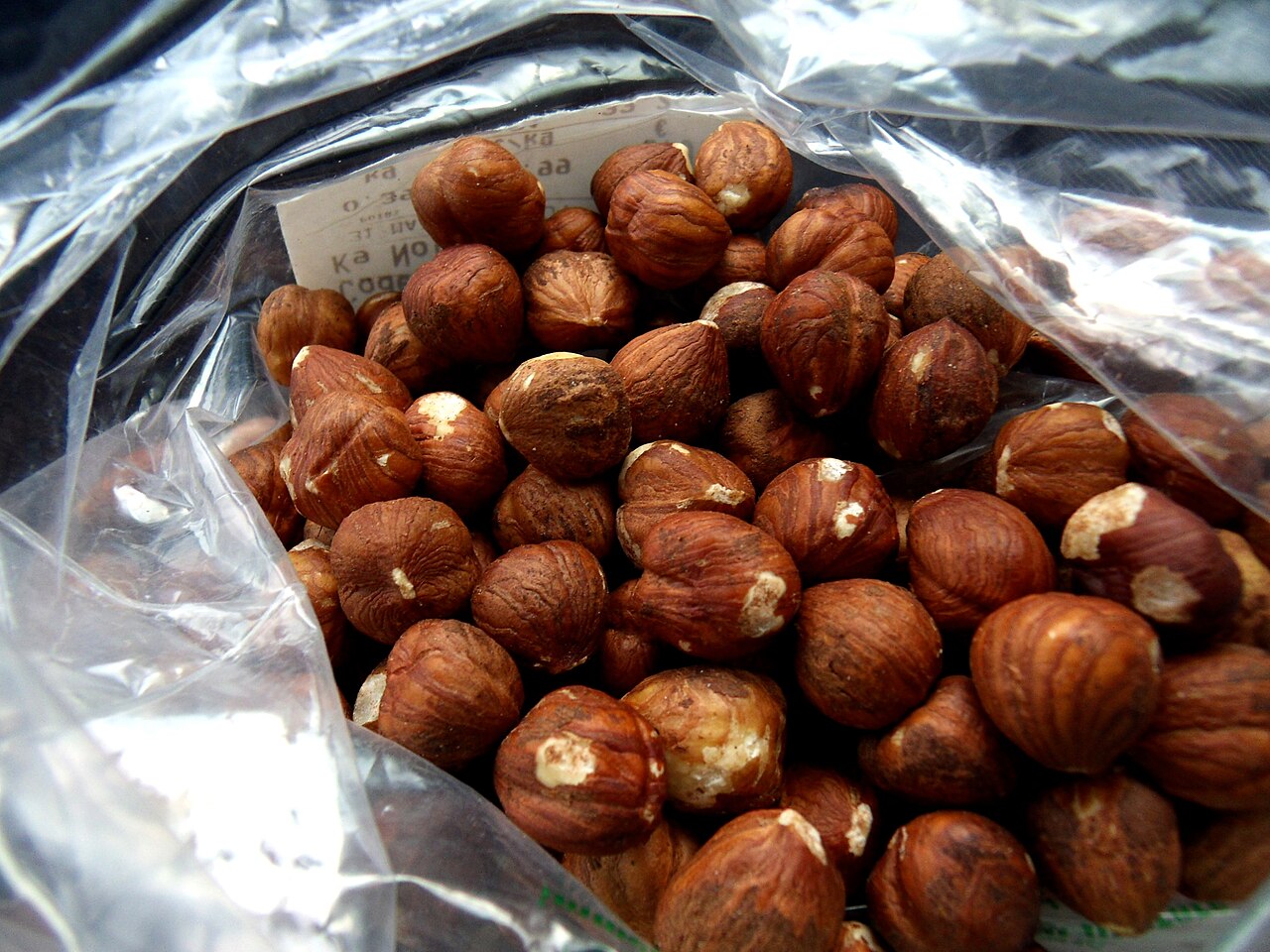
The hazelnut kernel is not just a "nut" — it is a densely packed food with high energy and nutritional value, rich in healthy fats, plant proteins, vitamin E, minerals, and phenolic antioxidants. This composition is currently one of the strongest selling points for producers: hazelnuts are increasingly classified as functional foods, foods that, in addition to basic nutritional value, have a documented beneficial effect on health. This article explains what the kernel actually consists of (fats and fatty acids, proteins, carbohydrates, fiber, vitamins, and minerals), why phenols and antioxidants are particularly concentrated in the pellicle (the brown skin around the kernel), and how to translate these figures into a convincing yet honest message for the customer.
Basic Chemical Composition of the Kernel
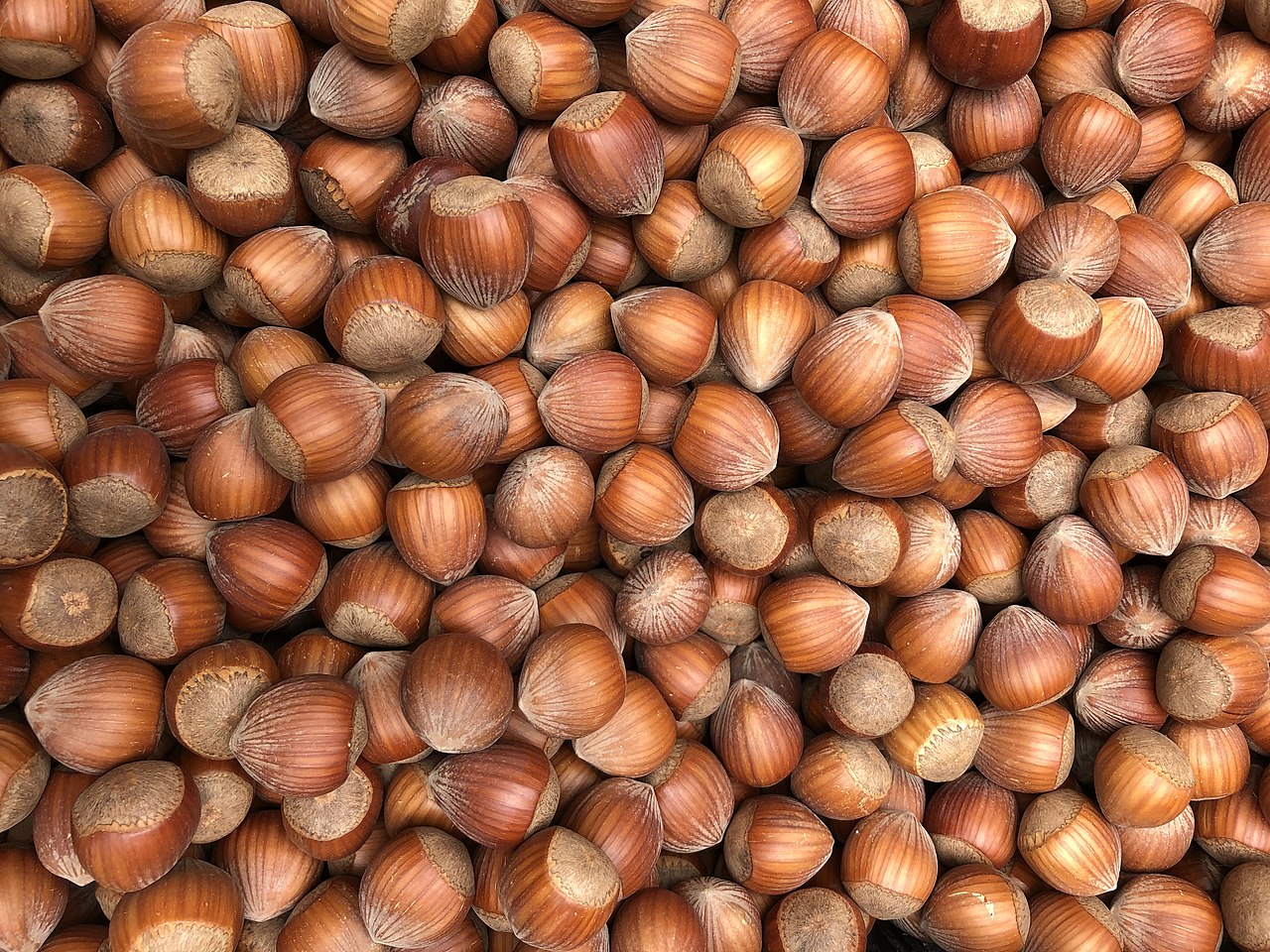
The hazelnut kernel consists on average of about 60% fat, 15% protein, 14–17% carbohydrates, and about 2–3% ash (minerals) and 4–5% water. The exact proportion varies significantly depending on the cultivar, location, year, and whether the kernel is fresh, dried, or roasted. Thermal treatment (drying, roasting) reduces the water and ash content, while the relative proportions of fat and protein increase because the composition is recalculated on a dry matter basis.
From the corpus of literature, we obtain the following approximate profile of basic components:
| Component | Average Value | Variation Interval | Note |
|---|---|---|---|
| Fats (oil) | ~60–62 % | ~53–76 % | Dominant component; range depends on cultivar and year |
| Proteins | ~14–15 % | ~11–22 % | Covers about 30% of daily requirement per 100 g |
| Carbohydrates | ~14–17 % | ~14–18 % | Of which sugars ~2.4–10 % |
| Dietary Fiber | ~8.7 % | ~8.0–12.1 % | Part concentrated in the pellicle |
| Ash (minerals) | ~2.0–3.0 % | ~1.7–2.4 % | Potassium, phosphorus, magnesium, calcium, etc. |
| Water | ~4.8 % | ~3.8–8.3 % | Lower after drying/roasting |
| Energy Value | ~650 kcal / 100 g | — | Very high due to fat content |
Values are informative and depend on the cultivar, location, harvest year, and processing (fresh / dried / roasted). Laboratory analysis of a specific batch is required for packaging declarations.
High energy density (about 650 kcal per 100 g) means that hazelnut is an extremely "concentrated" food — just about 15 nuts (approx. 30 g) provide a feeling of satiety and make it a healthy alternative to industrial snacks. This fact — few grams, many nutrients — is the foundation of the marketing story of hazelnut as a "smart snack."
Fats and Fatty Acid Profile
Fats are the heart of the hazelnut's nutritional value. Although they make up about 60% of the kernel, it is crucial that these are predominantly unsaturated fats, primarily monounsaturated oleic acid (omega-9). In terms of fatty acid composition, hazelnut oil is very close to olive oil, which is a strong and easily understandable argument for consumers who already appreciate the Mediterranean diet.
Main fatty acids of the kernel:
| Fatty Acid | Type | Typical Proportion | Effect / Significance |
|---|---|---|---|
| Oleic (C18:1) | monounsaturated (omega-9) | ~71–85 % of total FA | Most abundant; lowers LDL, beneficial for heart |
| Linoleic (C18:2) | polyunsaturated (omega-6) | several to ~15 % | Essential; higher proportion = faster rancidification of oil |
| Linolenic (C18:3) | polyunsaturated (omega-3) | small amount | Contributes to "omega" profile |
| Palmitic / Stearic | saturated | minor proportion | Structural, less desirable |
Hazelnut ranks among the richest sources of monounsaturated fatty acids among nuts (alongside walnuts). The high proportion of oleic acid has a dual benefit: nutritionally, it lowers "bad" LDL cholesterol while preserving "good" HDL; technologically, it increases the oxidative stability of the kernel and oil. Namely, the higher the proportion of polyunsaturated linoleic acid, the more susceptible the kernel is to oxidation and the faster rancidity develops. Therefore, cultivars and batches with a more favorable ratio of oleic to linoleic acid have a longer shelf life and better quality after storage and thermal treatment.
Practical Link to Processing
Cultivar selection and storage conditions directly affect the ratio of oleic to linoleic acid, and thus how long the kernel remains fresh. For value-added products (oil, paste, flour), cultivars with a higher proportion of oleic acid are preferred.
Proteins and Amino Acids
Hazelnut is rightfully marketed as a food rich in plant proteins. Per 100 g of kernel, there are approximately 15 g of protein, which covers about 30% of the recommended daily intake for an average adult (some sources cite 16–22% for certain cultivars). The main proteins of the kernel are corilin and glutelin, with smaller proportions of albumins and prolamins.
Hydrolysis of proteins releases amino acids, including essential ones that the human body cannot synthesize on its own. The most abundant are arginine and leucine. Arginine is interesting because it is a precursor of nitric oxide, which participates in the dilation of blood vessels, fitting into the narrative about the cardiovascular benefits of hazelnuts. Proteins are also abundant in the press cake (by-product of oil pressing) and the shell, which further opens up possibilities for utilization throughout the entire processing chain.
Carbohydrates, Fiber, and Sugars
The proportion of carbohydrates in the kernel usually ranges around 14–17%, of which sugars are 2.4–10% (depending on source and cultivar). Hazelnut is a good source of dietary fiber — on average about 8.7%, with a range among cultivars of approximately 8.0 to 12.1%. A significant portion of these fibers is located in the pellicle, the skin surrounding the kernel.
Fiber is important for three reasons: it promotes digestion and satiety, contributes to stable blood sugar levels, and is part of the "clean" natural image of the product. The combination of healthy fats, proteins, and fiber is what gives hazelnut its distinct satiety per gram and makes it suitable for low-glycemic and "keto-friendly" dietary concepts.
Vitamins
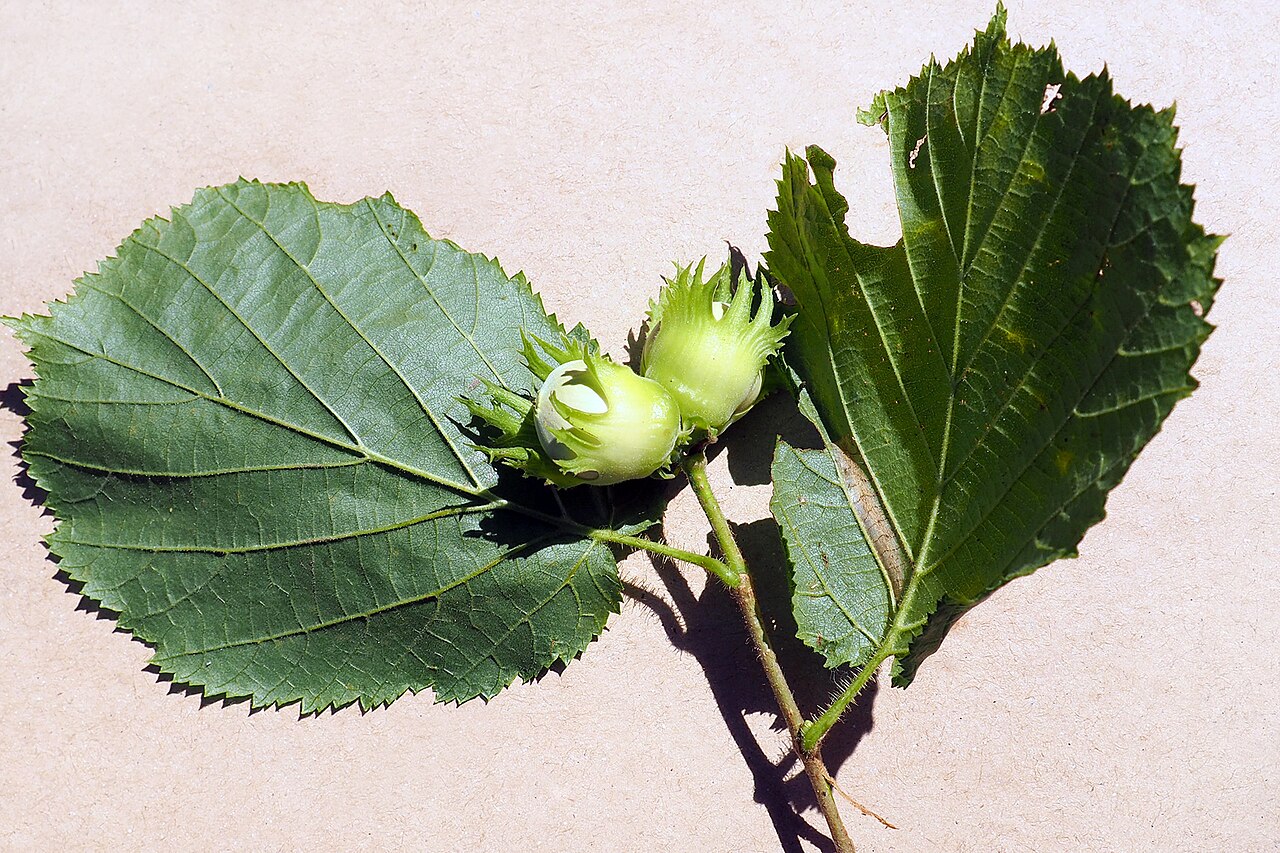
The most important vitamin of hazelnut is vitamin E (tocopherols), present in high concentration, with alpha-tocopherol prevailing — the most biologically valuable form of vitamin E. Vitamin E is a liposoluble (fat-soluble) antioxidant that protects the fatty acids themselves from oxidation, thus acting simultaneously as a natural "preservative" for the kernel and oil and as a health-beneficial ingredient.
In addition to vitamin E, the kernel also contains:
- B-complex vitamins: B1 (thiamine), B2 (riboflavin), B3 (niacin), B5 (pantothenic acid), B6 (pyridoxine), and B9 (folic acid)
- Vitamin C (ascorbic acid) in smaller amounts
- Vitamin A (retinol / carotene), also with antioxidant action
Vitamins E and A are known as antioxidants that neutralize free radicals and thus slow down oxidative processes in the body, which is the foundation of many health claims about hazelnuts.
Minerals
Hazelnut is a rich source of minerals, which the plant absorbs from the soil. Among macronutrients, potassium dominates, and phosphorus, magnesium, and calcium are also significant. Trace elements present include copper, iron, manganese, zinc, sodium, and selenium.
Manganese is particularly notable: according to literature, 100 g of hazelnuts can cover up to about 308% of the daily requirement for manganese, a mineral that plays a role in brain function, enzymatic processes, and antioxidant protection.
Approximate values of main kernel minerals (per 100 g):
| Mineral | Typical Range | Role |
|---|---|---|
| Potassium (K) | ~415–761 mg | Blood pressure, muscle and nerve function |
| Phosphorus (P) | ~355 mg | Bones, energy metabolism |
| Magnesium (Mg) | ~160–177 mg | Nerves, muscles, enzymes |
| Calcium (Ca) | ~115–193 mg | Bones and teeth |
| Manganese (Mn) | high proportion (and >300% DV / 100 g) | Brain, antioxidant enzymes |
| Copper, Iron, Zinc, Selenium | in trace amounts | Blood formation, immunity, antioxidant |
Mineral content depends on soil, fertilization, cultivar, and year. Values are informative and do not replace analysis of a specific batch.
Phenols, Antioxidants, and the Role of the Pellicle
Alongside fats and vitamin E, the greatest "bioactive ace" of hazelnuts are phenolic compounds (polyphenols). These are secondary plant metabolites that act as powerful antioxidants — neutralizing free radicals and thereby preventing oxidative damage to cells and tissues, which is linked to a number of chronic diseases.
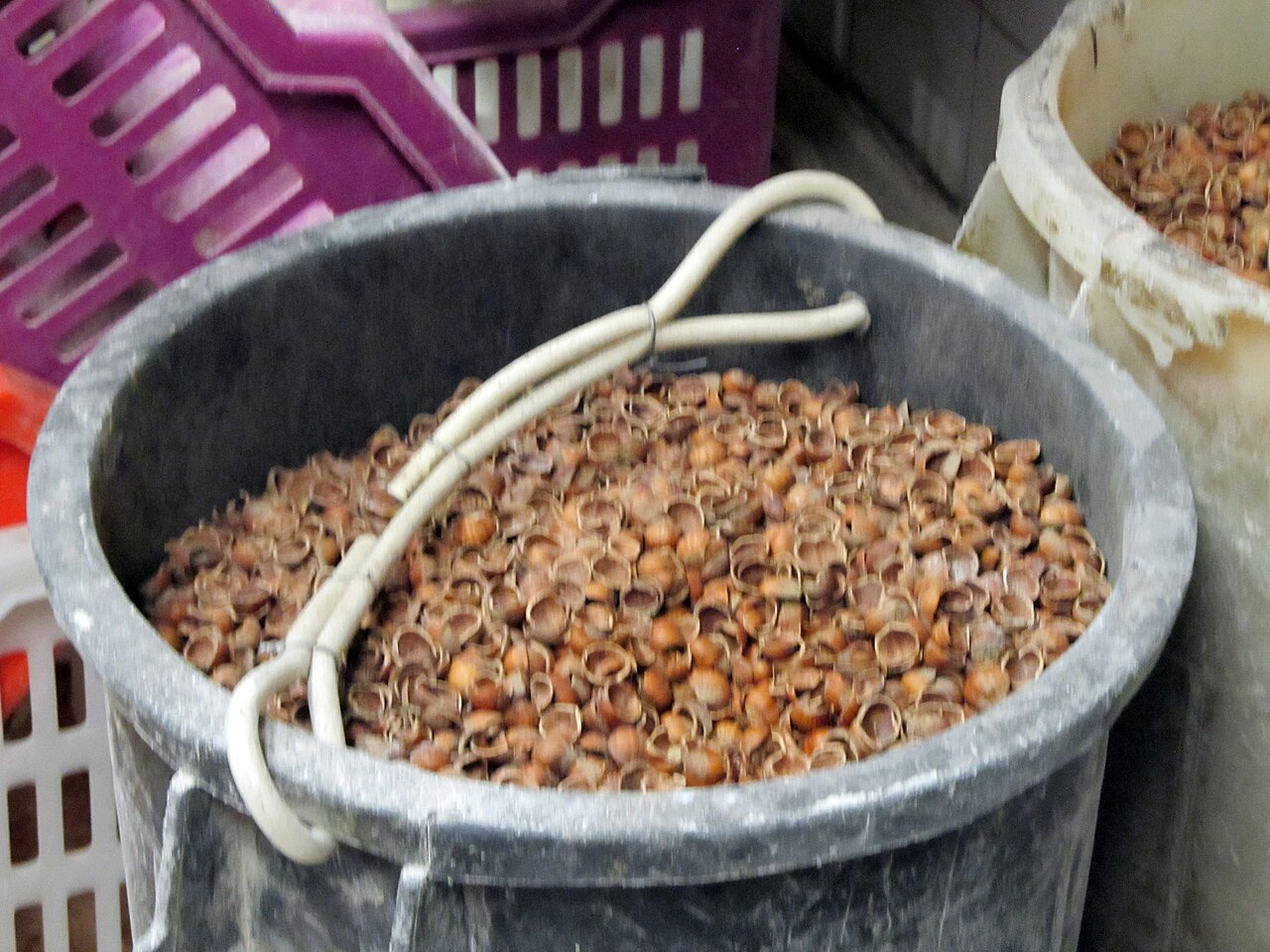
Phenols are present in both the kernel and processing by-products, but they are by far most concentrated in the pellicle — the thin brown skin that covers the kernel.
Among the most important groups are:
- Flavan-3-ols (including galloylated forms) and other flavonoids
- Tannins and proanthocyanidins (condensed tannins)
- Phenolic acids: gallic, protocatechuic, caffeic, ferulic, vanillic, syringic, salicylic, o-coumaric
The richness of the pellicle is best demonstrated by measurements of antioxidant capacity: the total antioxidant capacity of hazelnut skin in the literature is reported in the range of approximately 309 to 1375 µmol Trolox equivalents per gram — which is more than 100 times higher than that of the peeled kernel. In other words, the largest part of the hazelnut's antioxidant "power" lies precisely in what is often removed during roasting and peeling.
For Croatian cultivars, the corpus provides concrete values for bioactive substances in the fruit (cultivars "Rimski" and "Istarski duguljasti"):
| Indicator | "Rimski" | "Istarski duguljasti" |
|---|---|---|
| Total Phenols | ~1,572 mg GAE/g | ~1,912 mg GAE/g |
| Total Flavonoids | ~5.9 mg quercetin equiv./g | ~5.9 mg quercetin equiv./g |
| Antioxidant Activity | ~3.25 mM Trolox/g | ~4.43 mM Trolox/g |
Values are measured on specific samples and cultivars and are of an informative nature; they depend on the cultivar, extraction method, year, and location. In that study, the "Istarski duguljasti" cultivar had a higher phenol content and greater antioxidant activity than the "Rimski" cultivar.
Tocopherols (vitamin E) in the skin are also abundant — literature reports a range of approximately 226 to 593 µg/g, with alpha-tocopherol dominating. It is also important to note that polyphenol content and antioxidant activity usually decrease with later harvest dates, while fat and tocopherol content increases with ripening — linking agronomic decisions (harvest timing) to the nutritional profile of the final product.
Pellicle: By-product or Raw Material?
The brown skin resulting from peeling and roasting is not waste, but a concentrate of antioxidants. There is growing interest in utilizing the pellicle as a source of natural antioxidants for food, dietary supplements, and cosmetics. For the producer, this means that even the "waste" fraction can become a product with added value.
Health Potential as a Selling Point
The combination of monounsaturated fats, vitamin E, minerals (especially manganese), and phenolic antioxidants gives hazelnuts a health profile that is linked in the literature to a number of benefits:
- Heart and vascular health: Oleic acid lowers LDL cholesterol while preserving HDL; regular consumption is associated with lower blood pressure and protection of the heart muscle.
- Antioxidant protection: Vitamin E, vitamin A, and polyphenols neutralize free radicals and slow down oxidative processes associated with aging and chronic diseases.
- Metabolic support: Fiber and a stable macronutrient profile are linked to better blood sugar control and a reduced risk of type 2 diabetes.
- Brain and nervous system function: Manganese and B vitamins contribute to normal nervous system function.
- Gluten-free: Naturally gluten-free, suitable for an increasingly broad group of consumers.
In the literature, a general guideline of approximately 30–60 g of hazelnuts per day is cited for harnessing these favorable effects.
Caution with Health Claims on Packaging
In the EU and Croatia, health and nutrition claims (e.g., "lowers cholesterol," "rich in vitamin E") are strictly regulated by Regulation (EC) No 1924/2006 and may only be used if approved and if the product meets prescribed conditions (e.g., minimum nutrient content). Claims such as "prevents cancer" are not permitted. Furthermore, hazelnuts are one of the legally mandated allergens that must be prominently displayed on the label. Before making any claims on packaging, check current regulations and official registers of permitted claims.
Practical Recommendations and Common Mistakes
- Order an analysis of your batch. Figures from the literature serve as a guide; for labeling and serious marketing, laboratory analysis of your own kernel is required (basic composition, fatty acids, and potentially phenols/tocopherols).
- Do not remove the "free" antioxidant without reason. Roasting and peeling remove the pellicle, which contains the majority of polyphenols and tocopherols. Where acceptable, products with unpeeled kernels or utilized pellicle carry added value.
- Watch out for rancidity. A high content of unsaturated fats means susceptibility to oxidation; storage in the cold, in the dark, and without oxygen, along with selecting cultivars with a higher oleic acid content, extends shelf life.
- Choose the cultivar according to the product goal. Cultivars differ in fat content, fatty acid profile, and phenol content — align your cultivar choice with whether you are producing oil, paste, roasted kernels, or a "health-oriented" product.
- Be honest and precise. Exaggerated or unauthorized health claims pose a risk to reputation and legal liability. A strong, truthful message ("rich in vitamin E," "source of fiber," "high content of monounsaturated fats") is usually sufficient and permitted, provided conditions are met.
Gallery
Sources
This article is an AI summary compiled from a collection of hazelnut literature (internal RAG corpus) and public sources. Numerical data are taken from scientific and professional papers and should be understood as informative and dependent on cultivar, location, and processing. Main sources used:
From RAG Corpus (collection of hazelnut literature):
- Chemical composition of hazelnuts — Bachelor's theses, Faculty of Food Technology and Biotechnology, University of Zagreb (PBF repository), 2017, 2022.
- Chemical composition of hazelnuts from the 2020 season — Bachelor's thesis, PBF Zagreb, 2022.
- Potential of hazelnut shell as a rich source of polyphenols, 2024.
- Batelja Lodeta et al. (2022): Bioactive components and mineral composition of "Istarski duguljasti" and "Rimski" hazelnuts
- Influence of antioxidants and synergists on the oxidative stability of cold-pressed hazelnut oil, 2015.
- Ministry of Agriculture: Guide to Hazelnut Cultivation (savjetodavna.hr), 2024.
- Economic comparison of cultivation forms / foreign trade exchange of hazelnuts — Josip Juraj Strossmayer University of Osijek
- PDF "Hazelnut Cultivation" (pdfcoffee), 2009.
Public / Web Sources:
- Kernel Nutrient Composition and Antioxidant Ability of Corylus spp. in China — Frontiers in Plant Science / PMC — https://pmc.ncbi.nlm.nih.gov/articles/PMC8261296/
- Hazelnut and its by-products: A comprehensive review of nutrition, phytochemical profile... — Food Chemistry (ScienceDirect) — https://www.sciencedirect.com/science/article/abs/pii/S0308814623001929
- Hazelnuts as source of bioactive compounds and a health value underestimated food — Current Research in Nutrition and Food Science — http://www.foodandnutritionjournal.org/volume7number1/hazelnuts-as-source-of-bioactive-compounds-and-a-health-value-underestimated-food/
- Bioactive compounds in different hazelnut varieties and their skins — Journal of Food Composition and Analysis (ScienceDirect) — https://www.sciencedirect.com/science/article/abs/pii/S0889157515001647
- Changes in Antioxidant Activity, Profile, and Content of Polyphenols and Tocopherols in Common Hazel Seed — PMC — https://pmc.ncbi.nlm.nih.gov/articles/PMC6983069/
- Chemical Composition, Total Phenols and Flavonoids Contents and Antioxidant Activity of Roasted Hazelnut Skins — PMC — https://pmc.ncbi.nlm.nih.gov/articles/PMC7230596/
- Antioxidant Activity of Hazelnut Skin Phenolics — Journal of Agricultural and Food Chemistry — https://pubs.acs.org/doi/10.1021/jf900489d
- Assessment of Fatty Acid Composition, Bioactive Compounds, and Mineral Composition in Hazelnut Genetic Resources — Horticulturae (MDPI) — https://www.mdpi.com/2311-7524/9/9/1008
- Regulation (EC) No 1924/2006 on nutrition and health claims made on foods (EUR-Lex) — https://eur-lex.europa.eu/legal-content/HR/TXT/?uri=CELEX:32006R1924
Recommended equipment
🔎 nut roaster — Amazon →Affiliate links — we may earn a small commission at no extra cost to you.
Handheld Nut Cracker
For processing small batches of nut kernels.
| Use Case | Option Type | What to Check Before Purchase |
|---|---|---|
| Small quantity processing | Manual lever cracker | Crushing mechanism and shell separation |
| Kernel preservation | Adjustable pressure tool | Ease of cleaning and durability |
| High volume needs | Electric cracking machine | Professional equipment for speed |