Aflatoxin Control and Testing Post-Harvest
Content generated by artificial intelligence — verify before application
This article was automatically compiled from a collection of hazelnut literature using artificial intelligence and may contain errors or outdated information. It serves as a starting point for further research, not as professional advice. Dosages, products, and timing are informative and depend on the cultivar, location, and current regulations — always verify with advisory services and official sources before application.
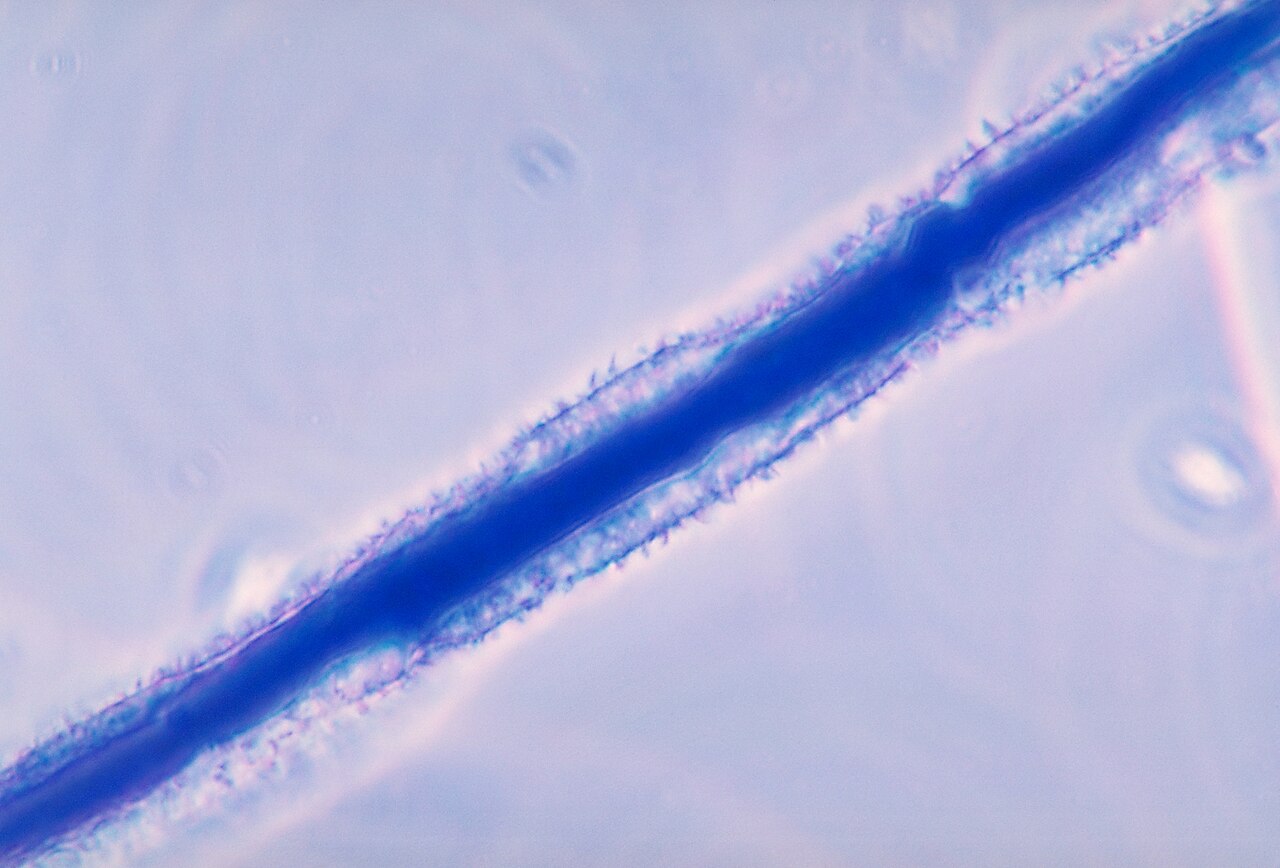
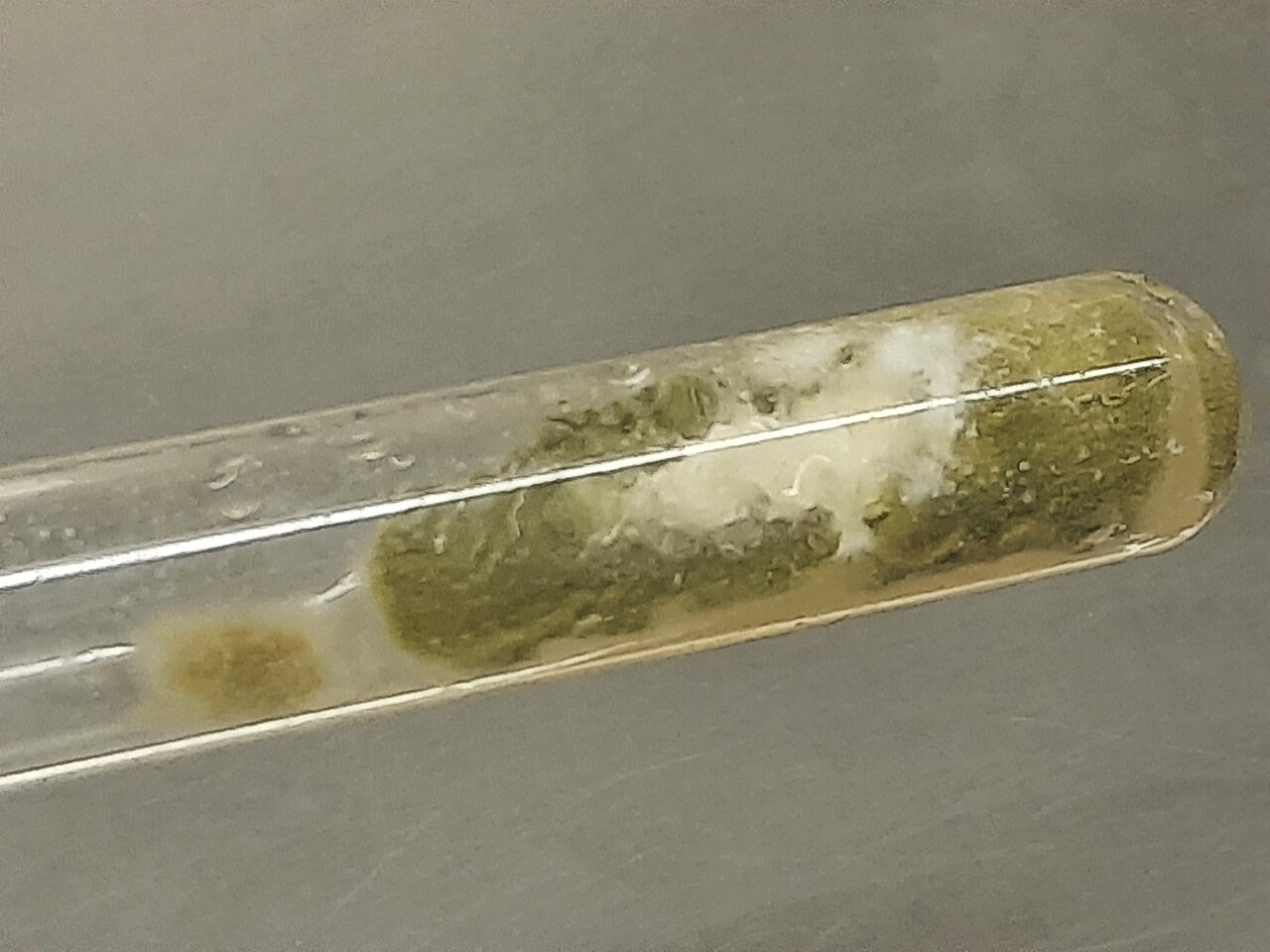
Aflatoxins are a group of mycotoxins produced by toxigenic molds from the genus Aspergillus (primarily A. flavus and A. parasiticus), and in hazelnuts, they represent the most serious risk to health safety and market value. It is crucial to understand that aflatoxins cannot be "erased" from a batch afterward: once created, they persist, and cooking, roasting, and storage only partially degrade them. Therefore, the entire post-harvest strategy is focused on preventing formation (rapid and thorough drying, hygiene, sorting) and on proving safety (sampling and laboratory analysis before sale and export). This article connects four technical pillars of control: the current regulatory framework, proper sampling and analysis, critical control points in processing, and hygiene and microclimate in storage.
Why hazelnuts are sensitive and when the risk arises
Aflatoxin formation is directly linked to the development of toxigenic Aspergillus species on fruits. According to a literature review (Vrtodušić et al., 2022), optimal conditions for their development are a temperature of 25–30 °C and very high relative humidity of 97–99 %. The critical period for contamination is the period immediately before harvest and the harvest itself, especially because hazelnuts are most often collected from the ground.
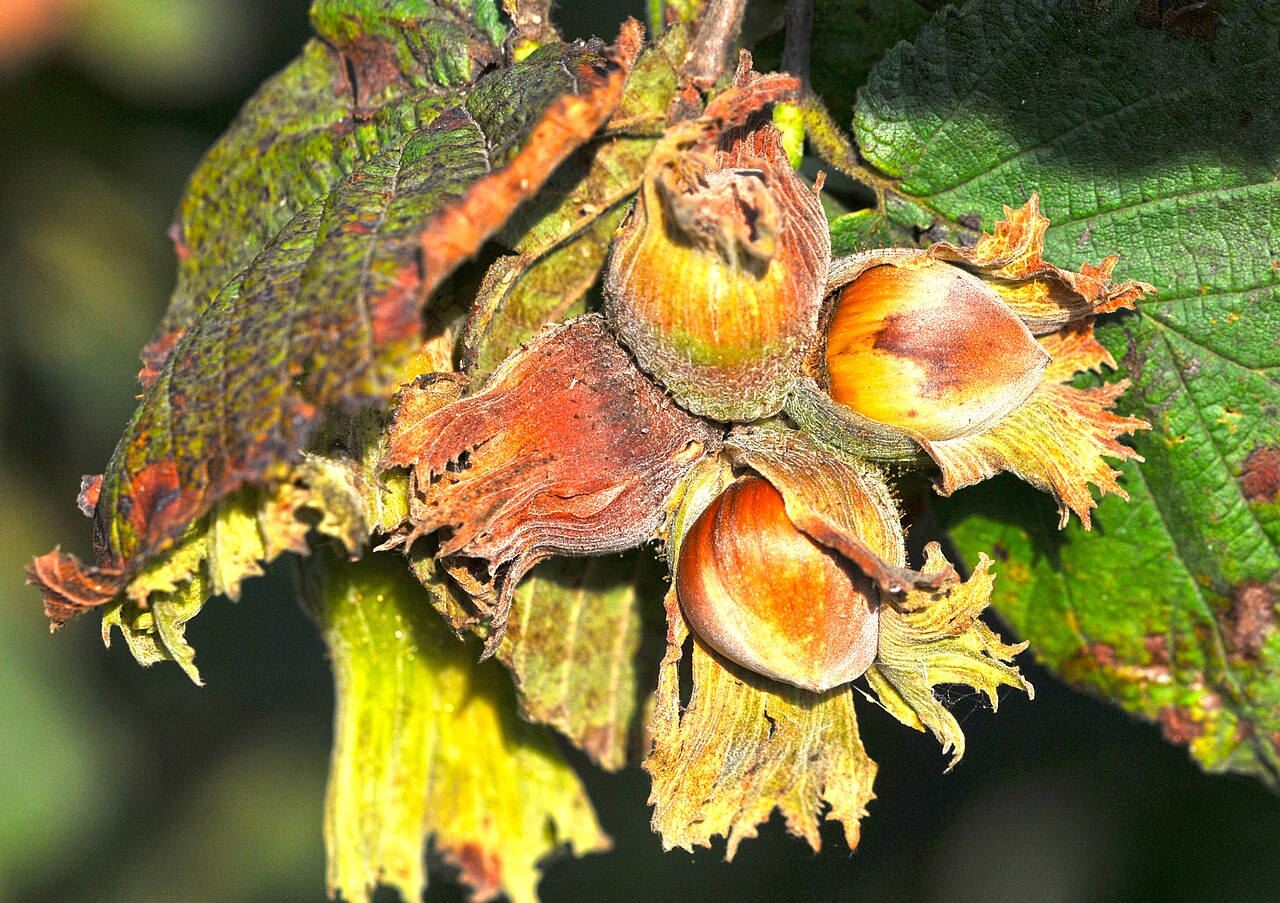
The scale of the risk is well illustrated by one Turkish study (Şen, 2021): whole and visually undamaged fruits contained only traces of aflatoxins, while "moldy" fruits contained up to 433 µg/kg. Similarly, a recent analysis of post-harvest management showed that poor drying resulted in up to 7 times higher fungal load (Aspergillus section Flavi), and market samples occasionally exceeded 450 µg/kg AFB1, while well-dried and traceable samples remained below limits. In other words: a small proportion of damaged or moldy fruits can disqualify an entire batch, and drying is the decisive factor.
Regulatory framework — which regulations apply today
Since 2023, the regulatory framework for food contaminants in the EU has changed fundamentally, and old regulations should no longer be cited as valid. Specifically:
- Commission Regulation (EU) 2023/915 of 25 April 2023 on maximum levels for certain contaminants in food repeals Regulation (EC) No 1881/2006 (and its associated amendments, including Regulation (EU) No 165/2010). It is the current valid regulation for maximum levels of aflatoxins and other contaminants.
- Commission Implementing Regulation (EU) 2023/2782 of 14 December 2023 establishes sampling and analytical methods for the control of mycotoxin levels in food and replaces the earlier Regulation (EC) No 401/2006.
- Commission Implementing Regulation (EU) 2019/1793 (with later amendments) continues to regulate enhanced official controls at import of certain goods from third countries; hazelnuts and hazelnut products from Turkey, Georgia, and Azerbaijan are occasionally on the list due to previous findings of aflatoxins.
What has changed specifically for the seller
Content-wise, the limit values for hazelnuts have not changed drastically compared to the last version of 1881/2006 (as amended by 165/2010), but the regulation numbering and sampling details are different. In declarations, contracts, and test reports, cite 2023/915 (levels) and 2023/2782 (sampling), not the old numbers.
Limit values — what the market requires
Limits differ depending on whether the product is intended for direct consumption ("ready-to-eat", RTE) or further processing (sorting, physical treatment) before consumption. The following table summarizes values from Regulation (EU) 2023/915 for hazelnuts; values are informative and must be verified in current legislation as EU regulations are occasionally updated.
| Product category (hazelnuts and Brazil nuts) | AFB1 (µg/kg) | Sum AFB1+B2+G1+G2 (µg/kg) |
|---|---|---|
| For direct human consumption ("ready-to-eat") | 5.0 | 10.0 |
| For sorting / physical treatment before consumption | 8.0 | 15.0 |
| Codex general standard for hazelnuts (total aflatoxins, RTE) | — | 10.0 |
| Codex for hazelnuts intended for further processing | — | 15.0 |
For comparison, limits for peanuts and almonds differ slightly (e.g., peanuts for direct consumption 2.0 / 4.0 µg/kg, and for sorting 8.0 / 15.0 µg/kg), while pistachios and almonds for direct consumption have AFB1 8.0 / sum 10.0 µg/kg. In short, the maximum level of AFB1 depending on the product and purpose ranges approximately 2–12 µg/kg, and the sum of all four aflatoxins approximately 4–15 µg/kg.
The 0.10 µg/kg limit — what it actually refers to
In older texts, the limit of 0.10 µg/kg AFB1 is often attributed to "infant food" in general, which is incorrect and misleading. Regulation (EU) 2023/915 (adopting the approach of earlier Regulation 1881/2006) sets this strictest limit for precisely defined categories:
- processed cereal-based food and baby food for infants and young children — AFB1 0.10 µg/kg;
- dietetic foods for special medical purposes intended for infants — AFB1 0.10 µg/kg (with a separate limit for aflatoxin M1 of 0.025 µg/kg).
In other words, 0.10 µg/kg is the limit for finished products intended for the most sensitive population, and not a general limit for raw hazelnuts. A hazelnut entering such a product must be sufficiently clean so that the finished product remains below 0.10 µg/kg, which in practice means raw material with extremely low aflatoxin levels and strict traceability.
Sampling — the largest source of error
Aflatoxins are distributed in a batch extremely heterogeneously: contamination is linked to individual fruits and "nests" of mold. Therefore, sampling, not the laboratory method itself, is the largest source of uncertainty in results — as confirmed by literature stating that most analytical errors stem from poor sampling, not from the laboratory. The rule is simple: the sample must represent the entire batch, which means many small yields (increments) from different locations, which are combined, homogenized, and only then divided into laboratory samples.
Principles of the sampling plan according to Regulation (EU) 2023/2782
Implementing Regulation (EU) 2023/2782 prescribes sampling for peanuts, apricot kernels, nuts (including hazelnuts) and dried spices of larger particle size and products derived from them. Main principles:
- Mass of an individual (incremental) sample is approximately 200 g.
- Incremental samples are combined into a composite sample ≤ 20 kg, which is mixed and, if necessary, divided into two equal laboratory samples of ≤ 10 kg before grinding (for nuts undergoing further sorting/physical treatment, division into two samples is not necessary).
- Number of incremental samples depends on batch size: for batches ≥ 15 tons, at least 25 increments are taken (composite sample ~20 kg); for batches smaller than 15 tons, proportionally fewer are taken (e.g., a portion of the prescribed number of increments), with a composite sample whose mass corresponds to the batch size.
- For RTE products, the EU plan is aligned with Codex; each laboratory sample must be below the maximum level for the batch to be accepted.
- Take increments from different parts of the batch (multiple bags/pallets, upper and lower layers), never one sample from one location; the combined sample must be thoroughly homogenized and ground before taking an analytical sub-sample — fine grinding reduces variability.
| Sampling parameter (nuts, 2023/2782) | Approximate value | Note |
|---|---|---|
| Mass of incremental sample | ~200 g | per individual collection |
| Composite (aggregate) sample | ≤ 20 kg | mix before dividing |
| Laboratory sample | ≤ 10 kg | if necessary 2 × 10 kg |
| Number of increments (batch ≥ 15 t) | ≥ 25 | smaller batches proportionally fewer |
| Decision rule | each laboratory sample below ML | otherwise the batch is rejected |
Practical message on sampling
One "clean" handful does not mean a clean batch. Poor sampling can just as easily declare a contaminated batch as correct as the reverse. For sale and export, adhere to an accredited sampling plan (2023/2782) and traceability of each batch.
Laboratory analysis
Because the limits are very low (measured in µg/kg, i.e., parts per billion), sensitive and precise analytical methods are required. The corpus and EU guidelines consistently recommend the following approaches:
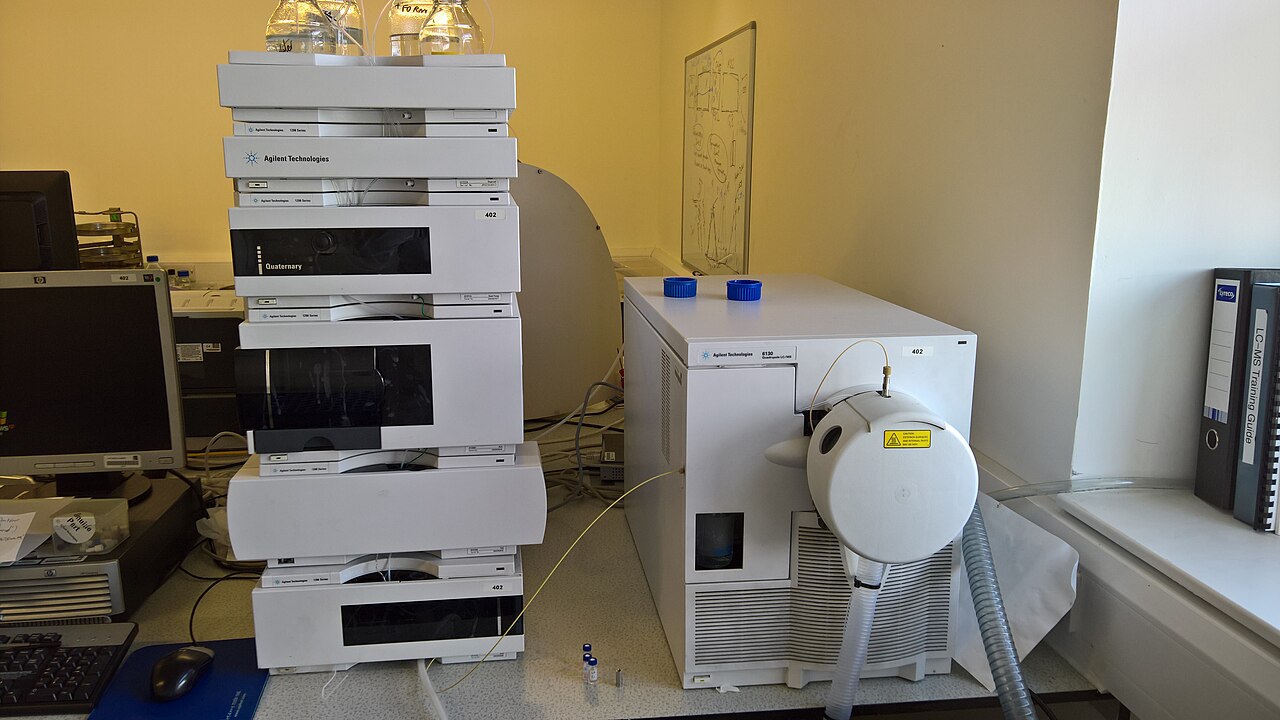
- HPLC with fluorescence detection (HPLC-FLD) — the most common confirmatory technique; since AFB1 and AFG1 fluoresce weakly, derivatization is often required.
- Immunoafinity SPE cleanup (IAC) + HPLC or LC-MS/MS (UPLC-MS/MS) — selectively cleans and concentrates aflatoxins from the hazelnut fatty matrix; LC-MS/MS is the reference choice for simultaneous determination of multiple mycotoxins.
- Rapid screening methods — ELISA and lateral-flow strips — useful for rapid triage at purchase/storage facilities; screening methods must have a false-negative rate less than 5 % at the concentration of interest, and positive or borderline results must always be confirmed by a reference method (HPLC-FLD or LC-MS/MS).
Typical performance values from the literature give an idea of the sensitivity of confirmatory methods:
| Indicator | Literature Value | Source (example) |
|---|---|---|
| LOD AFB1 (ground hazelnut) | 0.004 µg/kg | ISPEC J. Agric. Sci., 2025 |
| LOQ AFB1 (ground hazelnut) | 0.013 µg/kg | ISPEC J. Agric. Sci., 2025 |
| LOD AFB1 / AFG1 (IAC-HPLC-FLD) | 1.0 µg/kg | Ground Hazelnut, 2019 |
| LOD AFB2 / AFG2 (IAC-HPLC-FLD) | 0.1 µg/kg | Ground Hazelnut, 2019 |
| Method LOQ (UPLC-MS/MS) | 0.05–0.10 µg/kg per aflatoxin | VICAM/UPLC-MS/MS, 2021 |
| Recovery | ~90–93 % | ISPEC, 2025 |
For method validation and confirmation, Regulation (EU) 2023/2782 states that for limited validation of a screening method, at least 6 negative and 6 positive control samples must be analyzed at the cut-off level, with all positive samples required to be above the cut-off value; if this criterion is not met, the laboratory must conduct a root cause analysis and implement corrective measures. All analyses should ideally be performed in triplicate.
ELISA and lateral-flow kits for rapid screening
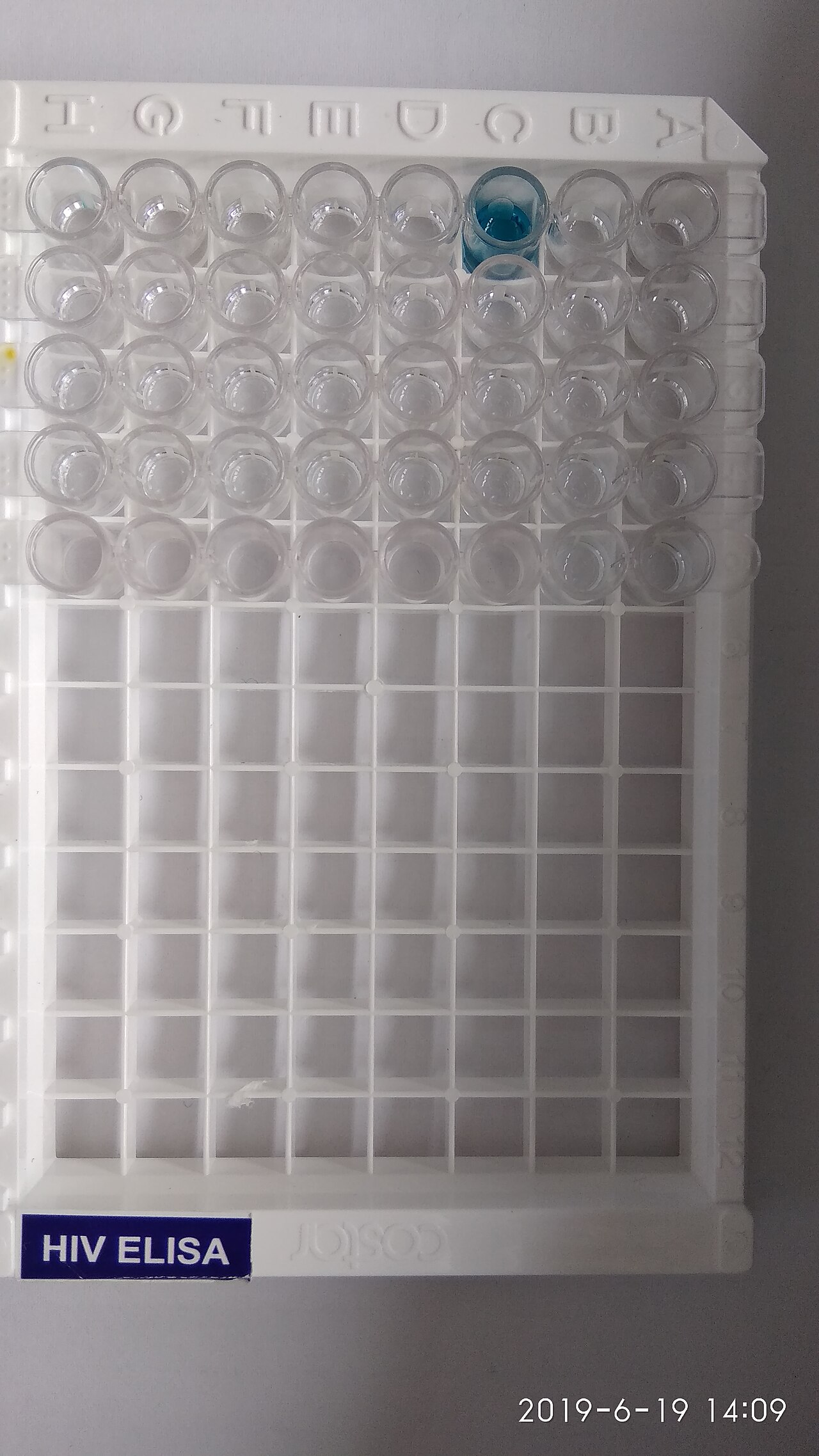
Rapid competitive tests (ELISA on microtiter plates and lateral-flow strips) are used for triage at intake, at the purchase ramp, or in storage. They provide results within 1–3 hours (ELISA) or within minutes (strips), with very little sample preparation (usually methanol/water extraction and filtration). The following table provides an overview of kit types mentioned in the literature and on the market; ranges and names are informative — check current manufacturer specifications and suitability for the hazelnut matrix.
| Kit Type (examples) | Principle | Analyte | Approximate Working Range | Typical Time |
|---|---|---|---|---|
| Veratox (Neogen), quantitative ELISA | competitive ELISA, reader at 450 nm | total aflatoxin (B1+B2+G1+G2) | ~5–50 µg/kg (ppb) | ~1–2 h |
| RIDASCREEN (R-Biopharm), ELISA | competitive ELISA | total aflatoxin / AFB1 / AFM1 | depends on kit (e.g., from ~1 µg/kg) | ~1–2 h |
| Reveal / lateral-flow strips (Neogen et al.) | immunochromatographic strip (LFD) | total aflatoxin | qualitative/semi-quantitative around regulatory limit | a few minutes |
| Microtiter plate, competitive ELISA (various) | competitive ELISA | AFB1, AFM1, total aflatoxin, OTA, etc. | detection limit ~1 µg/kg and lower | ~1–3 h |
Advantages of rapid kits are low cost per sample, simplicity, and speed; disadvantages include potential matrix interference and cross-reactivity and the risk of false-positive/negative results. Therefore, they are used exclusively for screening, and the decision on (non-)acceptance of a batch for sale/export is made by an accredited laboratory using a confirmatory method.
Accredited laboratories in Croatia and approximate prices
For official and commercial purposes, analysis should be entrusted to a laboratory accredited according to HRN EN ISO/IEC 17025 for the determination of aflatoxins in food. In Croatia, mycotoxins are analyzed, among others, in the following institutions (list is not exhaustive; check current accreditations and scopes on laboratory websites and the Croatian Accreditation Agency, HAA):
| Laboratory | Location | Note |
|---|---|---|
| Croatian Institute of Public Health (HZJZ), Department for Pesticides and Mycotoxins | Zagreb | HPLC analysis of aflatoxins, ochratoxins, citrinin, patulin, and deoxynivalenol |
| Eurofins Croatiakontrola | Zagreb | accredited according to HRN EN ISO/IEC 17025 (since 2004) for food, animal feed, water, etc. |
| Inspecto d.o.o. (InspectoLab) | Osijek | accredited food testing; mycotoxins, e.g., LC-MS/MS |
| Other authorized/accredited laboratories (HAH list) | various locations | check the list of laboratories on the Croatian Agency for Agriculture and Food website |
Prices are informative and depend on the number of aflatoxins analyzed, the matrix, urgency, and accreditation. For comparison, in one European review, the cost of one aflatoxin analysis was around 250 € (Poland) to 700 € (Bulgaria); in Croatia, prices are determined individually per laboratory quote and typically range from a few tens to a few hundred euros per sample, depending on whether it is a rapid screening or an accredited confirmatory analysis of all four aflatoxins. Always request a quote from the laboratory for the exact price and turnaround time.
Critical Control Points (HACCP) post-harvest
In the orchard, many factors (weather, insects) cannot be controlled. After harvest, however, clear Critical Control Points (CCPs) can be defined for aflatoxins that develop during processing and storage. The corpus and FAO guidelines emphasize that the typical CCP is the end of the drying process, and the critical limit is the moisture content or water activity (a_w). GAP, GMP, and GSP programs (Good Agricultural, Manufacturing, and Storage Practices) are prerequisites for establishing HACCP.
| Processing Step | Hazard | CCP / Critical Limit | Monitoring |
|---|---|---|---|
| Harvest / Gathering | Contact with wet soil, damaged nuts | Harvest onto tarp/shake; collect daily | Visual inspection, dry soil |
| Receiving | High moisture, mold | Incoming raw material moisture; rapid triage | Moisture meter, ELISA/lateral-flow screening |
| Drying (main CCP) | Growth of Aspergillus and aflatoxin production | Shell moisture ≤ 7–10 %, kernel ≤ 4–5 % / target a_w | Moisture meter, dryer T, time |
| Sorting | Moldy/damaged nuts in batch | Removal of moldy and empty nuts | Optical/manual sorting |
| Storage | Secondary mold growth | Storage RH < 70 %, low T, dry | Hygrometer, regular sampling |
| Dispatch | Batch above limit | Aflatoxin analysis before sale | Accredited laboratory (2023/915 / 2023/2782) |
Three preventive measures against contamination
A review of the literature highlights three key preventive measures that the producer controls directly:
- Rapid and sufficient drying — the most important individual measure.
- Dry storage with low relative humidity (ideally controlled atmosphere).
- Effective sorting before storage — separating damaged and moldy nuts, which carry the highest share of aflatoxins.
Drying speed and quality
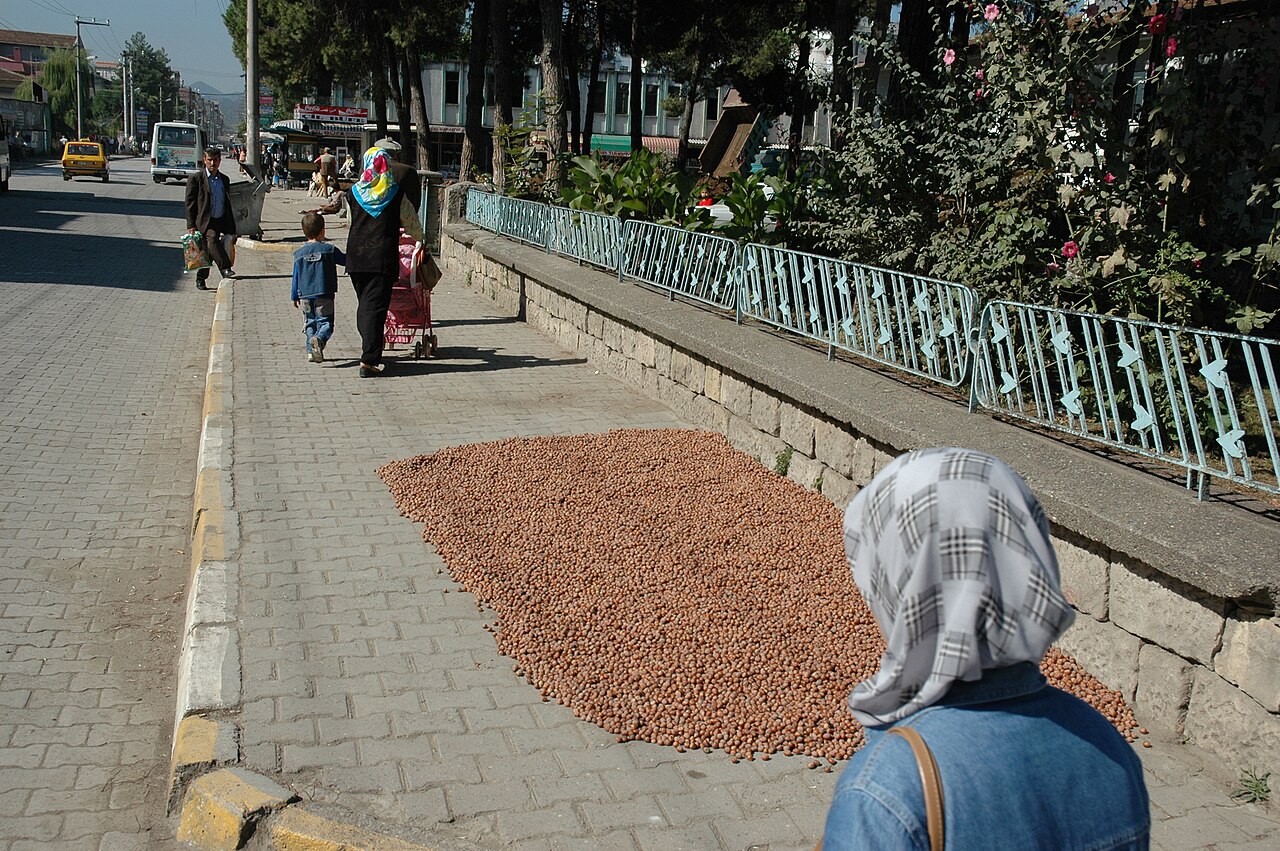
At harvest, hazelnuts contain about 30–35 % water, mostly in free form (high water activity), which is ideal for molds and enzymatic spoilage. Therefore, the literature unanimously recommends that drying begins within 24 hours of harvest (Olsen and Raab, 2013; Turan, 2018). Nuts harvested with the husk (cupule) have even more water, so the husk should be removed as soon as possible.
Target moisture content for safe storage:
| Nut Part | Target Moisture for Storage | Source |
|---|---|---|
| In shell | ≤ 7–10 % | Vrtodušić et al., 2022; Hobolić OPG, 2021 |
| Kernel (seed) | ≤ 4–5 % | Vrtodušić et al., 2022; Hobolić OPG, 2021 |
Drying parameters (approximate):
- Dryer temperature up to ~50 °C (some sources recommend up to 40 °C for gentler drying); excessively high temperatures damage the kernel and oil.
- Start within 24 h, without accumulation of wet raw material ("backlog") that prevents reaching the critical moisture limit.
- For natural drying in sun/ventilated room: 6–8 days with frequent mixing to remove husks, followed by finishing drying; total up to 2–4 weeks with regular mixing.
- Moderate layer of nuts (e.g., around 30 cm), with turning for even drying and ventilation.
Drying is the decisive lever
The web and corpus agree: the difference between good and poor drying can mean up to 7 times higher fungal load. Measure moisture (do not estimate "by eye"), avoid delays with wet raw material, and do not raise temperatures at the expense of kernel quality.
Storage hygiene and microclimate
Drying prevents aflatoxin formation, but humidity during storage also significantly affects their production. Gürses et al. (2001) found significantly lower aflatoxin production at 85 % relative humidity compared to 95 %. Hazelnut storage facilities should be dry (RH < 70 %), cool, and ventilated, with the best results achieved in storage facilities with a controlled atmosphere.
| Storage Parameter | Approximate Target Value |
|---|---|
| Air relative humidity | < 70 % (below 85 % significantly reduces risk) |
| Temperature | low (e.g., ~10 °C or lower) |
| Packaging | ventilated (jute sacks increase airflow but also exposure to humidity) |
| Atmosphere | controlled atmosphere for premium quality |
Hygiene measures and monitoring
- Sorting before storage — remove moldy, damaged, and empty nuts (empty nuts can carry mycotoxins).
- Regular sampling from storage and testing for mold/mycotoxins; contaminated nuts must be immediately removed and disposed of according to waste regulations.
- In case of contamination: improve ventilation, reduce humidity, mix nuts more frequently, and disinfect the space if necessary.
- Clean equipment, floors, and containers between batches (oil residues and dust are food for mold).
- Protect from pests (rodents, insects, birds) as nut damage opens the way for molds.
Reduction methods (when prevention fails)
Although the focus is on prevention, the corpus also mentions aflatoxin reduction procedures that are being researched or applied: cold atmospheric plasma, ozone treatment, gamma irradiation, and various physical (e.g., pulsed electric fields) and chemical/biological treatments and adsorbents. These approaches can reduce levels, but are not a substitute for proper drying, sorting, and hygiene and are subject to regulations on permissibility.
Practical recommendations and common mistakes
Recommendations:
- Start drying on the same day if possible, no later than within 24 hours; measure moisture with an instrument.
- Sort before storage, not just before sale.
- Maintain batch traceability — without it, it is impossible to recall contaminated goods and prove compliance.
- For sale/export, use an accredited sampling plan (2023/2782) and an accredited laboratory; always confirm positive rapid test results (ELISA/lateral-flow) with a reference method (HPLC-FLD or LC-MS/MS).
- In documentation, cite current regulations (2023/915 and 2023/2782), not old numbers.
- Keep the storage area dry and cool, and sample it regularly.
Common mistakes:
- Collecting from wet soil after rain and leaving wet raw material for too long (this causes the greatest spike in risk).
- Taking a single sample from one location instead of following a representative sampling plan.
- Drying at excessively high temperatures that damage the kernel, or insufficient drying "by eye."
- Mixing moldy and healthy nuts "to avoid waste" — this contaminates the entire batch.
- Believing that roasting or cooking removes aflatoxins — they are not completely eliminated.
- Relying solely on rapid screening tests without confirmation in an accredited laboratory.
Gallery
Sources
This article is an AI-generated summary compiled from a collection of hazelnut literature (internal RAG corpus) and public sources. Main sources used:
- Commission Regulation (EU) 2023/915 on maximum levels for certain contaminants in food (repealing Regulation (EC) No 1881/2006). — https://eur-lex.europa.eu/eli/reg/2023/915/oj/hrv
- Commission Implementing Regulation (EU) 2023/2782 on sampling methods and analytical techniques for the control of mycotoxins in food (replacing Regulation (EC) No 401/2006). — https://eur-lex.europa.eu/legal-content/EN/TXT/PDF/?uri=OJ:L_202302782
- Commission Implementing Regulation (EU) 2019/1793 (enhanced import controls on certain goods from third countries). — https://eur-lex.europa.eu/eli/reg_impl/2019/1793/oj
- Vrtodušić et al. (2022). Harvest, drying, and storage technology of hazelnuts: A literature review. Journal of Central European Agriculture. — https://jcea.agr.hr/articles/772314_Tehnologija_berbe_su_enja_i_skladi_tenja_lje_njaka_Pregled_literature_hr.pdf
- Codex Alimentarius. General Standard for Contaminants and Toxins in Food and Feed (CXS 193-1995) and Code of Practice for the Prevention and Reduction of Aflatoxin Contamination in Tree Nuts (CXC 59). — https://www.fao.org/fileadmin/user_upload/agns/pdf/CXS_193e.pdf
- EFSA — Aflatoxins in food. — https://www.efsa.europa.eu/en/topics/topic/aflatoxins-food
- European Commission — Aflatoxins, Food Safety and Sampling and analysis. — https://food.ec.europa.eu/food-safety/chemical-safety/contaminants/sampling-and-analysis_en
- Effect of Post-Harvest Management on Aspergillus flavus Growth and Aflatoxin Contamination of Stored Hazelnuts. PMC. — https://www.ncbi.nlm.nih.gov/pmc/articles/PMC12846331/
- Mycotoxin Contamination in Hazelnut: Current Status, Analytical Strategies, and Future Prospects. Toxins, 2023. — https://doi.org/10.3390/toxins15020099
- FAO. Application of HACCP to mycotoxin control. — https://www.fao.org/4/y1390e/y1390e0b.htm
- Croatian Institute of Public Health — Department of Pesticides and Mycotoxins. — https://www.hzjz.hr/sluzba-zdravstvena-ekologija/odjel-za-zdravstvenu-ispravnost-hrane/
- Eurofins Croatia — Laboratory and accreditations (HRN EN ISO/IEC 17025). — https://www.eurofins.hr/laboratorij/
- Inspecto d.o.o. (InspectoLab) — Food analysis. — https://www.inspecto.hr/hr/laboratorij/analiza-hrane
- Croatian Agency for Agriculture and Food (HAH) — Laboratories in Croatia. — https://www.hah.hr/en/sigurnost-hrane/laboratoriji-u-rh/
- Pleadin et al. (2014). Aflatoxins — Contamination, effects, and reduction methods (ELISA as a screening method). — from internal RAG corpus.
- Immunoaffinity Solid-Phase Extraction with HPLC-FLD for AFB2, B1, G2, G1 in Ground Hazelnut (2019); ISPEC Journal of Agricultural Sciences (2025); VICAM IAC + UPLC-MS/MS methods (2021); data on ELISA/Veratox kits (Toxins, 2022) — from internal RAG corpus.
- Protection of hazelnut fruits from mold: A comprehensive guide; Technology and economic efficiency of organic hazelnut production at Hobolić Farm (2021); Hazelnut Processing Cluster (approximate costs of aflatoxin analysis) — from internal RAG corpus.
Recommended equipment
🔎 food dehydrator — Amazon →Affiliate links — we may earn a small commission at no extra cost to you.
Food Dehydrator
For controlled drying of small batches.
| Use Case | Option Type | What to Check Before Purchase |
|---|---|---|
| Small batch drying | Stackable tray model | Tray material and airflow design |
| Uniform drying | Fan-powered unit | Temperature control accuracy |
| Commercial volume | Industrial dehydrator | Professional capacity and energy use |