Protection in Organic Hazelnut Production
Content generated by artificial intelligence — verify before application
This article was automatically compiled from a collection of hazelnut literature using artificial intelligence and may contain errors or outdated information. It serves as a starting point for further research, not as professional advice. Dosages, products, and timing are informative and depend on the cultivar, location, and current regulations — always consult with advisory services and official sources before application.
Organic hazelnut production is based on a simple but demanding premise: the orchard must be protected without synthetic chemical pesticides and mineral fertilizers, relying primarily on prevention, strengthening plant vitality, and a narrow selection of approved natural-origin preparations. Compared to apples, stone fruits, or berries, hazelnut has relatively few serious pests and diseases, making organic cultivation feasible — but precisely because the list of registered products is extremely short (in both conventional and especially organic cultivation), the protection strategy must be thoughtful, timely, and based on a thorough knowledge of the orchard. This article provides an overview of approved preparations and measures, their limitations, and practical hazelnut protection strategies without synthetics.
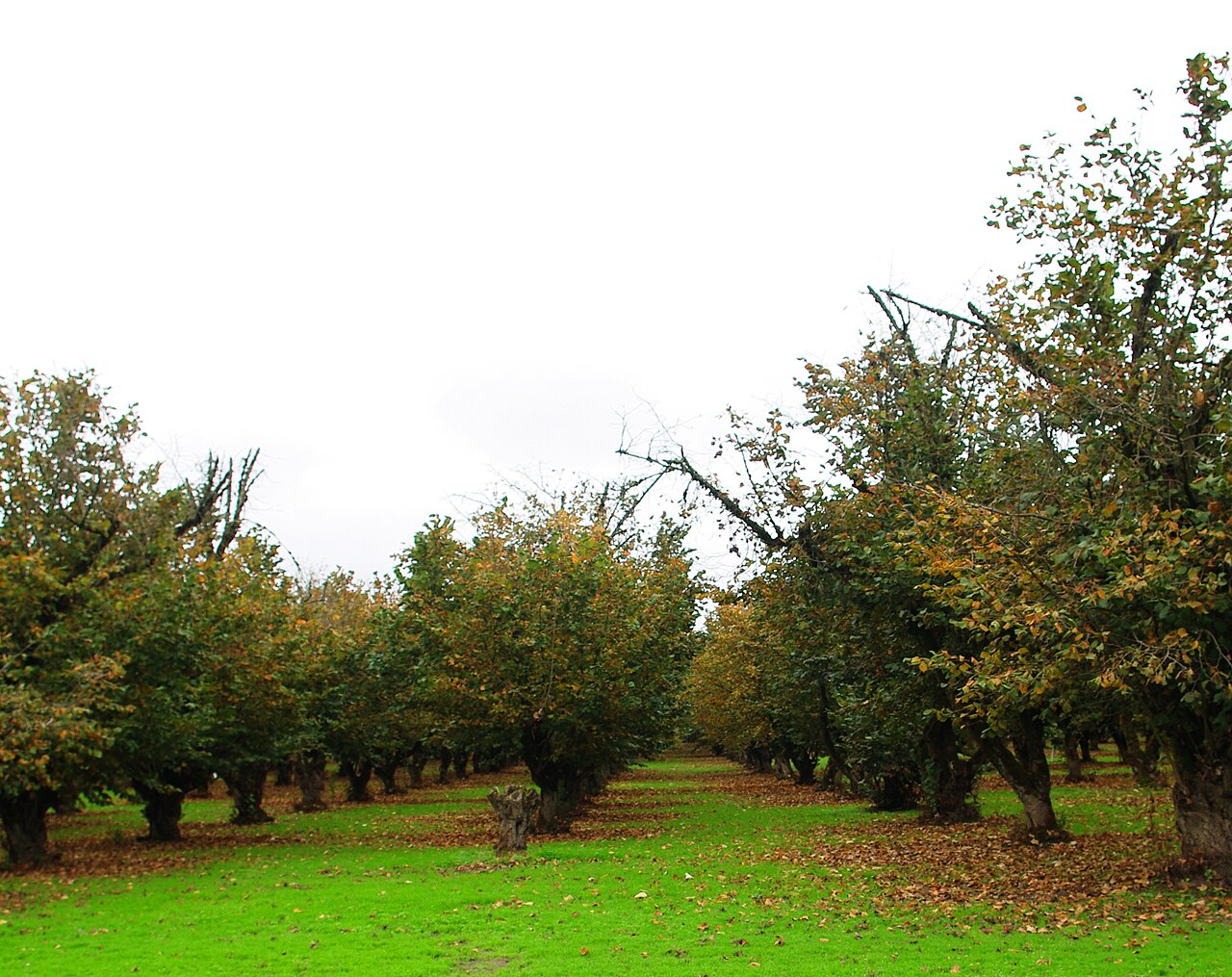
Principle: Prevention Before Application
In organic cultivation, the order is reversed from what many growers are accustomed to. According to the principles of EU organic production regulations (Regulation (EU) 2018/848), the control of harmful organisms relies primarily on the selection of species and cultivars, agrotechnics, orchard hygiene, and physical measures; the application of certain natural substances and preparations is only permitted when the plant cannot be protected by these means or when a threat to the crop is identified. In other words, the sprayer is the last, not the first, step.
From our corpus, the same message repeats multiple times: orchard control and monitoring are the first and most important steps in pest management. Regular visits, especially in early spring, allow for timely action while pest populations or infections are still small — which is crucial in organic cultivation, where preparations have weaker and shorter-lasting effects.
Preventive and Agrotechnical Measures
These measures form the backbone of organic protection and are cited in the corpus as "special rules for disease protection" applicable to organic production:
- Healthy and declared planting material — planting certified, healthy seedlings is the basic prerequisite for protection; many diseases (e.g., bacterial blight) are introduced via infected seedlings.
- Selection of more resistant cultivars — genotypes vary in sensitivity; more resistant genotypes also show better physiological parameters under stress (e.g., drought).
- Orchard hygiene — in smaller orchards, fallen leaves and fruits should be collected or buried to reduce the source of infection (e.g., the filbert weevil overwinters in the soil, fungal spores on leaves).
- Soil preparation and "rest" — before establishing a new orchard, it is recommended to remove plant residues and leave the soil fallow for several years.
- Regular and proper pruning combined with tool disinfection after cutting — crucial for preventing the spread of bacteriosis (Xanthomonas arboricola pv. corylina).
- Monitoring weather forecasts — rainy periods favor bacteriosis and fungal leaf spots, so preventive treatments are planned accordingly.
- Mechanical protection from wildlife — fencing with reinforced concrete posts and galvanized wire mesh (height approx. 1.8–2.2 m) is a standard measure in environmental protection plans; although not "plant protection" in the strict sense, damage from wildlife is often greater than that caused by insects.
Approved Preparations in Organic Hazelnut Production
The core of chemical protection in organic hazelnut cultivation, according to the corpus, consists of copper and sulfur as fungicides, and spinosad and pyrethrins as insecticides, along with the possibility of applying biological preparations and so-called "strengtheners" that enhance plant vitality and make it less susceptible to attack (Solina Međimurec et al., 2020).
Important: The registration status of products and their approval for organic production change, so always check the current status in the Phytosanitary Information System (FIS) and on the product label before each application. The following tables show products cited in literature as approved/suitable for organic hazelnut cultivation — for informational purposes only.
Copper-based Fungicides (Bacterial and Some Fungal Diseases)
Copper preparations are applied preventively, most commonly before the start of vegetation and during rainy periods, primarily against bacterial blight and some leaf spots.
| Preparation (examples) | Purpose | Informative Dosage |
|---|---|---|
| Bordeaux mixture (Caffaro 20 WP) | bacterial diseases, preventive | according to label |
| Champion WG 50 | bacterial and fungal diseases (except powdery mildew) | ~2.0 kg/ha |
| Neoram WG | bacterial diseases | ~0.2 % |
| Cuprablau Z (35 WG) | bacterial diseases, preventive | according to label |
Copper is a limited resource
In the EU, the total amount of copper is limited (approximately maximum ~28 kg/ha over 7 years, i.e., an average of about 4 kg of pure copper/ha per year). Copper accumulates in the soil and can harm microorganisms and earthworms, so it should be used sparingly and only when necessary. Check exact permitted quantities in current regulations and with the control body.
Sulfur-based Fungicides (Powdery Mildew, Harmful Mites)
Sulfur acts against hazelnut powdery mildew and simultaneously suppresses harmful mites, including the hazelnut mite (Phytocoptella avellanae).
| Preparation (examples) | Purpose | Informative Dosage |
|---|---|---|
| Cosavet DF | powdery mildew, mites | ~0.2 % |
| Microthiol Special Disperss | powdery mildew, hazelnut mite | ~3.0 kg/ha |
| Chromosul 80 / Kumulus DF | powdery mildew, harmful mites | according to label |
Insecticides Approved/Suitable for Organic Cultivation
The choice is very narrow. The corpus indicates that preparations based on spinosad, pyrethrins, and azadirachtin are suitable for organic production, while many effective insecticides (e.g., based on deltamethrin, lambda-cyhalothrin, thiacloprid) are intended exclusively for conventional cultivation.
| Active Substance | Preparation (example) | Target | Note |
|---|---|---|---|
| spinosad | Laser | codling moth (registered), also effective against some other pests | suitable for organic use with prior consultation with the control body |
| pyrethrins | Asset | aphids, bugs, mealybugs | approved in organic production |
| azadirachtin | NeemAzal-T/S | bugs, sucking and chewing insects | approved in organic production; systemic action |
| mineral/paraffin oil | Laincoil and similar | winter eggs of pests (e.g., aphids) | application during dormancy/start of vegetation, ~10 l/ha |
Limitation of Effectiveness
Contact insecticides of natural origin (especially pyrethrins) degrade quickly in sunlight, have little or no effect above ~22–23 °C, and have no residual action. Therefore, timing (early mornings, lower temperatures, correct pest developmental stage) is crucial for success.
Strengtheners, Biostimulants, and Biological Preparations
Since the choice of "real" pesticides is small, the organic strategy relies heavily on substances registered as fertilizers, strengtheners, or biostimulants — they do not kill the pest directly but strengthen the plant or create unfavorable conditions for pathogens. From the corpus:
- Equisetum Plus (horsetail concentrate with sulfur-silicon compounds) — promotes resistance to fungal diseases, e.g., powdery mildew.
- Pro-bac — a preparation with numerous microorganisms and yeasts that create a biological barrier on the plant surface; cited as preventive and curative support against bacterial blight.
- Dominus, FitoAfiser — influence the reduction of aphid populations.
- Boundary — cited with effect on the filbert weevil.
- Fitobacilus, Frutifolia, FitoMil L-60 (ECO), Fusver, Fitofert sulfur, Secur zolfo — strengtheners/fertilizers used preventively in organic production against leaf spots, fruit diseases, and powdery mildew.
- Biostimulants generally — reduce plant stress (transplanting, low temperatures, mechanical and chemical damage) and help the plant cope more easily with attacks by harmful organisms.
Basic Substances (basic substances) in the EU
In addition to conventional preparations, the EU allows a number of "basic substances" (currently around 24), mostly fungicidal in nature — e.g., baking soda (sodium bicarbonate), chitosan, hydrogen peroxide, lecithins, cow's milk, mustard powder, sunflower oil, vinegar, and whey. Many of these have not been specifically tested on hazelnut but fit into the concept of plant strengthening and prevention.
Most Important Pests and Diseases and the Organic Approach
| Harmful Organism | Type | Organic Approach |
|---|---|---|
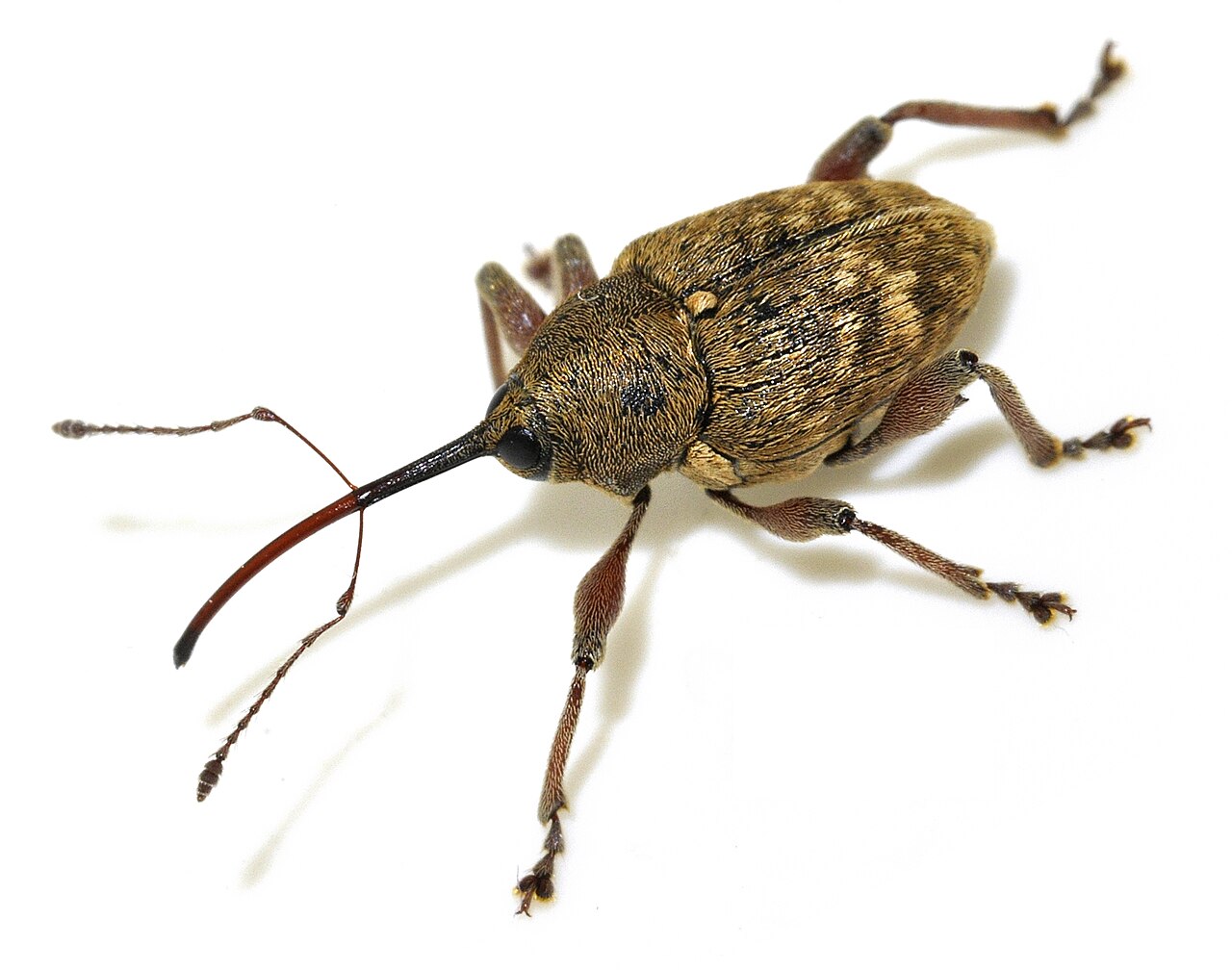
| Filbert weevil (Curculio/Balaninus nucum) | most dangerous pest, bores into fruit | monitoring, hygiene (collecting fallen fruits), spinosad/azadirachtin at the right time, soil cultivation |
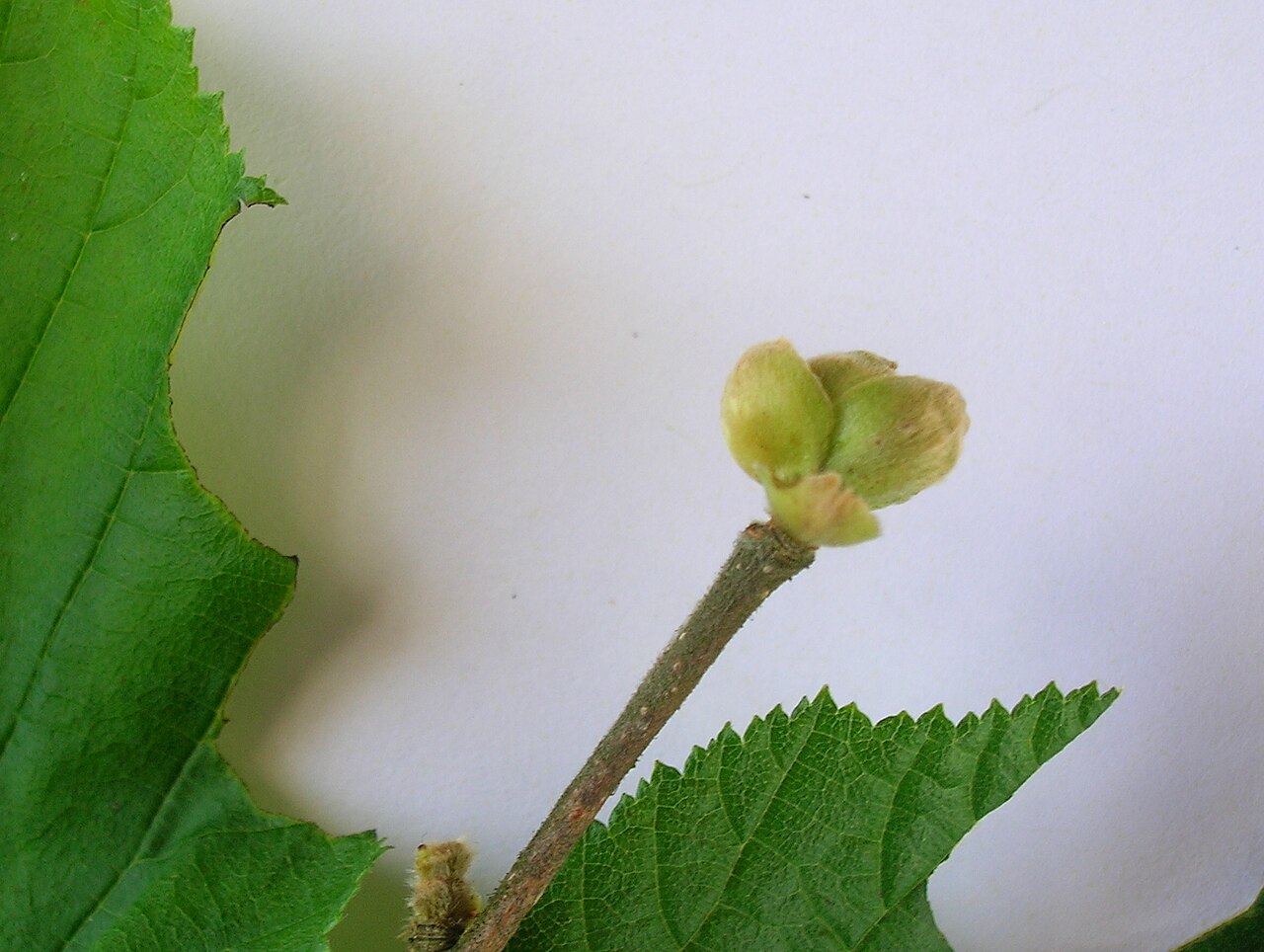
| Hazelnut mite (Phytocoptella avellanae) | bud deformation | sulfur preparations, removal of infected buds |
| Aphids | sucking pest | pyrethrins, mineral oil (winter eggs), strengtheners (FitoAfiser, Dominus) |
| Bugs (e.g., Phylus coryli) | fruit damage | pyrethrins, azadirachtin |
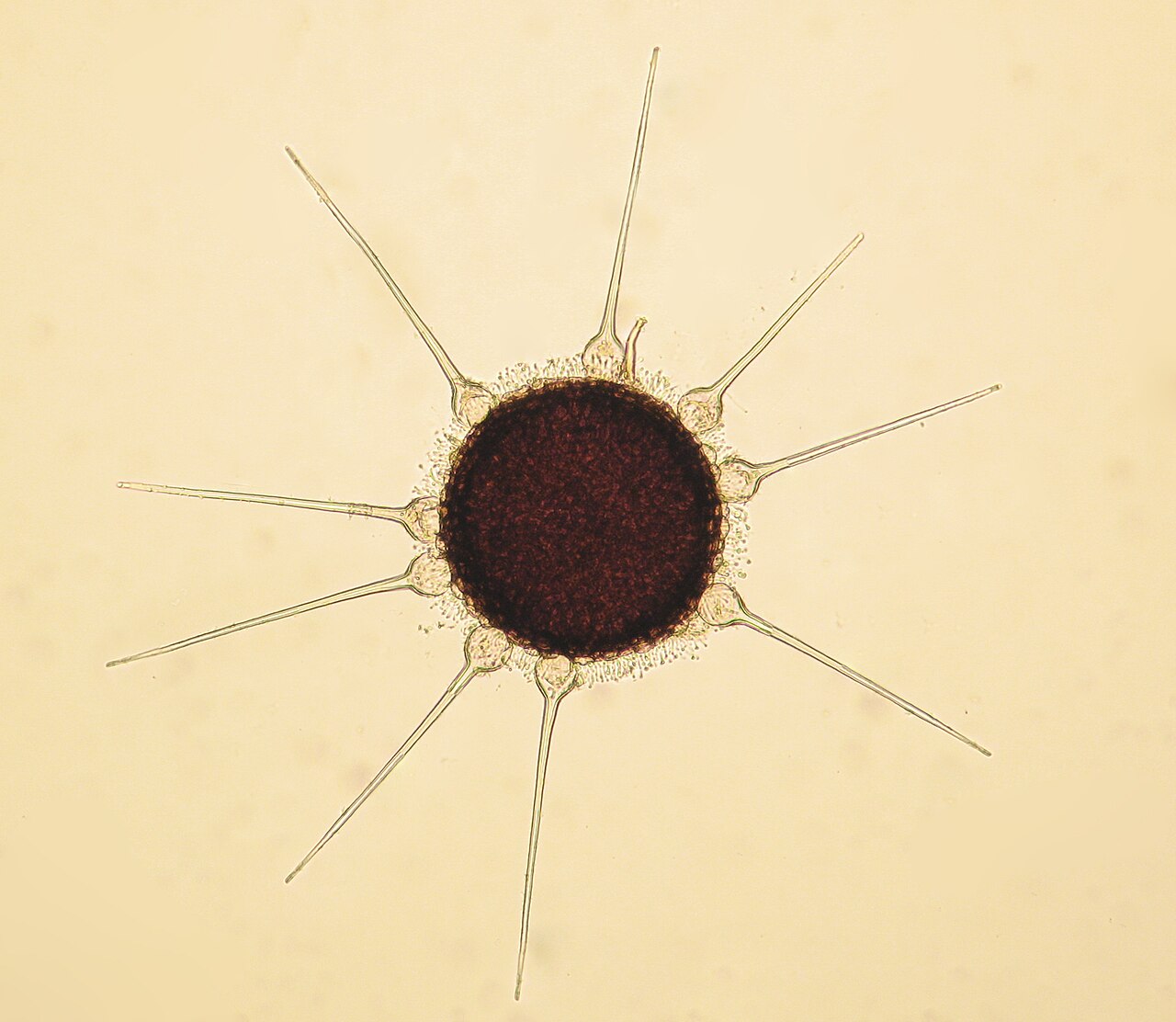
| Bacterial blight (Xanthomonas arboricola pv. corylina) | bacterial disease | healthy planting material, tool disinfection, preventive copper, Pro-bac |
| Hazelnut powdery mildew | fungal disease | sulfur, Equisetum Plus |
| Gray/leaf spot (Gnomonia and others) | fungal disease | preventive copper/strengtheners, leaf hygiene |
Approximate Annual Protection Calendar (Informative)
The following framework combines recommendations from the corpus into a logical sequence by phenological stages. Adjust exact timing and dosages according to cultivar, location, weather, and label instructions:
| Period / Phenological Stage | Measure | Target |
|---|---|---|
| Dormancy / Start of vegetation | mineral (paraffin) oil + copper | winter pest eggs, bacteriosis |
| Bud burst – Leafing | sulfur; Equisetum Plus | powdery mildew, hazelnut mite |
| Spring (rainy periods) | preventive copper; Pro-bac | bacterial blight |
| Leaf development | strengtheners (FitoMil L-60 and similar) | leaf spots |
| Flowering → Fruit development | filbert weevil monitoring; spinosad/azadirachtin at threshold | filbert weevil, bugs |
| During the season | pyrethrins / strengtheners as needed | aphids |
| Post-harvest / Autumn | orchard hygiene, collection of fallen fruits and leaves | reduction of infection sources for the next season |
| ## Limitations and Realities of Organic Protection |
The corpus speaks very openly about the limitations, which should be understood before transitioning to organic production:
- Few registered preparations, with a trend of further reduction. Even conventional hazelnut protection is described as having a "very questionable future"; in organic cultivation, the choice is even narrower.
- Higher cost. Available organic products and biostimulators are significantly more expensive, so protection calculations in organic cultivation can be higher than in conventional systems.
- Weaker and shorter-lasting action. Contact preparations without residual effect, sensitive to temperature and light, require precise timing and more frequent field visits.
- Copper is restricted and not harmless. Although permitted, it accumulates in the soil; it should be used sparingly and within legal quantity limits.
- Registration ≠ automatic "eco" status. Spinosad (Laser) is suitable for organic production, but it is registered only for the codling moth — application on other pests and its status require prior consultation with the control body.
- Emergency authorizations exist, but are exceptional. According to Art. 53 of Regulation (EC) 1107/2009, a Member State may authorize the temporary use (up to 120 days) of an unregistered substance in an emergency situation; this is an extraordinary measure, not part of a regular organic strategy, and does not imply that such a substance is permitted in organic cultivation.
Practical Recommendations and Common Mistakes
- Invest in monitoring, not just preparations. The cheapest and most effective "investment" is regular orchard visits and record-keeping. Spraying "blindly" in organic cultivation rarely pays off.
- Time treatments properly. Apply pyrethrins and other contact preparations during cooler parts of the day and at the correct pest development stage.
- Do not overuse copper. Monitor the total annual and multi-year quantity; excess can degrade the soil and jeopardize your certification.
- Orchard hygiene is a free fungicide and insecticide. Collecting fallen nuts and leaves, as well as disinfecting tools during pruning, reduce pressure from hazelnut weevils, bacterial diseases, and leaf spot.
- Check the status of EVERY product in the FIS (Register of Plant Protection Products) and with your control body before application — lists change, and using the wrong product can mean loss of organic status.
- Keep records of product use and dispose of packaging in a prescribed manner; application may only be carried out by persons who have passed the exam on safe handling of pesticides.
- Common mistake: expecting that one "eco" preparation will match the efficacy of a synthetic insecticide. In organic cultivation, protection is the sum of many small measures (cultivar + hygiene + boosters + timely treatment), not a single move.
Gallery
Sources
This article is an AI-generated summary derived from an internal literature collection on hazelnuts (RAG corpus) and supplemented with public sources. The content is informative; dosages, products, and application intervals depend on the cultivar, location, and current regulations, and should be verified with advisory services and official registers (FIS) before use. Main sources used:
From the RAG corpus (hazelnut literature collection):
- Update of calculations for Measure 11 — Organic Cultivation (2022.) — approved preparations and biostimulators in organic hazelnut cultivation.
- Registered preparations in hazelnut production (2023.) — copper and sulfur preparations, insecticides, and limitations of conventional protection.
- Solina Međimurje et al. (2020), based on: Technology and Economics of Organic Hazelnut Production on Hobolić Alen Farm (A. Huzjak, University College Varaždin, 2021.) — copper, sulfur, spinosad, pyrethrin, boosters.
- Advisory Service — Notifications for Hazelnut and Walnut Producers (2018, 2019.) — tables of approved insecticides and copper preparations.
- Recommendations for Owners of Permanent Hazelnut Orchards (2022, 2025.) — organic preparations, boosters, emergency authorizations (Art. 53 of Regulation 1107/2009).
- Cultivation of Hazelnuts in Organic Production — Proeco (2016.) — Equisetum Plus, Pro-bac, NeemAzal-T/S.
- Hazelnut Diseases and Pests / Hazelnut Protection in Organic Cultivation (Repository, 2020.; Economic Bulletin, 2025.) — most important pests and diseases, monitoring.
- Environmental Protection Elaborates (Establishment of Permanent Hazelnut Orchards, 2015–2021.) — mechanical protection (fences), preventive measures.
Public Sources:
- Regulation (EU) 2018/848 on organic production — agriculture.ec.europa.eu
- List of active substances permitted in organic agriculture (Annex I, Regulation (EU) 2021/1165) — PAN-UK
- Basic substances in plant protection — PMC: Basic Substances review
- Efficacy of organic insecticides (spinosad, pyrethrin, azadirachtin) — PMC: Comparative Efficacy of Organic Insecticides
- COLEAD — EU Organic Regulation Updates & Pest Control — news.colead.link
Recommended equipment
🔎 backpack sprayer — Amazon →Affiliate links — we may earn a small commission at no extra cost to you.