Ecological Hazelnut Cultivation in Croatia: Approved Products, Dosages, and Agrotechnics
Content generated by artificial intelligence — verify before application
This article was automatically compiled from a collection of hazelnut literature using artificial intelligence and may contain errors or outdated information. It serves as a starting point for further research, not as professional advice. Dosages, products, and timing are informative and depend on the cultivar, location, and current regulations — always consult with advisory services and official sources before application.
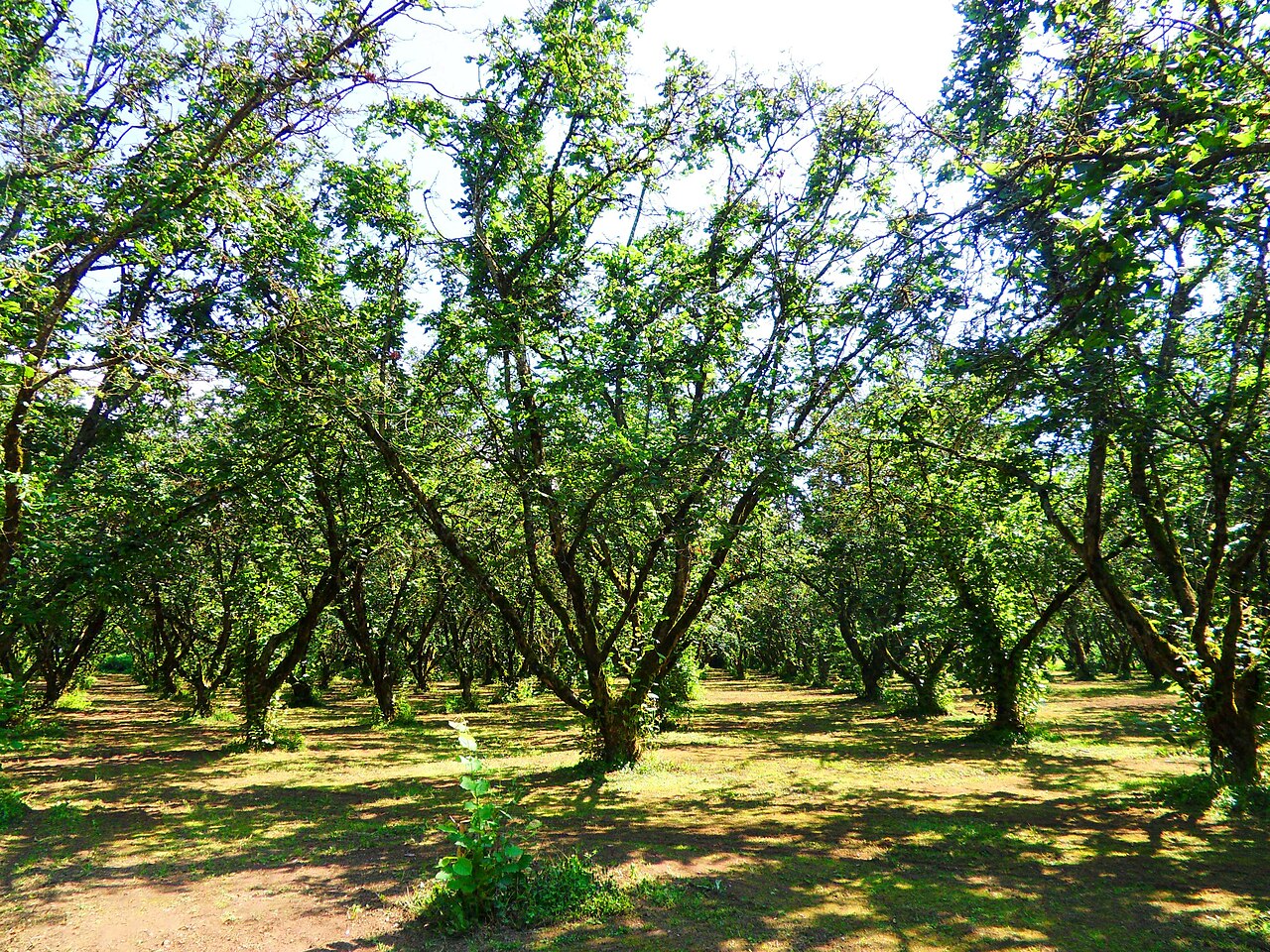
Ecological (organic) hazelnut cultivation is based on the philosophy of sustainable development: the goal is to produce healthy nuts from a holistic community of soil and plants, without synthetic mineral fertilizers, GMOs, or synthetic pesticides. This means that producers have a significantly narrower selection of registered products compared to conventional orchards, and available preparations are often more expensive. Therefore, in an organic orchard, the emphasis is on prevention, agrotechnics, and mechanical measures, while approved plant protection products are used targeted and within prescribed limits. This article compiles a list of approved products (copper, sulfur, kaolin, Bacillus thuringiensis, NeemAzal), their informative dosages, alternative methods such as organic acids for controlling suckers, mechanical weed control, and organic agrotechnics specific to hazelnuts.
Principles of Ecological Hazelnut Protection
In organic production, several fundamental rules apply, derived from EU regulations (Regulation (EC) No 1107/2009 concerning the placing of plant protection products on the market and EU rules on organic production) and the practice of advisory services:
- Only products approved for organic production and registered in the Phytosanitary Information System (FIS) may be used.
- Synthetic herbicides (e.g., glyphosate) are not allowed; weeds and suckers are removed mechanically, mulched, and controlled through managed grassing.
- Application of products may only be carried out by persons who have passed the exam on safe handling and correct application of pesticides, keeping a record list and disposing of packaging properly.
- The emphasis is on prevention and monitoring (e.g., monitoring the orchard in early spring) and on biostimulants that reduce plant stress and strengthen its resistance.
It is important to note that in Croatia, and indeed throughout the EU, the choice of registered preparations for hazelnuts is very limited. In accordance with Article 53 of Regulation (EC) No 1107/2009, in emergency situations, member states may issue a temporary authorization of up to 120 days for the application of an unregistered product when the danger cannot be controlled in any other way.
Approved Plant Protection Products
The following table summarizes the most frequently mentioned products approved for ecological hazelnut cultivation. All data are informative — check current registration in FIS and the label before application.
| Group | Active Substance / Preparation | Purpose | Note |
|---|---|---|---|
| Copper fungicides | copper (Bordoška juha Caffaro 20 WP, Champion WG 50 / Champion, Neoram WG, Cupra) | bacterial and fungal diseases (except powdery mildew) | subject to EU copper limit (see below) |
| Sulfur fungicides | sulfur (Cosavet DF, Microthiol special disperss, Chromosul 80, Sulfur WG 80, KingFol S) | powdery mildew, hazelnut mite (gall mite) | effective at approx. 15–20 °C |
| Mineral oil | mineral light / paraffin oil | overwintering forms of pests | dormant treatment |
| Kaolin (kaolinite clay) | Fito-Kaolin TMB, Kaolin BPLN | repellent for flea beetles/aphids, protection from sunburn | physical barrier, no residues |
| Biological insecticide (Bt) | Bacillus thuringiensis | caterpillars (leafrollers) | selective, beneficial insects spared |
| Plant / mineral insecticides | azadirachtin (NeemAzal-T/S) | stink bugs | approved in organic production |
| Pyrethrins | pyrethrins (Asset) | aphids, stink bugs, mealybugs | approved in organic production |
| Spinosad | spinosad (Laser) | leafrollers | suitable with prior consultation with the control body |
Note: some products (e.g., Calypso SC 480 / thiacloprid, Decis, Kaiso / lambda-cyhalothrin) are cited in literature for conventional protection and are not approved for organic production. For organic orchards, use only preparations with explicit permission for organic cultivation.
Copper and EU Limit
Copper remains the backbone of protection against bacterial (e.g., bacterial blight) and fungal diseases in organic hazelnuts, but its use is strictly limited because it accumulates in the soil and harms non-target organisms and biodiversity.
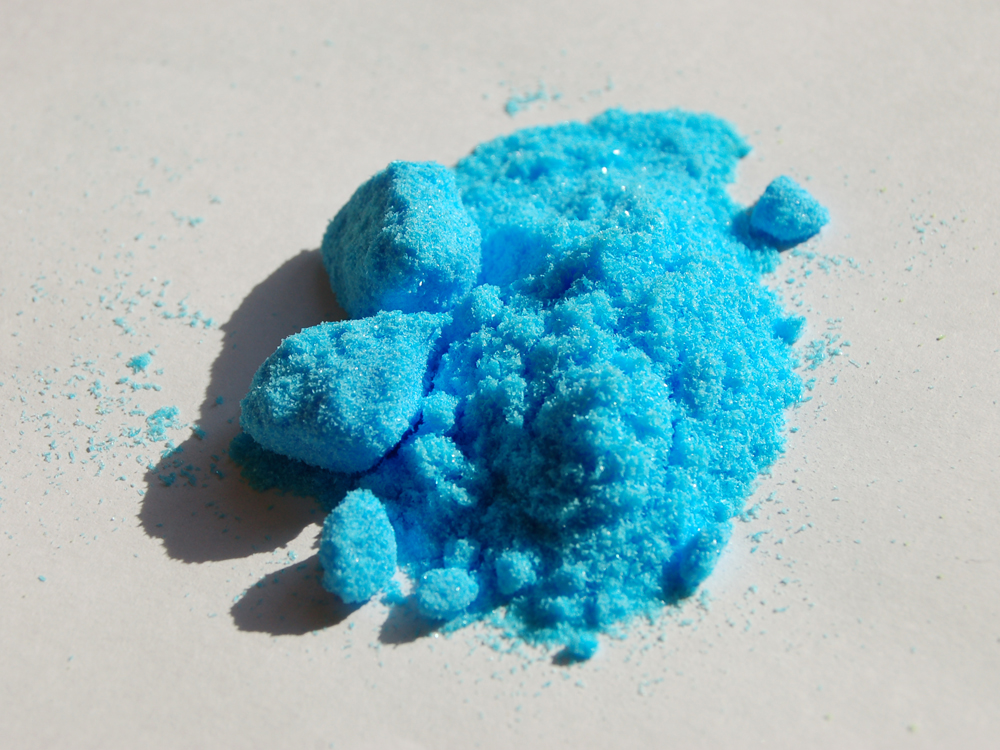
Key restriction (EU): maximum 28 kg of pure copper per hectare over 7 years, which corresponds to an average of 4 kg/ha per year. The "smoothing" mechanism allows exceeding 4 kg/ha in years with difficult conditions (with justification), but the seven-year average must not exceed 4 kg/ha.
| Parameter | Value (informative) |
|---|---|
| Copper maximum (7 years) | 28 kg/ha |
| Average annual maximum | 4 kg/ha |
| Example dosage (Champion WG 50) | ~2.0 kg/ha |
| Example concentration (Neoram WG) | ~0.2 % |
Practically: plan copper use over the entire seven-year period, not each season separately. Dosage reduction is achieved by better timing (preventive treatments before infection), quality pruning for canopy ventilation, and combination with other measures.
Sulfur
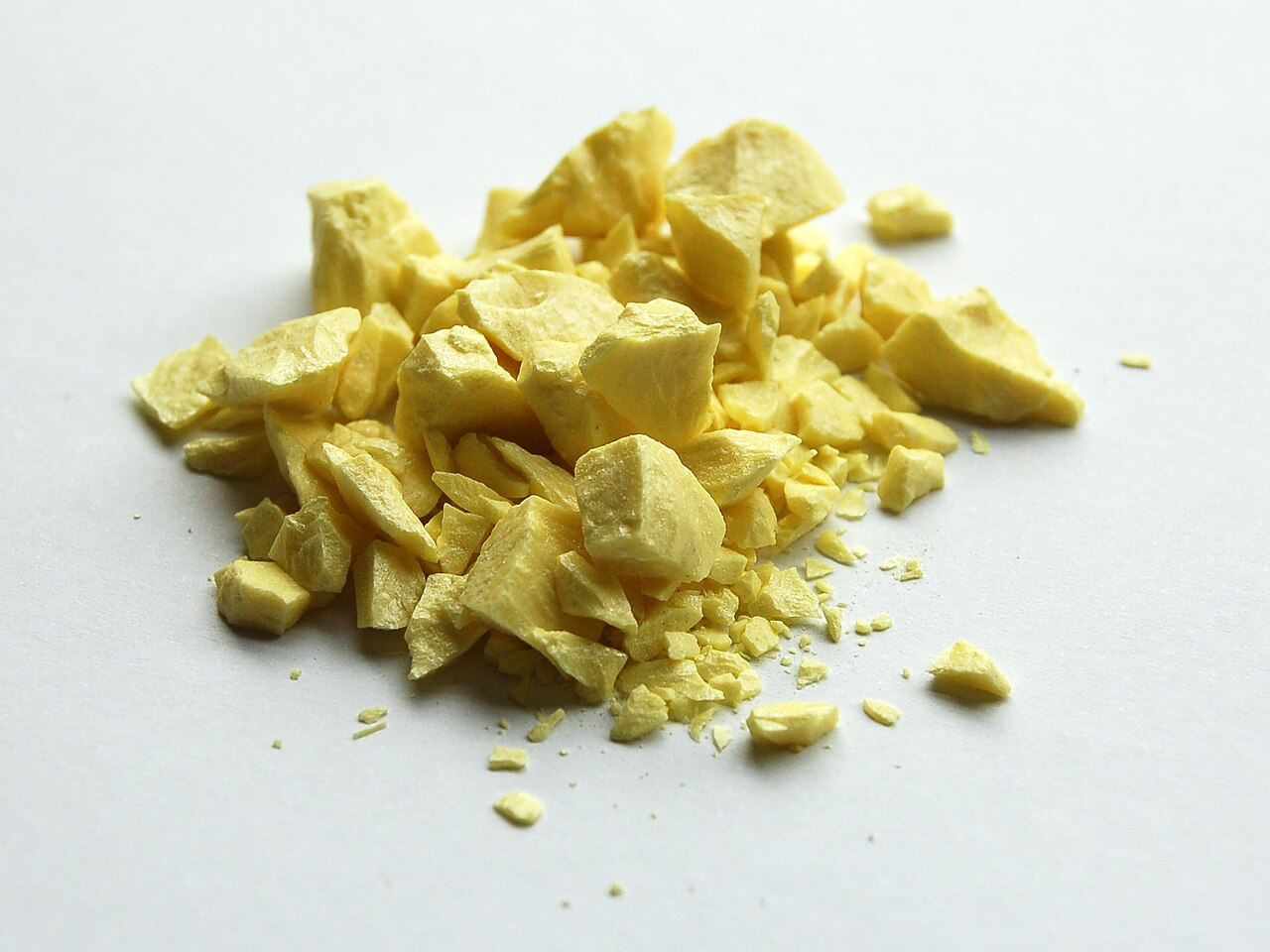
Sulfur is the second most important product — it acts preventively against powdery mildew and helps with hazelnut (gall) mite. In addition to its protective role, sulfur is also a nutrient: it participates in protein synthesis and increases plant resistance to diseases and stress (drought, high/low temperatures). In the absence of sulfur, nitrogen incorporation into proteins decreases and chlorophyll concentration drops.
Informative dosages from literature: - Sulfur WG 80: approx. 4 kg/100 m² (with appropriate conversion to area/canopy volume). - Liquid sulfur (KingFol S): approx. 1.0–3.0 l/ha for arable crops; for hazelnuts, adjust according to the label and canopy volume.
Sulfur works best at moderate temperatures (approx. 15–20 °C); at high temperatures, the risk of phytotoxicity (burns) increases, so avoid treating on hot days.
Kaolin
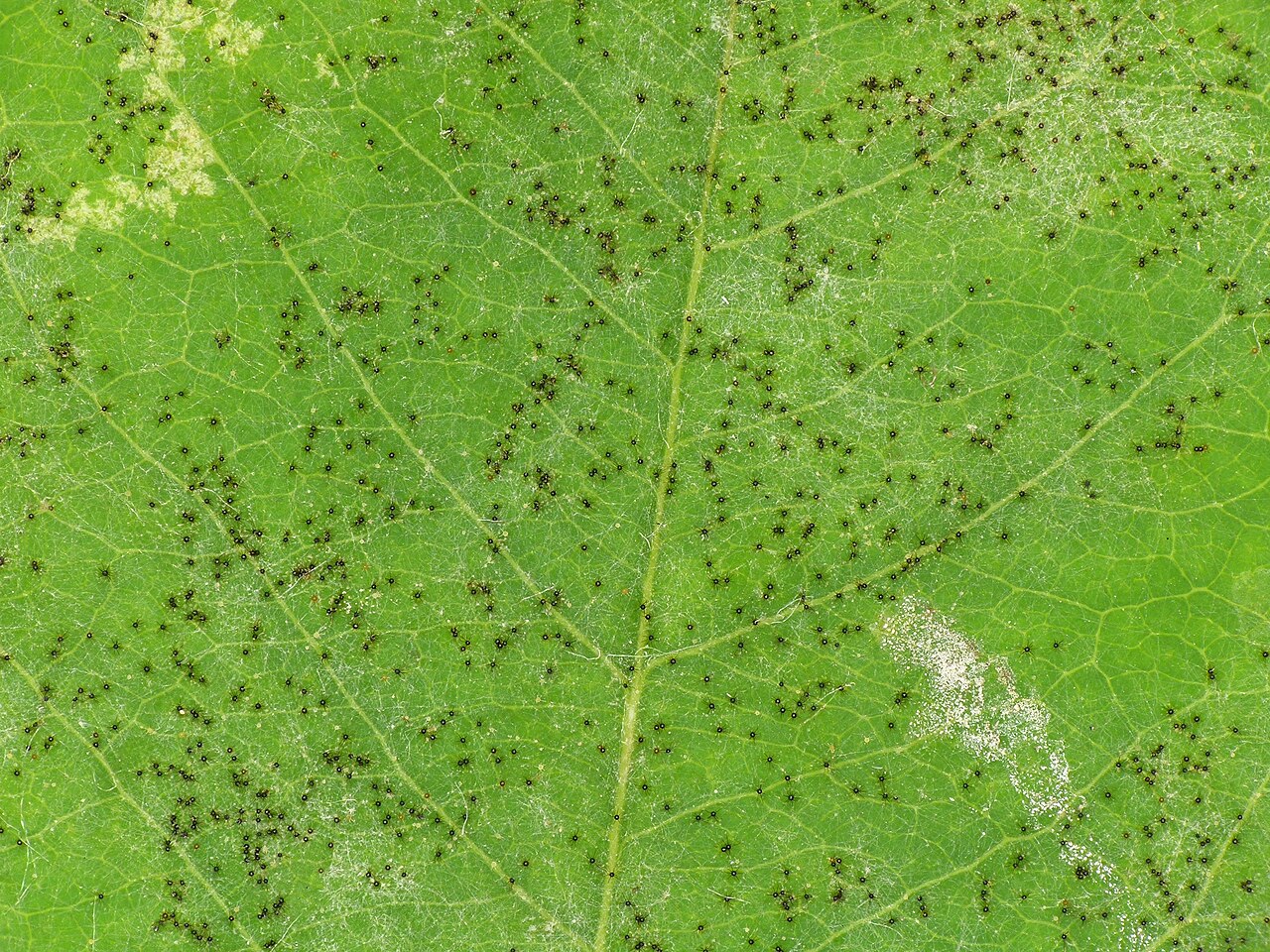
Kaolin (white clay) acts as a physical barrier and repellent: it coats leaves and fruits, repels flea beetles/aphids, and reduces sunburn and thermal stress on fruits. It leaves no chemical residues and is compatible with sulfur and copper.
Informative dosages (according to catalogs of organic preparations, converted to meter height/width of canopy):
| Purpose | Kaolin Dosage |
|---|---|
| Basic application / prevention of scab | 1.0 kg/ha per 1 m of canopy (up to 2.0 kg/ha in unfavorable conditions) |
| Control of flea beetles (first flight, February/March) | 1.5 kg/ha per 1 m of canopy, repeat 2–3 times |
| Protection from sunburn | 1.0 kg/ha per 1 m of canopy height |
| In combination with sulfur (example) | 0.2 kg kaolin + 0.2 kg wettable sulfur |
The kaolin dosage is reduced when applied together with products based on sulfur and copper.
Bt and NeemAzal
- Bacillus thuringiensis (Bt): biological insecticide against caterpillars (leafrollers). It is selective and spares beneficial insects; applied when caterpillars are young.
- NeemAzal-T/S (azadirachtin): plant insecticide approved in organic production, specifically noted against stink bugs. Acts as a growth regulator and repellent.
In addition, pyrethrins (e.g., Asset) are used in organic orchards against aphids, stink bugs, and mealybugs, and spinosad (Laser) against leafrollers with prior consultation with the control body.
Organic Acids for Controlling Root Suckers
Root (non-productive) suckers at the base of the tree ("suckers") consume nutrients and in organic orchards cannot be controlled with synthetic herbicides. The classic solution is mechanical/manual removal, but recent Croatian research (master's thesis, Faculty of Agrobiotechnical Sciences Osijek, 2024.) examined organic acids as contact agents for drying young suckers.
| Acid | Tested Concentration | Note |
|---|---|---|
| Hydrochloric acid | 10 % | in the experiment gave the best results (intensity of drying, least regrowth) |
| Oxalic acid | 10 % | effective |
| Acetic acid | 10 % | effective |
| Tartaric acid | 10 % | effective |
| Formic acid | 5 % | effective |
In the experiment, an amount of approximately ~100 ml per sucker was applied. Treatments showed high efficacy in suppressing young suckers in the early growth stage. The authors, however, warn that further research is needed on safety for humans and the environment and on compatibility with the plant — therefore, this should be viewed as promising but not yet established practice, not as a routine recommendation. The best effect is achieved by applying to young, herbaceous suckers before lignification.
Note: hydrochloric acid is a strong mineral (inorganic) acid; although it gave the best results in the study, it requires careful application and consideration of acceptability in certified organic production systems. Always prioritize mechanical methods.
Mechanical Weed Control and Soil Management
Since synthetic herbicides are prohibited, weeds in organic hazelnut orchards are controlled by a combination of mechanical and biological measures:
- Mechanical removal and cultivation around young seedlings, especially in the first three years.
- Mulching (organic mulch) to suppress weeds, retain moisture, and improve soil structure.
- Controlled grassing of inter-row spaces — natural (spontaneous) or artificial (sowing grass mixtures); the grass cover prevents erosion, feeds the soil, and supports beneficial organisms.
- Inter-row cultivation (cultivation) in rows and between rows where necessary.
- Avoid bare, compacted soil surfaces.
Eco-agrotechnics specific to hazelnut
Agrotechnical measures in an organic orchard follow the same calendar as conventional ones, but with permitted substances and organic fertilizers. A typical sequence in the first years (according to environmental protection assessments for hazelnut orchards in Croatia):
| Measure | When / how |
|---|---|
| Manual pruning and branch collection | every year, adjusted to seedling growth |
| Fertilization with organic nitrogen fertilizers | instead of mineral NPK fertilizers |
| Harrowing / inter-row cultivation | seasonal |
| Cultivation around young seedlings | in the first 1–3 years |
| Protection with ecological preparations | preventive, according to monitoring |
| Orchard monitoring | early spring (monitoring of pests and diseases) |
Additional specifics and limitations on fertilization:
- Soil preparation before planting includes ameliorative fertilization (mineral and manure), calcification, and deep loosening (rigging) — all aligned with eco-rules.
- The maximum permitted amount of nitrogen is 170 kg N/ha (limit from the Nitrate Directive).
- Manure (solid) must not be applied to waterlogged soil, mixed with sewage sludge, or during the prohibited period (approximately May 1 – September 1, according to local regulations).
- Foliar nitrogen fertilization reduces nitrogen uptake from the soil; dosing should be adjusted based on previous nutritional status and the alternate bearing nature of hazelnut.
Biostimulators
Due to the narrower selection of protective substances, the application of biostimulators is recommended in organic orchards. These reduce plant stress (transplanting, low temperatures, mechanical and chemical damage) and help the plant defend against harmful organisms. They do not replace protection but strengthen the resilience of the orchard.
Support for organic production
Organic hazelnut production in Croatia is supported by Measure 11 (Organic Production). Informative support amounts for perennial hazelnut orchards:
| Payment type | Amount |
|---|---|
| Transition to organic practices (EKOP) | 750.74 EUR/ha |
| Maintenance of organic practices (EKO) | 625.62 EUR/ha |
| Minimum plant density | 300 seedlings/ha |
The application can be submitted with a minimum farm area of 0.5 ha and a minimum ARKOD parcel of 0.05 ha. Areas declared for Measure 11 are not eligible for the production-linked fruit support.
Practical recommendations and common mistakes
- Plan copper use long-term. Keep records of applied pure copper to avoid exceeding 28 kg/ha over 7 years. A common mistake is looking only at the current season.
- Timing is more important than dosage. Preventive treatments before infection and at the correct phenological stage are more effective than late "firefighting."
- Watch the temperature for sulfur — avoid hot days to prevent burns; sulfur works best at moderate temperatures.
- Combine measures. Kaolin + good pruning + cover cropping + biostimulators reduce the need for copper and sulfur.
- Remove suckers early, while they are herbaceous — at that stage, both mechanical and acid methods are most effective.
- Do not use conventional substances "just because they are available." Check if the preparation is explicitly permitted in organic production and registered in FIS.
- Keep documentation (record sheets, packaging disposal) — this is a condition for certification and control.
- Consult advisory services and the control body before introducing new substances or in case of emergency authorizations (Art. 53).
Sources
This article is an AI summary compiled from an internal literature collection on hazelnut (RAG corpus) and public sources. Main sources used:
- Update of calculations for Measure 11 — Organic Production (Kalkulacije_Mjera11, 2022.) — internal corpus
- Advisory service: notifications to hazelnut producers (hazelnut weevil, stink bugs, permitted substances), 2018 — internal corpus
- Environmental protection assessments for establishing permanent hazelnut orchards (Grubišno Polje; Pecki/Čuntić), 2020 — internal corpus
- Gusak, I. (2024). Influence of certain organic acids on the suppression of hazelnut root suckers (C. avellana L.), master's thesis, Faculty of Agrobiotechnical Sciences Osijek — https://urn.nsk.hr/urn:nbn:hr:151:550031
- Technology and economics of organic hazelnut production (OPG Hobolić Alen), 2021 — internal corpus
- Technological and economic characteristics of hazelnut cultivation (PP Orahovica), 2018. — https://doi.org/10.46584/lm.v36i2.1141
- Fitoeko catalog 2025 / Eco booklets (Fito-Kaolin, sulfur, kaolin doses) — internal corpus
- Is hazelnut cultivation profitable? — Gospodarski list, 2019.
- Use of Copper-Based Fungicides in Organic Agriculture in Twelve European Countries — https://www.mdpi.com/2073-4395/12/3/673
- Organic farming: copper re-approved in Europe — Organic Farm Knowledge — https://organic-farmknowledge.org/news-events/news/detail/organic-farming-copper-re-approved-in-europe
- EU tightens rules on the use of copper in organic farming — wein.plus — https://magazine.wein.plus/news/eu-tightens-rules-on-the-use-of-copper-in-organic-farming-only-four-kg-per-hectare-instead-of-the-previous-maximum-of-six-french-wine-growers-protest
- Agricultural Kaolin Clay for Organic Growers (2025) — Kaoleni — https://www.kaoleni.com/en/agricultural-kaolin-clay-for-organic-growers-the-complete-guide-2025-kaoleni/
- Materials Allowed for Organic Disease Management — PNW Pest Management Handbooks — https://pnwhandbooks.org/plantdisease/pesticide-articles/materials-allowed-organic-disease-management