Managing Labor and Workplace Safety
Content generated by artificial intelligence — verify before application
This article was automatically compiled from a collection of hazelnut literature using artificial intelligence and may contain errors or outdated data. It serves as a starting point for further research, not as professional advice. Dosages, products, and timing are informative and depend on the cultivar, location, and applicable regulations — always consult with an advisory service and official sources before application.
Labor is, along with soil and capital, one of the three fundamental production resources in hazelnut cultivation. In the structure of monetary costs for establishing and maintaining an orchard, labor regularly accounts for one-fifth or more of total expenditures, and during the most labor-intensive weeks — primarily during harvest — the timely securing of labor directly affects both yield and fruit quality. This article connects two inseparable issues: how to organize and compensate labor (especially seasonal), and how to preserve the health and safety of people working with machinery and plant protection products. The goal is to provide producers with a framework for planning labor peaks, drafting correct contracts, monitoring productivity, and establishing a basic safety culture on the farm.
Why hazelnut work is seasonal and "peaky"
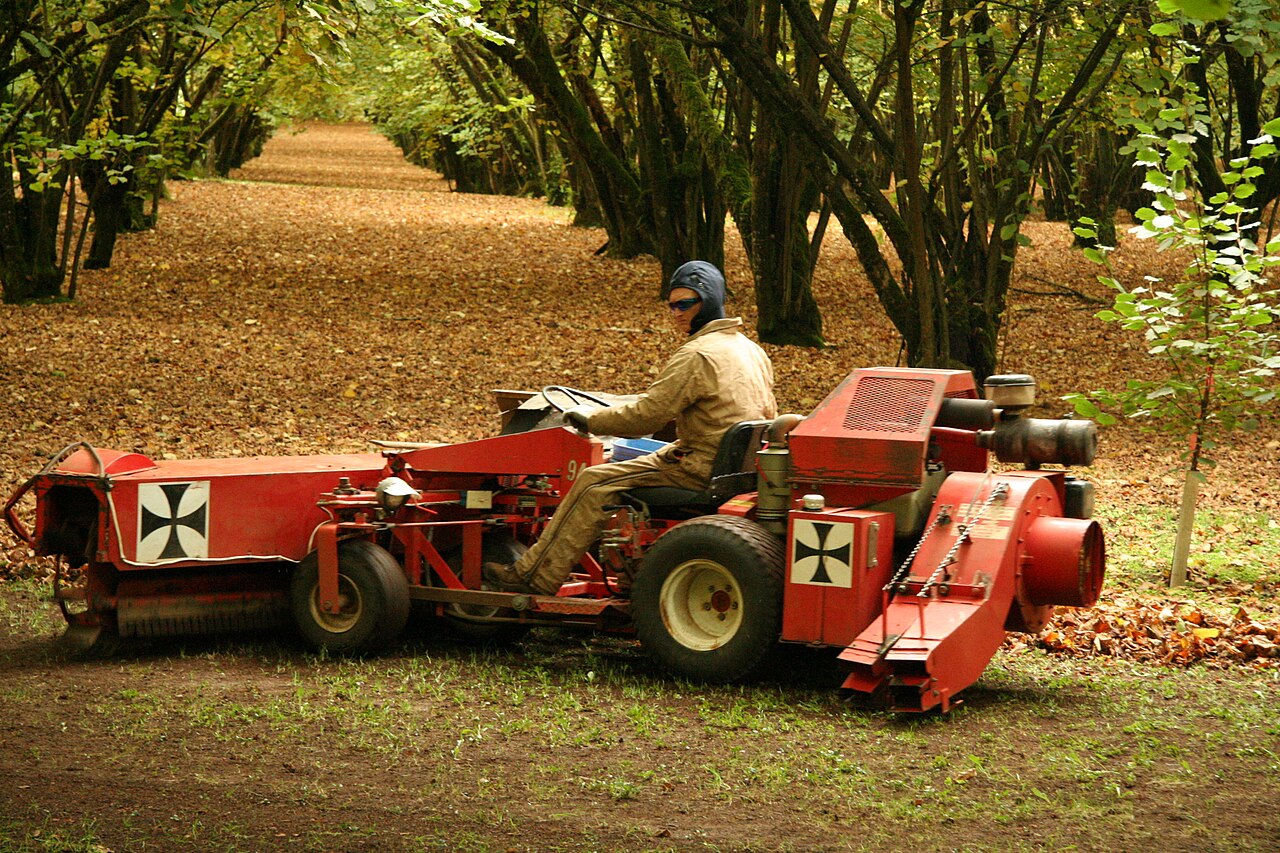
Hazelnut is a perennial orchard with a highly uneven distribution of tasks throughout the year. The majority of agrotechnical practices — pruning, fertilization, mowing, and mulching of the inter-row space, pest and disease control — can be scheduled and carried out by a small, permanent team. In contrast, harvest creates a sharp labor peak ("spike", engl. labor peak) that requires multiple times more labor hours in a short period than the rest of the year.
According to the corpus literature, hazelnut harvest in continental Croatia typically lasts from late August to mid-September, in intervals of every two to three weeks, while a wider range is cited as from mid-July to early October, depending on the cultivar and region. Fruits are harvested only when they ripen, change color to yellowish-brown, and begin to drop from the husk to the ground. This means that the time window for quality harvest is narrow — and the literature explicitly warns of the "relative brevity of time for quality harvest execution". A delay of just one week in securing workers can mean a loss of yield and a drop in quality (e.g., due to contact of fruits with moist soil and the risk of mold and aflatoxins).
Typical annual work schedule and labor peaks
| Period | Main Tasks | Labor Intensity |
|---|---|---|
| Winter (XII–II) | Pruning, bush shaping, equipment repair | Medium, planned |
| Early Spring (III–IV) | Inter-row cultivation, hoeing young seedlings, fertilization | Medium |
| Spring–Summer (V–VII) | Protection (spraying), mowing/mulching, irrigation | Medium to high |
| Harvest (VIII–IX, broader VII–X) | Pre-harvest mulching, hedging, gathering, drying | Very high (peak) |
| Autumn (X–XI) | Post-harvest drying, grading, storage, shipping | Medium |
Practical consequence: the permanent core should be dimensioned according to average workload, while seasonal labor should be based on the harvest peak. From the example in the corpus (a family farm with one permanently employed technologist and technician, plus six occasional seasonal workers), it can be seen that seasonal labor can account for about one-third of total wage costs (33.4%) and be concentrated in a few months.
Planning labor needs
Good planning starts with a list of all labor operations and their norms. Literature on hazelnut economics emphasizes that "for an economical way of working, it is necessary to make a list of all tasks and costs, study all labor operations, analyze the entire work process, and identify the good and bad aspects, then design an improved way of working".
Practical steps for labor planning:
- Break down work into operations (pruning, mowing, spraying, hedging, gathering, transport, drying, grading).
- Estimate labor hours per unit (labor hours/ha or hours/ton of nuts) for each operation, based on your own records from previous years.
- Schedule operations on a calendar and identify weeks with overlapping tasks (peaks).
- Determine the capacity of the permanent core and calculate the shortfall that needs to be covered by seasonal workers or services (rental of machinery/harvest services).
- Ensure a reserve (time and personnel) for bad weather — harvest is carried out in dry conditions, so rainy days compress the work into an even shorter window.
Strategies for "flattening" the labor peak
- Harvest mechanization. The corpus emphasizes that manual fruit gathering is a "difficult and expensive job" and that "in recent years, hazelnut harvest is carried out mechanized, with harvester machines", which "significantly reduces harvest costs and increases efficiency". The harvester (vacuum sweeper) is often taken on service rather than owned, turning a capital cost into a variable one.
- Adjusting agrotechnics to harvest technology. All agrotechnical interventions should be "adapted to the harvest technology": a flat, mowed, and clean inter-row space, along with a narrow, weed-free strip under the bushes (approx. 30% of the inter-row width), significantly speeds up mechanical and manual harvest.
- Stretching out the work. Harvesting in 2–3 passes at intervals allows working with a smaller team over a longer period instead of a large one-time crew.
- Renting services and labor exchange with neighboring farms in different micro-locations/cultivars (different ripening times).
Labor productivity and cost
Productivity is most easily tracked as labor hours per hectare or per ton of nuts for each individual operation. Comparing these indicators between plots and years reveals bottlenecks and justifies investments (e.g., in a harvester or better mulcher).
A few indicative figures from the corpus and public sources (informative, highly variable by farm and location):
| Indicator | Value | Source / Note |
|---|---|---|
| Share of labor in monetary costs of orchard establishment | ~19 % | UC ANR cost study (hazelnut, USA) |
| Share of fertilizers and chemicals in the same costs | ~20 % | same source |
| Share of labor in labor-intensive crops (fruit/vegetables) generally | 38–40 % | overview of labor costs in agriculture |
| Hazelnut yield | 3–5 t/ha | corpus (forum source) |
| Duration of nut drying | 3–4 weeks | corpus (Hobolić family farm) |
| Example of seasonal compensation | 205 HRK/h, 6 workers × 80 days = 98,400 HRK/year | corpus (Poljinos study, historical amount in kuna) |
Note on amounts
Monetary amounts from older literature are stated in kuna and reflect prices from the year of publication. For current wages, minimum hourly rates, and seasonal labor allowances, check applicable regulations and official sources (since 2023, the currency is the euro).
Reducing turnover is an underestimated cost lever: retaining proven seasonal workers from year to year reduces attraction and training costs and increases productivity (a well-coordinated team). Web sources indicate that even ~79% of employers in agriculture report difficulties in finding workers, so good practice towards experienced workers is directly economically profitable.
Contracts and legal framework for seasonal workers
A written contract protects both the worker and the employer. Although often bypassed in practice, an oral agreement leaves the employer and worker without legal protection: in such cases, as studies from the Turkish hazelnut sector show, the employer "does not bear legal consequences if they do not comply with labor rules or do not pay wages". EU sources also confirm that a written contract is a legal obligation that is unfortunately often ignored, creating unequal working conditions.
What a seasonal work contract should contain
- Parties and period of work (seasonal contract linked to a specific harvest period).
- Working hours and breaks — defined daily hours, breaks, and days off. Studies note that seasonal workers in harvest often work 9.5–10 hours daily (66–70 hours weekly), which often exceeds legal limits; the contract and work organization must comply with prescribed working hours and overtime.
- Compensation (hourly rate/output) and payment deadline, with a guaranteed minimum wage not lower than the legal minimum.
- Occupational health and safety measures (OHS), personal protective equipment (PPE), and safe transport.
- Accommodation and meals when part of the arrangement (adequate conditions).
- Social and pension insurance / registration of the worker.
Good practice from responsible sourcing programs (Olam, Nestlé, Balsu in Turkey) shows the direction: formalization of the employment relationship, written contracts approved by the employment service, guarantee of minimum wage, legal working hours (8 hours), OHS measures, safe transport, adequate meals, and accommodation. These studies specifically warn against child labor and emphasize the protection of pregnant women and young workers.
Check Croatian/EU regulations
Specific forms of engaging seasonal workers in the Republic of Croatia (e.g., seasonal work contract in agriculture and corresponding forms/declarations and daily contribution amounts) are prescribed by national legislation and change. Before hiring, check applicable regulations, amounts, and forms with competent institutions and advisory services.
Labor intermediaries ("job masters")
Where workers are engaged through intermediaries, it should be known that the intermediary often factually assumes the role of the employer (hires, pays, supervises). This can facilitate organization, but increases the risk of irregularities and loss of transparency — therefore, even in this model, insist on written, verifiable working conditions.
Workplace safety: machinery
Agriculture is among the sectors with the highest risk of injury. The EU framework (including the tool OiRA — Online Interactive Risk Assessment for agriculture) explicitly covers risks of working with machinery, vehicles, pesticides, working at height, and musculoskeletal loads. At the machine level, Directive 2009/127/EU introduces safety requirements for pesticide application machinery (along with CE marking), and Directive 2009/128/EU regulates the sustainable use of pesticides.
Practical measures when working with machinery in a hazelnut orchard:
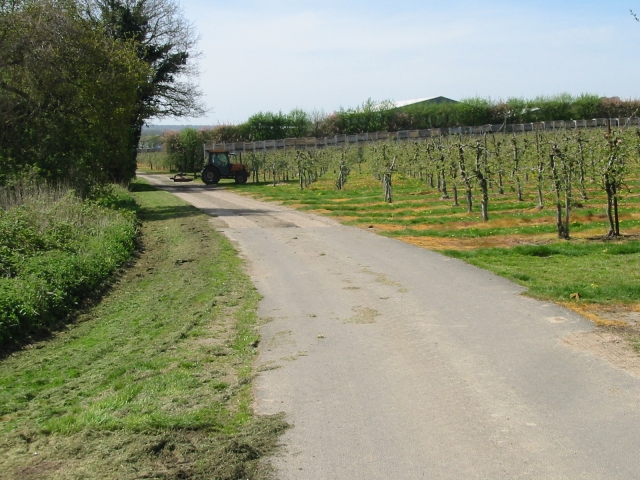
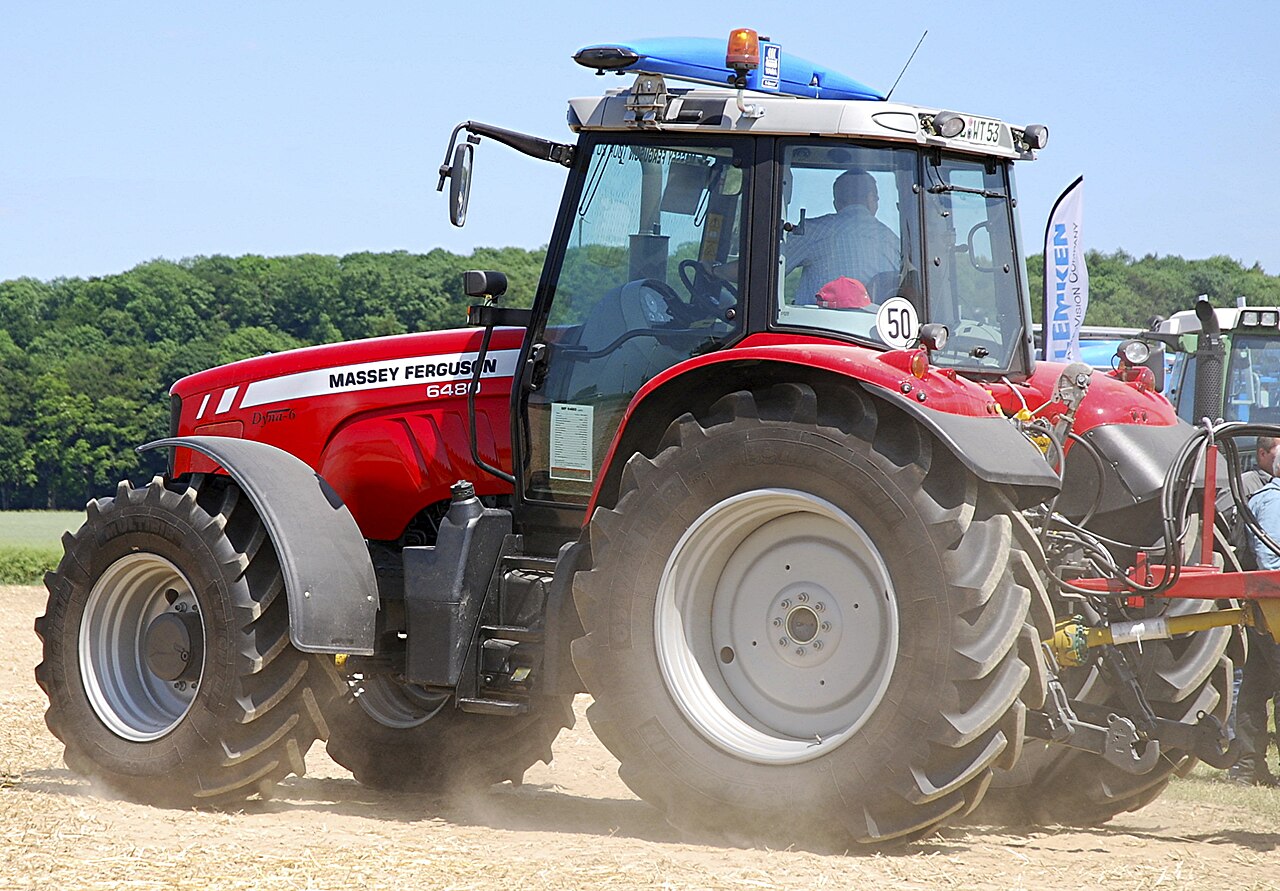
- Tractors and attachments: regular technical inspection, proper driveshaft with guard, safety roll-over protection structure/cab (ROPS), seatbelt. Vehicles unsuitable for passenger transport must not be used for transporting workers; respect the permitted number of passengers and train drivers.
- Mulchers, mowers, harvesters: work with protective guards lowered; never remove guards; stop and disengage power before cleaning or clearing jams.
- Grading and cracking machines: protection of rotating parts, clearly marked emergency stop buttons, prohibition of reaching into the machine while in operation.
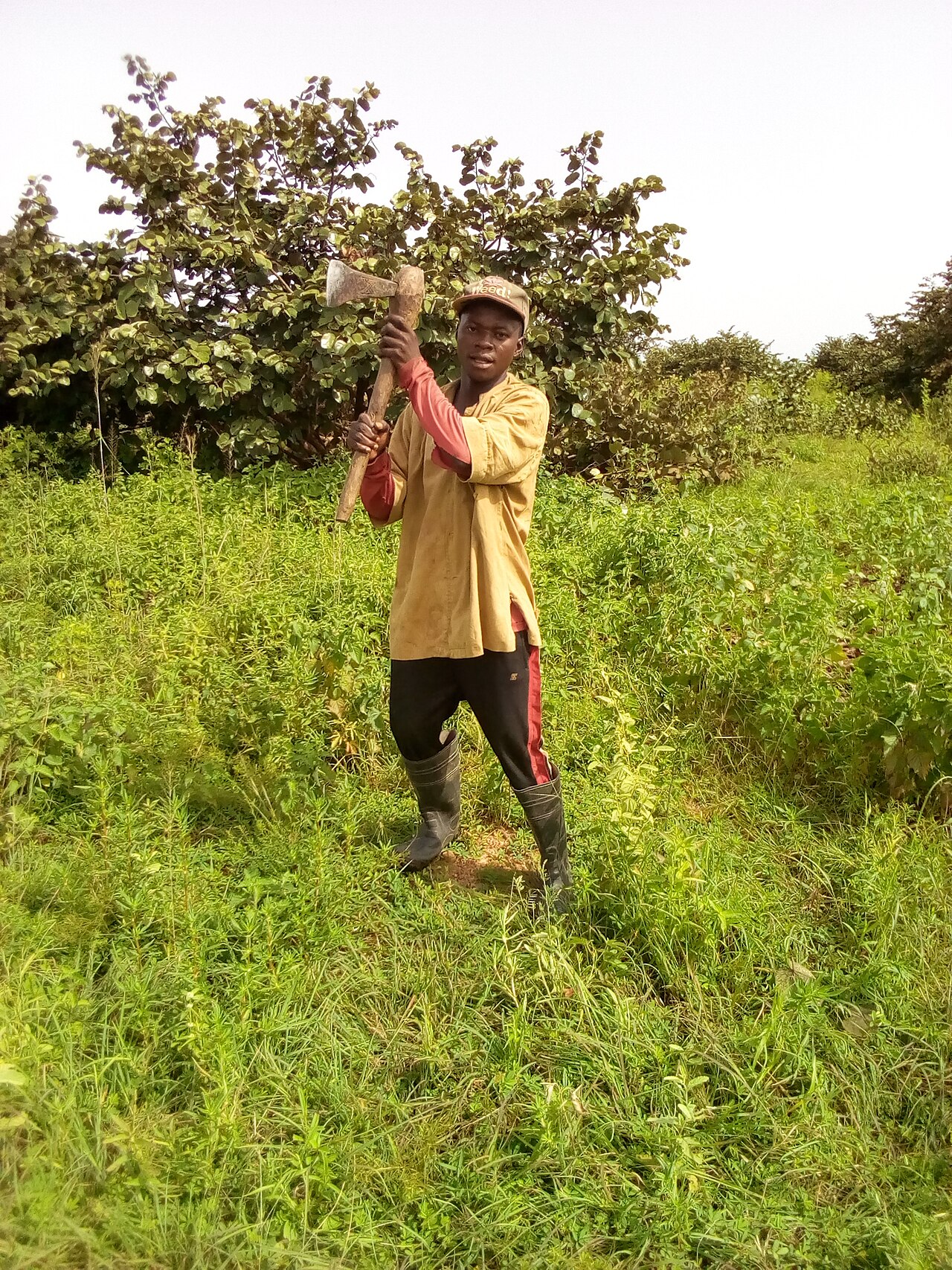
- Hand tools (winnowers, trimmers, axes): appropriate protective equipment (goggles, gloves, hearing protection).
- Harvest ergonomics: reducing the weight of hazelnut bags significantly reduces ergonomic risks (musculoskeletal injuries); warn pickers about the dangers of dense, flexible branches and uneven, slippery terrain, and train them in safe techniques.
Workplace Safety: Pesticides
Working with pesticides carries both acute and chronic health risks. A study on operator exposure during hazelnut spraying shows that due to the high shrub architecture and frequent manual spraying on sloped terrain, operators and their assistants are exposed to high levels of contamination — those who prepare, transport, mix, and apply the product are the most at risk. The same research finds that garden (manual) sprayers with a lance result in lower exposure than backpack sprayers, and walking through treated vegetation further contaminates feet and legs.
Hierarchy of measures for plant protection product (PPP) application
| Step | Measure |
|---|---|
| Before | Training and (where required) passing the PPP handling exam; reading the label; correct, calibrated, and technically inspected equipment (sprayer testing); checking weather conditions (wind, temperature, humidity) |
| During | Full personal protective equipment (PPE) (coveralls, chemical-resistant gloves, respiratory protection, goggles, boots); prohibition of eating, drinking, and smoking; moving in a way that avoids entering already treated zones |
| After | Washing and decontamination (water, soap, towels); proper disposal of empty containers (rinse, destroy, do not reuse); observing waiting periods and re-entry intervals before workers enter the treated orchard |
| Long-term | Secure storage of PPPs under lock and key; maintaining application records; posting safety information and spraying notices for workers |
Principles that run through the literature (e.g., standards such as the Worker Protection Standard and the UK’s NSTS sprayer testing program): priority to the health of workers, passersby, and consumers; use only equipment that provides the prescribed protection for the operator; independent testing and calibration of sprayers; training of non-certified workers on general safety principles; ensuring transport to emergency medical care in case of poisoning or injury.
Dosages and products — for informational purposes only
All dosages, products, and timeframes (waiting periods, re-entry intervals) are informative and depend on the cultivar, location, and authorization/label. In Croatia, use only products registered for hazelnut, strictly according to the label, and check the current list of authorized products before each application.
Practical recommendations and common mistakes
Recommendations
- Keep a record of working hours per operation and plot — without data, there is no productivity management.
- Draw up written contracts with all workers, including seasonal workers and those hired through intermediaries.
- Hire seasonal workers and confirm them months in advance; maintain relationships with a proven team to reduce turnover.
- Prepare the terrain before harvest (mowing, hilling, clear strip in the row, packaging, drying space) — this is the cheapest way to speed up the most expensive job.
- Implement a short safety training at the start of the season and ensure PPE is available before, not after, the first incident.
Common mistakes
- Underestimating the narrow harvest window and securing workers late → loss of yield and quality.
- Relying solely on verbal agreements → legal and financial risk for both parties.
- Exceeding working hours and lacking rest during peak harvest → fatigue, reduced performance, and higher injury risk.
- Spraying without equipment calibration and without full PPE → excessive exposure and poor coverage.
- Removing machine guards for "speed" and transporting people in unsuitable vehicles → most severe injuries.
- Ignoring waiting periods and re-entry intervals → risk to worker health and fruit safety.
Sources
This article is an AI summary generated from an internal literature collection on hazelnut (RAG corpus) and publicly available sources. Main sources used:
- Hazelnut Cultivation Guide — Ministry of Agriculture / Advisory Service (Croatia), 2024.
- Huzjak, A.: Technology and economic efficiency of organic hazelnut production at Hobolić Alen Family Farm — University of Applied Sciences in Varaždin (repository), 2021.
- Economic analysis of hazelnut production (De Martini Silvano Family Farm), 2023.
- Business plan for hazelnut seedling production / Republic of Croatia — Poljinos study (wage and seasonal labor calculation), 2019.
- Establishing new orchard plantings — technological-economic guidelines, 2006.
- Establishment of permanent hazelnut plantings — environmental protection study (bbz.hr), 2020. — https://bbz.hr/doc/uprava/elaborat_zastite_okolisa_visegodisnji_nasadi_lijeske_i_sljive.pdf
- Fair Labor Association: Social Impact Assessment of Nestlé's, Olam's and Balsu's Programs in Turkey, 2019.
- Independent External Verification of OFIS Hazelnut Supply Chain in Turkey, 2023.
- Piloting USDA Guidelines in the Hazelnuts Supply Chain in Turkey (baseline report), 2016.
- Determination of Operator Potential Risk Level from Pesticide Applications in Hazelnut Orchards, 2025.
- Granata, P. et al.: Mechanization and new technologies… (Directives 2009/127/EU and 2009/128/EU), 2016.
- Practical weed control for nursery stock (NSTS), 2013.
- Woody ornamentals pest management in Wisconsin (Worker Protection Standard), 2011.
- EU-OSHA — Farm Safety: OSH issues and OiRA for agriculture — https://oshwiki.osha.europa.eu/en/themes/farm-safety-osh-issues
- EU-OSHA — Regions and cities urge action for fair working conditions in agriculture — https://osha.europa.eu/en/oshnews/regions-and-cities-urge-action-fair-working-conditions-agriculture
- Agricultural Crop Labor Costs 2025 (Farmonaut) — https://farmonaut.com/blogs/agricultural-crop-labor-costs-2025-7-agro-labor-issues
- 10 Best Labor Management Strategies for Cost-Effective Farming (AgriERP) — https://agrierp.com/blog/labor-management-strategies-in-farming/