Micropropagation and Tissue Culture of Hazelnut
Content generated by artificial intelligence — verify before application
This article was automatically compiled from a collection of hazelnut literature with the aid of artificial intelligence and may contain errors or outdated data. It serves as a starting point for further research, not as professional advice. Dosages, products, and timing are informative and depend on the cultivar, location, and applicable regulations — always consult with an advisory service and official sources before application.
Micropropagation is a biotechnological method of plant propagation upon which modern nursery operations are based. The process relies on the regeneration of a whole plant from very small tissue parts (explant cultures) grown in sterile, controlled laboratory conditions. In hazelnut (Corylus avellana L., and the rootstock Turkish hazel Corylus colurna L.), this method opens the possibility for mass production of genetically uniform, healthy, and virus-free seedlings throughout the year — something that classical methods (root suckers, layering, cuttings, grafting) cannot provide to the same extent. In this article, we go through all four phases of in vitro propagation — initiation, multiplication, rooting (rhizogenesis), and acclimatization — with an emphasis on practical parameters, medium composition, and common errors.
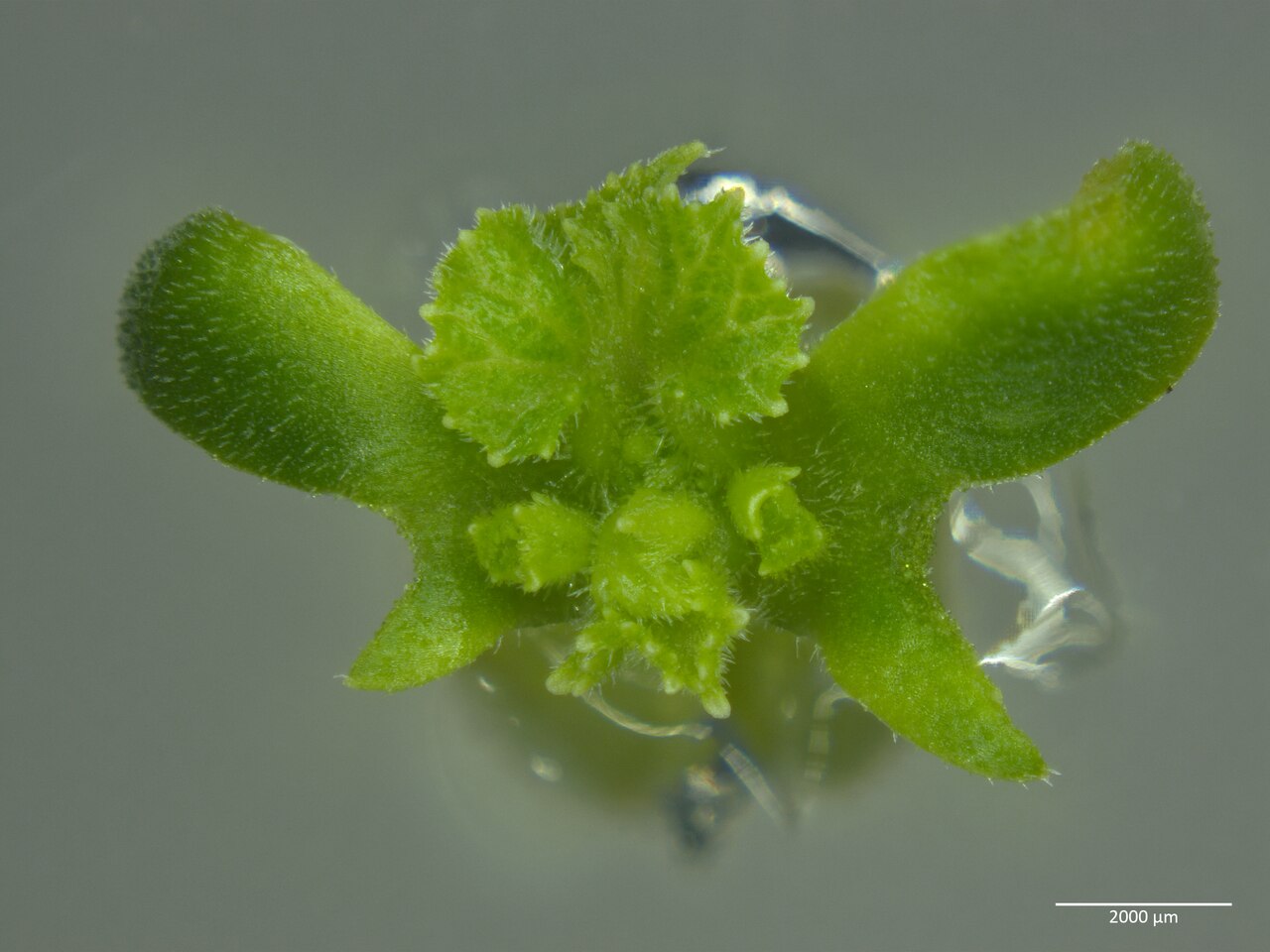
Why hazelnut micropropagation?
In the structure of hazelnut seedling production in Croatia and the region, over 95 % consists of seedlings propagated from root suckers, while grafted seedlings and tissue culture seedlings make up only a small share. The reason is simple: classical methods are cheap and familiar to nursery operators, whereas in vitro production requires specialized equipment, qualified personnel, and significant initial capital. Nevertheless, the advantages of micropropagation are significant:
- Speed and scale — from a small number of mother plants, a large number of genetically identical clones can be obtained in a short period, regardless of the season.
- Health status — by combining meristem culture and thermotherapy, it is possible to obtain virus-free plants, which is crucial for certified planting material.
- Uniformity — all seedlings carry identical traits of the selected elite mother plant (cultivar or rootstock).
- Gene bank conservation — in vitro techniques (slow growth, cryopreservation) allow for long-term preservation of valuable genotypes and local cultivars.
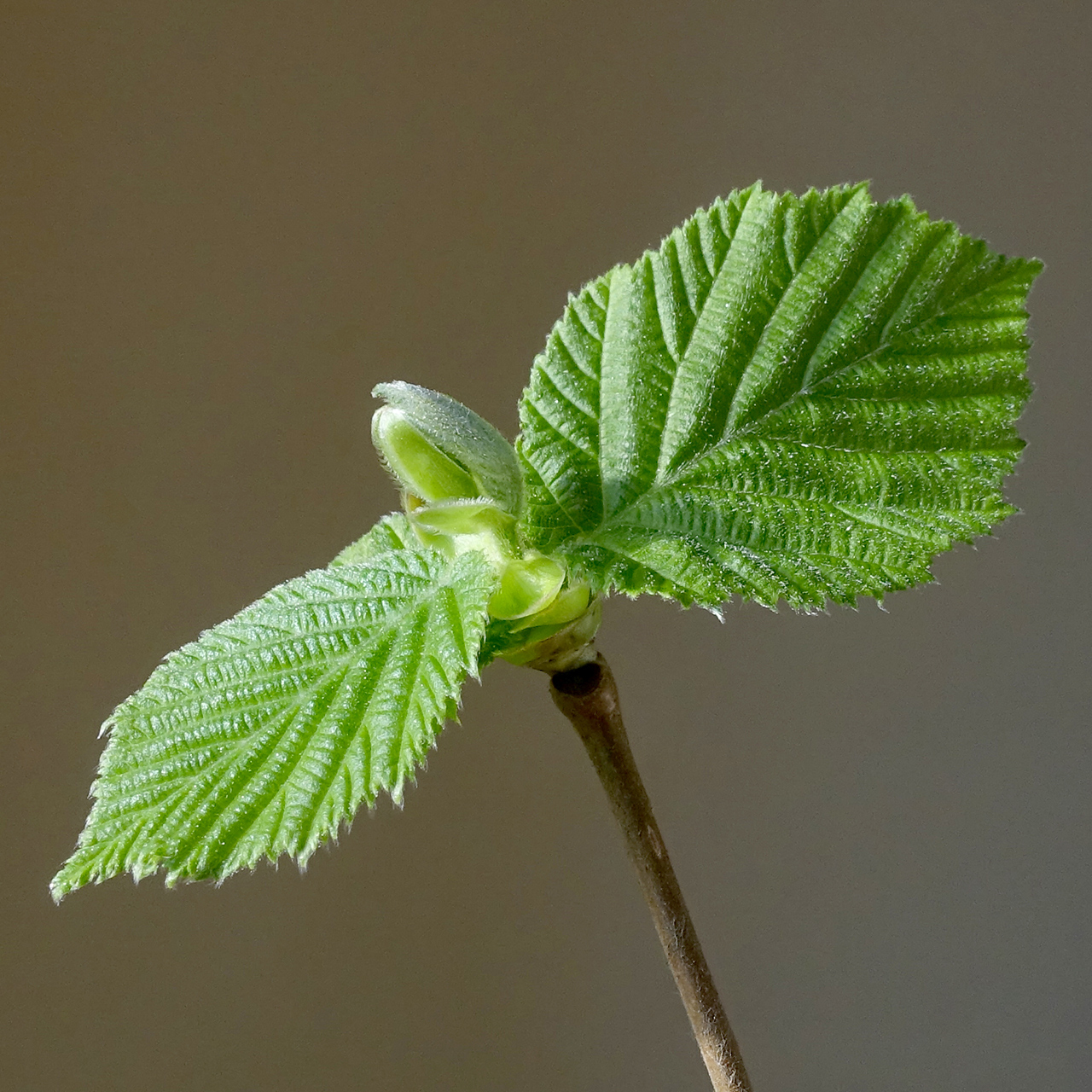
The main limitations in hazelnut are low regeneration capacity under in vitro conditions, susceptibility to shoot tip necrosis, contamination issues, and a sensitive and often difficult rooting phase. Optimization of the nutrient medium and growth regulator composition is therefore a crucial step for every cultivar.
Note on source language
The literature corpus is multilingual (Croatian, English, Italian, German, Serbian). The figures and protocols listed below come from scientific papers, including those from the Faculty of Agrobiotechnical Sciences Osijek (FAZOS), as well as international sources. Specific concentrations depend on the cultivar and the protocol of individual laboratories and should be understood as a guide, not a ready-made recipe.
Prerequisites: Laboratory and Equipment
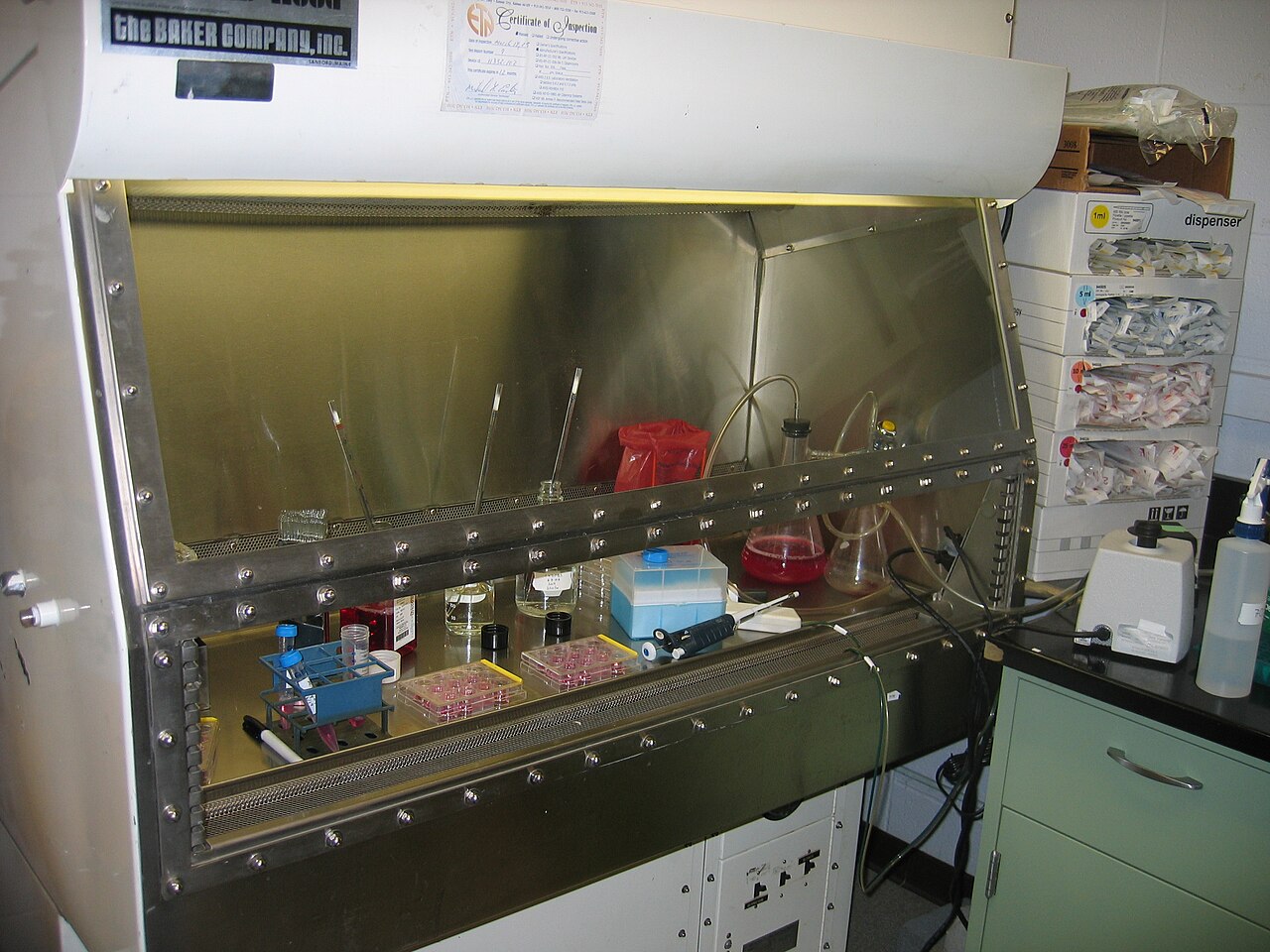
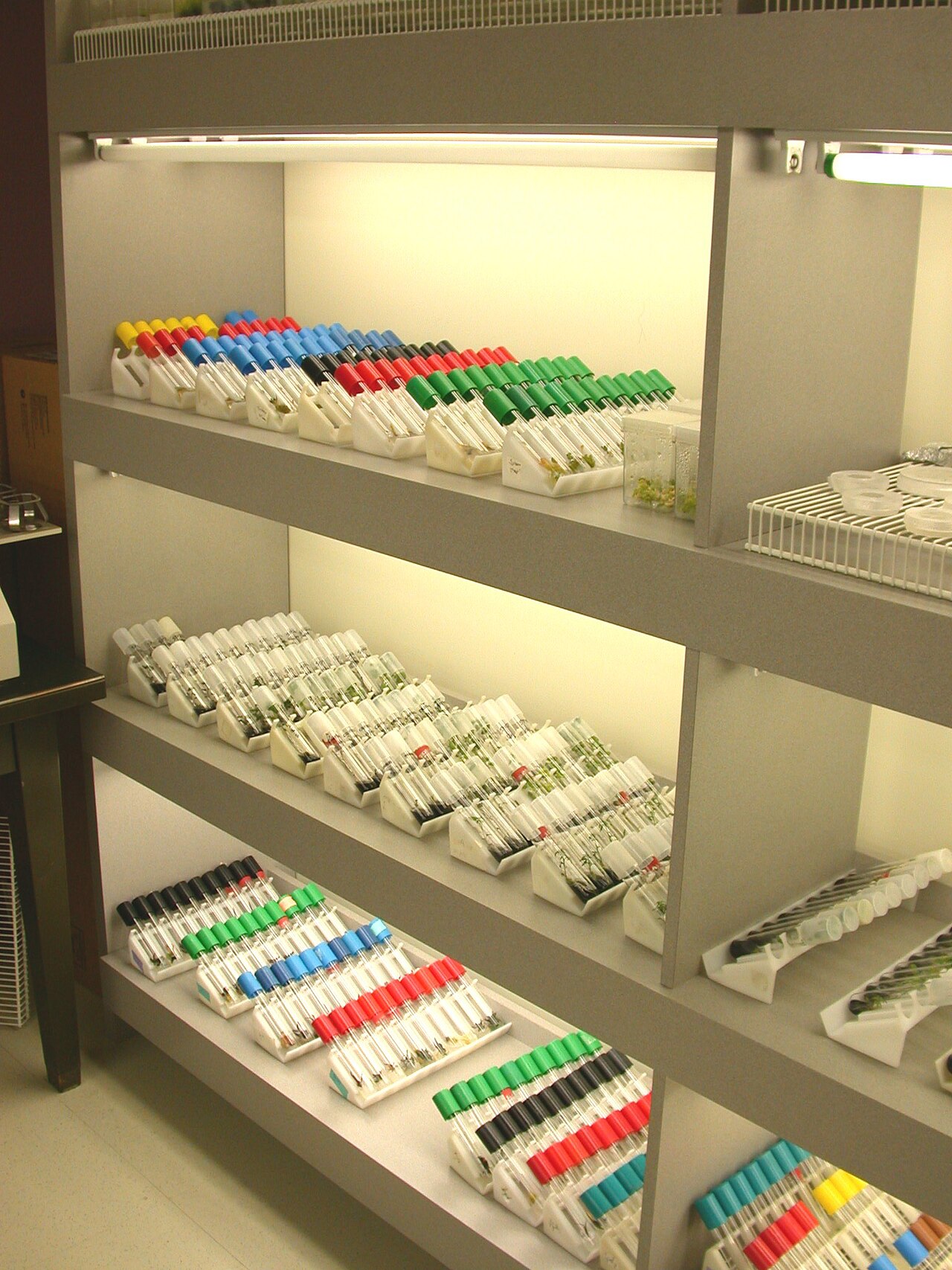
In vitro production requires a well-equipped plant tissue culture laboratory with strictly controlled aseptic (sterile) conditions. Typical equipment includes:
- Laminar flow hood (laminar) — a sterile workspace for working with explants,
- Autoclave — for sterilizing media, dishes, and tools under pressure and temperature,
- Distiller / water preparation system,
- Controlled climate chamber (growth room) — regulated temperature, photoperiod, and light intensity,
- Bioreactor systems for temporary immersion (TIB/TIS) — for cultivation in liquid medium in more advanced production.
The entire process is based on the totipotency of plant cells — the ability of a single cell to regain the capacity for division and formation of new tissues and regeneration of a whole plant.
Nutrient Media and Growth Regulators
The basis of the medium consists of mineral salts, a carbon source (usually sucrose), vitamins, agar (for solid media), and plant growth regulators (phytohormones). In hazelnut, classic substrates such as MS (Murashige and Skoog), DKW (Driver and Kuniyuki Walnut), and specialized NRM medium developed for nut species are used. Two groups of phytohormones play a key role:
- Cytokinins (stimulation of cell division and shoot branching): BAP / BA (6-benzylaminopurine), and the aromatic cytokinin meta-topolin (mT), which produces shoots of better quality,
- Auxins (stimulation of rooting and elongation): IBA (indole-3-butyric acid), NAA (1-naphthaleneacetic acid),
- Gibberellins (GA₃) for shoot elongation.
The general rule is that in the multiplication phase, cytokinins prevail over auxins, and in the rooting phase, the opposite is true — auxin prevails with the absence or minimal concentration of cytokinins.
Orientational concentrations from literature
The values in the following table were collected from multiple sources (FAZOS — C. colurna; international protocols for C. avellana). They are informative and depend on the cultivar, medium, and protocol.
| Phase | Active substance | Orientational concentration | Note / source |
|---|---|---|---|
| Multiplication | BAP (BA) | 3–5 mg/L | FAZOS (C. colurna): 5 mg/L; NRM protocol: 3 mg/L |
| Multiplication | IBA (with cytokinin) | 0.01 mg/L | low auxin dose with BAP |
| Multiplication | GA₃ | 0.1 mg/L | improves elongation and multiplication |
| Multiplication | meta-topolin (mT) | ~8.2 µM | highest shoot multiplication, better quality |
| Initiation (contamination control) | CuSO₄·5H₂O | 1.25–2.5 mg/L | reduces visible and latent contamination |
| Rooting | IBA (pretreatment) | ~17.6 µM (≈3.6 mg/L), 7 days | induces roots, then transfer to medium without auxin |
| Rooting | IBA (liquid NRM) | 2 mg/L | rooting in liquid medium |
| Rooting | IBA / NAA | 1–3 mg/L | rhizogenesis of C. colurna (FAZOS) |
| Supplement (Fe) | Fe-EDDHA | ~230–550 µM | better iron availability, less chlorosis |
Dosages are informative
The listed concentrations, products, and timing are orientational and depend on the cultivar, location, and applicable regulations and approvals. Before application, always verify the protocol with an authorized laboratory or advisory service.
Phase 1 — Initiation (Introduction to Culture)
The goal of the first phase is to obtain a clean, sterile (aseptic) culture from selected mother tissue.
Selection of the mother plant
The mother plant must be in full health, cultivar-verified, and free of microorganisms that could contaminate the culture. According to EPPO standards for hazelnut, mother material for propagation must not show symptoms of Agrobacterium tumefaciens, and it is not recommended to keep the mother orchard for longer than 15 years due to the increasing risk of reinfection.
Types of explants
- Nodal segments (parts of the shoot with an axillary bud) — the most common choice as they produce genetically stable plants,
- Shoot tip meristems — for virus eradication and clean health status,
- Zygotic embryonic axes from seeds — for rootstocks and research (e.g., C. colurna from seeds at FAZOS).
Sterilization (disinfection) of explants
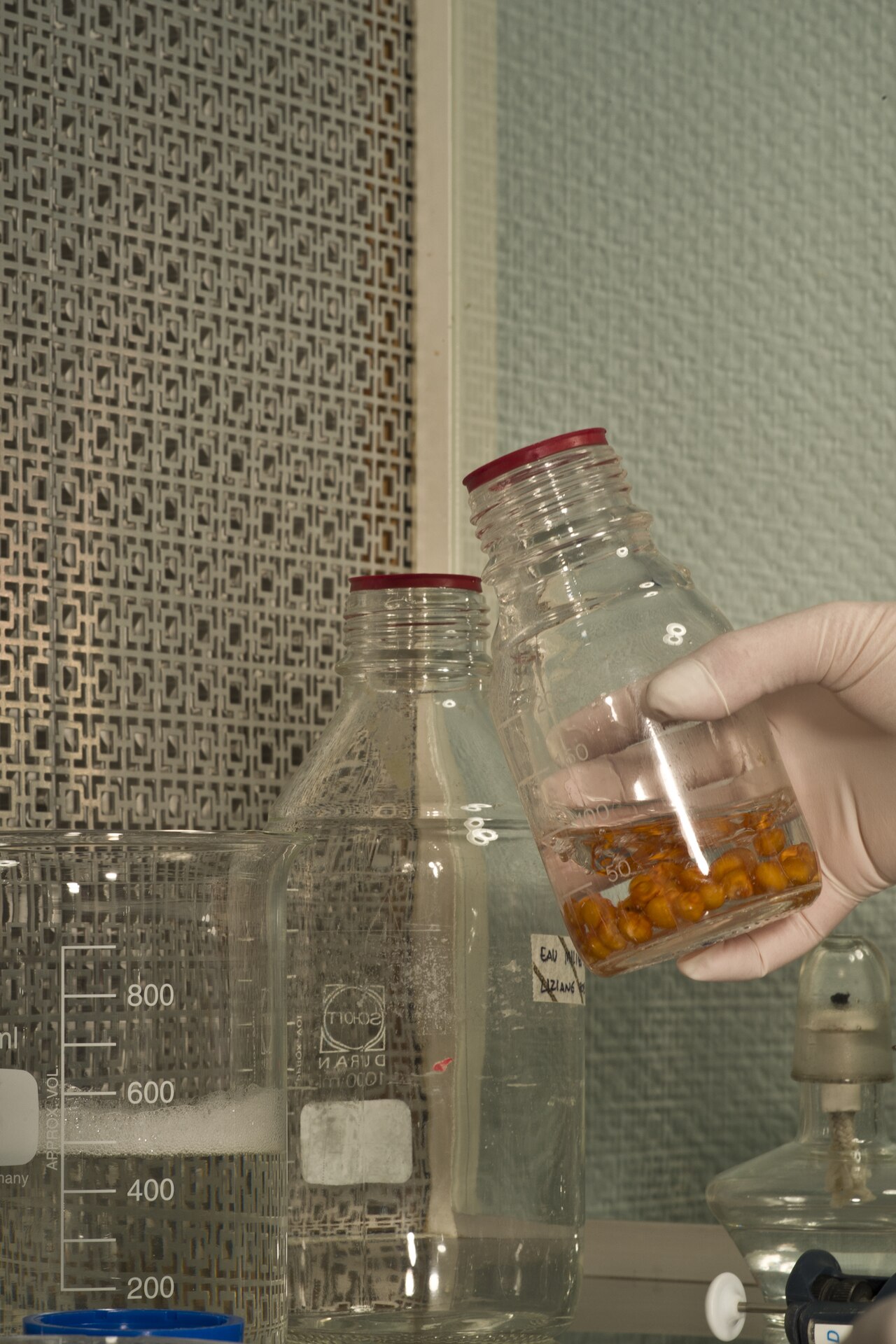
Surface disinfection is carried out using chemical agents: sodium hypochlorite (NaOCl), calcium hypochlorite, ethyl alcohol, and (with caution) mercuric chloride. The procedure includes washing with detergent, brief immersion in alcohol, then in hypochlorite solution, followed by multiple rinses with sterile distilled water. The addition of CuSO₄ to the establishment culture medium has proven effective in suppressing visible and latent contamination, e.g., in the cultivar Tonda Gentile Romana.
Most common problems in initiation
- Contamination (bacterial, fungal) — the main cause of losses; resolved by better sterilization and addition of CuSO₄.
- Phenolic browning (oxidation) — explants release phenols; mitigated by antioxidants and frequent transfer to fresh medium.
- Shoot tip necrosis — associated with calcium and boron deficiency and poor nutrient mobility; discussed further below.
Phase 2 — Multiplication (Shoot Propagation)
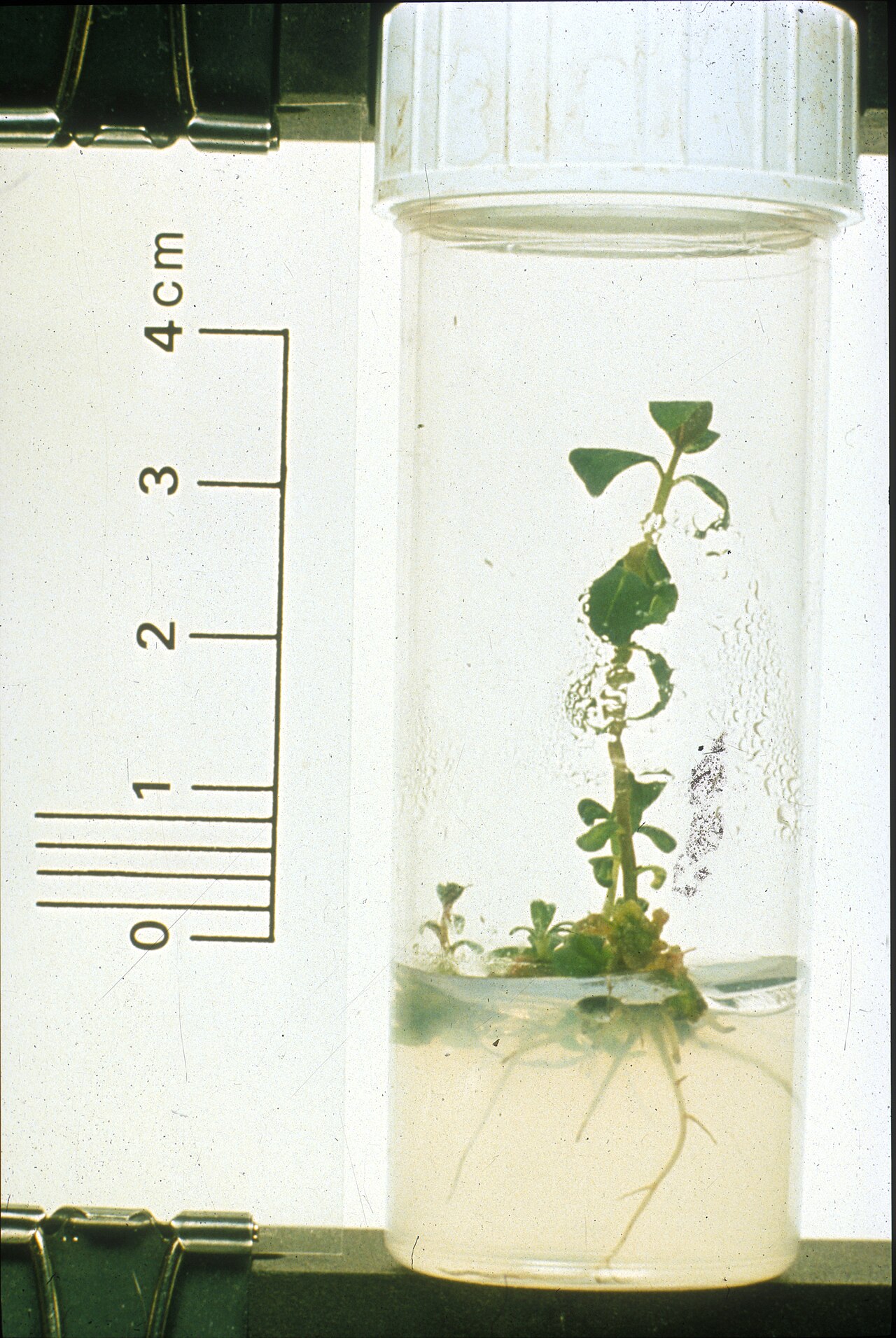
After establishing a sterile culture, explants are transferred to a medium rich in cytokinins to stimulate axillary branching — the development of new shoots from axillary buds. Each cycle (subculture) lasts approximately 4–6 weeks, after which the cluster of shoots is separated and transferred to fresh medium, exponentially multiplying the number of plants.
In hazelnut, the best results are achieved with a higher concentration of cytokinins (BAP) combined with a low concentration of auxin (IBA) and the addition of gibberellic acid (GA₃). In research at FAZOS (Turkish hazel), such a combination yielded the most favorable number of leaves and multiplication, while a medium with a different ratio resulted in weaker vegetative growth but higher callus mass (up to 0.59 g). The aromatic cytokinin meta-topolin proved particularly favorable because, along with a high multiplication rate, it produces shoots of better quality (less hyperhydricity and necrosis) than classic BAP.
Practical guidelines for multiplication
- Choose cytokinin concentration according to the cultivar — too high a dose produces numerous but stunted and glassy (hyperhydrated) shoots.
- Limit the number of consecutive subcultures to avoid somaclonal variation and the appearance of thickening (basal callus). EPPO warns that the number of propagation steps should be limited.
- Monitor the ratio of nitrogen compounds (NH₄⁺/NO₃⁻) and iron source — they directly affect the success of multiplication.
Combating shoot tip necrosis
Shoot tip necrosis is a common problem in long-term cultures of woody species. The main causes are the lack and poor mobility of calcium and boron and low transpiration in closed vessels. Solutions: increasing calcium in the medium, more frequent transfers, reducing cytokinin concentration, and improving ventilation of cultures.
Phase 3 — Rooting (rhizogenesis in vitro)
Separated, sufficiently elongated shoots (ideally at the 4-leaf stage) are transferred to a rooting medium based on auxins, with the absence or minimal concentration of cytokinins. In hazelnut, this is traditionally the most difficult phase and often the bottleneck of the entire production process.
Common approaches:
- Auxin pretreatment (pulse) — short exposure (about 7 days) to a higher concentration of IBA (e.g., ~17.6 µM), followed by transfer to a medium without auxins. This is followed by one week in complete darkness, then transition to continuous light; visible roots usually appear between days 12 and 14.
- Rooting in liquid medium — e.g., liquid NRM with 2 mg/L IBA improves the rooting percentage.
- Temporary immersion system (TIS) — in combination with an inert substrate (e.g., Oasis® In Vitro Express) significantly increases rooting efficiency; literature reports up to 100 % rooted shoots in TIS compared to 27 % on standard solid medium after four weeks.
In research on rhizogenesis of Turkish hazelnut (Corylus colurna) at FAZOS, the effects of different auxin concentrations (IBA and NAA, e.g., 1–3 mg/L) were compared, confirming the decisive role of auxins in modulating morphogenesis and root development.
| Rooting Approach | Typical Auxin / Dose | Success Note |
|---|---|---|
| Solid medium (IBA pulse) | IBA ~17.6 µM, 7 days | roots on days 12–14; variable by cultivar |
| Liquid NRM medium | IBA 2 mg/L | higher rooting rate |
| TIS + inert substrate | with IBA | up to ~100% (vs. ~27% on solid) |
| Solid medium (FAZOS) | IBA / NAA 1–3 mg/L | subject to optimization by concentration |
Phase 4 — Acclimatization (hardening)
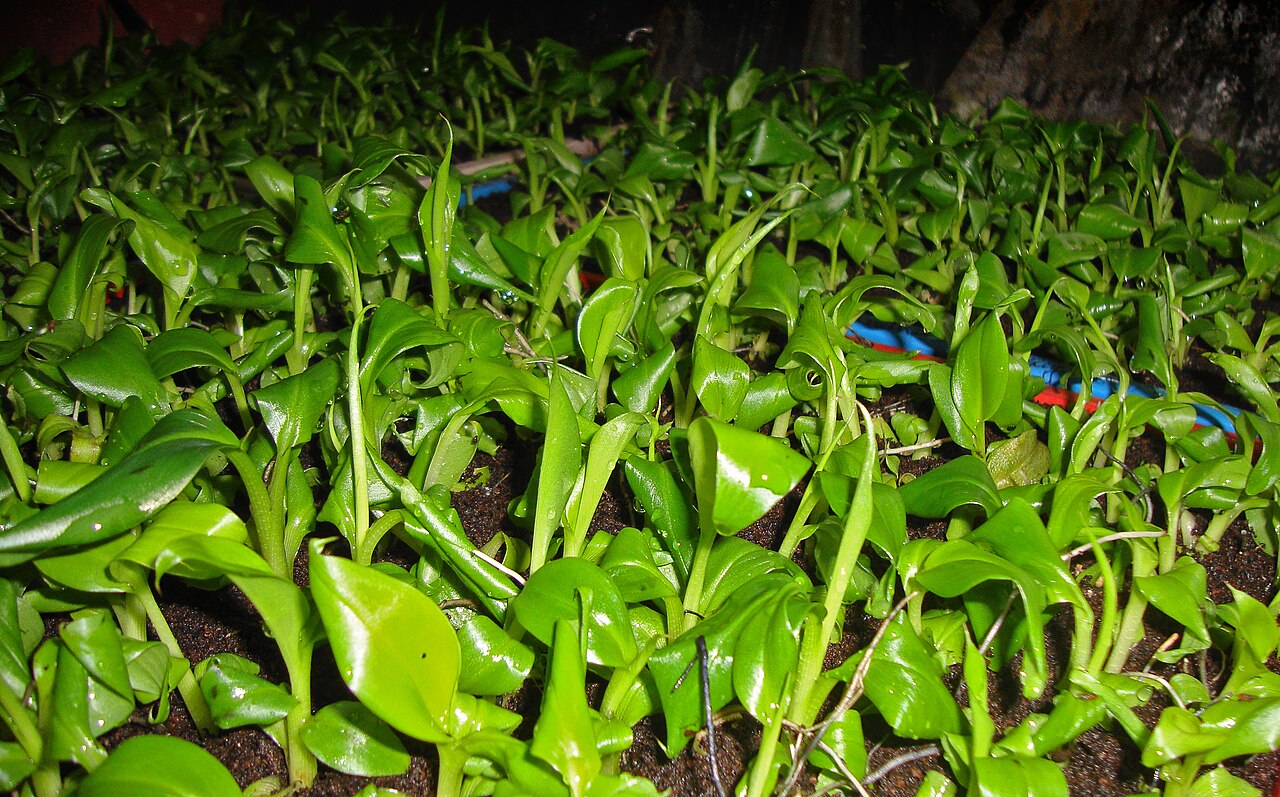
Plantlets grown in vitro have developed under conditions of high humidity, low light, and heterotrophic nutrition (sucrose from the medium), resulting in a poorly developed cuticle, non-functional stomata, and insufficient photosynthesis. Therefore, the transition to external conditions (ex vitro) must be gradual, otherwise mass wilting occurs. This phase determines the final survival rate.
Practical Procedure
- Extraction and washing — plantlets are removed from vessels and agar is carefully washed off the roots (agar residues are a breeding ground for mold).
- Transplanting into substrate — most commonly a mixture of peat : perlite in a 3:1 (v/v) ratio, which ensures good water-air relations.
- Gradual humidity reduction — plants are kept under a transparent cover / in a high-humidity chamber for the first few weeks, with progressive ventilation over about 2 weeks to activate stomata.
- Fertilization and light adaptation — gradual increase in light intensity; weekly fertilization with diluted nutrient solution (e.g., Hoagland solution) for about 4 weeks.
- Transfer to greenhouse / larger pots — once hardened, seedlings are transplanted into larger pots (e.g., 2 L) and kept in greenhouse conditions until the nursery stage or direct sale.
Typical acclimatization duration is about 4 weeks until plant stabilization. Literature for C. avellana indicates that, with IBA pretreatment, the overall success of rooting and acclimatization in the greenhouse exceeded 85 % for all tested cultivars.
Most Common Acclimatization Errors
- hasty transition to low humidity → wilting before stomata activate,
- residual agar on roots → mold and rot,
- overly wet substrate / poor drainage → root suffocation and decline (hazelnut does not tolerate water stagnation),
- too strong light initially → leaf scorch.
Summary of Production Process
| Phase | Goal | Dominant Hormone | Typical Duration |
|---|---|---|---|
| Initiation | sterile culture from mother plant | balanced / CuSO₄ for contamination control | 2–6 weeks |
| Multiplication | shoot multiplication via axillary branching | cytokinin (BAP / mT) > auxin | 4–6 weeks per cycle, multiple cycles |
| Rooting | root development on shoots | auxin (IBA / NAA) | ~2–4 weeks |
| Acclimatization | ex vitro transition, hardening | no hormones; fertilization + humidity | ~4 weeks |
Practical Recommendations and Common Errors
- Start with proven, healthy mother material. Poor health status of the input plant follows the entire line and undermines the main advantage of the method (virus-free, uniform seedlings).
- The protocol is cultivar-specific. Concentrations of BAP, IBA, and other substances that work for one cultivar may not work for another — plan an optimization phase for each new cultivar/rootstock.
- Do not exceed the number of subcultures to reduce the risk of somaclonal variation, hyperhydricity, and basal swelling.
- Rooting is the bottleneck — consider liquid media and TIS systems for significantly better results compared to solid medium.
- Acclimatization determines profit — the greatest losses often occur during the ex vitro transition; invest in humidity control and high-quality, drained substrate (peat : perlite 3:1).
- Consider economics. The method requires significant initial capital, equipment, and qualified personnel; profitability increases with production scale and demand for certified, uniform seedlings.
Gallery
Sources
This article is an AI summary compiled from an internal literature collection on hazelnut (RAG corpus) and supplemented with public web sources. Numerical data are indicative and taken from the cited works. Main sources used:
- Impact of nutrient medium and plant growth regulators on micropropagation of Corylus colurna L. — final thesis, Faculty of Agrobiotechnical Sciences Osijek (FAZOS), 2025. (RAG corpus)
- Papić, H. (2025): In vitro rhizogenesis of Turkish hazelnut (Corylus colurna L.) shoots, FAZOS — https://urn.nsk.hr/urn:nbn:hr:151:039261
- A roadmap of tissue culture and biotechnology in European hazelnut (Corylus avellana L.), ScienceDirect — https://www.sciencedirect.com/science/article/abs/pii/S0981942823006782
- Developing a New Culture Medium to Optimize the Micropropagation of Six Commercial Hazelnuts (Corylus avellana L.) Cultivars, 2025. (RAG corpus)
- Latawa, J., Shukla, M. R., Saxena, P. K. — hazelnut micropropagation, University of Guelph — https://doi.org/10.1139/cjb-2015-0111
- Cytokinin-mediated shoot induction and liquid culture-enhanced rooting in Turkish hazelnuts (Corylus avellana L.), Plant Cell Tiss. Organ Cult., Springer — https://link.springer.com/article/10.1007/s11240-026-03345-x
- The aromatic cytokinin meta-topolin promotes in vitro propagation, shoot quality and micrografting in Corylus colurna L., Springer — https://link.springer.com/article/10.1007/s11240-016-1150-y
- In Vitro Propagation of Traditional Italian Hazelnut Cultivars, HortScience — https://journals.ashs.org/hortsci/view/journals/hortsci/43/2/article-p562.xml
- The effect of CuSO₄ for establishing in vitro culture … Corylus avellana L. cv. Tonda Gentile Romana, ResearchGate — https://www.researchgate.net/publication/330334060
- In vitro rooting of hybrid hazelnuts in a temporary immersion system, ScienceDirect — https://www.sciencedirect.com/org/science/article/abs/pii/S1916279020000555
- Shoot tip necrosis of in vitro plant cultures: a reappraisal of possible causes and solutions, Planta (2020) — https://doi.org/10.1007/s00425-020-03449-4
- EPPO standards for hazelnut (certification of planting material) — European and Mediterranean Plant Protection Organization, 2009. (RAG corpus)
- Business plan for hazelnut seedling production, 2019.; Proceedings of the 13th scientific-professional conference of Croatian fruit growers, 2018. (RAG corpus)
- NURSERY PRODUCTION (textbook, Pomology), 2015. (RAG corpus)