Hazelnut Price Formation and Risk Management
Research-grounded draft (sources cited) — adapt to local context
Article adapted to the United States (Oregon), based on Croatian/EU research literature (see Sources). Figures come from the cited studies and are indicative for the United States (Oregon): verify local equivalents with USDA, FSA, state Departments of Agriculture (e.g. Oregon), OSU Extension, Oregon Hazelnut Commission.
The purchase price of hazelnuts is one of the most unpredictable aspects of production. While growers can partially control yield and quality through agronomic practices, prices are shaped by forces largely beyond their reach: weather disasters in other parts of the world, global demand from the confectionery industry, and speculative trading. This article explains how purchase prices are formed, why they are so volatile, and what tools growers and advisory services in the United States and Oregon can use to manage price risk and roughly forecast market movements.
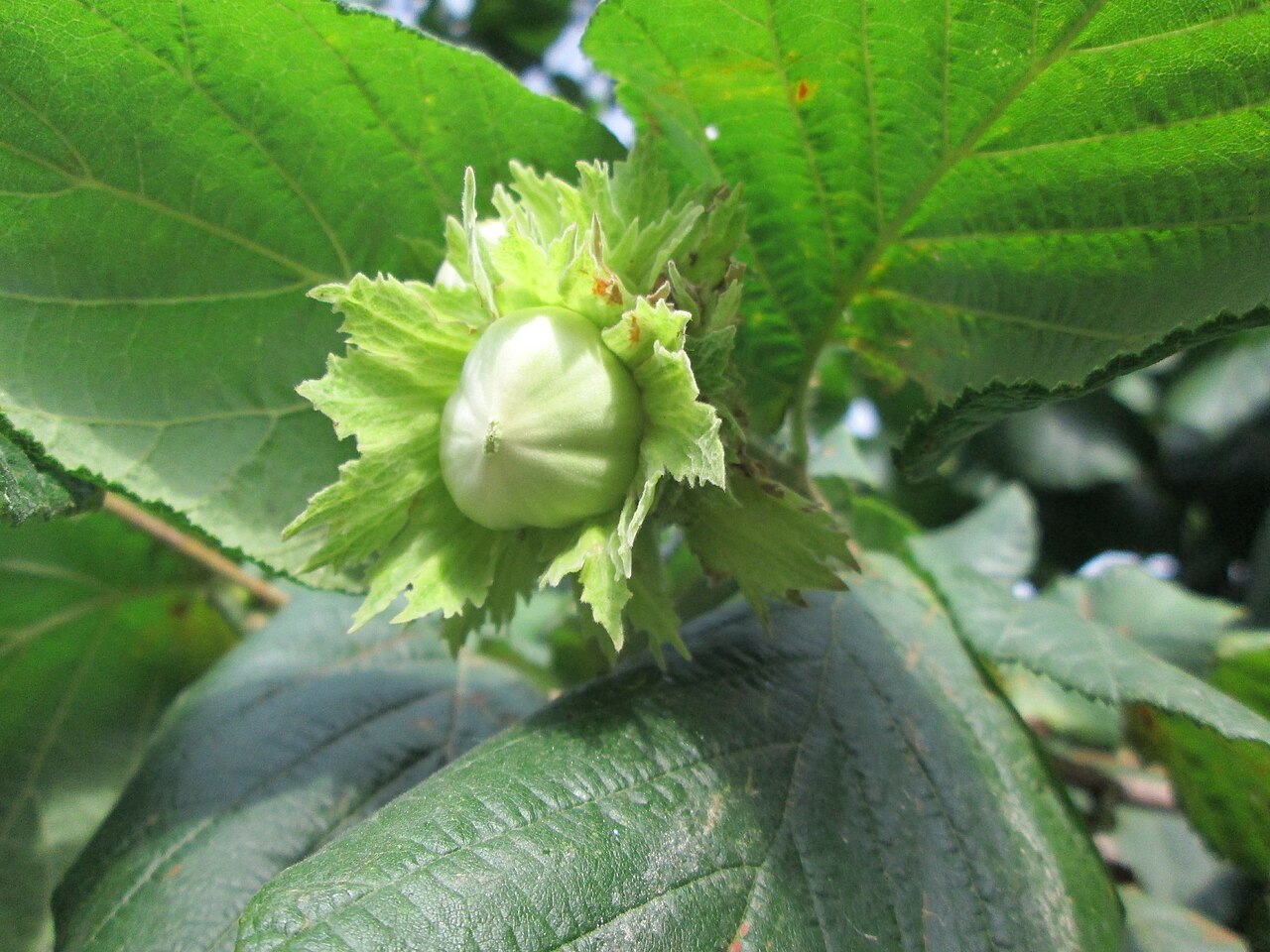
How the Purchase Price is Formed
The price a producer receives for their hazelnuts is not a local figure — it is a derivative of the global reference price, adjusted for quality, transport, and buyer margins. The price formation chain roughly looks like this:
- Global (Turkish) Reference Price — Turkey produces approximately 60% of the world's hazelnuts and effectively sets the global price [2]. When the Turkish price moves, everything else moves with it.
- Currency Adjustment — Reference prices are most often quoted in USD or EUR, so exchange rates strongly influence the final amount in domestic currency.
- Kernel Quality Correction — Kernel percentage (yield), caliber, moisture, and waste ratio determine whether the producer receives full or reduced price.
- Deductions for Transport and Standards — Buyers deduct transport costs and non-standard cargo penalties.
- Buyer/Processor Margin — The difference between the purchase price and the resale price.
A specific example from literature illustrates step 4: in one economic analysis, the reference price for hazelnuts in the shell was $2.39 EUR/kg, but after deducting truck transport costs and meeting specified standards, the producer realistically received $1.99 EUR/kg. With a yield of about 1,200 kg/ha, this gives a sales revenue of about $2,390 EUR/ha. These figures are informative and strongly depend on the year, variety, and location. Note: These figures are derived from Croatian/EU data; growers in Oregon should verify local transport and margin equivalents.
What Constitutes "Kernel Quality"
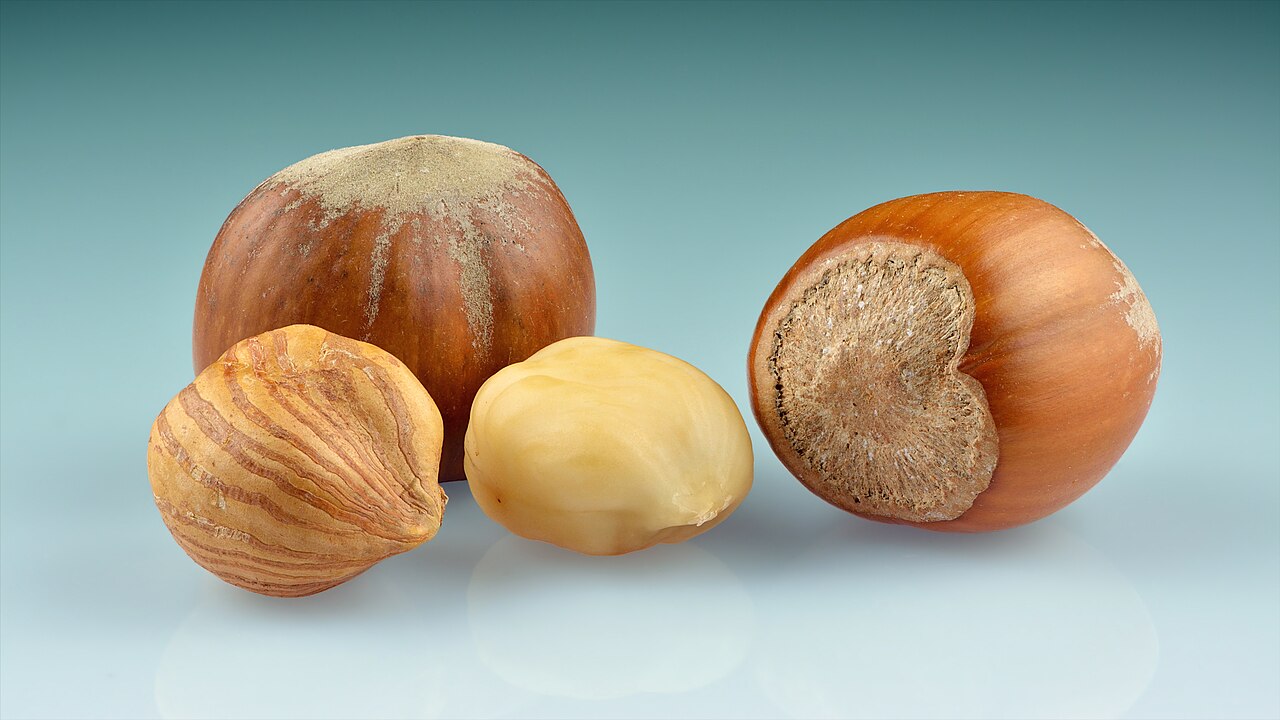
Quality is the only price lever that the producer directly holds in their hands. Buyers and processors pay a premium for:
| Quality Parameter | Why It Affects Price |
|---|---|
| Kernel Yield (% kernel) | Industry pays for the kernel, not the shell; higher yield = higher price |
| Caliber / Fruit Size | Larger, uniform fruit is demanded for baking and decoration |
| Moisture | High moisture = risk of mold and aflatoxins; price is reduced or cargo rejected |
| Share of Empty/Defective Fruits and Waste | Directly reduces usable mass |
| Health Compliance (aflatoxins, residues) | Export threshold; non-compliance destroys batch value |
In practice, Italian buyers have offered to purchase all hazelnuts from Croatia provided that fruit moisture conditions were met, while fruit size was not decisive — showing that quality thresholds (rather than aesthetics) most often determine access to better prices [1].
The Role of the Exchange and Large Buyers
Although hazelnuts do not have as liquid a futures market as corn or soybeans, prices are formed through several mechanisms:
- Turkish State Intervention — The Turkish Grain Board (TMO) publishes a minimum purchase price before harvest each year to stabilize the market. This published "floor" becomes a global reference point. In a recent price surge, this minimum was set at approximately $4.20 EUR/kg, which was almost 17% higher than the previous year in euros, and over 50% higher in lira [2]. Note: This specific subsidy program name and amount are from Turkish/EU contexts; US growers should verify if equivalent federal or state programs exist.
- Export Associations and Cooperatives — e.g., Black Sea export associations (KiB) and historically FISKOBIRLIK publish crop estimates and purchase prices that directly move the market.
- Confectionery Industry — Large buyers (spread and chocolate manufacturers) shape demand through contracts and inventories.
Volatility: Why Prices Jump So Much
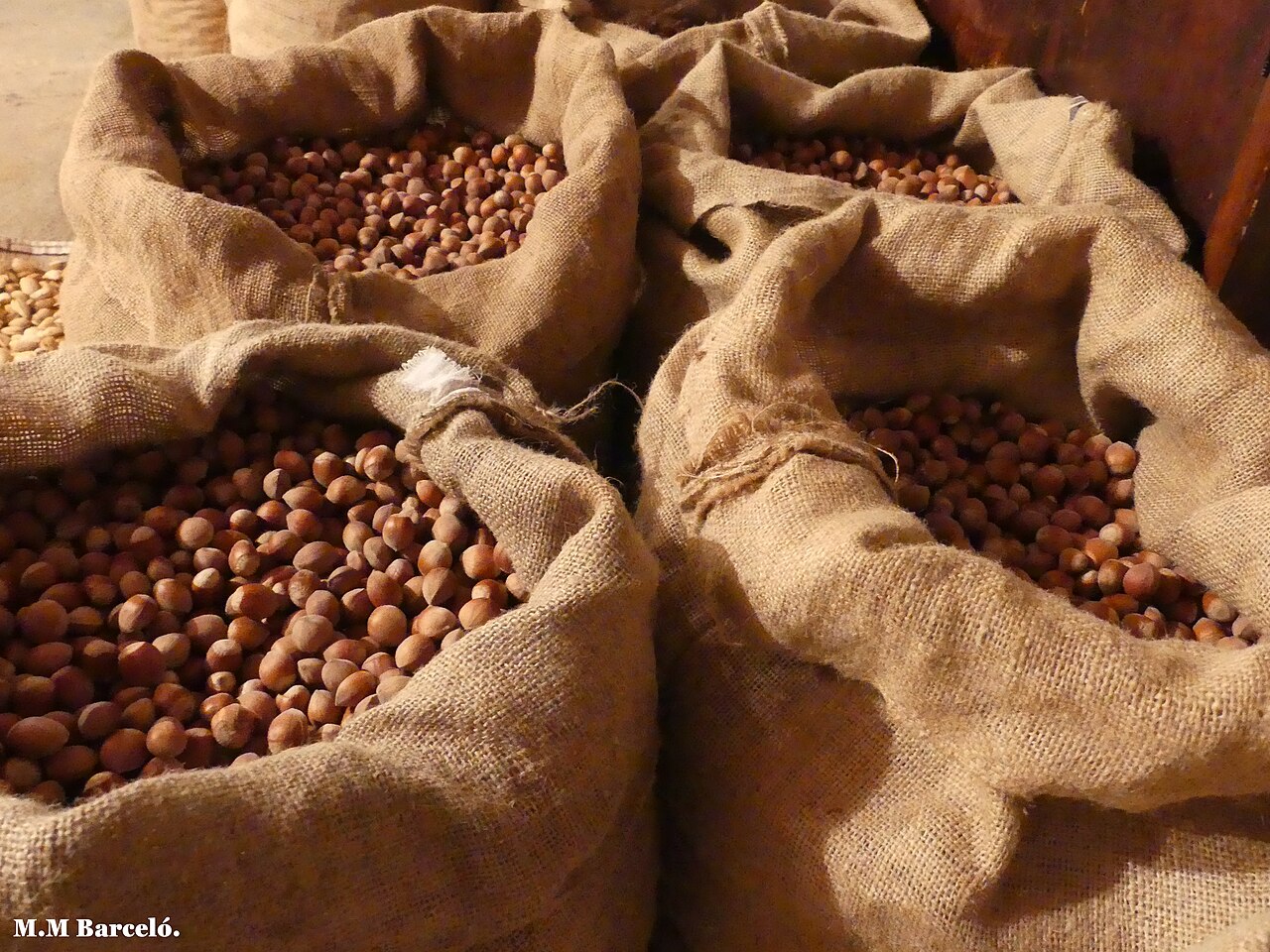
Hazelnut prices are among the most volatile agricultural prices. The reasons are structural:
- Geographic Concentration of Supply. When ~60% of global production comes from the narrow Black Sea coast, one bad spring frost can crash global supply [2].
- Inelasticity of Supply and Demand. Hazelnut trees are perennial plantings — production cannot be quickly increased when prices rise, nor quickly decreased when they fall. Small disturbances cause large price jumps.
- Multi-year Crop Cycles (Alternate Bearing). Hazelnut trees naturally alternate between heavy and light crop years.
- Currency Risk. Constant weakening of the Turkish lira dramatically changes the competitiveness of Turkish goods and price perception.
Frost in Turkey — The Main Trigger for Spikes
Historical and recent data clearly link spring frost in Turkey with sharp rises in global prices:
| Event | Effect on Price |
|---|---|
| Hail and frost in March 2014 | Price in 2014 rose more than double compared to 2013; according to media, +60% [1] |
| Frost/Cold 2004 (Turkey) | Purchase prices for crops in 2005 (FISKOBIRLIK) were ~40% higher than the previous season |
| Recent spring frost (April) | Cold intrusion destroyed flowers and buds; price rose by more than one-third before harvest; Turkish minister described it as one of the worst agricultural frosts in the country's history [2] |
Recent market analyses (2025/2026) estimate a drop in Turkish crop of about 30% due to April frost, with local bud destruction up to 90% in some regions (e.g., Sakarya). Reference prices for Levantine quality surged sharply under these conditions, and the market is further unpredicted by conflicting crop estimates between official statistics and export associations (crop estimate ranges differed by more than 20%).
Historical Price Range (Orientational)
From Croatian literature, global hazelnut prices in shell (USD/t) have moved through cycles:
| Year | Turkey (USD/t) | Italy (USD/t) | Croatia (USD/t) |
|---|---|---|---|
| 2002 | 1,108 | 1,194 | — |
| 2009 | 2,499 | 2,325 | 1,518 |
| 2011 | 3,222 | 3,150 | 2,650 |
| 2013 | 2,658 | 2,961 | 2,705 |
| 2014 (frost) | 4,287 | 5,192 | 4,186 |
| 2015 | 5,527 | 4,769 | 4,047 |
Lesson: In ten years, prices can sextuple and halve — sometimes within one or two seasons. These numbers are historical and serve only to illustrate the range of volatility, not as a forecast. Note: These figures are from Croatian/EU data; US growers should verify historical US price equivalents.
Tools for Managing Price Risk
Price risk (the risk that the selling price falls below the profitability threshold) differs from production risk (the risk that the crop fails). Professional literature emphasizes that different tools are used for each type of risk: insurance primarily covers yield/production, while price risk is controlled by contracts and financial instruments [7].
1. Contract Strategies (Most Accessible to Small Producers)
- Forward Purchase Contract — An agreement to sell a specific quantity at a pre-fixed price and time. The simplest way for a producer to "lock in" a price before harvest and remove uncertainty. The price of certainty is giving up potential additional growth.
- Quality Premium Contract — Tying price to kernel yield/caliber encourages production of top-quality kernels that are less exposed to price deductions.
- Customer Diversification — Multiple buyers reduce negotiation dependence on a single entity.
2. Exchange Instruments (Hedging)
At the level of a cooperative or larger producer, protection (hedging) via futures and options contracts on related markets may be considered:
- Futures (Forward Contract on Exchange) — A standardized contract to buy/sell at a fixed price in the future; since cash and futures prices generally move in the same direction, gains on one side compensate for losses on the other.
- Options — Give the right (but not the obligation) to sell at a guaranteed price; protect against drops while retaining benefits from growth, at the cost of a premium.
Key principle from literature: The goal of hedging is not profit on the financial position, but reduction of volatility — consciously giving up part of potential growth in exchange for income security. Note: For hazelnuts, there is no such liquid futures market as for grains, so these instruments are practically more relevant for processors and larger players than for individual producers.
3. Insurance and Institutional Mechanisms
- Crop/Planting Insurance — Covers production risk (frost, hail, drought). Although it primarily does not protect price, it stabilizes income because in a year of high prices (when others' crops fail), it protects your quantity. Example of good practice: Turkey has a state agricultural insurance system (TARSİM / "pool" with reinsurance) with premium subsidies.
- Whole-Farm Revenue Protection — e.g., the American model Whole-Farm Revenue Protection (WFRP) protects the total income of the farm under one policy, including specialty crops like hazelnuts.
- EU Instruments for Income Stabilization — Within the CAP, tools are being developed that take into account the correlation of production and price risk and pay compensation for serious income drops; the producer pays an annual contribution.
Comparison of Tools
| Tool | Covers | Who Uses It | Cost / Compromise |
|---|---|---|---|
| Forward Contract | Price Risk | Every Producer | Loss of potential price growth |
| Futures | Price Risk | Cooperatives, Processors | Margin/liquidity; not developed for hazelnuts |
| Options | Price Drop (Downside Protection) | Larger Players | Paid Premium |
| Crop Insurance | Production Risk | Every Producer | Premium (often subsidized) |
| Income Insurance/Stabilization | Income (Combined) | Diversified Farms | Contribution; threshold conditions |
Price Forecast: What to Realistically Monitor
An exact hazelnut price model is difficult to build, but producers can monitor a limited set of indicators that signal market direction:
- Weather in Turkey in February–April — Spring frost during flowering and bud break is the strongest individual predictor of price spikes. News of frost on the Black Sea almost regularly precedes growth.
- Crop Estimates (TÜİK vs. Export Associations) — Divergence between official and market estimates signals volatility; larger crop estimates usually suppress prices and vice versa.
- Announcement of Turkish Minimum Purchase Price — Sets the "floor" for the season.
- Turkish Lira Exchange Rate — A weaker lira makes Turkish goods cheaper in foreign currency and can mitigate global price growth despite shortages.
- Inventories and Confectionery Industry Demand — Low global inventories amplify every supply shock.
- Seasonal Pattern — Prices often move before harvest (late summer) when crop size becomes clear; this is also the window for forward contracts.
Recent market analyses warn that, even with high prices after frost, long-term drastic spikes are not guaranteed — climate change remains an unpredictable factor acting in both directions. Every forecast should be treated as a scenario, not a certainty.
Practical Recommendations and Common Mistakes
Recommendations
- Calculate the break-even price (profitability threshold) per kg for your parcel and sell only above it; without this number, you cannot assess if an offer is good.
- Invest in quality and drying — moisture and kernel yield directly change price; well-dried, clean batches avoid deductions.
- Consider a forward contract for part of the crop (e.g., lock in price for 40–60%, sell the rest on the market) to balance security and growth potential.
- Unite (cooperative, producer organization) for stronger negotiation position and access to protection instruments.
- Insure the planting against frost and hail — in a year of global shortage, your saved crop is worth double.
Common Mistakes
- Selling the entire crop to one buyer without alternatives.
- Waiting for the "peak" price — volatility can quickly reverse direction; greed is a common cause of poorer realization than forward prices.
- Ignoring exchange rates and deductions when comparing offers (gross reference price ≠ net in hand).
- Relying on one year as a benchmark — plan through full cycles of heavy and light crop years.
- Treating hedging as speculation; its purpose is income stability, not profit.
Gallery
Sources
- EKONOMSKA USPOREDBA RAZLIČITIH SUSTAVA UZGOJNIH FORMI LJEŠNJAKA (2015)
- Nutella postaje luksuz Novi val poskupl bc006f00 (2026)
- core 45d59620cc29f4ca 1 (2014)
- SVEU ILI TE JOSIPA JURJA STROSSMAYERA PO 98705359 (2015)
- VANJSKOTRGOVINSKA RAZMJENA I EKONOMI NOS 8a4ae496 (2014)
- 0578854e670fb491 1 (2019)
- Zinnanti et al 2019 PRE Print Economic performance and risk of farming systems (2019)