Heat and drought stress: Consequences and adaptation
Content generated by artificial intelligence — verify before application
This article was automatically compiled from a collection of hazelnut literature using artificial intelligence and may contain errors or outdated data. It serves as a starting point for further research, not as professional advice. Dosages, products, and timing are informative and depend on the cultivar, location, and current regulations — always consult an advisory service and official sources before application.
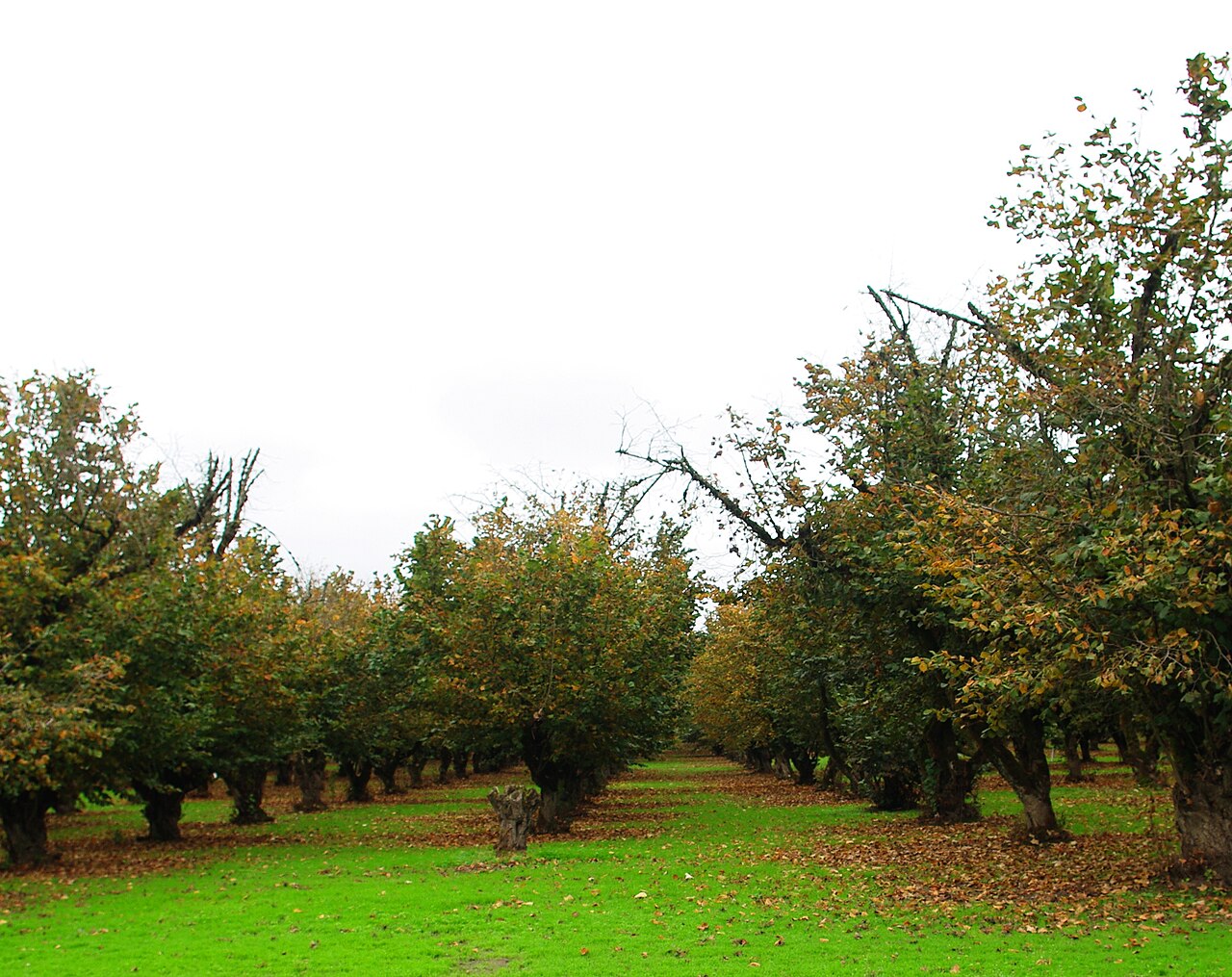
Heat and drought stress are currently among the most important limiting factors in hazelnut (Corylus avellana L.) cultivation. In our agroecological conditions, the dominant stress condition is the occurrence of high summer temperatures combined with a lack of precipitation. Since hazelnut develops a shallow root system, this combination can significantly reduce yield and nut quality. Climate change exacerbates the problem: heatwaves, longer drought episodes, and irregular precipitation patterns increasingly affect orchards even in the continental part of Croatia, where hazelnut has traditionally produced regular crops. This article explains how heat and drought affect crop load, kernel quality, and the occurrence of empty (blind) nuts, as well as which agrotechnical and cultivar measures can mitigate damage and increase orchard resilience.
Why hazelnut is sensitive to heat and drought
Successful hazelnut cultivation and achieving high yield and nut quality require reducing stress conditions that occur throughout the entire growing cycle. Professional literature clearly states that the dominant stress condition is the occurrence of high summer temperatures combined with a lack of precipitation (Proceedings of Croatian Fruit Growers, 2018.). The reason hazelnut is so vulnerable to stress lies in its structure:
- Shallow root system. Hazelnut extracts moisture primarily from the surface soil layer. This layer dries out and heats up first, so the plant quickly runs out of available water and cannot reach deeper reserves. Therefore, hazelnut on dry, hot, and compacted soils produces small and irregular crops.
- Large and thin leaf mass. Leaves transpire rapidly; at high temperatures and low air humidity, stomata close to prevent water loss, but this also reduces photosynthesis.
- Heliofitism with sensitivity to overheating. Hazelnut requires light, but direct intense insolation combined with heat leads to thermal stress on leaves and nuts (sunburn, premature leaf senescence).
Physiologically, at high air and leaf temperatures and low relative humidity, there is strong stomatal limitation and a drop in net photosynthesis. The consequence is early cessation of kernel filling, premature leaf drop, an increase in the proportion of empty nuts, and a reduction in kernel mass (PMC, Grafting… drought tolerance in Corylus avellana, 2024.).
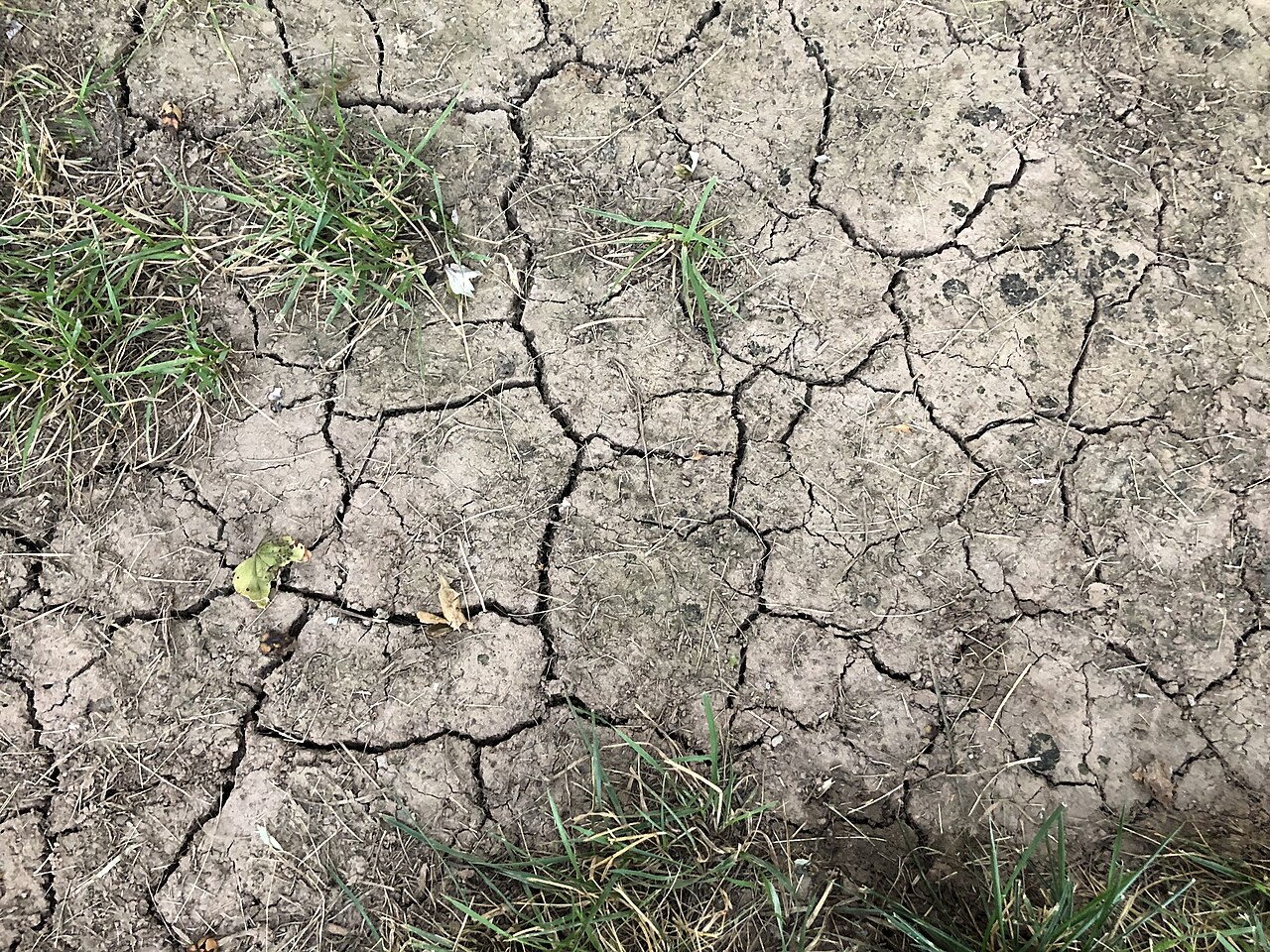
Shallow roots = small water reservoir
Since hazelnut relies primarily on the surface soil layer, the combination of heat and drought acts faster and more severely on it than on deep-rooted fruit trees. Therefore, timely measures (soil shading, irrigation, mulching) are particularly effective for hazelnut.
Effects on crop, quality, and empty nuts
Reduced crop and kernel mass
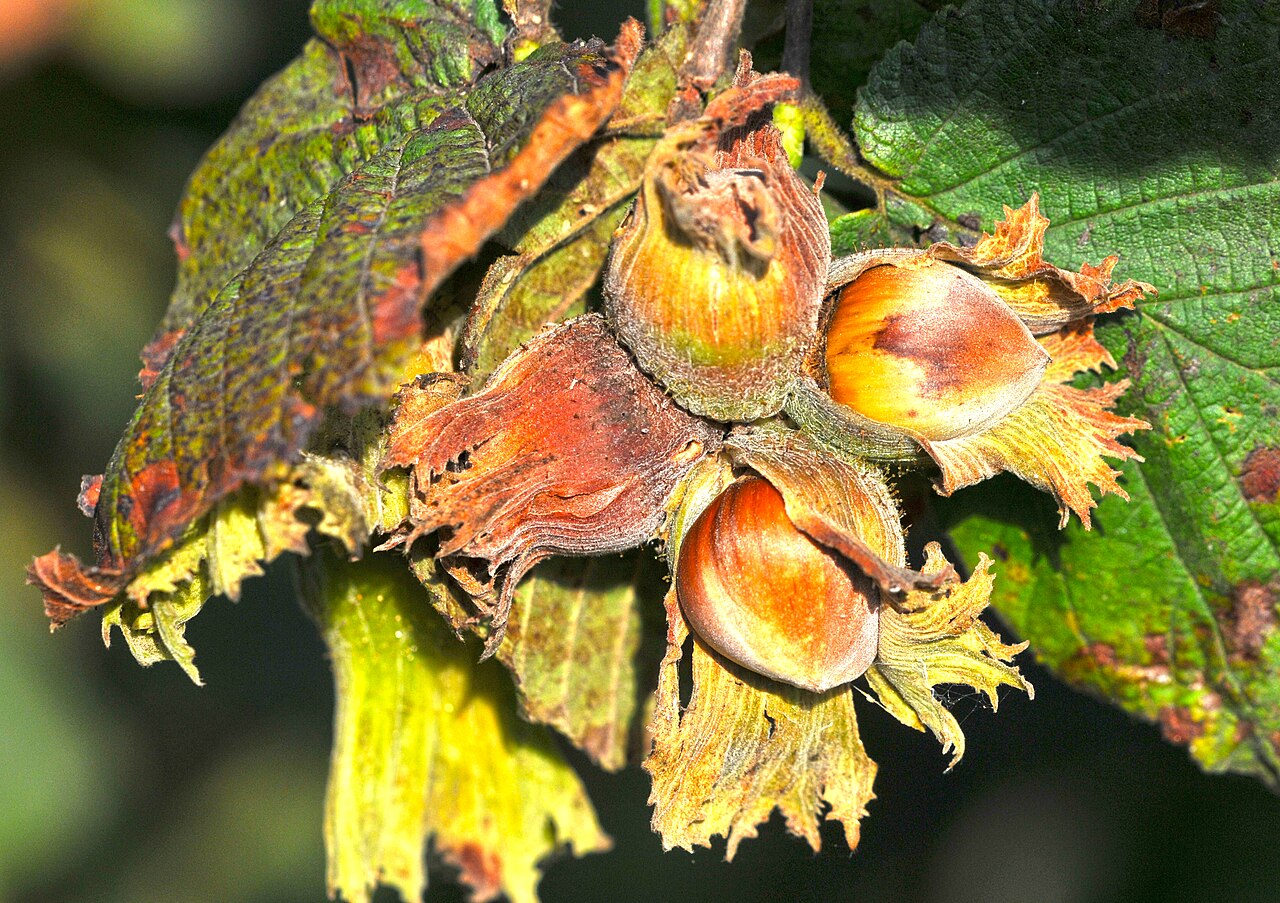
Water stress and high temperatures can significantly reduce hazelnut yield in orchards (Proceedings, 2018.). Water stress causes early cessation of fruit growth, premature leaf drop, and reduced kernel mass — in other words, the nut fills poorly and is lighter. Since kernel filling in hazelnut occurs precisely in July and August, which are also the hottest and driest months, this period coincides with the peak of heat and drought pressure.
Empty ("blind") nuts
Among the clearest consequences of stress is the increase in the proportion of empty nuts — nuts without kernels, commonly known as "blind nuts." Literature cites several causes:
- Poor pollination due to unfavorable weather conditions. In the event of unfavorable meteorological conditions before, during, and after flowering, there is a high percentage of empty nuts, which can significantly reduce crop load (Elaborate, BBZ, 2020.). Pollen germination and pollen tube growth are sensitive to temperature extremes.
- Cessation of filling due to heat/drought. Developing fruits that remain without sufficient water and assimilates during hot and dry periods stop development at the level of the funiculus or the junction of the ovule and are classified as aborting fruits (empty nuts at harvest). The proportion of such abortion is higher in open fields than under protective netting (PMC, Photo-Selective Shade Nets…, 2020.).
- Cultivar (genetic) predispositions. Part of the occurrence of "blind nuts" is attributed to degenerative tendencies in some cultivars, which manifest in poor and irregular differentiation of the embryonic sac or pollen grains (Hazelnut Cultivation, 2009.).
Distinguish empty nuts from kernel rot
An empty nut results from lack of pollination or cessation of filling (abiotic/physiological cause). Shriveled and darkened kernels with symptoms of rot are most often caused by the fungus Nematospora coryli with the assistance of bugs (biotic cause). A hot and dry summer can worsen both problems simultaneously, so diagnosis is key before deciding on a measure.
Effect on quality and premature drop
A dry and hot summer leads to premature ripening and early fruit drop. In a specific example from Osijek-Baranja County, after a very dry and hot summer, the nuts in the husk looked good, but after cracking, the kernels were shriveled and showed symptoms of rot; the percentage of infected nuts ranged from 30 to even 60%, even in orchards with regular protection (Economic List / agroklub, 2024.). This shows that stress weakens the plant's defense mechanisms and opens the door to secondary problems.
High temperatures during filling (July–August) directly affect nut mass, kernel percentage (randman), and oil content. Experiments show that measures that lower nut temperature (e.g., kaolin-based coatings) improve nut mass, the proportion of large kernels (over 14 mm), randman, and oil content in the kernel (web reviews of kaolin experiments).
| Stress Consequence | Main Mechanism | Visible Symptom |
|---|---|---|
| Reduced crop | Drop in photosynthesis, early cessation of filling | Lighter nuts, lower yield per tree |
| Empty (blind) nuts | Poor pollination + cessation of ovule development | Husk without kernel, light nuts |
| Shriveled kernels | Insufficient filling + secondary rot | Reduced randman, necrosis, unpleasant taste |
| Premature drop | Water and heat stress | Nuts fall before full maturity |
| Reduced oil quality | Thermal/oxidative stress | Higher acidity and peroxide number in oil |
Diagnostics: how to recognize stress in time
Timely recognition distinguishes types of damage and allows for correct response. Useful indicators:
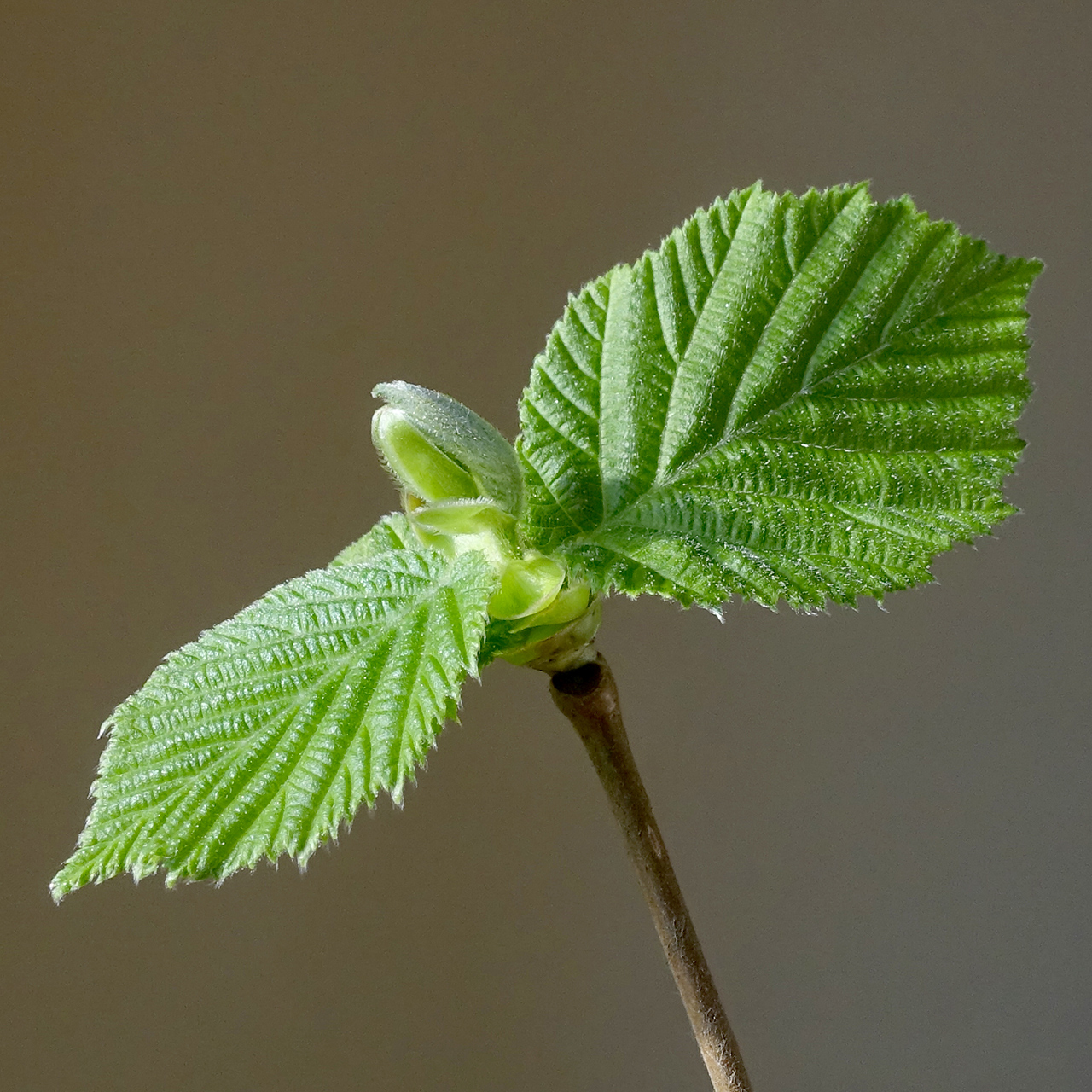
- Leaves: wilting during the hottest part of the day, curling of the blade, marginal sunburn, premature yellowing and drop — signs of water/heat stress.
- Fruits during development: stunted growth, early drop of green nuts.
- Filling check: sampling and cracking nuts at the end of July and in August to assess the proportion of empty and shriveled kernels before harvest.
- Soil moisture: measurement with a tensiometer or probe in the root zone (surface layer!) for timely irrigation.
- Cause differentiation: Husk without kernel and without signs of puncture indicates a physiological empty nut; darkened, sour kernel with necrosis and mycelium indicates kernel rot associated with bugs and the fungus Nematospora coryli (Hazelnut Diseases and Pests, 2020.).
A small control sample pays off
Cracking a handful of nuts from several trees at the end of July gives a true picture of kernel condition weeks before harvest and allows decisions (additional irrigation, biostimulant, harvest plan) to be made in time.
Agrotechnical Adaptation Measures
Water — The Primary and Most Critical Measure
Under dry conditions, irrigation is a routine, not an exceptional, measure. It is crucial to ensure water availability precisely during the critical kernel filling phase (July–August), when deficits are most costly. Due to the shallow root system of hazelnuts, frequent, smaller irrigations are generally more effective than rare, heavy applications. Orientational, informative values from literature:
| Measure | Orientational Value | Note |
|---|---|---|
| Weekly addition during dry periods | ~25–50 mm of water per week | To support kernel filling; depends on soil and climate (web sources) |
| Annual water requirement (including precipitation) | ~2,500 L/tree/year (approximate from report) | Irrigation only compensates for the deficit above precipitation levels (Report, 2020.) |
| System | Drip irrigation, preferably subsurface | Less evaporation, uniform moisture |
Figures are informative
The stated water quantities depend on soil, cultivar, orchard age, climate, and local water usage regulations. Specific schedules should be determined based on soil moisture measurements and in consultation with advisory services.
Soil Protection and Microclimate
- Mulching. Organic mulch or cover crops reduces evaporation, lowers soil temperature, and conserves moisture in the surface layer where hazelnut roots are located.
- Grass cover in inter-row spaces. Mowing maintains soil structure and reduces overheating, but in dry years, grass competes for water — it should be cut low or mulched.
- Temperature-reducing coatings (kaolin). White mineral coatings reflect a portion of solar radiation and lower leaf and fruit temperatures; trials have improved kernel mass and yield percentage, as well as oil content.
- Protective/shading nets. Photo-selective nets reduced the proportion of aborted (empty) fruits compared to open fields (PMC, 2020.); they are applicable primarily in intensive, high-value orchards.
Biostimulants and Stress Resilience
Modern fertilization technology recommends the application of biostimulants to mitigate the negative effects of stressful conditions during hazelnut growth and development. Two main groups are in use (Proceedings of Croatian Fruit Growers, 2018):
- Amino acid-based biostimulants — support plant metabolism and recovery under stress.
- Seaweed extract-based biostimulants — aid in tolerance to drought and heat stress.
During stressful periods, it is recommended to use products registered as biostimulants or plant strengtheners to enhance the tree’s defense mechanisms (agroklub / Gospodarski list, 2024).
Biostimulants are not a substitute for water
Biostimulants and coatings alleviate the consequences of stress but cannot compensate for a lack of water during the critical phase. The foundation of adaptation remains proper site selection, soil with good water-holding capacity, and irrigation.
Innovative Approaches (Research)
- Grafting onto non-suckering rootstocks. Grafting hazelnut onto rootstocks that do not produce suckers has proven to be a promising and environmentally friendly strategy for improving drought tolerance due to physiological and biochemical adaptations (PMC, 2024).
- Arbuscular Mycorrhiza (AM). Certain mycorrhizal fungi can enhance plant tolerance to multiple summer stresses and reduce heat and water stress (ScienceDirect, Glomus iranicum…, 2019).
- Proline as a marker. Proline accumulation has proven to be a reliable biochemical marker of stress level, and differences among cultivars suggest that some are more tolerant and can be selected for drought-affected areas (ResearchGate, Drought responses in six hazelnut cultivars).
Cultivar Adaptation Measures
Cultivar selection is the first and one of the most important steps in adapting the orchard to local climatic conditions. When choosing cultivars for areas stressed by drought and heat, it is essential to know their reaction norm to ecological conditions, including resistance to low temperatures and drought, cropping habit, and fruit quality (Organic Hazelnut Production, 2022).
The following combinations and guidelines have proven effective in Croatian orchards:
| Cultivar | Characteristics Relevant to Stress | Note |
|---|---|---|
| Rimski okrugli | Performed well in plantation orchards in Slavonia; provides stable results | Often the main cultivar (e.g., 80–90% of orchards) (Report, 2021) |
| Istarski duguljasti | Very productive and high-quality under continental conditions (2,040–2,172 kg/ha) | Long bracts complicate mechanical harvesting (Proceedings, 2018) |
| Tonda di Giffoni, Tonda Gentile Romana | Market-valued; introduced for quality | Tonda Gentile Romana is more susceptible to mite attack (RAG corpus) |
Additional cultivar and genetic guidelines:
- Tolerance varies among cultivars — research on six hazelnut cultivars showed differences in drought response, allowing for the selection of more tolerant genotypes for dry areas.
- Proper pollinizer combination. Since most cultivars are autosterile or weakly autofertile, a good combination of cultivars and row arrangement is crucial to prevent unfavorable conditions during flowering from leading to a high proportion of empty nuts.
- Cultivar assortment adaptation to site. After analyzing climatic conditions, soil, insolation, and precipitation, a combination of cultivars is selected — e.g., Rimski okrugli and Istarski duguljasti in a 90% : 10% ratio (Report, Vojnić, 2021).
Practical Recommendations and Common Mistakes
Recommendations:
- Ensure water during the critical kernel filling phase (July–August); prefer frequent, small applications over rare, heavy ones.
- Measure soil moisture in the root zone and irrigate based on measurements, not on a calendar.
- Mulch the soil and consider kaolin coating in orchards exposed to strong insolation.
- During stressful periods, apply registered biostimulants (amino acids, algae) as support, not as a substitute for water.
- When establishing a new orchard, select cultivar assortment and rootstock according to local climate and ensure a good pollinizer combination.
- Take control samples at the end of July to timely assess the proportion of empty and undeveloped kernels.
- Harvest mature nuts in at least two passes and dry them quickly to 12% moisture in the shell (≈ 6% in the kernel) so that stress and late interventions do not compromise quality (Gospodarski list, 2024).
Common Mistakes:
- Relying solely on precipitation on shallow, dry soil — leads to irregular cropping.
- Rare, heavy irrigations that quickly drain below the shallow root zone.
- Confusing empty nuts (physiological cause) with kernel rot (biotic cause) and reacting incorrectly.
- Traditional slow drying on asphalt (1–2 weeks), which increases acidity and peroxide number of oil in fruits already weakened by stress.
- Planting cultivars unsuited to the local climate without analyzing precipitation and temperature data.
Sources
This article is an AI summary generated from a collection of hazelnut literature (internal RAG corpus) and publicly available sources. References to dosages, quantities, and timing are informative and depend on cultivar, location, and applicable regulations and product labels. Main sources used:
- Proceedings of Abstracts, 13th Scientific-Professional Conference of Croatian Fruit Growers with International Participation (2018) — stress conditions in hazelnut cultivation, biostimulants.
- Diseases and Pests of Hazelnut (final thesis, FAZOS Repository, 2020) — kernel rot, Nematospora coryli, bugs. https://repozitorij.fazos.hr/object/pfos:2298
- Annual Hazelnut Treatment Plan — Gospodarski list — symptoms of kernel damage, temperature range for fungal development.
- "Hazelnut Fruit Rot Becomes Very Serious" — agroklub / Gospodarski list (2024) — dry and hot summer, early drop, 30–60% infected kernels, drying to 12%/6%.
- Hazelnut Fruit Rot — agroklub (2020). https://www.agroklub.com/vocarstvo/trulez-plodova-lijeske-se-javlja-na-mjestima-napada-stetnika-vrijeme-je-za-zastitu/60175/
- Hazelnut Cultivation (pdfcoffee, 2009) — "blind nuts" without kernel, pollination and fertilization.
- Environmental Protection Report — multi-year hazelnut orchards (BBZ, 2020) — empty nuts due to poor fertilization, water needs, soil selection. https://bbz.hr/doc/uprava/elaborat_zastite_okolisa_visegodisnji_nasadi_lijeske_i_sljive.pdf
- Environmental Protection Report — hazelnut orchard, Municipality of Vojnić (2021) — selection of Rimski okrugli and Istarski duguljasti cultivars according to climate.
- Technological and Economic Characteristics of Hazelnut Cultivation (2018) — cultivar assortment adaptation, Rimski cultivar. https://doi.org/10.46584/lm.v36i2.1141
- Organic Hazelnut Production in Croatia (2022) — cultivar selection criteria, drought resistance.
- Grafting with non-suckering rootstock increases drought tolerance in Corylus avellana L. — PMC (2024). https://pmc.ncbi.nlm.nih.gov/articles/PMC11632140/
- Mitigation of multiple summer stresses on hazelnut: arbuscular mycorrhiza Glomus iranicum — ScienceDirect (2019). https://www.sciencedirect.com/science/article/abs/pii/S030442381930545X
- Drought responses in six hazelnut (Corylus avellana L.) cultivars — ResearchGate. https://www.researchgate.net/publication/311781080
- Effect of Photo-Selective Shade Nets on Pollination Process and Nut Development of Corylus avellana L. — PMC (2020). https://www.ncbi.nlm.nih.gov/pmc/articles/PMC7758217/