Climate Risks (Frost, Drought, Heat) and Impact on Income
Content generated by artificial intelligence — verify before application
This article was automatically compiled from a collection of hazelnut literature using artificial intelligence and may contain errors or outdated information. It serves as a starting point for further research, not as professional advice. Dosages, products, and timing are informative and depend on the cultivar, location, and current regulations — always consult with an advisory service and official sources before application.
Climate is both a prerequisite for success and the greatest source of uncertainty for a hazelnut orchard. Hazelnut blooms in the middle of winter, the nuts fill during the middle of summer, and it relies on water throughout the entire growing season — making it highly sensitive to three climatic shocks: late spring (and winter) frost, summer drought, and heat stress. Each of these can halve or nearly destroy yield in a given year, and through the volatility of global prices, also affects the income of orchards that have a good harvest that year. This article explains how each risk arises and its cost, and offers concrete adaptation and loss-reduction strategies — from site and cultivar selection to irrigation, frost protection measures, and insurance.
Why hazelnut is particularly exposed to climate
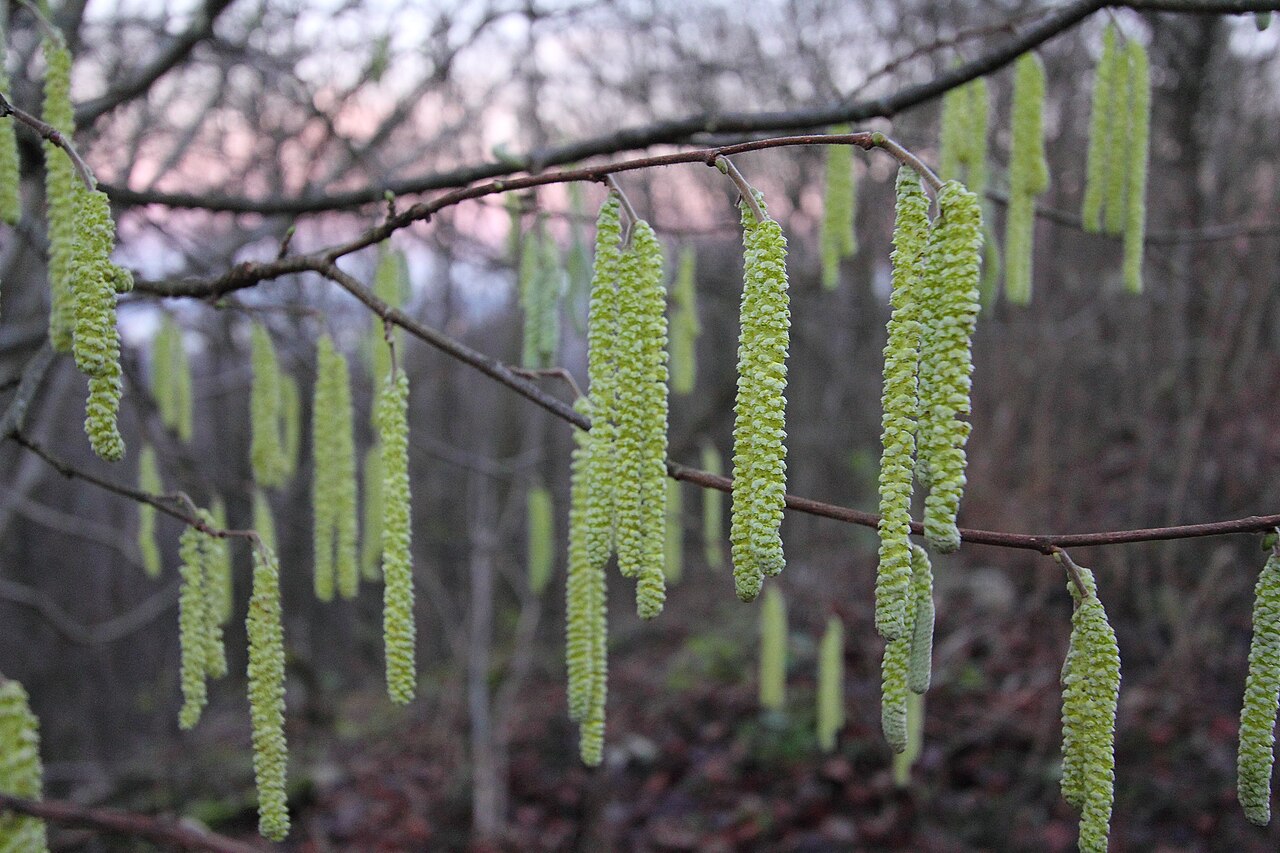
Unlike most fruit trees, hazelnut is a winter-flowering species: male catkins and small red female flowers open and are pollinated between December and March, when frosts are a regular occurrence. The nut then fills ("grain filling") during June and July, which is increasingly a period of heat and drought. Due to this phenology, hazelnut is vulnerable to climatic fluctuations at both ends of the season.
The literature corpus confirms the basic climatic requirements that must be understood before assessing risk:
| Factor | Optimum / Threshold | Note |
|---|---|---|
| Absolute winter minimum (dormancy) | up to −26 °C short-term | Hazelnut is more resistant than walnut/almond; with gradual cooling, some cultivars tolerate −25 to −30 °C |
| Freezing of buds at the start of vegetation | −3 to −5 °C | Damage to leaf buds during vegetation break |
| Freezing of open flowers | −7 to −10 °C | Open male and female flowers; while closed, they can tolerate −16 to −18 °C |
| Precipitation, annual | 700–1200 mm, well distributed | During vegetation (April–September) at least 350–400 mm; April–July ~280 mm (≈70 mm/mo.) |
| Insolation | ~1250 sunny hours during vegetation | Hazelnut is a heliophile — yields poorly in shade |
| Relative humidity | 60–90 % |
Figures are informative and depend on cultivar, location, and year. According to literature (Hazelnut Cultivation Guide, advisory service; Krpina 2004.; several master's theses).
Frost — the single biggest yield risk
How much frost costs
Frost is consistently identified in the corpus as the biggest threat to hazelnut cultivation. Specific figures speak for themselves:
- Frost can destroy up to 90 % of the yield, making production in that calendar year economically unviable (analysis of production status in Croatia, 2017).
- A low temperature of −7 °C during the flowering phase caused damage of up to 50 % (book on hazelnut cultivation).
- Yield statistics in Croatia clearly show the impact of frost: in 2011 (normal pollination, no frost) the yield was 1,860 t, while in 2012 (pollination interrupted by frost, frozen buds) it was only 450 t — a drop of about 75 % from one year to the next.
Frost affects not only individual orchards but also price. Unusually cold weather in April destroyed a large portion of hazelnut catkins in Turkey (about 60 % of global production), causing prices to rise by more than a third even before harvest; the Turkish Minister of Agriculture described this as one of the worst agricultural frosts in the country's history. This means that a Croatian producer who has a crop that year can profit from higher prices — but equally, frost on their orchard means a loss in quantity, and in bad years, without compensation from higher prices.
Two types of frost
- Winter (radiative) frost during flowering — the most dangerous, as hazelnut blooms precisely then. Open flowers are damaged at −7 to −10 °C; male catkins and pollen are more sensitive than parts of the female flowers.
- Late spring frost — affects vegetation break and young shoots (−3 to −5 °C). International literature cites late spring frost as one of the most important climatic factors determining where hazelnut can be grown at all; major agricultural frosts in the Black Sea region (1993, 2004, 2014) caused serious damage.
Frost protection strategies
Prevention through site and orchard design (cheapest and most effective):
- Proper selection of micro-location is a crucial factor for profitability — avoid frost pockets (closed valleys, depressions where cold air accumulates). Master's theses on hazelnut freezing (e.g., Baranja area) explicitly warn that the cumulative influence of climate, exposure, slope, and altitude determines success.
- In the continental part, sheltered positions with gentle slopes are preferred; the Mediterranean part (especially Istria) is climatically more favorable because winter frosts are milder.
- Ensure drainage of cold air — do not block the lower edge of the orchard with dense hedges or fences that trap cold air.
Selection of more resistant and later-flowering cultivars:
- Frost damage depends on the date of occurrence and the cultivar — local cultivars are generally more frost-hardy. When selecting a cultivar for risky areas, value later flowering and proven resistance.
Active protection during frost episodes:
| Method | Principle | Note / Limitations |
|---|---|---|
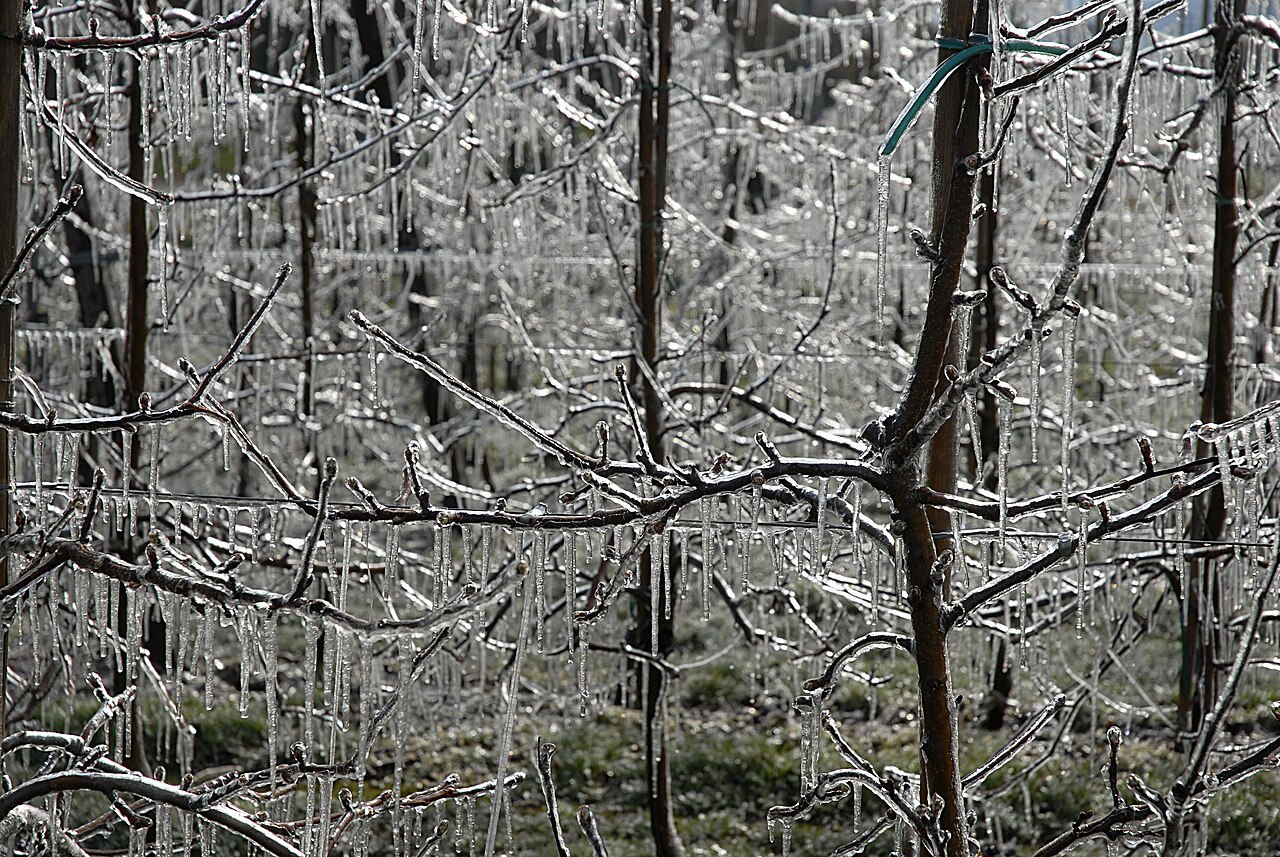
| Overhead sprinkling | Water releases heat upon freezing and creates an ice coating that protects tissue at ~0 °C | Very effective; consumes large amounts of water and energy, requires a reliable system and continuous sprinkling while frost lasts |
| Frost candles / heaters | Local air heating | Labor and cost-intensive on larger areas |
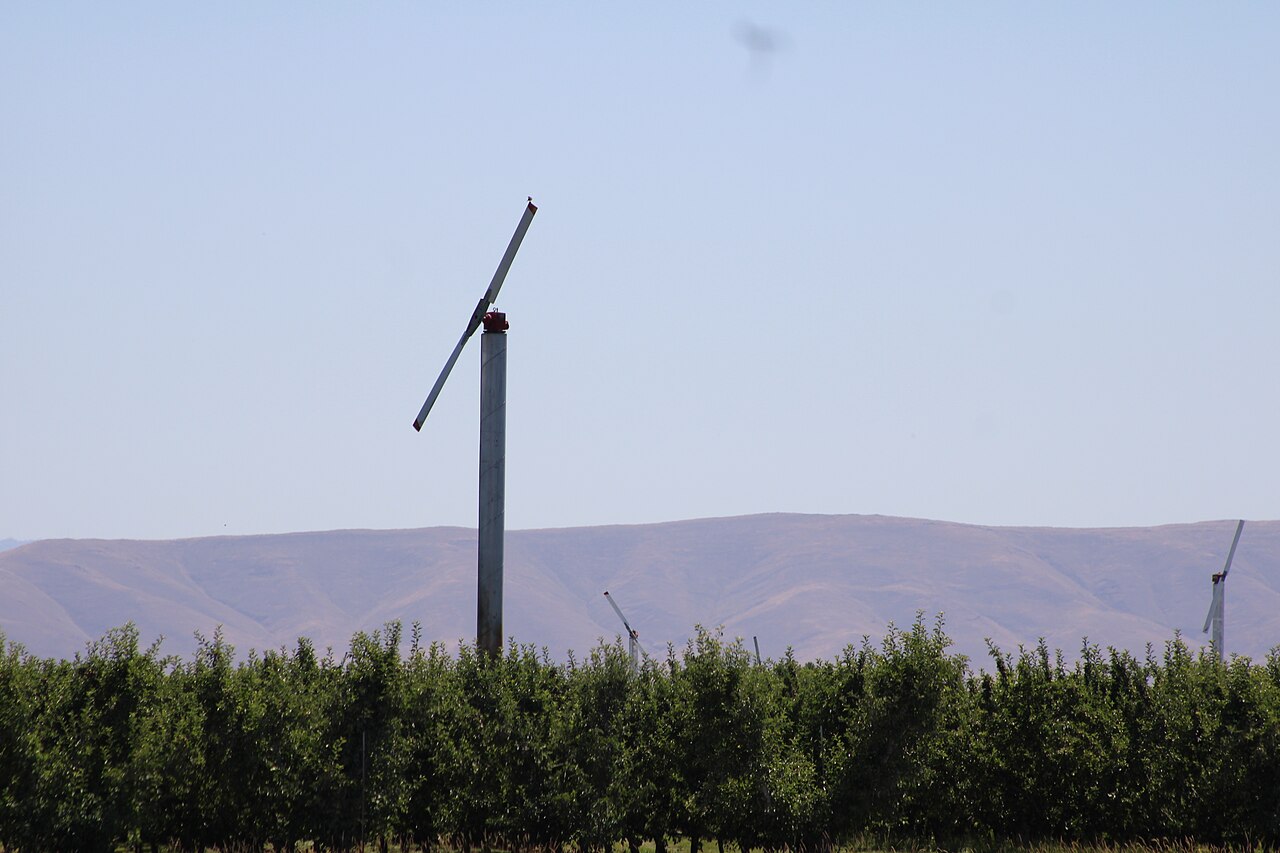
| Windmills / air mixing | Breaks temperature inversion, brings warmer air from above | Effective only with radiative frost and inversion |
| Cover (protective) systems / agrotextile | Reduces heat loss by radiation | Practically only on young/smaller orchards |
| Delayed flowering (reflective coatings) | Slowing phenology so flowering "misses" the frost | Experimental for hazelnut; primarily known from other fruit crops |
All active protection has a cost; profitability depends on the frequency of frosts at the location. Often, the best "defense" is simply avoiding frost pockets when establishing the orchard.
Drought — the silent loss of yield and quality
How drought reduces yield and income
Water in hazelnut has multiple roles: it is the raw material for carbohydrate synthesis, a solvent, and a means of tissue temperature regulation through transpiration. Water shortage affects the nut filling phase specifically:
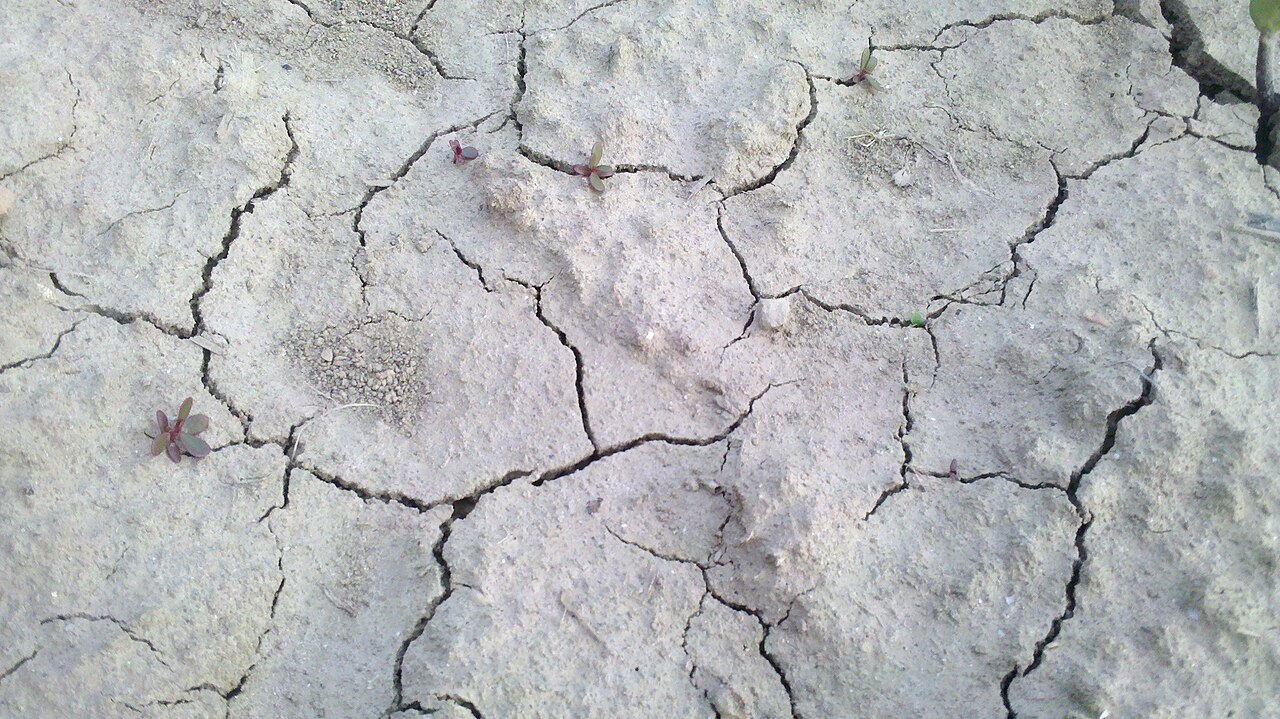
- In years with extremely dry summers, the kernel remains small and underdeveloped — both yield and kernel percentage (kernel-to-shell ratio) drop, and kernel percentage directly determines the purchase price.
- Hazelnut is relatively sensitive to drought, so irrigation is desirable, especially in organic cultivation (cascade use of by-products, 2025).
- The critical water period is April–July (about 280 mm, ≈70 mm/month); a deficit in this window causes the most damage.
Drought also acts indirectly: dried bearing wood and branches (especially in areas exposed to natural disasters) open the door to bacteria and physiological decay, which reduces yield in subsequent years.
Drought protection strategies
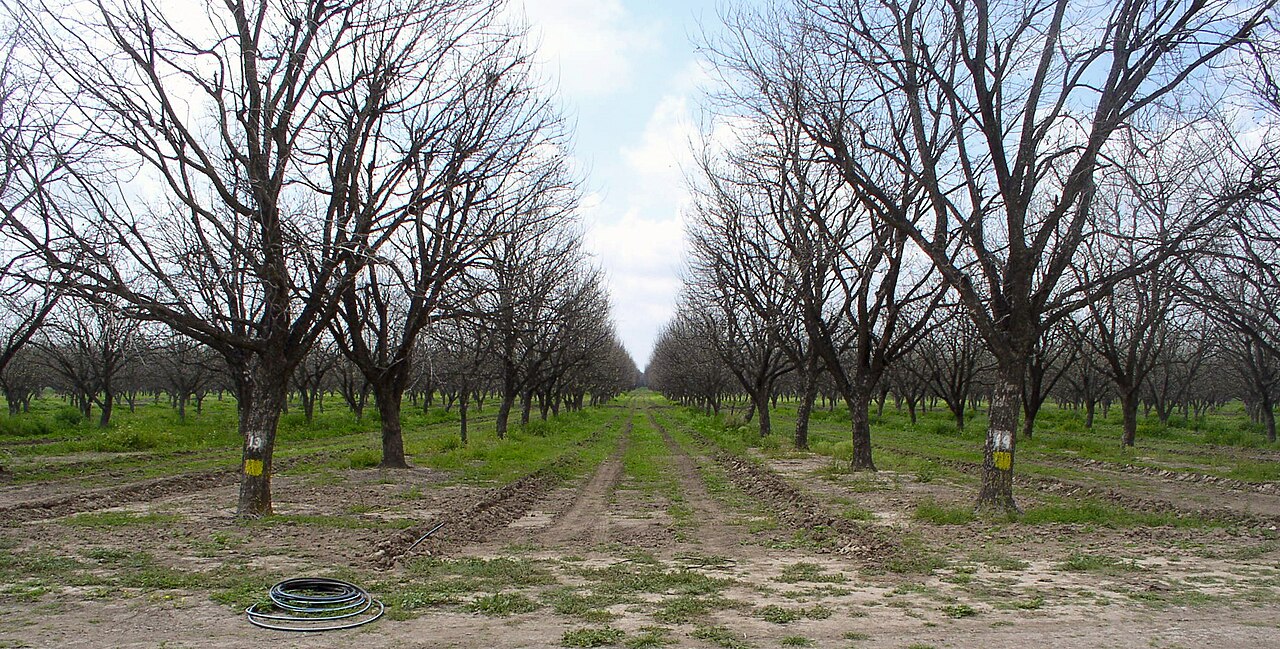
- Irrigation, preferably drip / fertigation. Orientational data from one Croatian project calculation: ~45,000 m³ of water at the project level, or ~605 m³/ha annually (with NPK 7:20:30 ~382.5 kg/ha). Actual needs depend on soil, climate, and year — use soil moisture measurement, not a fixed recipe.
- Soil moisture management: mulching, pruning retention, and cover crops in the inter-row space reduce evaporation and leaching, increase organic matter, and improve water retention (see also chapters on soil management and soil health).
- Soil selection at establishment: moderately moist, medium-depth, humus-rich soils with favorable structure (pH 5.0–8.0) "remember" water better than shallow, stony soils.
- Water reserve and water rights: secure a water source and permits before drought strikes; irrigation that you cannot start in time has no value.
Heat stress — an increasing summer risk
Increased average temperatures, especially in summer, can cause earlier flowering, premature ripening, and a drop in quality and yield by affecting the kernel filling phase (hot + dry summer). Above approximately 600 m a.s.l., production in classic Black Sea conditions declines, and climate projections shift cultivation to higher altitudes.
From international literature:
- Medium-term (by mid-century), hazelnut yield is projected to be lower by up to 13 % in about half of today's production areas (study on 88 locations, 10 km resolution climate model).
- The combination of high temperature and low humidity in the critical phase can be devastating: in one documented example, maximum temperatures of around 32.5 °C in June combined with low humidity were linked to a yield drop of about 45 %.
- Heat also acts indirectly — the spread of existing and the emergence of new pests and diseases (e.g., phytophagous bugs, powdery mildew/"külleme"), shifts in phenology, and increased protection pressure.
Heat mitigation strategies largely overlap with drought measures: irrigation (and evaporative cooling via sprinkling), maintaining grassed/mulched inter-rows for a lower soil temperature regime, selecting sites and cultivars adapted to the local climate, and shifting towards cooler, higher, or more sheltered positions when establishing new orchards.
From Climate Risk to Income Risk
Climate shocks do not always translate directly into income loss—the relationship is more complex:
- Volume volatility: The case of RH (1,860 t → 450 t between 2011 and 2012) shows that yield can drop by 75% due to a single frost episode during flowering.
- Price volatility: When frost hits the dominant global producer (Turkey), prices surge (e.g., +1/3), so a healthy crop that year is worth more—but this is little consolation to an orchard that suffered damage itself.
- Quality = Price: Drought and heat reduce kernel recovery and nut size, and price is determined by moisture content, impurities, and kernel recovery rate—smaller nuts mean a lower unit price, even when volume is not catastrophic.
Therefore, climate risk management is not just agronomy but also financial planning.
Instruments for Reducing Financial Loss
- Crop insurance against weather disasters (frost, hail, drought) — in the EU/Croatia, often with premium co-financing; check current conditions and subsidies with the advisory service and in the chapter on regulations and support.
- Replacement of lost planting material with your own — literature cites covering weather-related damages with own seedlings as a rational solution for isolated losses.
- Diversification of cultivars and locations — different flowering phenology reduces the likelihood that a single frost event will damage the entire orchard.
- Liquidity reserve — plan for bad years; a permanent orchard must survive non-bearing seasons.
Practical Recommendations and Common Mistakes
Do:
- Choose a site free of frost pockets, with good drainage of cold air and a gentle slope — this is the cheapest and most durable protection.
- Ensure water and irrigation are in place before they are needed; monitor soil moisture, not the calendar.
- Plant harder/later-flowering and locally proven cultivars, and diversify them.
- Maintain soil and inter-row cover (mulch, organic matter) for water retention and temperature regulation.
- Consider insurance and maintain a financial reserve for bad years.
Avoid:
- Establishing an orchard in a valley/depression "because the soil is better" — frost will eat up the profit.
- Relying solely on favorable averages; what matters are extreme nights and weeks, not the average.
- Excessive N-fertilization, which promotes vigorous, frost-sensitive growth and consumes moisture.
- Neglecting dried/damaged branches — they are entry points for bacterial canker; remove them and, according to advisory service recommendations, plan copper fungicide applications (approximately 6–8 kg of pure active ingredient/ha annually in 2–3 applications, late autumn and late winter). Doses are indicative and depend on the label and approval.
Sources
This article is an AI summary from a collection of hazelnut literature (RAG corpus) and public sources; figures and recommendations should be verified with the advisory service and official sources before application. Main sources used:
- Guide to Hazelnut Cultivation — Ministry of Agriculture / Advisory Service (savjetodavna.mps.hr)
- Analysis of the State and Trends in Hazelnut Production in Croatia (2017) — https://doi.org/10.31727/gzb.42.3.9
- Impact of Low Temperatures on Hazelnut Frost Damage (Master's Thesis, Baranja region, 2021)
- HAZELNUT CULTIVATION (book) — freezing thresholds by cultivar
- Technology and Economic Efficiency of Organic Hazelnut Cultivation (2021) — role of water and precipitation
- Mechanization in Hazelnut Production and Processing (2021) — climatic requirements and precipitation
- Cascading Use of Hazelnut and Aronia By-products (2025) — drought sensitivity and irrigation
- Environmental Protection Elaborates for Hazelnut Orchards in Croatia (BBZ Grubišno Polje; MUNDO MELIUS / Borg) — assessment of exposure to climate change, irrigation data
- Notifications and Recommendations for Hazelnut Growers — Ministry of Agriculture (protection of damaged bearing trees, copper preparations)
- "Nutella Becomes a Luxury — New Wave of Price Increases" (2026) — frost in Turkey and impact on global prices
- Mid-Term Impact of Climate Change on Hazelnut Yield (MDPI Agriculture, 2020) — https://www.mdpi.com/2077-0472/10/5/159
- The Effect of Climate Change on Hazelnut Yields and Pricing — https://hazelnuthub.com/climate-change-hazelnut-yields-pricing/
- Climate-Resilient Hazelnuts in Oregon and Washington — USDA Climate Hubs — https://www.climatehubs.usda.gov/hubs/northwest/topic/climate-resilient-hazelnuts-oregon-and-washington
- Active Frost Protection Methods for Your Orchard (Rutgers NJAES, E363) — https://njaes.rutgers.edu/e363/
- Review and research prospects on sprinkler irrigation frost protection for horticultural crops (ScienceDirect) — https://www.sciencedirect.com/science/article/abs/pii/S0304423823009433
- Fruit Growers Adapt to Warmer Winters, Drought (CalCAN) — https://calclimateag.org/fruit-growers-adapt-to-warmer-winters-drought/