Own-root seedlings or grafted onto Corylus colurna rootstock
Content generated by artificial intelligence — verify before application
This article was automatically compiled from a collection of hazelnut literature using artificial intelligence and may contain errors or outdated information. It serves as a starting point for further research, not as professional advice. Dosages, products, and timing are informative and depend on the cultivar, location, and current regulations — always consult with advisory services and official sources before application.
The decision to establish an orchard with own-root seedlings or seedlings grafted onto Turkish hazel (Corylus colurna L.) rootstock is one of the most important and long-lasting decisions in hazelnut orchard establishment. It concerns not only the price of the seedling but also affects decades of future work: tree vigor, whether you will have to "fight" root suckers every year, the choice of training system, planting spacing, the possibility of mechanical harvesting, and the orchard's drought resistance. This article compares both options, explains the biological background of the difference (avellana vs. colurna), and provides practical guidelines for Croatian conditions.
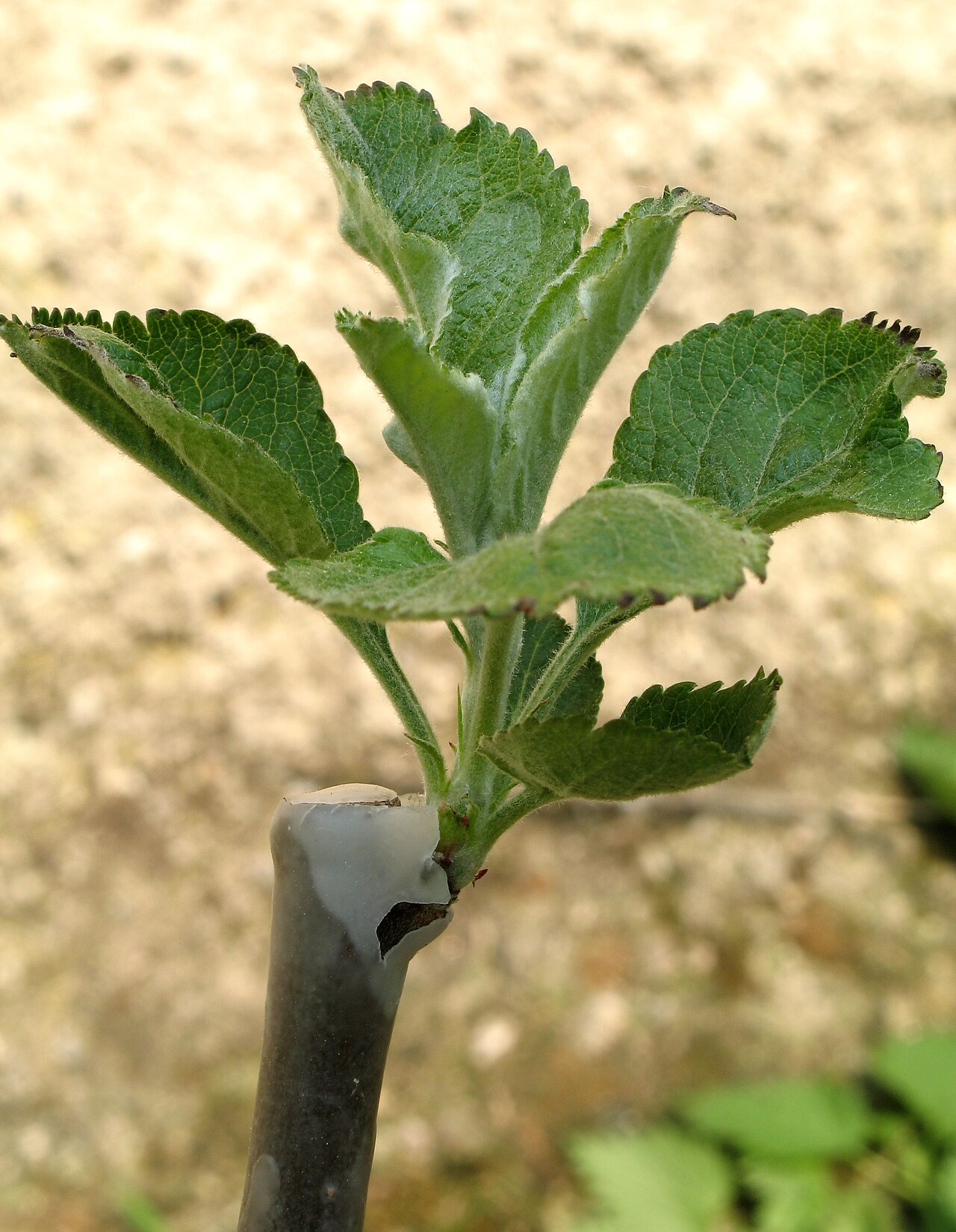
Two fundamental options: what are you actually choosing?
In hazelnut propagation material production, there are two main approaches:
- Own root — the seedling is entirely of the selected cultivar of European hazel (Corylus avellana L.). Traditionally, it is produced by propagating root suckers of the desired cultivar, ring girdling, and layering ("rooted rooted plants"), and increasingly by micropropagation (tissue culture).
- Grafted seedling on rootstock — the selected cultivar (scion) is grafted onto a seedling of Turkish hazel (Corylus colurna L.), which forms the root system and the lower part of the trunk. Turkish hazel rarely produces root suckers, which is the main reason for its use as a rootstock.
It must be stated immediately that a key fact from the literature is: leading hazelnut-producing countries and the majority of Croatian hazelnut orchards grow hazelnuts on own roots. Rootstocks are used less frequently, but interest in grafted seedlings is growing, especially in orchards oriented toward tree training systems and mechanical harvesting.
Biological background of the difference: avellana vs. colurna
Understanding the difference begins with two different species of the genus Corylus.
European hazel (Corylus avellana)
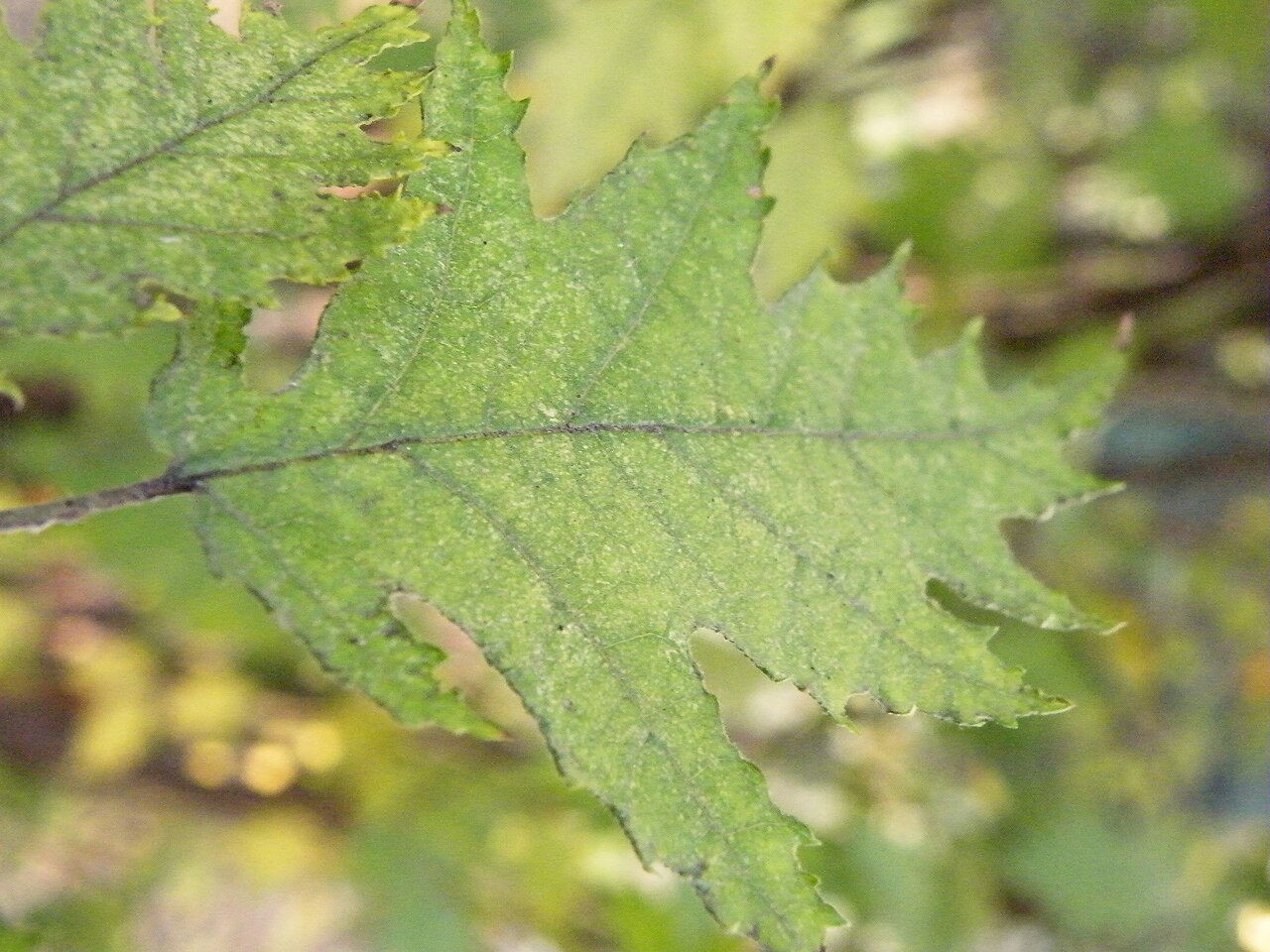
Most commercial cultivars originate from European hazel. Its natural tendency is to grow as a shrub with multiple trunks, precisely due to the strong production of root suckers (suckers). Suckers sprout from adventitious buds on the roots and from the base of the trunk. The root system develops primarily shallowly and broadly: the main mass of roots is located at a depth of approximately 15–50 cm (about 80% of the mass up to 40–50 cm), and individual roots can reach 70 cm. Such a shallow root system makes the plant more sensitive to drought but allows it to thrive on heavy, continental soils where Turkish hazel performs poorly.
Turkish hazel (Corylus colurna)
Turkish hazel is a woody, single-trunk species that grows as a tree in nature. Its key characteristics as a rootstock:
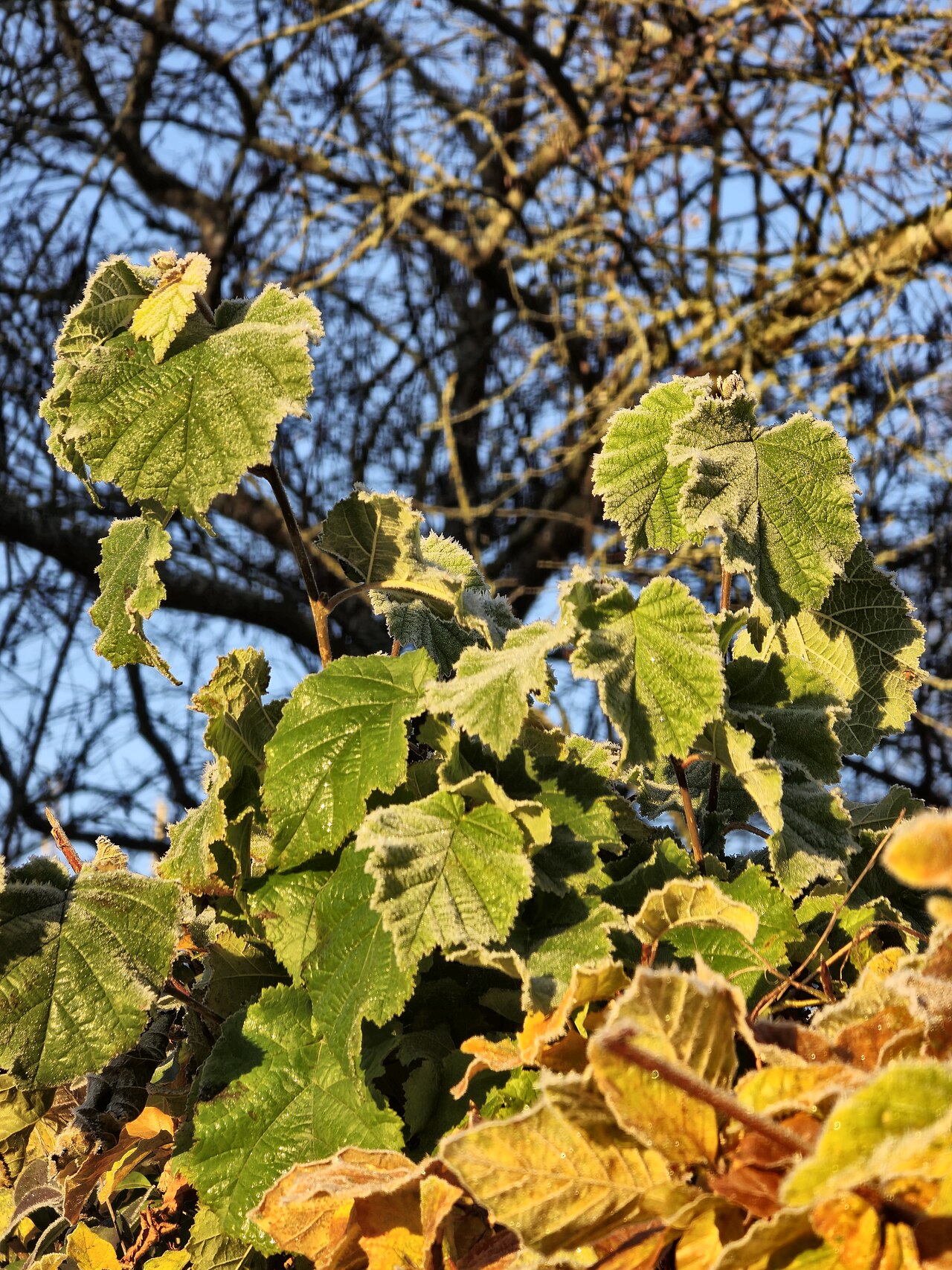
- Practically does not produce root suckers — it forms a single trunk, which directly solves the biggest agronomic problem of hazelnuts.
- Deep and strong root system — deep rooting (taproot, medium roots) reaches 3–4 m, and lateral root systems of mature trees can extend 15–18 m, often beyond the canopy projection. The result is extreme drought resistance and great tree stability (wind resistance).
- Wide ecological amplitude — low soil fertility requirements; thrives in poor, skeletal, stony, shallow, and dry habitats.
- Good compatibility — has good grafting compatibility with all European hazel cultivars; the graft union abundantly forms callus and heals well.
Important limitations of Turkish hazel: it is sensitive to soil compaction and does not suit heavy soils that dominate in continental Croatia — it prefers well-drained loamy soils. It also does not tolerate waterlogged or extremely wet soils, pseudogley, or stagnant water. It shows only conditional resistance to saline soils.
Root suckers: the core of the comparison
Root suckers (suckers) are the central theme of this comparison. In own-root seedlings, suckers regularly sprout from the roots and the base of the trunk. If not controlled, the plant naturally grows into a shrub with multiple primary trunks.
Why this is a problem in intensive orchards:
- Suckers draw water and nutrients and burden the tree, which can reduce yield.
- They hinder mechanical harvesting, soil cultivation, spraying, and other operations.
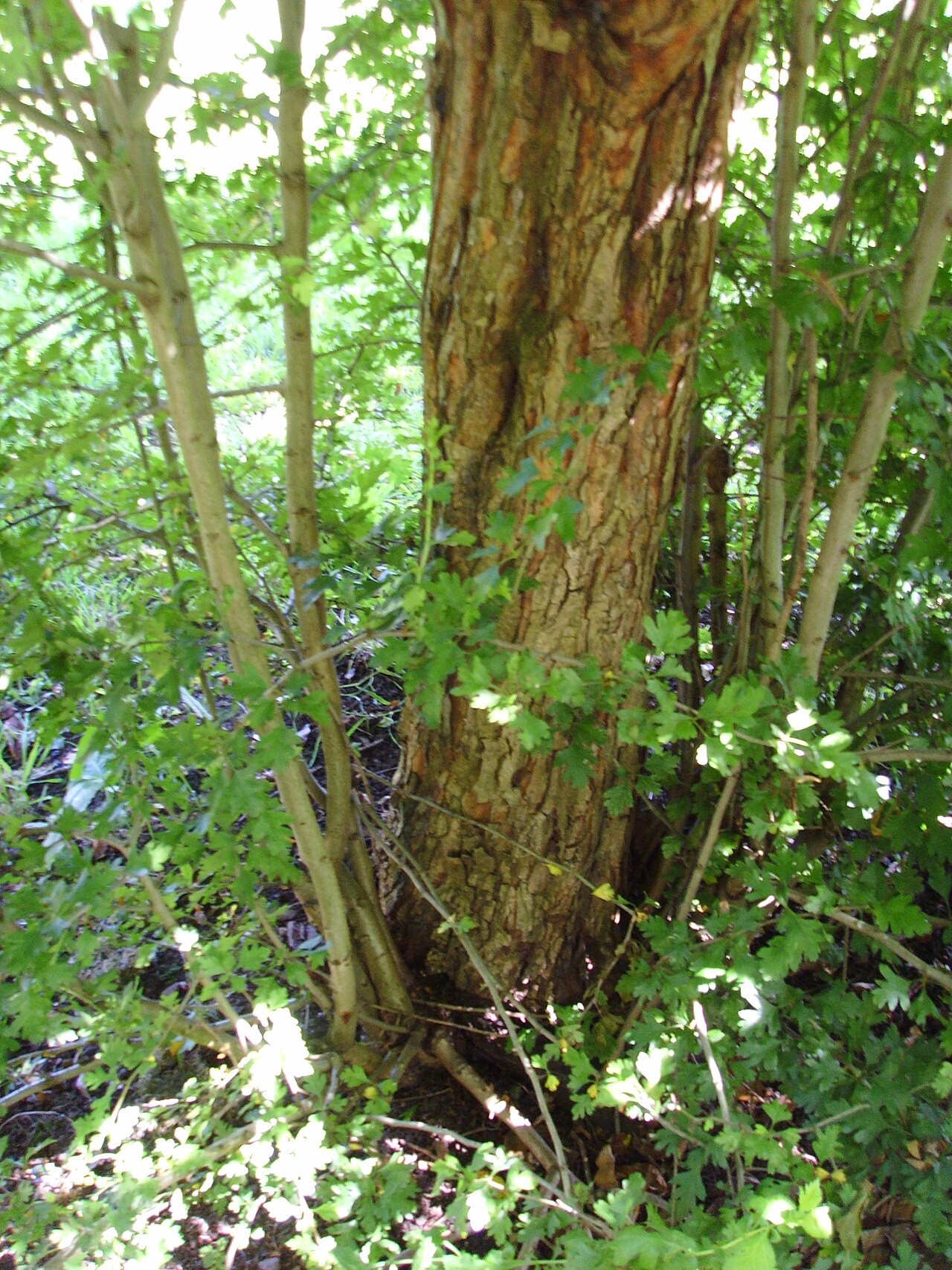
- Removal is labor- and cost-intensive — in practice, control is carried out at least twice a year, usually in spring and during the growing season.
- Removal is done mechanically (shears, trimmers, motorized and tractor-mounted machines, saws) or chemically (products that inhibit sucker growth). Organic acids for sucker suppression in organic production are also being researched.
Grafting onto Turkish hazel largely solves the problem because the rootstock does not produce root suckers. This significantly facilitates the formation of the tree training system and reduces annual pruning costs and labor.
Grafted seedlings are not completely 'sucker-free'
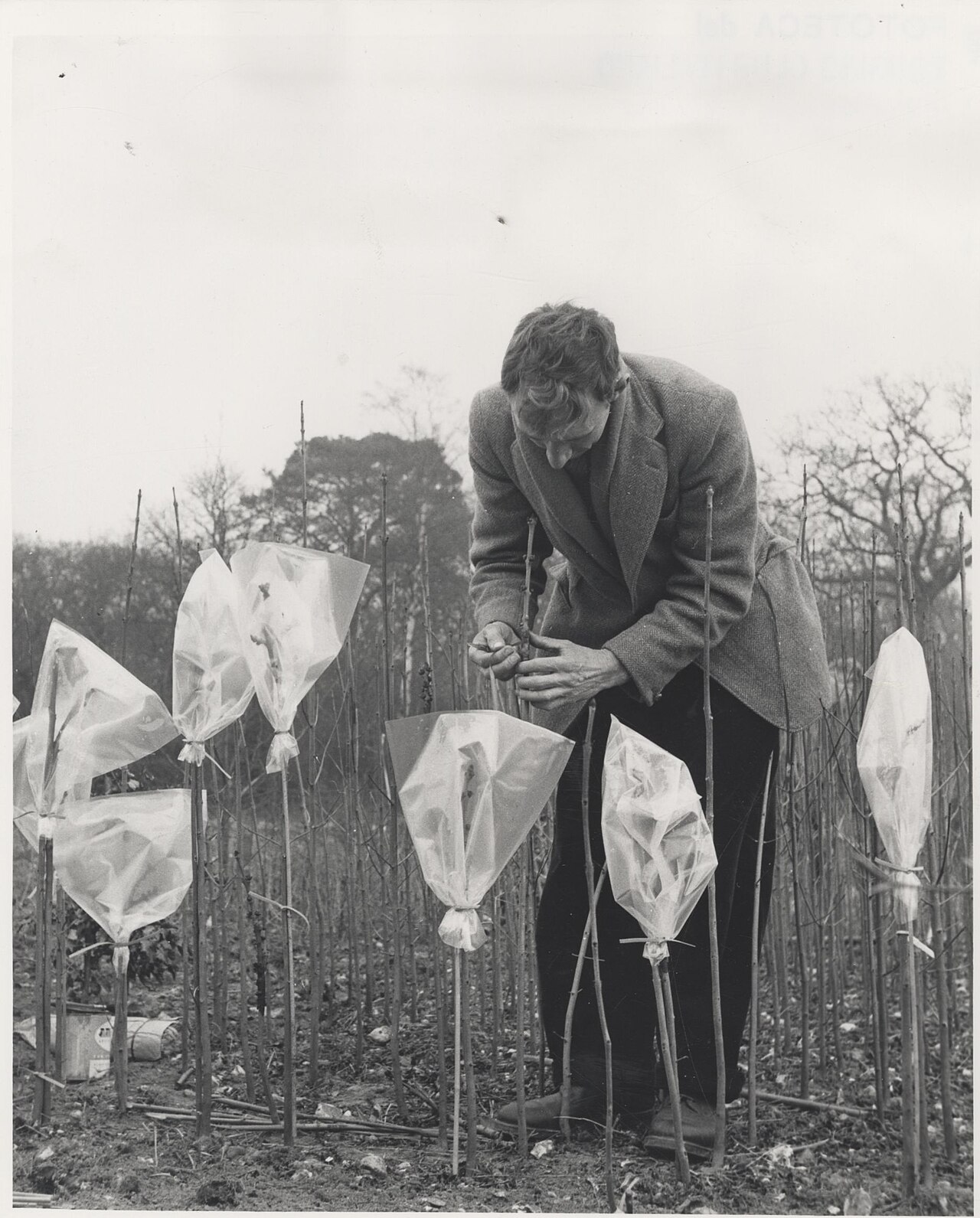
In practice, it has been observed that grafted plants may still produce shoots above the graft union, which need to be removed. Additionally, if any part of the scion (avellana) comes into contact with the soil and roots, the sucker problem can return. Therefore, a grafting height of 60–80 cm (German practice) is recommended, keeping the scion away from the soil.
Impact on vigor and shoots
The difference in roots directly affects above-ground vigor and growth.
- Greater vigor on colurna rootstock. Cultivars grafted onto Turkish hazel achieve about 30% greater vigor than the same cultivars on own roots. Greater vigor is primarily due to better water supply (deep roots, drought resistance), and thus greater average length of one-year-old shoots, which determines the cropping potential.
- Better nutrient supply. Research in Istria showed that under dry farming conditions, the supply of nitrogen, potassium, and magnesium in leaves was statistically significantly better on C. colurna rootstock than on own roots; phosphorus and calcium concentrations were also higher (although the difference was not statistically significant).
- Drought resistance as a growth driver. Cultivars on own roots suffer more from drought because they spread their root network more shallowly. On colurna rootstock, deeper roots mean less stress and more uniform growth — which is particularly relevant under non-irrigated conditions and in the context of climate change.
A practical consequence of greater vigor: grafted orchards require wider planting spacings to prevent canopies from closing too early.
Comparative table
| Feature | Own root (C. avellana) | Grafted on rootstock (C. colurna) |
|---|---|---|
| Root suckers | Abundant; regular control (min. 2×/year) | Practically none (possible shoots above graft) |
| Root system | Shallower, broad (main mass 15–50 cm) | Deep and strong (3–4 m), wide lateral |
| Drought resistance | Weaker (shallower roots) | Better (deeper roots) |
| Tree vigor | Standard | Greater (approx. +30%) |
| Suitable soil | Tolerates heavier, continental soils | Well-drained, loamy; dislikes heavy/compacted/wet |
| Training system | Shrub and tree (tree more difficult) | Facilitated tree formation (single trunk) |
| Mechanical harvesting | Hindered by suckers | Facilitated (no suckers) |
| Bearing onset | Standard | Faster bearing onset |
| Seedling lifespan | Longer | Shorter |
| Seedling/production cost | Lower | Higher (more expensive production) |
| Handling at digging/planting | More resilient | Roots more sensitive to handling |
| Market availability | Widely available | Smaller share, increasing supply |
Values are informative and depend on cultivar, location, soil, and growing technology.
Advantages and disadvantages — summary
Grafted seedlings (C. colurna rootstock)
Advantages:
- Far fewer (almost no) root suckers → lower annual labor costs and easier mechanization;
- Faster bearing onset;
- Deeper and wider root network → greater drought and wind resistance and greater tree stability;
- Greater vigor and better nutrient supply → potentially higher yield per unit area in the tree system;
- Easier formation and maintenance of the tree training system.
Disadvantages:
- More expensive production and seedling price;
- Shorter lifespan compared to own roots;
- Root sensitivity to handling at digging, burling, and planting;
- Rootstock does not tolerate heavy, compacted, and wet soils (limitation for part of continental Croatia);
- Slower initial growth of the rootstock in the nursery, so seedling production takes longer;
- Possible shoots above the graft union that need to be removed;
- Due to greater vigor and deeper roots, a stake/support is usually required.
Own-root seedlings (C. avellana)
Advantages:
- Cheaper and easily available seedling;
- Longer lifespan; easier regeneration (only part of the shrub can be replaced);
- Tolerates heavier continental soils;
- Naturally tends toward a shrub form and bears earlier in the shrub;
- More resilient to handling at digging and planting.
Disadvantages:
- Constant battle with root suckers (cost, mechanization, nutrient loss);
- Shallower roots → greater sensitivity to drought;
- More difficult formation of the tree training system;
- Hindered mechanical harvesting if suckers are not kept under control.
Planting spacings according to seedling choice
Since grafted seedlings have greater vigor, spacings are adjusted. Orientational values from the literature for dry farming conditions (non-irrigated):
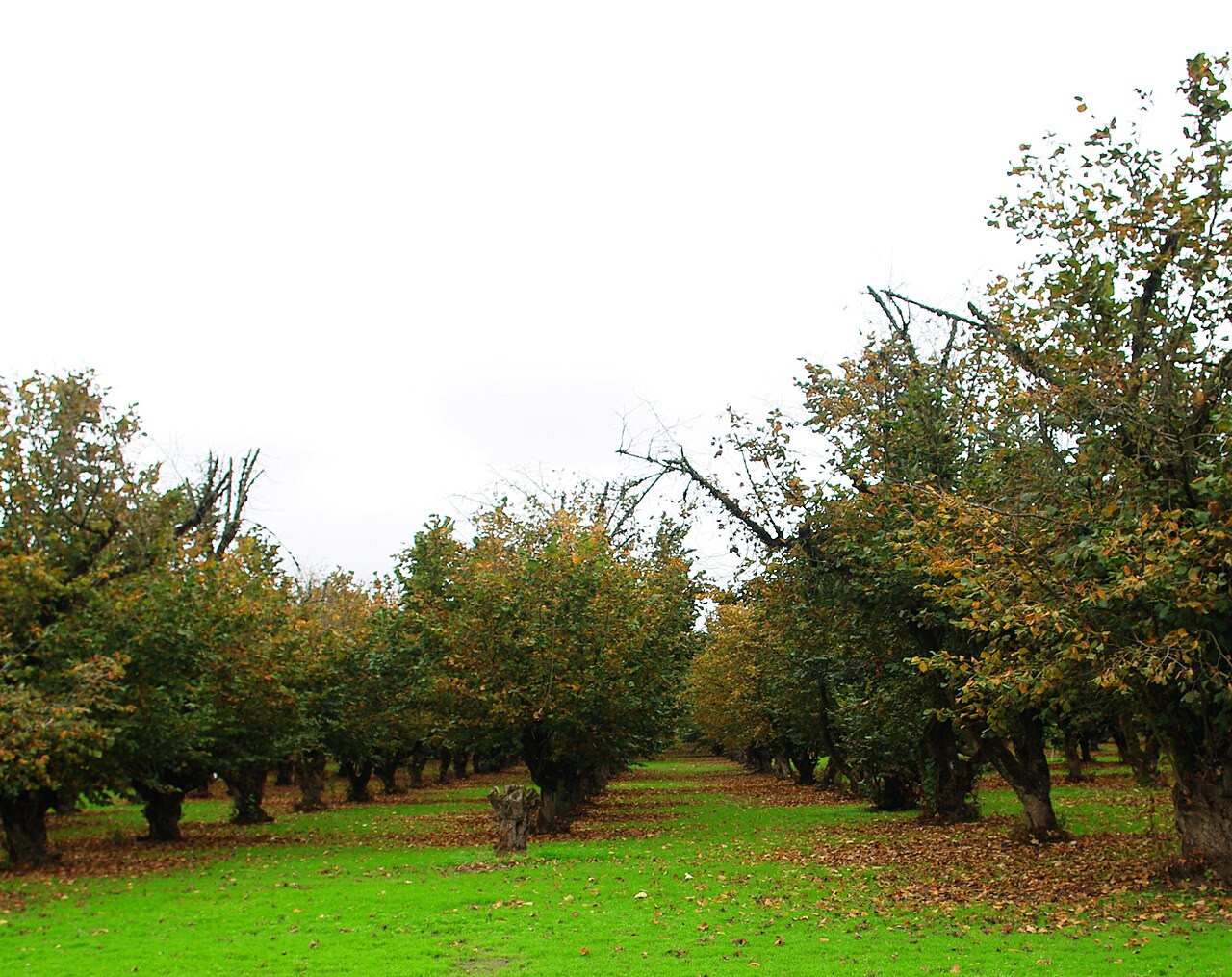
| Seedling type / form | Spacing (row × plant) |
|---|---|
| Own root | 5 × 4 m |
| On C. colurna rootstock (tree) | 6 × 4 m |
| Dense layout, tree form | row 6 m × in-row 2.5–3 m |
| Hedge (small holdings) | row 5.5–6 m; in-row 2–2.5 m (2 seedlings per 35–40 cm) |
Spacings are informative and depend on cultivar vigor, rootstock, soil fertility, and training system. Always leave enough space for machinery passage without damaging trees.
What to Choose? Practical Recommendations
The decision is primarily a function of soil, training system, and level of mechanization:
- Heavy, compacted, wet, or pseudogley soils (common in continental Croatia) → Own-rooted plants are preferred, as bear’s hazel (C. colurna) does not thrive in such soils. On pseudogleys and areas with water stagnation, avoid planting hazelnuts regardless of the rootstock type.
- Well-drained, loamy, stony, or drought-prone soils, especially with the goal of mechanical harvesting and tree training system → seriously consider grafted saplings on C. colurna, primarily due to the absence of suckers and drought resistance.
- Tree training system and intensive mechanization → grafted saplings significantly facilitate shaping and reduce labor costs; Western countries are increasingly shifting toward this model.
- Traditional bush and smaller holdings → own-rooted plants are cheaper, more durable, and easier to regenerate.
- Arid areas without irrigation → the deeper root system of colurna provides a real advantage in yield stability.
Common Mistakes
- Planting grafted saplings on heavy/compacted/wet soils — the most common error; the rootstock has poor drainage, and trees may fail. Always analyze the soil and check drainage before planting.
- Spacing that is too narrow for grafted saplings — due to the greater vigor of the canopy, trees close too early; plan spacing according to vigor.
- Neglecting suckers in the first years (own-rooted) — during the shaping phase, suckers compete with the main structure and can prolong the shaping process by several years; remove them regularly.
- Rough handling of grafted sapling roots during digging, transport, and planting — colurna roots are sensitive; damage reduces establishment success.
- Failing to stake grafted saplings — recommended due to the high graft union and vigorous growth.
- Shallow soil preparation — regardless of the choice, thoroughly loosen the soil (trenching, subsoiling to ~60 cm) because hazelnut roots develop laterally and do not tolerate compaction.
Conclusion
There is no universal "better" choice — there is only the choice appropriate for your soil and target technology. Own-rooted plants remain a proven, inexpensive, and adaptable choice (especially on heavier soils and for bush training), but they carry the permanent cost of sucker control and sensitivity to drought. Grafting on Corylus colurna solves the sucker problem, offers greater vigor, a deeper root system, and drought resistance, fitting naturally into modern, mechanized tree training — at the cost of higher sapling price, shorter lifespan, and the strict requirement for well-drained, uncompacted soil. Before making a decision, conduct a soil analysis and consult with advisory services and reputable nurseries.
Gallery
Sources
This article is an AI-generated summary derived from a collection of hazelnut literature (RAG corpus) and public internet sources. Main sources used:
- Vujević, P. — Selection of Cultivars and Training Systems for Hazelnut, Poljoprivredni glasnik 5/2009 — https://cdn.agroklub.com/upload/documents/sorte-i-uzgojni-oblici-lijeske.pdf
- Economic Analysis of Hazelnut Production (2023) — selection of rootstocks, cultivars, and planting distances (Krpina et al., 2004; Šoškić, 2006)
- Growth and Cropping of Hazelnut Cultivars on Corylus colurna Rootstock (Istra, dry farming, 1990) — https://doi.org/10.33128/pc.21.3-4.2
- Technological and Economic Characteristics of Hazelnut Production (2018) — https://doi.org/10.46584/lm.v36i2.1141
- Proceedings of the 13th Scientific-Professional Conference of Croatian Fruit Growers (2018) — grafting by simple cleft grafting, Osijek Agricultural Institute
- Influence of Nutrient Medium and Plant Growth Regulators on Micropropagation of Corylus colurna L. (2025) — ecology and root system of bear’s hazel — https://doi.org/10.55277/researchhub.vq5dnd6h (and related works)
- Hazelnut Pruning — AgroPortal.hr / Agroklub — advantages and disadvantages of bush training and tree training
- Master’s Thesis on Suppression of Hazelnut Root Suckers (2024) — sucker control, organic acids
- State and Trends in Hazelnut Production and Consumption (2017) — https://doi.org/10.31727/gzb.42.3.9
- Haselnuss-Anbau für Neueinsteiger (DE, 2025) — characteristics of C. colurna rootstock, grafting height 60–80 cm
- MDPI Horticulturae — Advances in Hazelnut (Corylus avellana L.) Rootstocks Worldwide — https://www.mdpi.com/2311-7524/7/9/267
- Frontiers in Plant Science — Advances in Nursery Production of Hazelnut Plants in Serbia… Onto Corylus colurna L. Rootstock — https://www.frontiersin.org/journals/plant-science/articles/10.3389/fpls.2021.785015/full
- Frontiers in Plant Science — Agronomical and Physiological Behavior of "Negret-N9" Grafted on Non-suckering Rootstocks — https://www.frontiersin.org/journals/plant-science/articles/10.3389/fpls.2021.813902/full
- Frontiers in Plant Science — Field performance of grafted, micropropagated, and own-rooted plants of three Italian hazelnut cultivars — https://www.frontiersin.org/journals/plant-science/articles/10.3389/fpls.2024.1412170/full