Hazelnut Drying: Target Moisture, Temperature, and Equipment
Content generated by artificial intelligence — verify before application
This article was automatically compiled from a collection of hazelnut literature using artificial intelligence and may contain errors or outdated data. It serves as a starting point for further research, not as professional advice. Dosages, products, and timelines are informative and depend on the cultivar, location, and current regulations — always consult with an advisory service and official sources before application.
Drying is the first and most critical post-harvest treatment step for hazelnuts. The nuts are harvested from the tree or ground with excessively high water content, and without timely and proper drying, they quickly develop mold, rot, rancidity, and — in the worst-case scenario — aflatoxin contamination. The goal of drying is not merely to "dry" the nut, but to reduce it to a specific, safe equilibrium moisture content that allows for multi-month or multi-year storage without loss of kernel quality. In this article, we explain target moisture values, permissible temperatures, the difference between natural and artificial (convective) drying, and the key parameters and equipment for dryers.
Why Drying is Mandatory
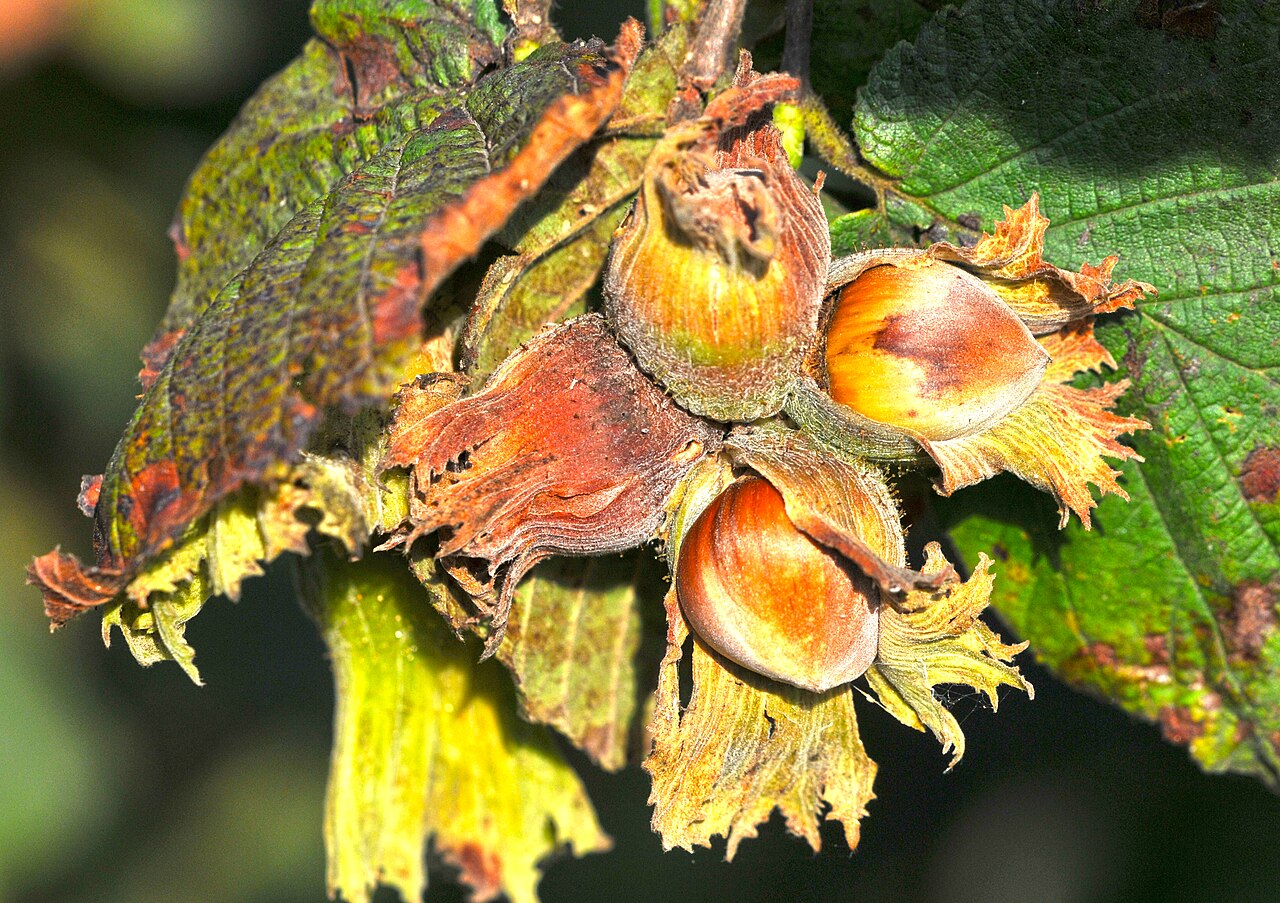
Unlike most fruit species, hazelnuts are stored at very low moisture levels, making moisture control a key parameter for processing and storage. At harvest, the nuts contain significantly more water than is safe for storage:
- In-shell nuts at harvest typically have 30–35 % water (in early-harvested nuts or those harvested with a moist involucre/cupule, the content can be even higher).
- In some cases, measurements at the inlet show a moisture range of 12 % to as high as 27 %, depending on the cultivar, harvest time, and whether the involucre has been removed.
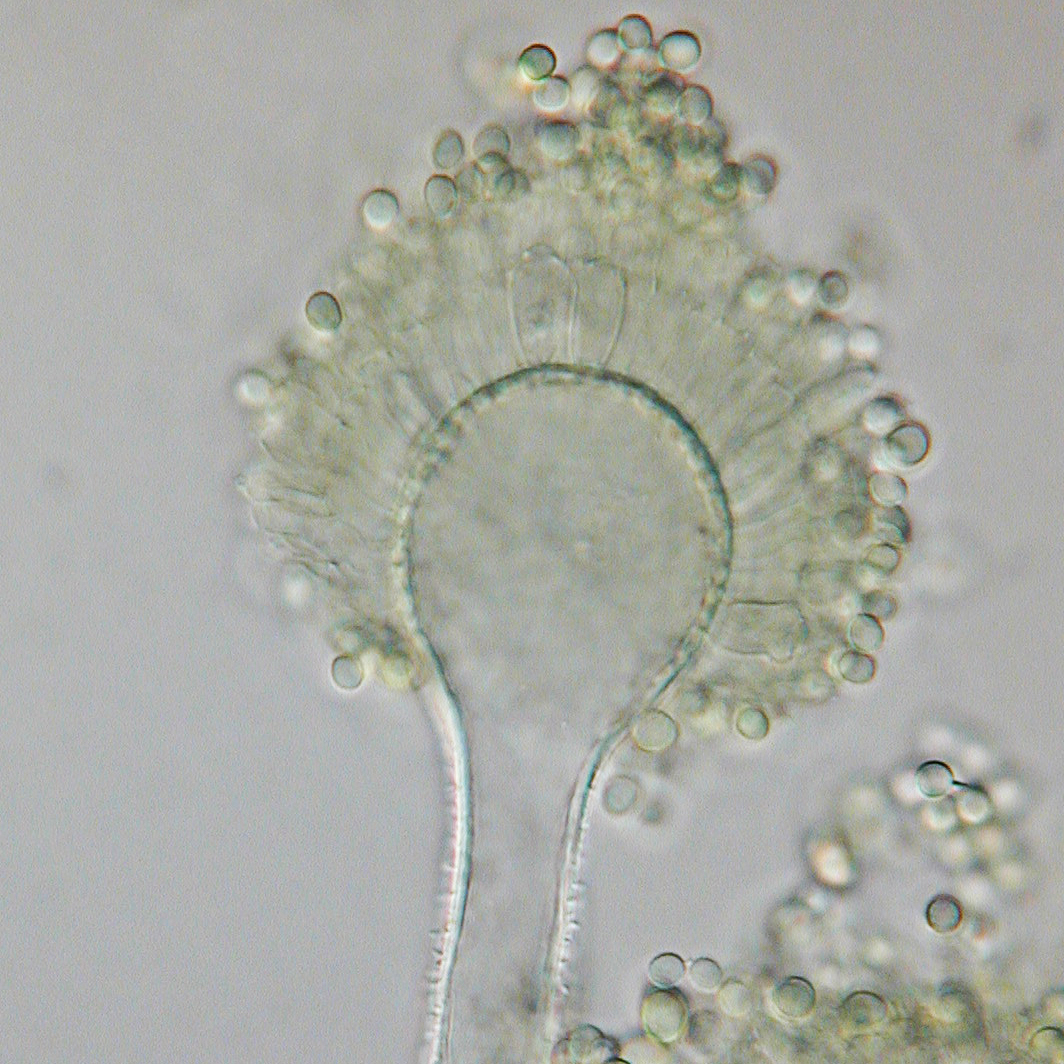
If this water is not removed in time, ideal conditions for microorganism development are created. Literature clearly states that drying is a measure that must be applied mandatorily; otherwise, rot, mold, and nut deterioration occur. Post-harvest management research shows that drying efficiency is the key factor determining the survival of fungi (e.g., Aspergillus flavus) and the risk of aflatoxins in storage.
It is also important not to over-dry: too low moisture content in the kernel leads to shriveling, color change, and rancidity. The goal is therefore to hit a narrow, optimal range — not too moist, not too dry.
Target (Safe) Moisture for Kernel and In-Shell Nut
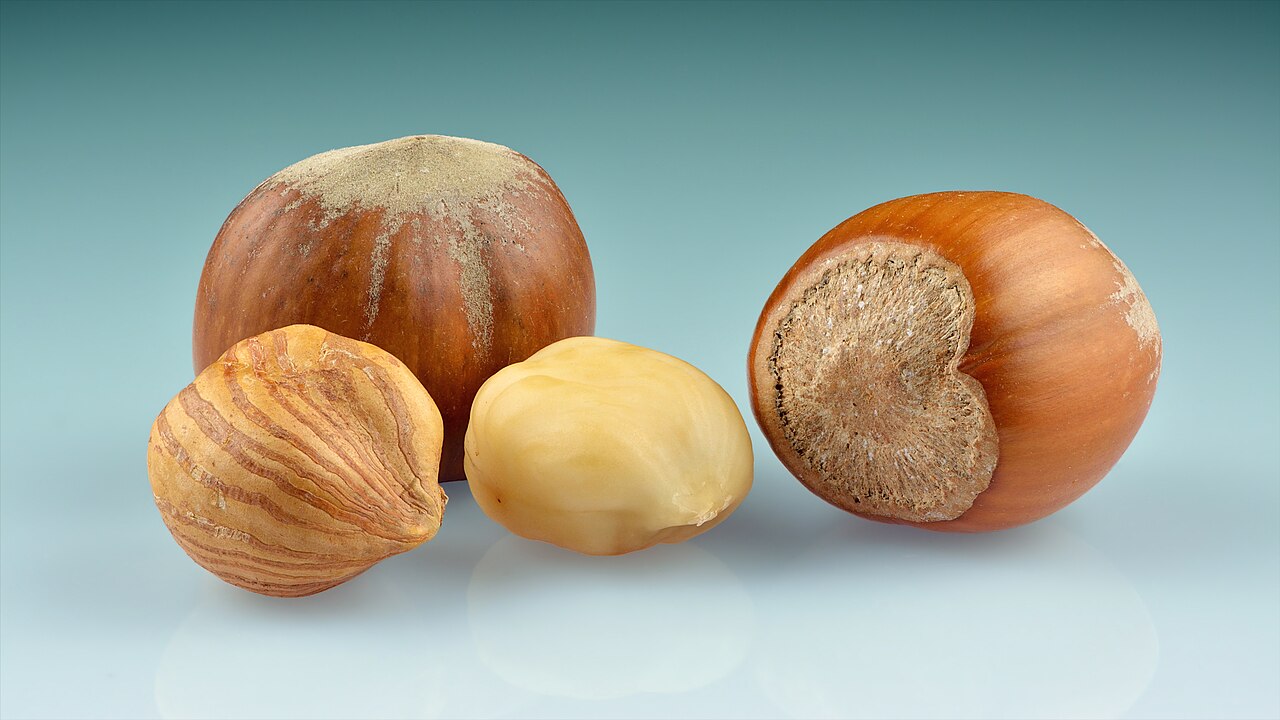
Safe moisture levels differ depending on whether we are drying/storing the nut in-shell or as a bare kernel. The kernel is protected by the shell, which acts as a natural barrier against lipid oxidation (rancidity), so it is recommended to remove the shell only when commercially necessary.
| Material | Target / Safe Moisture | Note |
|---|---|---|
| In-shell nut | 7–10 % | Lower end of the range for long-term storage |
| Kernel (shelled) | 4–6 % | Equilibrium moisture for long-term storage |
| Practical target after drying in-shell | ~5–6 % nut moisture | Value commonly cited by local processing plants |
Some sources and traditional practices cite "standard 10 %" water for in-shell nuts as a working drying target, while professional literature reviews recommend reducing moisture below 10 % for in-shell nuts and below 6 % for kernels for long-term storage. The longer the storage and the poorer the storage conditions, the closer the target moisture should be to the lower end of the range.
Measurement, not estimation
Always measure moisture with a calibrated hazelnut moisture meter, not "by eye." During drying, take samples multiple times and measure the current moisture level, as drying is a complex process where moisture does not decrease linearly.
All values mentioned are informative and depend on the cultivar, equipment, purpose (seed, processing, sale in-shell), and current regulations and purchase conditions.
Permissible Drying Temperatures
Air temperature is one of the most important factors because it affects long-term quality during storage (non-enzymatic browning, oxidation/rancidity levels) as well as the drying speed itself. Excessively high temperatures "burn" the kernel and accelerate fat spoilage; too low temperatures prolong drying and leave room for mold development.
| Approach / Source | Temperature Range | Context |
|---|---|---|
| General upper limit (professional review) | up to 50 °C (never higher) | Maximum that must not be exceeded |
| Industrial convective dryer (local practice) | 42–53 °C | Moving dryer with vertical mixing |
| Mild warm air (industry, in-shell) | 40–45 °C | Slow flow of warm air |
| Conservative target (early-harvested nuts) | up to 40 °C | Reduce water to ~10 % with less stress |
| "Optimal and sufficient" (popular sources) | 32–34 °C | Lower, slower variant |
| Scientific experiment (convection) | 50 °C at air speed 1.0 m/s | Cultivars Istrian Elongated and Roman Round |
Practical rule: do not exceed 50 °C, and for preserving aroma and color, prefer the lower, safer range (around 40–45 °C) with longer drying times. Higher temperature at the same fat content means a higher risk of rancidity during subsequent storage.
What Happens to the Kernel During Drying
During the process, the kernel goes through recognizable phases: initially firm, it becomes spongy during drying, and as it approaches the dry state, it becomes firm again. The internal color of the kernel gradually changes from white to cream. These changes can serve as a rough guide, but they do not replace moisture measurement.
Natural Drying
Natural (sun/air) drying is possible when weather conditions allow, when there is sufficient space and labor to monitor the process. It is typically applied on smaller areas or as a first phase before processing in a dryer.
Practical guidelines from literature:
- Nuts harvested together with the involucre (cupule), which cannot be immediately hand-peeled, are first dried 6 to 8 days in the sun with frequent mixing. After that, about 80 % of the nuts separate from the involucre, and the remainder is dried further.
- The involucre contains significantly more water, so it should be removed as soon as possible; a moist involucre slows down drying and increases the risk of mold.
- After cleaning, nuts can be sun-dried for another 2–3 days until moisture drops to approximately 8–10 %.
- The layer of nuts should be thin (e.g., around 30 cm or less, depending on ventilation and mixing frequency) and must be turned regularly for uniform drying.
Advantages: low costs, gentle treatment, no energy consumption. Disadvantages: weather dependency, slowness, risk of re-wetting (dew, rain), need for constant monitoring and mixing, and limited capacity.
Artificial (Convective) Drying and Dryers
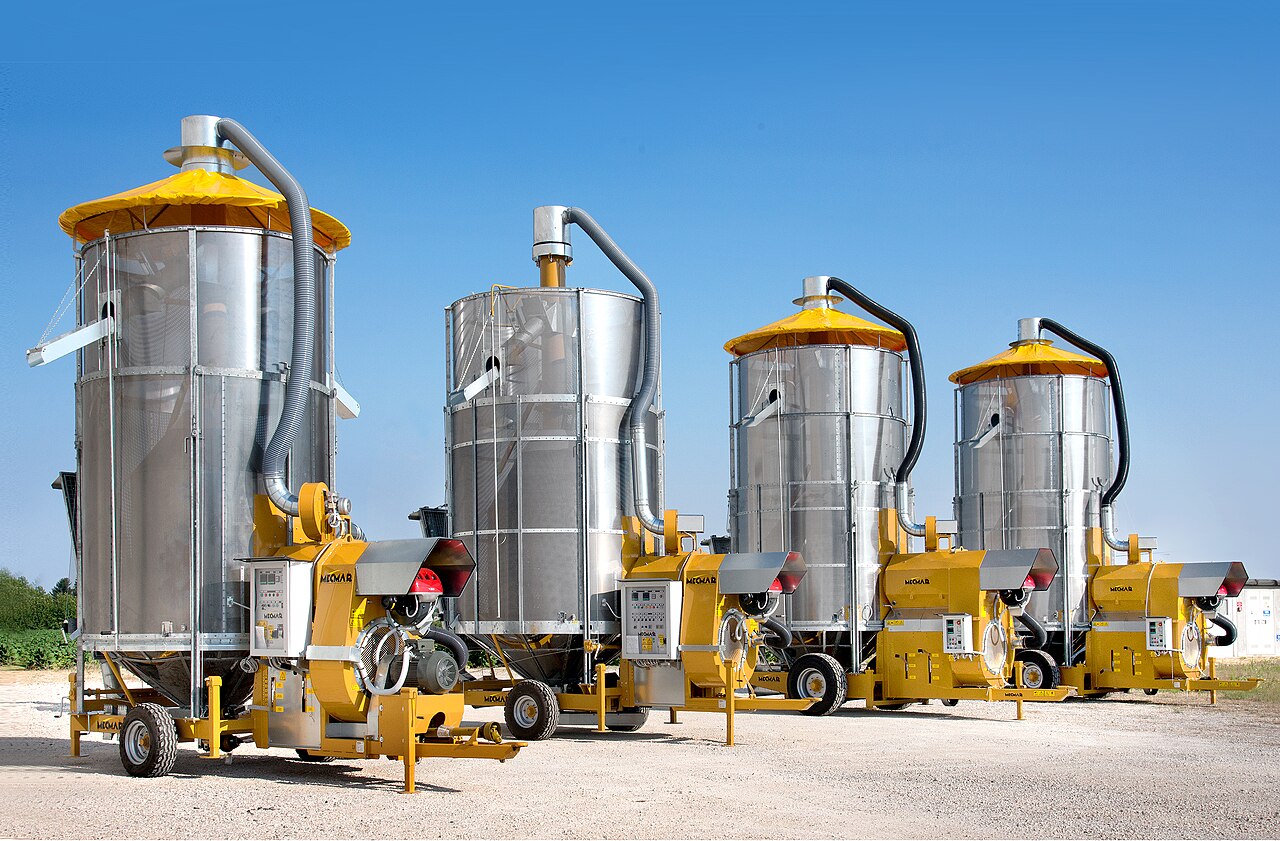
Larger quantities of hazelnuts from the orchard are dried in industrial dryers. Artificial drying provides control and repeatability — independent of weather, with uniform temperature and airflow, which is crucial for safety (preventing aflatoxins) and quality.
How a Typical Hazelnut Dryer Works
The description of a mobile dryer from local practice illustrates the principle well:
- The dryer is mounted on a metal frame with 4 wheels, making it easy to move around the farmyard.
- Inside the dryer, a vertical auger continuously mixes the mass of hazelnuts to ensure uniform drying of the entire batch.
- A thermogen (heater) heats the air, and a fan blows air from the bottom through small holes; the air passes through the entire mass and exits at the top into the atmosphere.
- The system is software and hardware automated, facilitating monitoring and taking samples to measure current moisture.
Another common type is a stationary dryer with forced ventilation and heaters in an insulated space.
Key Dryer Parameters
| Parameter | Typical / Recommended Value | Note |
|---|---|---|
| Drying Temperature | 40–50 °C (up to 53 °C in practice, never above ~50 °C as an upper limit) | Lower = gentler on aroma and color |
| Air Speed | ~1.0 m/s (experimental) | Higher flow = faster drying, but uniformity is more important |
| Mass Mixing | Continuous (vertical auger) or periodic turning | Prevents uneven drying and overheating |
| Airflow Direction | Bottom to top through perforated floor | Air passes through the entire mass |
| Target Moisture (in-shell) | 7–10 %, practically ~5–6 % | Measure with moisture meter, not timer |
| Process Control | Multiple sample extraction and measurement | Automation facilitates this |
Equipment and Auxiliary Systems
- Calibrated hazelnut moisture meter — indispensable for determining initial and target moisture.
- Heat source (thermogen / heater) adapted to volume and capacity.
- Ventilation / fan for forced airflow and removal of moist air.
- Mixing system (auger or drum rotation) for uniformity.
- Insulated, dry space with good circulation: concrete floor insulated from moisture, preferably with a wooden grate; plastered walls preventing moisture ingress; electric fan for removing excess moisture.
Selecting Dryer Capacity
Choose dryer capacity based on orchard area, expected yield, and harvest dynamics (hazelnuts arrive in a short period in September/October). Too small a capacity creates a "bottleneck" where fresh, moist nuts wait for drying and begin to spoil. Many producers finance processing equipment (dryers, cleaners, shellers) through support programs (e.g., IPARD), and larger plants offer part of their capacity as a processing and drying service to other producers.
After Drying: Preparation for Storage
Drying and storage are linked — well-dried nuts will still spoil with poor storage. Brief guidelines (detailed in a separate article on storage):
| Storage Parameter | Recommendation |
|---|---|
| Relative Humidity of Air | no more than 70 %, optimal ~55–65 % |
| Storage Temperature | Cold storage, e.g., +1 to +4 °C; reviews cite ~10 °C at RH 70 % |
| Storage Form | In-shell for longer and safer storage; kernel only as needed |
| Protection | From insects, birds, and rodents; sacks on pallets with air circulation |
| Long-term Kernel Storage | Vacuum-sealing well-dried nuts preserves aroma |
Well-dried and properly stored nuts can be kept for two to three years, although it is often advised not to store them longer than one year, as nuts lose weight and color. Stored nuts develop a higher proportion of bitter kernels over time (approximately ~4 % after 1.5 years, ~22 % after 3 years).
Practical Recommendations and Common Mistakes
Recommendations
- Measure moisture before drying and plan the process according to the actual initial water content.
- Remove the husk/involucre as soon as possible; a wet husk slows down drying and carries a risk of mold.
- Keep the temperature within a safe range (preferably 40–45 °C rather than at the 50 °C limit) to preserve aroma and color.
- Ensure continuous mixing or regular turning for uniform drying.
- Check moisture by measuring samples, not by assuming drying time.
- Dry nuts as soon as possible after harvest — delay is the main cause of spoilage.
Common Mistakes
- Over-drying: falling below the safe range leads to wrinkling, color change, and rancidity.
- Excessively high temperature: accelerates fat oxidation and browning, permanently reducing quality.
- Layer too thick without mixing: outer layers dry out while inner layers remain moist and moldy.
- Storing insufficiently dried nuts: the main cause of mold, rot, and aflatoxins.
- Dryer capacity mismatched to harvest dynamics (either oversized or undersized).
- Poorly managed storage facility (damp floors/walls, lack of ventilation) negates the effort put into drying.
Gallery
Sources
This article is an AI-generated summary compiled from an internal hazelnut literature collection (RAG corpus) and public internet sources. Values are indicative and should be verified with advisory services and official sources. Main sources used:
- Vrtodušić et al.: Harvest, Drying, and Storage Technology of Hazelnuts — Literature Review (JCEA, 2022) — https://jcea.agr.hr/articles/772314_Tehnologija_berbe_su_enja_i_skladi_tenja_lje_njaka_Pregled_literature_hr.pdf
- Matin et al.: Qualitative and Energetic Changes in Hazelnut Fruit During Convective Drying (2013) — RAG corpus
- Hazelnut Processing (Pant company, 2025) — description of conveyor dryer, RAG corpus
- Advantages of Hazelnut Cultivation (Gospodarski list, 2026) — RAG corpus
- Hazelnut Cultivation: Guide (2024) — RAG corpus
- Mechanization in Hazelnut Production and Processing (Minas-zrno 1) (2021) — RAG corpus
- Protecting Hazelnut Fruit from Mold: Comprehensive Guide — RAG corpus
- Agroklub: How to Properly Dry and Store Hazelnuts? — https://www.agroklub.com/vocarstvo/kako-pravilno-osusiti-i-cuvati-plodove-ljesnjaka/44556/
- Agroklub: Hazelnut Drying: Which Dryer Capacity to Choose? — https://www.agroklub.com/vocarstvo/susenje-ljesnjaka-koji-kapacitet-susare-odabrati/57518/
- Bljesak.info: Tips for Storing and Preserving Hazelnuts — https://bljesak.info/gospodarstvo/poljoprivreda/skladistenje-cuvanje-ljesnjak/404402
- Effect of drying methods on long term storage of hazelnut (SciELO, Food Sci. Technol.) — http://www.scielo.br/j/cta/a/hdFxXmRHXGysVcKG9b5dbvM/?lang=en
- Effect of drying methods on nut quality of hazelnuts (Corylus avellana L.) (PMC) — https://pmc.ncbi.nlm.nih.gov/articles/PMC6170338/
- Effect of Post-Harvest Management on Aspergillus flavus Growth and Aflatoxin Contamination of Stored Hazelnuts (NCBI PMC) — https://www.ncbi.nlm.nih.gov/pmc/articles/PMC12846331/
- Optimum storage conditions for hazelnuts — https://www.gorihovod.com.ua/en/orehovodstvo/optimalnye-usloviia-hranenii-funduka/
Recommended equipment
🔎 food dehydrator — Amazon →Affiliate links — we may earn a small commission at no extra cost to you.
Food Dehydrator
For controlled drying of small batches.
| Use Case | Option Type | What to Check Before Purchase |
|---|---|---|
| Small batch drying | Stackable tray model | Tray material and airflow design |
| Uniform drying | Fan-powered unit | Temperature control accuracy |
| Commercial volume | Industrial dehydrator | Professional capacity and energy use |