Propagation by Layering and Cuttings
Content generated by artificial intelligence — verify before application
This article was automatically compiled from a collection of hazelnut literature using artificial intelligence and may contain errors or outdated information. It serves as a starting point for further research, not as professional advice. Dosages, products, and timing are informative and depend on the cultivar, location, and applicable regulations — always consult an advisory service and official sources before application.
Hazelnut (Corylus avellana) is propagated generatively (by seed) and vegetatively (by stool bed layering, layering, cuttings, suckers, grafting, and tissue culture). For establishing orchards, vegetative propagation is almost always used because it ensures the preservation of cultivar traits — according to literature, only about one in a thousand seedlings retains the characteristics of the mother plant when propagated by seed, so seed is used only for breeding and rootstock production. This article covers three mutually related, simple, and inexpensive vegetative procedures that a producer can perform independently: stool bed layering (mounding soil around the stump), layering (layering), and cuttings, with a look at rooting and seedling yield.
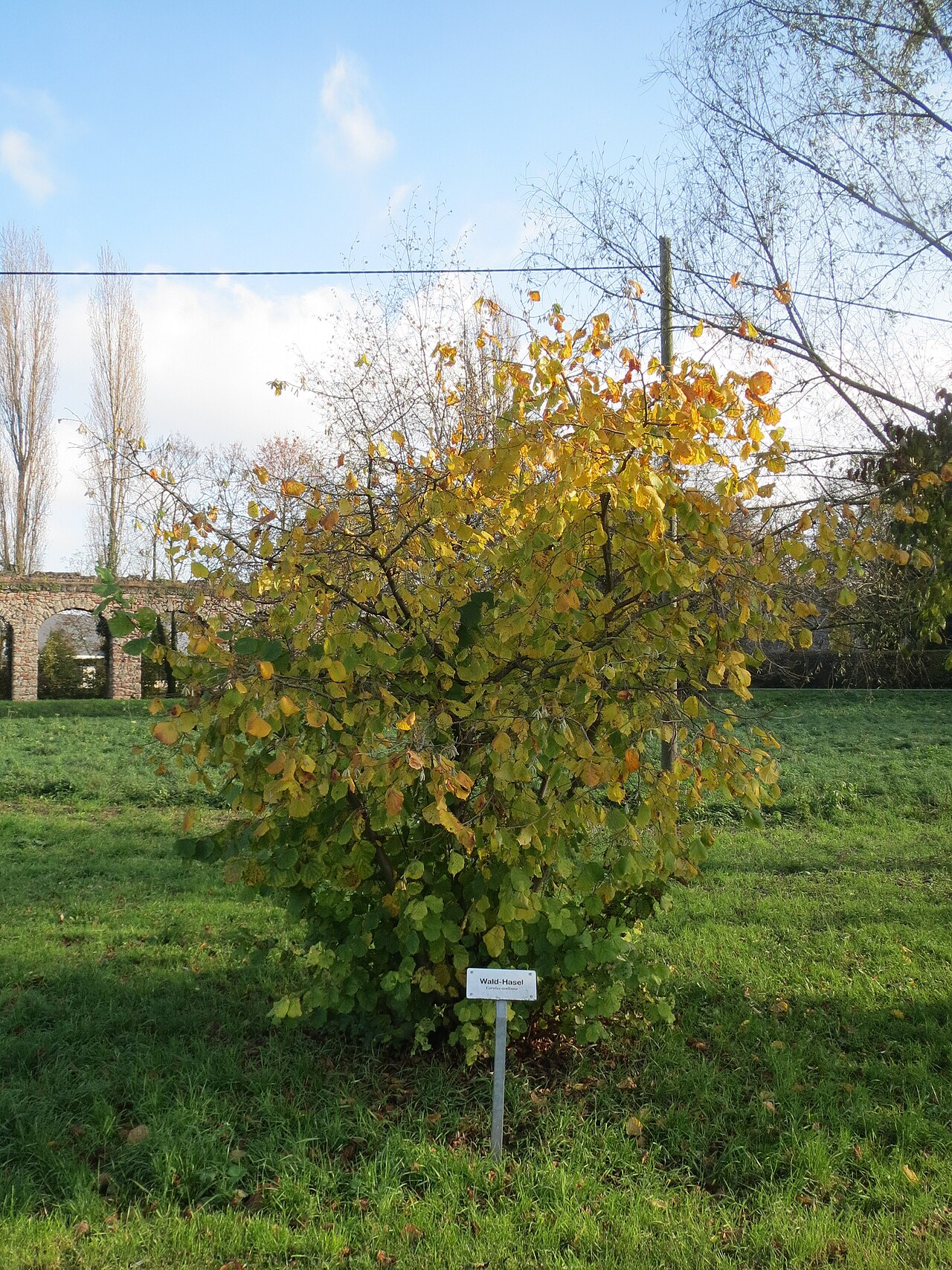
Why Vegetative Propagation
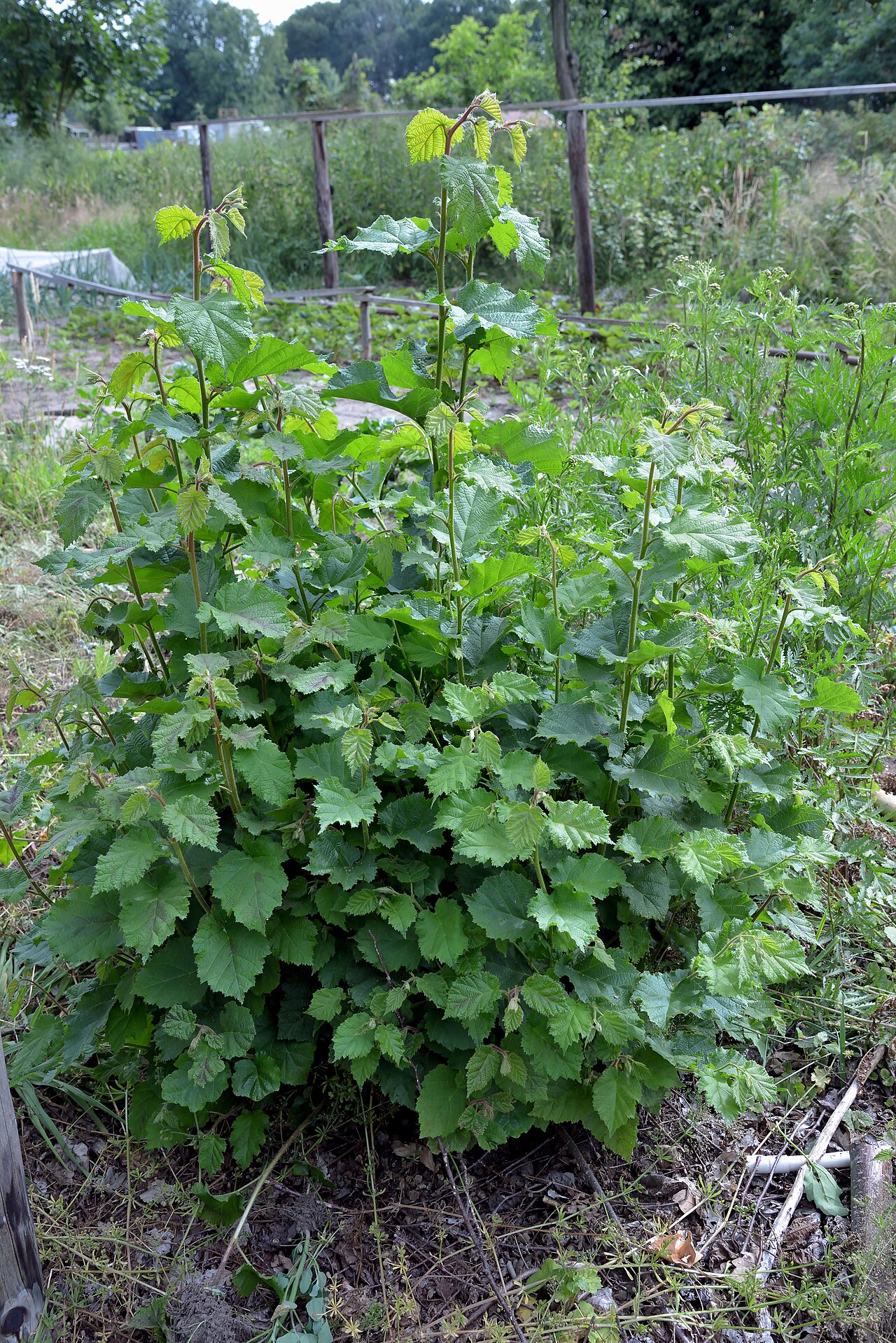
Hazelnut naturally produces abundant suckers from the base of the shrub and easily forms adventitious (random) roots on parts of shoots that are in contact with moist soil. Layering and cuttings exploit this biological trait. Advantages of the vegetative approach:
- Cultivar fidelity — new plants are genetically identical to the mother plant, preserving fruit quality, vigor, and productivity.
- Low cost and simplicity — no expensive equipment is required; cuttings and suckers are most common precisely because of their low price.
- Own planting material — the producer can expand the orchard, fill empty spots, and replace diseased or failed trees.
The main drawback is that on own roots, the tendency to vigorously produce suckers from the stump is retained, which later requires regular removal. Some producers therefore choose grafted seedlings on Turkish hazelnut (Corylus colurna) rootstock, which does not produce suckers; however, this is a separate topic.
Health of mother material
According to EPPO standards for certified hazelnut planting material, the mother orchard for cuttings should be established from pre-basic material, on soil where symptoms of the bacterium Agrobacterium tumefaciens (crown gall) have not been observed for the past 5 years. Mother plants for cuttings are not recommended to be kept for longer than 15 years due to the increased risk of reinfection. In in vitro multiplication, the number of propagation steps should be limited to prevent the formation of calluses.
Stool Bed Layering
Stool bed layering is the most productive method for mass seedling production and is the basis of commercial nurseries. Principle: around a low stump (mother shrub) during the growing season, loose, moist material is gradually mounded; shoots growing in it develop their own roots at the base, and in autumn they are cut and removed as rooted seedlings. The mother plant remains in place and produces fruit in subsequent years.
Establishing the Mother Bed
For the mother bed, deep, porous, moderately moist, and fertile soil is chosen, prepared by deep plowing or digging. It is planted in autumn with vegetatively produced seedlings of a known cultivar.
| Parameter | Value (informative) | Note |
|---|---|---|
| Row spacing | 2–2.5 m | sufficient for passage and mounding |
| Spacing within row | 0.6–1 m | depends on cultivar vigor and soil quality |
| Typical combinations | 2.5 × 1 m or 2 × 0.6 m | from literature for mother beds |
Figures are orientational and adjusted to the cultivar, soil, and mechanization.
Workflow through the year
- First year — planting. Seedlings are planted in autumn and allowed to root.
- Early spring (March). Plants are cut as close to the ground as possible, to 3–5 cm, to stimulate vigorous production of new shoots from the base ("cut back to the stump").
- Spring/summer — layering. When shoots reach a height of 20–30 cm, loose material is started to be mounded around them; mounding is repeated through the season as shoots grow, so that the base is always covered.
- Maintenance. Material is kept moist, weeds are removed, and fertilization is applied as needed so that shoots grow well.
- Autumn (mid-November, after leaf drop). The mound is removed, rooted shoots are cut at the base and removed as separate seedlings. The mother stump remains for the next season.
Material for mounding
In commercial practice (e.g., Oregon, USA), a ring of tar paper (creosote paper) or similar material about 30 cm (≈12 inches) high is placed around the stump and filled with loose, light medium:
- Sawdust — a classic choice; a mound depth of about 23 cm (≈9 inches), well-watered and kept moist throughout the season.
- Mature compost — a layer of about 15 cm (≈6 inches); contains more available nutrients for young plants ("low-quality potting soil").
A light, airy, and moist medium promotes root formation better than compacted heavy soil.
Variant with ring (tie-off layering)
In intensive nurseries, a variant of layering with a metal ring is used: in autumn/winter, the tree is cut back severely (to ~90 cm, "36 inches"); suckers emerge in March/April; when they reach pencil thickness (May–July), a loose metal ring (hog ring) is placed at the base of the shoot, below soil level, which "strangles" the vascular bundles and stimulates rooting above it. It is mounded with sawdust or compost, and seedlings are removed after leaf drop (mid-November).
Layering (layered branches)
A layer is a shoot that is not separated from the mother plant until it develops its own root — the plant "feeds" it throughout the rooting period, so the method is very reliable, but yields fewer seedlings per shrub than stool bed layering. It is suitable for small producers and orchard filling.
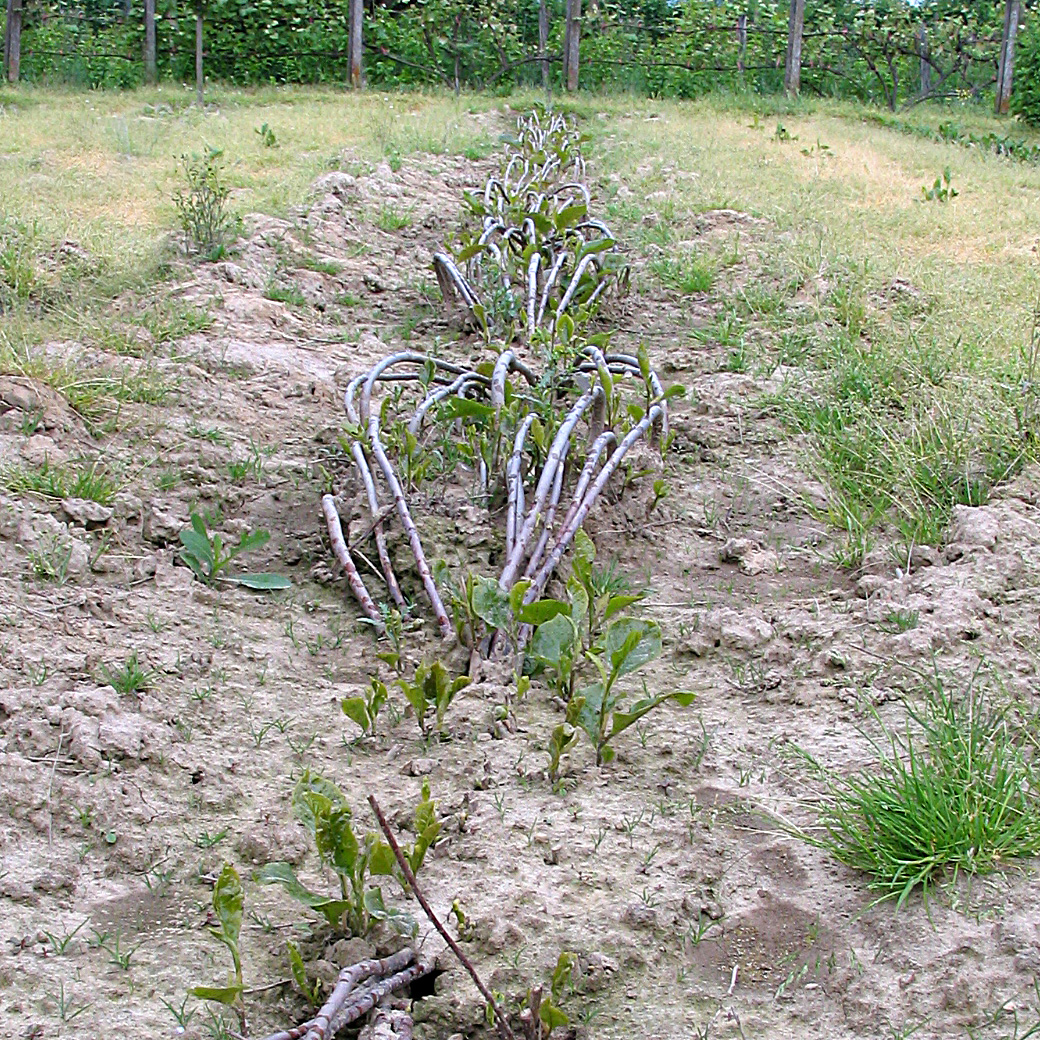
Horizontal layering (layered branches)
Step-by-step procedure:
- In early spring or late autumn, select a healthy, one-year-old, low-lying shoot.
- Dig a shallow trench 10–15 cm deep beneath it.
- Lay the shoot in the trench and secure it (with a stake or hook) to keep it in contact with the soil; the tip can be lightly trimmed. The bark can be scored/scraped at the contact point to stimulate rooting.
- The trench is not immediately filled to the top — shoots grow upright from buds on the laid shoot; as they grow, they are gradually hilled with soil to about half their height, and lower leaves are removed.
- Adventitious roots develop at the nodes.
- In autumn, the rooted shoot is separated from the mother plant and divided into individual rooted seedlings.
Arc (air) layering
Similar, but the branch is bent into an arc: the part touching the soil is scored and secured in a hole 20–30 cm deep, which is filled so that the shoot tip remains above the surface (tied to a stake). After rooting, the seedling is separated in autumn.
| Method | Establishment time | Trench/hole depth | Separation |
|---|---|---|---|
| Horizontal layering | early spring / late autumn | 10–15 cm | same autumn |
| Arc layering | spring | 20–30 cm | same autumn |
| Stool bed layering | spring (cut to stump) | mound 15–23 cm | autumn, stump remains |
Cuttings
Cuttings are sections of shoots that root separately from the mother plant. Hazelnut is a species that is difficult to root from cuttings (the success rate is lower than with layering and stool beds), so success depends significantly on proper callusing, moisture, and rooting hormones.
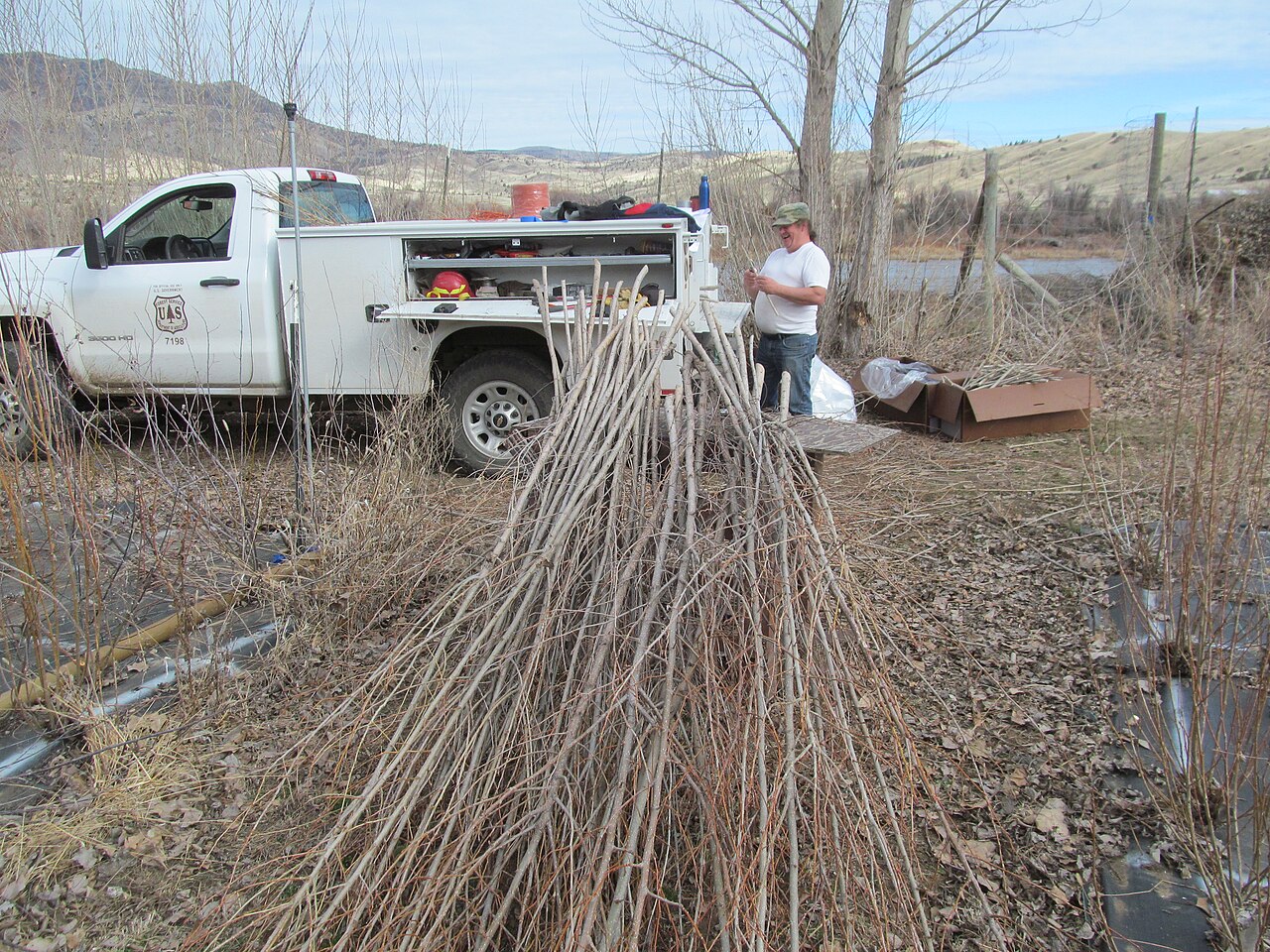
Mature (hardwood) cuttings
Classic procedure from domestic literature:
- In autumn, mature cuttings 20–25 cm long (often cited as minimum 20 cm) are cut from the tree.
- They are tied into bundles and placed in moist sand at a temperature of about 10 °C (e.g., in a cellar or cold storage) until February, to callus (callus tissue forms at the cut, from which roots emerge).
- In spring, cuttings are planted in moist substrate (a mixture of perlite and sand is recommended) in a protected location.
- Best results are achieved on moist soil with the application of phytohormones (auxins) for rooting and in a protected space (greenhouse, tunnel) with constant air and substrate humidity.
- Cuttings are kept in a protected location until they have fully strengthened.
Soft (green) cuttings
In North American practice, soft (green) cuttings are also used — short shoots of the current year from the mother plant or a dedicated mother seedling. They root best in late spring and early summer, regularly with a water mist system that keeps the leaves fresh, and with auxin hormone.
Rooting hormones
To stimulate roots in woody cuttings, auxin IBA (indole-3-butyric acid) is commonly used, alone or in combination with NAA. The exact concentration (solution or powder) depends on the type of cutting and preparation — domestic literature cites "phytohormones" without precise dosage, so concentration and application method should be aligned with the manufacturer's instructions and advisory service recommendations. All dosages are informative and depend on the cultivar, material, and approval/label.
Dividing the shrub
A related, simple procedure: a healthy shrub is dug up and divided so that each part has a root length of 15–20 cm. Cut surfaces are dusted with crushed charcoal (disinfection) and parts are planted in prepared holes.
Rooting and Yield of Seedlings
Regardless of the method, rooted seedlings are not planted immediately at their final size in the permanent location — they are first grown to maturity in a nursery (nursery bed):
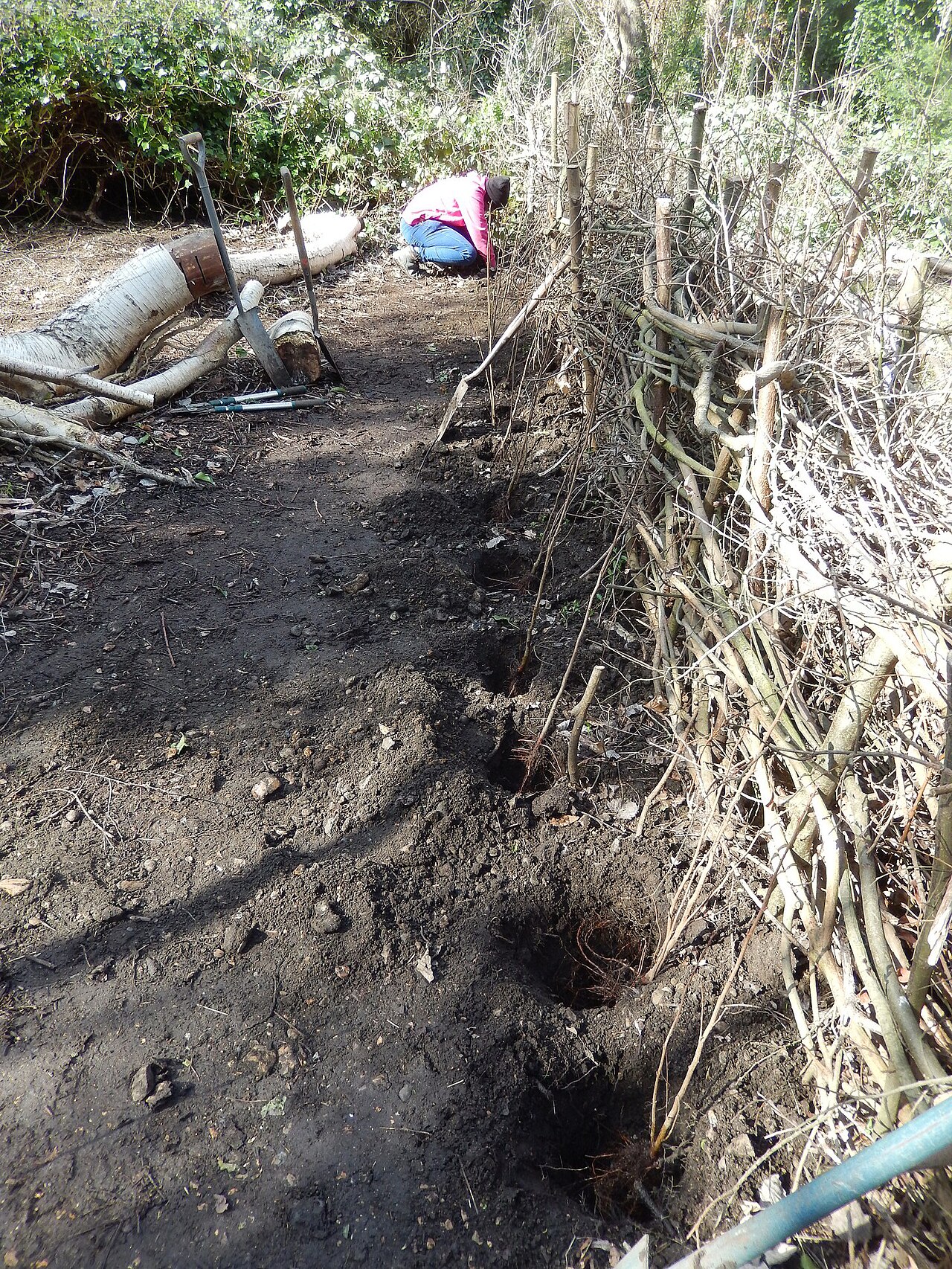
- Rooted shoots/seedlings are usually grown for an additional 1–2 years in the nursery before planting in the permanent location.
- From the stool bed, rooted shoots are cut in autumn and planted in the permanent location to establish the orchard.
- When transplanting, do not plant too deeply: seedlings planted too deeply remain dormant for a long time before resuming growth.
- Young plants are sensitive to freezing during the first 2–3 winters; in cooler areas, they should be protected (e.g., using agrotextile — spunbond/lutrasil, or covering).
Comparison of Methods
| Method | Number of Seedlings | Rooting Reliability | Effort / Equipment | Best Application |
|---|---|---|---|---|
| Stool bed layering | Very large | High | Medium (stool bed + mounding) | Commercial nursery, mass production |
| Layering | Small–Medium | Very high | Low | Small producer, orchard supplementation |
| Mature cuttings | Medium | Lower (hazelnut is difficult to root from cuttings) | Medium (callusing, hormones) | When no stool bed is available |
| Softwood cuttings | Medium | Medium, with mist | Higher (mist, greenhouse) | Nurseries with equipment |
| Dividing the bush | Small | High | Low | Quickly producing a small number of seedlings |
Orientation on Orchard Density
The number of seedlings to be produced depends on the training system of the final orchard. According to literature, in conventional cultivation, approximately 500 seedlings/ha are planted (spacing ≈ 5 × 4 m), in hedge training systems about 1400–2000 seedlings/ha, and in dense (Moulis) systems up to 2000–6600 seedlings/ha (most commonly 4800–5000), with mandatory regular pruning. These figures help plan how many seedlings the stool bed needs to produce.
Practical Recommendations and Common Mistakes
- Choose healthy stock material. Propagation transmits diseases — take shoots/cuttings only from healthy, verified, and (if possible) certified plants.
- Moisture is crucial. Both stool bed layering, layering, and cuttings only root in a consistently moist medium; drying out the mound or substrate is the most common cause of failure.
- Light, airy medium. Sawdust, compost, perlite+sand — compacted heavy soil hinders root formation.
- Do not rush extraction. Extract seedlings only after leaf drop (dormancy), and then grow them for 1–2 years before permanent planting.
- Do not plant too deeply either in the nursery or in the permanent location.
- Protect young plants from freezing during the first 2–3 winters.
- Do not overestimate cuttings. Hazelnut roots poorly from cuttings compared to stool bed layering/layering; if you need many reliable seedlings, prioritize the stool bed.
- Respect cultivar regulations. Many newer cultivars (e.g., from the Oregon State University program) are patented — propagation of these, even for personal use, requires a license. Check cultivar protection before propagation.
Gallery
Sources
This article is an AI summary generated from an internal collection of hazelnut literature (RAG corpus) and public internet sources. Numerical data (spacing, cutting lengths, temperatures, depths, planting densities) are taken from the cited sources and are informative — verify them before application. Main sources used:
- Business Plan for Hazelnut Seedling Production, Poljinos d.o.o. (2019) — PP-za-proizvodnju-sadnica-lijeske1.pdf
- State and Trends in Hazelnut Production and Consumption (2017) — doi.org/10.31727/gzb.42.3.9
- EPPO Standards for Certified Hazelnut Planting Material (2009) — EPPO Standards (PM 4)
- Economic Comparison of Different Cultivation System Forms of Hazelnut, University of Josip Juraj Strossmayer (2015)
- Hazelnut — Cultivation, Planting and Care (gardening manuals, corpus): Vrtlarica.hr, hor.manteton.com, flwn.tomathouse.com
- Propagation of Hazelnut from Shoots and Cuttings — poljosfera.rs
- Growing Hazelnuts in the Pacific Northwest: Plant Propagation — OSU Extension, EM 9075
- Hazelnut Propagation (Part Two): tie-off layering — West Coast Nut
- Stool Bed Layering for American Hazelnut — Midwest Hazelnuts, Research Bulletin 15