Tonda Romana, Nocchione and Mortarella
Content generated by artificial intelligence — verify before application
This article was automatically compiled from a collection of hazelnut literature using artificial intelligence and may contain errors or outdated data. It serves as a starting point for further research, not as professional advice. Dosages, products, and timing are informative and depend on the cultivar, location, and current regulations — always consult with an advisory service and official sources before application.
Croatian perspective: Roman as a pollinizer for Istrian Long
This article is the primary profile of the Tonda Gentile Romana ("Roman") cultivar and its Italian pollinizers. For the role of the Roman cultivar in Croatian orchards (planting ratios with Istrian Long, spacing, frost risk) and for the autochthonous Istrian Round hazelnut, see Istrian Round and Roman Round Hazelnut.
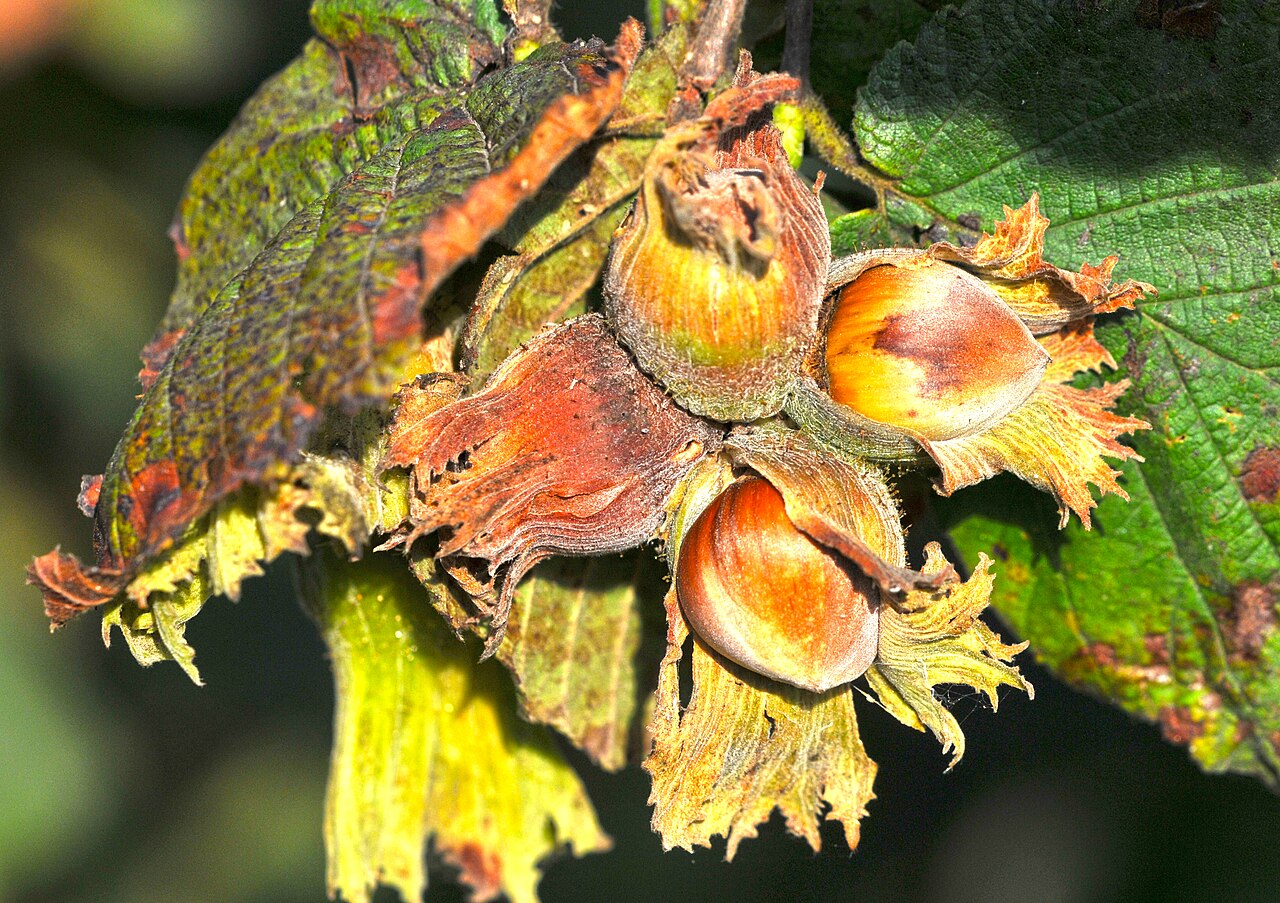
The central Italian growing region — primarily the Lazio province with the volcanic soils of the Cimini Hills around Viterbo — is one of the most important global centers for hazelnut cultivation. In this area, production has relied for centuries on a leading cultivar, Tonda Gentile Romana (often referred to in Croatia as "Tonda Romana," and in literature also as "Tonda Gentile di Viterbo" or "Roman Delicious"), along with its classic pollinizers Nocchione and Mortarella. These three cultivars form a complete agronomic unit: the main high-quality kernel-bearing cultivar and two supplementary cultivars that simultaneously produce their own crop and, crucially, ensure the pollination of the self-sterile main cultivar. This article summarizes their agronomic characteristics and — most importantly for establishing an orchard — their mutual compatibility, based on hazelnut literature and public sources.
Quick Overview — Comparative Table
| Property | Tonda Gentile Romana | Nocchione | Mortarella |
|---|---|---|---|
| Origin | Lazio (Viterbo area, Cimini Hills) | Lazio (widespread, also Nebrodi area, Sicily) | Central/Southern Italy (Campania, Lazio) |
| Vigor | Medium (some sources: large, upright growth) | Large, semi-upright growth | Medium / not of large vigor |
| Suckering tendency | Produces many root suckers | High | Moderate |
| Flowering type | Self-sterile, late male and female flowering | Early male, medium female flowering | Medium-early, pronounced homogamy |
| Flowering time | Medium-late / late | Early (early pollen release) | Medium-early |
| Ripening | Medium (late August – September) | Medium | Early / August |
| Fruit weight | ~2.5–2.8 g | ~3.0–3.2 g | ~2.1–2.5 g |
| Kernel recovery | ~45–47 % | ~38–46 % (spherical, thick shell) | ~44–45 % |
| Fruit shape | Round, thin shell, dark streaks | Spherical, thick shell | Round to elongated, thin shell |
| Skin blanching (peeling) | Medium-good | Very good (80–85 %) | Good |
| Frost / mite resistance | Slightly sensitive to mites | Good | Resistant to low temperatures |
| Main use | Confectionery industry (PDO "Nocciola Romana") | Pollinizer + industrial processing | Pollinizer + industry/table |
Note: Numerical ranges vary among sources and depend on the clone, location, year, and agrotechnics. Treat these values as a guide, not a guarantee.
Tonda Gentile Romana — Main Cultivar of the Region
Origin and Status
Tonda Gentile Romana is an Italian cultivar originating from the area around Viterbo in the Lazio province, also widespread in Campania, and the Marche and Abruzzo provinces. In its classic native area, the Cimini Hills around Viterbo, it accounts for about 90% of production, and this area alone covers approximately 27% of the total hazelnut area in Italy. The cultivar is the holder of the Protected Designation of Origin (PDO) under the name "Nocciola Romana," recognized in 2009, thereby gaining the status of a typical regional product.
Tree and Orchard Behavior
Most sources describe the plant as having medium vigor with a semi-upright habit; some Croatian literature also notes large vigor with upright growth, allowing the cultivar to be grown as a standard tree on its own roots. It produces many root suckers, necessitating regular removal. The canopy is productive and flattened. The cultivar enters the productive phase early and crops regularly and well, but due to heavy cropping, it shows a tendency to alternate bearing — years of heavy crop alternate with lighter ones if the crop is not regulated by pruning and nutrition.
Flowering and Self-Sterility
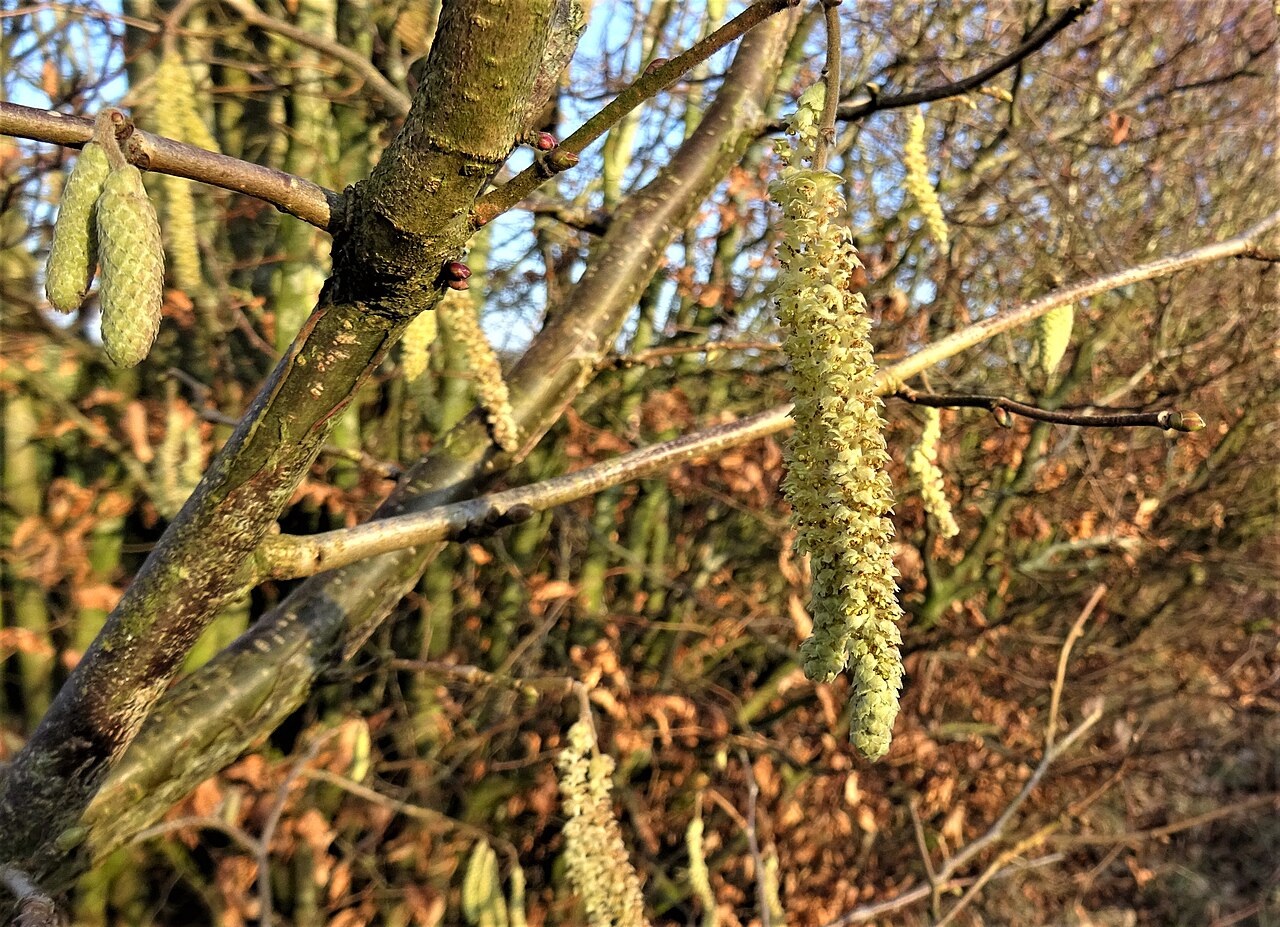
This is key for orchard planning: Tonda Gentile Romana is self-sterile (self-incompatible), as is the vast majority of hazelnut cultivars, so it cannot pollinate itself. Both male and female flowering are late, and leaf-out is also late — making it relatively favorable in areas with a risk of late spring frosts. Precisely because of self-sterility and late flowering, the choice of correct pollinizers (Nocchione, Mortarella, Tonda di Giffoni) is not an optional addition but a prerequisite for yield.
Fruit and Kernel
| Parameter | Value (approximate) |
|---|---|
| Fruit weight | ~2.5–2.8 g (literature up to 2.70 g in the native area) |
| Kernel weight | ~1.22–1.40 g |
| Kernel recovery | ~45–47 % |
| Shape | Round (sub-spherical), roundness index ~0.95 |
| Shell | Thin, chestnut/light brown color with elongated dark streaks |
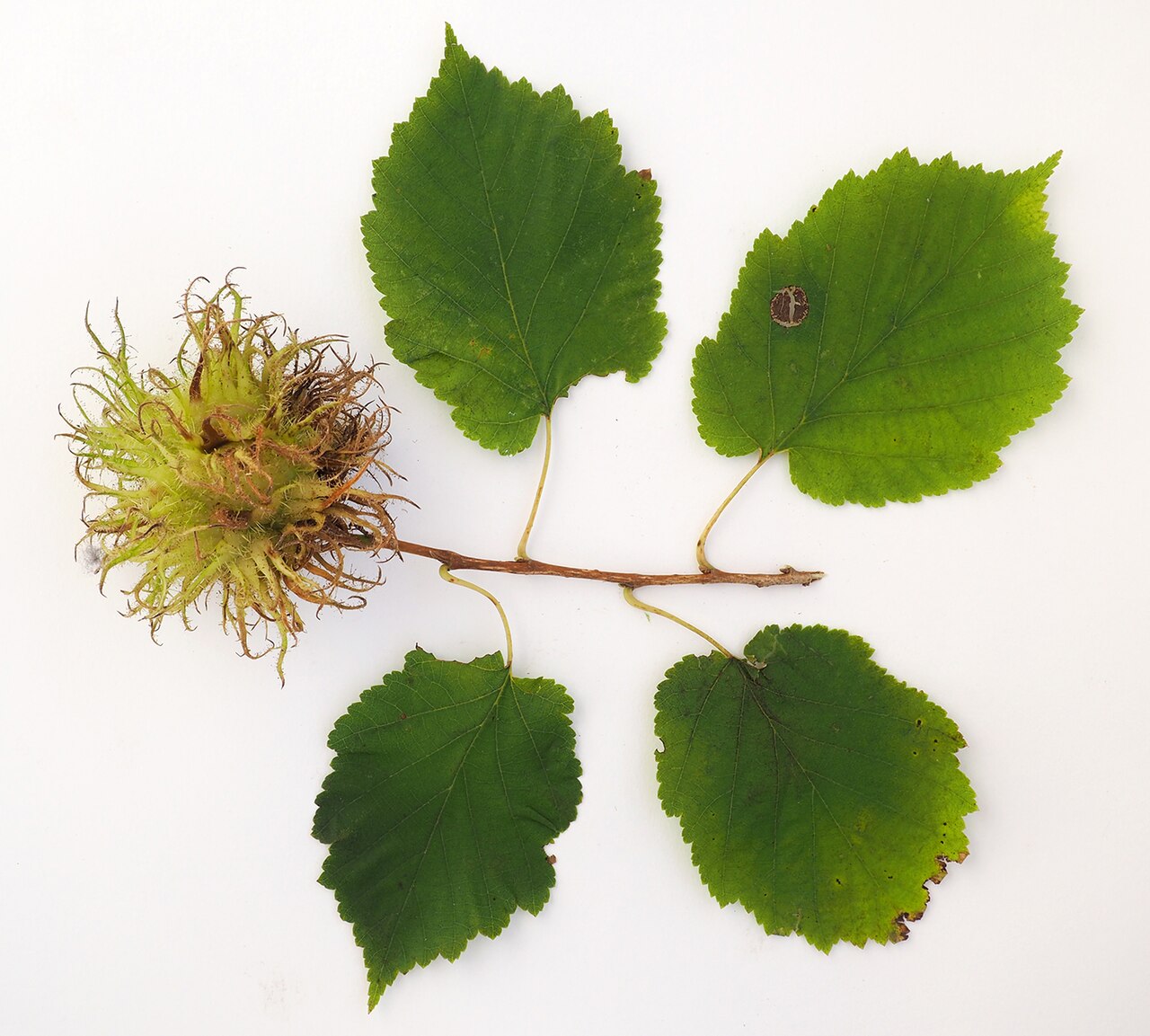
| Involucrum | Deeply cut, longer than the fruit, pilose at the tip |
| Harvest | Ripe fruits fall from the involucre — suitable for mechanical harvest |
| Kernel skin | Separates medium-well during roasting |
The chemical composition of the kernel varies by season and analysis: fat content is most often in the range of ~59–66 %, proteins ~10–13 %, with low moisture (~2–3 %). Older sources also cite higher fat values (up to about 64 %). Thanks to its pleasant taste and pronounced aroma, the cultivar is highly valued in the confectionery industry. It is slightly sensitive to mites.
Nocchione — Main Pollinizer
Agronomic Characteristics
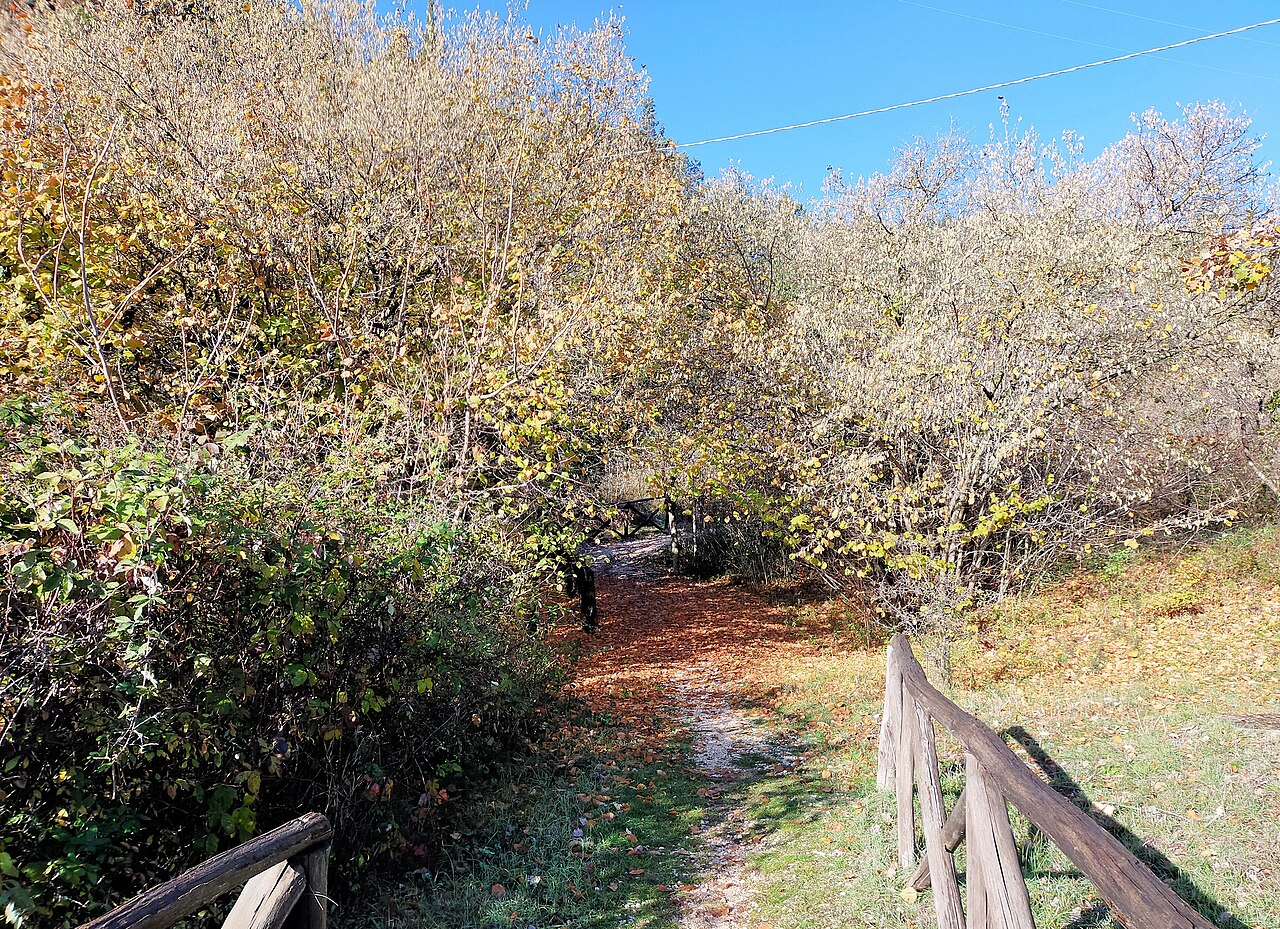
Nocchione is a cultivar widespread in Lazio and in the Nebrodi area of Sicily. The plant has large vigor with semi-upright growth and a pronounced tendency to produce suckers. Literature describes it as well-adapted to various environmental conditions and resistant to late spring frosts, which further makes it reliable in a mixed orchard.
Flowering — Why It Is a Good Pollinizer
The decisive factor is flowering phenology: Nocchione has early male flowering (early pollen release) with medium-early/medium female flowering. Thus, its pollen "covers" the receptivity period of the female flowers of the late Tonda Gentile Romana and other cultivars, making it considered an excellent pollinizer for Tonda Gentile. In practical pollination studies, Nocchione pollen yielded a very high percentage of fertilization and high yield per tree.
Fruit and Kernel
- The fruit is large (~3.0–3.2 g), spherical, with a thick shell of light brown color, streaked and slightly hairy.
- Kernel recovery is low to medium (~38–46 %), precisely due to the thick shell; older sources cite 44–46 %, and Italian drying/recovery standards can have wider ranges (28–50 %).
- The kernel is medium to small-large, spherical, firm, and very good skin blanching during roasting (blanching ~80–85 %), with a fine and stable taste.
- It is suitable for the confectionery industry and, in addition to its pollinizer role, produces a valuable own crop.
Composition studies showed that Nocchione had significantly higher antioxidant activity at all sampling times compared to Tonda Gentile Romana, making it interesting from a nutritional standpoint as well.
Mortarella — Second Pollinizer and Companion Cultivar
Agronomic Characteristics
Mortarella is an Italian cultivar of medium vigor (some sources: not of large vigor) and good productivity. It is particularly valuable because it is resistant to low temperatures, making it recommended for areas with frost risk and cooler positions.
Flowering
It flowers medium-early and has pronounced homogamy — almost simultaneous opening of male and female flowers. Such homogamy facilitates flowering overlap with other cultivars and makes it a useful pollinizer; good pollen donors for Mortarella itself include Tonda di Giffoni, San Giovanni, and others.
Fruit and Kernel
| Parameter | Value (approximate) |
|---|---|
| Fruit weight | ~2.1–2.5 g |
| Shape | Round to elongated (roundness index ~0.66–0.79) |
| Fruits per cluster | ~4–5 |
| Involucrum | Longer than the fruit, split |
| Shell | Thin, dark, with discrete streaks |
| Kernel recovery | ~44–45 % |
| Kernel | Small to medium-large (~1.35 g), fat content up to ~68 % |
| Ripening | Early / August |
| Use | Industry and table consumption |
Mutual Compatibility and Orchard Planning
This is the core of the topic. Since the main cultivar is self-sterile, an orchard without compatible pollinizers will produce little or no crop. The principle is twofold:
- Flowering overlap — Pollen from the pollinizer must be released while the female flowers of the main cultivar are receptive. Tonda Gentile Romana flowers late; the early male flowering of Nocchione and the medium-early, homogamous flowering of Mortarella provide good coverage of this period.
- Genetic (S-allelic) compatibility — Pollen must be incompatible at a level that allows fertilization. The main recommended pollinizers for Tonda Gentile Romana in literature are Nocchione, Mortarella, Tonda di Giffoni, and Riccia di Talanico.
How Many Pollinizers and How to Arrange Them
European practice shows that for optimal yield, 20–30% pollinizers are needed relative to the main cultivar. For a group of compatible Italian cultivars (e.g., Tonda Gentile Romana, Tonda Gentile delle Langhe, Tonda di Giffoni), an even more balanced division is sometimes recommended — one-third of the orchard per cultivar — where all three simultaneously pollinate each other and produce a crop.
| Approach | Pollinizer Share | When |
|---|---|---|
| Minimal supplementary pollinizers | ~10–15 % | When the main cultivar is strongly market-leading |
| Recommended standard | 20–30 % | General recommendation for reliable crop |
| Multiple compatible bearing cultivars | up to ~1/3 per cultivar | When pollinizers also have market value |
Example of practical layout (combination of Tonda Romana + Tonda di Giffoni + Nocchione, arranged in rows across 12 rows):
2 rows Nocchione → 3 rows Tonda Romana → 2 rows Nocchione → 3 rows Tonda di Giffoni → 2 rows Nocchione.
Nocchione is arranged here to repeat throughout the orchard and properly pollinate both bearing cultivars. When planting multiple bearing cultivars together (e.g., every 11th tree in a row is a different cultivar), a similar effect is achieved within the row.
Planting Spacing and Rootstock
- In practice, a spacing of 4 × 5 m (4 m within the row, 5 m between rows) is often cited for these cultivars, depending on the training system and mechanization.
- Grafting onto Persian hazel (Corylus colurna) is used due to high productivity, absence of root suckers, longer orchard lifespan, and better tolerance to diseases and pests — which is particularly useful since Tonda Romana and Nocchione otherwise produce abundant suckers.
Practical Recommendations and Common Mistakes
- Do not plant the main cultivar alone. Self-incompatibility is the most common cause of disappointing yields in the first bearing years. Always plan for pollinizers when designing the orchard.
- Check flowering overlap for your climate. Phenology depends on location and year; in continental conditions, flowering times may shift compared to Lazio. Nocchione (early pollen) and Mortarella (homogamous, frost-resistant) complement each other well precisely because they cover different parts of the season.
- Leverage the frost resistance of Mortarella in colder and frost-exposed positions.
- Account for alternate bearing in Tonda Gentile Romana — regulate crop load through pruning and balanced nutrition to mitigate alternating years.
- Distribute pollinizers evenly, not in a single corner of the orchard — bees and wind (hazelnut is wind-pollinated) need short distances to all bearing trees.
- Align purpose with the market. Tonda Gentile Romana carries the DOP "Nocciola Romana" designation and offers premium confectionery quality; Nocchione has a slightly lower kernel percentage due to its thicker shell, but excels in blanching; Mortarella is a solid supporting and table cultivar.
Sources
This article is an AI summary compiled from a hazelnut literature collection (internal RAG corpus) and public sources. Figures and descriptions vary among sources and should be verified before application. Main sources used:
- Master’s thesis — Chemical Composition of Hazelnuts from the 2020 Season, Faculty of Food Technology and Biotechnology, University of Zagreb (PBF repository) — agronomic traits and chemical composition of Tonda Romana.
- Potential of Hazelnut Shell as a Rich Source of Polyphenols (2024) — description of the "Roman Tasty" / Tonda Gentile Romana cultivar.
- Diseases and Pests of Hazelnut, repository (2020) — practical cultivar and pollinizer arrangement by rows, Corylus colurna rootstock.
- Pacchiarelli et al. (2024), University of Tuscia — Validation of new sustainable intensification models of hazelnut orchard — traits of the Nocchione cultivar (vigour, nut weight, blanching).
- Boletín INIA 202 (2010), Chile — Tonda Gentile Romana: phenology, self-incompatibility, and recommended pollinizers (Nocchione, Mortarella, Tonda di Giffoni, Riccia di Talanico).
- Most Significant Hazelnut Cultivars of Italian Origin — Gospodarski list / Vrtlarica.hr — descriptions of Mortarella and Tonda Romana cultivars.
- Hazelnut Cultivation (book, 2017) and PDF for TITA Hazelnuts (2012) — description of Mortarella and pollinizer combinations.
- Which hazelnut cultivars can you recommend for an orchard? — Pravi Lider (2024) — pollinizer proportion (20–30 %) and planting distances.
- Tonda Gentile Romana — Disciplinare DOP (it.) — official description of the Nocchione cultivar (shape, shell, kernel percentage 28–50 %).
- La Nocciola Romana DOP — Visit Lazio — https://www.visitlazio.com/en/la-nocciola-romana-dop-hazelnut/
- Phenology, Yield and Nut Traits Evaluation of Twelve European Hazelnut Cultivars Grown in Central Italy — https://doi.org/10.3390/f15050833
- Sensory and Nutritional Characteristics of Organic Italian Hazelnuts from the Lazio Region — https://doi.org/10.3390/agriculture15121279
- Italian nuts: the main growing areas — Nuturally — https://www.nuturally.com/en/magazine/italian-nuts-the-main-growing-areas-n458