Eastern Filbert Blight (EFB / Anisogramma anomala)
Content generated by artificial intelligence — verify before application
This article was automatically compiled from a collection of hazelnut literature using artificial intelligence and may contain errors or outdated information. It serves as a starting point for further research, not as professional advice. Dosages, products, and timing are informative and depend on the cultivar, location, and current regulations — always consult with an advisory service and official sources before application.
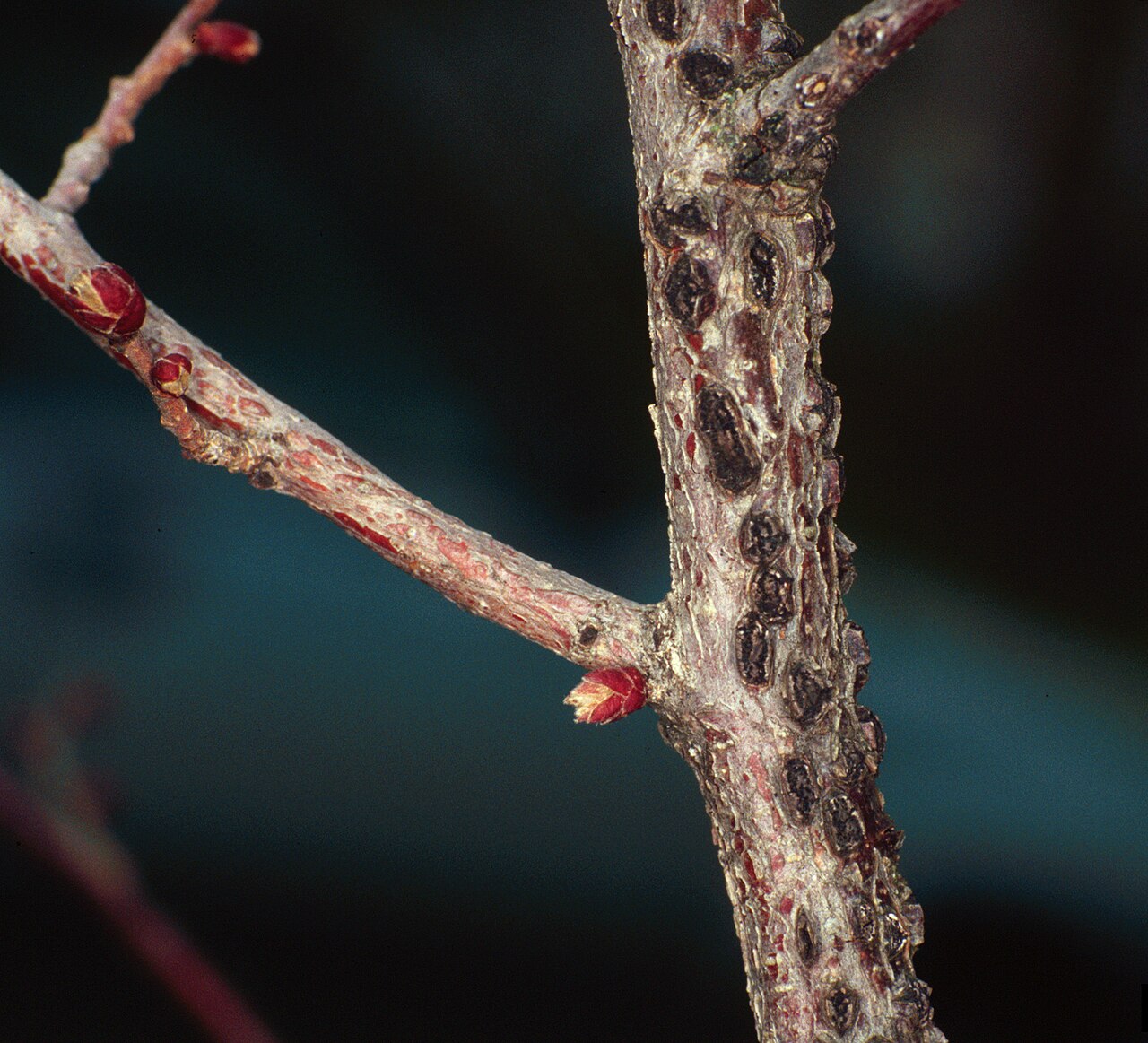
Eastern Filbert Blight — known in English literature as eastern filbert blight (EFB) — is the most devastating disease of cultivated hazelnut (Corylus avellana) in the world. The pathogen is the fungus Anisogramma anomala, an obligate biotroph that attacks only species of the genus Corylus. The disease causes perennial cankers on branches and trunks, which gradually girdle the vascular tissues, leading to branch dieback and, in susceptible cultivars, the death of the entire tree within a few years. For European producers, EFB is primarily a quarantine threat: the fungus is endemic to eastern North America and has not yet become established in Europe, making prevention of introduction, selection of resistant cultivars, and symptom recognition key defense strategies.
Why is EFB so dangerous and why is it "quarantine-regulated"?
The pathogen coexisted for millennia with its natural host — the American hazelnut (Corylus americana) — on which it causes only occasional, small cankers (usually < 25 cm) with little impact on plant health. Problems arise when the fungus jumps to European hazelnut (C. avellana), which lacks a shared evolutionary history with it: almost all commercial European cultivars are susceptible, and the disease progresses aggressively in them.
The historical timeline illustrates the danger well:
- The pathogen was originally limited to the Great Lakes and Appalachian regions of North America.
- The Pacific Northwest of the USA (where ~98% of American hazelnuts are produced) was protected by plant quarantine for 50 years.
- 1970: EFB was first found in an orchard near Vancouver (Washington); since then, it has spread to all production areas in Oregon and Washington, causing massive damage.
Due to this history, EFB is regulated in the European Union as a quarantine pest (subject to official EPPO/EFSA risk categorization). In practice, this means:
- Strict monitoring of imports of planting material and plant parts of the genus Corylus from areas where the disease is present.
- Mandatory reporting of suspected disease to the competent plant protection/advisory service.
- Emphasis on preventing introduction, as eradication after establishment is extremely difficult and expensive.
The cheapest measure is the one you never have to pay for
For a quarantine disease, prevention of introduction (healthy, certified planting material from a reliable source and avoiding import of unverified plants) is incomparably cheaper than later control in an infected orchard.
Etiology — the pathogen
| Feature | Data |
|---|---|
| Species | Anisogramma anomala (Peck) E. Müller |
| Systematics | Pyrenomycetes / order Diaporthales (ascomycetes) |
| Parasite type | Obligate biotroph (cannot be cultured on standard media) |
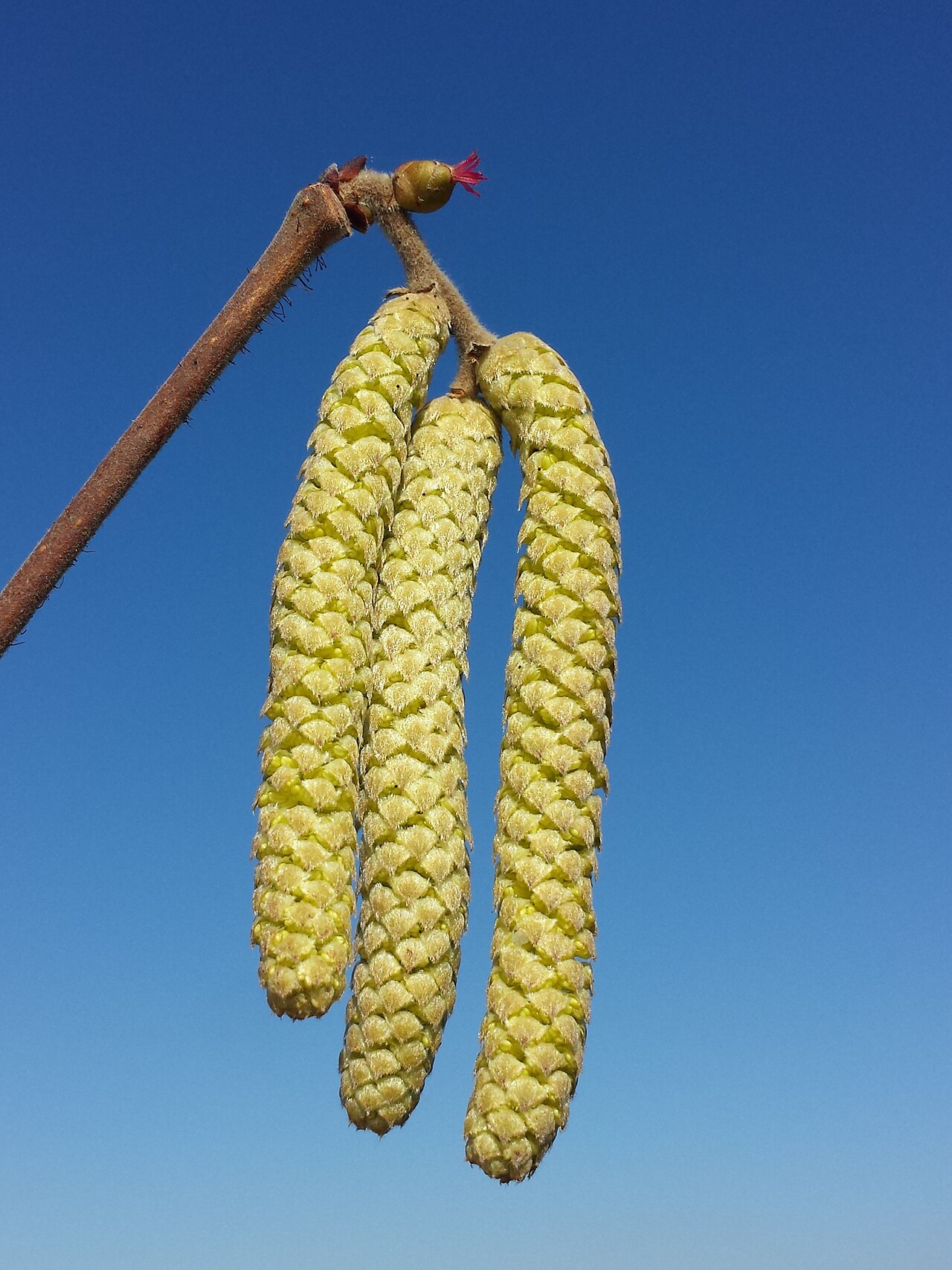
| Hosts | Exclusively species of the genus Corylus |
| Natural host | American hazelnut C. americana (mild symptoms) |
| Main victim | European hazelnut C. avellana (severe symptoms) |
| Reproduction and spread | Ascospores (sexual spores) and permanent expansion of cankers within the tree |
| Genome | Unusually large for a fungus (> 360 Mb), genetically very diverse |
The fungus reproduces via ascospores that mature in dark brown structures — stromata — embedded in the bark of infected branches. Spores are actively discharged during wet periods, dispersed by rain splash and air currents, and infect young, actively growing shoot tissue.
Life cycle and epidemiology
The EFB cycle is biennial, which is crucial for understanding the (in)effectiveness of protection. The most important feature is the long latent period: from the moment of infection to visible symptoms, approximately 12 – 18 months pass (literature cites ranges of 12 – 15 and 16 – 18 months, depending on conditions and source).
| Phase | Timeframe | What happens |
|---|---|---|
| Infection | Early spring, around bud break/swelling | Ascospores fall on young, actively growing shoot tips in humid conditions and germinate |
| Latency | ~12 – 18 months | The fungus grows hidden in the tissue; no visible symptoms |
| Canker appearance | Next season | Elongated cankers with stromata develop on the branch |
| Sporulation | After cold dormancy, next spring | Stromata in mature cankers release new ascospores during wet periods |
| Canker expansion | Permanent (perennial) | The canker elongates along the branch and gradually girdles it |
Practical consequences of this cycle:
- The disease is hard to detect. It is estimated that the fungus usually resides in an orchard for 4 – 5 years before being noticed for the first time. During this period, it spreads unnoticed.
- The effect of fungicides is seen with a significant delay — only a few years after application, because spraying protects only new, uninfected tissue, not already infected (latently infected) sites.
- Infection is linked to rain in spring while shoots are actively growing; a dry spring reduces pressure, while a wet one increases it.
Symptoms — how to recognize cankers
The main and diagnostic symptom is permanent cankers on branches and, in later stages, on the trunk.
What to look for:
- Elongated, sunken cankers that spread along the branch.
- Rows of stromata — small dark brown to black protrusions ("bumps") arranged in rows that break through the bark. This is the most reliable sign of EFB.
- Sudden dieback of shoots and branches, especially in summer, because the canker girdles the branch and interrupts the flow of water and nutrients — leaves behind the canker wither.
- Dry leaves that remain hanging on infected shoots in autumn and winter after normal leaf drop.
- In advanced stages, cankers spread to main scaffold branches and the trunk; when the trunk is girdled, the tree usually does not recover and must be removed.
Best time for scouting
Cankers and rows of stromata are easiest to spot in winter, on bare bark, when there are no leaves. Winter inspection of the entire orchard (especially the upper canopy and scaffold branches) is key for early detection.
Differentiation from similar phenomena (differential diagnosis):
- Bacterial blight (Xanthomonas sp.): long, sunken cankers that "weep" (ooze) are more typical for bacterial blight on older branches; exudate/oozing from the canker is not a common symptom of EFB (in EFB, oozing usually indicates a plant reaction, not the fungus itself).
- Other trunk canker/rot diseases: branch dieback, poor growth, poor nut filling, and cankers without rows of stromata may indicate other causes (including physiological stresses and climatic factors), so the absence of stromata requires additional diagnostics.
If in doubt, always take a sample of a branch with a canker and contact the competent service for laboratory confirmation — visual assessment is not sufficient for a quarantine organism.
Measure No. 1: selection of resistant cultivars
The most important and lasting defense against EFB is planting genetically resistant cultivars. A large part of modern hazelnut breeding (especially the Oregon State University program) is focused precisely on EFB resistance.
Susceptible cultivars (caution)
Many traditional and widespread cultivars are susceptible to varying degrees:
| Cultivar | Status (in conditions where EFB is present) |
|---|---|
| Ennis | Very susceptible — do not plant where the disease is present or nearby |
| Daviana, Butler, Duchilly | Very susceptible |
| Barcelona | Somewhat tolerant (an infected tree may still produce for years before declining) |
| Casina | Similar level of tolerance as Barcelona |
Resistant cultivars
Cultivars with genetic resistance originate from the Oregon program, among which Yamhill, Jefferson, McDonald are cited, and the historical source of resistance is the Gasaway selection (so-called Gasaway R-gene). Resistance also comes from interspecific crosses with C. americana and selections such as ‘Rush’ and ‘Yoder #5’.
Resistance is not eternal — emergence of aggressive strains
Resistance based on a single major gene (e.g., Gasaway) can be broken. Strains/populations of A. anomala capable of infecting carriers of major resistance genes have been discovered, and in 2023, a mutation was recorded that allows the fungus to reproduce even on cultivars with the Gasaway gene. Due to the longevity of orchards (decades), it is recommended to choose cultivars with multiple sources of resistance (gene pyramiding) and continue monitoring.
Practical recommendations for cultivar selection:
- In risk areas, plant only resistant cultivars from a reliable, certified source.
- Do not rely on a single resistance gene — where possible, choose cultivars with multiple R-genes or combine genetic resistance with other measures.
- Avoid planting susceptible cultivars (e.g., Ennis) near known infection foci.
- Remove "volunteer" seedlings and wild hazelnuts in the vicinity — they can be latent reservoirs of the disease.
Measure No. 2: pruning and removal of infected branches
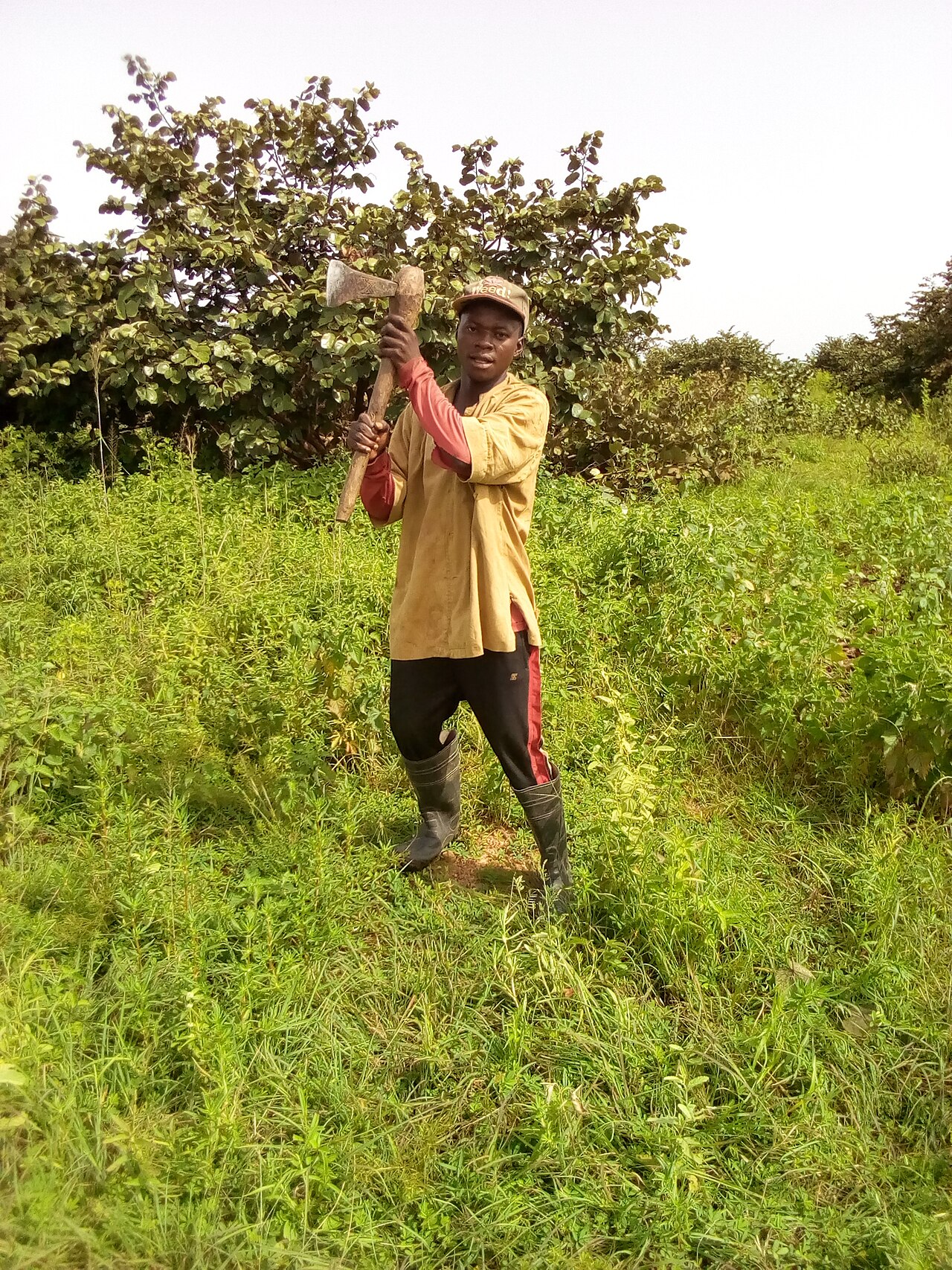
Pruning is the only way to physically remove EFB from an already infected tree. Fungicides can prevent new infections, but they do not treat existing cankers.
Principles of sanitary pruning:
- Cut the branch with the canker significantly below the visible canker — the recommendation is to cut approximately 30 – 90 cm (≈ 0.6 – 1 m, or 2 – 3 feet) below the lowest visible edge of the canker. Reason: the fungus is present in the tissue further down than the canker appears (remember the latent period).
- Perform pruning before bud break in spring (during winter dormancy), to remove the spore source before it can infect new shoots.
- Burn or remove infected wood from the farm (in accordance with local regulations). Do not leave pruned branches in the orchard or on the edges — stromata on them can still sporulate.
- Disinfect tools between trees to avoid spreading infection through pruning.
How much to prune, and when to remove the whole tree:
| Degree of infection | Procedure |
|---|---|
| 1 – 2 cankers | Sanitary pruning (cut 0.6 – 1 m below the canker), removal and burning of wood |
| Numerous cankers / cankers on the trunk | The tree is usually removed and destroyed — sanitation by pruning is no longer feasible |
| Resistant cultivars with small cankers | Often the canker "heals" over with callus over time; if the main trunk is infected, even a resistant tree should be removed |
Scouting + pruning = a pair that goes together
Without systematic winter inspection of the orchard, pruning is delayed. Mark (e.g., with tape) every observed canker during winter scouting, and then plan pruning before bud break.
Measure No. 3: Fungicide Protection
Fungicides play a preventive role — they protect young, actively growing shoot tissue during the infection period. Due to the latent period, the effect of spraying is only visible years later, so protection must be applied consistently and on time.
Timing and number of sprays (informative):
- Start: around bud swell/opening of buds (early to mid-March, depending on the year and location).
- Interval: approximately every 2 weeks (intervals of 10–14 days are also cited), depending on weather and product.
- Duration: throughout the period of active shoot growth, approximately until early May (about 8 weeks).
- Number of treatments: typically up to 4 sprays per season for adequate protection under high disease pressure.
| Treatment | Approximate Time | Note |
|---|---|---|
| 1. | Bud swell | Start of protection for young tissue |
| 2. | ~2 weeks later | As shoots grow |
| 3. | ~2 weeks later | Continuation of protection |
| 4. | By early May | End of the infection period |
Active ingredient groups (FRAC codes) cited as effective:
| FRAC Code | Examples / Group |
|---|---|
| M3 | Dithiocarbamates |
| M5 | Chlorothalonil (contact, broad-spectrum) |
| M1 | Copper preparations (e.g., copper hydroxide, copper oxychloride) |
| 3 | DMI / triazoles (e.g., tebuconazole, propiconazole) |
| 11 | QoI / strobilurins (e.g., pyraclostrobin) |
Dose strategy and tank mixes: Research shows that chlorothalonil (M5) in combination with a DMI (3) or QoI (11) fungicide is effective against EFB — even when each component in the mixture is at half the labeled dose. Combining active ingredients from different FRAC groups is also important for preventing pathogen resistance.
Doses, products, and registrations depend on your country
The groups and active ingredients listed above are informative and derived from foreign (primarily North American) literature. The approval of individual products for hazelnut, registered doses, pre-harvest intervals (PHI), and the number of treatments vary by country and change over time. In the EU/Croatia, some active ingredients (e.g., certain older products or chlorothalonil) are no longer approved. Always check the current register of plant protection products and the label, and consult with an advisory service.
Integrated Pest Management (IPM) — All Measures Together
No single measure is sufficient; an integrated approach is recommended:
- Prevention of introduction — healthy, certified planting material; caution with imports; removal of wild/escaped hazels in the vicinity.
- Resistant cultivars — the foundation of long-term defense; preferably with multiple sources of resistance.
- Scouting — systematic winter inspection for cankers and stroma clusters.
- Sanitary pruning — cut 0.6 – 1 m below the canker, before vegetation break; burn wood; disinfect tools.
- Fungicide protection — preventive, from bud swell to early May, using combinations of FRAC groups, while respecting registrations.
- Monitoring and reporting — if suspected, mandatory notification to the competent phytosanitary/advisory service (quarantine status).
Note on protection intensity: In old orchards of susceptible cultivars, a full program is applied (e.g., four sprays at two-week intervals from bud swell to early shoot elongation). In new orchards of resistant cultivars, spring sprays are often recommended only in the first season after planting, and only if infected old orchards of susceptible cultivars are nearby.
Common Mistakes
- Cutting too close to the canker. If you cut right next to the visible canker, you leave latently infected tissue — the cut must be significantly (up to 1 m) below the canker.
- Leaving pruned wood in the orchard. Stroma on pruned branches continue to sporulate; wood should be burned/removed.
- Relying on only one measure. Neither resistance alone, nor pruning alone, nor fungicides alone are sufficient — an integrated approach is needed.
- Relying on a single resistance gene. Gasaway-type resistance can be broken; monitor for new strains and choose cultivars with multiple sources of resistance.
- Late or irregular scouting. The disease is "invisible" for 4–5 years; without winter inspection, it is detected too late.
- Assuming fungicides "cure" the disease. Fungicides are preventive for new tissue, not a cure for existing cankers; the effect is only visible years later.
Gallery
Sources
This article is an AI summary compiled from a collection of hazelnut literature (internal RAG corpus of the project) and publicly available sources. Sources in multiple languages were used, with priority given to those with higher reliability. Main sources used:
- EPPO — Datasheet: Anisogramma anomala and PM 7/90 (2) Anisogramma anomala (diagnostic protocol).
- EFSA — Scientific Opinion on the pest categorisation of Anisogramma anomala (Jeger et al., 2018).
- Technical report on Eastern Filbert Blight (2018) — life cycle and latent period.
- Pscheidt et al., OSU Extension — Detecting and Controlling Eastern Filbert Blight (EC 1499, Oregon State University). — https://extension.oregonstate.edu/catalog/ec-1499-detecting-controlling-eastern-filbert-blight
- Oregon State University — Managing Eastern Filbert Blight. — https://bpp.oregonstate.edu/efb/managing-eastern-filbert-blight
- OSU Extension — Potential new aggressive EFB strain infecting resistant hazelnut varieties (2023/2024). — https://extension.oregonstate.edu/crop-production/nuts/potential-new-aggressive-efb-strain-infecting-resistant-hazelnut-varieties
- Pacific Northwest Pest Management Handbooks — Hazelnut (Corylus avellana) — Eastern Filbert Blight. — https://pnwhandbooks.org/plantdisease/host-disease/hazelnut-corylus-avellana-eastern-filbert-blight
- Province of British Columbia — Hazelnut disease management / Eastern Filbert Blight of Hazelnut (factsheets, 2021/2024). — https://www2.gov.bc.ca/gov/content/industry/agriculture-seafood/agriservice-bc/production-guides/hazelnuts/hazelnut-disease-management
- Tank Mixing Fungicides for Effectiveness Against Eastern Filbert Blight of Hazelnut (PubMed, 2019). — https://pubmed.ncbi.nlm.nih.gov/30673392/
- Bhattarai, Mehlenbacher and Smith (2017) — Inheritance and Linkage Mapping of EFB Resistance (JASHS); Molnar et al. — works on resistance from C. americana.
- Muehlbauer et al. (2019) — Population Differentiation Within Anisogramma anomala in North America.
- Identity and pathogenicity of some fungi associated with hazelnut trunk cankers in Oregon (PLOS ONE, 2019). — https://journals.plos.org/plosone/article?id=10.1371/journal.pone.0223500
- Anisogramma anomala — Wikipedia and Bugwoodwiki (review entries). — https://en.wikipedia.org/wiki/Anisogramma_anomala
- Croatian/regional sources on hazelnut pruning (AgroPortal.hr, agronomija.info, bbz.hr — hazelnut orchard elaboration) and "Hazelnut Protection" — for context on pruning and sanitary measures in our conditions.