How to Source Quality Hazelnut Seedlings and What to Check
Content generated by artificial intelligence — verify before application
This article was automatically compiled from a collection of hazelnut literature using artificial intelligence and may contain errors or outdated information. It serves as a starting point for further research, not as professional advice. Dosages, products, and timing are indicative and depend on the cultivar, location, and current regulations — always verify with an advisory service and official sources before application.
Sourcing seedlings is one of the most critical decisions when establishing a hazelnut orchard. The cost of planting material constitutes a relatively small portion of the total investment, but the consequences of a poor decision follow the producer throughout the entire lifespan of the orchard — 30 years or more. The wrong cultivar, infected or damaged seedlings, or seedlings of unknown origin cannot be "fixed" by later agrotechnics: the only remedy is uprooting and replanting, resulting in lost years until bearing (the fifth to seventh year). Therefore, selecting a nursery, verifying the certification category, health status, age, and size, as well as careful inspection upon receipt, pays off many times over. This article practically details each of these steps.
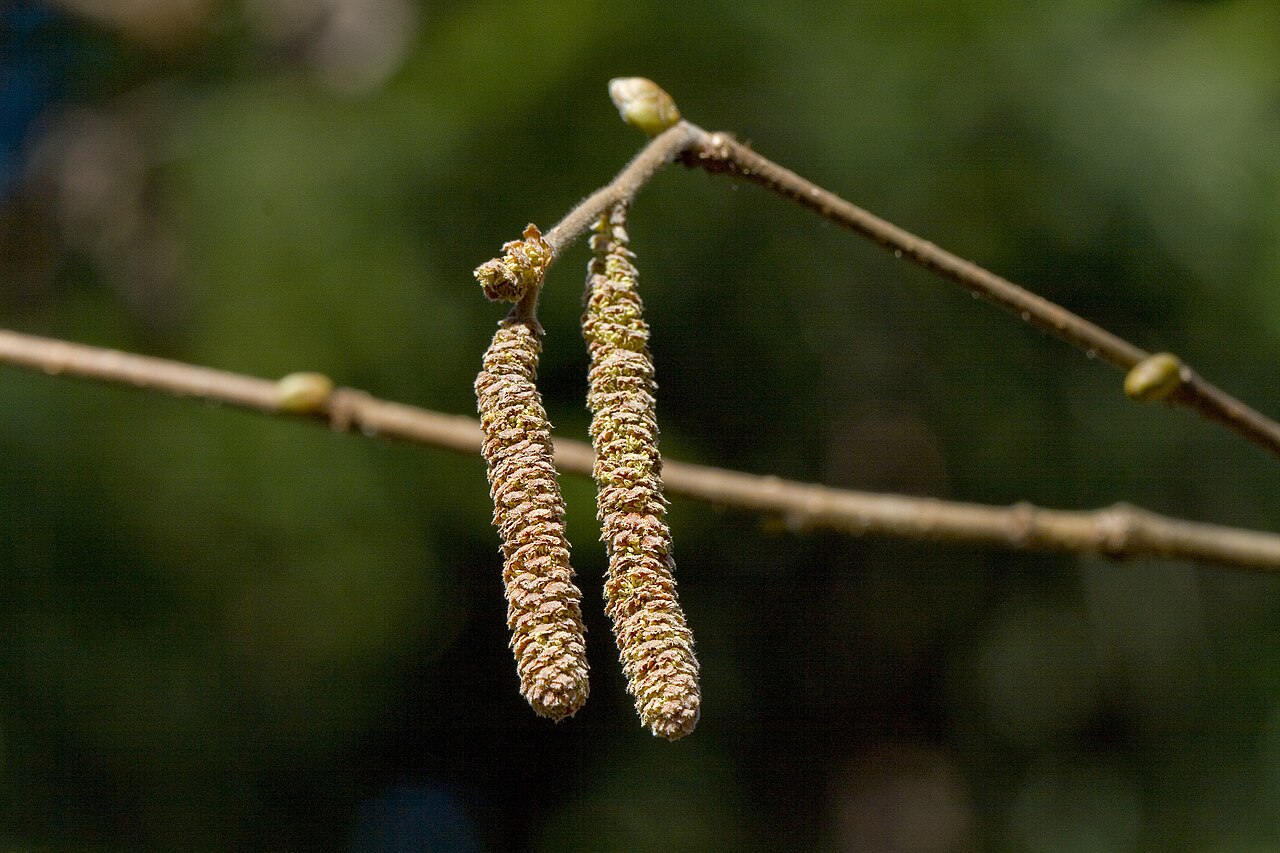
Why seedling quality is decisive for orchard success
Hazelnut (Corylus avellana) enters full production between the fifth and seventh years, at which point a well-managed tree or shrub can yield 4 to 10 kg of nuts. Until then, the orchard only consumes resources — invested in planting, fertilization, protection, and care. If it turns out after a few years that the seedlings were infected (for example, by the bacterium Pseudomonas avellanae, the causal agent of hazelnut dieback) or that the cultivars are not mutually compatible, the loss is double: both the ruined orchard and lost time.
There are three groups of risks that quality sourcing eliminates:
- Genetic/cultivar risk — wrong or impure cultivar, lack of pollinizers, seedlings unsuited to the climate.
- Health risk — introduction of viruses, bacteria, fungal diseases, or pests (e.g., hazelnut eriophyid mites) via infected planting material.
- Physical/condition risk — damaged or dried-out roots, undersized or overgrown seedlings, damage occurring during digging and transport.
Certified planting material from a registered nursery systematically reduces all three groups of risks because it is produced under expert supervision, from known mother stock, with documented origin.
Nursery Selection
The first and most important rule is: buy labeled seedlings from registered nurseries that are under expert supervision and produce quality planting material. A serious nursery operates under the supervision of the plant health inspectorate and the competent expert institution (in Croatia, this is the Croatian Agency for Agriculture and Food — HAPIH), and issues documentation with every delivery.
How to identify a reliable nursery
- Registration and supervision. The nursery is listed in the supplier registry and is under regular supervision by the plant health inspectorate and the competent agency. The competent institute conducts at least two visual inspections during the growing season to verify health status and cultivar purity.
- Vegetative propagation from known origin. Vegetative (not seed) propagation is the only guarantee of cultivar characteristics. Reliable nurseries establish mother orchards using seedlings of verified origin and maintain records of mother plants.
- Complete documentation. A good nursery provides documentation necessary for orchard registration and obtaining subsidies (annual and for orchard establishment) with the seedlings, and for organic orchards, the corresponding GMO-free form.
- Expert support. A serious producer provides information on planting, cultivation, and characteristics of each cultivar and offers advice on selecting pollinizers.
- Transparency regarding assortment. The nursery clearly states which cultivars are in stock (e.g., Roman/ Tonda Romana, Tonda di Giffoni, Tonda Gentile delle Langhe, Istrian elongated, Halski) and at what age (one-year-old, two-year-old, three-year-old seedlings).
Procurement channels and their limitations
Seedlings are most often purchased through direct sales at the nursery itself (with your own transport), but they are also available via online stores and sometimes in large retail chains (Kaufland, Bauhaus, Pevec, etc.). For establishing a commercial orchard, give preference to specialized, registered fruit nurseries: with them, origin, cultivar purity, health status, and documentation are under control, whereas these guarantees are often missing in retail chains. Order in time — quality, sought-after cultivars sell out before the planting season (November–December).
Check pollinizers already when choosing the nursery
Hazelnut is monoecious but self-incompatible — one cultivar, even if you plant many shrubs, cannot pollinate itself. It flowers in winter and is wind-pollinated, which is why an orchard must be planted with at least three mutually compatible cultivars, with an even number of rows per cultivar (especially if cultivars flower/ripen at different times). Ask the nursery for a recommendation of compatible pollinizers adapted to your climate.
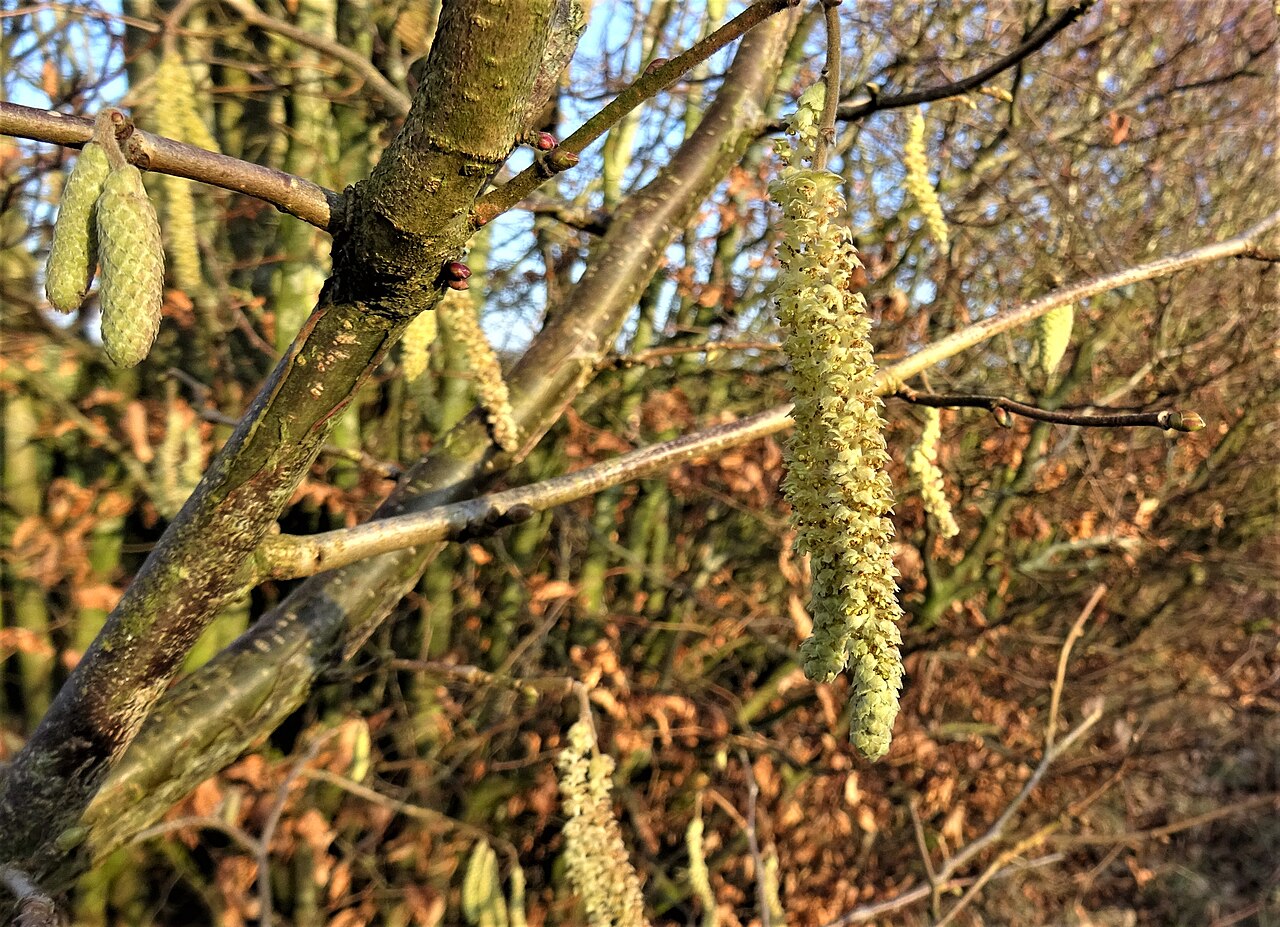
Certified Planting Material
On the Croatian market, according to the Regulation on the placing on the market of reproductive planting material and seedlings intended for fruit production (originally NN 9/17, with amendments), only reproductive planting material and seedlings whose certification process has confirmed one of the categories may be placed on the market. Understanding these categories is key to making an informed purchase.
Categories of Planting Material
| Category | What it signifies | Typical role |
|---|---|---|
| Pre-basic material | Produced by methods that maintain cultivar authenticity (including the most important pomological traits) with prevention of harmful organisms; the top of the certification pyramid | Source for producing basic and certified material |
| Basic material | Vegetatively produced from pre-basic material while maintaining cultivar purity and preventing diseases | Source for producing certified material |
| Certified material / seedlings | Vegetatively produced directly from pre-basic or basic material; meets specific requirements and verified by expert supervision | Highest guaranteed quality seedlings for orchard establishment |
| CAC material (Conformitas Agraria Communitatis) | Has cultivar authenticity and appropriate cultivar purity; lower level of guarantee than certified | Most common category on the market; permitted for fruit production |
For establishing a serious, long-lasting orchard, certified planting material is recommended, while CAC material is an acceptable minimum that still guarantees cultivar authenticity and purity. Regardless of the category, the material must be labeled and accompanied by documentation.
Why certification means health
The certification scheme, described in EPPO standards, was designed specifically to eradicate the introduction of diseases via planting material. Mother material for propagation is produced from pre-basic material under conditions that ensure freedom from infection — plants are grown in containers with sterilized substrate, isolated from the soil, and certified plants arise as rooted one-year-old stems after one or two propagation phases. Throughout the entire process, checks and recording of tests, inspections, and possible mutations are conducted. Regulations also require spatial separation: the soil where certified plants are produced must be separated from surfaces with CAC plants by at least a 2 m clean strip without vegetation cover.
Documentation and declaration — what you must receive
Insist on accompanying documents when purchasing; they are both proof of quality and a prerequisite for subsidies:
- Declaration / certificate on the category and cultivar of the planting material (cultivar authenticity and purity).
- Plant passport (phytosanitary document accompanying reproductive material).
- Invoice and delivery note with the cultivar, category, number of pieces, and origin specified.
- GMO-free form for organic orchards, if applicable.
Keep all documents: in the event of a dispute over the wrong cultivar or disease, documentation is your only proof, and it is also required for orchard registration and obtaining support.
Health Status of Seedlings
Health status is checked both "on paper" (certificate, plant passport) and visually by inspecting each seedling upon receipt. Checking health status is not a formality: literature explicitly warns that Pseudomonas avellanae (the causal agent of hazelnut dieback) is a very dangerous disease "if the health status of seedlings or planting material is not controlled" — infection occurs suddenly, and the tree dies quickly. Therefore, infected seedlings must be identified and replaced with healthy ones in time.
What to pay attention to
- Roots — well-developed, moist, and fresh, with no signs of rot, mold, or drying. Roots must not be dried out; during transport, they must be protected from drying (moist substrate, foil, "slurry" of clay).
- Stem and shoots — firm, undamaged, with no cracks, wounds, and bark necrosis; no change in bark color to reddish-brown (possible sign of disease).
- Buds — healthy and normally developed; swollen, deformed buds may indicate hazelnut eriophyid mite (Phytoptus avellanae).
- No visible pests and disease symptoms — no spots, speckles, galls, rust, leaf scorch, or exudates. Seedlings should be healthy, sufficiently developed, and with plenty of veins.
- Cultivar uniformity — seedlings of the same cultivar should look uniform; significant variation indicates uncertain origin.
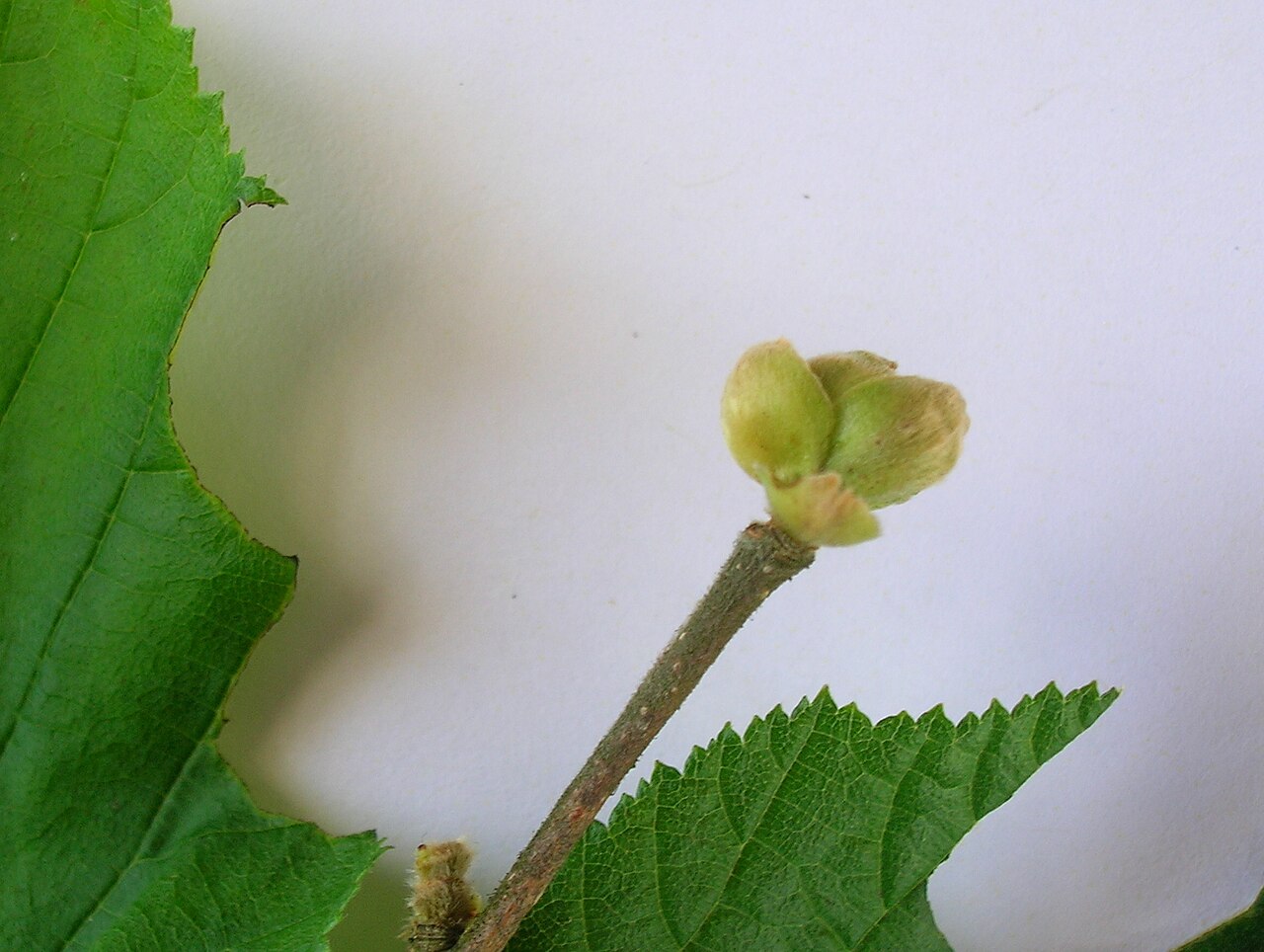
Beware of sales of 'cheap' seedlings of unknown origin
The greatest economic damage does not occur at planting, but years later. Seedlings without a declaration, plant passport, and clear cultivar can introduce disease into the orchard and endanger neighboring plants. Savings at purchase are lost many times over through a ruined orchard and lost years to bearing.
Age and size of seedlings
One-year-old, two-year-old, and three-year-old seedlings are available on the market. For establishing a new orchard, two-year-old seedlings are most commonly recommended: they have a more developed root system and above-ground part, ensuring better establishment and faster entry into production. Two-year-old seedlings have a stronger stem and more developed lateral branches, making them more resilient; one-year-old seedlings are more sensitive.
Guidelines for a quality seedling
| Parameter | Approximate Value | Note |
|---|---|---|
| Seedling diameter (thickness) | 10–15 mm | Quality seedling, preferably two-year-old |
| Age | 2 years (preferred) | Better establishment and earlier bearing; 1-year-old seedlings are more sensitive |
| Minimum height (1-year-old, under older standard) | ≥ 1 m | According to Ordinance NN 56/99 for one-year-old seedlings |
| Roots (1-year-old) | three well-developed roots, min. length 25 cm | Well-branched, moist root system |
| Diameter (1-year-old, under older standard) | min. 10 mm | — |
| Two-year-old seedlings | 3–4 well-distributed primary branches | Developed, balanced canopy |
Figures are approximate and depend on the standard and cultivar
The values cited originate from Croatian literature and regulations (NN 56/99 and more recent Ministry of Agriculture guidelines) and may vary depending on the cultivar, propagation method (own root vs. grafted on Turkish hazel Corylus colurna), and current regulations. Request confirmation from the nursery that the seedlings meet basic quality requirements and verify the current standard.
Own root or grafted on Turkish hazel?
Countries leading in hazelnut cultivation traditionally grow hazelnut on own root and establish orchards this way — grafting is not necessary for such plants. There is a growing trend of growing trees grafted on Turkish hazel (Corylus colurna) in intensive production: the tree occupies less space than a shrub, allows for denser planting and better mechanization, has fewer root suckers ("water sprouts"), and offers better canopy light penetration, resulting in higher quality nuts. The disadvantage is usually the higher price of the seedling. Make your decision based on the training system, mechanization, and cultivar assortment — and verify that the graft union (for grafted seedlings) is firm and well-fused.
Control upon receipt
The moment of receipt is the last opportunity to reject unsuitable material at no cost. Perform the control systematically, piece by piece, before signing the delivery receipt.
Checklist upon receipt
- Check documentation. Declaration/certificate, plant passport, delivery note, and invoice — the cultivar, category, number of pieces, and origin must match the order.
- Cultivar composition and pollinizers. The number of pieces per cultivar matches the orchard plan; pollinizer cultivars are delivered in sufficient proportion and correctly labeled.
- Roots. Moist, fresh, well-developed, and branched; free from drying, rot, and breakage. Reject seedlings that have been stored "dry" for too long.
- Stem, bark, and buds. Free from damage, wounds, necrosis, and suspicious deformations; buds are healthy.
- Diameter and age. Seedlings match the agreed age (e.g., two-year-old) and thickness (~10–15 mm); the shipment is uniform.
- Graft union (for grafted seedlings) — firmly fused, without cracks.
- Number and quality — count the pieces and separate damaged/suspicious ones for claims.
Actions immediately after receipt
- Protecting roots from drying out is critical immediately upon receipt and during transport (moist substrate, foil/bags, shade). Dried-out roots are the most common cause of poor establishment.
- Temporary heeling-in — if planting is not immediate, heel in the seedlings in moist, loose soil (a trench) in a protected place, with roots covered and moist, until planting time.
- Preparation for planting — upon digging/receipt, sharply trim the roots (approximately to 20–25 cm) and remove all damaged and dry root material; roots can be dipped in a slurry of clay, manure, and water for better establishment. (Dosages and procedures are informative — adjust to the cultivar and nursery recommendations.)
- Planting time — most commonly in autumn, while vegetation is dormant (November–December), and partly in early spring.
Most common planting mistake: planting too deep
Plant the seedling at the same depth it was in the nursery. A seedling planted too deeply grows poorly and remains dormant for the first 2–3 years, delaying entry into production. This is not a defect of the seedling, but a planting error — but it directly negates the quality of the purchased material.
Practical recommendations and common mistakes
Recommendations
- Purchase declared, certified (or at least CAC) seedlings from a registered, supervised nursery and keep all documentation.
- Plan and order at least three cross-pollinating cultivars adapted to the climate, with an even number of rows per cultivar.
- For the orchard, choose two-year-old seedlings with a diameter of ~10–15 mm and well-developed, moist roots.
- Perform a visual inspection of each seedling upon receipt and reject damaged, dried-out, or suspicious ones.
- Protect roots from drying out from receipt until planting; plant at the same depth as in the nursery.
Common mistakes
- Buying "cheap" seedlings without declaration, plant passport, and clear cultivar identification.
- Neglecting pollinizers (one cultivar = no pollination = no yield).
- Choosing one-year-old seedlings to save money, resulting in poorer establishment and slower bearing.
- Allowing roots to remain dry during transport and waiting.
- Planting too deep.
- Lack of visual inspection and reliance solely on "paperwork" (or vice versa).
Sources
This article is an AI summary generated from an internal literature collection on hazelnut (RAG corpus) and public sources. Values, dosages, and timelines are informative; verify with official sources and advisory services before application. Main sources used:
- Ordinance on placing reproductive planting material and seedlings intended for fruit production on the market (NN 9/17 and amendments; previously NN 124/06, 100/09; NN 39/2020) — Narodne novine: https://narodne-novine.nn.hr/clanci/sluzbeni/2009_08_100_2572.html and https://narodne-novine.nn.hr/clanci/sluzbeni/2020_04_39_828.html
- Ordinance on basic quality requirements for planting material… (NN 56/99) — basic requirements for one-year-old and two-year-old seedlings (RAG corpus)
- Ministry of Agriculture / Advisory Service: Hazelnut Cultivation — GUIDE FOR… (2024) and From planting to harvest of hazelnut — https://savjetodavna.mps.hr/2017/10/24/od-sadnje-do-berbe-lijeske/
- Handbook on Nursery Production (CROSS TREE, 2020) — https://www.poljinos.hr/wp-content/uploads/2022/10/Prirucnik-o-rasadnicarskoj-proizvodnji.pdf
- Business Plan for Hazelnut Seedling Production (Poljinos, 2019) — https://www.poljinos.hr/wp-content/uploads/2022/05/PP-za-proizvodnju-sadnica-lijeske1.pdf
- EPPO standards for hazelnut certification and health (RAG corpus)
- Cultivar selection and training systems for hazelnut, Agricultural Gazette 5/2009 (RAG corpus)
- Economic analysis / profitability of hazelnut production (RAG corpus); Šoškić (2006.), Krpina et al. (2004.)
- Hazelnut — specifics of planting and cultivation, Gospodarski list; Vrtlarica — https://www.vrtlarica.com/ljesnjak/
- Bountiful Acres: What to Check for when Buying Plants from a Nursery — https://bountifulacres.com/blog/what-to-check-for-when-buying-plants-from-a-nursery/
- Agroklub: Labels, sealing, and packaging of reproductive material and fruit seedlings — https://www.agroklub.com/vocarstvo/oznake-pecacenje-i-pakiranje-reprodukcijskog-materijala-i-sadnica-voca/57767/