Organic Fertilization, Compost, and Soil Biology
Content generated by artificial intelligence — verify before application
This article was automatically compiled from a collection of hazelnut literature using artificial intelligence and may contain errors or outdated data. It serves as a starting point for further research, not as professional advice. Dosages, products, and timing are informative and depend on the cultivar, location, and current regulations — always consult with an advisory service and official sources before application.
Mineral (NPK) fertilization feeds the plant, but organic fertilization feeds the soil — and in hazelnut cultivation, it is living, structured, and humus-rich soil that forms the foundation of long-term productivity. Hazelnut is a perennial crop that remains in the same area for 30, 40, or more years, has a shallow and branched root system, and forms a symbiosis with mycorrhizal fungi. All of this makes it particularly dependent on soil organic matter. This article explains how to maintain soil organic matter, microbial activity, and soil structure using manure, compost, and other organic amendments — from ameliorative fertilization before planting to regular maintenance in a bearing orchard, with approximate quantities and practical recommendations.
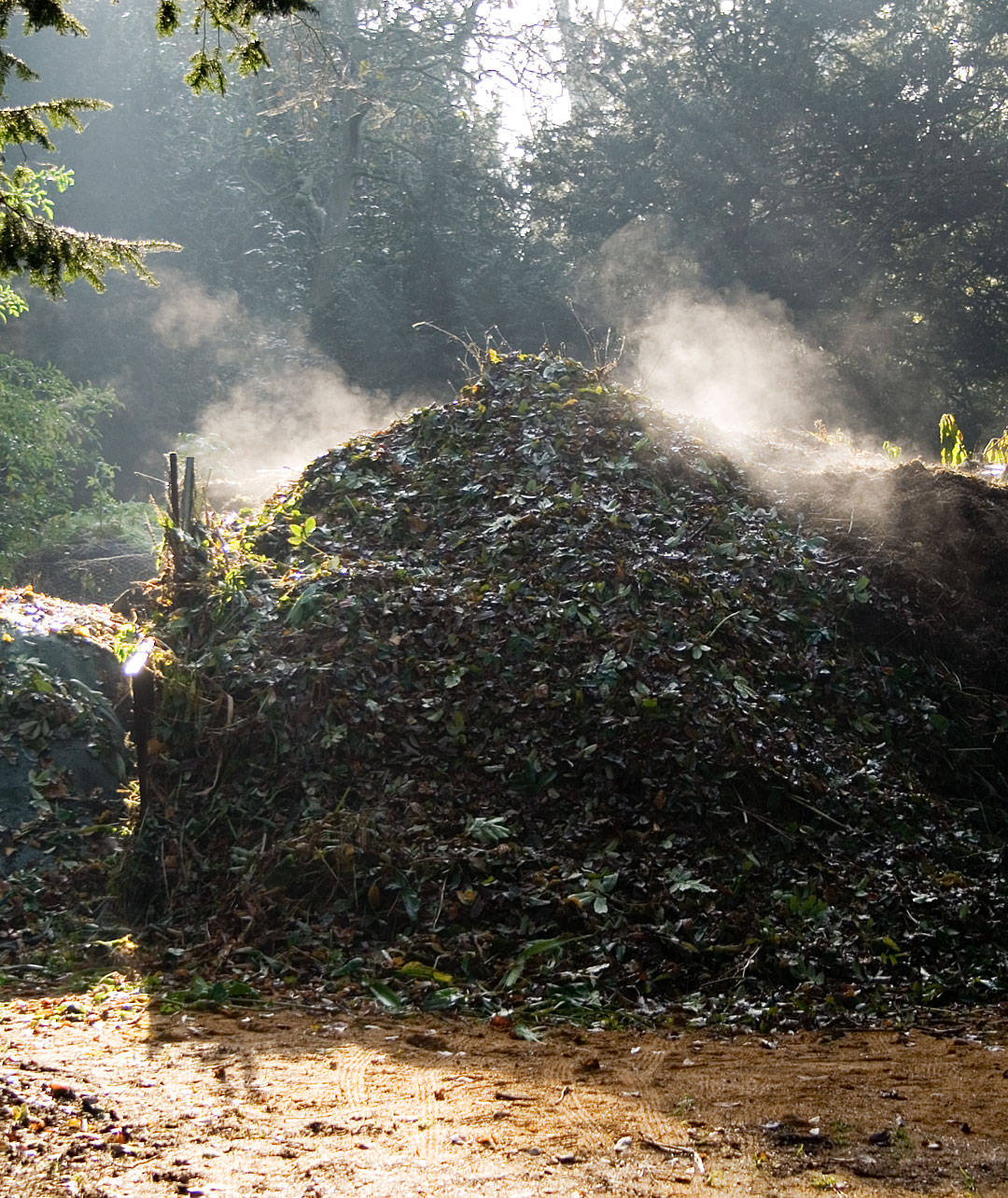
Why organic matter is crucial specifically for hazelnut
Soil organic matter supply has special significance in hazelnut cultivation because it directly contributes to improved soil microbial activity and ectotrophic mycorrhizal activity on hazelnut roots. Hazelnut is a plant that naturally forms a symbiosis with ectomycorrhizal fungi; these fungi envelop fine roots and significantly increase the surface area through which the plant absorbs water and nutrients (especially phosphorus and micronutrients), and in return, receive carbon from the plant. Mycorrhiza functions well only in soil that is aerated, moist, and rich in organic matter — which is exactly what organic fertilization ensures.
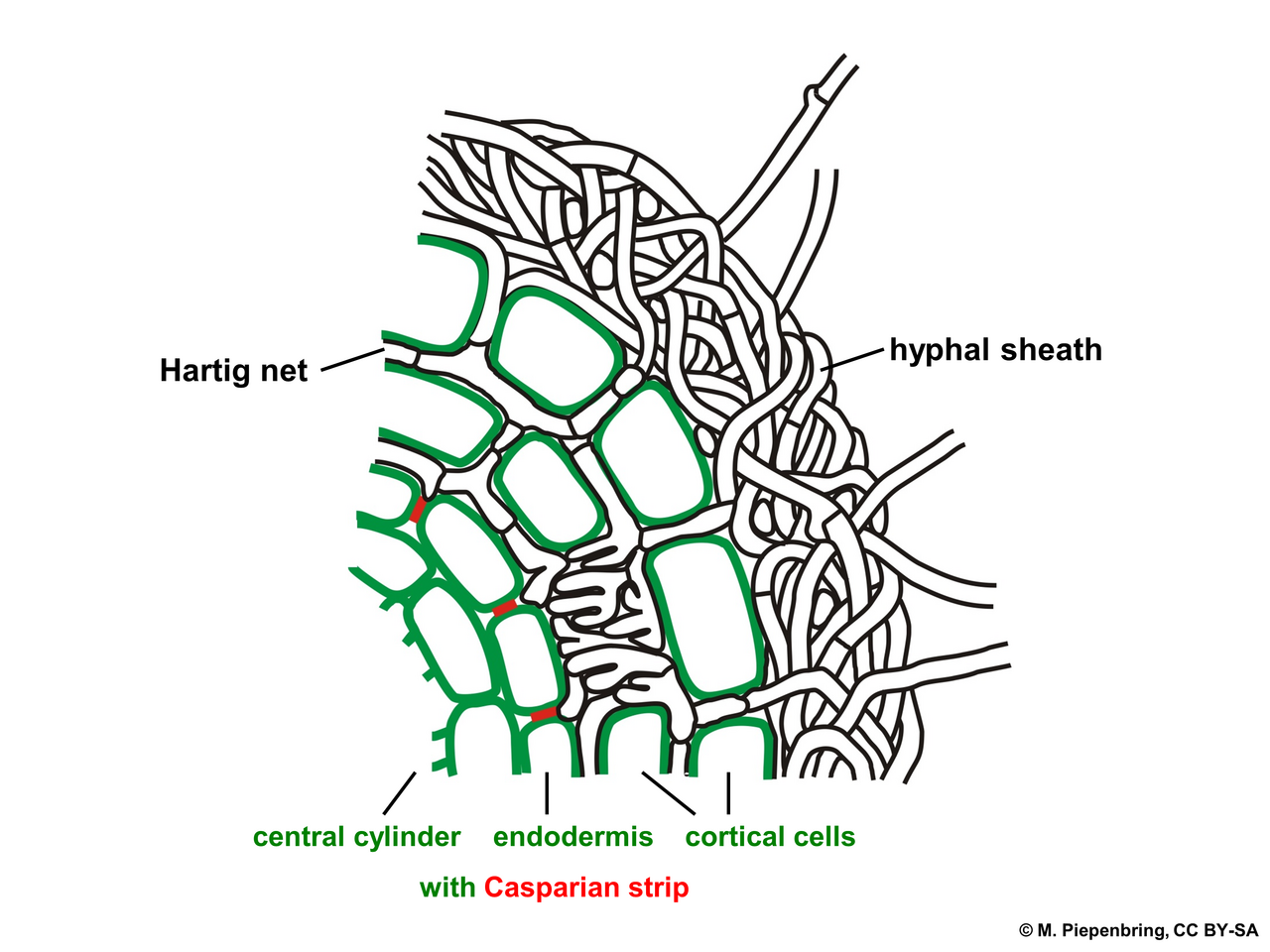
Organic matter (humus) in the soil acts on multiple levels simultaneously:
- Biologically — it feeds and stimulates microorganisms (bacteria, fungi, earthworms) that decompose organic matter, release nutrients in a plant-available form (mineralization), and participate in suppressing certain soil-borne diseases.
- Physically (structure) — it improves soil structure, increases the proportion of stable crumb aggregates, improves aeration in heavy (clay) soils, and enhances water retention in light (sandy) soils.
- Chemically — it increases the soil's capacity to retain nutrients (cation exchange capacity), acts as a "reservoir" for nitrogen that is released gradually, and buffers pH.
Most Croatian soils have an organic matter content ranging from 1 to 5 %. The goal of organic fertilization is not to "feed" the orchard in one go, but to maintain or increase this proportion over the long term, as organic matter in the soil is constantly consumed through mineralization and cultivation.
Organic fertilizers have few nutrients but are applied in large doses
Unlike mineral fertilizers, organic amendments (manure, compost, peat) have a relatively low and slowly available nutrient content. Therefore, their main role is not rapid "top-dressing" but raising and maintaining soil organic fertility and structure, so they can be applied in large quantities. In practice, they are combined with mineral and foliar fertilization, not excluded (except in organic production).
Ameliorative (pre-planting) organic fertilization
You have the greatest and most important opportunity to introduce organic matter before establishing the orchard, while the soil can still be deeply tilled and the amendment mixed evenly throughout the profile. After planting, this is no longer possible because you would damage the shallow root system. Therefore, ameliorative fertilization should be viewed as a one-time investment in the orchard's foundation.
The amount of composted manure is determined by soil analysis (existing humus content), but approximate recommendations from literature are as follows:
| Measure | Approximate Quantity | Note |
|---|---|---|
| Composted manure before plowing (amelioration) | 30,000–40,000 kg/ha (30–40 t/ha) | Depends on soil findings; applied before deep plowing |
| Farmyard manure — alternative recommendation | approx. 40 t/ha | Can be applied at/d after planting, with deeper plowing in the first years |
| Manure for raising organic matter (general soil) | 20–40 t/ha | At organic matter content of 1–5 % |
| Manure/peat in planting hole (home gardens, replanting) | 2–4 kg manure or 5–10 L peat per hole | For individual planting |
If you do not have the possibility of ameliorative fertilization with manure, literature explicitly recommends an alternative: sowing cover crops for green manure in the inter-row space during the first three years (see below), so that organic matter is built up biologically.
Along with organic fertilization, soil pH must also be addressed as part of amelioration: on acidic soils, liming materials are applied (approx. 4–12 t/ha CaCO₃), and phosphorus and potassium are brought to the level of optimal supply and plowed to a depth of up to 45 cm. This creates a favorable environment for both mycorrhiza and soil microbiology.
Regular (maintenance) organic fertilization in a bearing orchard
Once the orchard is planted, organic matter can no longer be plowed in, so it is maintained by regular surface application of smaller amounts that are then lightly incorporated with shallow cultivation or left as mulch.
The corpus of knowledge yields several practical patterns:
- Annual application: In a bearing orchard, apply approx. 5,000 kg/ha of composted manure every year as a "maintenance" dose that replenishes consumed organic matter.
- Periodic application: Alternatively, manure is applied every 3–4 years. Due to better degradability, it is recommended to apply smaller amounts more frequently rather than large amounts infrequently.
- Organic/home garden: Mature trees in smaller, extensive orchards are sufficient to fertilize every two years.
Dynamics are also important: the application of organic fertilizers depends on the state and quantity of humus in the soil and on the method of maintaining the surface layer. If the orchard is not grassed (kept in "black fallow"), regular application of organic fertilizers is even more important because organic matter in bare soil decomposes and leaches faster. In grassed orchards, part of the organic matter is provided by the grass mixture itself (see the chapter on green manure).
Watch out for shallow roots
Hazelnut feeds largely through shallow roots. When applying and incorporating organic fertilizers, avoid deep cultivation in the canopy zone that would damage this root system. Liquid organic fertilizers can be applied by drilling holes around the trunk or watering in a wider band around the trunk.
Types of organic amendments
Farmyard manure (manure)
The most classic and common organic amendment. It contains nitrogen, phosphorus, potassium, and micronutrients, but releases them slowly over several years. The quality and composition of manure vary greatly depending on the type of livestock, bedding, and storage method.
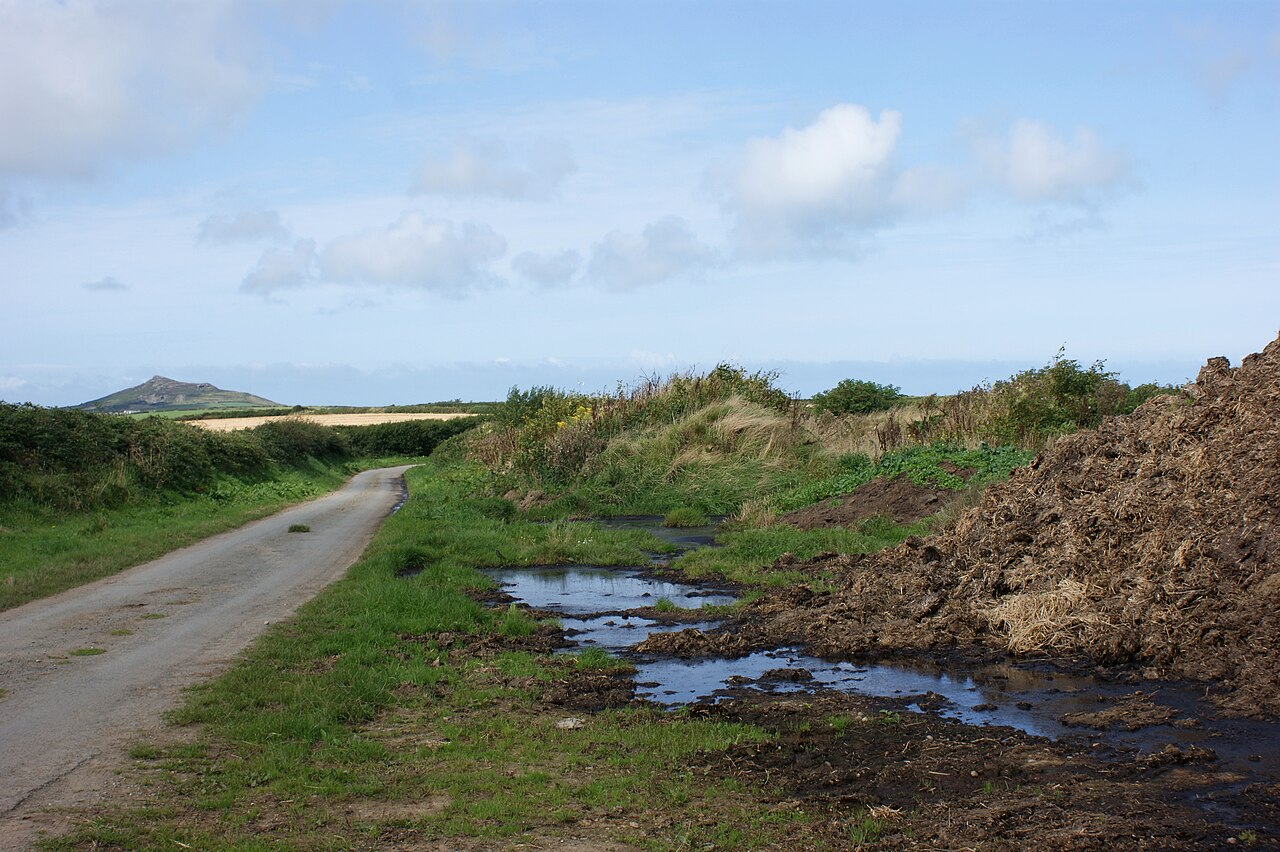
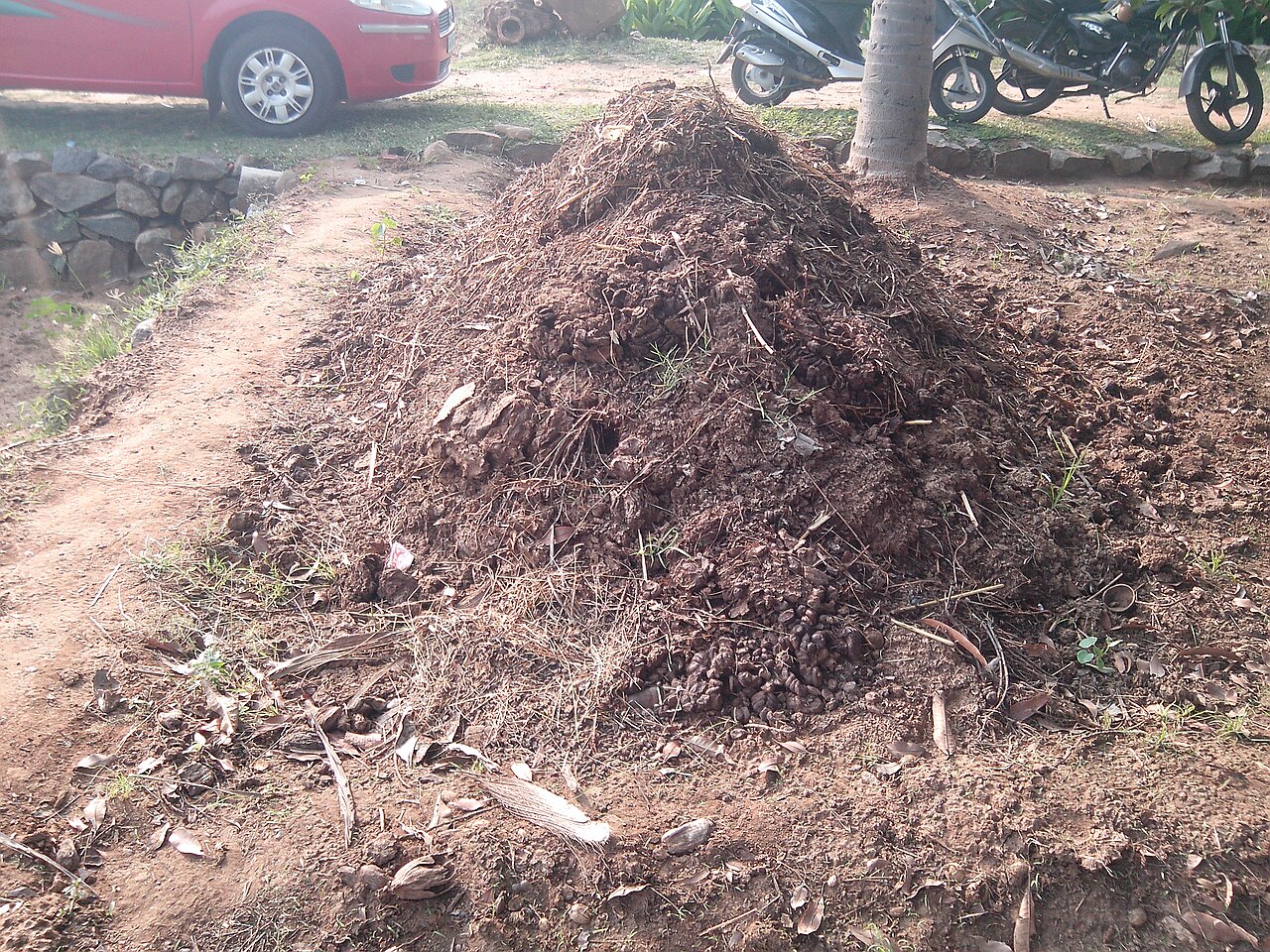
- Always use mature (composted) manure. Fresh manure can "burn" roots, introduce weed seeds, and temporarily bind nitrogen during decomposition. Literature consistently refers to "composted manure."
- Poultry (poultry) manure is more concentrated (more nitrogen) — it is used in smaller quantities and must be well matured; in organic cultivation, origin from organic farming is required.
- Pelleted manure fertilizers are becoming a more common practical alternative: they have standardized composition, are easier to apply and dose, and can be enriched with micronutrients if necessary.
Compost
Compost is decomposed and stabilized organic matter obtained through controlled decomposition of plant and other organic residues. It is extremely valuable for soil structure and biology. Approximate compost doses listed in literature for fruit/vegetables range around 3–10 L/m².
A special opportunity in hazelnut is composting your own pruning: after hazelnut pruning, the shredded material can be composted on-site or used as a soil conditioner by plowing — thereby closing the organic matter cycle on the farm.
Peat and other amendments
- Peat — used especially during planting (5–10 L per planting hole) and on light soils to retain water.
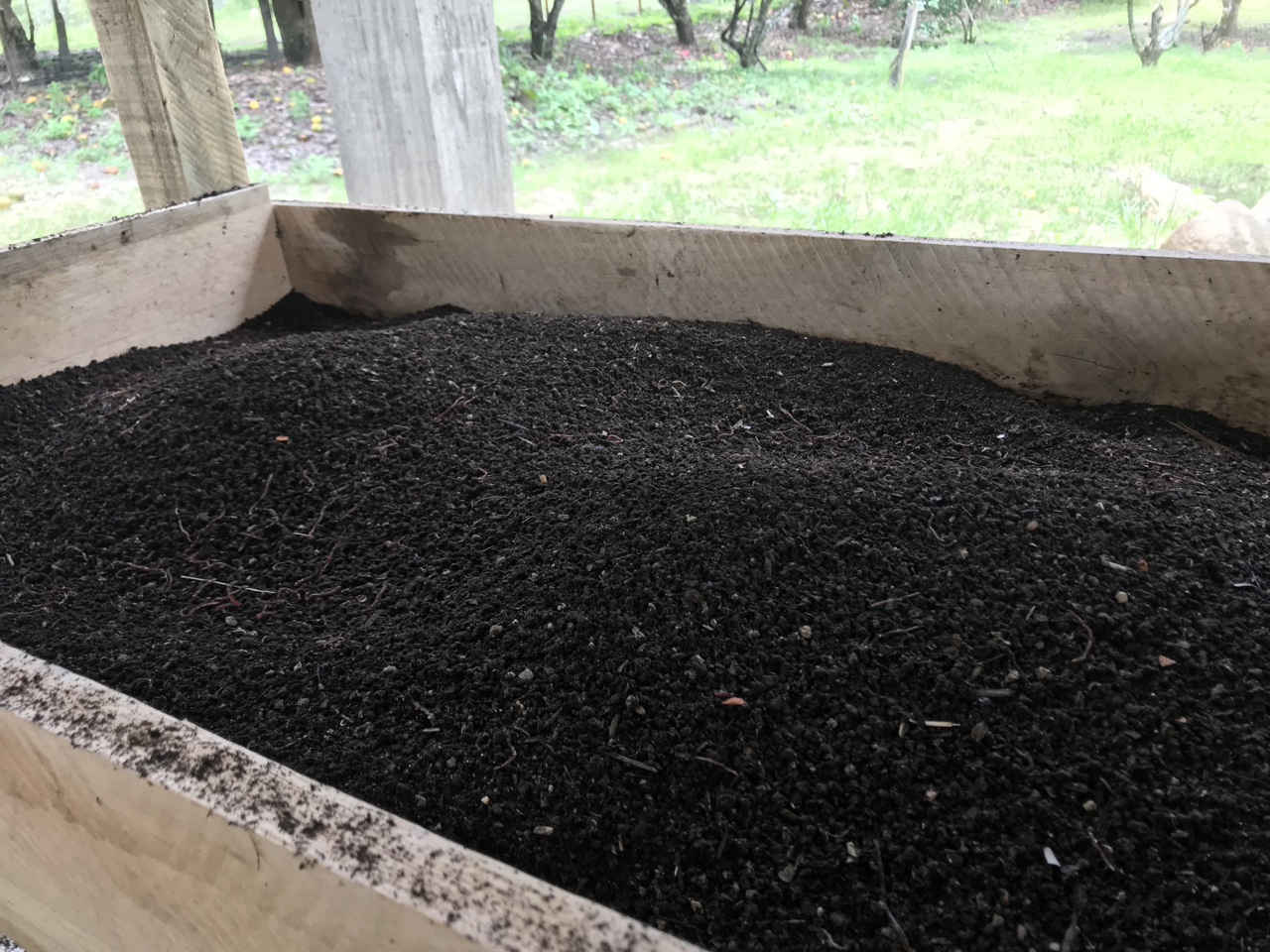
- Wood bark compost, straw, seaweed and seaweed products, vermicompost (worm castings) — all are cited as acceptable sources of organic matter, especially in organic cultivation.
- Liquid plant fertilizers — e.g., fermented mixture of nettle, comfrey, and elder leaves, which acts as both a mild top-dressing and a biostimulator.
Green manure (sideration)
Green manure means sowing plants that are then plowed in or mulched to enrich the soil with organic matter and nitrogen. In hazelnut, this is a key measure, especially where manure is unavailable:
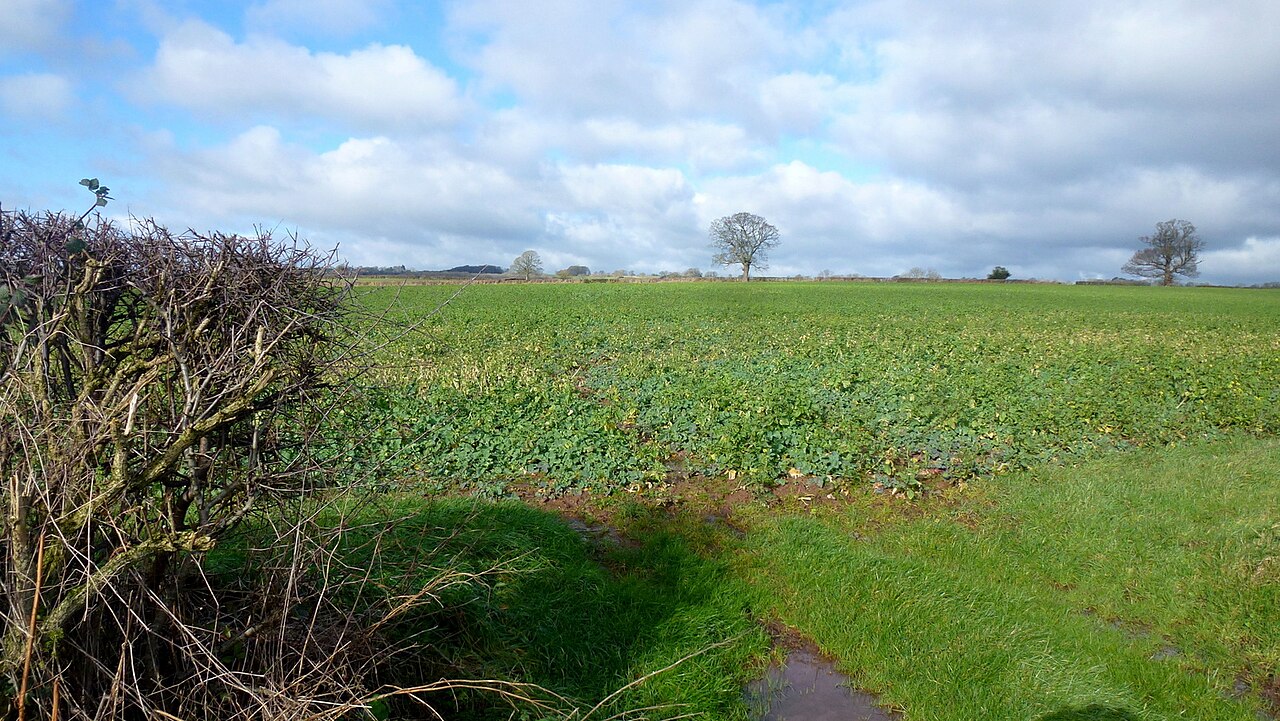
- In the first three years, cover crops for green manure are sown in the inter-row space (literature cites this as a substitute for ameliorative manure fertilization).
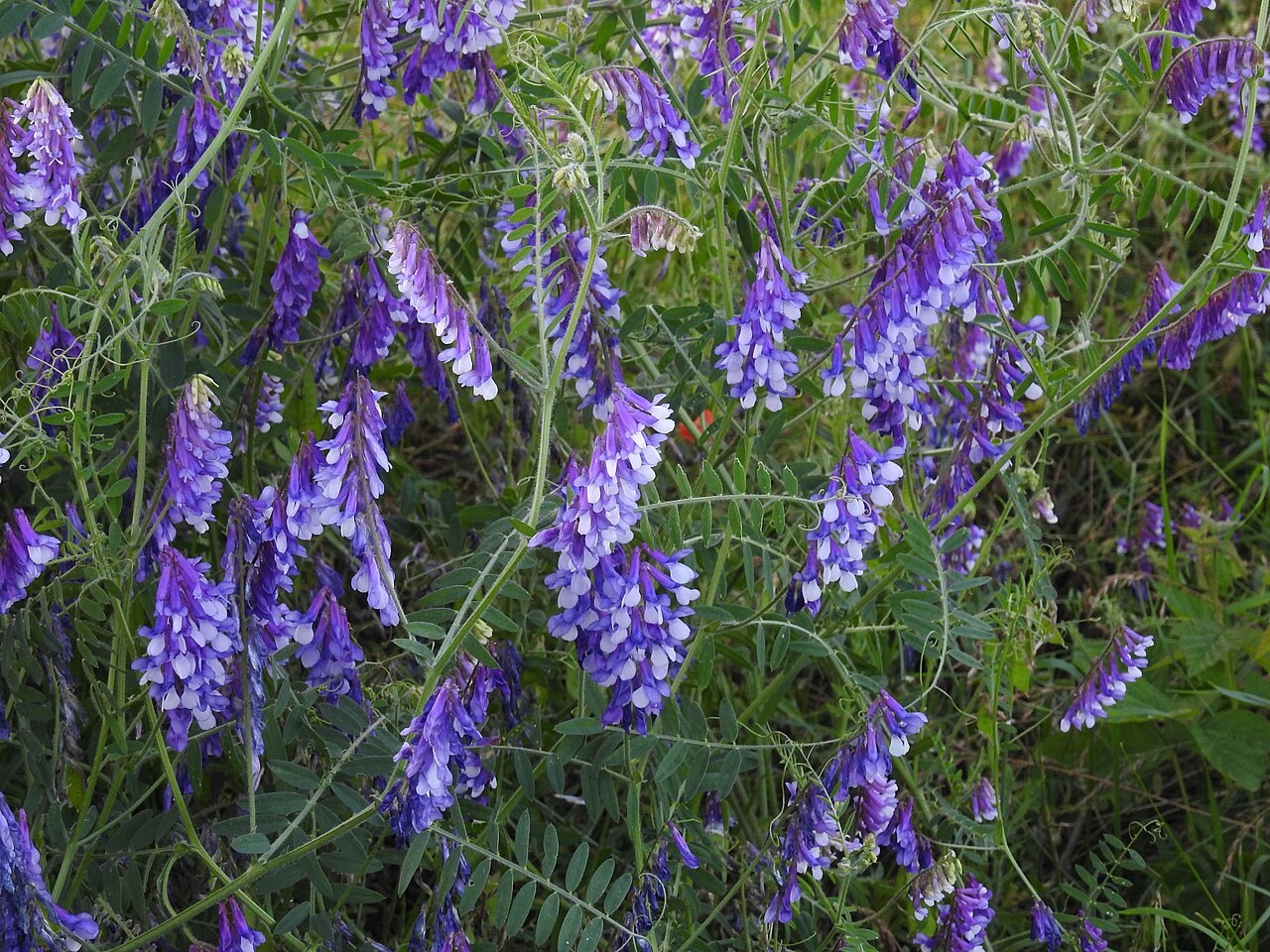
- Useful crops (from web sources): vetch (vicia), wild pea, oats, and other legumes + grasses; legumes also fix atmospheric nitrogen.
- Green biomass simultaneously protects the soil from erosion, stimulates microbiology, and feeds earthworms.
Organic Amendments and Soil Biology
The main difference between organic and purely mineral fertilization is that organic fertilization builds a living soil system:
- Microorganisms (bacteria and fungi) break down organic matter and convert bound nutrients into plant-available forms. Without this activity, nutrients from organic fertilizers remain "locked up."
- Mycorrhiza — as already emphasized, abundant organic matter favors ectotrophic mycorrhiza in hazelnut, improving the plant's uptake of water, phosphorus, and micronutrients, as well as stress resistance.
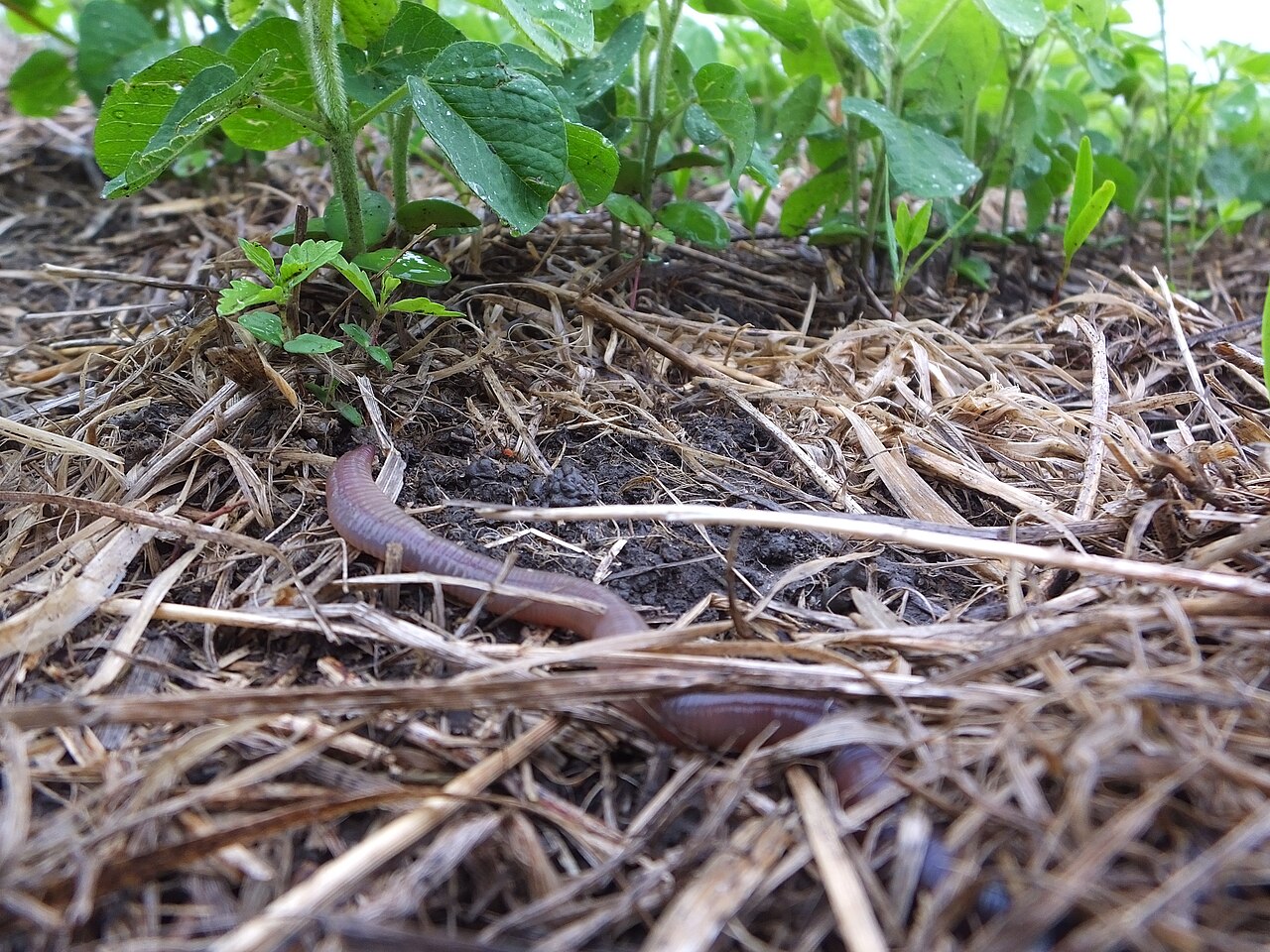
- Earthworms and mesofauna further mix and aerate the soil and create stable aggregates.
- Disease suppression — a rich and diverse microbial community can act suppressively against some soil pathogens.
Research (e.g., on the effects of living cover / grassy interrows on hazelnut orchard microbial communities, and on the effects of hazelnut husk compost, peat, manure, and poultry manure) shows that different organic materials have different effects: poultry and manure mainly alter the chemical properties of the soil, while husk compost and peat have a greater impact on physical properties (structure, water retention). This is an argument for combining multiple types of amendments rather than relying on just one.
Application Calendar and Organization
| Period | Measure | Rationale |
|---|---|---|
| Before orchard establishment (autumn or early spring) | Meliorative application of manure/compost + liming, deep plowing | The only opportunity for application throughout the entire profile |
| First 3 years (young orchard) | Green fertilization in interrows; compost around the trunk if needed | Building organic matter while the root system is not yet fully developed |
| Autumn / after harvest (bearing orchard) | Surface application of mature manure/compost, shallow incorporation or mulching | Nutrients and organic matter for the next season; soil is less compacted by traffic |
| During the growing season | Liquid organic fertilizers / biostimulants, maintaining grass cover | Mild top-dressing and support for soil biology under stress |
Practical Recommendations and Common Mistakes
- Fertilize based on soil analysis, not "by eye." Humus, pH, and nutrient analysis determine actual needs and prevent both deficiency and harmful excess.
- Never use fresh manure. Use only mature/composted material to avoid root damage, weeds, and temporary nitrogen immobilization.
- Better more often in smaller amounts than rarely in large amounts (in bearing orchards) — smaller doses decompose better and feed the soil more evenly.
- Do not forget pH. Mycorrhiza, microbiology, and nutrient availability depend on soil reaction; the target pH for hazelnut is approximately 6.0–6.5.
- Do not mix incompatible products. For example, calcium fertilizers (based on CaCO₃) must not be mixed with phosphate fertilizers (superphosphates) because insoluble calcium phosphates form, reducing effectiveness.
- Utilize your own pruning residues and cover crops. Chopped pruning material and grassy interrows are a free and high-quality source of organic matter.
- In organic production, use only approved sources and observe regulatory prohibitions (e.g., restrictions on applying solid manure to grasslands during certain periods of the year). Manure and compost from organic farming, vermicompost, algae, and commercial organic fertilizers approved by the authorized control body may be used.
Dosages are indicative
All quantities mentioned (t/ha, kg, L) are approximate and taken from hazelnut literature and general sources. Actual dosages depend on soil analysis results, the type and composition of the specific amendment, soil type, orchard age and productivity, and applicable regulations (especially in organic production). Before application, consult with advisory services and check the product label/declaration.
Gallery
Sources
This article is an AI-generated summary compiled from an internal collection of hazelnut literature (RAG corpus) and publicly available sources. The content is synthesized from multiple sources and may contain errors; the quantities mentioned are indicative. Main sources used:
- Environmental Protection Elaborate — Establishment of a permanent hazelnut and plum orchard (Grubišno Polje), 2020. — bbz.hr (PDF)
- Hazelnut Cultivation: Grower's Guide, Ministry of Agriculture, 2024. (RAG corpus)
- PDF "Hazelnut Cultivation" (pdfcoffee), 2009. (RAG corpus)
- "Autumn Fertilization of Woody Crops", Plant Protection Gazette, 2015. — doi.org/10.31727/gzb
- "State and Trends in Hazelnut Production and Consumption", 2017. — doi.org/10.31727/gzb.42.3.9
- Huzjak, A.: Technology and Economics of Organic Hazelnut Production at Hobolić Alen Family Farm, 2021. (RAG corpus)
- Update of Calculations for Measure 11 — Organic Cultivation, 2022. (RAG corpus)
- Technological Guide for Foliar Fertilization of Hazelnut, 2021. — gnojidba.info (PDF)
- Hazelnut Cultivation — Agricultural Forum (RAG corpus)
- Hazelnut Hub: Essential Guide to Organic Hazelnut Farming Practices — hazelnuthub.com
- Frontiers in Plant Science: Effects of Living Cover on the Soil Microbial Communities and Ecosystem Functions of Hazelnut Orchards — frontiersin.org
- ISHS: The Effects of Hazelnut Husk and Other Organic Materials on Hazelnut Yield, Soil Properties and Quality — ishs.org
- Gospodarski list: Organic Fertilization — gospodarski.hr
Recommended equipment
🔎 fruit tree fertilizer — Amazon →Affiliate links — we may earn a small commission at no extra cost to you.