Rejuvenation and Renewal of Old Orchards Through Pruning
Content generated by artificial intelligence — verify before application
This article was automatically compiled from a collection of hazelnut literature using artificial intelligence and may contain errors or outdated information. It serves as a starting point for further research, not as professional advice. Dosages, products, and timing are informative and depend on the cultivar, location, and current regulations — always consult with an advisory service and official sources before application.
Hazelnut (Corylus avellana L.) is a perennial orchard crop that, with regular care, produces for decades. However, its productivity gradually declines as the bush or tree ages, becomes denser, and shades its own interior. Since hazelnuts produce almost exclusively on one-year-old shoots and are typically light-loving (heliofitic), old and neglected orchards lose their yield potential very quickly: the bare "old" wood elongates, one-year-old growth shortens, and canopy illumination decreases. The good news is that hazelnut responds to pruning very quickly and reliably: strong new shoots regularly emerge from dormant buds and from the base of the bush. It is precisely this regenerative capacity that forms the basis of rejuvenation — whether through the gradual replacement of leaders or radical pruning "to the stump." This article explains the techniques, scheduling, and common mistakes in renewing the productivity of neglected orchards.
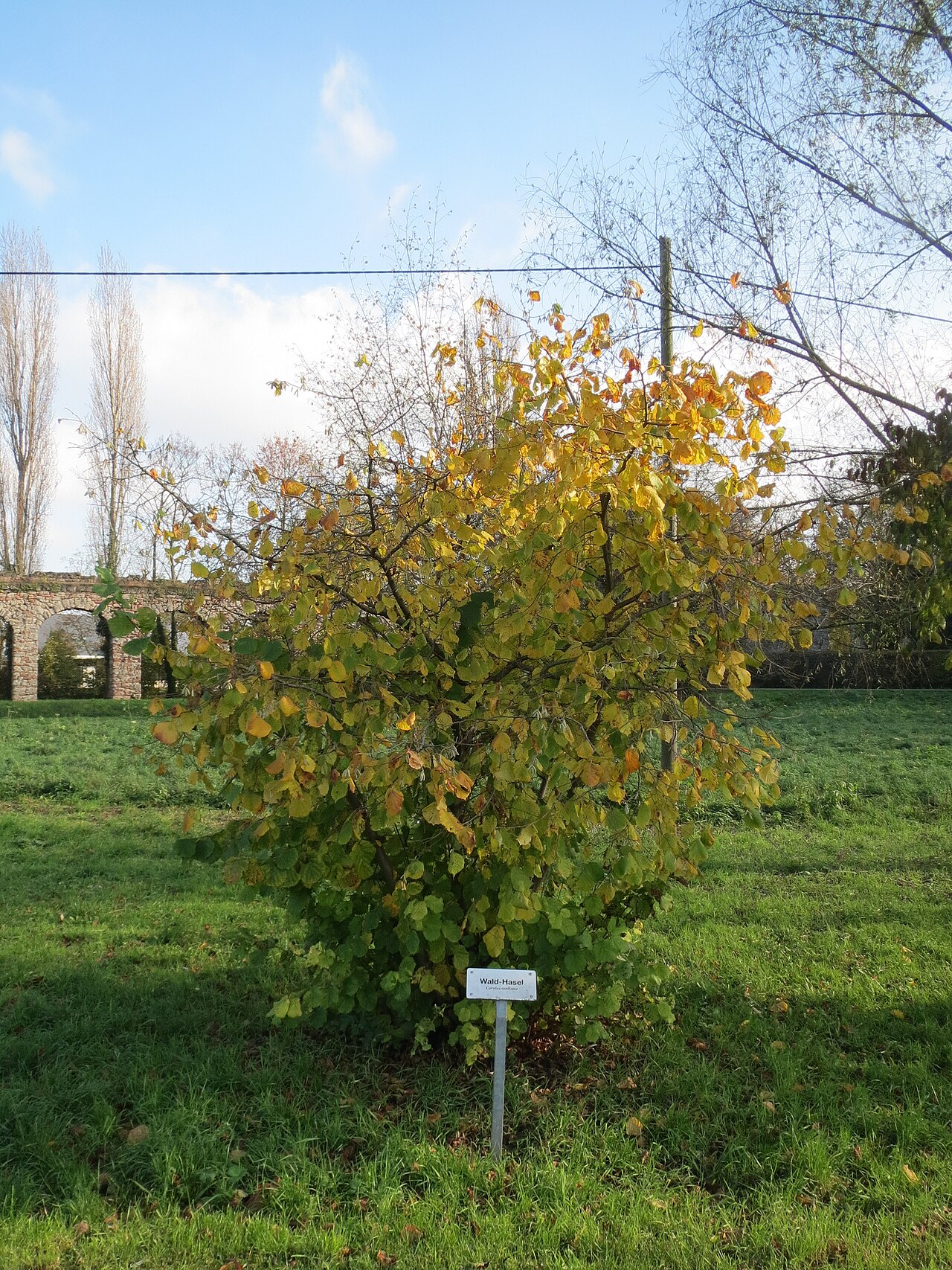
When is an orchard "old" or "neglected"?
Age expressed in years should be viewed only as an orientation — condition, not the number, is decisive. Literature presents a range: some sources cite a decline in productivity and the need for rejuvenation as early as 10–12 years, others only after 15–20 years, and for bushes grown from multiple seedlings, after 18–20 years. The reason for this range is that the lifespan of productive wood is not unlimited: small lateral fruiting twigs live approximately 6–10 years, and when they die, they are renewed by pruning.
Practical indicators that it is time for intervention:
- Short one-year-old shoots. The key criterion. If the length of one-year-old shoots falls below ~20 cm, productivity weakens and pruning is required (the goal is an abundance of shoots 20–40 cm long).
- Decline in yield despite proper fertilization and protection.
- Dense, shaded canopy — only the periphery and tops produce, while the interior is bare.
- Abundance of suckers (water sprouts, "shiba") from the base and roots that drain energy without producing fruit.
- Large amounts of dry, broken, or diseased wood.
| Orchard Condition | Typical Description | Recommended Approach |
|---|---|---|
| Slightly neglected | Decline in yield, shoots 15–20 cm, moderate thickening | Enhanced thinning + replacement of 1–2 branches/year. |
| Moderately neglected | Bare interior, many suckers, shoots <15 cm | Gradual renewal over 3–4 years (replacement of ~1/3 branches annually) |
| Heavily neglected / abandoned | Overcrowded, lots of old and dry wood, poor yield | Lowering the bush to 1.2–1.5 m or pruning to the stump |
| Diseased (bacterial blight, canker) | Branches/trunks drying out | Sanitary pruning + disinfection, removal of entire trees (see below) |
Timing of Pruning
- Main (winter) pruning is performed during dormancy, ideally immediately after leaf fall. In continental climates, the second half of January or early February is often recommended, as wounds heal best then. Foreign guidelines suggest a window of December–February.
- Pruning at the stage of female flower blooming has a practical advantage: it is clearly visible what is productive (red stigmas), avoiding the accidental removal of fruiting wood. This is particularly useful for heavier pruning, which some recommend every third year.
- Summer (green) pruning must be gradual to avoid removing too much leaf area at once; it serves to remove suckers and improve illumination and aeration.
Important rule: One-year-old twigs are generally not shortened (they are the fruiting organ); only excessively long (over ~45 cm) extensions of scaffold branches are shortened. Cuts are made "to an outer bud."
Technique 1 — Gradual Replacement of Leaders (Scaffold Branches)
This is the safest, "conservative" method because the orchard does not remain without yield. The principle is simple: old, over-aged fruiting branches are systematically replaced by young shoots from the base of the bush, spread over several years.
Procedure (bush training):
- Each year, remove 2–3 of the oldest/over-aged scaffold branches (leaders) by cutting them at the base ("to the stump," i.e., at the ring).
- As a replacement, retain an equal number of strong, well-spaced basal shoots that have grown near the center of the bush; remove the rest of the suckers.
- Young scaffold branches can be lightly shortened to stimulate lateral (fruiting) shoots.
- Repeat the cycle until the entire bush is renewed.
Several sources state that bush rejuvenation takes approximately 3 years, during which about 1/3 of the older branches are removed each year, so that the entire bush is renewed after three years. Other sources for milder rejuvenation cite the removal of 1–2 branches annually.
| Parameter | Approximate Value | Note |
|---|---|---|
| Proportion of wood removed in one year | ~1/3 (maximum) | Foreign guidelines: no more than 1/3 annually |
| Number of old leaders replaced annually | 2–3 | Depends on bush size |
| Duration of renewal | 3–4 years | Gradual, without shocking the plant |
| Number of fruit-bearing shoots (suckers) in the bush | 4–6 (often 4–5) | Remove remaining suckers regularly |
Key figure to remember: no more than 1/3 of total wood in one year. This applies to both bushes and trees.
For trees (trunk training), pruning is otherwise minimal — the canopy is thinned and the growth of scaffold branches is directed — so rejuvenation is reduced to thinning and the gradual replacement of individual scaffold branches, along with consistent removal of suckers, because trees do not have basal shoots as a replacement in the same way bushes do.
Technique 2 — Lowering the Bush (Moderately Radical Intervention)
For older and heavily neglected bushes, a middle ground between gradual replacement and complete pruning to the stump is recommended: shortening the entire bush to a height of 1.2–1.5 m from the ground, after which the bush is slowly renewed by lightly thinning excess branches. Similarly, the classic "rejuvenation technique" from older literature consists of shortening branches to ~50–60 cm from the soil surface, carried out gradually over 3–4 years.
The advantage of this intervention: it significantly stimulates the growth of new shoots, yet does not remove all above-ground mass at once, so recovery is faster and safer than with pruning to the stump.
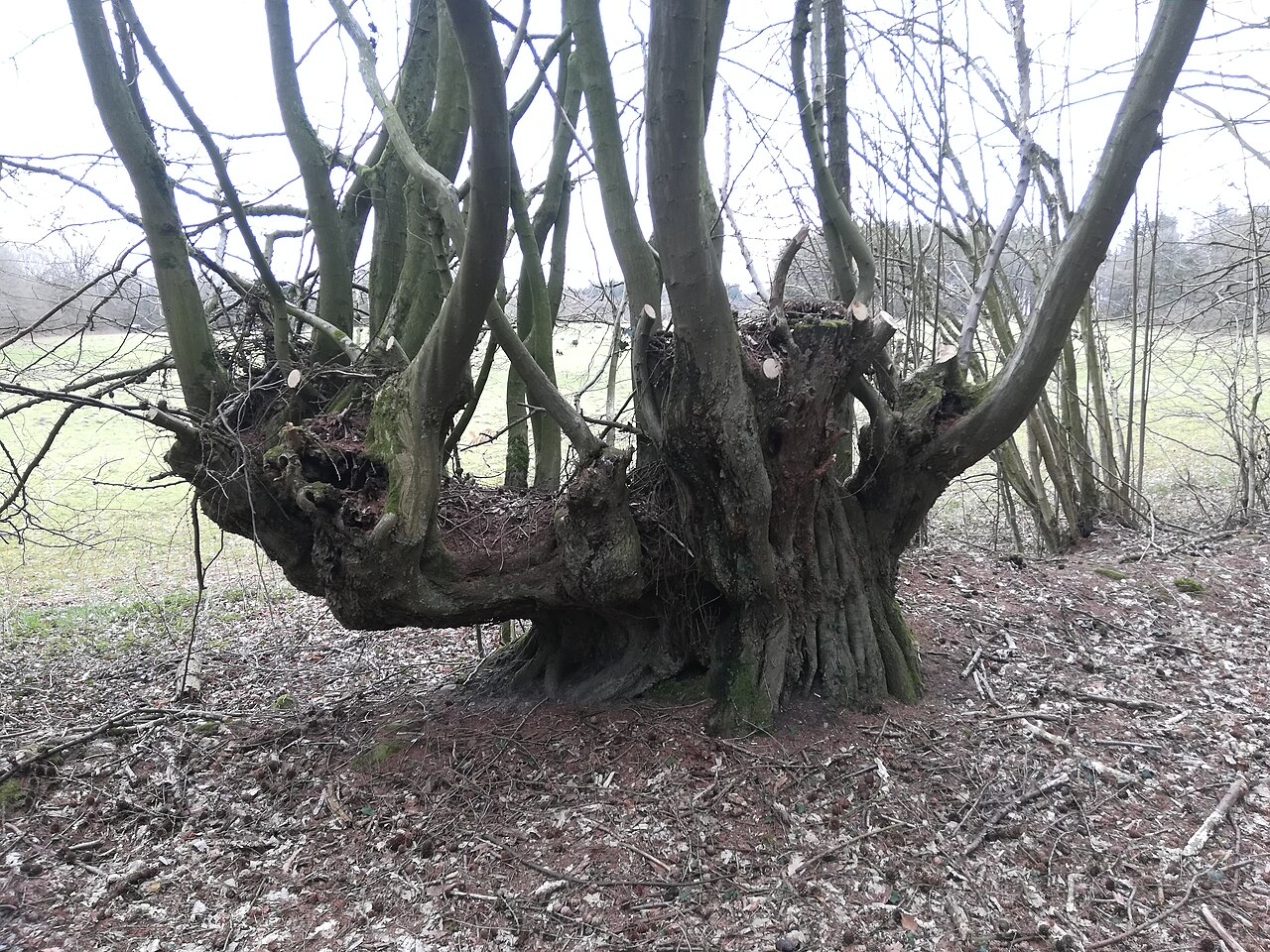
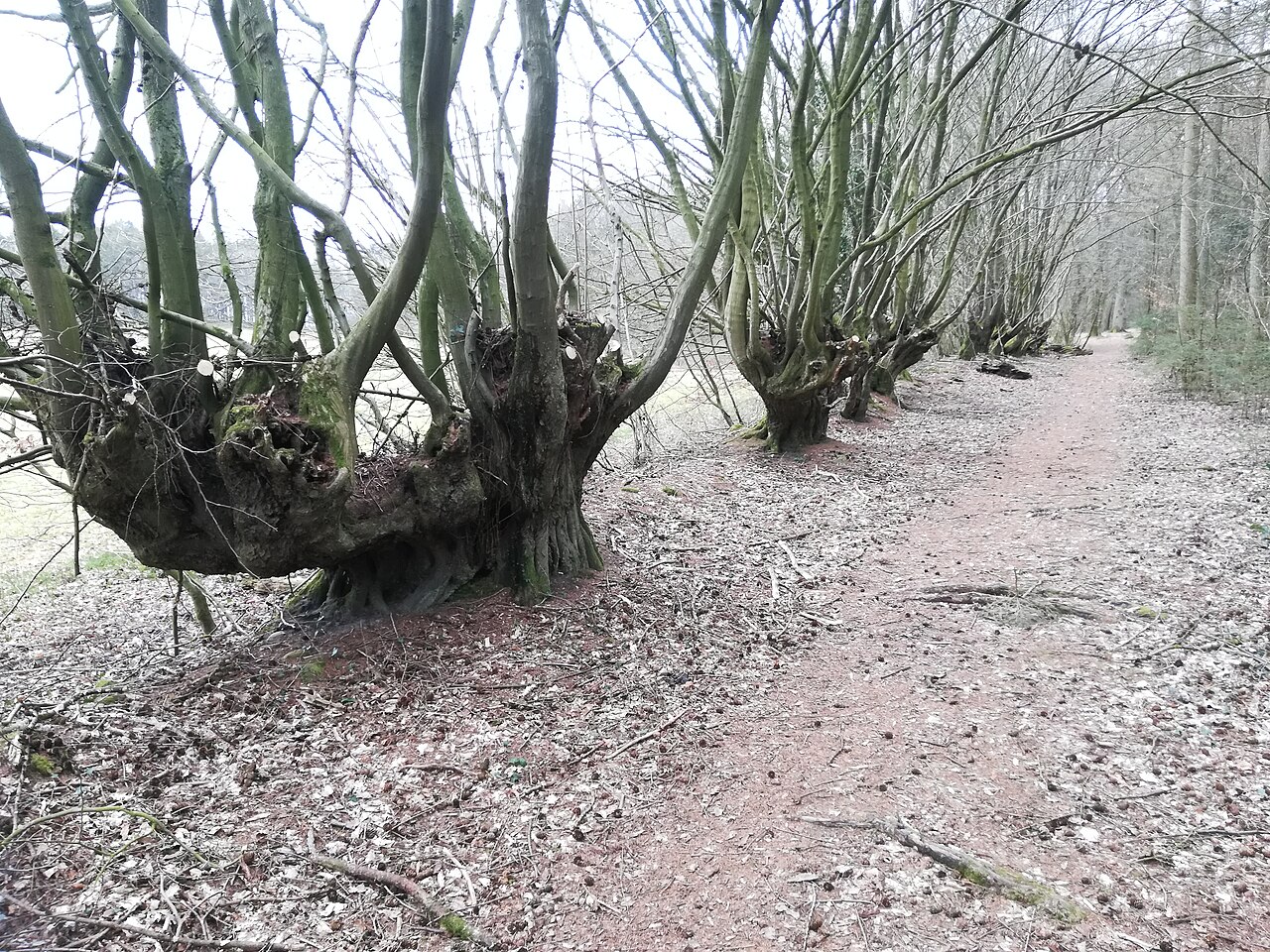
Technique 3 — Heavy (Radical) Pruning "to the Stump" — Coppicing
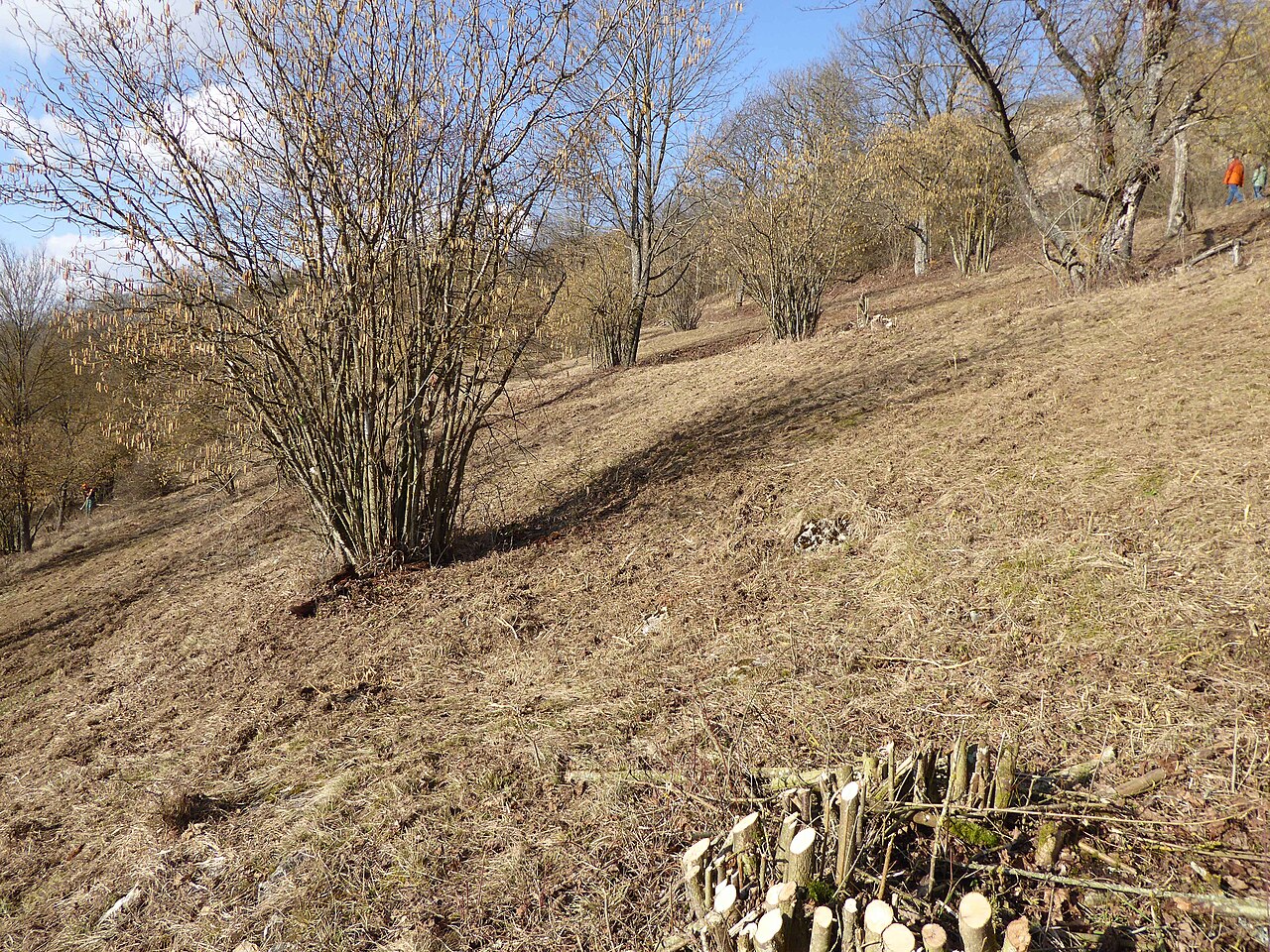
The most radical intervention. The entire bush is cut almost to the ground, and a completely new generation of shoots emerges from the stump and base, from which a new bush is formed.
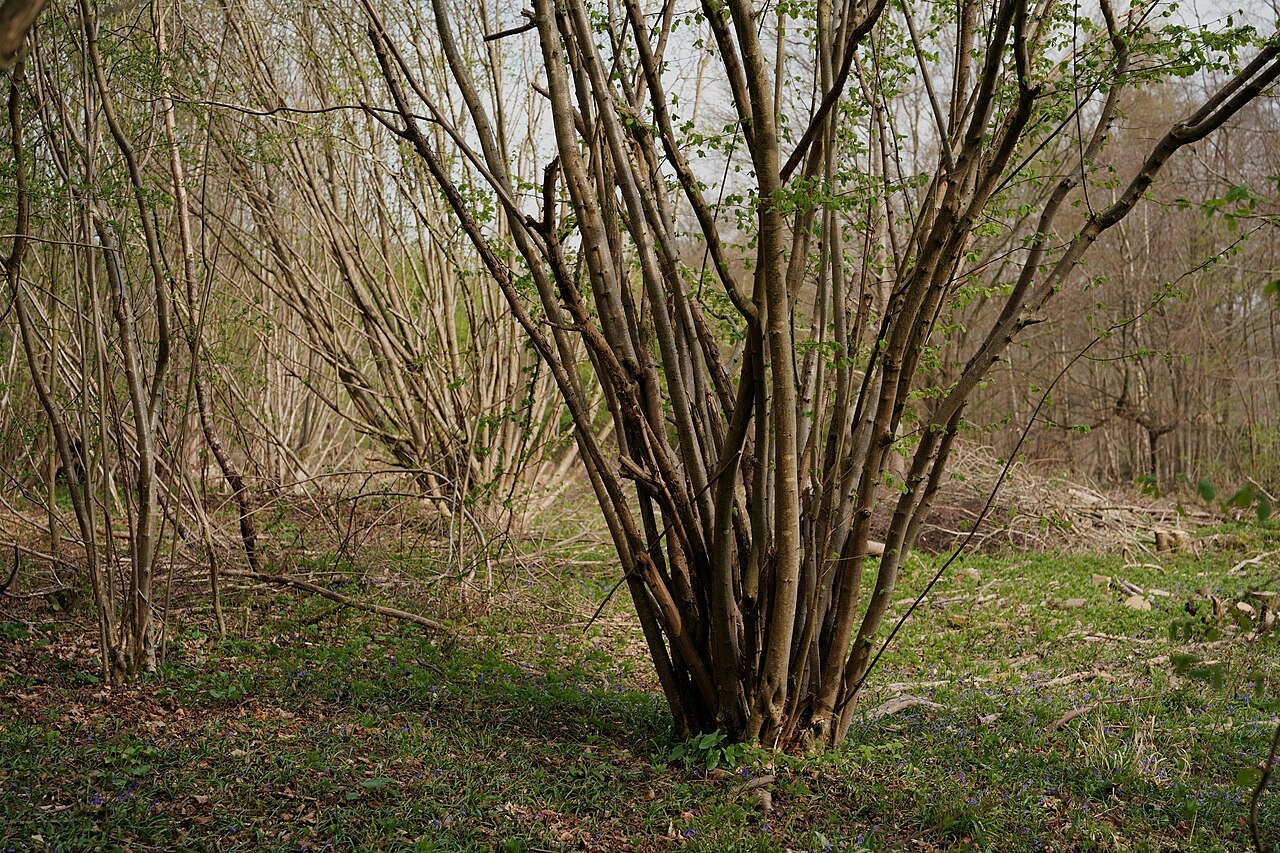
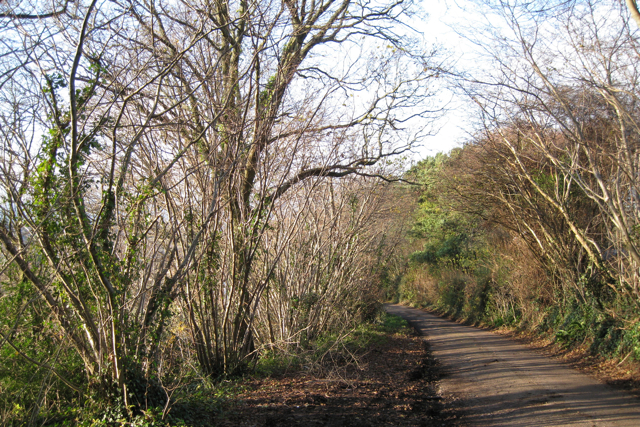
Literature notes that during rejuvenation, the bush is pruned almost to the ground, with the canopy left at 3–4 buds above the trunk, and that radical rejuvenating pruning is sometimes conducted in autumn — removal of all suckers and reformation of the bush from new shoots. Foreign practice (coppicing) confirms the reliability of this approach: hazelnut can be cut to the ground, and regeneration is reliable; traditionally, coppicing is carried out approximately every ten years.
Important warning regarding yield loss: In the year (and several following years) after radical pruning, the bush remains without yield. Therefore, rejuvenating the entire orchard at once is never recommended.
Strategy "by rows": Rejuvenate gradually — every year, prune every second or every third row, consecutively over 2–3 years. This way, part of the orchard continues to produce while the other part is renewed, avoiding a complete interruption of income.
| Method | Speed of Renewal | Yield Loss | For Whom |
|---|---|---|---|
| Gradual replacement of leaders | Slower (3–4 yrs) | Small / almost none | Slightly–moderately neglected orchards |
| Lowering bush to 1.2–1.5 m | Medium | Moderate | Old, heavily neglected bushes |
| Pruning to stump (coppicing) | Fast regeneration, but delayed yield | High (1–3 yrs) | Very neglected / over-aged bushes |
Is it worth it? According to available sources, renewed bushes reach full productivity in approximately 5 years, which is shorter than replanting (where one waits significantly longer for yield), so renewing a neglected orchard is generally worthwhile compared to clearing and replanting.
Management of Suckers (Water Sprouts, "Shiba") — Key to Renewal Success
Hazelnut abundantly sends up suckers from the base and roots. During renewal, some of these suckers are valuable (they become new leaders), but excess suckers must be consistently removed because they drain nutrients, shade the bush, and negate the effect of rejuvenation.
- Remove them throughout the entire growing season while they are young and green — it is easiest and the wound is smallest (even just rubbing off the sucker bud).
- Sucker removal is a regular, annual, and labor-intensive operation; plan labor force/costs accordingly.
- If suckers cannot be removed by pruning, chemical control with herbicide via foliar application is used in some systems (spraying only newly emerged suckers with at most 5–10 leaves). Dosage, product, and permissibility depend on registration and label — always check current registration and label instructions and consult the advisory service before application.
Sanitary Aspect: Diseases and Pruning Hygiene
When renewing neglected orchards, diseased wood is often encountered (e.g., bacterial blight of hazelnut — Xanthomonas arboricola pv. corylina, or fungal canker — Cytospora sp.). Here, pruning also has a phytosanitary role:
- Infected branches should be cut ~30 cm below the drying point, to a higher-order branch (or to the base of the scaffold branch), and removed from the orchard and burned.
- Entire trees/bushes that have suffered collapse (blight, sudden drying) due to suspicion of bacteriosis should be uprooted and burned outside the orchard.
- Pruning residues should be removed from the orchard — in infected orchards, they must not be mulched or left behind.
- Disinfect tools before each tree (e.g., 70% alcohol or 3% sodium hypochlorite). Dosages and products are informative and depend on regulations/labels.
- Pruning wounds on diseased plants can be coated with copper preparations (e.g., Cuprocaffaro 50 WP 0.8–1.0%; Bordeaux mixture ~1.5%), and larger cuts generally coated with grafting wax for faster healing. Copper preparations are informative and subject to registration/labeling.
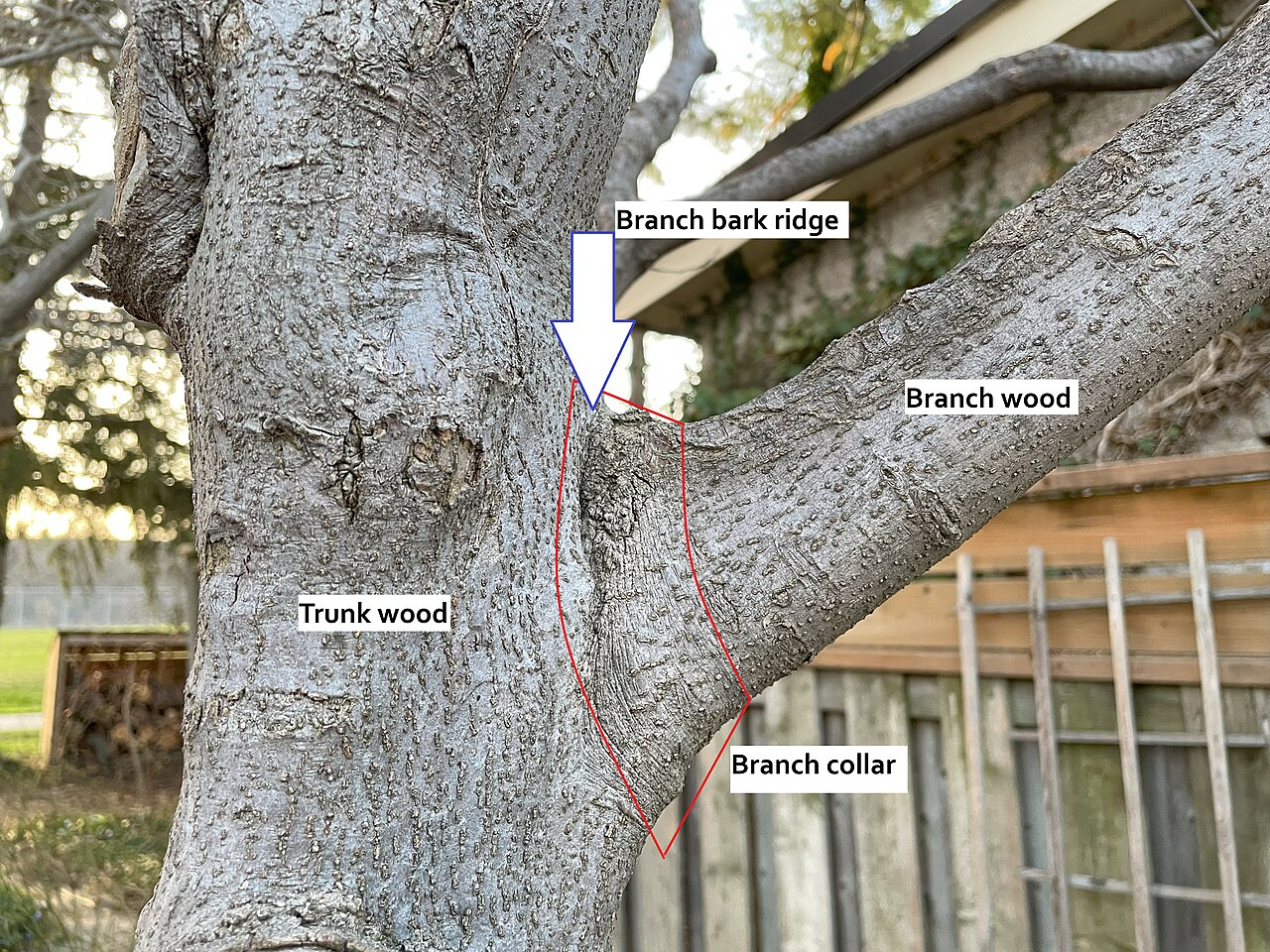
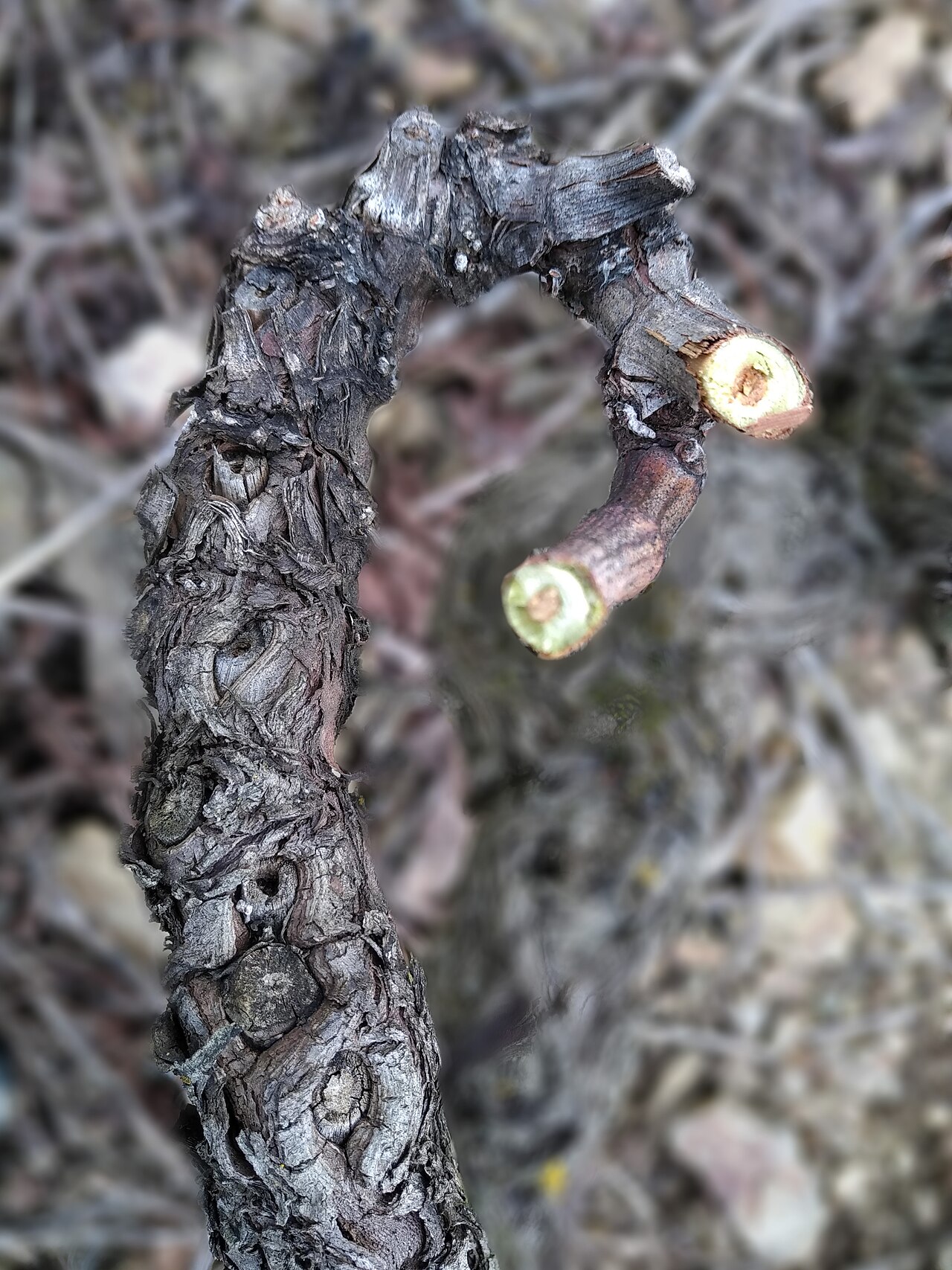
- Generally: sharp and clean tools, cut at the ring (at the branch collar), without tearing — hazelnut wood is sensitive to wood-rotting fungi, so a clean cut at the collar reduces risk.
| Measure | Approximate Value | Note |
|---|---|---|
| Cut below infected zone | ~30 cm below drying | To a higher-order branch |
| Tool disinfection | 70% alcohol / 3% NaOCl | Before each tree |
| Wound coating (disease) | Cuprocaffaro 0.8–1.0%; Bordeaux ~1.5% | Check registration/label |
| Copper treatments in autumn | 2× (at 50% and after 100% leaf fall), interval 10–15 days | Informative, depends on regulations |
| ## Practical Recommendations and Common Mistakes |
Recommendations:
- Never rejuvenate the entire orchard at once — work row by row or in sections over 2–3 years to maintain some production and income.
- Follow the 1/3 rule — remove no more than one-third of the wood annually, except when planning a cut-back to the stump.
- Let light into the bush — hazelnut is a heliophile; the goal is a well-ventilated, well-lit canopy with an abundance of one-year-old shoots 20–40 cm long.
- Prepare the plant with fertilization and (if necessary) irrigation before and after heavy pruning to support vigorous regeneration.
- Align pruning with the phenological phase — perform heavier pruning during the flowering of female flowers so you can see the bearing wood.
- Remove and dispose of pruning residues, especially in infected orchards.
Common Mistakes:
- Shortening one-year-old twigs — this removes bearing potential; they are generally not shortened.
- Removing too much wood at once — causes shock, vigorous suckers, and lack of production for several years.
- Neglecting suckers — without constant removal of excess suckers, rejuvenation fails.
- Leaving rough cuts and using dull/dirty tools — these are entry points for rot and diseases.
- Rejuvenating "to the stump" without an income plan — results in no production for several years across the entire area.
- Mulching and leaving pruned infected material in the orchard — spreads disease.
Approximate Renewal Calendar (Indicative)
| Period | Activity |
|---|---|
| Autumn (after leaf fall) | Sanitary pruning, removal/burning of diseased wood, possible copper treatments |
| Late Winter (January–February) | Main pruning: thinning, replacement of leaders, lowering/cut-back to stump |
| Female Flowering | Heavy (corrective) pruning with visibility of bearing wood |
| Entire Vegetation Period | Removal of suckers/water sprouts (while young and green) |
| Summer | Gradual green pruning for light penetration; removal of excess young shoots |
Gallery
Sources
This article is an AI summary compiled from an internal literature collection on hazelnut (RAG corpus) and public sources. Figures, dosages, and timelines were gathered from multiple sources that sometimes differ (e.g., rejuvenation age 10–12 vs. 15–20 vs. 18–20 years) — this reflects dependence on cultivar, training system, location, and orchard condition. Main sources used:
From RAG Corpus (Hazelnut Literature Collection):
- Hazelnut Cultivation: GUIDE — internal PDF corpus (pruning goal, one-year-old shoots 20–40 cm)
- Hazelnut Plant — Moj Vrt (rejuvenating the bush "almost to the ground", gradually row by row)
- How to Restore an Overgrown Hazelnut Orchard — Gospodarski list, Questions and Answers — https://gospodarski.hr/rubrike/pitanja-i-odgovori/ostalo-pitanje-br-70/ (removal of 1/3 of branches, lowering to 1.2–1.5 m, full production in 5 years)
- Pruning Hazelnut in Autumn (lifespan of bearing twigs 6–10 years; radical rejuvenation from suckers)
- Economic Analysis of Hazelnut Production — internal PDF corpus (rejuvenation at 10–12 years, shortening to 50–60 cm)
- Pruning Hazelnut/Hazelnut — Diana Marjanović, agronomija.info — https://www.agronomija.info/vocarstvo/rezidba-ljesnjaka-lijeske
- PDF HAZELNUT CULTIVATION — pdfcoffee (low-intensity pruning for the first 3 years, heavier pruning every 3rd year, timeframe January/February)
- Hazelnut — Vrtlarica — https://www.vrtlarica.com/ljesnjak/
- Pruning Hazelnut: Leave Bearing Branches — Agroklub (replacement of old leaders, bearing structures)
- Recommendation for Owners of Permanent Hazelnut Orchards — Ministry of Agriculture (sanitary pruning, cut 30 cm below dieback, tool disinfection, copper treatments)
- Fungal Canker of Hazelnut (Cytospora) — sanitary pruning, removal of pruning residues
- How and How to Perform Hazelnut Pruning — Semin Hamzić (replacement of damaged branches, coating with grafting wax)
Public (Web) Sources:
- Hazelnut Canopy Management — Province of British Columbia — https://www2.gov.bc.ca/gov/content/industry/agriculture-seafood/agriservice-bc/production-guides/hazelnuts/hazelnut-orchard-establishment/managing-established-nut-bearing-trees/canopy-management
- Hazelnut Reference Guide (2023) — IAF BC — https://iafbc.ca/wp-content/uploads/2023/05/HAZELNUT-REF-May-2023_.pdf
- Pruning Hazelnut Trees — A Basic Guide — OSU Extension — https://extension.oregonstate.edu/catalog/pub/pruning-hazelnut-trees-basic-guide
- Advances in Sucker Control for Sustainable European Hazelnut Cultivation — https://www.ncbi.nlm.nih.gov/pmc/articles/PMC9787295/
- Extreme Pruning Strategies: Coppicing and Pollarding — Raintree Nursery — https://raintreenursery.com/blogs/pnw-edible-plant-blog/extreme-pruning-strategies-coppicing-and-pollarding
- Pruning Hazelnut — Gospodarski list — https://gospodarski.hr/casopis/izdanja-2020-casopis/broj-4-od-01-03-2020/rezidba-lijeske/
- How to Prune an Overgrown Orchard — Agroklub — https://www.agroklub.com/vocarstvo/kako-obaviti-rezidbu-zapustenog-vocnjaka/57410
Recommended equipment
🔎 bypass pruning shears — Amazon →Affiliate links — we may earn a small commission at no extra cost to you.
Bypass Pruning Shears
Designed for manual pruning of young shoots and thin branches.
| Use Case | Option Type | What to Check Before Purchase |
|---|---|---|
| Precision cutting | Standard bypass design | Blade sharpness and spring tension |
| Ergonomic handling | Adjustable grip size | Handle comfort and leverage ratio |
| Heavy duty tasks | Loppers or saws | Professional tool selection for thick wood |