Traceability and Record-Keeping in Hazelnut Production
Content generated by artificial intelligence — verify before application
This article was automatically compiled from a collection of hazelnut literature using artificial intelligence and may contain errors or outdated data. It serves as a starting point for further research, not as professional advice. Dosages, products, and timelines are informative and depend on the cultivar, location, and applicable regulations — always consult with an advisory service and official sources before application.
Traceability is the ability to know, at any given time, the origin of any quantity of hazelnuts, the treatments and phases it has undergone, and who it was delivered to. In practice, this means you can link a specific bag or batch of shelled kernels back to a specific plot, cultivar, harvest date, and all agrotechnical treatments performed that year — and simultaneously forward, to the customer to whom the goods were shipped. For hazelnut producers, traceability is not just an administrative obligation but a management tool: it enables targeted product withdrawal in case of problems, proof of quality and origin to customers and certification bodies, and better control over one’s own production. This article describes how to establish a traceability system from the orchard to the finished product, what records to keep, and how to digitize supply chain documentation.
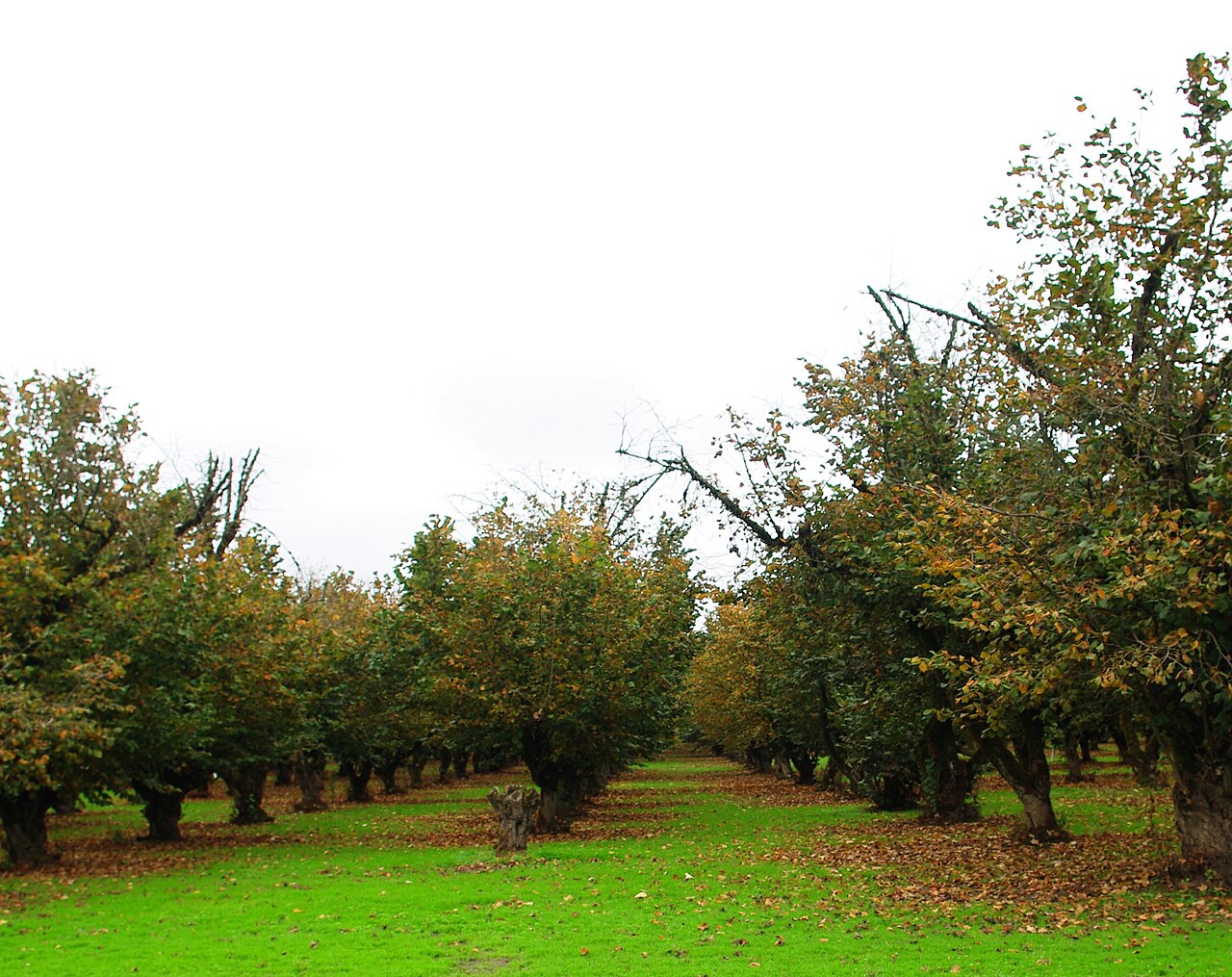
Why Traceability is Mandatory and Beneficial
In the European Union, traceability is a legal obligation, not a voluntary measure. The basis is Article 18 of Regulation (EC) No 178/2002 (General Food Law), which introduces the principle of „one step back — one step forward" (one step back, one step forward). Every food business operator must be able to identify from whom they sourced the raw material or product and to whom they supplied it. Full visibility of the entire chain is not necessarily required, but each link must be able to demonstrate its immediate environment — supplier and customer — at the batch/lot level.
Practical benefits of a traceability system:
- Fast and targeted product withdrawal (recall) — if a problem is identified (e.g., kernel rot, residue exceedance, aflatoxin, allergens), only the affected batch is withdrawn, not the entire production.
- Proof of quality and origin — customers, processors, and retail chains increasingly demand documented origin; large buyers (e.g., Ferrero through its own traceability programs) require proof of source and practices.
- Prerequisite for certificates — organic production, GLOBALG.A.P., quality schemes, and geographical indications all rely on proper records and batch traceability.
- Internal control — by linking yields, treatments, and quality by plots, the producer obtains a basis for optimizing fertilization, protection, and harvest.
Key figure: according to Croatian quality assurance schemes, the producer is required to maintain traceability records for both the production process and the finished product — two separate but linked levels of records.
Traceability System from Orchard to Product
Traceability is built as a chain where each phase adds a record and passes an identifier (batch number) to the next phase. The goal is for the identity of the goods to never be „lost" — neither during harvest, drying, shelling, storage, nor dispatch.
Levels of Identification
- Plot / production field — the basic unit. Each plot has a unique identifier (Cadastral ID/land parcel identification), known cultivar, and orchard age.
- Harvest batch/lot — the quantity harvested from a defined plot (or group of plots) during a specific period/pass. It receives a unique batch number.
- Post-processing batch — after drying and shelling, batches can be combined or split; every combination (mixing) and split must be recorded to maintain the link to the original plots.
- Finished product batch — packaged kernel or in-shell hazelnut with batch label, date, quantity, and storage location.
What the Croatian Quality Assurance Scheme Prescribes
According to the product specification in the „Proven Quality" system, at the farm level, the producer is required to maintain:
Traceability records for the production process with data:
| Data | Description |
|---|---|
| Producer | Name and OIB (Personal Identification Number) |
| Address | Farm headquarters |
| Plot name | Internal plot name |
| Land parcel identification | Cadastral ID / cadastral designation |
| Production field identification number | Unique field ID |
| Cultivar | e.g., Istrian elongated, Roman, Tonda di Giffoni, Tonda Gentile Romana |
| Harvest date | Per each pass |
| Pass | First, second… |
| Orchard age | Years since planting |
Traceability records for the finished product with data:
| Data | Description |
|---|---|
| Type | Hazelnut in shell / shelled kernel |
| Cultivar | Cultivar composition of the batch |
| Quantity | kg per batch |
| Delivery date | Dispatch date |
| Storage location | Where the product is stored |
These two records form the backbone of traceability and directly implement the „step back / step forward" principle.
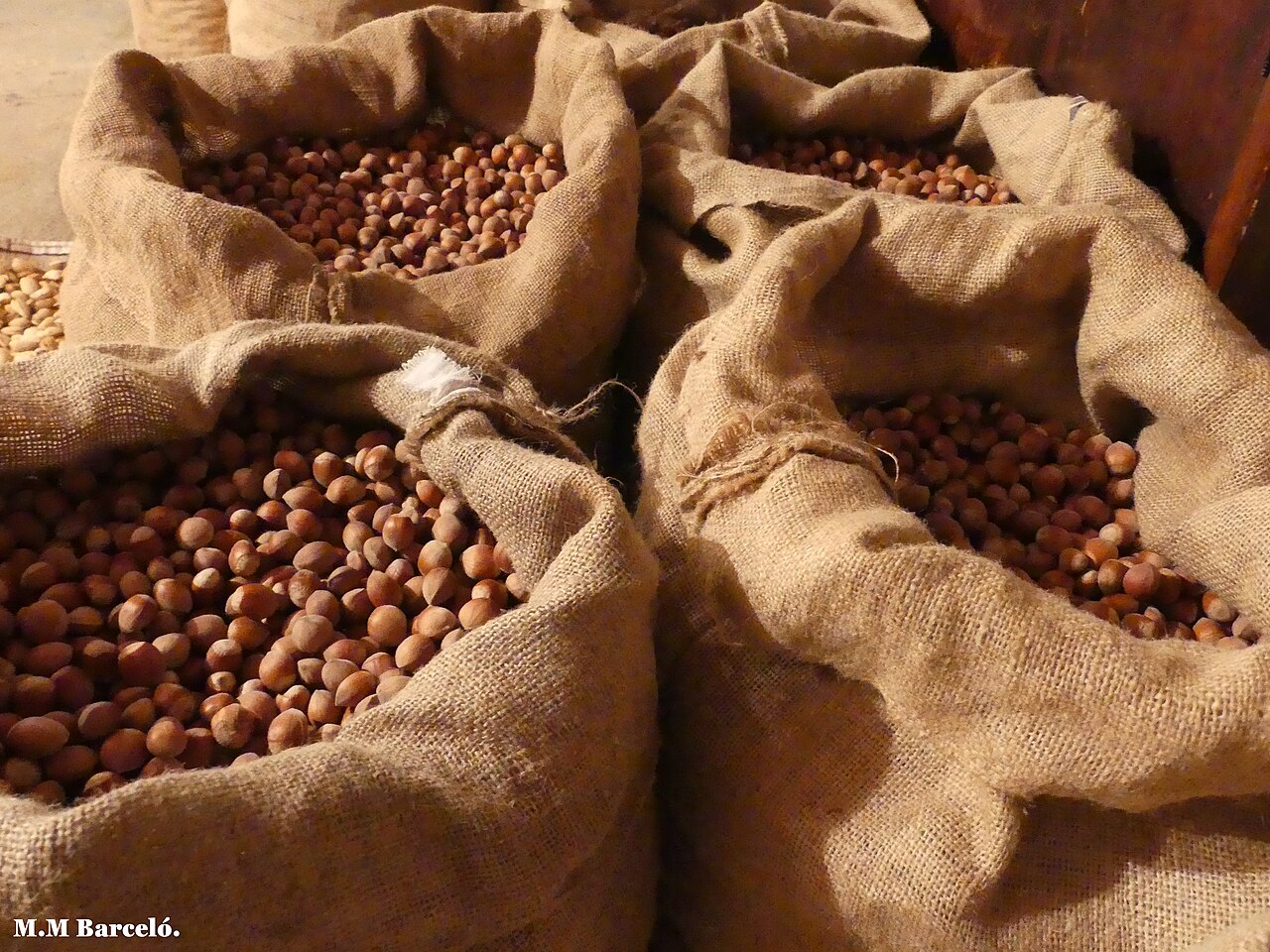
Batch Flow Through Phases
PLOT (Cadastral ID, cultivar, age)
        │
        ▼
  HARVEST (date, pass) ── batch no. B-2026-NN
        │
        ▼
  DRYING (moisture in/out, date)
        │
        ▼
  SHELLING / PROCESSING (yield, batch combination → record)
        │
        ▼
  STORAGE (location, conditions, batch)
        │
        ▼
  PACKAGING → finished product batch FP-2026-NN
        │
        ▼
  DISPATCH (customer, date, quantity) ── „step forward"
The weakest point of the system is usually processing: when batches from multiple plots are combined into one processing lot, the one-to-one link to the plot is lost if this combination is not documented. Therefore, every batch mixing must be recorded with a note „which input batches resulted in the output batch".
Batch and Treatment Records
A reliable traceability system rests on reliable records. As highlighted in food safety literature, one of the most important conditions for traceability is the existence of a reliable and effective recording system — in every phase of production, a record is created, and if a record is missing at any phase, traceability cannot be ensured.
Agrotechnical Treatment Records by Plot
For each plot/season, a treatment diary is kept. Typical treatments in a hazelnut orchard (especially in the first years) include manual pruning, collection of pruned branches, fertilization, cultivation, discing/tilling, and plant protection.
| Record Field | Example / Note |
|---|---|
| Treatment date | dd.mm.yyyy. |
| Plot (Cadastral ID) | Unique identifier |
| Treatment type | Fertilization / Protection / Pruning / Irrigation / Harvest |
| Product / Fertilizer | Trade name |
| Dosage / Quantity | e.g., NPK kg/ha; water m³ |
| Unit and Area | kg/ha; ha |
| Pre-harvest interval (PHI) | Days until harvest (for PPPs) |
| Operator | Who performed the treatment |
| Weather conditions | As needed (for protection) |
Informational ranges from the corpus (depend on soil, cultivar, and findings — verify!): fertilization on the order of NPK 100–300 kg/ha; one elaboration mentions the formulation NPK 7:20:30 and annual fertilization ~150 kg/ha; target soil indicators approximately humus ≥ 3 %, P₂O₅ ~10 mg/100 g, K₂O ~15 mg/100 g, pH (KCl) ~5.5. „Drip irrigation" in Croatian projects ranges from approximately 900 to 5,000 m³/year per orchard, depending on area. These are all indicative values — determine actual dosages based on soil analysis and product label.
For plant protection products, the record of dosage and pre-harvest interval (PHI) simultaneously serves as proof that the time before harvest was respected — which is crucial for residues in the kernel and for passing certification.
Harvest Batch Records
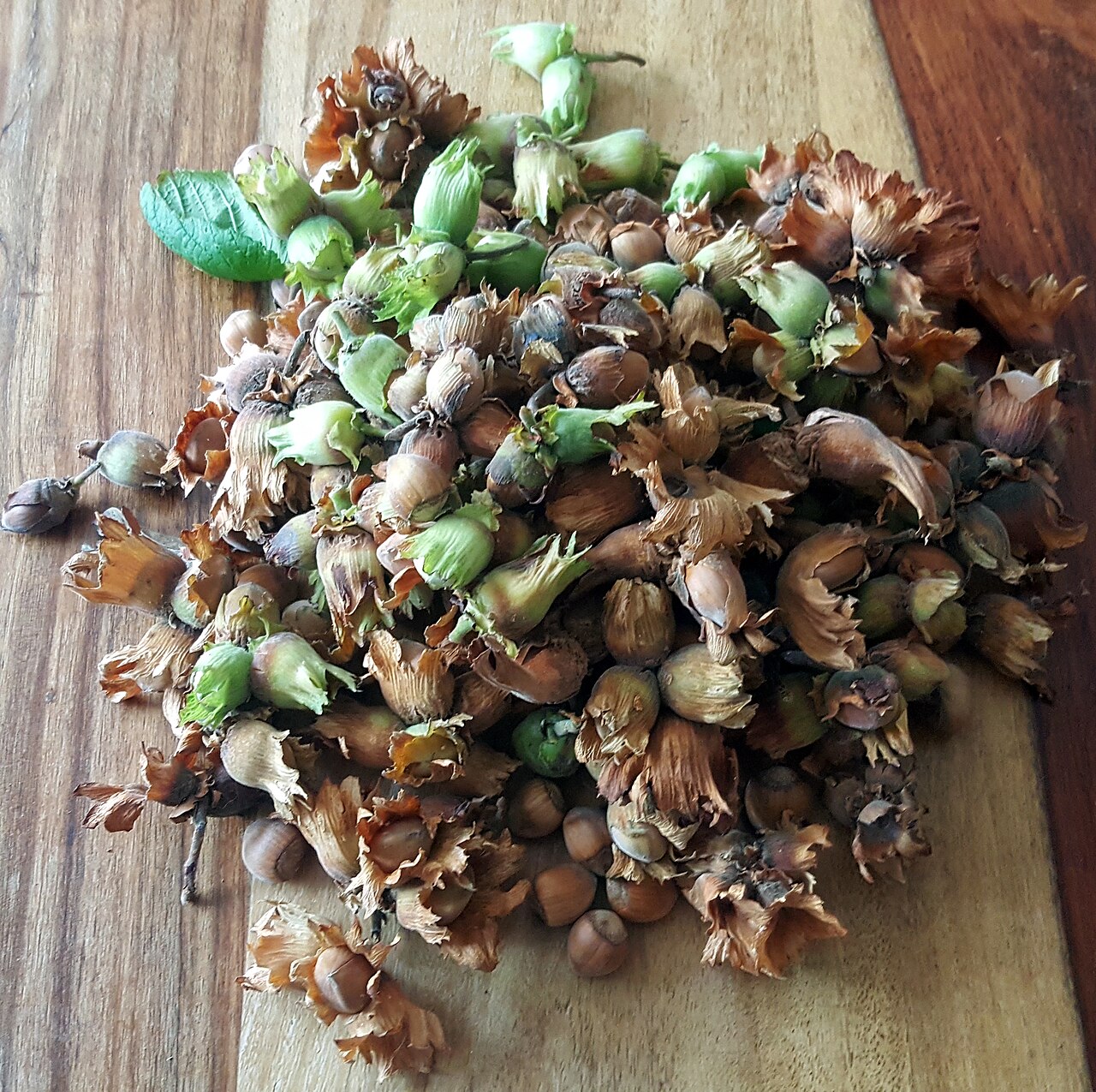
At each harvest (and each pass), the following is recorded:
- harvest batch number (unique),
- source plot(s) and cultivar,
- date and pass number,
- harvested quantity (kg),
- who harvested and where the batch was sent (drying/storage).
Drying, Processing, and Storage Records
Drying is a critical phase for quality because kernel rot (e.g., caused by Nematostropha coryli) most often develops between ripening and drying. It is useful to record:
- input and output moisture, temperature, and drying duration,
- shelling yield (% kernel),
- input and output batches when combining/splitting (traceability link),
- storage location and conditions (temperature, humidity) and batch number.
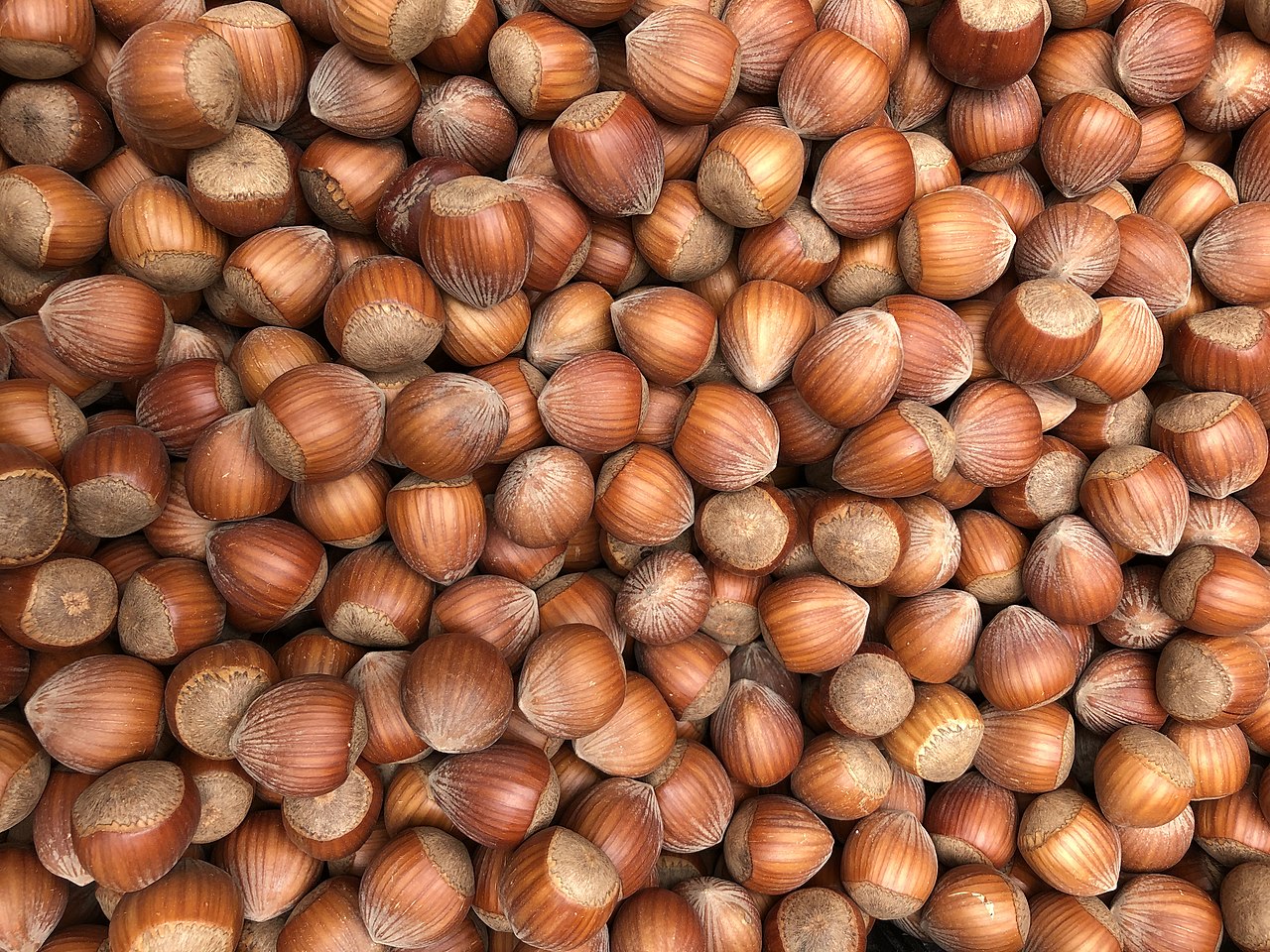
Dispatch Records („step forward")
For each delivery: customer, date, finished product batch(es), quantity, and accompanying document (delivery note/invoice). This closes the chain in both directions.
Traceability of Planting Material and Orchard Establishment
Traceability begins even during orchard establishment. According to the Ordinance on the placing on the market of reproductive planting material and saplings (NN 09/17), only saplings whose category (pre-basic, basic, certified material) has been confirmed during the certification process may be placed on the market. Therefore, at planting, you should retain:
- sapling declaration/certificate and supplier/nursery data,
- cultivar and number of saplings per plot,
- planting date and planting scheme (which cultivar on which plot — important for cultivar traceability of harvest).
This ensures that the „cultivar” in the harvest records has a verifiable source.
Digital supply chain documentation
Paper diaries are still permitted, but digitalization significantly facilitates traceability, faster product withdrawals, and data exchange with customers and certifiers. Experiences from other sectors (e.g., Italian agricultural systems where the entire process — registration, controls, processing — takes place exclusively digitally) indicate the direction in which traceability in agriculture is heading.
Levels of digitalization — from basic to advanced
| Level | Tool | Suitable for |
|---|---|---|
| Basic | Structured tables (spreadsheets) with sheets: plots, interventions, harvest, processing, dispatch | Small and medium-sized family farms |
| Intermediate | Specialized FMS / farm management software, intervention and batch records, ARKOD integration | Professional holdings |
| Advanced | Systems with GS1 standards (unique batch identifiers, bar/QR codes), RFID, integration with purchasing | Larger cooperatives, exporters |
Best practices for digital traceability
- Unique batch identifier that "travels" through all stages (e.g.,
B-2026-017→GP-2026-104) and can be printed as a bar/QR code on bags or pallets. - GS1 / standardized identifiers for batches and locations, enabling data exchange with trading chains and processors without re-typing.
- Record linkage: every output record references inputs (harvest → drying → processing → packaging → dispatch).
- Rapid retrievability: the goal is to be able to retrieve the entire history for any batch within minutes (the regulatory timeframe for presenting records is typically very short).
- Data backup and retention of records for the prescribed number of years (check the current retention periods for your scheme/certificate).
Common shortcomings of digital (and paper) systems
From practice and inspections, the same problems recur:
- inability to quickly retrieve records,
- incomplete supplier/customer identifiers,
- weak link between input raw materials and finished batches,
- undocumented internal transformations (repackaging, relabeling, merging batches).
Traceability and certificates
Traceability is the "backbone" of every quality certificate:
- Organic production — supervision is conducted by an authorized control body (in Croatian practice, e.g., BIOTER d.o.o.), which issues a Certificate after the transition period and fulfillment of prescribed standards. Without proper intervention records (especially approved substances and doses) and batch traceability, organic status cannot be proven. The framework is Regulation (EU) 2018/848 on organic production.
- Proven Quality schemes — directly prescribe the aforementioned records for process and product traceability.
- GLOBALG.A.P. and similar standards — require intervention diaries, waiting periods, analyses, and batch traceability.
Practical recommendations and common mistakes
Recommendations:
- Implement a single unique batch identifier from harvest onwards and maintain it consistently — this is the cheapest way to make traceability "work automatically."
- Record interventions on the same day; retrospectively reconstructed records are unreliable and easily fail during inspections.
- Document every batch merge during processing (which inputs result in which output).
- Keep seedling declarations, substance labels, and dispatch notes as attachments to the records.
- Conduct an annual mock "recall": select one batch of finished product and attempt to trace it back to the plot within minutes. If it doesn't work — the system has a gap.
Common mistakes:
- Keeping records "for inspection" rather than for management — records remain dead letters.
- Merging produce from multiple plots without records → loss of cultivar and location traceability.
- Lack of waiting period records for plant protection → risk of residues and certificate loss.
- Absence of digital data backups.
- Inconsistent plot/cultivar names across different sheets (complicates linking).
Sources
This article is an AI summary generated from an internal hazelnut literature collection (RAG corpus) and supplemented with public sources for regulatory and practice updates. Main sources used:
- Product Specification "Proven Quality" — Fruit (traceability of the hazelnut production process and finished product) — RAG corpus
- Technology and economics of organic hazelnut production at Hobolić Alen family farm (supervision and certification, BIOTER d.o.o.) — RAG corpus
- Gıda Güvenliği ve Güvencesi Grubu Çalışma Belgesi (principles of traceability and "farm-to-table" record systems) — RAG corpus
- Business plan for hazelnut seedling production; Regulation on Reproductive Plant Material (NN 09/17) — RAG corpus, poljinos.hr
- Environmental impact assessments for establishing hazelnut orchards (interventions, doses, irrigation) — RAG corpus
- GUIDE FOR hazelnut cultivation, Ministry of Agriculture / advisory service (agrotechnics, soil indicators) — RAG corpus, savjetodavna.mps.hr
- EU General Food Law — Regulation (EC) No 178/2002, Art. 18 (principle of "one step back / one step forward") — EUFIC: Food traceability, food.ec.europa.eu
- Regulation (EU) 2018/848 on organic production and labeling of organic products
- Ferrero Hazelnut Company — Traceability & Sustainability (traceability in the hazelnut chain) — ferrerohazelnutcompany.com
- GS1 Global Traceability Standard (batch and location identifiers) — gs1.org
- FAO Food Traceability Guidance — openknowledge.fao.org