Seasonal Pest and Disease Protection Calendar
Content generated by artificial intelligence — verify before application
This article was automatically compiled from a collection of hazelnut literature using artificial intelligence and may contain errors or outdated information. It serves as a starting point for further research, not as professional advice. Dosages, products, and timing are indicative and depend on the cultivar, location, and current regulations — always consult with an advisory service and official sources before application.
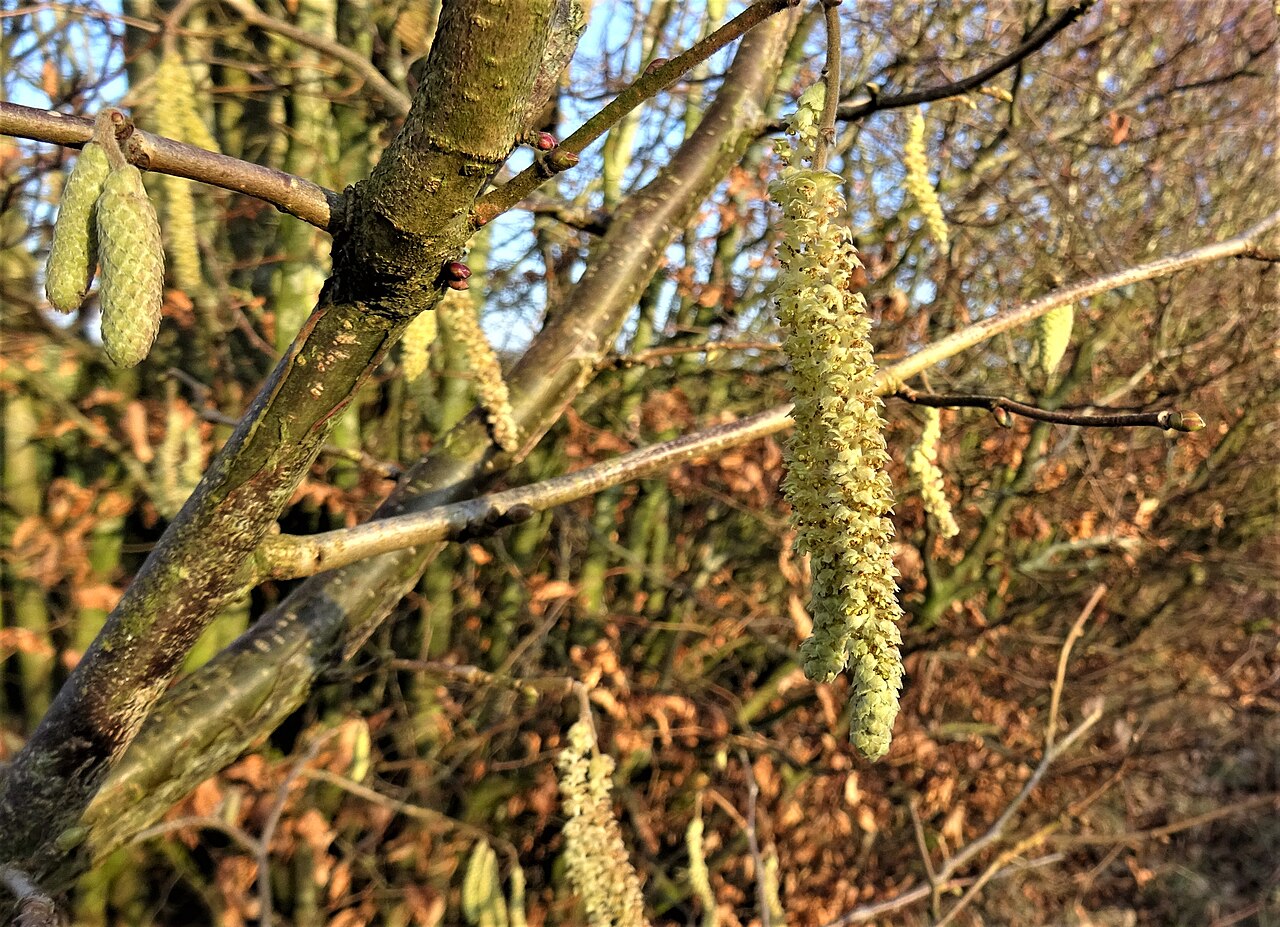
Hazelnut orchard protection differs significantly from most other fruit crops because hazelnuts bloom earliest of all — often during winter, from late January to March, and even earlier in warm years. Therefore, the protection "calendar" is not a fixed sequence of dates, but a series of treatments linked to phenophases (plant development stages according to the BBCH scale) and the weather conditions of the specific year and location. The good news for producers is that hazelnuts are not attacked by a large number of economically significant pests, so successful protection is largely achieved with a relatively small number of sprays — approximately three to seven treatments per year, depending on the pressure from diseases and pests and whether the year is dry or wet. This article links phenophases to targeted pests and diseases and provides an approximate annual schedule of treatments.
Principle: Protection by Phenophase, Not by Calendar
Since the difference in bloom timing between years is significant (in winters with strong warming, bloom may begin in December/January, while in colder years it may not start until February or March), dates must always be adjusted to the actual conditions in the orchard. Practical rules that run through the literature:
- Winter (autumn-winter) protection should be carried out before the start of bloom, but only after sufficient leaf drop has occurred.
- Copper-based treatments against bacterial blight should be "timed" to periods of open "entry doors" for infection — leaf drop (leaf scars) and pruning (pruning wounds).
- The key period for fruit protection is from fruit set to hardening (lignification) of the shell, when the kernel is most sensitive.
- Spray during calm weather, without wind and fog, at air temperatures above 5 °C; best in early morning or late evening hours as some products lose efficacy at high temperatures.
- In the first 3 years after planting, spraying is generally not done, except in case of caterpillar attacks or other pests on the leaves.
BBCH scale — most important codes for hazelnut
- BBCH 00–09 — Dormancy and bud swelling
- BBCH 10–19 — Leafing ("mouse ears" → leaf development)
- BBCH 60–69 — Bloom (in hazelnut, very early and prolonged)
- BBCH 71–79 — Fruit development and filling (kernel)
- BBCH 79 — Kernel ~100% of final size, start of shell lignification
- BBCH 87–89 — Ripening and harvest
- BBCH 91–97 — Leaf fall and entry into dormancy
Winter (Autumn-Winter) Spraying
Autumn-winter protection is the foundation of the entire program. Its goal is twofold: reduce the winter population of pests (eggs of aphids, scale insects, overwintering forms of mites, woolly aphid) and protect wounds and leaf scars from the entry of fungal and bacterial pathogens, primarily bacterial blight of hazelnut (Xanthomonas arboricola pv. corylina).
When? Timing is crucial here. According to recommendations from the advisory service for orchards in Osijek-Baranja County, winter protection should wait until at least 70% (ideally ~80%) of the leaf mass has fallen — which corresponds to phenophase around BBCH-95. The reason: as leaves fall, fresh scars remain on shoots and branches, which are open entry points for pathogens; if sprayed too early, a good portion of the leaves still "covers" these future scars. On the other hand, protection must be completed before the start of bloom, which begins very early in hazelnut. Practically, this means the optimal date is usually November or the first days of December, but in years of "extended vegetation" (very warm autumns), leaves remain on the shrub for a long time, shifting the date.
How? The treatment is performed by "bathing" the tree/shrub — with large volumes of water per unit area, 1,500–1,800 l/ha or more, so that the spray evenly covers the entire canopy. Spray during calm weather, without wind and fog, at temperatures above 5 °C (for mineral oil application, slightly higher temperatures, above 7 °C, are often required).
With what? The backbone of winter spraying is copper preparations (against bacterial diseases and as a broad-spectrum preventive) and mineral oils (against overwintering pest forms — aphid eggs, scale insects, mites). Oil + copper combinations are common. In literature, oil preparations at a concentration of around 0.5% are also mentioned for controlling woolly aphid and scale insects at the end of winter.
| Target | Type of Preparation | Approximate Dosage/Concentration |
|---|---|---|
| Bacterial diseases, overwintering pathogens | Copper preparation (e.g., type Cuprablau Z / Fertipen Cu) | ~0.5% resp. 2.5–3.0 l/ha; CUPRABLAU Z 35 WG ~1.6–1.7 kg/ha |
| Eggs of aphids and scale insects, mites | Mineral (red/white) oil | 2–3% (with addition of white oil ~2%) |
| Woolly aphid, scale insects (end of winter) | Oil preparation | ~0.5% |
Dosages are indicative and vary from product to product — always follow the label and check if the product is approved for hazelnut in the FIS database (Phytosanitary Information System of the Ministry of Agriculture,
fis.mps.hr).
Connection with Winter Pruning
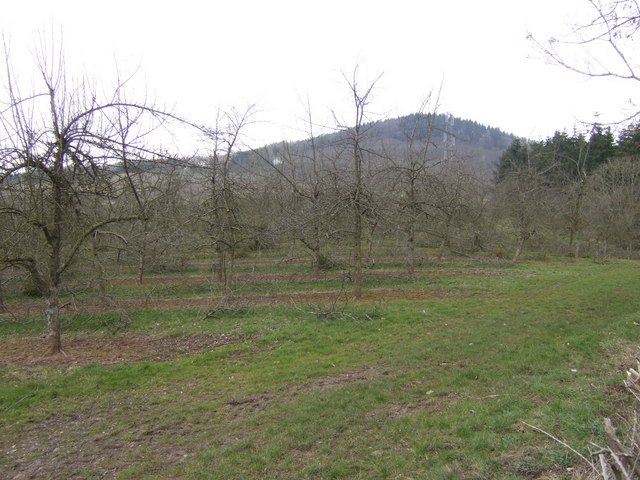
Winter pruning and copper treatment go "hand in hand." It is recommended to perform pruning (if necessary) before the spring/early spring spraying, thereby reducing the canopy volume to be sprayed. Even more importantly — after pruning, wounds are open sites for the entry of fungal and bacterial diseases, so copper treatment after pruning is a primary preventive measure. Hazelnut pruning is best performed during dormancy, at temperatures above 0 °C, and is often carried out after the appearance of the first female flowers when the fruiting branches are clearly visible.
Early Spring Treatments (Start of Vegetation)
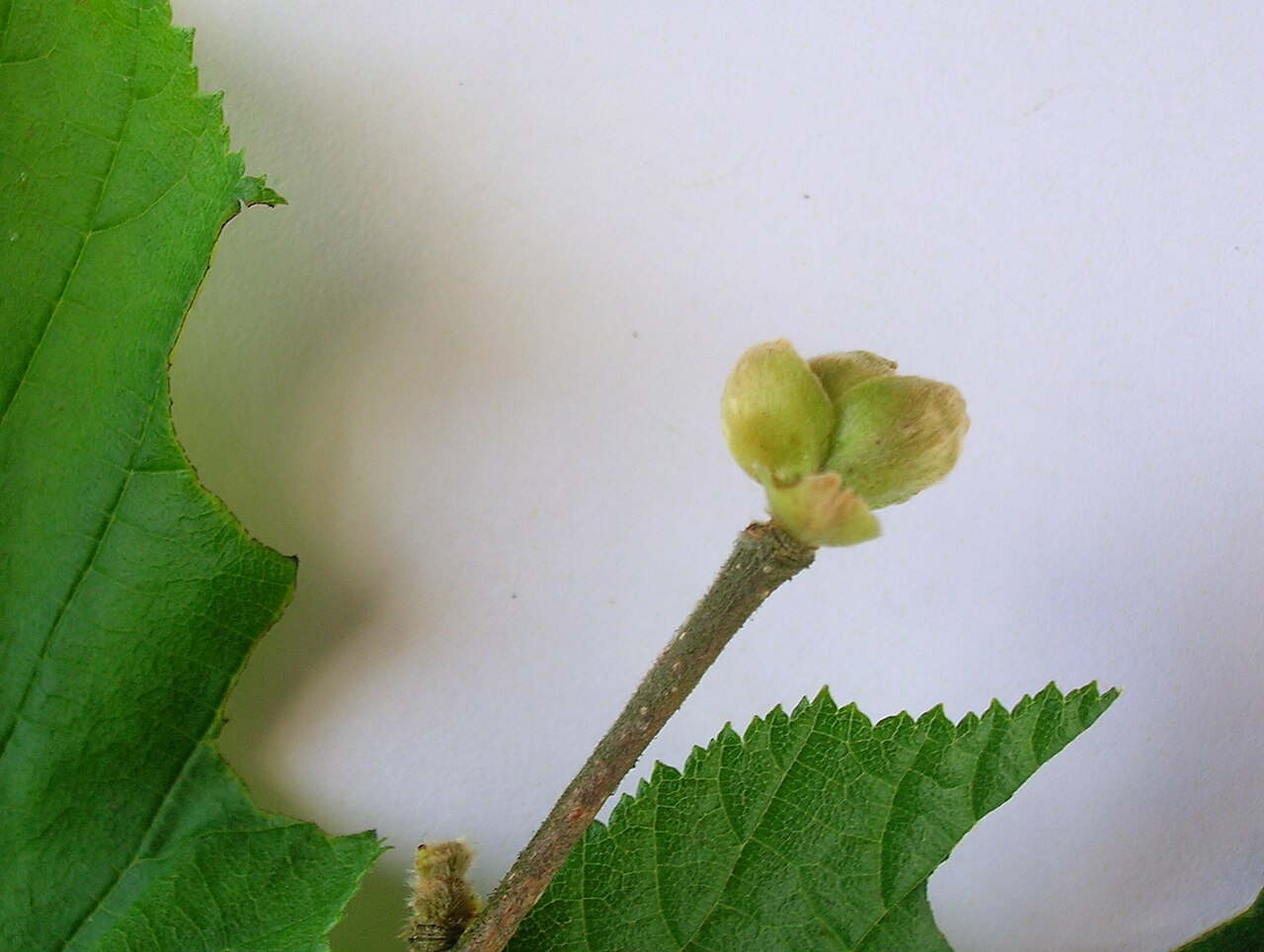
With rising temperatures and bud swelling, a new season of infections begins. The optimal date for the first early spring protection is the phenophase of bud opening / "mouse ears" (start of leafing, BBCH 10–11), depending on the location of the individual orchard. This treatment targets bacterial blight of hazelnut, aphid eggs, scale insects, and early fungal infections.
Bacterial blight (Xanthomonas arboricola pv. corylina) is most effectively controlled in the period from vegetation start to early May, through repeated copper treatments. The interval between two copper treatments should be at least 10–15 days, and it is recommended to alternate two different copper-based preparations. Since leaves are not yet fully developed, at this stage the tree (branches and trunk) is well "hit."
| Date / Phenophase | Target Organisms | Type of Preparation | Approximate Dosage |
|---|---|---|---|
| Bud opening / "mouse ears" | Bacterial diseases, aphid eggs, scale insects | Copper + sulfur (if necessary + oil) | Copper ~0.5% (e.g., Cuprablau Z); Sulfur (Chromosul 80) ~0.5–1.0% |
| Vegetation start to early May | Bacterial blight (Xanthomonas) | Copper preparation, 2 treatments at 10–15 day intervals | e.g., Fertipen Cu 3.0 l, repeat 1.5 l/ha |
| Shoot growth (early April) | Leaf spot, bacterial diseases | Copper/foliar fungicide + wetting agent | e.g., FitoMil L-60 eco 2.5 l; Wetting agent Fito Film ~0.1–1% |
In early spring programs, sulfur (e.g., type Chromosul 80 / Cosavet) is often used alongside copper as a preventive against powdery mildew and for controlling the hazelnut bud gall mite (Phytoptus avellanae), which deforms buds ("large bud"). The addition of a wetting agent/penetrant (e.g., INEX, approx. 0.25 l per 500 l of water) improves spray adhesion and efficacy.
Treatments During Bloom and Transition to Fruit Growth
Hazelnut bloom is prolonged and overlaps with winter/early spring, so "classic" treatments during full bloom are generally avoided (pollinator protection is not as critical as in insect-pollinated crops, but unnecessary insecticides are still omitted). The focus is on protection against bacterial diseases and early fungal diseases and monitoring the first pests.
The classic sequence of spring fungicide treatments described in the literature:
- First fungicide treatment at the time of development of the first leaves and flowers — against monilinia, bacterial blight, and anthracnose. Copper lime (~1%), captan-type preparations (~0.3%), dithiocarbamates (~0.3%) are used.
- Next treatment 10–12 days later with the same fungicides and against the same diseases.
- Optionally one more treatment 10–12 days later; in dry years it may be omitted, but in wet years it is necessary.
Special attention should be paid at the end of May: if rain is forecast after a dry period, orchards should be protected preventively with fungicides because moisture triggers fungal infections of fruits (brown rot — Monilinia spp., kernel rot — Nematospora spp., Fusarium spp.) and leaves (powdery mildew — Phyllactinia spp., spots — Septoria, Gnomonia, Piggotia spp.).
Protection during fruit development and filling — the „critical period"
The period from fruit set to shell hardening is the most critical for crop protection. When fruits develop to 3–4 mm (approximately mid-May to early June), the first summer treatment begins, which, along with the spring treatment, is the most important in the entire program.
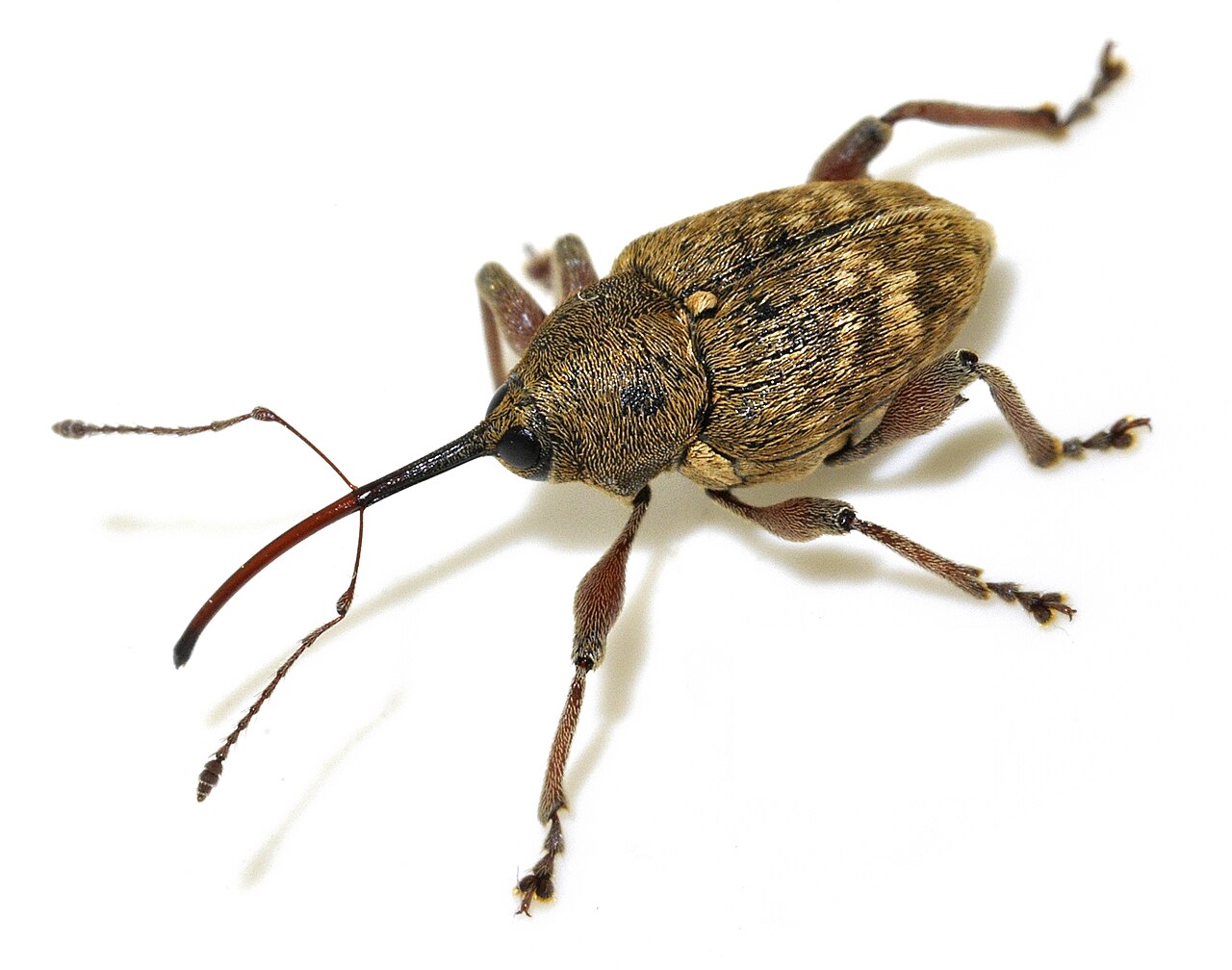
The most important pest during this period is the hazelnut weevil / filbertworm (Cydia/filbertworm and related tortricids) and the hazelnut weevil (Curculio nucum), whose larvae bore into the fruit. The critical control period for the hazelnut weevil runs from mid-May to mid-July. Also controlled are phytophagous (stink) bugs (Nezara viridula, Halyomorpha halys, etc.), aphids, and mites, which reduce kernel quality through piercing and sucking and open the way for rot.
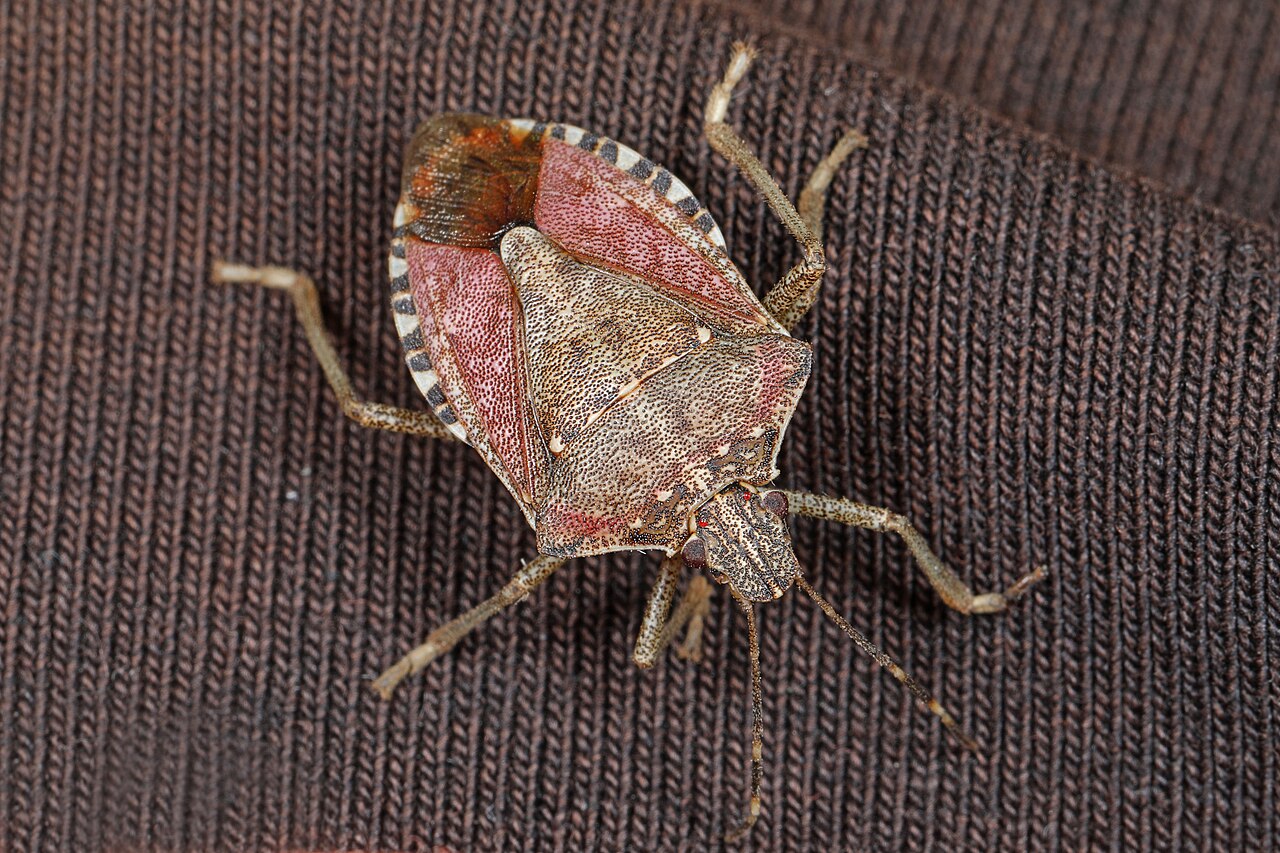
Approximate schedule for summer treatments (based on older domestic literature):
| Timing | Phenophase | Target pests/diseases |
|---|---|---|
| 1st summer (mid-May – early June, fruit 3–4 mm) | Intense fruit growth (BBCH 71–73) | hazelnut weevil, stink bugs, aphids, mites |
| 2nd summer (mid-June to mid-July) | Kernel filling (BBCH 75–79) | hazelnut weevil, stink bugs, aphids, mites |
| 3rd summer (early August) | Ripening | powdery mildew |
From mid-July, the kernel reaches ~100% of its final size (BBCH-79) and shell lignification begins; the orchard exits the „critical period" of sensitivity to fungal and bacterial pathogens. A calmer period follows, with preparations for harvest, but the fruit still needs protection from stink bugs.
Approved products and pre-harvest intervals (approximate overview)
The following table lists examples of products mentioned in domestic literature as approved for hazelnut. Registration status changes — always check the FIS before application.
| Product | Purpose | Approximate dose | Pre-harvest interval (PHI) |
|---|---|---|---|
| Dipel DF (Bacillus thuringiensis) | caterpillars (tortricids) | 0.375–0.625 kg/ha | none |
| Decis 100 EC (Rotor, Scatto) | aphids, tortricids | 0.1–0.125 l/ha (2×) | 30 days |
| Laser KS (spinosad) | harmful tortricids | 0.2–0.3 l/ha (3×) | 7 days |
| Coragen SC | beetles and moth caterpillars | 0.18–0.3 l/ha (2×) | 14 days |
| NeemAzal-T/S | stink bugs, aphids, caterpillars | 2–3 l/ha (1–2×) | 3 days |
| Asset | aphids, stink bugs | 0.7–1 l/ha (2×) | 2 days |
| Bordeaux mixture | fruit rot, bacterial canker, wilting | 0.5 % (2×) | 15 days |
| Champion WG 50 | bacterial and fungal diseases | 2–3 kg/ha (3×) | 21 days |
| Cuprablau-Z | bacterial spot | 2 kg/ha (2×) | OVP |
| Neoram WG | canker | 0.2–0.25 % | 20 days |
| Karate Zeon | stink bugs | ~0.15 l/ha | check label |
When applying insecticides in a period when the orchard has flowering ground cover or pollinizers, take care to protect bees — treat outside of bee flight hours and according to label instructions.
Harvest, autumn, and closing the cycle
After harvest (August–September, depending on cultivar and location), the program „closes" with autumn measures that prepare the orchard for the next season and reduce infection potential:
- Post-harvest / pre-autumn copper treatment against bacterioses, especially important if canker and bacterial exudate were observed during the season.
- Foliar micronutrient top-dressing (zinc, manganese, boron) to accumulate reserves for the next season — often combined with the post-harvest treatment.
- Sanitary measures: removal and destruction of infected branches, fallen fruits, and residues (reduces infection sources for the following year).
This leads back to the autumn-winter treatment described at the beginning, when 70–80% of leaves have fallen — thus closing the annual cycle.
Approximate annual calendar (summary)
| Period | Phenophase (BBCH) | Main targets | Treatment type |
|---|---|---|---|
| November – early December | Leaf fall, 70–80% fallen (95) | bacterioses; aphid eggs, scale insects, mites, woolly apple aphid | copper + mineral oil („bathing", 1,500–1,800 l/ha) |
| Late winter, before flowering | Bud swelling (01–09) | woolly apple aphid, scale insects | oil-based product ~0.5 % |
| Early spring | Bud burst / „mouse ears" (10–11) | bacterial blight, aphids, bud gall mite | copper (+ sulfur, + wetting agent) |
| Early April – early May | Shoot growth, leafing | bacterioses, leaf spot | copper 2× (interval 10–15 days) + fungicide |
| Mid-May – early June | Fruit 3–4 mm (71–73) | hazelnut weevil, stink bugs, aphids, mites + fruit rot | insecticide + fungicide |
| Mid-June – mid-July | Kernel filling (75–79) | hazelnut weevil, stink bugs, aphids | insecticide (as needed + fungicide) |
| Early August | Ripening | powdery mildew, storage diseases | fungicide/sulfur |
| After harvest (Sep.–Oct.) | Post-harvest | bacterioses; nutrient reserves | copper + foliar (Zn, Mn, B) |
Practical recommendations and common mistakes
- Do not fixate on dates — monitor phenophases and forecasts. The most common mistake is winter spraying „by calendar" while leaves are still abundant on the bush (poor coverage of scars) or, conversely, too late — after flowering has started.
- Insufficient water volume. Hazelnut requires „bathing" of the canopy; sparingly spraying with low water volume results in poor coverage and low efficacy, especially with copper.
- Neglecting pruning wounds. Every cut is an open door for Xanthomonas — always combine pruning with copper treatment.
- Missing the „critical period" for fruit (May–July). This is when the greatest economic losses from hazelnut weevil and stink bugs occur; these treatments are a priority.
- Rotation of products. Alternate active ingredients (and two different copper products) to prevent resistance and improve efficacy.
- Respect pre-harvest intervals and record-keeping. Maintain records of pesticide use, respect pre-harvest intervals, and properly dispose of packaging waste.
- Check registration in the FIS before every application — the list of approved products for hazelnut changes.
- Integrated pest management. Dosages and products are informative and depend on cultivar, location, weather conditions, and current regulations/labels; combine chemical measures with agronomic practices (pruning, sanitation, nutrition) and monitor pest thresholds.
Crosswalk: BBCH phase → which organisms are active then
The previous calendar sections look „bottom-up" — from treatments to phenophases. It is useful to have the reverse view: when you read a phenophase in the orchard, which pest organisms are actually active at that moment and causing damage. The following table is such a compact occurrence crosswalk (not a spraying schedule): it links the BBCH phase with organisms that are attacking at that time, regardless of whether treatment is applied or only monitoring is conducted. The table helps in diagnosing „what am I seeing on the bush" and deciding on the timing of orchard visits.
| BBCH phase (approx. month) | Pests attacking | Diseases / pathogens attacking |
|---|---|---|
| 00–09 dormancy, bud swelling (Jan.–Feb.) | Overwintering forms: aphid eggs, scale insects, mite eggs, woolly apple aphid | Latent bacterioses in wounds and scars |
| 10–11 „mouse ears" / first leaves (Mar.–Apr.) | Aphid larvae emerge; hazelnut bud gall mite (Phytoptus avellanae) activates → „large bud" | Bacterial blight (Xanthomonas arboricola pv. corylina) — begins shoot infections |
| 60–69 flowering (Jan.–Mar., very early) | Mostly dormant (wind-pollinated species) | Bacterial blight via open floral parts |
| 71–73 fruit set and intense fruit growth, soft shell (May–Jun.) | Hazelnut weevil / filbertworm (Curculio nucum) — females lay eggs in soft fruit from June; phytophagous stink bugs (Gonocerus, Palomena, Dolycoris, Halyomorpha halys, Nezara viridula) from late April; aphids, mites | In humid conditions, fruit rot (Monilinia, Botrytis, Fusarium, Nematospora) and leaf spots/powdery mildew surge |
| 75–79 kernel filling, end of „critical period" (Jun.–mid-Jul.) | Hazelnut weevil larvae in fruit (late July they bore exit holes, ~2–3 mm hole); stink bugs still active; aphids | Peak sensitivity to fungal and bacterial pathogens, kernel rot |
| 79 → ~100% kernel size, shell lignification (mid-Jul.) | Stink bugs — still piercing to the kernel with rostrum and transmitting fungi; hazelnut weevil before emergence | Pressure from leaf diseases subsides; risk of kernel rot remains |
| 87–89 ripening and harvest (Aug.–Sep.) | Stink bugs until harvest; hazelnut weevil moves to soil for overwintering | Storage/post-harvest rots |
| 91–97 leaf fall, dormancy (Oct.–Nov.) | Pests retreat to overwintering forms | Fresh leaf scars = entry points for bacterioses |
The key to reading the table is that the densest overlap of pests and diseases occurs in phases 71–79 (from mid-May to mid-July) — which is why the domestic advisory service recommends orchard visits at least twice a week and treatment intervals no longer than ~15 days for this „critical period." The hazelnut weevil has a single annual main cycle linked to the fruit (egg → larva in kernel → emergence to soil → overwintering → pupation in May), so its activity on the fruit coincides with the soft shell in BBCH 71–79. Stink bugs, in contrast, appear earlier (already late April) and remain active until harvest, as they can reach the kernel with their rostrum even after shell lignification.
Sources
This article is an AI-generated summary compiled from a collection of hazelnut literature (RAG corpus) and public sources. Figures, dosages, and timelines are indicative — verify them in the original documents, with advisory services, and in the FIS system before application. Main sources used:
- Annual hazelnut treatment plan — Gospodarski list
- Hazelnut diseases and pests (repository; indicative protection program, data source: corylus-hr.com)
- Recommendations for permanent hazelnut orchard owners — Ministry of Agriculture / Advisory Service (Osijek-Baranja County)
- Indicative protection and nutrition program for hazelnut — Fitopromet, LIJESKA 2026 — https://fitopromet.hr/wp-content/uploads/2026/02/LIJESKA_2026.pdf
- Agrimatco — Expert advice: Hazelnut (foliar nutrition phenophases, wetting agent INEX)
- Orchard protection in spring / Hazelnut protection — Chromos Agro — https://www.chromos-agro.hr/aktualna-preporuka/zastita-nasada-lijeske-u-proljece/
- Autumn protection of hazelnut, walnut, and stone fruit — Chromos Agro — https://www.chromos-agro.hr/aktualna-preporuka/jesenska-zastita-lijeske-oraha-i-kosticavog-voca-2/
- Do not delay the first early spring protection of hazelnut orchards — Agroklub — https://www.agroklub.com/vocarstvo/ne-kasnite-s-prvom-ranoproljetnom-zastitom-nasada-lijeske/49765/
- Hazelnut (Corylus avellana) — Bacterial Blight — PNW Pest Management Handbooks — https://pnwhandbooks.org/plantdisease/host-disease/hazelnut-corylus-avellana-bacterial-blight
- Hazelnut pest management guide for the Willamette Valley — OSU Extension — https://extension.oregonstate.edu/catalog/pub/em-8328-hazelnut-pest-management-guide-willamette-valley
- Lamichhane et al. (2014), Xanthomonas arboricola disease of hazelnut — Plant Pathology — https://bsppjournals.onlinelibrary.wiley.com/doi/full/10.1111/ppa.12152
- Phytosanitary Information System (FIS), Ministry of Agriculture — http://fis.mps.hr/trazilicaszb/
- Most significant hazelnut pests (2011.) — repository (life cycle of the hazelnut weevil / filbert weevil Curculio nucum: egg laying in June, larval emergence in late July/August, overwintering in soil, pupation in May)
- Notice to plantation hazelnut owners regarding May protection measures — Advisory Service, Osijek-Baranja County (critical period May–July; phytophagous bugs Gonocerus, Palomena, Dolycoris, Halyomorpha halys, Nezara viridula)
- Recommendations for permanent hazelnut orchard owners (2022.–2025.) — Advisory Service, Osijek-Baranja County (BBCH phenophases 71–72, 72–75, 79; kernel filling and shell lignification)
- Eckstein et al. — phenological monitoring of hazelnut according to the BBCH scale (BBCH 10/11 "mouse ears" and first leaves, BBCH 61/65 flowering)
Recommended equipment
🔎 backpack sprayer — Amazon →Affiliate links — we may earn a small commission at no extra cost to you.