Breeding Programs and Development of New Cultivars
Content generated by artificial intelligence — verify before application
This article was automatically compiled from a collection of hazelnut literature using artificial intelligence and may contain errors or outdated information. It serves as a starting point for further research, not as professional advice. Dosages, products, and timing are informative and depend on the cultivar, location, and current regulations — always consult with an advisory service and official sources before application.
The development of a new hazelnut (Corylus avellana L.) cultivar is a long, systematic, and expensive endeavor that connects genetics, pomology, plant pathology, and production economics. From the first controlled cross to official cultivar recognition, 15 to 20 or more years typically pass, because hazelnuts bear fruit late, and reliable assessment of productivity, nut quality, and resistance requires multi-year monitoring across multiple locations. The goal of this article is to explain how modern breeding programs are organized, what objectives and selection criteria they set, and how the path of a cultivar proceeds from crossing to recognition — with a special focus on what is relevant for Croatian growers who choose and monitor new cultivars.
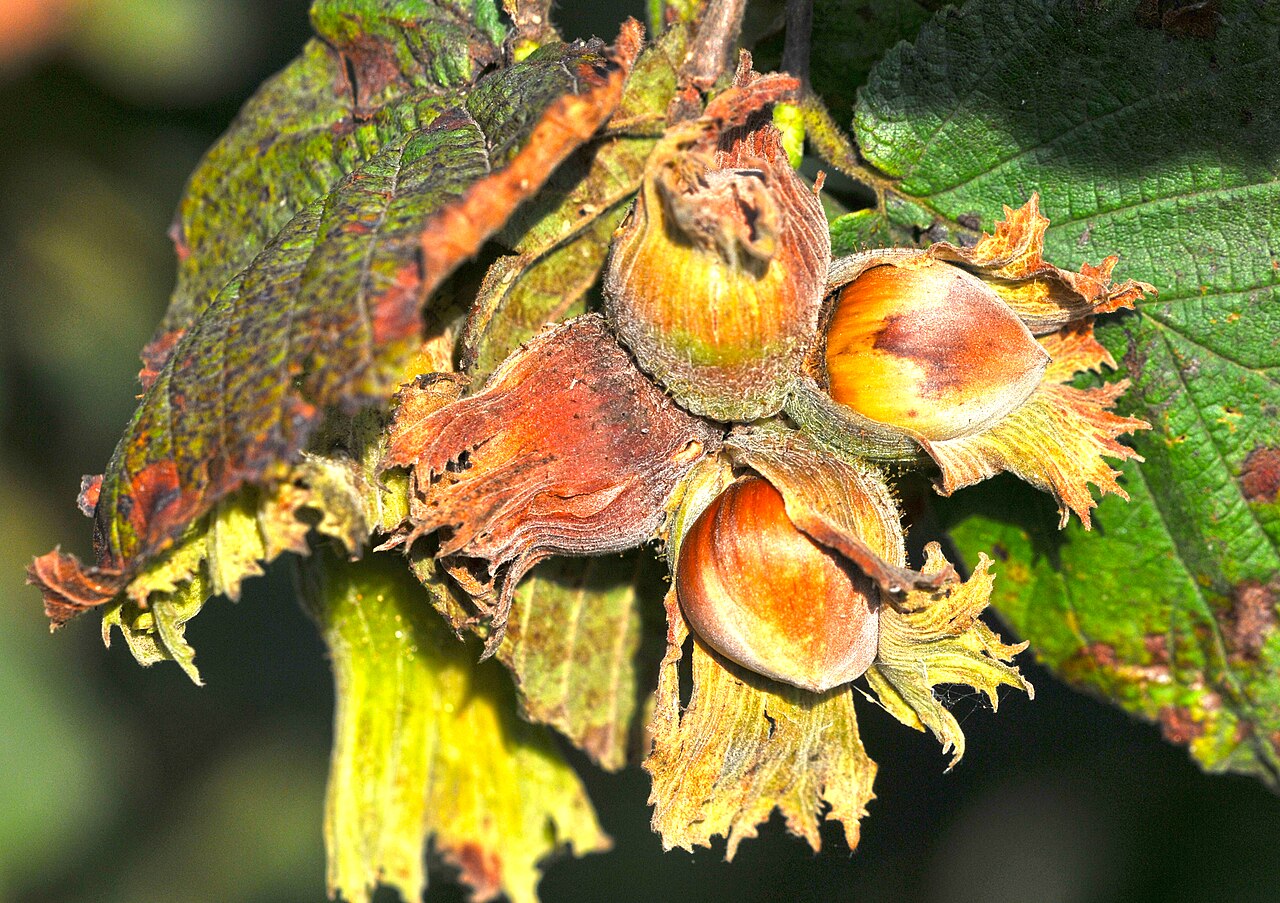
Why We Need Breeding Programs
The Croatian cultivar assortment has long relied on a few proven cultivars — Istarski duguljasti, Rimski (okrugli), and Haleški — which are recommended for the continental region because they are more cold-hardy than some objectively higher-quality industrial cultivars (e.g., Tonda Gentile delle Langhe, Tonda Gentile Romana, Tonda di Giffoni, which are primarily recommended for the coastal region). However, the market is changing: the food and confectionery industries increasingly demand smaller, rounder nuts with thin shells, good kernel recovery, and a husk that peels off easily after roasting. This is precisely why literature emphasizes that further research should be directed toward improving the cultivar assortment by introducing new cultivars and production technologies.
Breeding is not just the "creation" of entirely new cultivars through crossing. It also encompasses:
- Introduction (introducing and testing foreign cultivars under domestic agroecological conditions),
- Clonal selection within an existing cultivar (isolating superior clones),
- Controlled crossing (hybridization) and selection of offspring,
- Mutational breeding and, increasingly, molecular methods (markers, genomics).
A principle that runs through the entire literature states: every region with specific pedological and climatic characteristics should have its own, adapted hazelnut cultivar, because the profitability of cultivation primarily depends on the biological traits of the cultivar, and only secondarily on ecological conditions.
Crossing Objectives (Breeding Goals)
Breeding objectives arise from market, producer, and specific growing area requirements. These have changed over time: for ornamental hazelnuts, breeding was long focused on aesthetic traits (color, shape, and appearance of flowers and leaves, plant habit — bushy, weeping, upright), while for production cultivars, the emphasis is on economic traits.
The main current crossing objectives for production hazelnuts are:
| Goal Group | Specific Breeding Objective |
|---|---|
| Productivity | High and regular (stable) yield, earlier bearing, reduced alternate bearing |
| Nut Quality | Round, uniform kernel; thin shell; high kernel recovery; high lipid content; easy husk (pericarp) removal after roasting |
| Technological Suitability | Uniform nut size, nut that easily drops from the husk (suitable for mechanical harvest and confectionery industry), suitability for mechanical shell cracking |
| Resistance | Resistance/tolerance to diseases (especially Eastern Filbert Blight — EFB) and pests, cold and drought tolerance |
| Habit and Growing Technology | Low tendency to produce root suckers, suitable habit for modern dense orchards and mechanization, early/late flowering to avoid frost |
| Pollination | Development of high-quality pollinizers with synchronized flowering, because hazelnut is monoecious and predominantly cross-pollinating |
Two objectives are particularly highlighted in modern programs:
-
Resistance to Eastern Filbert Blight (EFB) — a disease caused by the fungus Anisogramma anomala, it is the main breeding objective in US programs (e.g., Oregon State University — OSU, and Rutgers). Wild American hazelnut (Corylus americana) is generally resistant or tolerant to EFB and fully cross-compatible with C. avellana, making it a valuable source of resistance genes.
-
Reduced production of root suckers — in Italian breeding programs, breeding is focused on yield, quality, and cultivars with minimal root sucker production, as suckers significantly increase costs and complicate orchard maintenance.
Selection Criteria: What is Evaluated in Offspring
After crossing, a large, genetically diverse offspring (seedlings) is obtained. Selection is a process in which rare, superior candidates are gradually isolated from thousands of plants. Selection criteria are grouped into three major categories — bearing, quality, and resistance — along with technological and phenological traits.
1. Bearing (Productivity)
- Yield height and stability (kg of hazelnuts in shell per tree / per hectare). For comparison, the cultivar Istarski duguljasti in continental Croatia yielded approximately 2,040–2,172 kg/ha of hazelnuts in shell with stable bearing.
- Onset of bearing (precocity) — how early the orchard enters economically profitable bearing.
- Vigor — related to habit and required planting spacing; hazelnut is a heliophile and requires wider spacing. In an experiment with seven cultivars on Corylus colurna rootstock, Fertile de Coutard showed the highest vigor (highly significant).
- Bearing regularity (avoiding pronounced alternate bearing).
2. Nut and Kernel Quality
When evaluating nuts, the following are observed:
- Morphological characteristics: roundness and uniformity of the kernel.
- Absence of defects: wrinkling, shriveling (empty kernel), mold, double/spare kernels, damage by pests.
- Chemical composition of the kernel: high lipid content, low moisture.
- Organoleptic properties: taste and aroma.
- Kernel recovery (kernel proportion in the nut) and shelf life as well as size uniformity — decisive from an industrial perspective.
- Husk (pericarp) removal from the kernel after roasting — crucial for the confectionery industry.
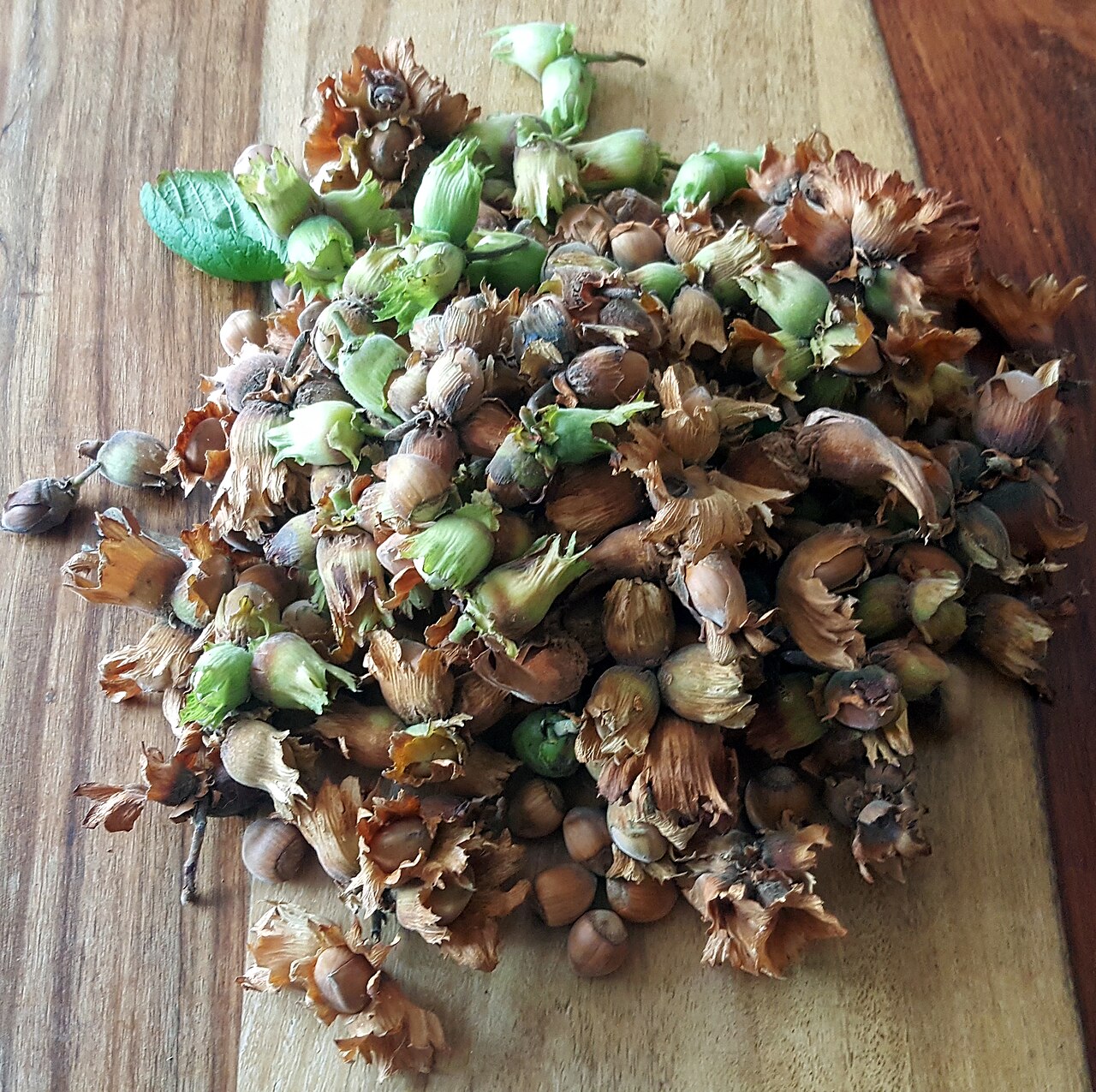
The technological component of quality is also measured through physical tests. For example, when comparing three cultivars, the forces required for shell cracking were measured, with Istrska dolgoplodna leska (Istarski duguljasti) being rated most favorably for mechanical cracking:
| Parameter (example measurement) | Value |
|---|---|
| Cracking force (by diameter) | 367.04 N |
| Cracking force (by height) | 526.15 N |
| Cracking energy (by height) | 0.24 J |
| Cracking energy (by diameter) | 0.22 J |
(Values are informative, depend on the cultivar and sample, and serve only as an illustration of the measurement approach.)
Based on intended use, cultivars are usually divided into three groups, which also directs selection objectives:
- Table cultivars — for consumption in fresh state (e.g., in fruit salads),
- Cultivars with combined traits — for industrial and table use,
- Cultivars for confectionery/chocolate industry.
3. Resistance (Diseases, Pests, Abiotic Stress)
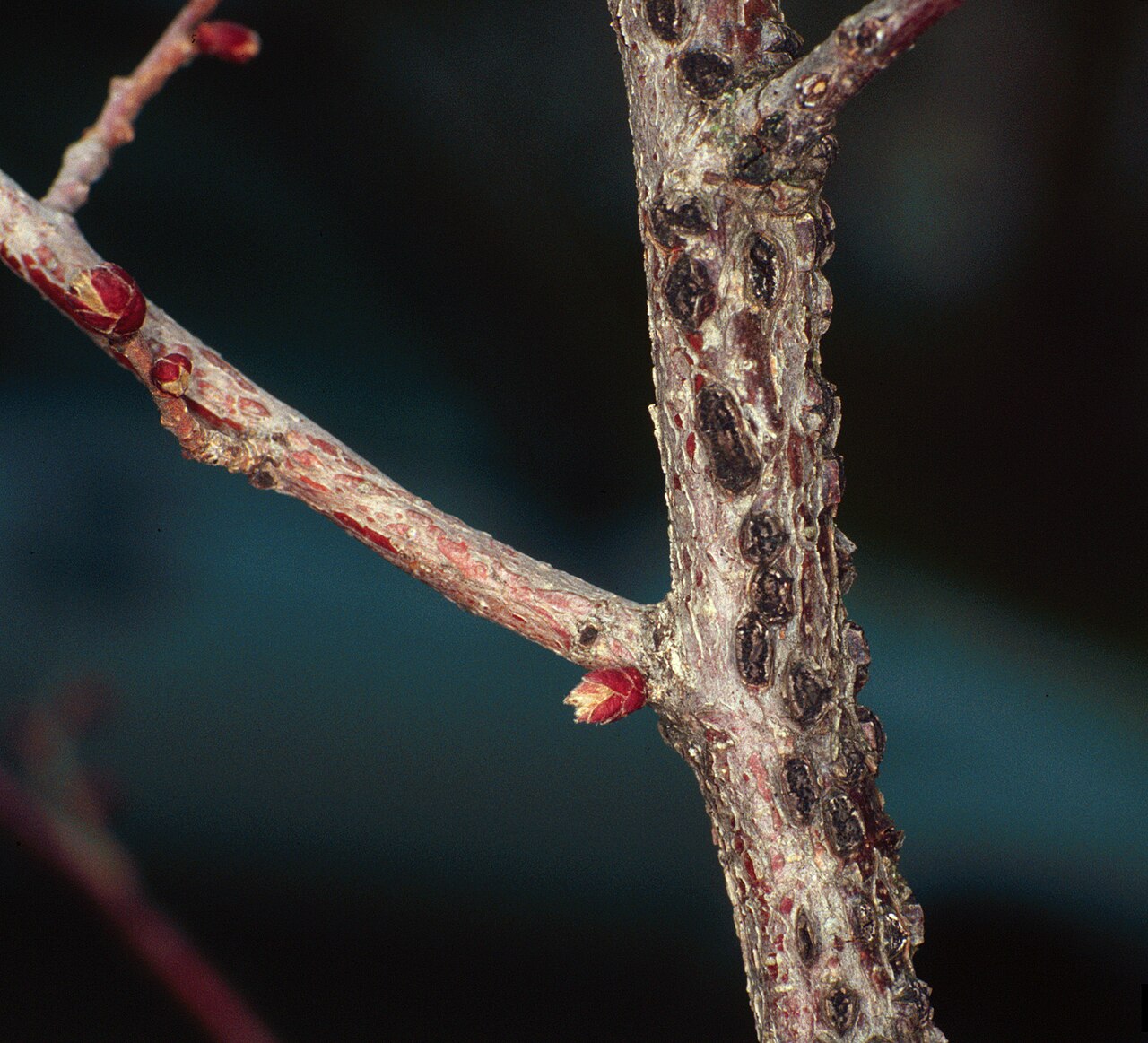
- Disease resistance — EFB dominates in global programs. In Croatia, selection and cultivation of resistant or tolerant cultivars combined with integrated pest management is recommended as an effective alternative to broad-spectrum pesticides.
- Pest resistance — different cultivar sensitivities to pests (e.g., hazelnut weevil) are known but have been poorly researched so far; this is linked, for example, to endocarp composition and shell thickness.
- Cold and drought tolerance — a decisive criterion for continental Croatia; precisely due to cold tolerance, domestic/proven cultivars are recommended despite some foreign industrial cultivars being of higher quality.
4. Pollination and Flowering Phenology
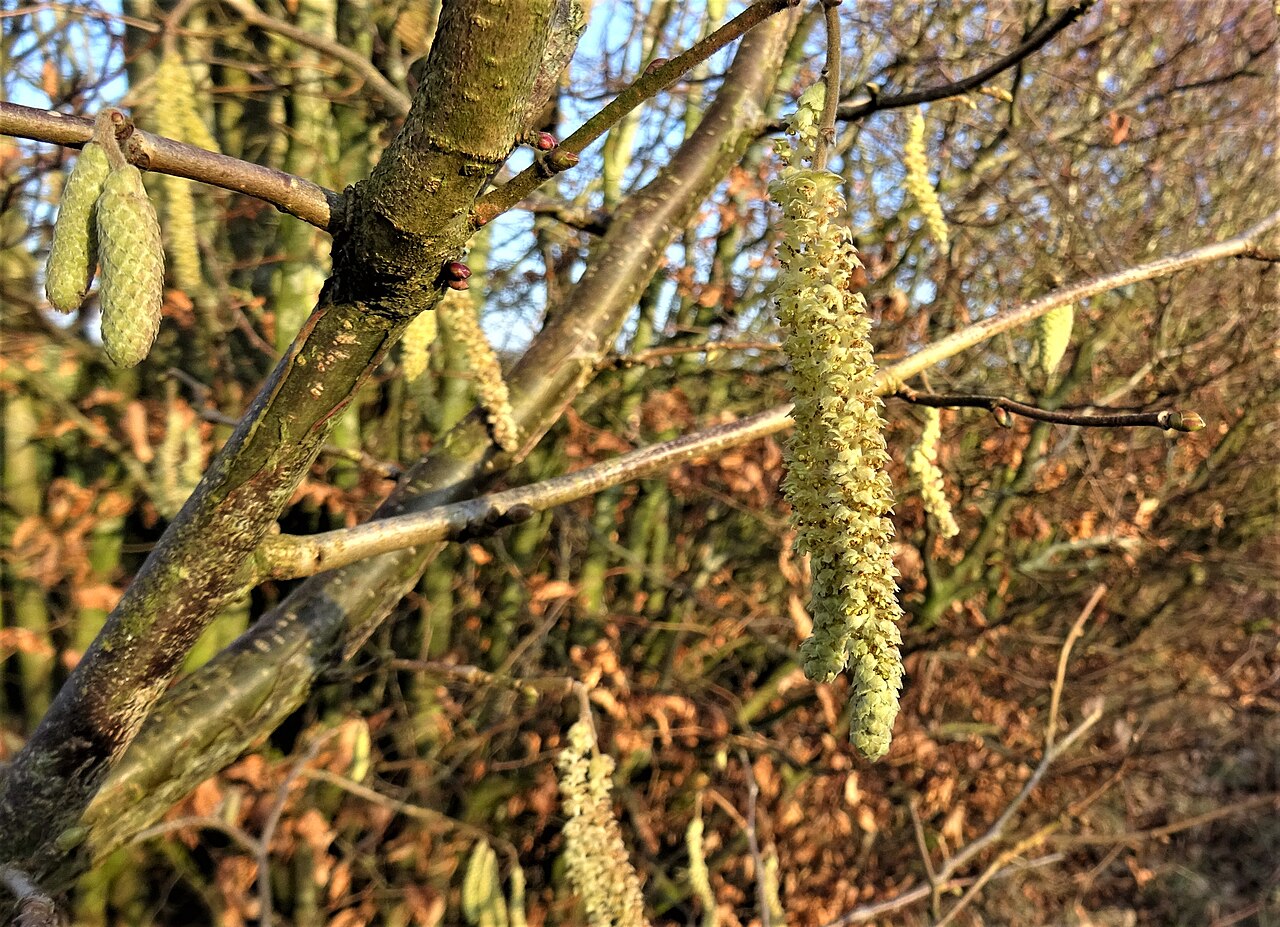
Since hazelnut is monoecious, wind-pollinated, and predominantly cross-pollinating, pollination compatibility is an integral part of selection. In practice, it is recommended to plant at least three inter-compatible cultivars with synchronized flowering, because one cultivar — no matter how many bushes of the same cultivar are in the orchard — cannot self-pollinate. Therefore, breeding programs simultaneously develop pollinizer cultivars: for example, OSU has released a series of cultivars intended exclusively for pollination since 1990, alongside production cultivars. Leafing and flowering time is an additional selection criterion (e.g., delay to avoid late spring frosts).
Development timeline of a cultivar: from crossing to recognition
Cultivar development can be divided into several phases that follow one another over many years. The following overview is generalized (combining practices of introduction, clonal selection, and hybridization from both domestic and global programs).
| Phase | What is done | Approximate duration |
|---|---|---|
| 0. Setting goals and sources | Defining breeding objectives; collecting and evaluating germplasm (collections from around the world) and selecting parents | Ongoing / 1–2 years |
| 1. Crossing (hybridization) | Controlled pollination of selected parents; a series of crosses each year to combine resistance with quality and yield | 1 year |
| 2. Seedling production | Sowing seeds, growing a large number of offspring in a nursery | 1–3 years |
| 3. First (individual) selection | Evaluation of individual plants in bearing; culling weak plants, selecting superior candidates | 4–8 years from sowing |
| 4. Propagation and comparative trials | Vegetative propagation of selected candidates; planting in comparative trials at multiple locations, alongside standard (reference) cultivars | Additional 5–8 years |
| 5. Multi-location and multi-year testing | Monitoring yield, quality, resistance, and adaptability across multiple bearing years and different agroecological conditions | Several years |
| 6. Recognition and protection | Official testing (DUS — distinctness, uniformity, stability), registration in the cultivar list, and potential protection of plant breeder's rights | 2–4 years |
| 7. Commercial production of planting material | Propagation of certified planting material (e.g., CAC or certified category) and dissemination into practice | Ongoing |
A few important notes regarding the table:
- Clonal selection is a "shortcut" within an existing cultivar: the goal is to identify the best clone. For example, clones Carazza, Foschini, Iezzi, Oroni, and Valentini were evaluated as superior candidates within the cultivar Tonda Gentile Romana (research from 1994).
- Mutation breeding is used for targeted traits. In Italy, in 1981, plants were treated with gamma rays to reduce sucker production: of 500 treated plants, 115 suckers were rooted, and six plants had no suckers after five years.
- Marker-assisted selection (MAS) accelerates the process today: the OSU program uses reliable DNA markers linked to the dominant allele for Eastern Filbert Blight (EFB) resistance from the source 'Gasaway', enabling early culling of susceptible seedlings without waiting for infection.
- Introduction is a very practical route for Croatian conditions: new foreign cultivars are introduced and tested in comparative trials (e.g., the historical establishment of intensive hazel orchards with various foreign cultivars in Istria), and only those proven under domestic conditions are released for production.
Examples of results from global programs
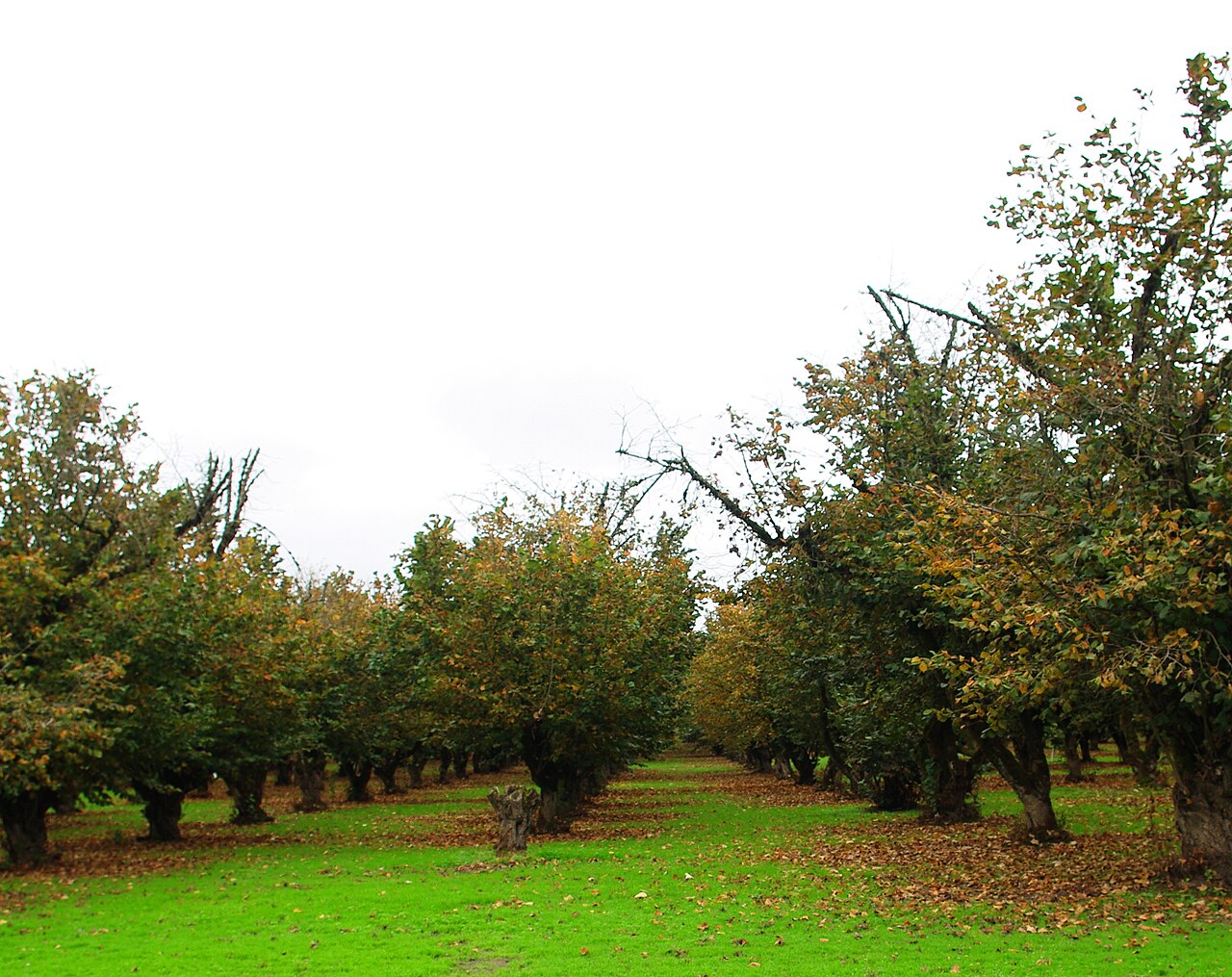
To illustrate the extent to which programs produce results: OSU has released 11 cultivars for production and 12 pollinizer cultivars since 1990. Among them are cultivars with quantitative resistance ('Lewis', 'Clark', 'Gem', 'Sacajawea') and cultivars with a single dominant resistance gene from 'Gasaway' ('Santiam', 'Yamhill', 'Dorris', 'Wepster', 'McDonald', 'PollyO', 'Jefferson'). Through the Hybrid Hazelnut Consortium (OSU + Rutgers), hybrids of American and European hazel are being developed for colder regions of the eastern and midwestern USA (e.g., 'Raritan', 'Somerset').
Practical recommendations and common mistakes
Recommendations for growers:
- Choose the cultivar based on your location. For continental Croatia, cultivars resistant to low temperatures are preferred (e.g., the combination of Istarski duguljasti + Rimski + Haleški); higher-quality but more sensitive industrial cultivars (Tonde types) are more suitable for the coastal region.
- Always plan for pollinizers. Plant at least three intercompatible cultivars with synchronized flowering; without good pollination, even the most productive cultivar will underperform.
- Seek certified planting material of known cultivar and category (e.g., CAC/certified) from a reliable nursery.
- Test before large-scale planting. Plant a new, unproven cultivar on a small scale first and monitor it for several bearing years under your own conditions before expanding.
- Monitor the intended use. If selling to the confectionery industry, priority is given to kernel percentage, kernel roundness, and ease of shell removal; for mechanical harvesting, the key trait is a nut that drops easily from the husk.
Common mistakes:
- Planting only a single cultivar or a pollinizer with unsynchronized flowering → poor fertilization and low yield.
- Adopting a foreign "top-tier" cultivar without verifying its frost/drought resistance in your own area.
- Evaluating a cultivar based on one or two years — hazelnut yield and quality vary from year to year, so multi-year monitoring is necessary.
- Neglecting the tendency to produce suckers, which significantly increases orchard maintenance costs in the long term.
- Planting spacing too narrow for vigorous cultivars (hazel is a heliophile) → shading and declining productivity in older orchards.
Sources
This article is an AI summary generated from an internal literature collection on hazelnuts (RAG corpus) and publicly available sources. Dosages, figures, and timelines are informative and depend on the cultivar, location, and current regulations. Main sources used:
- Miljković, I. — Growth and bearing of hazelnut cultivars on Corylus colurna rootstock and own roots in the ecological conditions of Istria (Pomologia Croatica). https://doi.org/10.33128/pc.21.3-4.2
- Status and importance of hazelnut cultivation in the Republic of Croatia (2018.) — cultivar assortment, bearing, market requirements.
- Status and trends in hazelnut production and consumption (Plant Protection Gazette, 2017.). https://doi.org/10.31727/gzb.42.3.9
- Ecological production and ecological hazelnut products in Croatia (final thesis, 2022.) — cultivar selection criteria and target groups.
- Vujević, P. — Cultivar selection and training systems for hazelnut (Agroklub). https://cdn.agroklub.com/upload/documents/sorte-i-uzgojni-oblici-lijeske.pdf
- Diploma thesis: Influence of specific organic acids on the suppression of hazelnut suckers (C. avellana L.) (2024.) — Italian programs, gamma rays, clonal selection of Tonda Gentile Romana.
- Comparison of morphological and physical properties of fruits of three hazelnut cultivars (Corylus avellana L.) (2006.) — physical properties for mechanical cracking.
- PDF: Hazelnut Cultivation (2009.) — selection of resistant cultivars, sensitivity to pests.
- Hazelnut Cultivation (book, 2017.) and Guide to Hazelnut Cultivation (2024.) — vigor, spacing, cultivar traits.
- Investment study for the production of innovative hazelnut-based products (2019.) — pollination and number of inter-row cultivars.
- Economic analysis of hazelnut production (2023.) — traits for cultivar selection (yield, kernel percentage, resistance).
- Mehlenbacher, S. et al. — Hazelnut Breeding Program, Oregon State University. https://plantbreeding.oregonstate.edu/plantbreeding/research/hazelnut-breeding-program
- Plant Resistant Cultivars / EFB management, Oregon State University. https://bpp.oregonstate.edu/efb/management/plant-resistant-cultivars
- Molnar, T. et al. — Hazelnut (Corylus spp.) Breeding, Rutgers University. https://www.researchwithrutgers.com/en/publications/hazelnut-corylus-spp-breeding/
- A haplotype-resolved chromosome-level assembly... C. avellana cv. Jefferson... eastern filbert blight resistance (NCBI/PMC). https://www.ncbi.nlm.nih.gov/pmc/articles/PMC11152071/