Artificial Intelligence and Robotics in Hazelnut Orchards (Autonomous Robots, Fruit/Pest Recognition)
Content generated by artificial intelligence — verify before application
This article was automatically compiled from a collection of hazelnut literature using artificial intelligence and may contain errors or outdated data. It serves as a starting point for further research, not as professional advice. Dosages, products, and timing are informative and depend on the cultivar, location, and current regulations — always consult with an advisory service and official sources before application.
Artificial intelligence (AI), machine learning (ML), and autonomous robotics have already stepped into orchards — including hazelnut orchards. While remote detection via drones and IoT sensors answers the question "what is happening in my orchard," this article goes one step further: it deals with how systems recognize diseases, pests, and fruits on images, how they estimate yield based on sparse measurements, and how autonomous robots navigate rows and perform tasks themselves. For a Croatian producer, the main value lies in a realistic assessment: what is already being done in the field, and what is still in the laboratory or research projects. The most important reference framework for hazelnut is the European project PANTHEON, around which the majority of relevant literature for this crop has emerged in recent years.
Why is this an "advanced direction"
The section on digital agriculture covers tools that give humans better data: sensors, satellite and drone imagery, record-keeping software, and decision support systems (DSS). With these tools, the decision is still made and executed by humans. AI and robotics change exactly that part of the chain:
- Perception — the algorithm itself "sees" and classifies (healthy/diseased leaf, pest present/absent, ripe/unripe fruit, shoot to be removed).
- Estimation and prediction — a model calculates the state of the entire orchard (e.g., total yield) from a sample of measurements without measuring every tree.
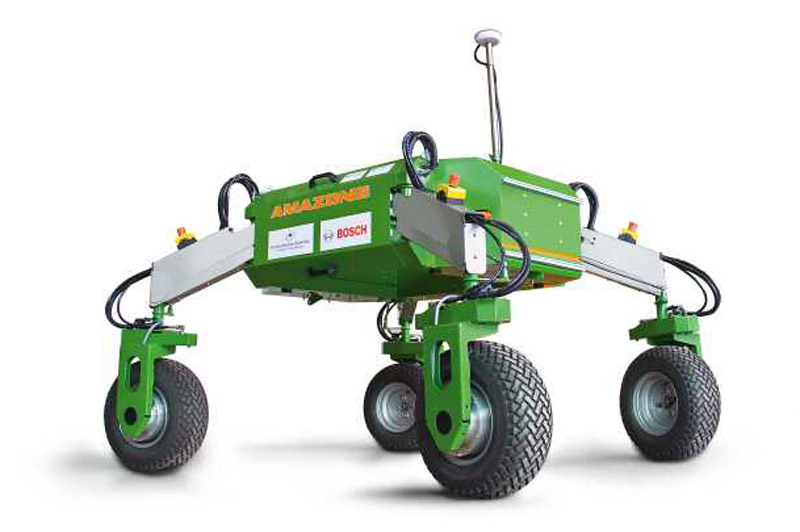
- Action — an autonomous machine navigates the row itself and performs the intervention (removing shoots, targeted application, data collection).
This is the difference between a "smarter tool in the agronomist's hands" and a "machine that does part of the work instead of him." Precisely because of this difference, the technology is promising but also immature: the higher the degree of autonomy, the more expensive, fragile, and further from serial application on an average family farm the solution becomes.
PANTHEON — reference project for hazelnut
PANTHEON (Precision Farming of Hazelnut Orchards) is a European research project funded through the Horizon 2020 program (Grant Agreement No. 774571). This is so far the most serious attempt to apply the entire arsenal of precision agriculture — robotics, remote sensing, IoT, and big data processing — specifically to hazelnut. The consortium includes four universities and two industrial partners, including Ferrero, the world's largest consumer of hazelnuts.
The idea is as follows: instead of fixed, uniform treatment of the entire orchard, a smaller number of heterogeneous robotic units (ground and aerial) move through the orchard, collecting data at the level of individual trees and performing part of the field work. All data flows into a central unit organized as a SCADA system (Supervisory Control And Data Acquisition), known from industrial automation. The central unit then performs automatic feedback actions (e.g., regulating irrigation) and supports agronomist decisions (e.g., pruning recommendations).
What PANTHEON specifically targets
The project consciously limited itself to activities where robotics and sensorics make a real difference, so that goals would be realistic:
| Activity | Role of AI/Robotics |
|---|---|
| Irrigation | soil and plant sensors + automatic flow regulation |
| Pruning | pruning recommendations based on 3D canopy models (decision support) |
| Detection and removal of suckers | autonomous recognition and targeted treatment of suckers |
| Pest and disease detection | monitoring occurrence and quantifying damage thresholds |
| Yield estimation | yield model from sparse measurements per tree |
The SCADA system architecture consists of a wireless backbone network, a fleet of ground robots (UGV), one or more aerial robots (UAV), an IoT network, and a central unit. Aerial and ground robots move through the orchard and collect data on plant status, while ground robots also perform certain tasks.
Robotic platforms and navigation
PANTHEON used two SHERPA HL robotic platforms for ground work, mechanically adapted for orchard operations. One platform is derived for Ackermann steering kinematics (like a car), while the other can operate in both Ackermann and omnidirectional modes. Experimental validation showed that for navigation through hazelnut rows, the Ackermann model is more practical than the omnidirectional one. For spatial maneuvering, the robot uses SLAM (Simultaneous Localization and Mapping), along with a whole layer of algorithms for control, navigation, and path planning.
Autonomous sucker removal — an example of a completed task
The most concrete result of the project is autonomous sucker management. Suckers emerging from the base of the shrub consume food and water, and are removed manually or with herbicide — a task repeated multiple times during the season. The PANTHEON robot performed this task on five targeted trees in the same row in the experimental orchard: it navigated autonomously to the locations of the selected trees, and for the suckers:
- detected in real-time using a YOLO model on RGB-D images (color + depth),
- segmented using the ExG (Excess Green) vegetation index,
- reconstructed and located in space using the Kimera library, and then performed targeted treatment.
For sucker detection itself, researchers fine-tuned the YOLOv3 convolutional neural network (a tiny variant, a compromise between speed and accuracy, input image 608×608), further trained on a pre-trained model (ImageNet) using images taken in the orchard. The two main challenges in open fields were background noise (grass, other plants) and highly variable lighting conditions.
Yield estimation with machine learning
Continuously measuring every tree in a large orchard is not realistic. Therefore, it is key to develop tools that estimate total yield from sparse measurements in space and time. The initial assumption is that all trees in a sufficiently small zone of the orchard are exposed to similar conditions and have comparable losses; from the measurement of a few plants, the state of unmeasured plants and the total yield of the entire orchard can then be estimated. This is a typical machine learning task: the model learns the relationship between a few measurable variables (e.g., canopy parameters, historical data, vegetation indices) and final yield.
In hazelnut literature, agronomic indicators that can be digitally recorded and used as input for the model are linked — for example, the trunk cross-sectional area (TCSA) at 30 cm height, the mass of pruned wood per tree, and the yield per tree expressed as the mass of nuts in shell, from which yield efficiency is also calculated. Computer models in agriculture are not new even in Croatia: they are already used for soil evaluation and estimation of potential crop yield, soil nutrient supply, and fertilization needs.
Realistic scope
Yield estimation by a model is useful for planning (purchasing, drying, logistics, contracting), but remains an estimate with uncertainty. Accuracy depends on the quality and number of field measurements used to "feed" and calibrate the model for a specific cultivar and location.
Recognition of diseases, pests, and fruits (computer vision)
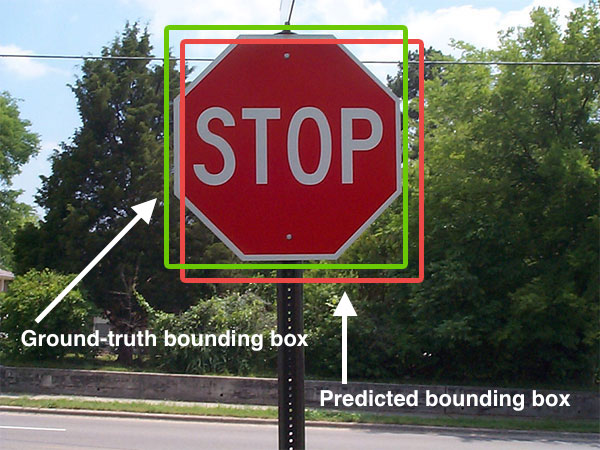
The most mature and accessible part of AI in horticulture is computer vision — recognition from images. The approach is almost always the same: a set of labeled images (healthy/diseased, pest species, fruit ripeness stage) is collected, a convolutional neural network (CNN) or a detector like the YOLO family is trained on it, and the model then classifies new images from drone, robot, or phone cameras in real-time.
What the literature says (orientational figures)
| Application | Approach | Reported Accuracy / Effect | Note |
|---|---|---|---|
| Walnut leaf disease detection | deep learning, 726 images (365 diseased, 361 healthy) | up to 99.58 % | related crop; small, "clean" dataset |
| Pest detection in orchards | improved YOLOv4, real-time | high detection accuracy | general orchard |
| Fruit counting from air (durian) | EN-YOLO type model, drone | 95.3 % counting accuracy | with a knowledge base for decisions |
| Sorting underdeveloped hazelnuts | impact acoustics + classifier (SVM) | ~97 %, 20–40 fruits/s | post-harvest processing, not field |
The figures are orientational and come from individual studies under controlled conditions; in a real orchard (variable light, dust, overlapping leaves, other plants in the background), accuracy is regularly lower. An Italian review of "Smart Agriculture" directly states the true value of this approach for hazelnut: early diagnosis — image recognition algorithms analyze leaves, fruits, and flowers and timely reveal signs of disease or infestation.
Connection with remote sensing
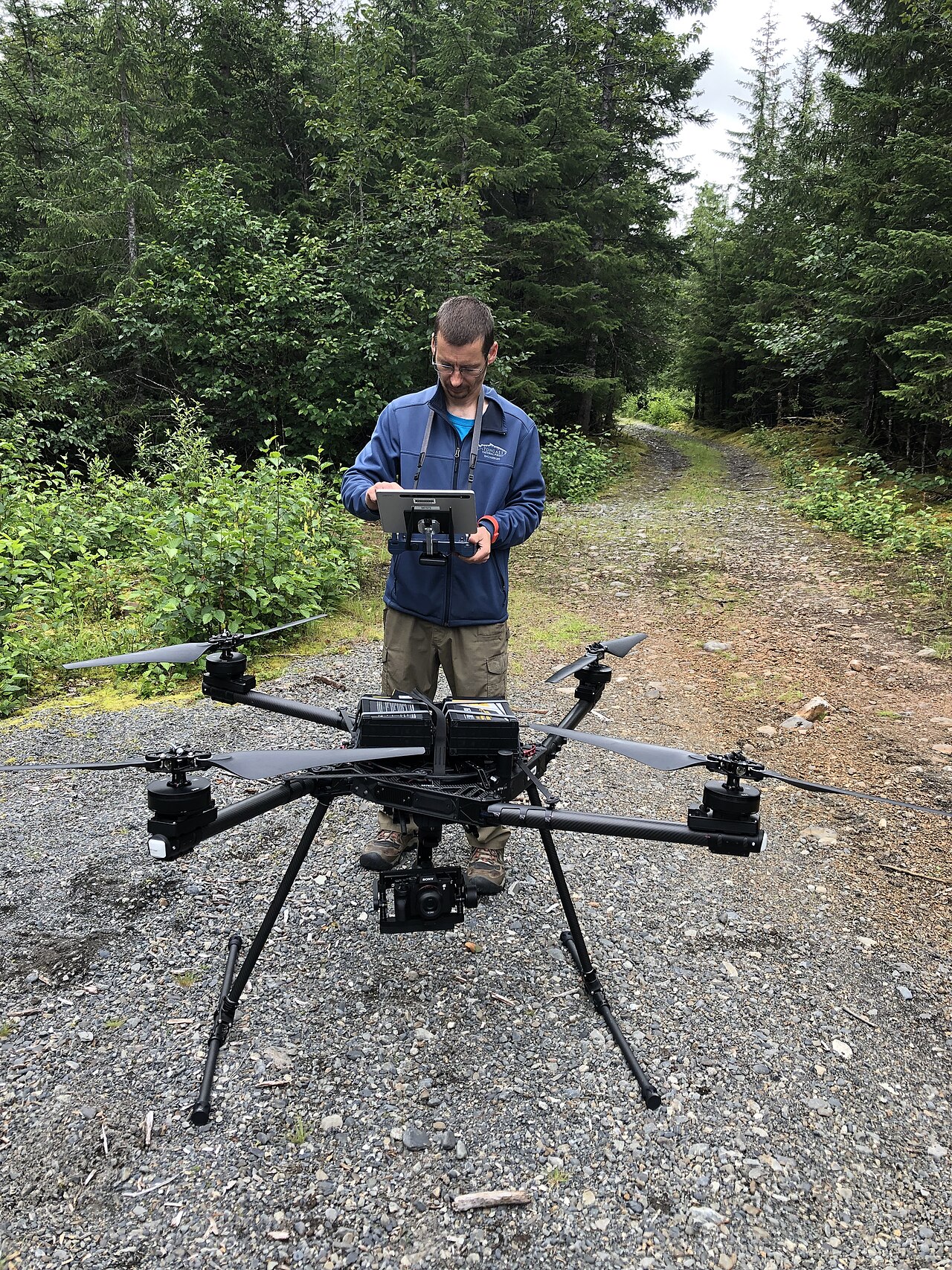
Computer vision does not only work on close-up images. Sensors and vegetation indices (e.g., NDVI, CWSI, carotenoid indices) can signal stress and disease at the tree level early; on other crops, huanglongbing in citrus and verticillium wilt in olives were thus recognized before visible symptoms appeared. Systematic reviews of orchard monitoring via drones and neural networks point to exactly these applications: tree segmentation, disease and harmful insect detection, fruit recognition, and production estimation.
Latest trends (2025)
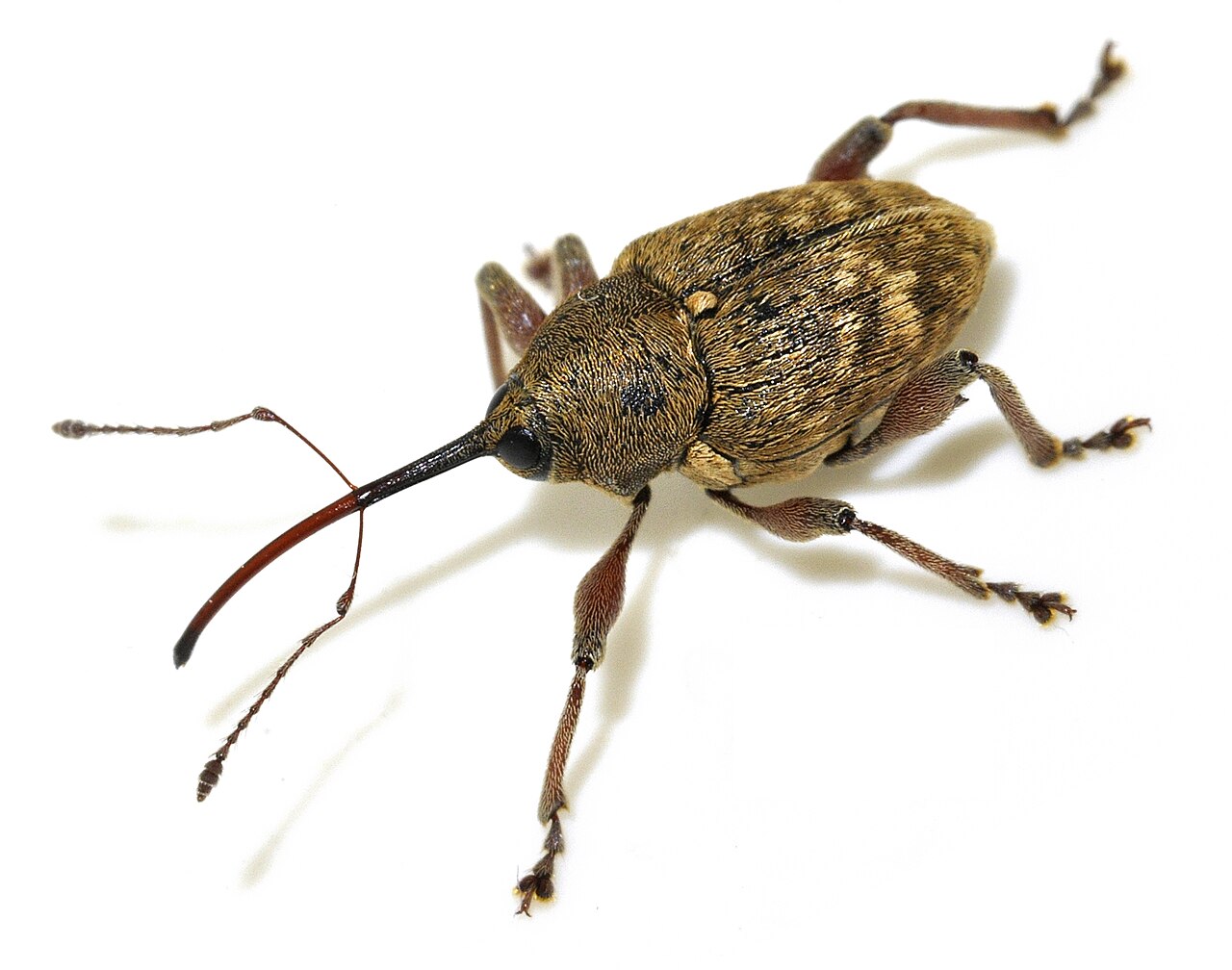
The latest research combines detectors like YOLO with large language and vision-language models so that the system not only recognizes the problem but also suggests a measure (e.g., EN-YOLO with a "knowledge base of experts" for protection decisions). Parallel to this, lightweight variants of models are being developed for operation on inexpensive embedded hardware (Raspberry Pi, drones), paving the way for application outside the laboratory. Specialized scouting robots are also appearing, e.g., for detecting virus-infected plants in the field.
State of the technology: what works, and what doesn’t
It is fair to categorize technologies by their maturity for actual application in hazelnut orchards:
| Technology | Maturity | Reality for HR Producers |
|---|---|---|
| Disease/pest recognition from images (phone/drone) | medium–high | available as a diagnostic aid tool; verify results |
| Yield estimation via measurement models | medium | feasible with sufficient field data and calibration |
| Machine-assisted pruning (cutting recommendations) | low–medium | mostly research; cutting is still done by humans |
| Autonomous UGV for suckers / data (PANTHEON) | low (research) | proven in trials, not a serial production product |
| Mechanized hazelnut harvest (shaking + ground collection) | high (mature, but not "UI") | standard on areas above ~3 ha |
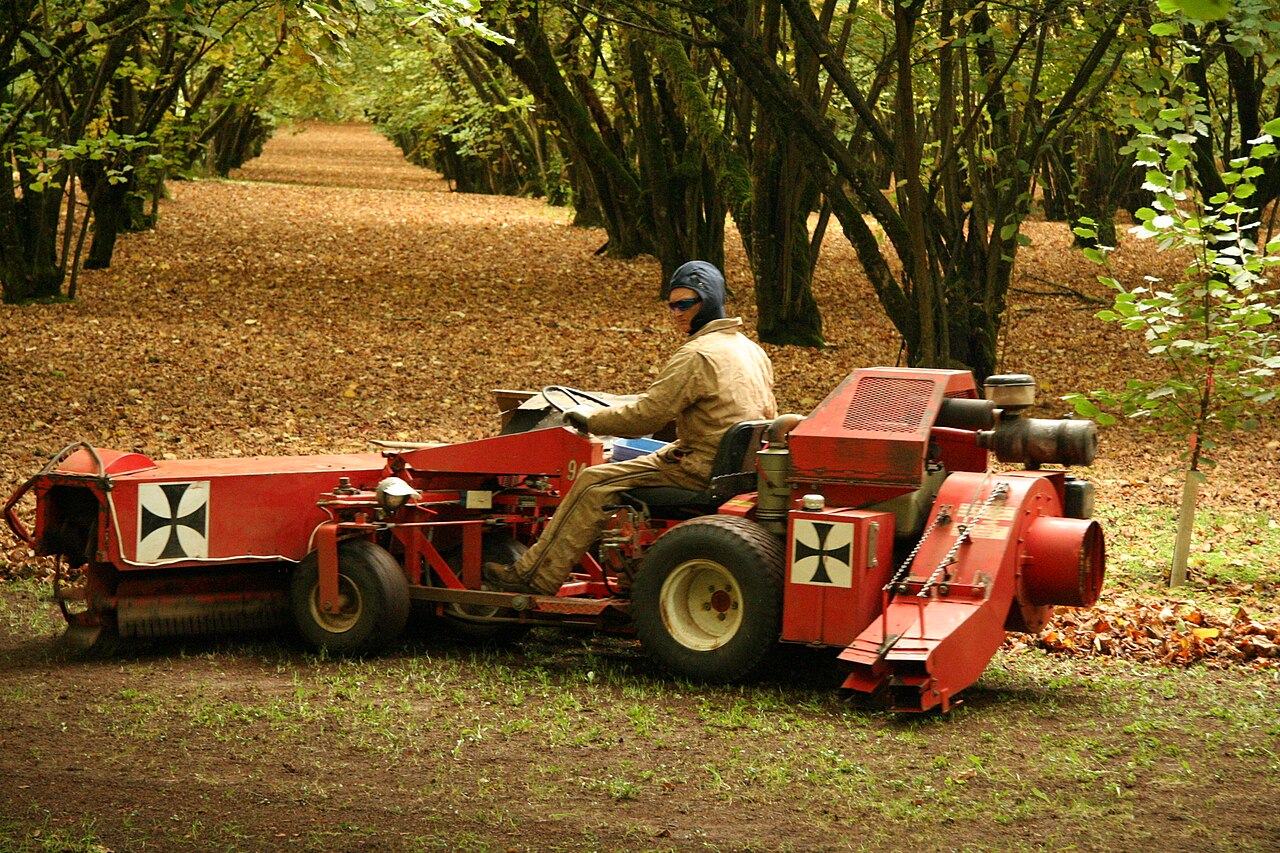
Key point: autonomous robotics for hazelnuts is still in the research phase. PANTHEON has shown that certain tasks (removing suckers, collecting data per tree) can be autonomous, but this is not a product you buy "off the shelf." Robotic applications in agriculture are still under development, with many unexplored applications. In contrast, classic mechanized harvesting — which is not UI, but shaking machines and vacuum-based fruit collection from the ground — has long been a reality and reduces costs on large areas (harvesting otherwise accounts for up to ~50 % of total production costs).
Practical recommendations and common mistakes
What is profitable and feasible on a family farm today:
- Start with computer vision as a diagnostic aid — apps/services that suggest possible causes from leaf photos. Treat them as a "second opinion," not a diagnosis.
- Combine vision with drones and vegetation indices for early detection of stress hotspots, then target only the problematic zones.
- For yield estimation, systematically record field data (tree samples, measurements) — without quality input data, no model is reliable.
- Consider mechanized harvesting and processing (combine harvester, dryer) through support programs (e.g., operation type from the CAP Strategic Plan / former IPARD), as equipment is expensive and often profitable through service provision to others.
Common mistakes:
- Trusting published accuracy of "99 %". These figures apply to neat laboratory datasets; in a dusty orchard under changing light, results are weaker.
- Buying autonomous robots as a ready-made solution. For hazelnuts, such a serial production product practically does not exist; these are research platforms.
- Neglecting surface preparation for mechanization. For both machine harvesting and robot navigation, the soil must be leveled and clean (chopping, rolling, desiccating grass before harvest), otherwise machine effectiveness drops.
- Blindly following automatic protection recommendations. Dosages, products, and intervals depend on the cultivar, location, and product registration — always check the current label and advisory service.
Sources
This article is an AI summary from an internal hazelnut literature collection (RAG corpus) and publicly available sources. Dosages, figures, and claims are informative and should be verified in original sources and with the advisory service. Main sources used:
- PANTHEON — Precision Farming of Hazelnut Orchards, Horizon 2020 (no. 774571), CORDIS — https://cordis.europa.eu/project/id/774571
- PANTHEON — official project pages and deliverables (Roma Tre University) — https://pantheon.inf.uniroma3.it/
- Pantheon: robots giving a helping hand to hazelnut farmers, European Commission — https://digital-strategy.ec.europa.eu/en/news/pantheon-robots-giving-helping-hand-hazelnut-farmers
- Precision Farming of Hazelnut Orchards (PANTHEON) — SCADA for Agriculture (RAG corpus, PDF deliverable; UGV development, SHERPA HL, Ackermann/SLAM)
- Potena et al. (2020), Sucker detection — fine-tuning YOLOv3 for sucker detection in hazelnut orchards — https://doi.org/10.1109/ccta41146.2020.9206335
- An Autonomous Sucker Management Architecture (validation in PANTHEON orchard; YOLO + ExG + Kimera) — RAG corpus, 2022.
- Pretto et al. (2020), Building an Aerial-Ground Robotics System for Precision Farming (RHEA, PANTHEON, GRAPE, SWEEPER) — RAG corpus
- Orchard monitoring based on UAVs and image processing by ANN: a systematic review (2023) — RAG corpus
- Next-generation methods for early disease detection in crops (2023) — RAG corpus
- Walnut leaf disease detection using deep learning (726 images, up to 99.58 %) — RAG corpus
- Detection of underdeveloped hazelnuts by impact acoustics (~97 %, 20–40 nuts/s) — RAG corpus
- Parisi (2024), Smart Agriculture: Nuove Tecnologie in Agrometeorologia e Agronomia — RAG corpus
- Pacchiarelli et al. (2025), Influence of the Plant Training System on Yield and Nut Traits of European Hazelnut — https://doi.org/10.3390/agronomy15020345
- Hunt et al. (2025), remote detection of tree health in orchards — https://doi.org/10.3390/s25010288
- Gojak, M. (2020), Tractor attachment for hazelnut harvesting, FSB — RAG corpus
- Mechanization in hazelnut production and processing at Minas-Zrno 1 company (2021) — RAG corpus
- A real-time object detection model for orchard pests based on improved YOLOv4 — https://www.ncbi.nlm.nih.gov/pmc/articles/PMC9360051/
- Small Object Detection in Agriculture: Durian Orchards Using EN-YOLO (2025) — https://www.ncbi.nlm.nih.gov/pmc/articles/PMC12430213/
- Advancing site-specific disease and pest management in precision agriculture (2025) — https://arxiv.org/html/2510.24650v1