Biostimulators, Amino Acids, and Seaweed in Hazelnut Cultivation
Content generated by artificial intelligence — verify before application
This article was automatically compiled from a collection of hazelnut literature with the assistance of artificial intelligence and may contain errors or outdated information. It serves as a starting point for further research, not as professional advice. Dosages, products, and timing are informative and depend on the cultivar, location, and current regulations — always consult with an advisory service and official sources before application.
Biostimulators are the fastest-growing category of products in hazelnut nutrition programs. In almost every orientation program for hazelnut protection and fertilization today, preparations based on amino acids, seaweed extracts, and humic and fulvic substances are mentioned alongside conventional fertilizers — most often in the context of plant recovery from stress (frost, drought, hail) and improved pollination. However, it is rarely explained what these products actually are, how they work, when they pay off, and how realistic the claims on the label are. This article brings together in one place what is known about biostimulators from hazelnut literature and broader scientific literature, and sets realistic expectations for orchardists.
What is a biostimulator (and what it is not)
A biostimulator is neither a fertilizer nor a plant protection product in the classical sense. European regulation on fertilizing products (EU Regulation 2019/1009, applicable from July 16, 2022) gives plant biostimulators their official status for the first time and places them in a separate product function category PFC 6 — plant biostimulators. According to this definition, a biostimulator is a product that — regardless of nutrient content — stimulates plant processes with the aim of improving one or more of the following properties:
- nutrient use efficiency,
- tolerance to abiotic stress (drought, heat, frost, salinity),
- qualitative characteristics of yield,
- availability of nutrients in the soil or rhizosphere.
The key difference from fertilizer is that the effect of biostimulators does not primarily come from the amount of nitrogen, phosphorus, or potassium applied, but from bioactive compounds that "stimulate" the plant to function better. Compared to growth regulators, biostimulators have a wider range of sources and more diverse functions, acting not only on the plant but also on the soil and soil microorganisms.
An important warning that runs through the scientific literature is that the mechanism of action of biostimulators is still largely unknown, which makes it difficult to fully exploit their potential and makes results variable from orchard to orchard.
Main groups of biostimulators in hazelnut cultivation
Four main groups are most commonly encountered in programs for hazelnuts and related fruits.
1. Amino Acids
Preparations based on free L-amino acids are the most common group in hazelnut programs. Amino acids are the building blocks of proteins, so "ready-made" free amino acids can be immediately incorporated by the plant without expending energy on their synthesis — which is particularly useful when the plant is under stress and its metabolism is slowed down.
Typical compositions stand out from hazelnut literature:
- preparations with a very high content of free amino acids (23–24 %) of plant origin, declared as "strong effect against stressful conditions" and a source of organic nitrogen acceptable in organic production;
- preparations with a lower content (e.g., 12 % L-free amino acids and 2 % nitrogen), with a full amino acid profile (aspartic and glutamic acid, proline, glycine, arginine, etc.);
- preparations obtained by bacterial fermentation (e.g., fermentation of molasses using Corynebacterium glutamicum or fermentation of plant residues), where all amino acids are free and fully available.
Amino acids such as proline have a known role as osmoprotectants — the plant accumulates them during drought and frost to protect cells, so their foliar application has physiological logic during stressful periods.
2. Seaweed Extracts
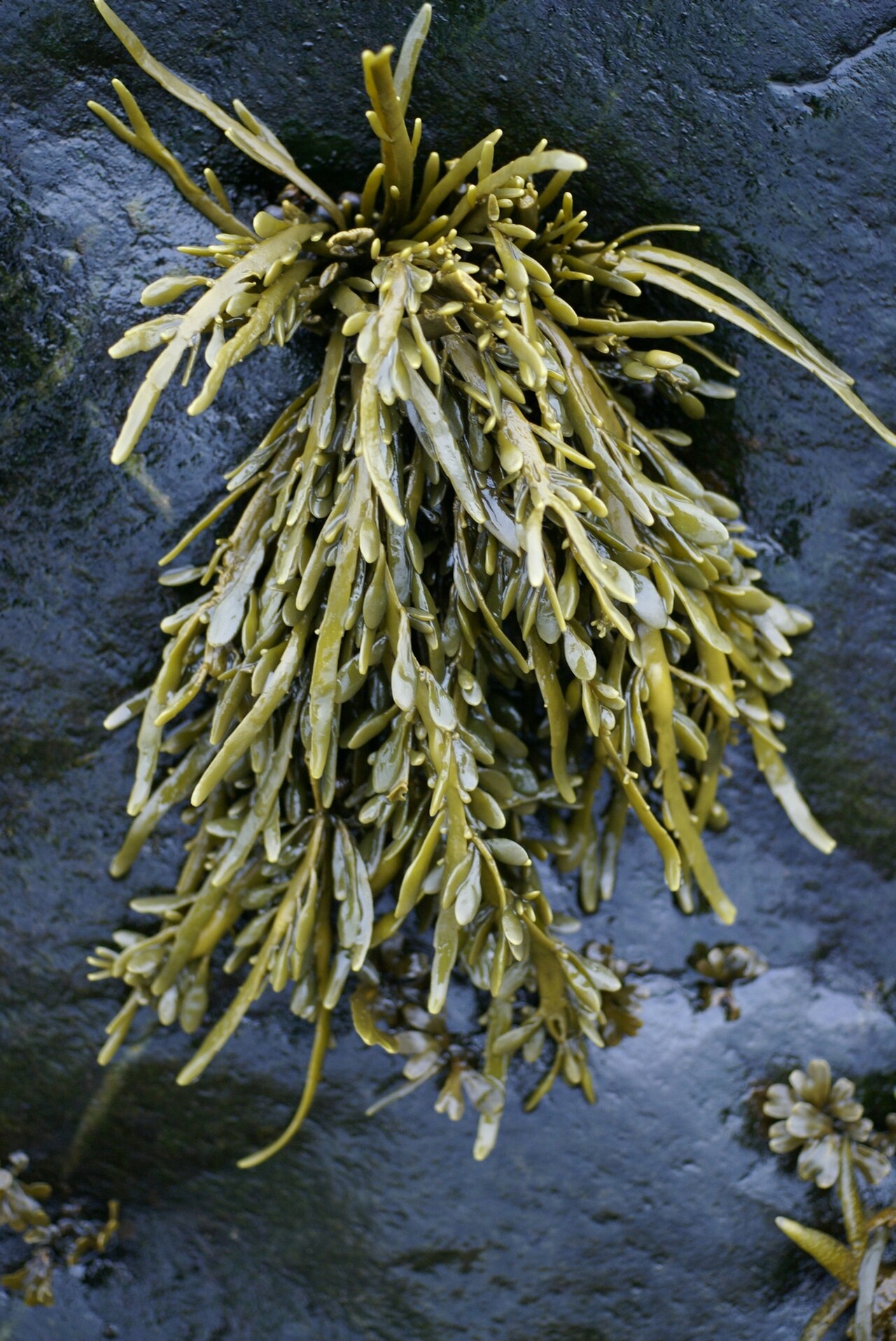
The most common raw material is the brown algae Ascophyllum nodosum, and in newer Italian preparations, the microalgae ,Chlorella vulgaris. Higher-quality extracts are obtained by cold pressing (without high temperatures and strong alkalis), which preserves sensitive bioactive compounds:
- alginates and polysaccharides (water retention, effect on structure),
- polyphenols (antioxidants),
- natural plant hormones — auxins, cytokinins, gibberellins, polyamines,
- amino acids, vitamins, and micronutrients.
It is precisely the cytokinins and gibberellins from algae that are linked to improved flowering, better pollination, and reduced early fruit drop in fruit trees, which is why algal preparations are positioned in programs around flowering and fruit set. Some algal preparations are additionally enriched with silicon (Si) for greater resistance to drought and stress.
3. Humates (Humic and Fulvic Substances)
Humic and fulvic acids act primarily on the soil and rhizosphere: fulvic acids improve the chemical structure of the soil and cation exchange capacity (even at low temperatures and a wide pH range), while humic acids act on the physical structure of the soil and water retention. This increases the accessibility of poorly soluble nutrients and their uptake by roots. They often come in combined preparations together with amino acids and micronutrients.
4. Microbial Biostimulators and Soil Activators
Preparations with beneficial microorganisms (e.g., soil activators applied via fertigation or to the soil) stimulate rhizosphere microbiological activity, better water management, and nutrient mobilization. Regular application is linked to long-term improvement of soil fertility, structure, and water-air relations.
How biostimulators work — stress, pollination, fruit set
There are three main "fields" where biostimulators are justified in a hazelnut orchard.
Abiotic stress. This is the most convincing and most frequently documented effect. Amino acid and algal preparations help the plant to quickly overcome and recover from frost, drought, hail, and heat stress. Mechanisms include osmotic protection (proline, betaines), antioxidant action (polyphenols), and faster metabolism restoration. In hazelnut programs, the rule in the "stressful conditions" section is therefore: after frost, drought, or hail, treat with one of the amino acid preparations for faster plant recovery.
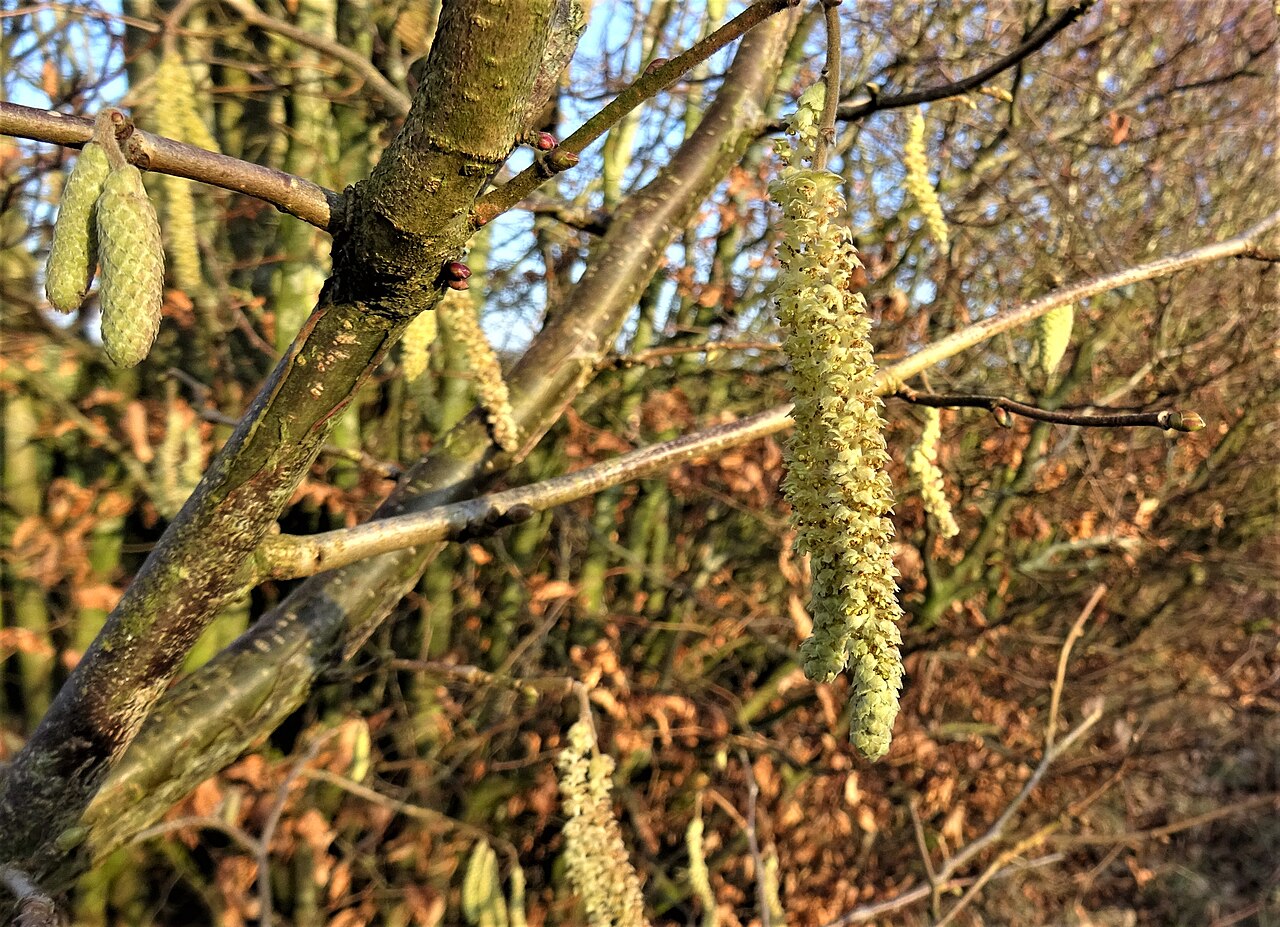
Pollination and fruit set. Algal preparations (due to hormonal content) and specific biostimulators are linked to better flowering, pollination, and retention of set fruits. In the collection of Croatian fruit growers, it is mentioned that biostimulators based on titanium, due to their favorable effect on pollination in apples, are beginning to be used in hazelnuts. Preparations obtained by fermentation (e.g., type "Biimore") declare a direct influence on carbohydrate metabolism and photosynthesis and "promote fruit set and development."
Nutrition efficiency and quality. Better nutrient utilization, larger caliber, and more uniform ripening are linked to regular application during the season. It should be emphasized: this is an addition, not a replacement for fundamental fertilization based on soil and leaf analysis.
Overview of preparations from hazelnut literature
The table summarizes types and informative dosages that recur in Croatian programs and catalogs. Dosages are informative and depend on the cultivar, location, phenophase, and the label of the specific product.
| Preparation Type | Example / Composition | Informative Dosage | Purpose |
|---|---|---|---|
| Amino acids from seaweed | FitoAlgen F / FitoAlgen F MnZn | 2.0 l/ha (foliar) | stress recovery |
| Organic fertilizer with amino acids | Amive | 1.5–2.0 l/ha | stress recovery |
| Concentrated amino acids | Kaishi | 1.5–2.0 l/ha | stress recovery |
| Amino acids (plant origin) | Shigeki | 1.5 l/ha | stress recovery |
| Amino acids (LMW, organic) | Fitofert LMW | 2.5–3.5 l/ha | stress recovery |
| Amino acids 23–24% free | Delfan Plus / Vegenergy (Tradecorp) | 1.0 l/ha | antistress, organic N |
| Algae extract A. nodosum (cold pressed) | Phylgreen (Tradecorp) | 1.0 l/ha | antistress, pollination |
| Algal extract + silicon | (Altinco agro) | 2.0–3.0 l/ha | antistress, drought |
| Soil activator (microorganisms) | Bioptimus | 4.0 l/ha (fertigation/to soil) | soil fertility |
For foliar preparations from catalogs (type Shigeki) for stone fruit, apples, etc., 150–250 ml per 100 l of water foliarly, or 2.0–5.0 l/ha via fertigation is often specified — always check the specific instruction for hazelnuts.
Application calendar — when it pays off
Biostimulators are not a "spray and forget" product; they provide the greatest value in precisely defined phenophases and after stressful events.
| Period / Situation | Goal | Preparation Type |
|---|---|---|
| Pre-bloom and during bloom | better pollination, fruit set | algal extracts, hormonal biostimulators |
| After late spring frost | rapid tissue recovery | amino acids (high % free) |
| Drought / summer heat wave | osmotic protection, recovery | amino acids + algal + Si |
| After hail | healing, antistress | amino acids |
| Fruit filling phase | kernel caliber, quality | fermentation biostimulators |
| Autumn / Spring (soil) | fertility, structure, microbiome | humates, soil activators |
Registration status — careful with labels
This is the part that orchardists most often overlook.
- Biostimulators are registered in the EU as fertilizing products (PFC 6) according to Regulation 2019/1009 and carry the CE mark, not as plant protection products. This means they must not carry claims about controlling diseases or pests.
- Many preparations on the market are simultaneously declared as organic fertilizer (e.g., due to nitrogen content from amino acids) — so they are suitable for organic production, but this must be checked on the specific label and in the list of permitted substances.
- Dosages and phenophases on the label are binding; figures from programs and catalogs are a guide, not a regulation.
- For organic orchards, it is mandatory to check if the preparation is on the current list of permitted substances (e.g., with an authorized control organization).
Real-world efficacy — what to expect and what not to expect
Scientific literature is cautiously optimistic but honest about limitations:
- Efficacy varies significantly depending on the algal species, extraction method, and application parameters (timing, method, concentration). The same product may yield visible results in one orchard but almost nothing in another.
- The most reliable effect is anti-stress (recovery after frost/drought/hail). Claims of large yield jumps should be taken with caution — increases are more realistically in the range of a few percentage points and depend on the initial orchard condition.
- Foliar application (uptake through the leaf cuticle) is faster for stress response; soil application/fertigation acts more slowly, via the root system and microbiome.
- A biostimulant does not fix poor soil, water deficits, or incorrect fertilization. On a healthy, well-fertilized orchard, it provides "fine-tuning"; on an orchard with fundamental problems, it will not work miracles.
Practical recommendations and common mistakes
Recommendations
- The foundation is soil and leaf analysis, along with balanced NPK fertilization; the biostimulant is an add-on.
- Treat targetedly — link application to phenological stages (flowering/fruit set) and stress events, not randomly.
- Algal preparations obtained by cold pressing generally retain more bioactive substances.
- Perform foliar treatments during the cooler part of the day, ensuring good coverage and correct spray solution pH.
- Test on a small area and compare with an untreated row before expanding to the entire orchard.
Common mistakes
- Treating the biostimulant as a "replacement" for fertilization.
- Overdosing with the belief that "more = better" — with biostimulants, the effect is achieved at low doses.
- Application during heat and sun (rapid evaporation, poor uptake, risk of leaf burn).
- Expecting effects on diseases/pests — this is not their function nor an approved claim.
- Uncritically believing marketing figures without verifying them on your own plot.
Sources
This text is an AI summary compiled from a hazelnut literature collection (internal RAG corpus) and publicly available sources. Figures, dosages, and claims are informative — verify them with official sources and advisory services before application.
Main sources used:
- Technological guide for foliar fertilization of hazelnut (2021) — gnojidba.info — https://gnojidba.info/wp-content/uploads/2022/06/Vodic-za-folijarnu-gnojidbu-lijeske-2021.pdf
- FitoEko catalogs and orientation programs for hazelnut protection and fertilization (2023–2026) — Agroklub / FitoEko (RAG corpus)
- Proceedings of the 13th scientific-professional conference of Croatian fruit growers (2018.) — technological guidelines for biostimulant application in hazelnut cultivation (RAG corpus)
- Proceedings of the 67th Plant Protection Seminar (2025.) — biostimulants and biofertilizers (RAG corpus)
- Enhancing organic fruit production: insights into biostimulant applications (2025.) (RAG corpus)
- Foliar Nutrition Influences Yield in Hazelnut — Plants, 2023 — https://doi.org/10.3390/plants12112219
- Regulation (EU) 2019/1009 on fertilising products (PFC 6 — plant biostimulants) — EBIC — https://biostimulants.eu/regulatory/
- Seaweed-derived biostimulants for sustainable crop production: A review — ScienceDirect — https://www.sciencedirect.com/science/article/pii/S016816562500241X
- Seaweed Extract as a Biostimulant to Enhance Fruit Growth, Yield and Quality of Kiwifruit — MDPI Horticulturae — https://www.mdpi.com/2311-7524/9/4/432
- Biostimulants in Fruit Crop Production: Impacts on Growth, Yield, and Fruit Quality — MDPI Horticulturae — https://www.mdpi.com/2311-7524/11/12/1452
Recommended equipment
🔎 fruit tree fertilizer — Amazon →Affiliate links — we may earn a small commission at no extra cost to you.